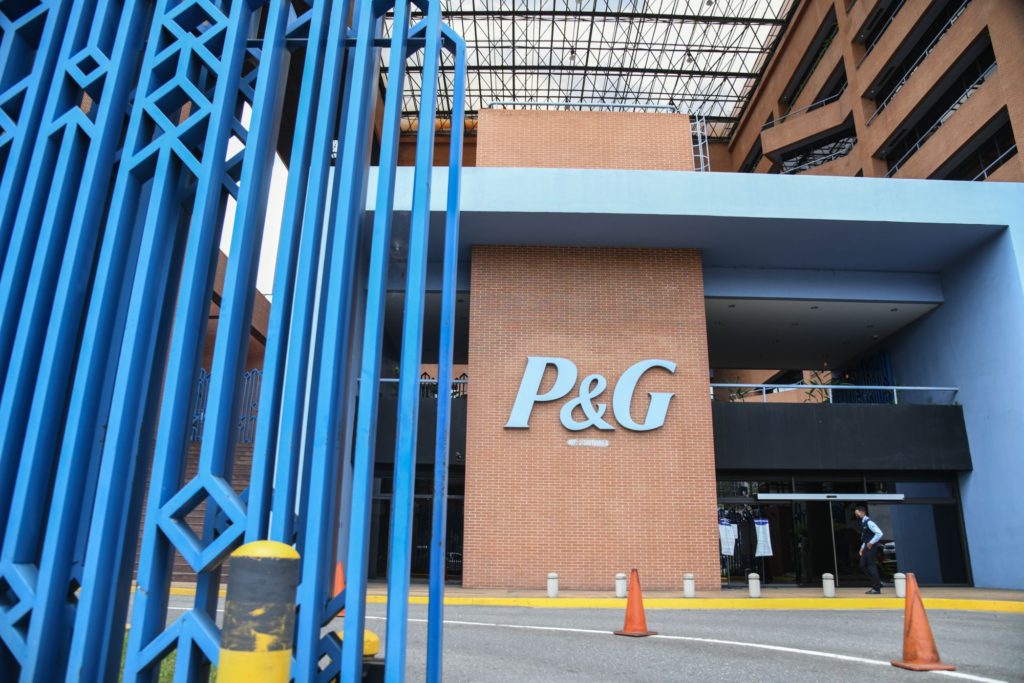
(Bloomberg) — Back when Venezuela was a hub for multinationals, Procter & Gamble’s research and development facility helped develop brands like Pampers and Pantene. Now, two ambitious entrepreneurs think the building can jump start a new kind of innovation for the country: the tech industry.
Backed by foreign capital, Luis Cifuentes and Carlos Aguilo are building the country’s first tech hub in offices P&G left five years ago amid a historic economic collapse.
A combination of co-working space and tech accelerator program, Wave Tech Hub is a risky bet in a country plagued by slow Internet connections, power disruptions and an unpredictable business environment.
But the pair see potential for an emerging startup scene.
“Venezuela is like a laboratory to test the market,” said Aguilo, who brings a background in tech including founding another business incubator in 2014, which supported projects such as a news website and a fintech.
“Our competitive indexes are among the lowest, but that doesn’t mean we can’t innovate.”
While Latin America was the fastest-growing region in the world for venture funding in 2021, Venezuela has been left behind as international investors have avoided the sanctioned country and its crumbling economy.
But socialist President Nicolas Maduro has eased controls on the private sector and allowed for a non-official dollarization.
That helped the country emerge from four years of hyperinflation and break a recession.
Cifuentes and Aguilo see signs tech is poised to take off as the country stabilizes.
Delivery app Yummy recently raised $47 million in the largest venture round ever for a Venezuelan startup.
And projects like private collective transportation app La Wawa and payment platform Ubii have started to gain traction.
Startups can find talented programmers, engineers and software developers among residents and some of the 6 million Venezuelans who fled during the collapse, said Cifuentes, an accountant by training.
“There is a lot of talent in technology areas here. What it needs is a catalyst,” he said.
Standing in the outskirts of Caracas, the former Latin American Innovation Center was used by P&G to carry out research and develop brands for the Latin American market starting in the late 90s.
It was the heyday for Venezuela as a hub for multinationals.
When the company relocated the unit to Brazil in 2017, it left behind dusty desks, and outdated phones and TV sets. It has been refurbished with modern furniture, top-notch technology, and office space that replicates the atmosphere of global tech companies, including mindfulness lounges, an internal garden, fish tank offices, and a large cafe.
The walls of the upper floors, which haven’t been renovated, still display some of the images and colors of P&G’s most-recognized brands, from Pampers diapers to Oral-B toothpaste.
Someday, Aguilo says, they will host more office space, an academy for software developers and a virtual reality studio.
The initial refurbish was financed by a private equity fund focused on real estate that purchased the building last year.
The fund is backed by undisclosed international investors, including some from the US. Cifuentes and Aguilo also declined to disclose the total investment in the project.
Guaranteeing basic services for entrepreneurs is not easy in Caracas.
The hub had to invest in a dedicated Internet connection and re-used P&G’s water tank and the building’s emergency power plant.
Entrepreneurs can purchase flexible memberships for both individual work stations and offices for larger teams.
They can also sign up for advisory services on how to get their projects ready for funding.
Aguilo and Cifuentes have identified 11 projects they say are ready to pitch to investors, including fintechs and delivery apps.
“We could’ve moved to an office anywhere.
But we wanted to find a community where companies use technology to lever up scale,” said Eduardo Martinez, co-founder of Lukapay, a marketplace for multiple currency payment methods and Wave’s first tenant.
“The structural problems of the country are still there.
But we are seeing some winds of change that give us a chance to breathe and a feeling that there are opportunities,” he said. “We are taking a bet.”
More stories like this are available on bloomberg.com
©2022 Bloomberg L.P.