The San Diego-based activewear brand valued at $4 billion pushes beyond its West Coast roots, including its first New York store.
(Bloomberg) — Vuori Inc.
has big ambitions, and with the help of SoftBank’s deep pockets, it’s getting the chance to show if it can become the next Lululemon.
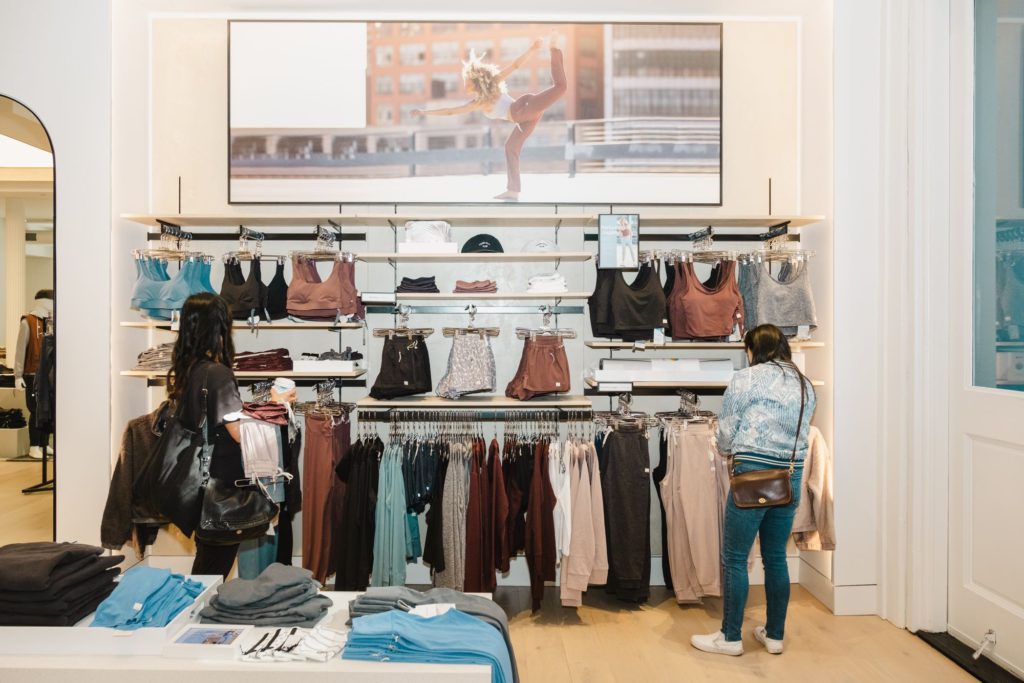
The latest phase of the activewear brand’s expansion arrived on Thursday with its first store in New York.
The closely-held company, valued at $4 billion after a $400 million investment from SoftBank a year ago, expects to be operating about 30 locations by yearend and could nearly double that total in 2023.
On the international front, Vuori began offering e-commerce in China and other foreign markets last month.
“They’re definitely becoming a bigger brand and someone that larger players should be looking at and understanding,” said Cristina Fernández, a senior research analyst for Telsey Advisory Group.
Vuori, founded in the San Diego area in 2014, broke through by cultivating a following for its stylish workout gear in Southern California.
Then the pandemic helped trigger a spike in sales as stuck-at-home Americans splurged on its comfy sweatpants and athleisure.
Now it’s pushing to get much bigger. That won’t be easy, as shoppers are shifting purchases to workwear and becoming more frugal as fears of a recession increase.
“In this environment where there’s a lot of competition and not a ton of growth, it’s going to be about stealing market share,” said Kristen Classi-Zummo, director and industry analyst at NPD Group.
The challenge for Vuori will be innovation — “what will inspire someone to buy another legging or sweatpant?”
Softbank, the Tokyo-based holding company, is betting Vuori can overcome these hurdles after its investment boosted the brand’s valuation almost 20 times from $210 million to $4 billion, according to data from PitchBook.
The relationship blossomed when Nagraj Kashyap, head of the consumer practice for SoftBank’s Vision Fund, had lunch with Vuori founder Joe Kudla.
Vuori “became very interesting for us once we understood how they had scaled from a small shop,” said Kashyap, who is also based in San Diego and was a Vuori customer before investing.
“Their growth had come from e-commerce without actually being on any of the other coasts besides the West Coast.”
The brand’s store in the heart of Manhattan’s ritzy SoHo shopping district is helping to change that.
At about 5,000 square-feet, it’s more than double the size of an average location and will offer more items. The store oozes the brand’s Southern California vibe with artwork featuring surfers and hikers.
The store is also located within a block of Lululemon and Nike, and that’s no accident.
The company spent three years looking for a spot and said it used customer ZIP codes and other data to find the new location.
Vuori declined to share specific numbers on its financial performance.
However, Kudla did say that the company has been profitable for several years and sales are projected to increase by more than 70% this year.
A former accountant who practices yoga, he got the idea for Vuori after becoming frustrated with the men’s athletic apparel category being focused on professional sports and urban streetwear.
That led him to create workout gear and casual clothing made with smooth, premium fabrics, tighter fits and no big logos.
After initial success with men’s apparel, the brand introduced a women’s line, which now makes up half its sales.
Prices are similar to Lululemon’s, ranging from about $50 for women’s tank tops to $250 for a men’s down jacket.
See also: How the great post-Covid online shopping bet was a costly delusion
The company’s rapid growth has invited comparisons to Lululemon, which started with women’s activewear and later introduced men’s products.
Lululemon is expected to hit almost $8 billion in sales this fiscal year, doubling revenue from three years earlier, and has about 600 stores. Its shares on a price-to-earnings basis trade at a premium to its peers, including 40% above Nike.
Vuori accelerated growth early on by building a wholesale business with retailers such as Nordstrom and REI.
For years, the dominant model for young brands was to sell directly to consumers through its own channels. That can help boost profit margin, but it also makes sustaining growth difficult.
“Selling wholesale and not thinking it was a dirty word served them well,” said Brian Berger, chief executive officer and founder of apparel maker Mack Weldon.
The strategy also boosted exposure while reducing its reliance on digital advertising that has skyrocketed in cost, he said.
Vuori is now trying to expand beyond a niche brand and will go head-to-head with giants like Lululemon, Nike and Under Armour.
One way forward could be going public, but few athletic apparel brands have gone that route in the past several years. The recent track record of initial public offerings by any kind of consumer brand has been spotty at best.
“If a brand like Vuori wanted to go public today, you would have to demonstrate extremely dynamic growth and best-in-class profitability,” Kudla said.
“Those are — I think — things that Vuori possesses.”
More stories like this are available on bloomberg.com
©2022 Bloomberg L.P.