Flush with cash and fueled by locked-down consumers’ spending, online retailers were expected to outpace their bricks-and-mortar rivals. Instead, upstart brands such as recently defunct Made.com are crumbling under the UK’s cost-of-living crisis.
(Bloomberg) —
Flush with cash and fueled by locked-down consumers’ spending, online retailers were expected to outpace their bricks-and-mortar rivals.
Instead, upstart brands such as recently defunct Made.com are crumbling under the UK’s cost-of-living crisis.
The trend is punishing investors and has old-guard retail behemoths — including Next Plc, Frasers Group Plc and Marks & Spencer Group Plc — positioning to snatch up the dregs.
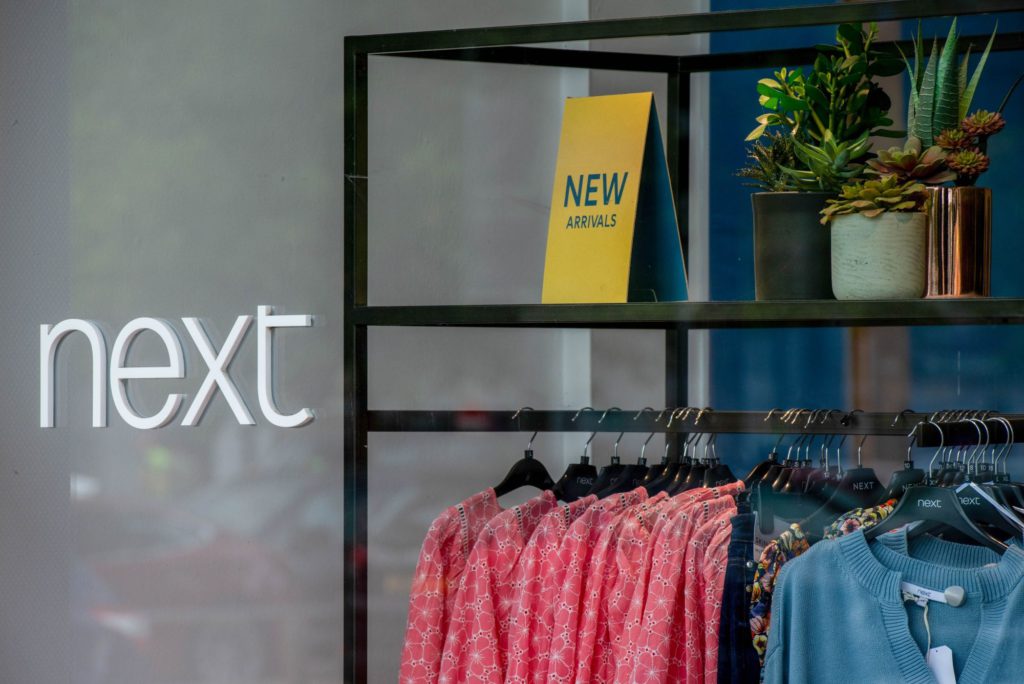
Next bought the web-based furniture brand for just £3.4 million ($4 million) this week, after it floated at a lofty £775 million last year.
“Made.com was one of the darlings of the online retailers,” said Zelf Hussain, a partner at PwC who oversaw the retailer’s sale to Next.
“What the current economic climate is showing, is that if you haven’t actually got to a growth level where you’re profitable, it’s going to become more challenging.”
With inflation soaring, freight costs still elevated and the economic outlook worsening, the retail industry is bracing for a tough road ahead.
And while online retail has been viewed by many as a low-cost, open field for new entrants, it’s proved no match for the headwinds facing consumers.
More than 80% of UK consumers say they’ve been hit by the cost-of-living crisis, and about three-quarters are cutting back on shopping for luxury items and clothes.
Online emporium THG Plc, which sells beauty, skincare and health food products, has lost more than 60% of its value this year.
US home-goods seller Wayfair Inc., meanwhile, announced it was cutting 5% of its workforce in August to save costs. Direct-to-consumer mattress brand Eve Sleep Plc called in administrators last month and was bought by Bensons for Beds after struggling to find a buyer earlier in the year.
Online fast-fashion retailers Asos Plc and Boohoo Group Plc, which not long ago were buying up struggling rivals such as Topshop, Topman, Oasis and Dorothy Perkins, are now among the most shorted stocks as shoppers pull back on party dresses and fancy footwear.
A credit insurer reduced cover for one of Asos’s suppliers earlier this year while Drapers reported this week that an insurer took the same step on Boohoo.
The reduction in cover is “simply the insurer removing the headroom of cover that is not utilized by the supplier, which is responsible insurance practice,” said a Boohoo spokesperson.
“There’s been an awful lot of investment in brands with the idea that they can scale up easily because of online,” said Patrick O’Brien, UK retail research director at GlobalData Plc, a consulting business in London.
“Unless your brand is known, the amount of marketing spend you need to get in people’s heads is incredibly high, and that’s a real struggle.”
Moving to online-only operations also hasn’t worked out for traditional bricks-and-mortar brands suit-maker TM Lewin and homewares store Cath Kidston.
“There are too many stores and too many websites,” said Richard Hyman, a partner at advisory firm Thought Provoking Consulting.
“In order to grow you really have to take business from someone else.”
Next is no stranger to buying up struggling retailers. The chain led by Simon Wolfson takes stakes in brands and signs them up to its warehousing and logistics network.
Next bought baby-goods retailer JoJo Maman Bebe earlier this year alongside US hedge fund Davidson Kempner Capital Management and has a majority stake in women’s fashion brand Reiss.
Next has been moving into selling more brands online, including Monsoon, Ted Baker and Superdry.
A furniture and home accessories range from Made.com could broaden the appeal of its website.
Mike Ashley’s Frasers, which owns companies including Sports Direct and Flannels, is also in a position to jump on the wearker, smaller brands.
Frasers bought online businesses Missguided and Studio Retail Group out of administration earlier this year, after taking over Sofa.com in 2019 for a nominal sum as the furniture maker suffered losses.
Retailer insolvencies have already risen this year to the highest since at least 2012, and more are expected to follow after the peak Christmas trading season, according to analysts at Stifel.
Next year is likely to be even harder as rising mortgage rates and still soaring inflation erode consumer spending power.
M&S, which reported growth in its clothing and home division this week, has also signaled it may move on some of the faltering retailers.
The company said this week that “unviable capacity leaving the industry” will create “opportunities for the leaner players who remain.”
More stories like this are available on bloomberg.com
©2022 Bloomberg L.P.