Japan is no longer the best-performing wealthy nation when it comes to avoiding Covid deaths.
(Bloomberg) — Japan is no longer the best-performing wealthy nation when it comes to avoiding Covid deaths.
The country, which has one of the oldest populations in the world, is quietly experiencing its biggest outbreak of the pandemic.
A wave of omicron infections overwhelmed its health system this winter and delayed medical care for patients, sending daily deaths to a record high of more than 500 on Jan. 14, according to data compiled by Bloomberg.
The increase pushed Japan’s overall mortality rate above New Zealand’s, which now has the fewest deaths per capita among the Organisation for Economic Co-operation and Development’s 38-member countries, according to Our World in Data.
Infection rates in Japan, while still among the lowest in the world, are now rising rapidly.
That status left more room for people to contract the virus for the first time this winter, which boosted the risk of death, said Norio Ohmagari, head of the disease control and prevention center at National Center for Global Health and Medicine, and an adviser to the Tokyo government.
Japan’s longstanding success in managing the pandemic was underpinned by extensive mask wearing, widespread vaccination, an already-healthy population and easy access to health care.
Read more: How Japan Achieved One of The World’s Lowest Covid Death Rates
“The number of infected people will likely increase at a faster pace than in other countries from now on,” Ohmagari said.
“Japan is a super-aging society, which means the proportion of people with a greater mortality risk is high. In the long run, it’s possible that Japan will be among the countries with high mortality rates.”
Japan is one of the fastest-aging societies in the world, with people older than 65 making up 29% of the 125 million population.
The group is among the highest-risk for Covid, with reports that many deaths during the current wave have occurred among those with underlying conditions such as Alzheimer’s and heart disease.
The about-turn in Japan reflects the ongoing devastation wrought by the virus even as the world, including previous holdouts like China, resume pre-pandemic life.
While mainland China’s abrupt abandonment of Covid Zero in early December unleashed a wave of infections that contributed to a recent uptick in the global death rate, the figure was relatively stable for most of 2022.
System Setbacks
The health system structure likely exacerbated the toll.
Japan classifies Covid as a serious disease, much like tuberculosis or avian influenza, and sends patients to specialized facilities equipped to handle it.
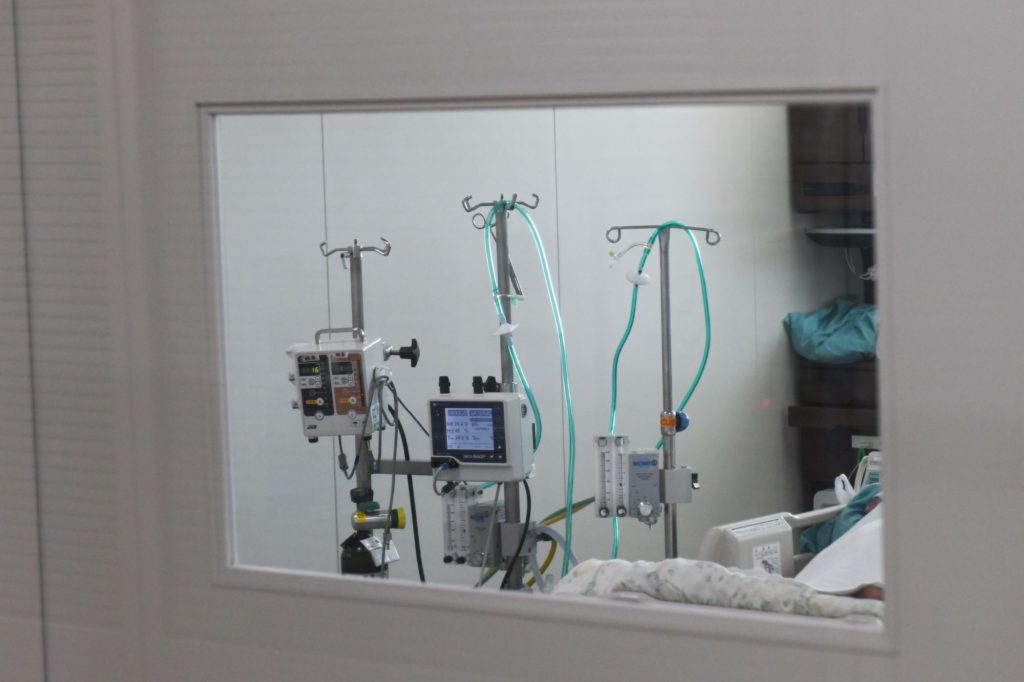
The designated Covid hospitals were overwhelmed by the rapid increase of patients during the wave that started in October and turned patients away, said Kenji Shibuya, an epidemiologist at the Tokyo Foundation for Policy Research.
Thousands of emergency patients were denied care by hospitals three times or more since the outbreak began, with the figure hitting a record 8,161 the week of Jan.
9, according to the Fire and Disaster Management Agency.
“The number of emergency transports by ambulance increased, placing a heavy burden on designated hospitals already lacking manpower as medical professionals also got infected,” Shibuya said.
“Communities can’t respond quickly enough to elderly people whose underlying conditions worsened because of Covid,” he said, calling for the classification to be quickly changed so more hospitals can treat the infected.
Downgrading Covid
There have been calls to downgrade Covid’s classification, and treat it like influenza, for more than a year.
But the government has resisted, despite the signs that the cautious approach meant to control the spread of the virus is now contributing to making the death toll worse. A key political consideration is to avoid passing on costs to patients — if the classification is downgraded, people have to pay for treatment themselves like for other illnesses.
Prime Minister Fumio Kishida last week said the nation will prepare to relax its indoor mask guidelines and lower Covid’s classification on May 8.
His support rate rose 4 percentage points to 39% from the previous month, according to a poll by the Nikkei newspaper conducted between Jan. 27 and Jan. 29.
Covid measures still linger everywhere in Japan.
Most people wear masks outdoors, hotels check temperatures and restaurants continue to place plastic sheets between tables. How they adjust to the reopening will determine the coming infection and death rates, health experts said.
“Our future depends on how elderly people protect themselves and if other people cooperate,” Ohmagari said.
“I sincerely hope that there will not be a division in the society.”
–With assistance from Jinshan Hong.
More stories like this are available on bloomberg.com
©2023 Bloomberg L.P.