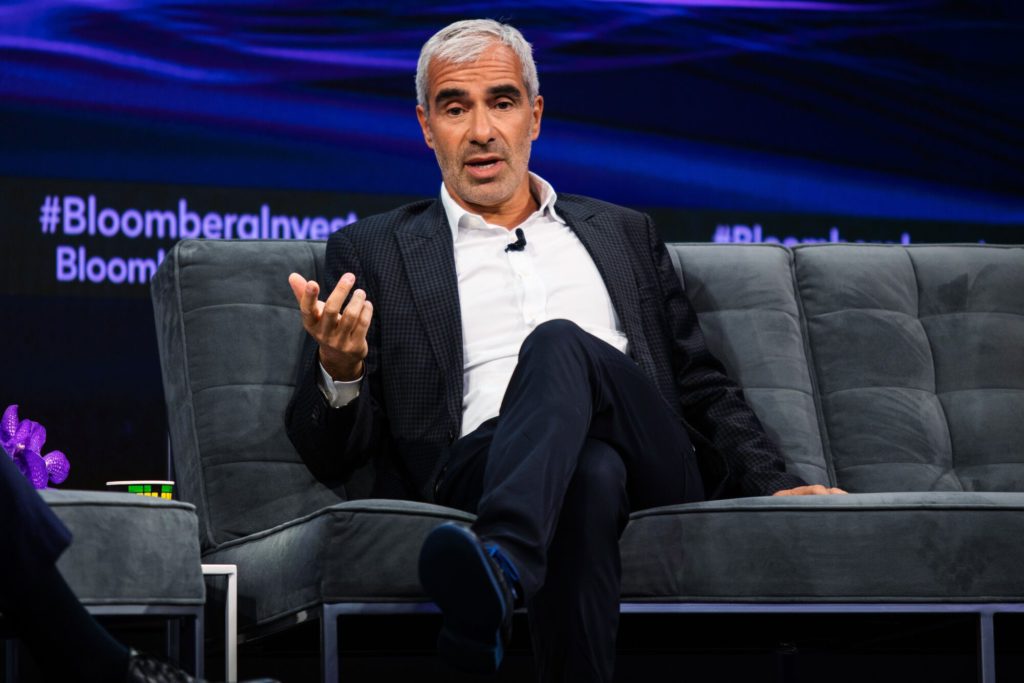
Serial dealmaker Martin E. Franklin, who warned of excesses in blank-check companies last year, is raising money for a new buyout company.
(Bloomberg) — Serial dealmaker Martin E.
Franklin, who warned of excesses in blank-check companies last year, is raising money for a new buyout company.
Admiral Acquisition Ltd. is selling units at $10 each on the London Stock Exchange, according to terms seen by Bloomberg.
The sponsor is Mariposa Capital, a Miami-based family office owned by Franklin.
The offering, which will be at least $500 million, will raise funds for an acquisition, with no limit on the geography or industry of the target.
The Jarden Corp. co-founder is working with UBS Group AG and Jefferies Financial Group Inc.
Bloomberg News reported last year that plans for the vehicle were under way.
Franklin, 58, is pressing ahead with the listing even after the bubble in special-purpose acquisition companies burst in the US, with many of the vehicles shutting down for a lack of targets.
Of blank-check companies that did manage to complete deals, a slew have filed for bankruptcy after the target company faltered.
Franklin was a pioneer in using blank-check companies, raising money for acquisitions as early as 2006 and taking companies including Nomad Foods Ltd.
public. He’s been skeptical of the boom in SPACs, warning last year that it would end badly and urging better governance of the business model.
The new vehicle won’t be a US-style SPAC, since it won’t have free shares issued to the founders at completion of an acquisition, according to the terms.
Also unlike a US SPAC, shareholders also won’t be able to redeem their shares rather than participate in the acquisition, providing certainty to the target company’s shareholders.
SPACs have no other business but to raise money for acquisitions.
They initially were initially heralded as a way to help companies get a public listing while avoiding some of the disclosure requirements of an IPO. But they’ve been hit by poor post-merger returns, an oversupply of blank-check firms and increased regulatory scrutiny.
–With assistance from Swetha Gopinath and Ed Hammond.
More stories like this are available on bloomberg.com
©2023 Bloomberg L.P.