Kenya’s dollar bonds have reversed a peer-beating performance following deadly protests in the nation’s capital and other towns.
(Bloomberg) — Kenya’s dollar bonds have reversed a peer-beating performance following deadly protests in the nation’s capital and other towns.
After handing investors a 5% return in June, the East Africa nation’s securities advanced early this month as financing from the International Monetary Fund tamped down fears that Kenya may be unable to pay a $2 billion eurobond that falls due next year.
That goodwill has eroded since Fitch Ratings downgraded the nation’s credit outlook and the revival of protests by an opposition coalition over the high cost of living in Kenya.
Eurobond investors are now facing losses of 1.2% in July, the worst behind Sri Lanka and Ghana. In comparison, peers have made positive returns of 1.3% on average.
Read more: What Is Behind Kenya’s Deadly Opposition Protests: QuickTake
The protests this month have had a negative impact on performance and while they’ve died down, the situation remains “unpredictable,” said Shamaila Khan, head of emerging markets and Asia Pacific at UBS Asset Management Americas Inc.
“The protests, if they continue, can impact the ability of the government to meet the IMF revenue targets for this year which would have a negative impact on the credit,” she said.
“Also, if the protests are prolonged, they can hurt business sentiment and growth outlook.”
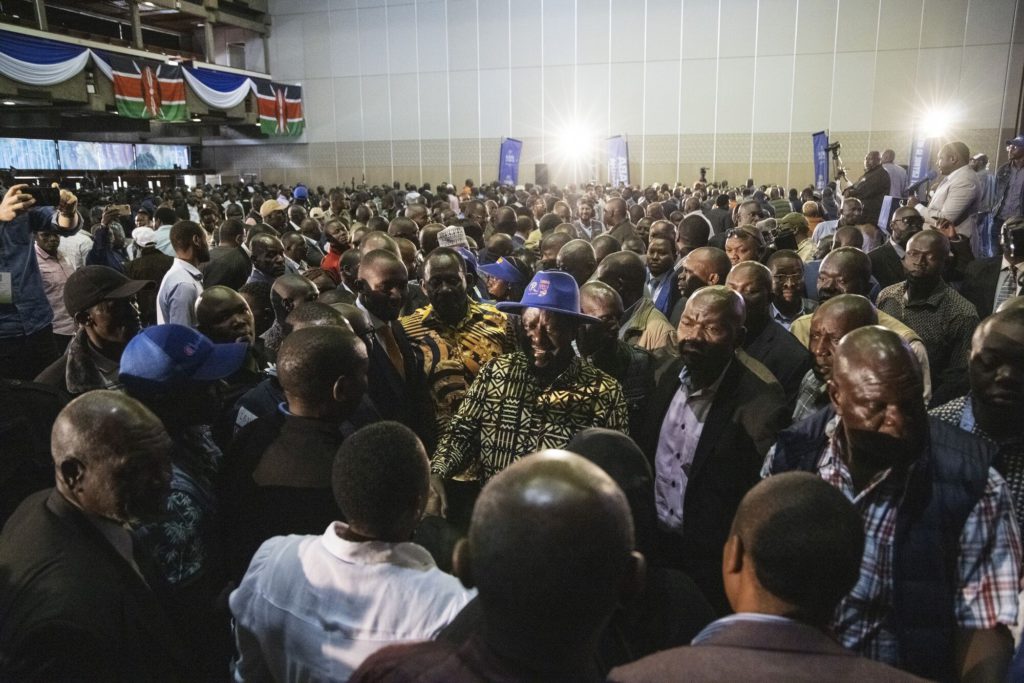
Supporters of Kenyan opposition leader Raila Odinga have been protesting against rising living costs and the outcome of last year’s elections.
Odinga narrowly lost the presidential vote to William Ruto, a result confirmed by the Supreme Court, though he maintains he won and called for mass action in a bid to force an audit of the results.
Morgan Stanley lowered its stance on Kenyan credit to neutral from like amid the deadly protests.
Strategists including Neville Mandimika said another factor weighing on investor sentiment is opposition to the government’s Finance Bill, which introduced a range of measures including doubling value-added tax on gasoline to fund the government’s 3.68 trillion-shilling ($26 billion) budget.
Kenya’s High Court has suspended the taxes and the bill may not be implemented, adding downside risks to the state’s budget-deficit targets.
Societe Generale SA’s Gergely Urmossy has taken profit on a long Kenya trade.
“The upside to the bonds’ price performance is now limited, as most of the positive news we had expected was announced,” he said.
More stories like this are available on bloomberg.com
©2023 Bloomberg L.P.