By Manoj Kumar
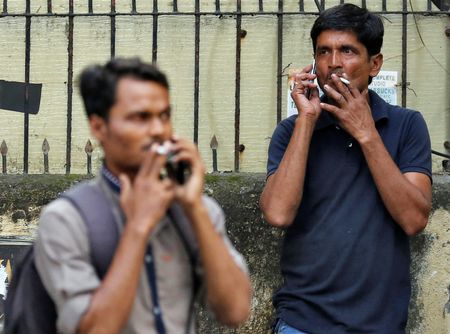
NEW DELHI, Dec 1 (Reuters) – India unveiled two new tax bills in parliament on Monday, aiming to overhaul levies on “sin goods” such as tobacco, a spice mix known as pan masala and other items, ahead of next year’s phase-out of a Goods and Services Tax (GST) compensation cess.
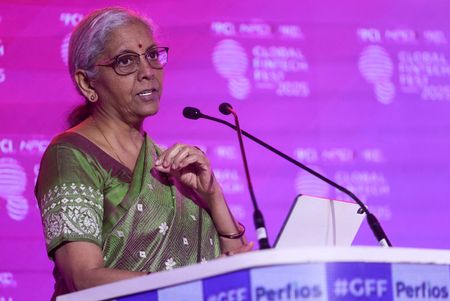
The move provides for a new central excise duty to retain high taxes on such products, avoiding revenue losses after expiry of the cess, Finance Minister Nirmala Sitharaman said while introducing the bills.
The GST compensation cess is an extra levy on ‘sin’ and luxury goods that compensates Indian states for revenue lost after the central government rolled out the GST in 2017.
Excise duties under the new legislation, called the Central Excise (Amendment) Bill, 2025, will range from 60% to 70%, while specific duties on cigarettes will depend on their length and whether they use filters, Sitharaman said.
“Compensation cess levied on tobacco and tobacco products, wherever applicable, will be discontinued once interest payment obligations and loan liabilities under the compensation cess account are completely discharged,” she added in a statement.
She also introduced a bill providing for a separate cess on pan masala and any other goods the government may notify.
The new levy laid out in the Health Security and National Security Cess Bill, 2025, is expected to fund health programmes and national security needs while keeping high-risk products expensive after the GST compensation cess is withdrawn.
The levy will be based on the declared production capacity of machines or processes rather than actual output, a system the government expects to spur compliance and curb under-reporting.
Both large and small manufacturers, including producers of handmade items, will have to register and pay a fixed monthly cess.
The bills, part of a broader tax realignment before GST compensation provisions lapse, next go to parliamentary panels for review, before facing a vote next year, where approval is likely.
(Additional reporting by Nigam Prusty; Editing by Clarence Fernandez)