(Bloomberg) — Hungarian assets tumbled after Prime Minister Viktor Orban unveiled plans for a sweeping set of new taxes to shore up the economy.
The proposal is the latest in a series of developments that have alarmed investors as Hungary slips further away from its European Union and NATO allies.
Orban started his fourth consecutive term this week by declaring a state of emergency just after he pushed through a constitutional amendment allowing the government to rule by decree in situations such as war in neighboring Ukraine.
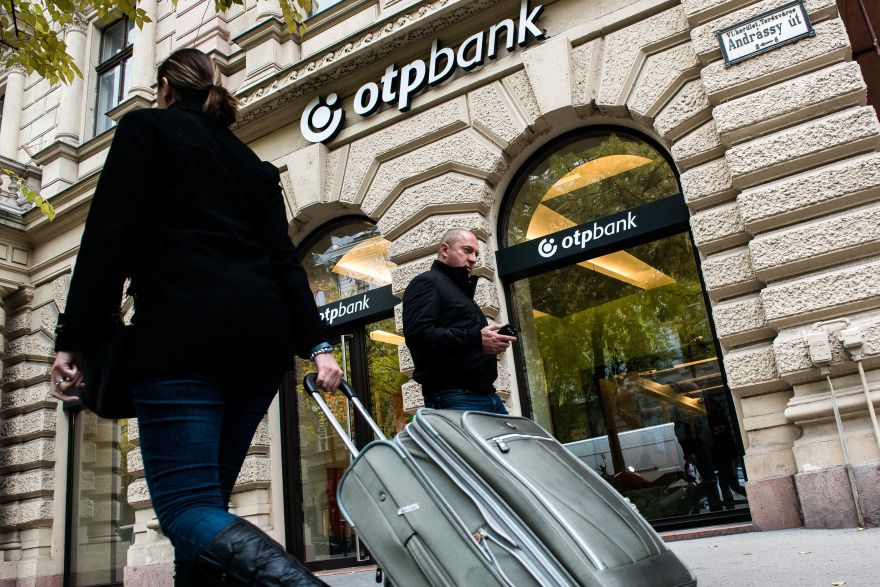
Refiner Mol Nyrt., which has seen its profit rise from selling Russian crude, plunged as much as 15% while the country’s largest lender, OTP Bank Nyrt., fell 13% at one point.
The forint approached a record low against the euro and yields jumped.
In a video message on Wednesday evening, Orban said that this year and next he seeks to siphon off to the budget “the bulk” of what he called the “extra profits” in sectors including banking, insurance, energy, telecommunications, large retail and airlines.
This is set to finance utility price cuts and help modernize the armed forces. Details of the plan will be unveiled at 2:30 p.m. in Budapest.
“This is a very bad news for sentiment not only for Hungary but also for the whole region,” Michal Konarski, an analyst at MBank SA in Warsaw, said by email.
“One can’t properly value equities in this operating environment, with earnings per share being nearly unpredictable.”
Budget Consolidation
The fresh financing will help consolidate the Hungarian budget as the EU imposes an effective funding freeze against Orban’s government, which it accuses of flaunting democratic norms.
Raiffeisen Bank International analyst Jovan Sikimic said that a higher bank tax was already “in the air” as a potential fix to Hungary’s budget woes.
The development is “Orban-style politics at its best,” he said. “We have included a 75% increase in bank tax from 2023 in our models.”
Hungary may also be planning to slap Mol with a levy on Russian crude imports, according to Tamas Pletser, an equity analyst at Erste Group Bank AG in Vienna.
Such a move could politically help Orban, who is isolated in the EU for failing to back the bloc’s ban on purchasing Russian oil.
The forint dropped as much as 1% against the euro before recouping most losses to trade 0.1% weaker at 393.08 at 11:05 a.m.
in Budapest. The yield on Hungary’s 10-year local-currency government bond increased 21 basis points to 7.05%, the highest level in a week.
Orban, the EU’s longest serving head of government, has clashed with the bloc over issues ranging from Russia to immigration and the rule of law.
The tax moves are a reversal from the past few years when Hungary tried to put on a more “business-friendly” face, MBank’s Konarski said.
“Now, everything is lost and we should expect extra premium applied to the cost of equity.”
(Updates throughout with analyst comments and latest markets.)
More stories like this are available on bloomberg.com
©2022 Bloomberg L.P.