The World Trade Organization chief voiced cautious optimism Sunday as global trade ministers gathered to tackle food security threatened by Russia’s invasion of Ukraine, overfishing and equitable access to Covid vaccines.
Opening the WTO’s first ministerial meeting in nearly five years, Ngozi Okonjo-Iweala said to “expect a rocky, bumpy road with a few landmines along the way”.
But she told journalists she was “cautiously optimistic” that the more than 100 attending ministers would manage to agree on at least one or two of a long line of pressing issues, and that would be “a success”.
The WTO faces pressure to eke out long-sought trade deals on a range of issues and show unity amid the still raging pandemic and an impending global hunger crisis.
But since the global trade body only makes decisions by consensus, it can be more than tricky to reach agreements.
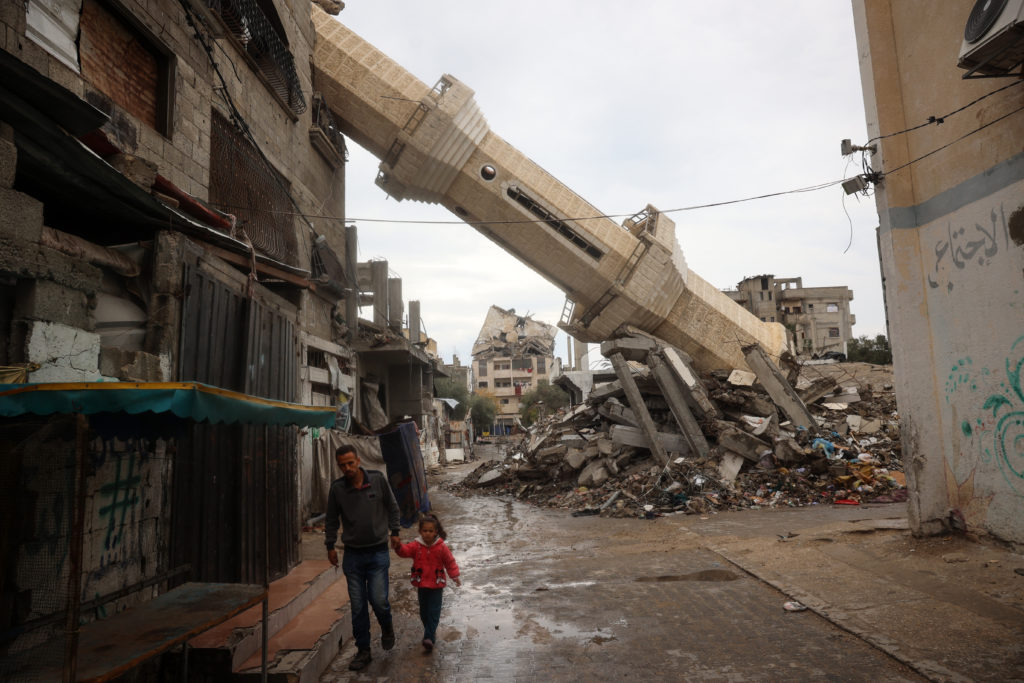
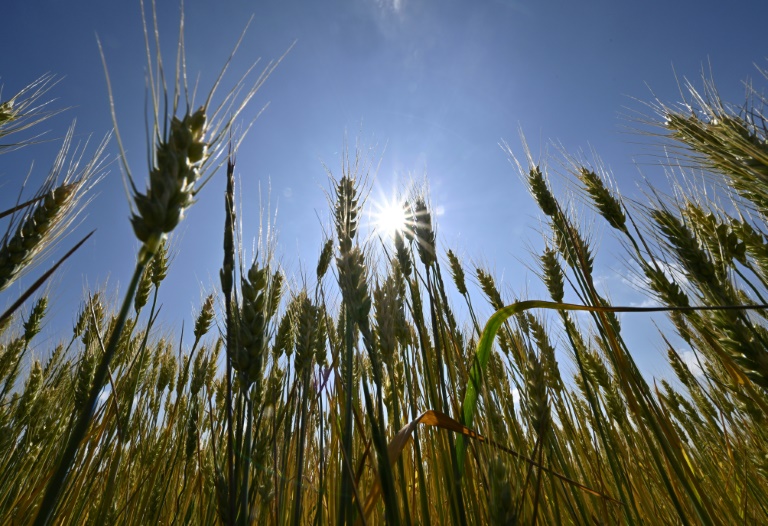
Top of the agenda at the four-day meeting is the toll Russia’s war in Ukraine, traditionally a breadbasket that feeds hundreds of millions of people, is having on food security.
– ‘Do the right thing’ –
The ministers are expected to agree on a joint declaration in which they “commit to take concrete steps to facilitate trade and improve the functioning and longterm resilience of global markets for food and agriculture”.
According to the draft text, countries would vow that “particular consideration will be given to the specific needs and circumstances of developing country Members”.
“I hope you will collectively do the right thing,” Ngozi told the delegates.
EU agriculture commissioner Janusz Wojciechowski told reporters that the bloc would have wanted the declaration to include the question of “Russia’s responsibility for the crisis”, but had sought a text that would actually be adopted by all WTO members, including Russia.
The bloc did however gather representatives from 57 countries, including Kyiv’s trade envoy Taras Kachka, for a show solidarity with Ukraine right before the main conference kicked off, with EU trade commissioner Valdis Dombrovskis slamming Russia’s “illegal and barbaric aggression”
Russia’s deputy economic development minister Vladimir Ilichev meanwhile urged an “objective and balanced assessment” of the food security situation and the “underlying causes”, stressing in a video address Moscow’s readiness to “participate actively and responsibly” in efforts to address the crisis.”
– Fisheries deal in sight?
–
The WTO hopes to keep criticism of Russia’s war in Ukraine to the the first day of talks, allowing ministers to focus in the following days on nailing down trade deals, after nearly a decade with no major agreements.
There is some optimism that countries could finally agree on banning subsidies that contribute to illegal and unregulated fishing, after more than two decades of negotiations.
“Twenty-one years is enough,” Okonjo-Iweala said.
“Will our children forgive us… if we allow our oceans to be depleted?”
The WTO says talks have never been this close to the finish line, but diplomats remain cautious.
One of the main sticking points has been so-called special and differential treatment (SDT) for developing countries, including major fishing nation India, which can request exemptions.
– India blocking –
The duration of exemptions remains undefined, with environmental groups warning anything beyond 10 years would be catastrophic.
India has demanded a 25-year exemption, and is so far refusing to budge.
Indian Commerce and Industry Minister Piyush Goyal insisted in a video address that most fishing in India is vital for survival, and that fishermen use “sustainable methods”.
“Their right to life and livelihood cannot be curtailed in any manner.”
Angered by lacking follow-through on promises made at a WTO ministerial meeting nearly a decade ago for food policy measures, India is proving intransigent on other issues as well, jeopardising the chances of locking down deals.
“There is not a single issue that India is not blocking,” a Geneva-based ambassador said, singling out WTO reform and agriculture.
– Patent waiver?
–
India has also struck a harsh tone on another key issue on the table: WTO response to the Covid crisis.
“The rich countries need to introspect. We need to bow our heads in shame for our inability to respond to the pandemic in time,” he said.
India and South Africa began in October 2020 pushing for the WTO to temporarily lift intellectual property rights on Covid-19 medical tools like vaccines to help ensure more equitable access in poorer nations.
After multiple rounds of talks, the EU, the United States, India and South Africa hammered out a compromise.
The text, which would allow most developing countries, although not China, to produce Covid vaccines without authorisation from patent holders, still faces opposition from both sides.
The pharmaceutical industry insists the waiver would undermine investment in innovation, while public interest groups charge the text falls far short of what is needed, by limiting and complicating the vaccine waiver and not covering Covid treatments and diagnostics.
“The negotiations are still aeons away from ensuring access to lifesaving Covid medical tools for everyone, everywhere,” medical charity Doctors Without Borders warned.