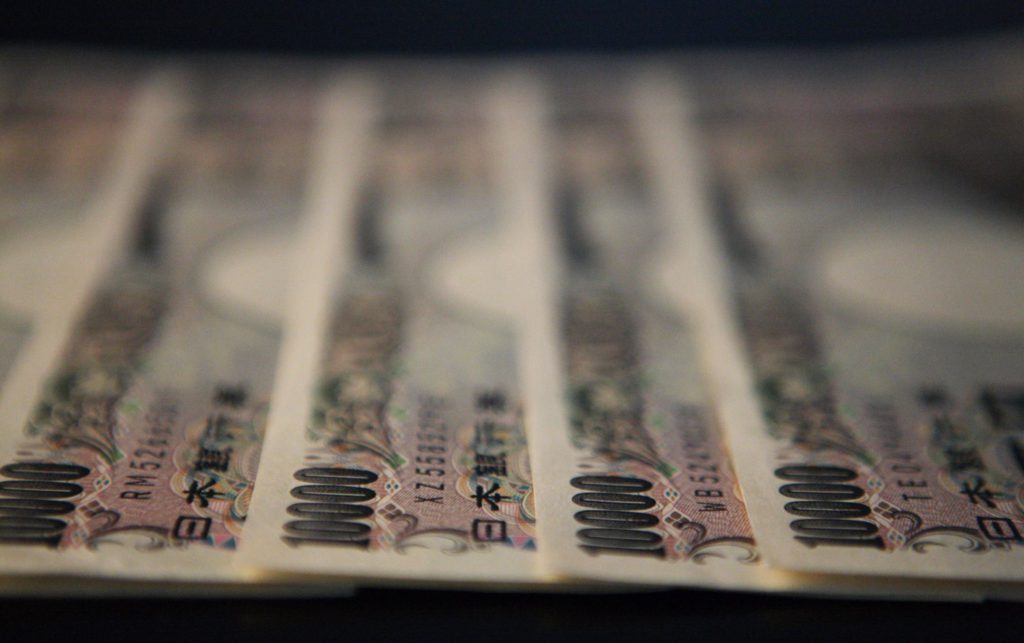
(Bloomberg) — With the yen at a 24-year low, Tokyo stocks down the most since March and bond yields hitting its ceiling, the Bank of Japan is under duress having to defend a policy the rest of the world is quickly moving on from.
In his clearest warning yet on the yen’s weakness, BOJ Governor Haruhiko Kuroda, 77, said Monday that the recent abrupt slide of the currency is bad for the economy, while the central bank reinforced efforts to keep a lid on yields.
Still, the yen fell 0.6% to 135.19 per dollar, the lowest since 1998.
The downward pressure on the yen and slide in Japanese government bonds was triggered by a new wave of selling in global debt markets, led by Treasuries, as investors shocked by Friday’s US inflation data priced in aggressive policy tightening by the Federal Reserve and sought refuge in the dollar.
“While Japanese authorities have stepped up warnings, there are few tools available to stop this momentum,” said Akira Moroga, manager of currency products at Aozora Bank in Tokyo.
“The environment remains ripe for speculators to drive dollar-yen higher.”
The yen fell almost 15% this year — the worst-performing major currency — as the BOJ keeps rates low to boost a sluggish economy while US yields surge on bets for continued Federal Reserve hikes.
Why the Yen Is So Weak and What That Means for Japan: QuickTake
Bond Buying
Kuroda’s statement to parliament ahead of a policy meeting Friday also included a reminder that monetary easing needed to continue.
Earlier, the BOJ stepped up efforts to defend its easy stance, saying it would buy another 500 billion yen ($3.7 billion) worth of bonds on Tuesday to keep rates low. That’s after the 10-year bond yield rose above 0.25% — the upper end of its accepted range — for first time since January 2016.
“The BOJ will now need to explain clearly what is the logic behind the 0.25% cap and whether that level is appropriate under the current environment,” said Mari Iwashita, chief market economist at Daiwa Securities Co.
While Kuroda’s currency comments gave some support to the yen, stocks still lost the most since March 7, with the Topix Index down 2.2%.
Even traditional weak-yen beneficiaries including electronics and automakers ended the day in the red.
“It’s crystal clear that stocks that are sensitive to the global economy are being sold off today,” said Mamoru Shimode, chief strategist at Resona Asset Management Co.
Senior Japanese officials already delivered a ramped-up warning on the yen’s decline Friday, putting their concern in a written statement for the first time as they seek to keep a floor under the currency.
Japan Spells Out Warning on Forex With Yen Near 1998 Low
Economic Impact
Kuroda underlined that message Monday, pledging to work closely with the government.
While a recent survey of economists by Bloomberg showed that the BOJ is unlikely to adjust policy until the yen breaches the 140 level, the talk of close cooperation has prompted some BOJ watchers to flag the chance of adjustments or tweaks to policy guidance at the conclusion of Friday’s meeting.
With the Fed expected to deliver at least a half-percentage point rate hike before the BOJ meets, the downward pressure on the yen is set to continue.
The weakening yen is expected to have a mixed impact on the domestic economy, hurting household budgets but providing a boost to exports.
A further slide would increase pressure on neighboring Asian economies such as China and South Korea which are losing out in export competitiveness.
Yen’s Slump Reaches Levels That Put Asia’s Rebound in Danger
The US Treasury’s semiannual report on foreign exchange released Friday may have added to the yen selling pressure, said Yuji Saito, executive director at Credit Agricole CIB’s foreign-exchange department in Tokyo.
It suggested currency intervention should only be reserved for exceptional circumstances with prior consultation.
“It essentially rejected Japan intervening for yen weakness that came as a result of widening interest rate differentials because Japan is pursuing an easy monetary policy on its own decision,” Saito said.
“Dollar-yen’s uptrend is unlikely to stop until US economy slows down or inflation peaks.”
(Updates with story links.)
More stories like this are available on bloomberg.com
©2022 Bloomberg L.P.