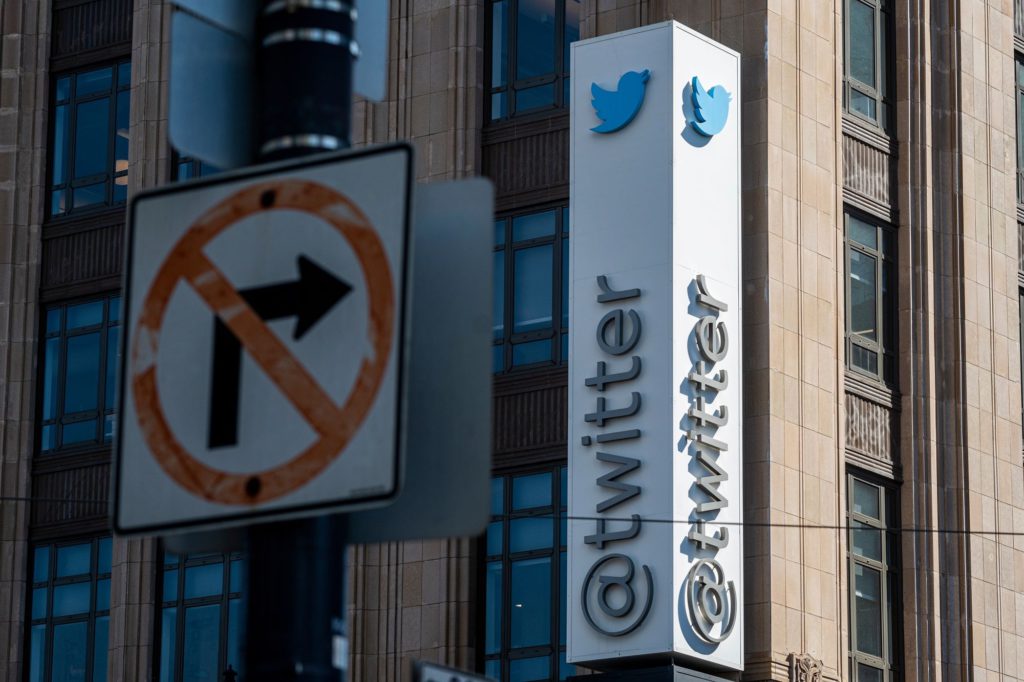
Elon Musk’s acquisition of Twitter Inc. — one of the messiest mergers in recent history — is slated to close by Friday under the supervision of a Delaware court, Bloomberg News has reported.
While deal announcements get a lot of attention, closings tend to attract far fewer eyeballs.
(Bloomberg) — Elon Musk’s acquisition of Twitter Inc.
— one of the messiest mergers in recent history — is slated to close by Friday under the supervision of a Delaware court, Bloomberg News has reported. While deal announcements get a lot of attention, closings tend to attract far fewer eyeballs.
But they are just as important.
After all, a deal isn’t done until it’s, well, done. Primarily a legal matter handled by junior lawyers, here’s how closings typically work.
Validating Conditions
In the days leading up to closing, lawyers and bankers confirm that the closing conditions stated in the merger agreement have been met.
These conditions are usually outlined on one of the dozens of pages of deal documents. The biggest conditions to check off: obtaining regulatory and shareholder approvals. In these wake-of-the-pandemic times, this usually involves those junior lawyers hopping on a Zoom call to sort out which documents are needed, rather than gathering in a room with a checklist and binders of paperwork.
Some deals include a financial condition stating that the deal can only close if and when the funds are in place.
Musk’s lawyers argued in Delaware that the Twitter deal has a financial stipulation, even though it’s not spelled out in the merger agreement. Contracts typically set a very high bar and only allow parties to withdraw from the merger if financing banks fail to turn up with the money.
Merger Certificate
As mergers are regulated by the state where the target is incorporated, the secretary of state will have to sign off on the transaction.
Delaware, where chancery court judges are business-law experts who hear cases on a fast-track basis, typically signs off with little delay and posts the merger certificate on its website within the hour.
In some other states, like California, this process can be delayed by up to three weeks.
Delaware, America’s incorporation destination, is home to more than half of US public companies, including Twitter and Musk’s Tesla Inc., along with more than 60% of Fortune 500 firms.
The state also allows companies to confidentially pre-clear a merger certificate to confirm that there are no technical errors.
Fund Flows
Once the certificate is issued, lawyers representing both sides get notified and begin the fund-transfer process.
In this case, funds from financing banks including Morgan Stanley, Musk and co-investors such as Oracle Corp.
co-founder Larry Ellison, venture capital firm Sequoia Capital and others will be wired to the paying agent, typically an investment bank.
The paying agent will then distribute the funds to Twitter stockholders, as well as any holders of restricted stock units and options.
The transfer is almost instantaneous.
On the other side, Twitter shares will be transfered to the new owners. Usually it is a several-days process from when the transfer begins to when the stock hits the destination — wherever the new holders deposit them.
Exceptions can be made to speed things up.
Delisting
Simultaneously, lawyers also draft documents with the stock exchanges and the US Securities and Exchange Commission for de-listing the shares.
They file them once the payment is received. This process can be done within a day.
Closing Dinner
When a deal is friendly, executives and advisers from both sides usually come together for a closing dinner.
Junior bankers prepare skits or PowerPoint presentations taking jabs at their bosses, clients or peers. In the increasingly remote world, not all deals end with a dinner.
In more contentious situations the parties can host their own, separate dinners.
If Musk does complete his acquisition of Twitter, it isn’t clear who will be celebrating with whom.
More stories like this are available on bloomberg.com
©2022 Bloomberg L.P.