Maruti Suzuki India Ltd., India’s biggest carmaker, reported a higher-than-expected quarterly profit, aided by a weaker Japanese yen and easing of some supply chain constraints that boosted production recovery.
(Bloomberg) — Maruti Suzuki India Ltd., India’s biggest carmaker, reported a higher-than-expected quarterly profit, aided by a weaker Japanese yen and easing of some supply chain constraints that boosted production recovery.
Net income was 20.6 billion rupees ($250 million) for the three months ended Sept.
30, the unit of Japan’s Suzuki Motor Corp. said in a statement Friday to exchanges, compared with a profit of 4.75 billion rupees a year earlier. That beat the average analyst estimate of 18.09 billion rupees, according to data compiled by Bloomberg.
Revenue rose 46% to 299.3 billion rupees, which was higher than estimates.
Total costs climbed 36% while raw material expenses surged 44% compared to same period last year, according to the filing. Shares advanced as much as 3.4% during trading in Mumbai after the earnings were announced.
“We are forecasting overall sales by the end of this year to be roughly of the same order as they were in 2018-19,” Chairman R.C.
Bhargava said in a post-earnings media call. The industry will grow by around 8% next year and Maruti will be in line with that, he said.
While some lingering component shortages hurt output by 35,000 units, the carmaker said it sold 517,395 vehicles during the quarter — the highest ever — with 454,200 units sold in the domestic market.
Maruti “has been making simultaneous efforts in securing electronic components availability, cost reduction and improving realization from the market to better its margins,” the filing said.
Bhargava also flagged favorable currency movements as one of the tailwinds for the carmaker.
“One of our major gains in this period has been because the rupee became stronger than the yen. That has benefited imports side,” he told reporters.
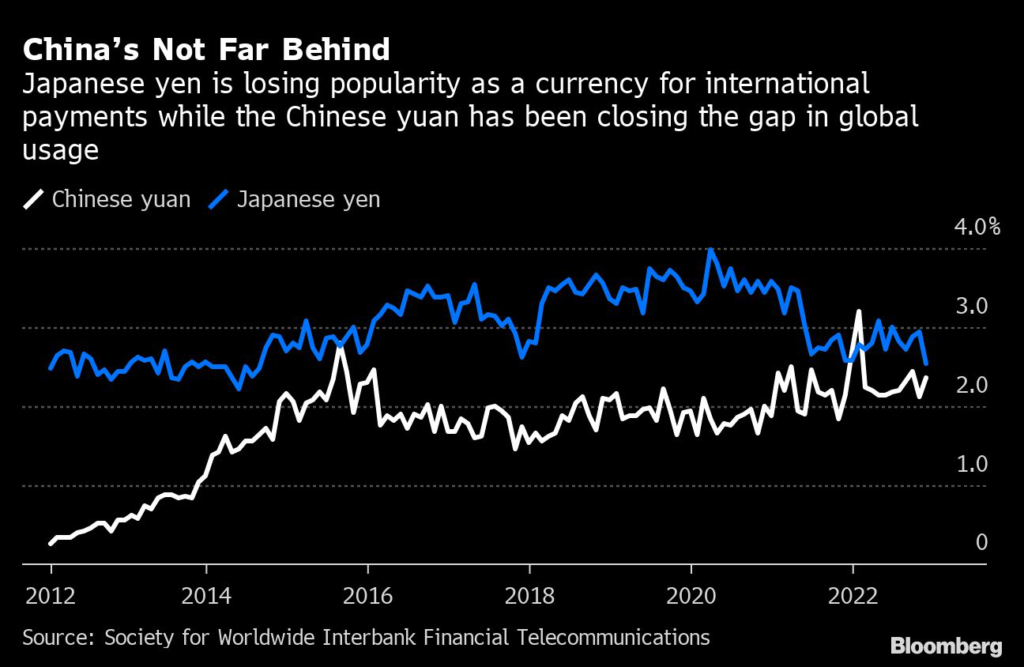
Depreciating Yen
Depreciation of yen against the rupee this year has boosted Maruti by lowering the cost of its imports and reducing the burden of royalty payments to its Japanese parent.
Pending customer orders stood at about 412,000 vehicles at the end of the September quarter, of which about 130,000 vehicle pre-bookings are for recently launched models.
It also added in the filing that the latest earnings were not strictly comparable to the same quarter last year, which was beset by “acute shortage of electronic components” and a steep rise in commodity prices.
Maruti, known for selling cheaper cars, has also been increasing the price of vehicles to offset rising input costs due to higher commodity prices.
The New Delhi-based automaker announced a price hike of 1.3% on average across its models in April.
The shortage of electronic components had a “minor impact” on Maruti’s production in September, the company said earlier this month, adding that a year-on-year comparison of output may not be “meaningful” considering production was severely hit in 2021 during Covid.
Its output jumped 118% to 177,468 units last month.
–With assistance from Anirban Nag.
(Updates with Maruti chairman’s comments in the fourth paragraph.)
More stories like this are available on bloomberg.com
©2022 Bloomberg L.P.