One of the pioneers in messenger RNA vaccines sees limits to their effectiveness against cancers, even after a successful trial raised expectations for the technology.
(Bloomberg) — One of the pioneers in messenger RNA vaccines sees limits to their effectiveness against cancers, even after a successful trial raised expectations for the technology.
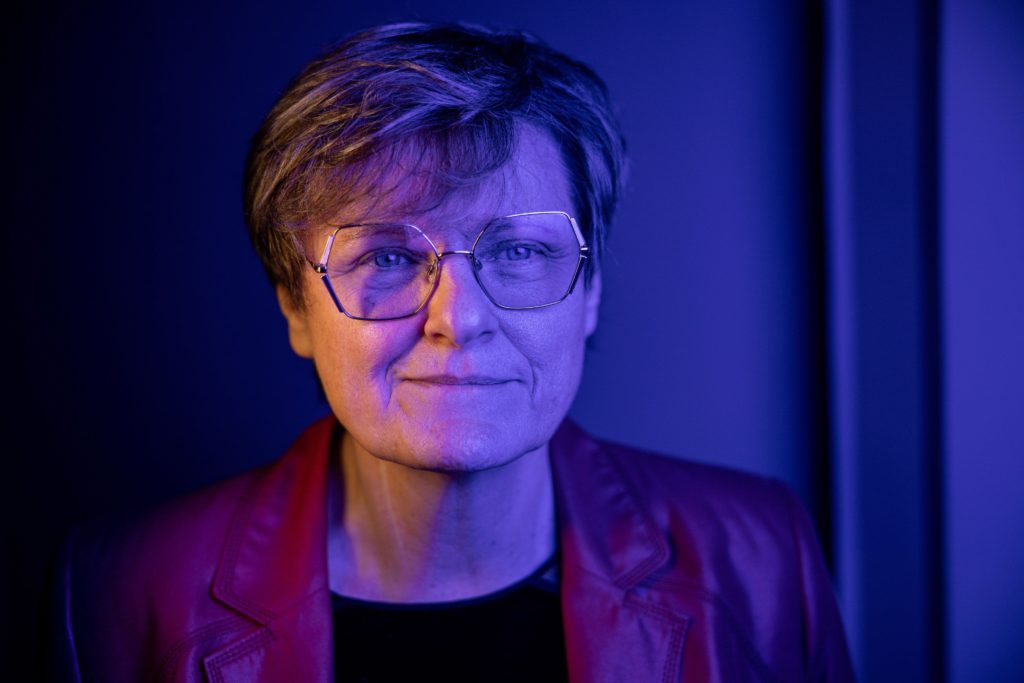
Tumor-fighting mRNA vaccines will probably be most useful for patients with only a few cancer cells, said Katalin Kariko, a former BioNTech SE executive and University of Pennsylvania researcher whose work helped lay the foundation for the technology’s success in the Covid-19 pandemic.
The vaccines work by delivering instructions for the body to produce antigens that direct the immune system to zero in on cancer cells and kill them.
The resulting response, however, probably won’t be powerful enough to eliminate the bulk of a tumor, she said.
“Immune cells cannot beat a big, huge tumor,” Kariko said in an interview at Semmelweis University in Budapest, where she received an award.
That makes it all the more important to “shift our attention to early detection,” in particular to developing blood tests that can enable tumors to be identified long before patients would normally be diagnosed, she said.
Results released this week from a study that combined a personalized Moderna Inc.
vaccine with Merck & Co.’s best-selling cancer drug Keytruda show the promise of the technology, Kariko said. The results demonstrate that it’s possible to fight cancer with an mRNA vaccine, but it’s important to note that the trial was conducted in patients whose tumors had already been surgically removed, she said.
“Some cells survive, and you can fight those with the vaccine,” Kariko said.
New Therapies
Oncology is a key area of expansion for mRNA technology, which first reached patients during the race for a Covid shot.
Moderna and BioNTech are plowing billions of dollars in profits generated by successful Covid vaccines back into their experimental drug pipelines to find new mRNA therapies.
In the Moderna-Merck melanoma study, the mRNA vaccine combination cut the risk of cancer returning after surgery, or of a patient dying, by 44%.
Moderna expects the technology will work on more types of tumors and plans to ramp up production to run a range of late-stage clinical trials, Chief Executive Officer Stephane Bancel said in an interview with Bloomberg Television.
“We think we can go pretty quickly,” he said, comparing mRNA technology to the revolution in cancer care when the first therapies — such as Keytruda — successfully harnessed the immune system against tumors.
“We’re going to be very aggressive.”
Pandemic Pressures
BioNTech is studying its own experimental mRNA treatments in a range of different types of cancer, including melanoma.
Kariko left her position as a senior vice president at BioNTech earlier this year, though she said she still consults for the company.
She had felt “overwhelming pressure” to perform as a leader, she said. “With two-three hours of sleep, that was unsustainable.”
At 67, she plans to spend her time on research and scientific education for young people.
More stories like this are available on bloomberg.com
©2022 Bloomberg L.P.