Volkswagen AG contended with a combative atmosphere at the carmaker’s annual general meeting in Berlin as climate protesters blocked access to the venue and shouting activists interrupted speeches from management.
(Bloomberg) — Volkswagen AG contended with a combative atmosphere at the carmaker’s annual general meeting in Berlin as climate protesters blocked access to the venue and shouting activists interrupted speeches from management.
Around a dozen people staged a protest that blocked traffic, arguing the carmaker was “making climate-damaging decisions,” ahead of the start of the meeting on Wednesday.
Once underway at Berlin’s City Cube venue, the event saw protesters shout accusations of forced labor in China during speeches from Chief Executive Officer Oliver Blume and Chairman Hans Dieter Poetsch.
One protester also threw cake in the direction of Wolfgang Porsche, 80, chairman of the Porsche and Piech family holding company Porsche SE, which controls a majority of the voting shares in Volkswagen.
The company is “open to critical dialog and regularly invites stakeholder groups and environmental protection organizations” to discuss controversial perspectives, according to a statement.
VW also faced criticism about its presence in China’s western region of Xinjiang, where the government is alleged to have pushed Muslim Uyghurs and other minorities into jobs programs as part of an effort to force them to assimilate.
Gheyyur Qurban, spokesperson for the World Uyghur Congress, told shareholders that there were 20 internment camps in the immediate vicinity of the plant VW’s joint venture operates in Urumqi, and questioned VW’s ability to ensure that its workers could speak freely in a region that was under high surveillance from Chinese authorities.
Ralf Brandstaetter, the head of VW’s China operations, recounted details from his recent visit to its subsidiary plant in Urumqi, speaking of a “good working environment” that “respects religious persuasions and diverse cultures.”
Investors at Deka Investment and Union Investment called on VW to conduct an independent external audit of its SAIC JV subsidiary in the region to show that the German carmaker and its contractors have nothing to hide.
Brandstaetter said the carmaker could not independently arrange an external audit, as any decision on activities in Xinjiang need to be made in cooperation with its JV partner.
“As long as there is no complete proof, the threat to reputation and risk of lawsuits will remain,” said Ingo Speich, head of sustainability and corporate governance at Deka.
While weathering criticism over its China presence, VW is dealing with the pressing task of stemming a slide in market share in its biggest market.
VW lost its sales lead in China during the first quarter and this week swapped out the leadership of its software unit after severe delays.
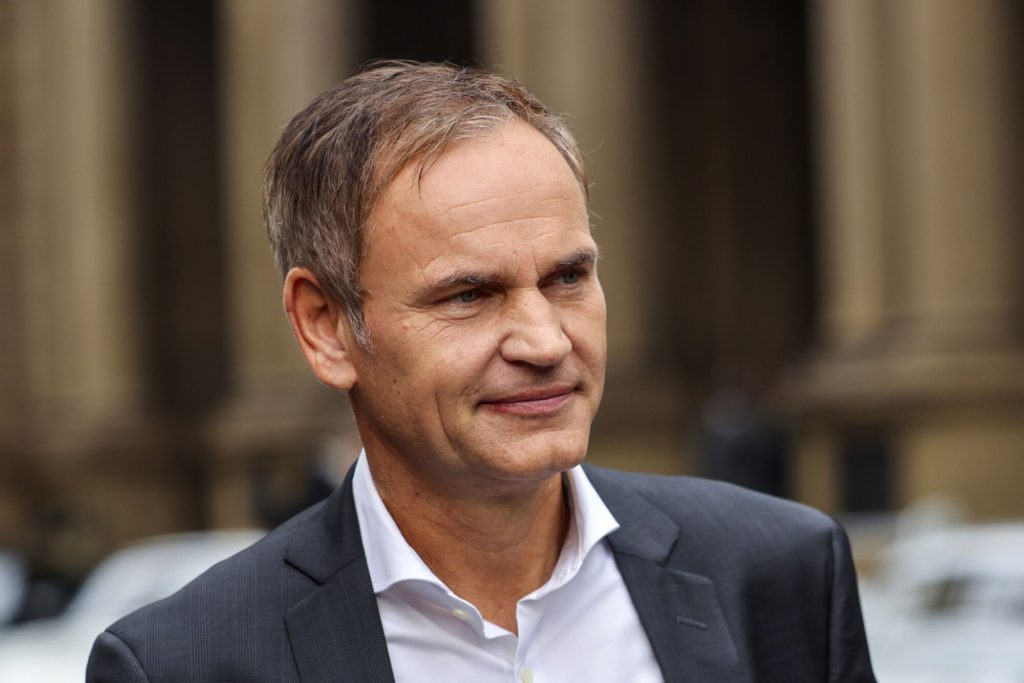
Blume, at the helm of VW since September while retaining the top job at Porsche AG, has endured a number of highs and lows since taking over from Herbert Diess, with Porsche’s blockbuster initial public offering unable to paper over the company’s sales slide in China and protracted software issues.
On Wednesday, Blume said the carmaker will broaden its approach to partnerships and use external expertise to tackle these challenges.
Last year, the company started working with Horizon Robotics Inc.
in China as part of a €2.3 billion ($2.5 billion) deal to set up a joint venture and get ahead on autonomous-driving technology. On Tuesday, Porsche said it will collaborate with Mobileye Global Inc.
also on driver-assistance technology. The deal may later involve other VW brands like Audi, according to RBC Capital Markets.
During his speech, Blume said his dual role at VW and Porsche — Europe’s biggest carmaker by value — “works well and is paying off” even as investors continue to point to a conflict of interest.
Deka’s Speich praised Blume for addressing what he called the three most pressing issues at VW — China, Cariad and culture — but said the CEO was “still in the midst of cleaning up the mess” and that it was “too early to make a final assessment.”
“The day has only 24 hours, even for you,” Speich said.
“Your predecessor was already unable to master the enormous challenges with one group.”
(Adds comments from World Uyghur Congress, VW China head)
More stories like this are available on bloomberg.com
©2023 Bloomberg L.P.