(Reuters) -The European Union is considering a proposal for the Russian Agricultural Bank to set up a subsidiary to reconnect to the global financial network as a sop to Moscow, the Financial Times said on Monday.
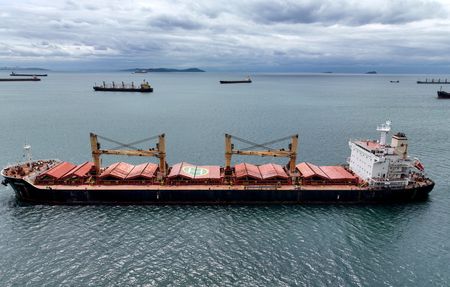
With the bank under sanctions, the move aims to safeguard the Black Sea grain deal that allows Ukraine to export food to global markets, the newspaper said.
Russia last week said that it saw no reason to extend the grain deal beyond July 17 because the West had acted in an “outrageous” way over the agreement, though it assured poor countries that Russian grain exports would continue.
Moscow’s plan, proposed through U.N.-brokered talks, would let the bank unit handle payments related to grain exports, the paper said, citing unnamed sources.
The new unit would be allowed to use the SWIFT global financial messaging system, which was closed to the largest Russian banks after Russia’s invasion of Ukraine, it added.
Responding to the Financial Times report, Ukraine’s foreign ministry ambassador at large, Olha Trofimtseva, said the EU wanted “to somehow facilitate the grain deal”.
“On the one hand, any opportunities for agricultural exports are good. On the other hand, making concessions to a blackmailer means encouraging him to continue blackmailing,” she wrote on the Telegram messaging app.
“It is a well-known axiom: a blackmailer does not stop if you fulfil his demands.
He just comes up with new demands.”
As two of the world’s top agricultural producers, Russia and Ukraine are major players in grain and oilseed markets ranging from wheat and barley to rapeseed and sunflower oil.
Russia is also dominant in the fertiliser market.
Apart from the restoration of SWIFT access, Russia is also seeking resumption of supplies of farm machinery and parts as well as the removal of curbs on insurance and reinsurance.
(Reporting by Jahnavi Nidumolu in BengaluruAdditional reporting by Pavel Polityuk in KyivEditing by Kim Coghill, Clarence Fernandez and David Goodman)