AFP

New Yorkers slam 'stupid' gun ruling, Republicans hail decision

From the streets of New York to the corridors of Congress, Americans expressed both outrage and delight at the Supreme Court’s striking down of a gun law Thursday, reflecting the country’s bitter divide.

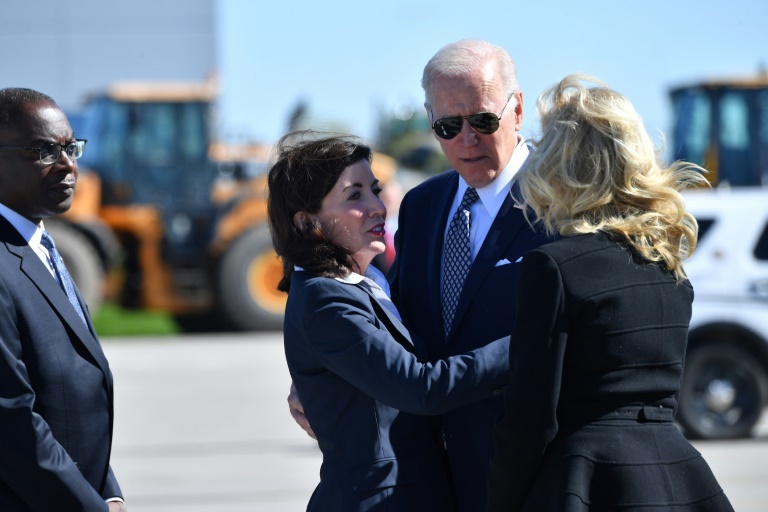
New York’s governor Kathy Hochul said the decision marked a “dark day,” while Big Apple mayor Eric Adams said it “may have opened an additional river feeding the sea of gun violence.”

“It’s stupid. It’s just stupid,” New Yorker Sushmita Peters told AFP in Hunter’s Point, in the Big Apple borough of Queens.

“People look at people in power to feel safe. And that’s not something you feel when they’re making decisions like this,” added the 23-year-old, emergency room worker.

Nearby, 38-year-old Laurent Baud said the decision was particularly perplexing coming so soon after deadly mass shootings in Buffalo, New York and Uvalde, Texas.

“It’s a little worrisome that more and more people can carry guns,” he said.

Christy, a 32-year-old security guard in Manhattan who declined to give her surname, said she feared it would bring “high crime to the area.”

“Honestly, people are not that mentally stable out here,” she told AFP.

New York officials lined up to slam the move, warning that it would undermine public safety and pledging to introduce legislation to mitigate the ruling.

Governor Hochul, a Democrat, branded it “absolutely shocking,” and accused the six judges whose majority ensured the ruling of acting “recklessly.”

“We can have restrictions on speech — you can’t yell fire in a crowded theater but somehow there’s no restrictions allowed on the Second Amendment,” she said, referring to the constitutional amendment allowing Americans the right to bear arms.

Adams, who was elected late last year on a platform to make New York City safer, said the ruling “will put New Yorkers at further risk of gun violence.”

He and Hochul both pledged to review their options.

“We will work together to mitigate the risks this decision will create once it is implemented, as we cannot allow New York to become the Wild West,” said Adams, also a Democrat.

– ‘Legitimacy crisis’ –

The court’s ruling will curb the ability of other states who have similar laws, such as California from carrying guns in public.

“This is a dangerous decision from a court hell bent on pushing a radical ideological agenda and infringing on the rights of states to protect our citizens from being gunned down in our streets, schools, and churches. Shameful,” tweeted California Governor Gavin Newsom.

Party colleagues in the federal government echoed the concerns.

“Make no mistake: this decision will put more people at risk of injury or death due to gun violence,” tweeted Congressman Ro Khanna.

Congresswoman Pramila Jayapal described the Supreme Court as “out of touch with America” and facing “a legitimacy crisis.”

Republicans praised the decision, with House minority leader Kevin McCarthy tweeting that the ruling “rightfully ensures the right of all law-abiding Americans to defend themselves without unnecessary government interference.”

“The right of the people to keep and bear arms, shall not be infringed,” said Markwayne Mullin.

The Second Amendment Foundation, which campaigns for gun rights, said it was “gratified” by the “long-overdue affirmation that the right to bear arms exists outside the home.”

There was also some support on the streets of New York City, whose nine million residents overwhelmingly lean liberal.

“It’s a good idea. Self-defense, you can save yourself. Somebody knows you have a gun, they will careful,” 75-year-old Sam, who declined to give his surname, told AFP.

pdh-af-dd-ft/st
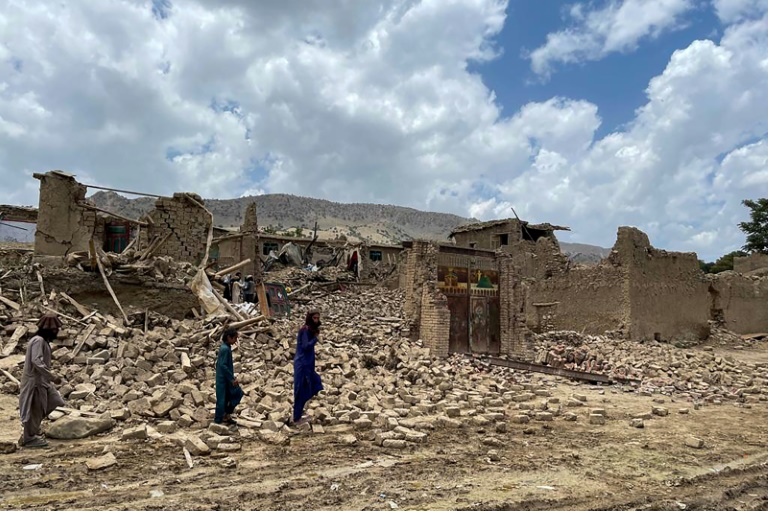
Shocked quake survivors wander through ruined Afghan villages

The rubble outline of collapsed walls and roofs is all that remains of the village where Zaitullah Ghurziwal lives, ravaged by a ruinous earthquake in Afghanistan that has left at least 1,000 people dead.

Survivors in Ghurza wander around in shock, looking for a place of shelter — or to the sky in hope that aid will be delivered by aircraft.

“There are no blankets or tents… there’s no shelter. People are lying on open ground,” Ghurziwal tells AFP, pointing to the crumbled dwelling where he now holds out with six other families.

“We need food and water. Our entire water distribution system is destroyed. Everything is devastated.”

Wednesday’s 5.9-magnitude quake — Afghanistan’s deadliest in years — struck hardest in rugged east Paktika province. In addition to damaging or destroying thousands of earthen homes and other structures, it downed mobile phone towers and power lines while triggering rock and mudslides which blocked mountain roads.

The disaster poses a huge logistical challenge for Afghanistan’s new Taliban government, which has isolated itself from much of the world by introducing hardline Islamist rule that subjugates women and girls.

International aid agencies trying to help are also stretched thin.

Remote Ghurza is one of many small mountain villages in Bermal district, one of the wost-affected areas.

Aid is beginning to trickle into the valley –- a military helicopter seen flying overhead dropped food to hard-to-reach places and collected some injured to deliver them to hospital — but an AFP team saw no United Nations presence on Thursday. 

– ‘Helpless’ –

After the horror of the first hours, villagers have already dried their tears — misfortune is well known in this area, one of the poorest in a country ravaged by humanitarian crises, neglect and decades of war.

On Wednesday the villagers buried about 60 people, and 30 more followed on Thursday.

“We didn’t even have a shovel to dig with, no equipment, so we used a tractor,” says Ghurziwal.

In the middle of a courtyard, his octogenarian mother, slightly injured, is lying on a bed, sheltered from the sun by a sheet.

The previous night children took refuge from the heavy rain in a wheel-less car.

Nawab Khan tells AFP he lost seven members of his family: his wife and six children.

Nearby, a tent is erected next to a levelled house, providing shelter for about 15 women and children. 

Another elderly woman, wearing a floral red velvet dress and a long green shawl, lost four relatives.

“I buried them today,” she says, giving her name as Zulfana.

Now, there is nothing to be done but wait for aid and rescuers to arrive.

“I feel so helpless, I don’t have a single penny,” she sighs.

Supreme Court says Americans have right to carry guns in public

The US Supreme Court ruled on Thursday that Americans have a fundamental right to carry a handgun in public, a landmark decision with far-reaching implications for states and cities across the country struggling with a surge in gun violence.

The 6-3 decision strikes down a more than century-old New York law that required a person to prove they had a legitimate self-defense need, or “proper cause,” to receive a permit to carry a handgun outside the home.

Several other states, including California, have similar laws — and the court’s ruling will curb their ability to restrict people from carrying guns in public.

Democratic President Joe Biden denounced the decision, saying it “contradicts both common sense and the Constitution, and should deeply trouble us all.”

“We must do more as a society -— not less -— to protect our fellow Americans,” Biden said. “I call on Americans across the country to make their voices heard on gun safety.”

Despite a growing call for limits on firearms after two horrific mass shootings in May, the court sided with advocates who said the US Constitution guarantees the right to own and carry guns.

The ruling is the first by the court in a major Second Amendment case in over a decade, when it ruled in 2008 that Americans have a right to keep a gun at home for self-defense.

It was a stunning victory for the National Rifle Association lobby group, which brought the case along with two New York men who had been denied gun permits.

“Today’s ruling is a watershed win for good men and women all across America and is the result of a decades-long fight the NRA has led,” NRA executive vice president Wayne LaPierre said in a statement.

“The right to self-defense and to defend your family and loved ones should not end at your home.”

– ‘Dark day’ –

New York Governor Kathy Hochul called it a “dark day,” while California’s leader Gavin Newsom termed the decision “shameful.”

“It is outrageous that at a moment of national reckoning on gun violence, the Supreme Court has recklessly struck down a New York law that limits those who can carry concealed weapons,” Hochul said.

“This is a dangerous decision from a court hell bent on pushing a radical ideological agenda and infringing on the rights of states to protect our citizens from being gunned down in our streets, schools, and churches,” Newsom tweeted.

Justice Clarence Thomas wrote the majority opinion and was joined by the other five conservatives on the nine-member court, three of whom were nominated by former Republican president Donald Trump.

Thomas said the New York law prevents “law-abiding citizens with ordinary self-defense needs from exercising their Second Amendment right to keep and bear arms in public for self-defense.”

“We conclude that the State’s licensing regime violates the Constitution,” Thomas said.

The ruling comes as the US Senate is considering a rare bipartisan bill that includes modest gun control measures.

Democratic Senator Dick Durbin said the ruling “makes it all the more important for Congress to take actionable steps to protect our kids and communities from this nation’s gun violence epidemic.

“In a nation of almost 400 million firearms, this Supreme Court decision is an invitation for more gun deaths and chaos in America’s neighborhoods,” he said.

On May 14, an 18-year-old used an AR-15-type assault rifle to kill 10 African Americans at a supermarket in Buffalo, New York.

Less than two weeks later 19 children and two teachers were shot and killed at an elementary school in Uvalde, Texas, by another teen with the same type of high-powered, semi-automatic rifle.

In the decision, Justice Samuel Alito dismissed arguments that guns outside of homes lead to great violence, including when it comes to mass shootings.

“Why, for example, does the dissent think it is relevant to recount the mass shootings that have occurred in recent years?,” he wrote.

– Liberals dissent –

The New York law said that to be given a permit to carry a firearm outside the home, a gun owner must clearly demonstrate that it is explicitly needed for self-defense.

Gun-rights advocates said that violated the Second Amendment of the Constitution, which says “the right of people to keep and bear arms shall not be infringed.”

The three liberal justices on the Supreme Court dissented from the ruling.

“Many states have tried to address some of the dangers of gun violence,” Justice Stephen Breyer said.

“The Court today severely burdens states’ efforts to do so.”

More than half of US states already allow permitless carry of firearms, most of them only doing so in the past decade.

The New York state law dated to 1913 and had stood based on the understanding that individual states had the right to regulate gun usage and ownership.

Over the past two decades more than 200 million guns have hit the US market, led by assault rifles and personal handguns, feeding a surge in murders, mass shootings and suicides.

Fed chief says pandemic aid not primary driver of US inflation

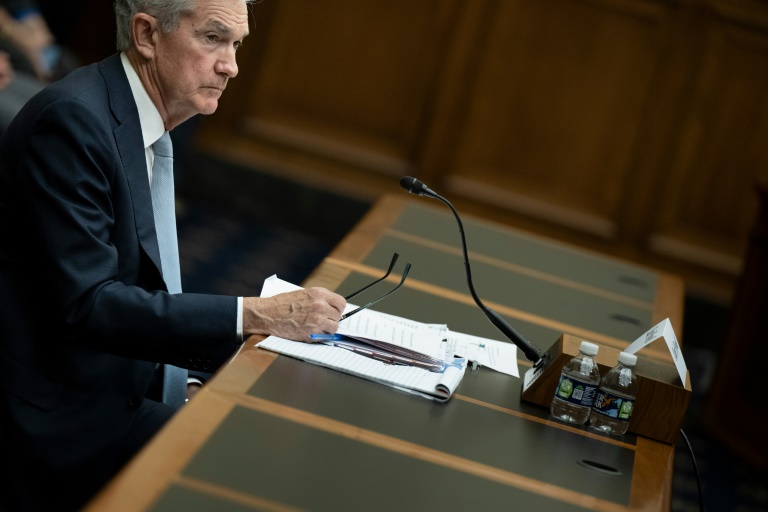
Federal Reserve Chair Jerome Powell on Thursday downplayed the idea that government pandemic aid was the key factor fueling US inflation, instead blaming a confluence of global issues including the war in Ukraine.

While stimulus spending was a factor, “a great deal of the price increases that you saw were a matter of supply being unable to meet demand” and “when demand hits fixed supply, what happens is prices go up,” Powell told lawmakers.

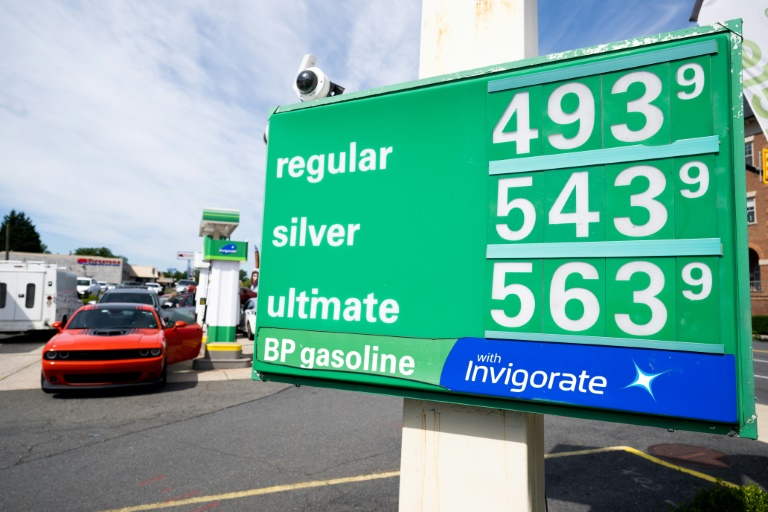
US inflation has surged to a 40-year high, picking up speed in recent months as the fallout from Russia’s invasion of Ukraine has sent fuel and food prices soaring, with gas at more than $5 a gallon for the first time — putting strain on American families.

Opposition Republicans have blamed President Joe Biden’s $1.9 trillion American Rescue Plan approved last year for the blistering price increases.

But Powell, who was testifying Thursday before a House committee, and others have noted that inflation is a global issue.

Democratic lawmaker Gregory Meeks noted that price hikes were caused mostly by “the supply chain, the China shutdown — the complete shutdown, zero Covid policy, Russia’s war in Ukraine, Covid.”

“Isn’t it just a massive storm of everything, is what contributes to inflation and causes it all over the world?” Meeks asked.

“Pretty much. That’s a pretty good description,” Powell said in the second day of his semi-annual testimony to Congress.

And, some of those factors are “out of our control — for example, the price of oil and most of the price of food.”

– ‘Unconditional’ battle on inflation –

The Fed for months said price pressures were expected to be transitory, but Powell admitted that in hindsight, the Fed underestimated rising inflation.

The US central bank last week announced the sharpest interest rate increase in nearly 30 years and promised additional similar moves as part of its aggressive push to douse the inflation fires.

The moves have raised concerns the Fed could trigger a recession in the world’s largest economy. 

Powell said the commitment to bringing inflation back down to two percent from 8.6 percent in May is “unconditional” but he cautioned that the Fed does not have “precision tools” and acknowledged there is a risk of a downturn.

Avoiding that “has become significantly more challenging with the events of the past few months, particularly the war,” he said.

But even if unemployment moves above the current historic low of 3.6 percent, even a jobless rate of 4.3 percent “is still a very strong labor market.” he noted.

And the United States, unlike some other countries, has “a very strong economy” and Fed policymakers “have tools to deal with demand,” Powell said.

Biden summons Big Oil to meet on gas prices

The Biden administration has called oil giants to Washington Thursday to discuss what can be done to address runaway gasoline prices that are tanking the president’s approval rating.

Biden has blasted the industry over skyrocketing profits and its reticence to boost capital spending, throwing recent barbs at giants like ExxonMobil and Chevron.

Energy Secretary Jennifer Granholm promised a more conciliatory tack on Wednesday. 

“We’re going in in good faith” Granholm told a White House briefing. “We’re going into this to have an earnest conversation with them.

But the oil industry signaled its own wariness towards Biden, who campaigned on the need for low-carbon solutions and canceled the Keystone Pipeline in his first day in office.

Alluding to Biden’s upcoming trip to Saudi Arabia, the American Petroleum Institute and other groups wrote to Biden early Thursday to “invite” the US president to tour domestic sites such as the Marcellus Shale in Pennsylvania. 

“American-made energy solutions are beneath our feet, and we urge you to reconsider the immense potential of US oil and natural gas resources –- that are the envy of the world –- to benefit American families, the US economy and our national security,” the groups said in a letter Thursday. 

– Will use ‘all’ tools –

Gasoline prices currently stand at $4.94 a gallon, a bit below all-time highs, but up more than 60 percent from the year-ago level and a key factor in the “intense financial pain the American people and their families are bearing,” Biden said in June 14 letters to oil giants. 

The surge follows Russia’s invasion of Ukraine, which exacerbated an already-tight energy supply situation, sending crude oil prices sharply higher. 

The rise in prices also reflects the diminished state of refining capacity after the industry mothballed some plants during Covid-19 lockdowns, and did not reopen the facilities amid uncertain long-term growth prospects with the buildup of electric vehicles.  

Biden’s policy thus far has centered on a huge increase in crude oil from the Strategic Petroleum Reserve. 

On Wednesday, the US president proposed a temporary fuel tax break, a measure that received a lukewarm reception on Capitol Hill.

“I am prepared to use all tools at my disposal … to address barriers to providing Americans affordable, secure energy supply,” Biden said in the June 14 letter that called on ExxonMobil, Chevron and other industry players to “provide concrete, near-term solutions that address the crisis.”

In response, Chevron Chief Executive Mike Wirth pledged to work with the administration, but faulted Biden comments that “at times vilify” the industry — drawing a Biden quip that Wirth was being “mildly sensitive.”

Energy specialist Andrew Lebow is among those skeptical that the meeting will amount to much.

“I don’t think there will be anything substantive coming out of this meeting,” said Lebow of the consultancy, Commodity Research Group.

“There is very little refiners can do at this point,” he said. “If they could produce more, certainly they would be given that the margins are incredible.”

– Short-term solutions? –

On Wednesday, Granholm acknowledged that building new refineries could not be done overnight, but said the administration wanted answers about plants that had been taken off line.

She also saw an opportunity in conferencing on supply chain issues, questioning if there was help that could be provided on a bottleneck.

Kevin Book, head of research at Clearview Energy Partners, said there were areas where government could provide aid, such as facilitating procurement of truck drivers and sand for fracking. Adopting a broadly constructive tone on regulation could also boost investment, he said.

“I think today’s meeting itself is unlikely to produce concrete results, but the tone of the meeting could materially impact the process of which it is part,” Book told AFP in an email.

“If today ends acrimoniously, the standoff could worsen, and the administration may see more political utility in rhetorical enmity than uncomfortable real-life partnership.”

Biden summons Big Oil to meet on gas prices

The Biden administration has called oil giants to Washington Thursday to discuss what can be done to address runaway gasoline prices that are tanking the president’s approval rating.

Biden has blasted the industry over skyrocketing profits and its reticence to boost capital spending, throwing recent barbs at giants like ExxonMobil and Chevron.

Energy Secretary Jennifer Granholm promised a more conciliatory tack on Wednesday. 

“We’re going in in good faith” Granholm told a White House briefing. “We’re going into this to have an earnest conversation with them.

But the oil industry signaled its own wariness towards Biden, who campaigned on the need for low-carbon solutions and canceled the Keystone Pipeline in his first day in office.

Alluding to Biden’s upcoming trip to Saudi Arabia, the American Petroleum Institute and other groups wrote to Biden early Thursday to “invite” the US president to tour domestic sites such as the Marcellus Shale in Pennsylvania. 

“American-made energy solutions are beneath our feet, and we urge you to reconsider the immense potential of US oil and natural gas resources –- that are the envy of the world –- to benefit American families, the US economy and our national security,” the groups said in a letter Thursday. 

– Will use ‘all’ tools –

Gasoline prices currently stand at $4.94 a gallon, a bit below all-time highs, but up more than 60 percent from the year-ago level and a key factor in the “intense financial pain the American people and their families are bearing,” Biden said in June 14 letters to oil giants. 

The surge follows Russia’s invasion of Ukraine, which exacerbated an already-tight energy supply situation, sending crude oil prices sharply higher. 

The rise in prices also reflects the diminished state of refining capacity after the industry mothballed some plants during Covid-19 lockdowns, and did not reopen the facilities amid uncertain long-term growth prospects with the buildup of electric vehicles.  

Biden’s policy thus far has centered on a huge increase in crude oil from the Strategic Petroleum Reserve. 

On Wednesday, the US president proposed a temporary fuel tax break, a measure that received a lukewarm reception on Capitol Hill.

“I am prepared to use all tools at my disposal … to address barriers to providing Americans affordable, secure energy supply,” Biden said in the June 14 letter that called on ExxonMobil, Chevron and other industry players to “provide concrete, near-term solutions that address the crisis.”

In response, Chevron Chief Executive Mike Wirth pledged to work with the administration, but faulted Biden comments that “at times vilify” the industry — drawing a Biden quip that Wirth was being “mildly sensitive.”

Energy specialist Andrew Lebow is among those skeptical that the meeting will amount to much.

“I don’t think there will be anything substantive coming out of this meeting,” said Lebow of the consultancy, Commodity Research Group.

“There is very little refiners can do at this point,” he said. “If they could produce more, certainly they would be given that the margins are incredible.”

– Short-term solutions? –

On Wednesday, Granholm acknowledged that building new refineries could not be done overnight, but said the administration wanted answers about plants that had been taken off line.

She also saw an opportunity in conferencing on supply chain issues, questioning if there was help that could be provided on a bottleneck.

Kevin Book, head of research at Clearview Energy Partners, said there were areas where government could provide aid, such as facilitating procurement of truck drivers and sand for fracking. Adopting a broadly constructive tone on regulation could also boost investment, he said.

“I think today’s meeting itself is unlikely to produce concrete results, but the tone of the meeting could materially impact the process of which it is part,” Book told AFP in an email.

“If today ends acrimoniously, the standoff could worsen, and the administration may see more political utility in rhetorical enmity than uncomfortable real-life partnership.”

In Amazon region hit by double murder, poverty fuels violence

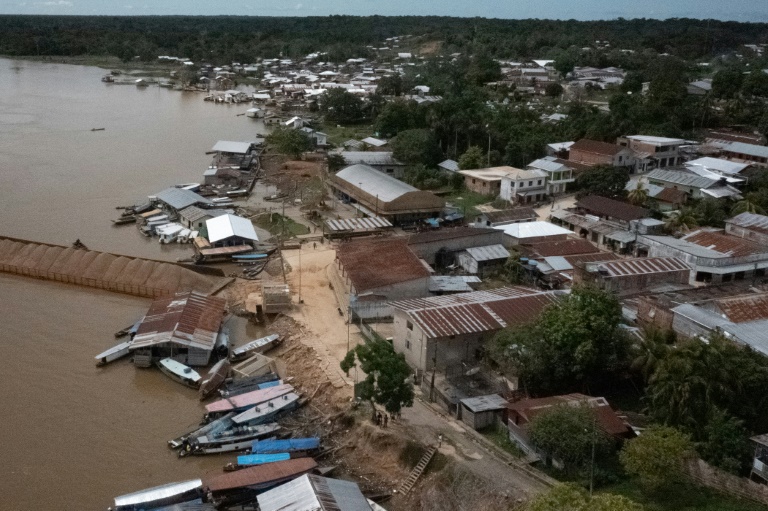
A short walk from the spot where British journalist Dom Phillips and Brazilian Indigenous expert Bruno Pereira set out for their final journey, people sit in the blistering sun breaking rocks into pieces with hammers.

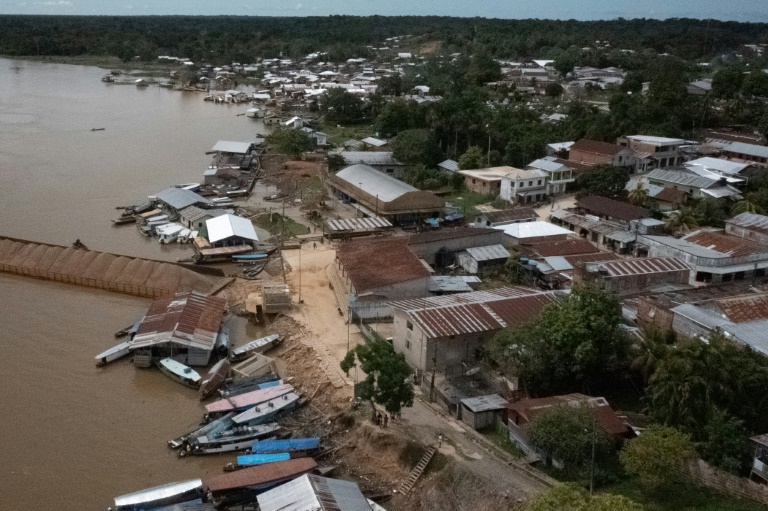
It looks like a scene from a movie set in Biblical times, but this is 21st-century Brazil, in the town of Atalaia do Norte — the jumping-off point for adventurers, missionaries, poachers, smugglers and others drawn to the Javari Valley, a far-flung sprawl of jungle in the heart of the Amazon rainforest.

Phillips, 57, and Pereira, 41, were boating back to Atalaia after a research trip to the region when they were murdered on June 5. Indigenous leaders say the crime was payback by illegal fishermen for Pereira’s fight against poaching on native lands.

The murky case has cast an international spotlight on the Javari Valley, home to an Indigenous reservation bigger than Austria that has the largest concentration of uncontacted tribes on Earth.

The region has been hit by a surge of illegal fishing, logging, mining and drug trafficking — crimes that security experts say are being fueled by poverty.

In Atalaia, the county seat, Carmen Magalhaes da Roxa explains why she is sitting on a block of wood in the dirt, smashing up stones with a hammer to sell for construction projects at four reais (less than $1) a bucket.

“There’s no other work here. If I don’t break these rocks, I won’t have money to buy gas, pay the electricity bill, buy my medication,” says Roxa, 54, pounding away in a floral print dress and flip-flops with half a dozen other “quebra-pedras,” or rock-breakers.

“We suffer here — a lot. I smash my fingers, I get hit by flying shards. But what can you do?” asks the grandmother of three, turning up her bruised hands in a shrug.

– Lack of options –

Seventy-five percent of the population lives in poverty in Atalaia do Norte, a colorful but run-down river town of 20,000 people near the spot where Brazil meets Peru and Colombia.

Nearly everything in town is produced locally, or brought in by boat from Manaus, the capital of Amazonas state — an eight-day trip.

There are few ways to escape poverty.

Locals often say they have three job options: farming, fishing or city hall, the biggest employer in the county.

Analysts say growing lawlessness has created a fourth: environmental crime, backed by money from drug gangs that thrive on the anarchy of a triple border deep in the jungle.

“Drug traffickers insert impoverished local populations into their networks, presenting it as an opportunity,” security specialist Aiala Colares of Para State University wrote in a recent paper, adding that cartels operating in the Amazon feed off “abandonment by the state.”

“We can’t address the issue of environmental crimes without addressing poverty,” Brazilian journalist Yan Boechat said on Twitter.

“Economic development in the Amazon region is a failure. What happened to Bruno and Dom is related to that,” he wrote, alongside a video of the Atalaia rock-breakers.

– Violent mix –

Poverty and lawlessness have proved to be a violent mix.

Critics say the weak presence of the state — a longtime problem across the Amazon — has only become more acute since 2019 under President Jair Bolsonaro, whose administration has shrunk environmental enforcement and the Indigenous affairs agency, FUNAI.

In the Javari Valley, a surge in violence followed.

The FUNAI base at the edge of the Indigenous reservation was the target of multiple gun attacks in 2019.

The same year, FUNAI’s anti-poaching chief in the region was murdered in the nearby city of Tabatinga. The crime remains unsolved.

Just across the border, gunmen in speedboats attacked a Peruvian police station in January, wounding four officers and brazenly stealing a weapons cache. The post has yet to reopen.

Marivonea Moreira de Mello, a 45-year-old mother of four who works at city hall in Atalaia, recalls that a decade ago, she used to sleep with her front door open. Now she wouldn’t dare, she says.

“Our young people are getting addicted to drugs. My own son is one of them. He’s 20,” she says.

She was happy when the army, navy, federal police and world media descended on Atalaia after Phillips and Pereira went missing.

Now that they have mostly left, she worries what will happen. The local police force has just two officers.

“Atalaia do Norte is in a very dangerous situation,” she says.

“There’s a lack of police, lack of security, lack of everything.”

In Amazon region hit by double murder, poverty fuels violence

A short walk from the spot where British journalist Dom Phillips and Brazilian Indigenous expert Bruno Pereira set out for their final journey, people sit in the blistering sun breaking rocks into pieces with hammers.

It looks like a scene from a movie set in Biblical times, but this is 21st-century Brazil, in the town of Atalaia do Norte — the jumping-off point for adventurers, missionaries, poachers, smugglers and others drawn to the Javari Valley, a far-flung sprawl of jungle in the heart of the Amazon rainforest.

Phillips, 57, and Pereira, 41, were boating back to Atalaia after a research trip to the region when they were murdered on June 5. Indigenous leaders say the crime was payback by illegal fishermen for Pereira’s fight against poaching on native lands.

The murky case has cast an international spotlight on the Javari Valley, home to an Indigenous reservation bigger than Austria that has the largest concentration of uncontacted tribes on Earth.

The region has been hit by a surge of illegal fishing, logging, mining and drug trafficking — crimes that security experts say are being fueled by poverty.

In Atalaia, the county seat, Carmen Magalhaes da Roxa explains why she is sitting on a block of wood in the dirt, smashing up stones with a hammer to sell for construction projects at four reais (less than $1) a bucket.

“There’s no other work here. If I don’t break these rocks, I won’t have money to buy gas, pay the electricity bill, buy my medication,” says Roxa, 54, pounding away in a floral print dress and flip-flops with half a dozen other “quebra-pedras,” or rock-breakers.

“We suffer here — a lot. I smash my fingers, I get hit by flying shards. But what can you do?” asks the grandmother of three, turning up her bruised hands in a shrug.

– Lack of options –

Seventy-five percent of the population lives in poverty in Atalaia do Norte, a colorful but run-down river town of 20,000 people near the spot where Brazil meets Peru and Colombia.

Nearly everything in town is produced locally, or brought in by boat from Manaus, the capital of Amazonas state — an eight-day trip.

There are few ways to escape poverty.

Locals often say they have three job options: farming, fishing or city hall, the biggest employer in the county.

Analysts say growing lawlessness has created a fourth: environmental crime, backed by money from drug gangs that thrive on the anarchy of a triple border deep in the jungle.

“Drug traffickers insert impoverished local populations into their networks, presenting it as an opportunity,” security specialist Aiala Colares of Para State University wrote in a recent paper, adding that cartels operating in the Amazon feed off “abandonment by the state.”

“We can’t address the issue of environmental crimes without addressing poverty,” Brazilian journalist Yan Boechat said on Twitter.

“Economic development in the Amazon region is a failure. What happened to Bruno and Dom is related to that,” he wrote, alongside a video of the Atalaia rock-breakers.

– Violent mix –

Poverty and lawlessness have proved to be a violent mix.

Critics say the weak presence of the state — a longtime problem across the Amazon — has only become more acute since 2019 under President Jair Bolsonaro, whose administration has shrunk environmental enforcement and the Indigenous affairs agency, FUNAI.

In the Javari Valley, a surge in violence followed.

The FUNAI base at the edge of the Indigenous reservation was the target of multiple gun attacks in 2019.

The same year, FUNAI’s anti-poaching chief in the region was murdered in the nearby city of Tabatinga. The crime remains unsolved.

Just across the border, gunmen in speedboats attacked a Peruvian police station in January, wounding four officers and brazenly stealing a weapons cache. The post has yet to reopen.

Marivonea Moreira de Mello, a 45-year-old mother of four who works at city hall in Atalaia, recalls that a decade ago, she used to sleep with her front door open. Now she wouldn’t dare, she says.

“Our young people are getting addicted to drugs. My own son is one of them. He’s 20,” she says.

She was happy when the army, navy, federal police and world media descended on Atalaia after Phillips and Pereira went missing.

Now that they have mostly left, she worries what will happen. The local police force has just two officers.

“Atalaia do Norte is in a very dangerous situation,” she says.

“There’s a lack of police, lack of security, lack of everything.”

Trump's bid to 'corrupt' Justice Department under spotlight

Lawmakers investigating last year’s attack on the US Capitol were set Thursday to lay out Donald Trump’s efforts to turn the Justice Department into his “own personal” law firm in his bid to overturn his election defeat.

At the fifth hearing into its year-long probe of the violence, the House of Representatives panel will highlight Trump’s attempts “to corrupt the country’s top law enforcement body, the Justice Department, to support his attempt to overturn the election,” chairman Bennie Thompson said.

Lawmakers will revisit tensions among government attorneys the weekend before the January 6, 2021 insurrection, when Trump tried to install his own man at the top of the department.

“We’ll look specifically at how the president was trying to misuse the department to advance his own agenda to stay in power at the end of his term,” an aide to the committee said.

“And we’ll look at how that really is different from historical precedent and how the president was using the DOJ for his own personal means.”

The witnesses will be Jeffrey Rosen, an acting attorney general in the dying days of the Trump administration, his deputy Richard Donoghue and Steven Engel, a former assistant attorney general for the Office of Legal Counsel. 

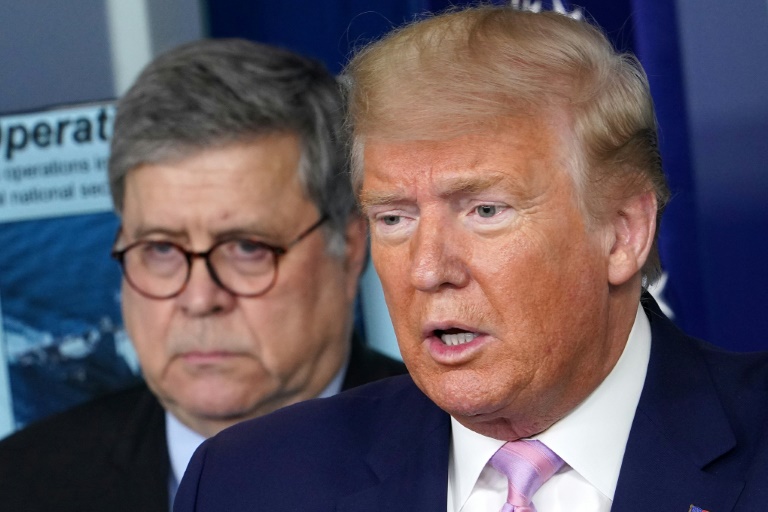
Rosen took over the department after Bill Barr resigned, and soon found himself at the center of Trump’s efforts to undermine confidence in the integrity of the election. 

The DOJ pursued a deluge of Trump’s election fraud claims, but Rosen said officials were presented with no evidence. 

“Some argued to the former president and public that the election was corrupt and stolen,” Rosen said in written remarks prepared ahead of the hearing. 

“That view was wrong then and it is wrong today, and I hope our presence here today helps reaffirm that fact.” 

Trump began supporting a little-known mid-level department official named Jeffrey Clark, who embraced the outgoing president’s debunked theories.

– Oval Office showdown –

Clark pushed colleagues to issue letters to multiple states that presidential challenger Joe Biden won, encouraging officials to consider overturning their election results.

Trump considered installing Clark as attorney general over Rosen, and having Clark reverse the department’s conclusion that there was no evidence of fraud that could sway the election.

But Trump was forced to back off by a rebellion in the department’s senior ranks that the committee said it would relive as it takes the public “into the Oval Office” for the dramatic showdown.

In that January 4 meeting Rosen, Donoghue, Engel and White House counsel Pat Cipollone threatened to resign en masse, warning that they would take a raft of top federal prosecutors with them, if Trump went ahead with his plan.

The panel says it will also reveal how Trump sought to appoint an independent special counsel to pursue his fraud claims, which was resisted by the department.

“And we’ll also look at how the former president threatened to replace or fire leadership within the DOJ and how, again, a few senior Republican officials within the DOJ stood up to Trump’s pressure campaign,” the aide said.

The committee is planning a break from public hearings to assess what it called “significant new streams of evidence” — meaning Thursday’s will be the last until early-to-mid July.

The new evidence includes footage from documentary filmmaker Alex Holder, who had access to Trump and his family before and after January 6.

Inflation-hit Turkey sticks to Erdogan's war on higher rates

Turkey’s central bank on Thursday bucked global trends once again and kept its benchmark interest rate stable despite one of the highest levels of consumer price increases in the world.

The decision at a monthly policy meeting came two weeks after President Recep Tayyip Erdogan — a lifelong opponent of high interest rates — denied that Turkey had an “inflation problem”.

Turkey’s official annual rate of consumer price increases has edged above 70 percent and is on course to keep breaking records last set in the late 1990s.

Independent estimates by Turkish economists suggest the real figure could be substantially higher.

The inflationary spiral has decimated Turks’ living standards and helped push Erdogan’s public approval ratings to one of the lowest levels of his two-decade rule.

But Erdogan has vowed not to raise rates before a general election due in June 2023.

“We do not have an inflation problem. We have a cost-of-living problem,” Erdogan said this month.

The central bank blamed higher prices on “temporary” global factors and kept its policy rate at 14 percent for the sixth month in a row.

Economists warn that Ankara’s refusal to join most other countries in raising rates to fight the spike in food and energy prices caused by Russia’s invasion of Ukraine could see the Turkish lira collapse.

“High inflation, falls in the lira and aggressive monetary tightening elsewhere are clearly not enough to persuade Turkey’s central bank to lift interest rates,” Capital Economics said in a research note.

“Disorderly falls in the lira are a major risk, which would probably be met with capital controls rather than rate hikes.”

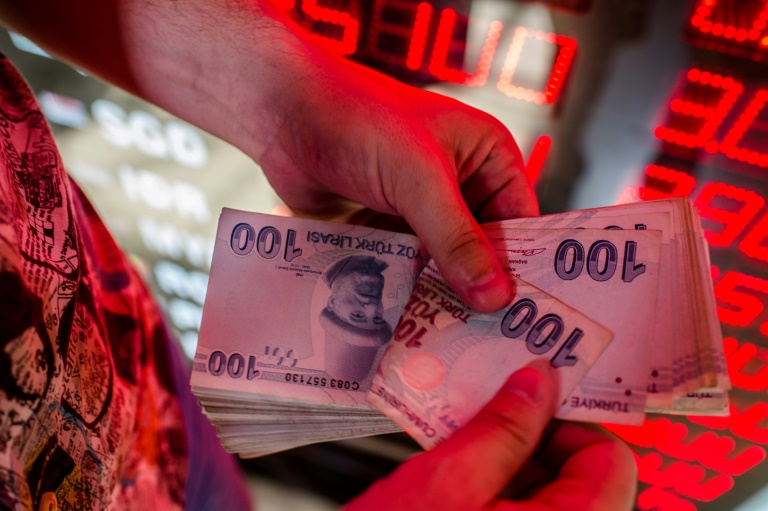
The lira has lost half its value against the dollar in the past year alone.

Those losses have accelerated in the past few weeks despite indirect market inteventions and other currency support measures that have depleted state reserves to their lowest point of Erdogan’s rule.

– Disbelief –

Economists struggle to understand how Erdogan’s government intends to combat consumer price increases in the runup to next year’s vote.

Erdogan argues that high interest rates cause inflation — the opposite of conventional economic beliefs that more expensive borrowing brings down prices by slowing down spending and dampening demand.

The pious Turkish leader also notes that charging interest violates Islamic rules against usury and that his policies will make Turkey into a global production engine that thrives on cheap exports.

But the lira’s depreciation has made Turkey’s dependence on energy and commodity imports much more expensive to maintain.

Turkish economists suspect the government may try to circumnavigate Erdogan’s ban on interest rate hikes by trying to rein in spending in other ways.

“They may try to cool the economy by further tightening credit conditions,” University of Economist and Technology’s associate professor Atilim Murat.

“But we have seen in the past eight to 10 months that it is not possible to reduce inflation through these measure,” he said.

Foreign economists are even more blunt.

OANDA trading platform analyst Craig Erlam said Erdogan was conducting a dangerous economic “experiment at arguably the worst moment in decades” because of soaring global inflation rates.

“This is like saying that I am going to drink a bottle of vodka because my doctor tells me I have liver disease, but I know better even though I have no medical qualifications,” BlueBay Asset Management analyst Timothy Ash quipped in a note.

Close Bitnami banner
Bitnami