
AFP

Ukraine races to restore power grid after Russia strikes

Ukraine worked to restore power on Tuesday after Russia’s latest wave of missile strikes caused power disruptions across the country, right as winter frost builds and temperatures plunge.

Out of the 70 missiles launched by Moscow, “most” were shot down, President Volodymyr Zelensky said, but the barrage still hit Ukraine’s already battered infrastructure. 

Fresh power cuts were announced in all regions “due to the consequences of shelling,” national electricity provider Ukrenergo said on Telegram.

The head of Ukrenergo said he had “no doubt that Russian military consulted with Russian power engineers during this attack”, judging by where the missiles landed. 

“The time that Russians chose for this attack was connected with their desire to inflict as much damage as possible,” Volodymyr Kudrytskyi told a Ukrainian news programme, explaining the attacks were launched as the country enters a “peak frost” period.

“Our repairmen will be working on the energy system restoration.”

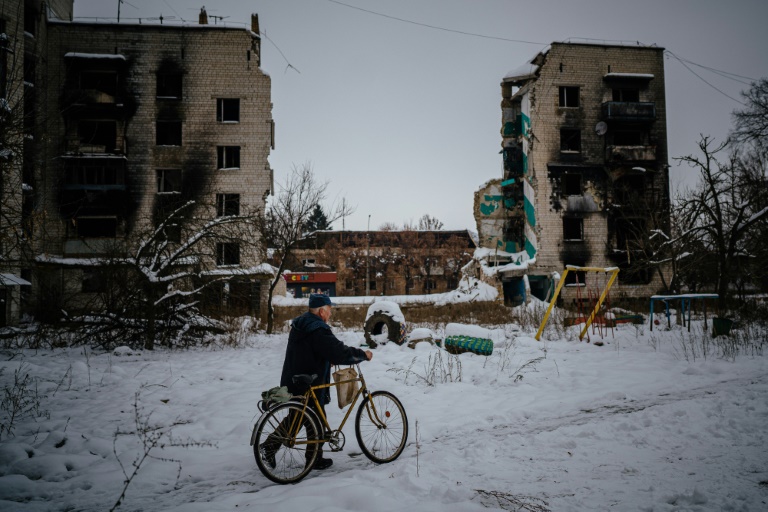
Nearly half of Ukraine’s energy system has already been damaged after months of strikes on power infrastructure, leaving people in the cold and dark for hours at a time as outdoor temperatures drop below zero degrees Celsius (32 degrees Fahrenheit).

As missiles rained down on Kyiv, UN rights chief Volker Turk — who arrived over the weekend on a four-day visit — had to move his meetings with activists into an underground shelter. 

Zelensky announced in his nightly address that four were killed in Russia’s strikes.

But “our people never give up,” the president said in a video statement. 

Across the border in Russia’s Kursk region on Tuesday, an airfield saw a “drone attack”, said local governor Roman Starovoyt, without specifying where the drone originated. 

“As a result of a drone attack in the area of the Kursk airfield, an oil storage tank caught fire,” he said on social media, adding that there were no casualties. 

Tuesday’s incident comes a day after Moscow accused its neighbour of carrying out deadly drone strikes on two other airfields.

Russia also confirmed a “massive attack on Ukrainian military command systems and related defence, communications, energy and military facilities”.

– Moscow vows to keep fighting –

The latest violence comes just after Russia shrugged off a Western-imposed price cap on its oil exports, warning the move would not impact its military campaign in Ukraine.

The $60-per-barrel cap agreed by the European Union, G7 and Australia aims to restrict Russia’s revenue while making sure Moscow keeps supplying the global market.

“Russia’s economy has all the necessary potential to fully meet the needs and requirements of the special military operation,” Kremlin spokesman Dmitry Peskov told reporters, using Moscow’s term for its Ukraine offensive.

“These measures will not affect this,” he said.

Russia “will not recognise” the measures, which amounted to “a step towards destabilising the global energy markets”, he added.

The market price of a barrel of Russian Urals crude is currently around $65 dollars, just slightly higher than the $60 cap — suggesting the measure may have only a limited impact in the short term.

The cap is the latest in a number of measures spearheaded by Western countries and introduced against Russia — the world’s second-largest crude oil exporter — after Moscow sent troops into Ukraine over nine months ago.

It comes on top of an EU embargo on seaborne deliveries of Russian crude oil that came into force on Monday.

The embargo will prevent maritime shipments of Russian crude to the European Union, which account for two-thirds of the bloc’s oil imports from Russia, potentially depriving Moscow of billions of euros.

Kyiv had initially welcomed the price ceiling, but later said it would not do enough damage to Russia’s economy. 

Meanwhile, Russian state media released footage of President Vladimir Putin driving a Mercedes car across the Crimea bridge — the closest the 70-year-old leader has come to the frontline in Ukraine.

The bridge connects the annexed peninsula to the Russian mainland, and was damaged in a blast in October.

– ‘Impossible to prepare’ –

The G7 nations — Britain, Canada, France, Germany, Italy, Japan and the United States — along with Australia have said they are prepared to adjust the price ceiling of oil if necessary.

In recent months, gas prices have skyrocketed since Moscow halted deliveries to the EU in suspected retaliation for Western sanctions and the bloc struggled to find alternative energy suppliers.

In the Ukrainian town of Borodianka, outside Kyiv, where snow has already coated the ground, locals recently gathered around wood-fired stoves inside tents to keep warm and cook food during the blackouts. 

“We are totally dependent on electricity… One day we had no electricity for 16 hours,” Irina, who had come to the tent with her child, told AFP. 

Volunteer Oleg said it was hard to say how Ukraine would manage in the coming winter months. 

“It is impossible to prepare for this winter because no one has lived in these conditions before,” he said. 
Ukraine races to restore power grid after Russia strikes

Ukraine worked to restore power on Tuesday after Russia’s latest wave of missile strikes caused power disruptions across the country, right as winter frost builds and temperatures plunge.

Out of the 70 missiles launched by Moscow, “most” were shot down, President Volodymyr Zelensky said, but the barrage still hit Ukraine’s already battered infrastructure. 

Fresh power cuts were announced in all regions “due to the consequences of shelling,” national electricity provider Ukrenergo said on Telegram.

The head of Ukrenergo said he had “no doubt that Russian military consulted with Russian power engineers during this attack”, judging by where the missiles landed. 

“The time that Russians chose for this attack was connected with their desire to inflict as much damage as possible,” Volodymyr Kudrytskyi told a Ukrainian news programme, explaining the attacks were launched as the country enters a “peak frost” period.

“Our repairmen will be working on the energy system restoration.”

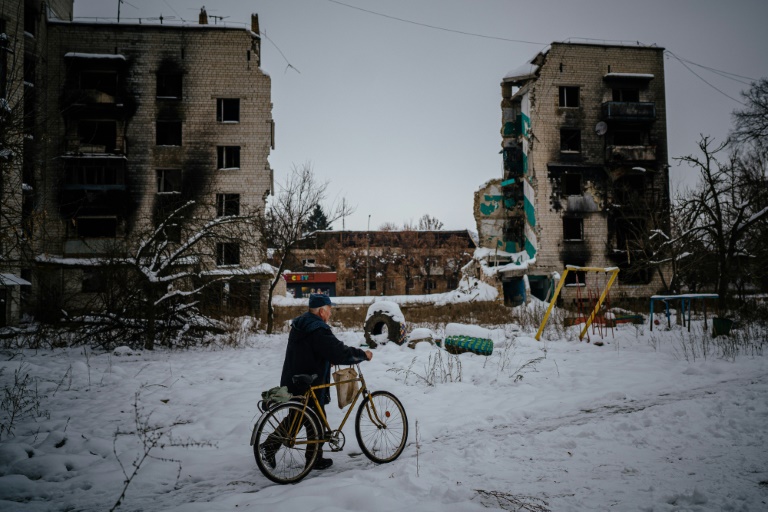
Nearly half of Ukraine’s energy system has already been damaged after months of strikes on power infrastructure, leaving people in the cold and dark for hours at a time as outdoor temperatures drop below zero degrees Celsius (32 degrees Fahrenheit).

As missiles rained down on Kyiv, UN rights chief Volker Turk — who arrived over the weekend on a four-day visit — had to move his meetings with activists into an underground shelter. 

Zelensky announced in his nightly address that four were killed in Russia’s strikes.

But “our people never give up,” the president said in a video statement. 

Across the border in Russia’s Kursk region on Tuesday, an airfield saw a “drone attack”, said local governor Roman Starovoyt, without specifying where the drone originated. 

“As a result of a drone attack in the area of the Kursk airfield, an oil storage tank caught fire,” he said on social media, adding that there were no casualties. 

Tuesday’s incident comes a day after Moscow accused its neighbour of carrying out deadly drone strikes on two other airfields.

Russia also confirmed a “massive attack on Ukrainian military command systems and related defence, communications, energy and military facilities”.

– Moscow vows to keep fighting –

The latest violence comes just after Russia shrugged off a Western-imposed price cap on its oil exports, warning the move would not impact its military campaign in Ukraine.

The $60-per-barrel cap agreed by the European Union, G7 and Australia aims to restrict Russia’s revenue while making sure Moscow keeps supplying the global market.

“Russia’s economy has all the necessary potential to fully meet the needs and requirements of the special military operation,” Kremlin spokesman Dmitry Peskov told reporters, using Moscow’s term for its Ukraine offensive.

“These measures will not affect this,” he said.

Russia “will not recognise” the measures, which amounted to “a step towards destabilising the global energy markets”, he added.

The market price of a barrel of Russian Urals crude is currently around $65 dollars, just slightly higher than the $60 cap — suggesting the measure may have only a limited impact in the short term.

The cap is the latest in a number of measures spearheaded by Western countries and introduced against Russia — the world’s second-largest crude oil exporter — after Moscow sent troops into Ukraine over nine months ago.

It comes on top of an EU embargo on seaborne deliveries of Russian crude oil that came into force on Monday.

The embargo will prevent maritime shipments of Russian crude to the European Union, which account for two-thirds of the bloc’s oil imports from Russia, potentially depriving Moscow of billions of euros.

Kyiv had initially welcomed the price ceiling, but later said it would not do enough damage to Russia’s economy. 

Meanwhile, Russian state media released footage of President Vladimir Putin driving a Mercedes car across the Crimea bridge — the closest the 70-year-old leader has come to the frontline in Ukraine.

The bridge connects the annexed peninsula to the Russian mainland, and was damaged in a blast in October.

– ‘Impossible to prepare’ –

The G7 nations — Britain, Canada, France, Germany, Italy, Japan and the United States — along with Australia have said they are prepared to adjust the price ceiling of oil if necessary.

In recent months, gas prices have skyrocketed since Moscow halted deliveries to the EU in suspected retaliation for Western sanctions and the bloc struggled to find alternative energy suppliers.

In the Ukrainian town of Borodianka, outside Kyiv, where snow has already coated the ground, locals recently gathered around wood-fired stoves inside tents to keep warm and cook food during the blackouts. 

“We are totally dependent on electricity… One day we had no electricity for 16 hours,” Irina, who had come to the tent with her child, told AFP. 

Volunteer Oleg said it was hard to say how Ukraine would manage in the coming winter months. 

“It is impossible to prepare for this winter because no one has lived in these conditions before,” he said. 
Ukraine races to restore power grid after Russia strikes

Ukraine worked to restore power on Tuesday after Russia’s latest wave of missile strikes caused power disruptions across the country, right as winter frost builds and temperatures plunge.

Out of the 70 missiles launched by Moscow, “most” were shot down, President Volodymyr Zelensky said, but the barrage still hit Ukraine’s already battered infrastructure. 

Fresh power cuts were announced in all regions “due to the consequences of shelling,” national electricity provider Ukrenergo said on Telegram.

The head of Ukrenergo said he had “no doubt that Russian military consulted with Russian power engineers during this attack”, judging by where the missiles landed. 

“The time that Russians chose for this attack was connected with their desire to inflict as much damage as possible,” Volodymyr Kudrytskyi told a Ukrainian news programme, explaining the attacks were launched as the country enters a “peak frost” period.

“Our repairmen will be working on the energy system restoration.”

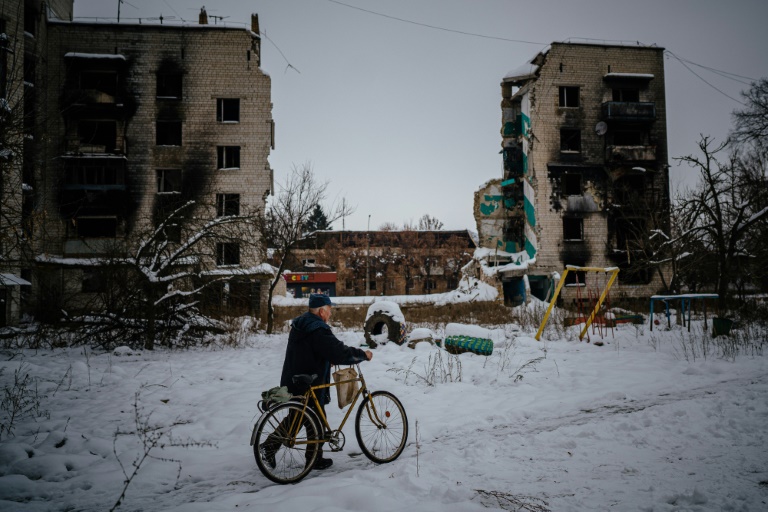
Nearly half of Ukraine’s energy system has already been damaged after months of strikes on power infrastructure, leaving people in the cold and dark for hours at a time as outdoor temperatures drop below zero degrees Celsius (32 degrees Fahrenheit).

As missiles rained down on Kyiv, UN rights chief Volker Turk — who arrived over the weekend on a four-day visit — had to move his meetings with activists into an underground shelter. 

Zelensky announced in his nightly address that four were killed in Russia’s strikes.

But “our people never give up,” the president said in a video statement. 

Across the border in Russia’s Kursk region on Tuesday, an airfield saw a “drone attack”, said local governor Roman Starovoyt, without specifying where the drone originated. 

“As a result of a drone attack in the area of the Kursk airfield, an oil storage tank caught fire,” he said on social media, adding that there were no casualties. 

Tuesday’s incident comes a day after Moscow accused its neighbour of carrying out deadly drone strikes on two other airfields.

Russia also confirmed a “massive attack on Ukrainian military command systems and related defence, communications, energy and military facilities”.

– Moscow vows to keep fighting –

The latest violence comes just after Russia shrugged off a Western-imposed price cap on its oil exports, warning the move would not impact its military campaign in Ukraine.

The $60-per-barrel cap agreed by the European Union, G7 and Australia aims to restrict Russia’s revenue while making sure Moscow keeps supplying the global market.

“Russia’s economy has all the necessary potential to fully meet the needs and requirements of the special military operation,” Kremlin spokesman Dmitry Peskov told reporters, using Moscow’s term for its Ukraine offensive.

“These measures will not affect this,” he said.

Russia “will not recognise” the measures, which amounted to “a step towards destabilising the global energy markets”, he added.

The market price of a barrel of Russian Urals crude is currently around $65 dollars, just slightly higher than the $60 cap — suggesting the measure may have only a limited impact in the short term.

The cap is the latest in a number of measures spearheaded by Western countries and introduced against Russia — the world’s second-largest crude oil exporter — after Moscow sent troops into Ukraine over nine months ago.

It comes on top of an EU embargo on seaborne deliveries of Russian crude oil that came into force on Monday.

The embargo will prevent maritime shipments of Russian crude to the European Union, which account for two-thirds of the bloc’s oil imports from Russia, potentially depriving Moscow of billions of euros.

Kyiv had initially welcomed the price ceiling, but later said it would not do enough damage to Russia’s economy. 

Meanwhile, Russian state media released footage of President Vladimir Putin driving a Mercedes car across the Crimea bridge — the closest the 70-year-old leader has come to the frontline in Ukraine.

The bridge connects the annexed peninsula to the Russian mainland, and was damaged in a blast in October.

– ‘Impossible to prepare’ –

The G7 nations — Britain, Canada, France, Germany, Italy, Japan and the United States — along with Australia have said they are prepared to adjust the price ceiling of oil if necessary.

In recent months, gas prices have skyrocketed since Moscow halted deliveries to the EU in suspected retaliation for Western sanctions and the bloc struggled to find alternative energy suppliers.

In the Ukrainian town of Borodianka, outside Kyiv, where snow has already coated the ground, locals recently gathered around wood-fired stoves inside tents to keep warm and cook food during the blackouts. 

“We are totally dependent on electricity… One day we had no electricity for 16 hours,” Irina, who had come to the tent with her child, told AFP. 

Volunteer Oleg said it was hard to say how Ukraine would manage in the coming winter months. 

“It is impossible to prepare for this winter because no one has lived in these conditions before,” he said. 
Energy crisis fuels renewables boom: IEA

The energy crisis is fuelling an acceleration of the rollout of renewable power, raising hopes for efforts to meet ambitious targets against global warming, the International Energy Agency said Tuesday.

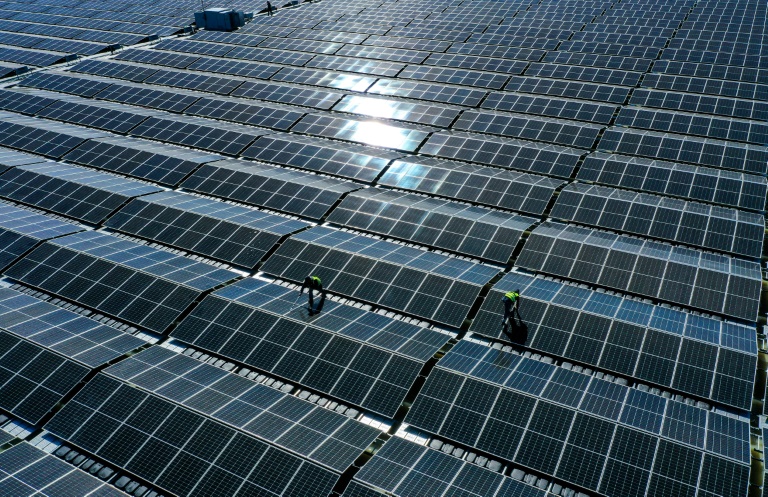
Total renewables capacity worldwide is set to almost double in the next five years and overtake coal as the largest source of electricity generation by 2025, the IEA said in a report.

The 2,400-gigawatt growth between 2022-2027 is almost a third higher than last year’s IEA forecast, according to the Paris-based agency, which advises developed nations.

This would help “keep alive the possibility of limiting global warming to 1.5 (degrees Celsius)”, the IEA said, referring to the preferrable target set in the 2015 Paris Agreement to prevent a climate catastrophe.

The invasion of Ukraine by major oil and gas exporter Russia has triggered an energy crunch and prompted countries in Europe, which were highly dependent on Russian deliveries, to diversify their supplies.

“Renewables were already expanding quickly, but the global energy crisis has kicked them into an extraordinary new phase of even faster growth as countries seek to capitalise on their energy security benefits,” said IEA executive director Fatih Birol.

“The world is set to add as much renewable power in the next five years as it did in the previous 20 years,” Birol said in a statement.

“This is a clear example of how the current energy crisis can be a historic turning point towards a cleaner and more secure future world energy system.”

The amount of renewable power capacity added in Europe between 2022-2027 is forecast to be twice as high as in the previous five-year period, the IEA said.

EU nations could deploy wind and solar power even faster if they were to quickly streamline the process for receiving permits, the report said.

The IEA’s revised forecast is also driven by new policies and market reforms being implemented more quickly than previously planned.

China is expected to account for almost half of new global renewable power capacity additions in the next five years, the report said.

Emmy-winning 'Cheers' star Kirstie Alley dies at 71

Kirstie Alley, the two-time Emmy-winning actor who starred in the hit television sitcom “Cheers”, died Monday after a battle with cancer, her family said. She was 71.

“We are sad to inform you that our incredible, fierce and loving mother has passed away after a battle with cancer, only recently discovered,” her children Lillie Price Stevenson and William True Stevenson said in a statement on Twitter.

“Our mother’s zest and passion for life, her children, grandchildren and her many animals, not to mention her eternal joy of creating, were unparalleled and leave us inspired to live life to the fullest just as she did.”

Alley rose to prominence for her role as Rebecca Howe in the NBC sitcom “Cheers” about a Boston bar, for which she received an Emmy for best lead actress in a comedy series in 1991.

She received a second Emmy for her role in the television film “David’s Mother.”

Alley also starred in the 1989 romantic comedy film “Look Who’s Talking” — as well as its two sequels — alongside John Travolta.

Travolta paid tribute to the actor Monday night, posting a photograph of a young Alley on Instagram.

“Kirstie was one of the most special relationships I’ve ever had,” Travolta said.

“I love you Kirstie. I know we will see each other again.”

Asian markets swing as Fed worries offset China Covid easing

Asian markets were mixed Tuesday as fresh fears that the US Federal Reserve will push interest rates higher than hoped played off against growing optimism over China’s economic reopening.

After a strong start to the week in the region, traders tracked a big drop on Wall Street that came on the back of data showing a forecast-busting jump in activity in the US services sector last month.

The news — combined with Friday’s bigger-than-expected print on November jobs — dented optimism that the Fed’s monetary tightening campaign was finally paying off, which would give it room to take a less hawkish approach into the new year.

Markets had been running higher ahead of the jobs figures after a surprise drop in inflation and comments from Fed boss Jerome Powell that the bank would likely raise rates at a slower pace.

“Outstanding news from the vast services-based US economy is devastating for market participants keen to see evidence of the US economic disintegration,” said SPI Asset Management’s Stephen Innes.

“Coming as it did on the heels of Friday’s jobs report, which indicated that the rumours of the US economic demise were greatly exaggerated, the market immediately moved into ‘good news is bad’ mode, which saw investors ride roughshod over the dovish pivot camp.”

Bets have increased on borrowing costs going higher than five percent next year — from the current 3.75 to 4.0 percent — before the bank takes a break, with no cuts seen until 2024.

All three main indexes on Wall Street lost more than one percent and Asia fluctuated in early trade.

Hong Kong swung between gains and losses, having soared around 15 percent over the past week on China’s easing of strict Covid containment measures.

Shanghai inched up along with Tokyo and Manila. But Sydney, Seoul, Singapore, Wellington, Taipei and Jakarta were in the red.

The dollar dipped slightly but held most of the gains made Monday after the services data release.

The mood in Asia remains largely positive owing to the prospect of China rolling back some of the harsh measures that have been in place for almost three years and have hammered the giant economy.

But analysts said the country would not likely see a complete end to the zero-Covid policy for several months.

Oil prices climbed around one percent Tuesday, having dropped heavily the two previous days, on expectations that a reopening will boost demand in the world’s biggest importer of the commodity.

– Key figures around 0230 GMT –

Tokyo – Nikkei 225: UP 0.3 percent at 27,902.11 (break)

Hong Kong – Hang Seng Index: DOWN 0.1 percent at 19,495.73

Shanghai – Composite: UP 0.3 percent at 3,220.21

Euro/dollar: UP at $1.0511 from $1.0495 on Monday

Dollar/yen: DOWN at 136.58 yen from 136.78 yen

Pound/dollar: UP at $1.2211 from $1.2186

Euro/pound: UP at 86.08 pence from 86.06 pence

West Texas Intermediate: UP 1.0 percent at $77.72 per barrel

Brent North Sea crude: UP 1.0 percent at $83.50 per barrel

New York – Dow: DOWN 1.4  percent at 33,947.10 (close)

London – FTSE 100: UP 0.2 percent at 7,567.54 (close)

Asian markets swing as Fed worries offset China Covid easing

Asian markets were mixed Tuesday as fresh fears that the US Federal Reserve will push interest rates higher than hoped played off against growing optimism over China’s economic reopening.

After a strong start to the week in the region, traders tracked a big drop on Wall Street that came on the back of data showing a forecast-busting jump in activity in the US services sector last month.

The news — combined with Friday’s bigger-than-expected print on November jobs — dented optimism that the Fed’s monetary tightening campaign was finally paying off, which would give it room to take a less hawkish approach into the new year.

Markets had been running higher ahead of the jobs figures after a surprise drop in inflation and comments from Fed boss Jerome Powell that the bank would likely raise rates at a slower pace.

“Outstanding news from the vast services-based US economy is devastating for market participants keen to see evidence of the US economic disintegration,” said SPI Asset Management’s Stephen Innes.

“Coming as it did on the heels of Friday’s jobs report, which indicated that the rumours of the US economic demise were greatly exaggerated, the market immediately moved into ‘good news is bad’ mode, which saw investors ride roughshod over the dovish pivot camp.”

Bets have increased on borrowing costs going higher than five percent next year — from the current 3.75 to 4.0 percent — before the bank takes a break, with no cuts seen until 2024.

All three main indexes on Wall Street lost more than one percent and Asia fluctuated in early trade.

Hong Kong swung between gains and losses, having soared around 15 percent over the past week on China’s easing of strict Covid containment measures.

Shanghai inched up along with Tokyo and Manila. But Sydney, Seoul, Singapore, Wellington, Taipei and Jakarta were in the red.

The dollar dipped slightly but held most of the gains made Monday after the services data release.

The mood in Asia remains largely positive owing to the prospect of China rolling back some of the harsh measures that have been in place for almost three years and have hammered the giant economy.

But analysts said the country would not likely see a complete end to the zero-Covid policy for several months.

Oil prices climbed around one percent Tuesday, having dropped heavily the two previous days, on expectations that a reopening will boost demand in the world’s biggest importer of the commodity.

– Key figures around 0230 GMT –

Tokyo – Nikkei 225: UP 0.3 percent at 27,902.11 (break)

Hong Kong – Hang Seng Index: DOWN 0.1 percent at 19,495.73

Shanghai – Composite: UP 0.3 percent at 3,220.21

Euro/dollar: UP at $1.0511 from $1.0495 on Monday

Dollar/yen: DOWN at 136.58 yen from 136.78 yen

Pound/dollar: UP at $1.2211 from $1.2186

Euro/pound: UP at 86.08 pence from 86.06 pence

West Texas Intermediate: UP 1.0 percent at $77.72 per barrel

Brent North Sea crude: UP 1.0 percent at $83.50 per barrel

New York – Dow: DOWN 1.4  percent at 33,947.10 (close)

London – FTSE 100: UP 0.2 percent at 7,567.54 (close)

Ukraine races to restore power grid post-Russia strikes as winter comes

Ukraine worked to restore power on Tuesday after Russia’s latest wave of missile strikes caused power disruptions across the country, right as winter frost builds and temperatures plunge.

Out of the 70 missiles launched by Moscow, “most” were shot down, President Volodymyr Zelensky said, but the barrage still hit Ukraine’s already battered infrastructure. 

Fresh power cuts were announced in all regions “due to the consequences of shelling,” national electricity provider Ukrenergo said on Telegram.

The head of Ukrenergo said he had “no doubt that Russian military consulted with Russian power engineers during this attack”, judging by where the missiles landed. 

“The time that Russians chose for this attack was connected with their desire to inflict as much damage as possible,” Volodymyr Kudrytskyi told a Ukrainian news programme, explaining the attacks were launched as the country enters a “peak frost” period.

“Our repairmen will be working on the energy system restoration.”

Nearly half of Ukraine’s energy system has already been damaged after months of strikes on power infrastructure, leaving people in the cold and dark for hours at a time as outdoor temperatures drop below zero degrees Celsius (32 degrees Fahrenheit).

As missiles rained down on Kyiv, UN rights chief Volker Turk — who arrived over the weekend on a four-day visit — had to move his meetings with activists into an underground shelter. 

Zelensky announced in his nightly address that four were killed in Russia’s strikes.

But “our people never give up,” the president said in a video statement. 

Moscow in turn blamed Ukraine for drone attacks in Russia’s Saratov and Ryazan regions which caused explosions at two of its airfields and killed three soldiers.

At the same time, it confirmed a “massive attack on Ukrainian military command systems and related defence, communications, energy and military facilities”.

– Moscow vows to keep fighting –

The attacks come just after Russia shrugged off a Western-imposed price cap on its oil exports, warning the move would not impact its military campaign in Ukraine.

The $60-per-barrel cap agreed by the European Union, G7 and Australia aims to restrict Russia’s revenue while making sure Moscow keeps supplying the global market.

“Russia’s economy has all the necessary potential to fully meet the needs and requirements of the special military operation,” Kremlin spokesman Dmitry Peskov told reporters, using Moscow’s term for its Ukraine offensive.

“These measures will not affect this,” he said.

Russia “will not recognise” the measures, which amounted to “a step towards destabilising the global energy markets”, he added.

The market price of a barrel of Russian Urals crude is currently around $65 dollars, just slightly higher than the $60 cap — suggesting the measure may have only a limited impact in the short term.

The cap is the latest in a number of measures spearheaded by Western countries and introduced against Russia — the world’s second-largest crude oil exporter — after Moscow sent troops into Ukraine over nine months ago.

It comes on top of an EU embargo on seaborne deliveries of Russian crude oil that came into force on Monday.

The embargo will prevent maritime shipments of Russian crude to the European Union, which account for two-thirds of the bloc’s oil imports from Russia, potentially depriving Moscow of billions of euros.

Kyiv had initially welcomed the price ceiling, but later said it would not do enough damage to Russia’s economy. 

Meanwhile, Russian state media released footage of President Vladimir Putin driving a Mercedes car across the Crimea bridge — the closest the 70-year-old leader has come to the frontline in Ukraine.

The bridge connects the annexed peninsula to the Russian mainland, and was damaged in a blast in October.

– ‘Impossible to prepare’ –

The G7 nations — Britain, Canada, France, Germany, Italy, Japan and the United States — along with Australia have said they are prepared to adjust the price ceiling of oil if necessary.

In recent months, gas prices have skyrocketed since Moscow halted deliveries to the EU in suspected retaliation for Western sanctions and the bloc struggled to find alternative energy suppliers.

In the Ukrainian town of Borodianka, outside Kyiv, where snow has already coated the ground, locals recently gathered around wood-fired stoves inside tents to keep warm and cook food during the blackouts. 

“We are totally dependent on electricity… One day we had no electricity for 16 hours,” Irina, who had come to the tent with her child, told AFP. 

Volunteer Oleg said it was hard to say how Ukraine would manage in the coming winter months. 

“It is impossible to prepare for this winter because no one has lived in these conditions before,” he said. 

Ukraine races to restore power grid post-Russia strikes as winter comes

Ukraine worked to restore power on Tuesday after Russia’s latest wave of missile strikes caused power disruptions across the country, right as winter frost builds and temperatures plunge.

Out of the 70 missiles launched by Moscow, “most” were shot down, President Volodymyr Zelensky said, but the barrage still hit Ukraine’s already battered infrastructure. 

Fresh power cuts were announced in all regions “due to the consequences of shelling,” national electricity provider Ukrenergo said on Telegram.

The head of Ukrenergo said he had “no doubt that Russian military consulted with Russian power engineers during this attack”, judging by where the missiles landed. 

“The time that Russians chose for this attack was connected with their desire to inflict as much damage as possible,” Volodymyr Kudrytskyi told a Ukrainian news programme, explaining the attacks were launched as the country enters a “peak frost” period.

“Our repairmen will be working on the energy system restoration.”

Nearly half of Ukraine’s energy system has already been damaged after months of strikes on power infrastructure, leaving people in the cold and dark for hours at a time as outdoor temperatures drop below zero degrees Celsius (32 degrees Fahrenheit).

As missiles rained down on Kyiv, UN rights chief Volker Turk — who arrived over the weekend on a four-day visit — had to move his meetings with activists into an underground shelter. 

Zelensky announced in his nightly address that four were killed in Russia’s strikes.

But “our people never give up,” the president said in a video statement. 

Moscow in turn blamed Ukraine for drone attacks in Russia’s Saratov and Ryazan regions which caused explosions at two of its airfields and killed three soldiers.

At the same time, it confirmed a “massive attack on Ukrainian military command systems and related defence, communications, energy and military facilities”.

– Moscow vows to keep fighting –

The attacks come just after Russia shrugged off a Western-imposed price cap on its oil exports, warning the move would not impact its military campaign in Ukraine.

The $60-per-barrel cap agreed by the European Union, G7 and Australia aims to restrict Russia’s revenue while making sure Moscow keeps supplying the global market.

“Russia’s economy has all the necessary potential to fully meet the needs and requirements of the special military operation,” Kremlin spokesman Dmitry Peskov told reporters, using Moscow’s term for its Ukraine offensive.

“These measures will not affect this,” he said.

Russia “will not recognise” the measures, which amounted to “a step towards destabilising the global energy markets”, he added.

The market price of a barrel of Russian Urals crude is currently around $65 dollars, just slightly higher than the $60 cap — suggesting the measure may have only a limited impact in the short term.

The cap is the latest in a number of measures spearheaded by Western countries and introduced against Russia — the world’s second-largest crude oil exporter — after Moscow sent troops into Ukraine over nine months ago.

It comes on top of an EU embargo on seaborne deliveries of Russian crude oil that came into force on Monday.

The embargo will prevent maritime shipments of Russian crude to the European Union, which account for two-thirds of the bloc’s oil imports from Russia, potentially depriving Moscow of billions of euros.

Kyiv had initially welcomed the price ceiling, but later said it would not do enough damage to Russia’s economy. 

Meanwhile, Russian state media released footage of President Vladimir Putin driving a Mercedes car across the Crimea bridge — the closest the 70-year-old leader has come to the frontline in Ukraine.

The bridge connects the annexed peninsula to the Russian mainland, and was damaged in a blast in October.

– ‘Impossible to prepare’ –

The G7 nations — Britain, Canada, France, Germany, Italy, Japan and the United States — along with Australia have said they are prepared to adjust the price ceiling of oil if necessary.

In recent months, gas prices have skyrocketed since Moscow halted deliveries to the EU in suspected retaliation for Western sanctions and the bloc struggled to find alternative energy suppliers.

In the Ukrainian town of Borodianka, outside Kyiv, where snow has already coated the ground, locals recently gathered around wood-fired stoves inside tents to keep warm and cook food during the blackouts. 

“We are totally dependent on electricity… One day we had no electricity for 16 hours,” Irina, who had come to the tent with her child, told AFP. 

Volunteer Oleg said it was hard to say how Ukraine would manage in the coming winter months. 

“It is impossible to prepare for this winter because no one has lived in these conditions before,” he said. 
Ukraine races to restore power grid post-Russia strikes as winter comes

Ukraine worked to restore power on Tuesday after Russia’s latest wave of missile strikes caused power disruptions across the country, right as winter frost builds and temperatures plunge.

Out of the 70 missiles launched by Moscow, “most” were shot down, President Volodymyr Zelensky said, but the barrage still hit Ukraine’s already battered infrastructure. 

Fresh power cuts were announced in all regions “due to the consequences of shelling,” national electricity provider Ukrenergo said on Telegram.

The head of Ukrenergo said he had “no doubt that Russian military consulted with Russian power engineers during this attack”, judging by where the missiles landed. 

“The time that Russians chose for this attack was connected with their desire to inflict as much damage as possible,” Volodymyr Kudrytskyi told a Ukrainian news programme, explaining the attacks were launched as the country enters a “peak frost” period.

“Our repairmen will be working on the energy system restoration.”

Nearly half of Ukraine’s energy system has already been damaged after months of strikes on power infrastructure, leaving people in the cold and dark for hours at a time as outdoor temperatures drop below zero degrees Celsius (32 degrees Fahrenheit).

As missiles rained down on Kyiv, UN rights chief Volker Turk — who arrived over the weekend on a four-day visit — had to move his meetings with activists into an underground shelter. 

Zelensky announced in his nightly address that four were killed in Russia’s strikes.

But “our people never give up,” the president said in a video statement. 

Moscow in turn blamed Ukraine for drone attacks in Russia’s Saratov and Ryazan regions which caused explosions at two of its airfields and killed three soldiers.

At the same time, it confirmed a “massive attack on Ukrainian military command systems and related defence, communications, energy and military facilities”.

– Moscow vows to keep fighting –

The attacks come just after Russia shrugged off a Western-imposed price cap on its oil exports, warning the move would not impact its military campaign in Ukraine.

The $60-per-barrel cap agreed by the European Union, G7 and Australia aims to restrict Russia’s revenue while making sure Moscow keeps supplying the global market.

“Russia’s economy has all the necessary potential to fully meet the needs and requirements of the special military operation,” Kremlin spokesman Dmitry Peskov told reporters, using Moscow’s term for its Ukraine offensive.

“These measures will not affect this,” he said.

Russia “will not recognise” the measures, which amounted to “a step towards destabilising the global energy markets”, he added.

The market price of a barrel of Russian Urals crude is currently around $65 dollars, just slightly higher than the $60 cap — suggesting the measure may have only a limited impact in the short term.

The cap is the latest in a number of measures spearheaded by Western countries and introduced against Russia — the world’s second-largest crude oil exporter — after Moscow sent troops into Ukraine over nine months ago.

It comes on top of an EU embargo on seaborne deliveries of Russian crude oil that came into force on Monday.

The embargo will prevent maritime shipments of Russian crude to the European Union, which account for two-thirds of the bloc’s oil imports from Russia, potentially depriving Moscow of billions of euros.

Kyiv had initially welcomed the price ceiling, but later said it would not do enough damage to Russia’s economy. 

Meanwhile, Russian state media released footage of President Vladimir Putin driving a Mercedes car across the Crimea bridge — the closest the 70-year-old leader has come to the frontline in Ukraine.

The bridge connects the annexed peninsula to the Russian mainland, and was damaged in a blast in October.

– ‘Impossible to prepare’ –

The G7 nations — Britain, Canada, France, Germany, Italy, Japan and the United States — along with Australia have said they are prepared to adjust the price ceiling of oil if necessary.

In recent months, gas prices have skyrocketed since Moscow halted deliveries to the EU in suspected retaliation for Western sanctions and the bloc struggled to find alternative energy suppliers.

In the Ukrainian town of Borodianka, outside Kyiv, where snow has already coated the ground, locals recently gathered around wood-fired stoves inside tents to keep warm and cook food during the blackouts. 

“We are totally dependent on electricity… One day we had no electricity for 16 hours,” Irina, who had come to the tent with her child, told AFP. 

Volunteer Oleg said it was hard to say how Ukraine would manage in the coming winter months. 

“It is impossible to prepare for this winter because no one has lived in these conditions before,” he said. 
Close Bitnami banner
Bitnami

