AFP

China's Tencent wins first game licence in 18 months

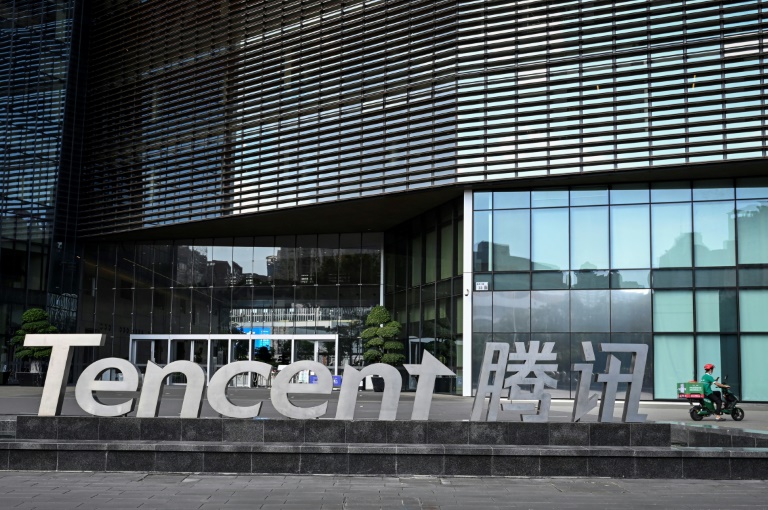
China has granted tech giant Tencent its first licence for a video game in 18 months, ending a dry spell that had threatened its position as the world’s top game maker.

Beijing moved against the country’s vibrant gaming sector last year as part of a sprawling crackdown on big tech companies, including a cap on the amount of time children could spend playing games.

Officials also froze approvals of new titles for nine months until April.

China’s gaming regulator, the National Press and Publication Administration, on Thursday said it had approved 70 new titles in November including Tencent’s action game “Metal Slug: Awakening” and a role-playing game “Journey to the West: Return” by rival NetEase.

Gaming licences are mandatory for video games to be published and sold in the Chinese market.

The last time Tencent obtained a major license was in May 2021.

A Tencent subsidiary received a licence in September but it was for a free educational game.

Shares of the Hong Kong-listed company edged up 0.5 percent in early trade on Friday after the licensing announcement, while NetEase gained five percent.

The approval signals a relaxing of China’s strict attitude towards tech companies.

During the tech crackdown, hundreds of game makers pledged to scrub “politically harmful” content from their products and enforce curbs on underage players in a bid to comply with government demands.

Strict restrictions announced last year allow players under the age of 18 to play for three hours a week.

Japan inflation hits four-decade high in October

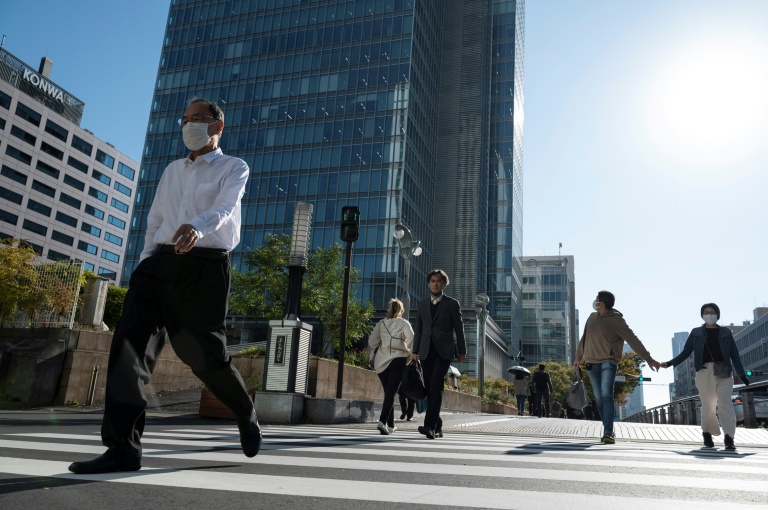
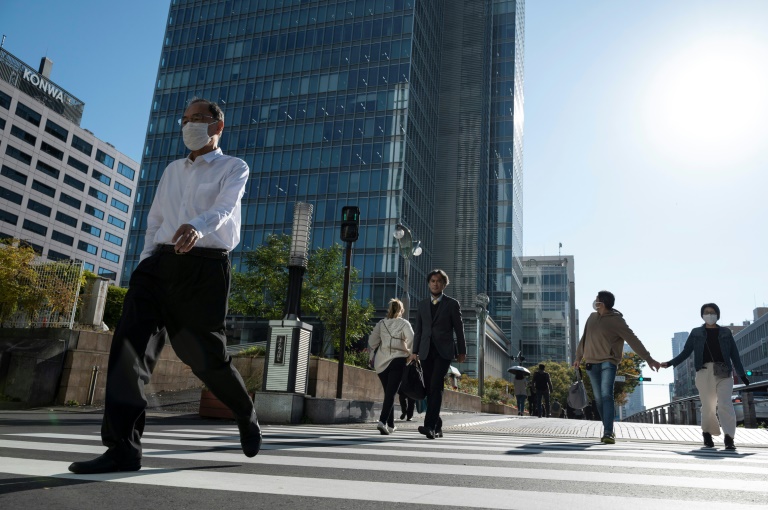
Japanese inflation hit a four-decade high last month, government data showed Friday, fuelled by high energy costs and a weak yen and ramping up pressure on the central bank to move away from its ultra-loose monetary policies.

Core consumer prices excluding volatile fresh food rose 3.6 percent on-year in October, marginally higher than analyst expectations.

The reading marked the fastest pace since 1982, although it remains below the sky-high levels that have pummelled the United States and other countries.

In reaction to the data, chief cabinet secretary Hirokazu Matsuno told reporters the government “must protect people’s livelihoods from these price rises”.

“Price increases have continued for items closely related to daily life such as utilities and food, due to rising raw material prices and the weak yen,” he said.

The government said last month it would spend $260 billion on an economic stimulus package that includes support for energy bills, which have spiked since Russia’s invasion of Ukraine in February.

“Policies targeting energy and food, which are the main causes of high prices” are included in the relief measures, Matsuno said as he vowed to “pass the extra budget as soon as possible”.

Darren Tay, Japan Economist at Capital Economics, told AFP that the impact of inflation on the average consumer was “very real”.

Prime Minister Fumio Kishida has responded with an “aggressive” stimulus package because “he knows that his electorate is not too happy with rising prices”, Tay added.

– Economy ‘on shaky footing’ –

When energy prices were not taken into account, October’s inflation was a more moderate 2.5 percent, but still higher than in September.

The headline core consumer price index (CPI) has now risen for 14 straight months — putting pressure on the Bank of Japan to tweak its longstanding monetary easing policies.

The US Federal Reserve and other central banks have sharply hiked interest rates this year to tackle inflation.

But Japan, which since the 1990s has swung between periods of sluggish inflation and deflation, has gone against the grain and continues to keep interest rates at ultra-low levels as it tries to kickstart the torpid economy.

Although inflation is now higher than the two-percent targeted by the Bank of Japan for the past decade, it sees the recent price rises as temporary and says there is no reason to change course.

The starkly different approaches taken by the BoJ and the Fed have driven down the value of the yen against the dollar this year from levels of around 115 yen per dollar in March to 140 on Friday, having hit a 32-year low of 151 yen last month.

But while the bank keeps a close watch on inflation, Tay added: “I still don’t think it’s enough for them to change their policy at this point.”

One reason is that Japan’s latest growth data, released on Tuesday, showed a surprise contraction of the world’s third-largest economy in the July-September quarter.

“That shows the bank very clearly that the economy is actually on much shakier footing than they might otherwise have expected,” Tay said.

“The other thing is the global economy is probably going to enter a recession next year, in the first half,” he added.

“We’re basically looking at very weak economic conditions overall, and the Bank of Japan will not risk jeopardising the economy even further by tightening monetary policy at this point.”

Japan inflation hits four-decade high in October

Japanese inflation hit a four-decade high last month, government data showed Friday, fuelled by high energy costs and a weak yen and ramping up pressure on the central bank to move away from its ultra-loose monetary policies.

Core consumer prices excluding volatile fresh food rose 3.6 percent on-year in October, marginally higher than analyst expectations.

The reading marked the fastest pace since 1982, although it remains below the sky-high levels that have pummelled the United States and other countries.

In reaction to the data, chief cabinet secretary Hirokazu Matsuno told reporters the government “must protect people’s livelihoods from these price rises”.

“Price increases have continued for items closely related to daily life such as utilities and food, due to rising raw material prices and the weak yen,” he said.

The government said last month it would spend $260 billion on an economic stimulus package that includes support for energy bills, which have spiked since Russia’s invasion of Ukraine in February.

“Policies targeting energy and food, which are the main causes of high prices” are included in the relief measures, Matsuno said as he vowed to “pass the extra budget as soon as possible”.

Darren Tay, Japan Economist at Capital Economics, told AFP that the impact of inflation on the average consumer was “very real”.

Prime Minister Fumio Kishida has responded with an “aggressive” stimulus package because “he knows that his electorate is not too happy with rising prices”, Tay added.

– Economy ‘on shaky footing’ –

When energy prices were not taken into account, October’s inflation was a more moderate 2.5 percent, but still higher than in September.

The headline core consumer price index (CPI) has now risen for 14 straight months — putting pressure on the Bank of Japan to tweak its longstanding monetary easing policies.

The US Federal Reserve and other central banks have sharply hiked interest rates this year to tackle inflation.

But Japan, which since the 1990s has swung between periods of sluggish inflation and deflation, has gone against the grain and continues to keep interest rates at ultra-low levels as it tries to kickstart the torpid economy.

Although inflation is now higher than the two-percent targeted by the Bank of Japan for the past decade, it sees the recent price rises as temporary and says there is no reason to change course.

The starkly different approaches taken by the BoJ and the Fed have driven down the value of the yen against the dollar this year from levels of around 115 yen per dollar in March to 140 on Friday, having hit a 32-year low of 151 yen last month.

But while the bank keeps a close watch on inflation, Tay added: “I still don’t think it’s enough for them to change their policy at this point.”

One reason is that Japan’s latest growth data, released on Tuesday, showed a surprise contraction of the world’s third-largest economy in the July-September quarter.

“That shows the bank very clearly that the economy is actually on much shakier footing than they might otherwise have expected,” Tay said.

“The other thing is the global economy is probably going to enter a recession next year, in the first half,” he added.

“We’re basically looking at very weak economic conditions overall, and the Bank of Japan will not risk jeopardising the economy even further by tightening monetary policy at this point.”

Asian markets rise but caution over rate outlook dulls sentiment

Asian markets edged up Friday, though caution permeated trading floors as investors tried to gauge the outlook for Federal Reserve monetary policy after several officials tried to temper optimism over signs that inflation is slowing.

While the week has been broadly positive for equities following softer-than-expected US consumer and wholesale price figures, a strong reading on retail sales and jobless claims showed plenty of resilience to higher interest rates.

With that in mind, St Louis Fed President James Bullard warned more hikes were needed to bring inflation down from four-decade highs, adding that they might need to go as high as seven percent.

That was followed by Minneapolis Fed boss Neel Kaskari saying he had not witnessed much evidence that underlying demand was cooling and did not want to forecast when the tightening would end.

The comments followed a similar message put out by other policymakers, who have sought to calm markets, which soared in the wake of last Thursday’s consumer prices reading.

They also fuelled fears among traders that the sharp tightening campaign — including four straight bumper 0.75 point increases in a row — will tip the world’s top economy into recession

On Wednesday, Kansas City Fed chief Esther George said it was unclear how the bank can douse inflation “without having some real slowing” or even a contraction.

Wall Street’s three main indexes ended in the red.

Still, Hong Kong led gains across much of Asia thanks to rally in tech firms, and after China indicated it will ease back on some of its strict Covid restrictions and help the troubled property sector.

Tokyo, Sydney, Seoul, Wellington, Taipei, Manila and Jakarta also rose though Shanghai and Singapore dipped.

– ‘Fundamental disconnect’ –

While most of Asia rose, there was a fear that the recent rally may have run a little ahead of itself.

“The market believes that inflation is on the downtrend. We also believe that, but the fact of inflation having peaked is not a reason for the Fed to turn and cut rates,” Paul Christopher, at Wells Fargo Investment Institute, told Bloomberg Radio.

“That’s the fundamental disconnect that still exists between the Fed and the market.”

And SPI Asset Management’s Stephen Innes added: “Things can turn on a dime, primarily when the fear of missing (out) drives sentiment.

“However, the odds of a pre-Thanksgiving rally are giving way to the hawkish Fed drumbeat and pushback on China reopening plays.”

The pound clawed back some of its losses suffered Thursday after Britain unveiled a budget filled with 55 billion pounds ($65 billion) of tax hikes and spending cuts that traders fear will deepen a cost-of-living crisis and a recession that could last two years.

– Key figures around 0230 GMT –

Tokyo – Nikkei 225: UP 0.2 percent at 27,978.06 (break)

Hong Kong – Hang Seng Index: UP 1.2 percent at 18,266.41

Shanghai – Composite: DOWN 0.2 percent at 3,110.06

Pound/dollar: UP at $1.1892 from $1.1867 on Thursday

Euro/dollar: DOWN at $1.0367 from $1.0370

Dollar/yen: DOWN at 139.91 yen from 140.20 yen

Euro/pound: DOWN at 87.18 from 87.34 pence

West Texas Intermediate: UP 1.1 percent at $82.57 per barrel

Brent North Sea crude: UP 0.9 percent at $90.57 per barrel

New York – Dow: FLAT at 33,546.32 points (close)

London – FTSE 100: DOWN 0.1 percent at 7,346.54 (close) 

Asian markets rise but caution over rate outlook dulls sentiment

Asian markets edged up Friday, though caution permeated trading floors as investors tried to gauge the outlook for Federal Reserve monetary policy after several officials tried to temper optimism over signs that inflation is slowing.

While the week has been broadly positive for equities following softer-than-expected US consumer and wholesale price figures, a strong reading on retail sales and jobless claims showed plenty of resilience to higher interest rates.

With that in mind, St Louis Fed President James Bullard warned more hikes were needed to bring inflation down from four-decade highs, adding that they might need to go as high as seven percent.

That was followed by Minneapolis Fed boss Neel Kaskari saying he had not witnessed much evidence that underlying demand was cooling and did not want to forecast when the tightening would end.

The comments followed a similar message put out by other policymakers, who have sought to calm markets, which soared in the wake of last Thursday’s consumer prices reading.

They also fuelled fears among traders that the sharp tightening campaign — including four straight bumper 0.75 point increases in a row — will tip the world’s top economy into recession

On Wednesday, Kansas City Fed chief Esther George said it was unclear how the bank can douse inflation “without having some real slowing” or even a contraction.

Wall Street’s three main indexes ended in the red.

Still, Hong Kong led gains across much of Asia thanks to rally in tech firms, and after China indicated it will ease back on some of its strict Covid restrictions and help the troubled property sector.

Tokyo, Sydney, Seoul, Wellington, Taipei, Manila and Jakarta also rose though Shanghai and Singapore dipped.

– ‘Fundamental disconnect’ –

While most of Asia rose, there was a fear that the recent rally may have run a little ahead of itself.

“The market believes that inflation is on the downtrend. We also believe that, but the fact of inflation having peaked is not a reason for the Fed to turn and cut rates,” Paul Christopher, at Wells Fargo Investment Institute, told Bloomberg Radio.

“That’s the fundamental disconnect that still exists between the Fed and the market.”

And SPI Asset Management’s Stephen Innes added: “Things can turn on a dime, primarily when the fear of missing (out) drives sentiment.

“However, the odds of a pre-Thanksgiving rally are giving way to the hawkish Fed drumbeat and pushback on China reopening plays.”

The pound clawed back some of its losses suffered Thursday after Britain unveiled a budget filled with 55 billion pounds ($65 billion) of tax hikes and spending cuts that traders fear will deepen a cost-of-living crisis and a recession that could last two years.

– Key figures around 0230 GMT –

Tokyo – Nikkei 225: UP 0.2 percent at 27,978.06 (break)

Hong Kong – Hang Seng Index: UP 1.2 percent at 18,266.41

Shanghai – Composite: DOWN 0.2 percent at 3,110.06

Pound/dollar: UP at $1.1892 from $1.1867 on Thursday

Euro/dollar: DOWN at $1.0367 from $1.0370

Dollar/yen: DOWN at 139.91 yen from 140.20 yen

Euro/pound: DOWN at 87.18 from 87.34 pence

West Texas Intermediate: UP 1.1 percent at $82.57 per barrel

Brent North Sea crude: UP 0.9 percent at $90.57 per barrel

New York – Dow: FLAT at 33,546.32 points (close)

London – FTSE 100: DOWN 0.1 percent at 7,346.54 (close) 

Cuba bets on specialty coffee to boost industry

In the lush, fertile mountains of Cuba, farmer Jesus Chaviano dreams of adding his arabica beans to a list of specialty coffees the country hopes will lift an industry in decline.

It’s harvest time on Chaviano’s eight-hectare (20-acre) plantation in the central Guamuaya mountain range, and his 42,000 coffee plants burst with ripe reddish fruit in the shadow of avocado and banana trees.

At 800 meters (2,600 feet) altitude, conditions are ideal for the eight varieties of high-quality arabica coffee beans he planted with his “own hands.”

While Cuba has been growing coffee for almost 300 years, it has never produced the specialty coffees beloved worldwide for their unique flavor profiles that come from careful cultivation in a specific terroir.

In the past two decades, the appeal of high-end coffee has soared, and so has its price on the international market.

“I think that needs to be the path we take: going after specialty coffees. Not large quantities… small batches that we can sell well,” said Chaviano, 46.

As the island catches on to the appeal of high-end coffee, the first five specialty coffees will be unveiled in December at the first-ever Cuba-Cafe producers fair, which is being held in the eastern city of Santiago de Cuba.

The name and origins of the chosen coffees are being kept secret.

“We are taking the first concrete steps to add value to this coffee,” said Ramon Ramos, the scientific director of Cuba’s National Institute for Agroforestry Research. He added that “with the same production, the same yield, it will be sold at a much higher price.”

-‘It’s the future’-

According to Ramos, the price for 1,000 kilograms of commercial coffee varies between $4,000 and $5,000. Meanwhile, a kilogram of specialty coffee can sell for “up to $10,000.”

According to the Specialty Coffee Association (SCA) a coffee must score above 80 points on a 100-point scale to reach the required standard, after being evaluated by “a certified coffee taster.”

The final score will influence the price at which it is sold.

“It’s the future,” says Chaviano, who built his house in the middle of his plantation, in the style of the French colonists who fled Haiti in the 18th century and brought the culture of coffee cultivation to Cuba.

In 1960, Cuba produced more than 60,000 tonnes of coffee. Last year, this figure stood at only 11,500 tonnes, less than half of what is consumed locally.

According to official figures, only 1,365 tonnes were exported.

Experts say climate change — drastically reducing coffee-growing areas worldwide — is partly to blame for the drop in production.

In Cuba, the emigration of plantation workers has also impacted the industry.

“Why did the country once produce a lot of coffee, but now it can’t produce coffee?” asked Chaviano.

“I’m focused on doing it right and demonstrating that it’s possible to produce coffee, and quality coffee,” but “you have to put your heart into it,” he added.

In 2021, his yield was one tonne of coffee per hectare, four times the national average.

– ‘We can do it’-

Some 25 kilometers from his farm, researchers at the Jibacoa Agroforestry Research Station, have been tasked with training and providing technology to producers to improve their yields.

Director Ciro Sanchez, said the goal is to produce 30,000 tonnes of coffee by 2030.

To achieve this, the aim is to recover some plantations in areas affected by climate change, by planting more resistant varieties of coffee. Sanchez also wants to prioritize the growth of “high-quality arabica” in mountainous areas.

Chaviano is optimistic that one day his coffee will be one of the feted specialty brands being exported from Cuba.

“We can do it. We just need to work!” he said. 

Elizabeth Holmes to be sentenced in Theranos fraud trial

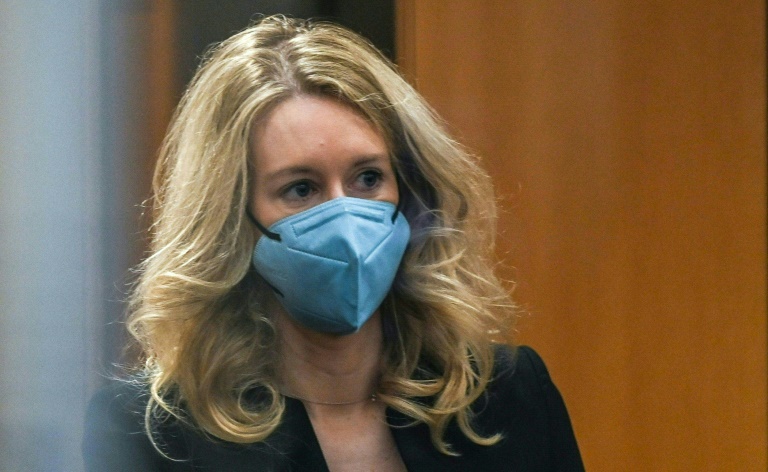
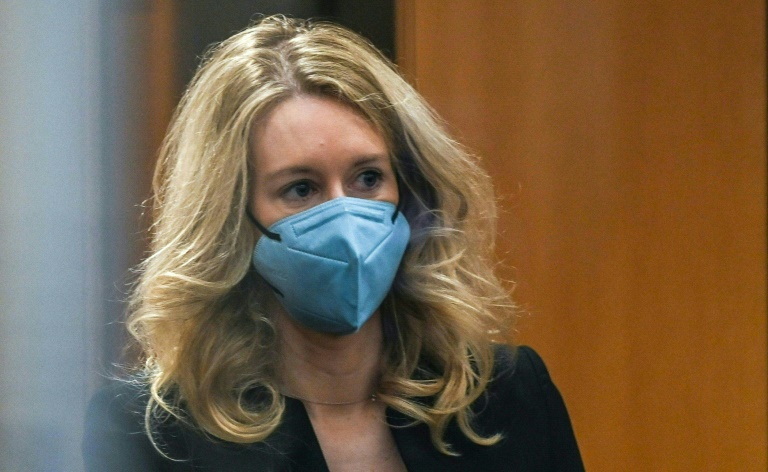
Fallen US biotech star Elizabeth Holmes faces sentencing on Friday after being found guilty of defrauding investors and endangering patients in a case that became an indictment of Silicon Valley.

Holmes was convicted on four counts in January for persuading investors over 15 years that she had developed a revolutionary medical device before the company flamed out after an investigation by The Wall Street Journal. 

US federal prosecutors are seeking a 15-year jail term for Holmes and want her to pay $800 million in restitution to investors that included the Walton family of Walmart, the Walgreens chain of pharmacies and media mogul Rupert Murdoch.

The Theranos founder was “blinded by… ambition,” said US attorney Stephanie Hinds in a court filing arguing for the sentence.

Holmes became a star of Silicon Valley when she said her now defunct start-up was perfecting an easy-to-use test kit that could carry out a wide range of medical diagnostics with just a few drops of blood.

At the time, Holmes often dressed soberly in black turtlenecks that evoked her hero, the late Apple icon Steve Jobs.

She sold investors on the idea that her invention would disrupt medical practice, replacing expensive lab tests with her cheap kits.

Her claims helped Theranos raise nearly one billion dollars without ever achieving meaningful revenue.

Holmes’s meteoric rise and fast demise has been the subject of books, movies and a TV series that framed her story as a cautionary tale on the excesses of the tech industry that blindly followed a charismatic founder.

At one point, the Theranos board included former US defense secretary James Mattis and former US Secretaries of State, Henry Kissinger and the late George Shultz.

Holmes will appear Friday in front of the same judge who presided over her long trial in a US court in the Silicon Valley city of San Jose, California.

– ‘Amazing things’ –

Lawyers for Holmes, 38, have asked for leniency, presenting her as a devoted friend who cares for a young child and has a second child on the way.

This has been backed up by 140 letters of support filed to the court, including from her family, friends and a US senator.

“I am confident that on the other side of this, Elizabeth will do amazing things for society with her talents and boundless passion for changing the world for the better,” said one letter.

This was in sharp contrast to descriptions given at her trial that painted her as an ambitious con artist who harassed her workers. 

In a letter, Holmes’s aunt, who was an early investor in Theranos, called on the court to give her a tough sentence, The Wall Street Journal reported.

Experts believe that Holmes will almost certainly receive jail time, given the scale of the fraud and the attention the case received.

Her defense could ask that she remain out on bail pending appeal.

“The government will, I assume, fight to have her start her sentence Day 1 — they want her to go to jail,” former prosecutor Steven Clark told the San Jose Mercury News.

“That will be a difficult call for the court. She’s got another child on the way,” he added.

Elizabeth Holmes to be sentenced in Theranos fraud trial

Fallen US biotech star Elizabeth Holmes faces sentencing on Friday after being found guilty of defrauding investors and endangering patients in a case that became an indictment of Silicon Valley.

Holmes was convicted on four counts in January for persuading investors over 15 years that she had developed a revolutionary medical device before the company flamed out after an investigation by The Wall Street Journal. 

US federal prosecutors are seeking a 15-year jail term for Holmes and want her to pay $800 million in restitution to investors that included the Walton family of Walmart, the Walgreens chain of pharmacies and media mogul Rupert Murdoch.

The Theranos founder was “blinded by… ambition,” said US attorney Stephanie Hinds in a court filing arguing for the sentence.

Holmes became a star of Silicon Valley when she said her now defunct start-up was perfecting an easy-to-use test kit that could carry out a wide range of medical diagnostics with just a few drops of blood.

At the time, Holmes often dressed soberly in black turtlenecks that evoked her hero, the late Apple icon Steve Jobs.

She sold investors on the idea that her invention would disrupt medical practice, replacing expensive lab tests with her cheap kits.

Her claims helped Theranos raise nearly one billion dollars without ever achieving meaningful revenue.

Holmes’s meteoric rise and fast demise has been the subject of books, movies and a TV series that framed her story as a cautionary tale on the excesses of the tech industry that blindly followed a charismatic founder.

At one point, the Theranos board included former US defense secretary James Mattis and former US Secretaries of State, Henry Kissinger and the late George Shultz.

Holmes will appear Friday in front of the same judge who presided over her long trial in a US court in the Silicon Valley city of San Jose, California.

– ‘Amazing things’ –

Lawyers for Holmes, 38, have asked for leniency, presenting her as a devoted friend who cares for a young child and has a second child on the way.

This has been backed up by 140 letters of support filed to the court, including from her family, friends and a US senator.

“I am confident that on the other side of this, Elizabeth will do amazing things for society with her talents and boundless passion for changing the world for the better,” said one letter.

This was in sharp contrast to descriptions given at her trial that painted her as an ambitious con artist who harassed her workers. 

In a letter, Holmes’s aunt, who was an early investor in Theranos, called on the court to give her a tough sentence, The Wall Street Journal reported.

Experts believe that Holmes will almost certainly receive jail time, given the scale of the fraud and the attention the case received.

Her defense could ask that she remain out on bail pending appeal.

“The government will, I assume, fight to have her start her sentence Day 1 — they want her to go to jail,” former prosecutor Steven Clark told the San Jose Mercury News.

“That will be a difficult call for the court. She’s got another child on the way,” he added.

Twitter exodus begins after Musk 'hardcore' ultimatum

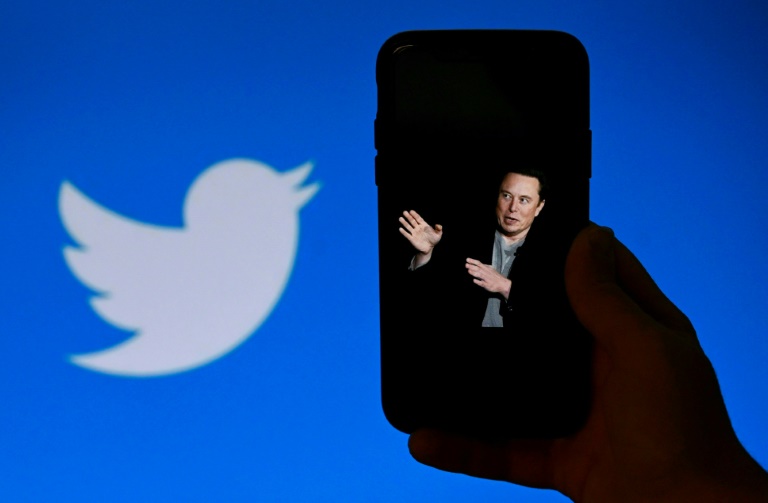
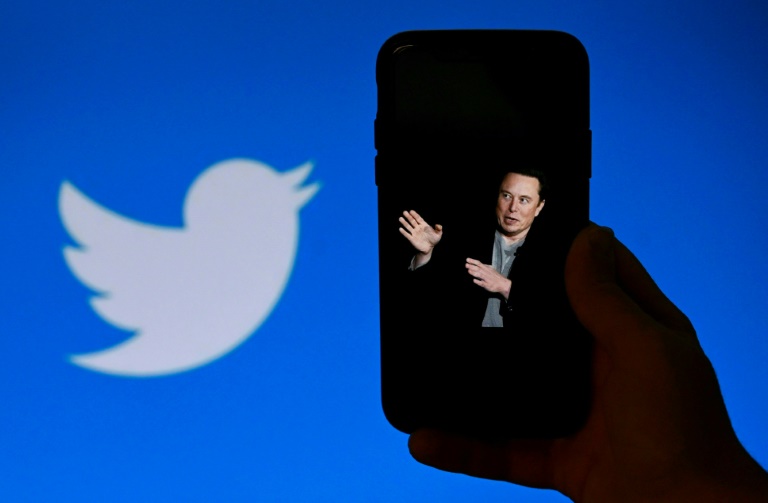
Employee departures were multiplying at Twitter on Thursday after an ultimatum from new owner Elon Musk, who demanded staff choose between being “extremely hardcore” and working intense, long hours, or losing their jobs.

“I may be #exceptional, but gosh darn it, I’m just not #hardcore,” tweeted one former employee, Andrea Horst, whose LinkedIn profile still reads “Supply Chain & Capacity Management (Survivor) @Twitter.” 

She added the hashtag “#lovewhereyouworked,” as did many other employees announcing their choice. 

Musk, also the CEO of Tesla and SpaceX, has come under fire for radical changes at the social media company, which he bought for $44 billion late last month.

He had already fired half of the company’s 7,500 staff, scrapped a work-from-home policy and imposed long hours, all while his attempts to overhaul Twitter have faced chaos and delays.

His stumbling attempts to revamp user verification with a controversial subscription service have led to a slew of fake accounts and pranks, and prompted major advertisers to step away from the platform.

The troubled social media network’s management told employees Thursday that offices were temporarily closed and inaccessible, even with a badge, according to Zoe Schiffer, a journalist for the tech industry newsletter Platformer. 

“Going forward, to build a breakthrough Twitter 2.0 and succeed in an increasingly competitive world, we will need to be extremely hardcore,” Musk wrote in the ultimatum, an internal memo sent Wednesday and seen by AFP. 

“This will mean working long hours at high intensity. Only exceptional performance will constitute a passing grade,” he added.

Staff had been asked to follow a link to affirm their commitment to “the new Twitter” by 5:00 pm New York time (2200 GMT) on Thursday.

If they did not do so, they lost their jobs, receiving three months of severance pay — an unusual method even in the United States, where labor laws are less protective for employees than in many other developed countries. 

Twitter did not respond to AFP requests for comment on the new measure.

“No words just grateful to say I was able to get my dream job and do more than I ever thought possible. It’s been a wild ride,” Deanna Hines-Glasgow, who was a senior client account manager at Twitter, tweeted Thursday, according to her LinkedIn profile.  

Esther Crawford, the platform’s director of product development and one of the few managers who have not been fired, who have not resigned and who still publicly support the new leader, tweeted: “To all the Tweeps who decided to make today your last day: thanks for being incredible teammates through the ups and downs. 

“I can’t wait to see what you do next.” 

Twitter exodus begins after Musk 'hardcore' ultimatum

Employee departures were multiplying at Twitter on Thursday after an ultimatum from new owner Elon Musk, who demanded staff choose between being “extremely hardcore” and working intense, long hours, or losing their jobs.

“I may be #exceptional, but gosh darn it, I’m just not #hardcore,” tweeted one former employee, Andrea Horst, whose LinkedIn profile still reads “Supply Chain & Capacity Management (Survivor) @Twitter.” 

She added the hashtag “#lovewhereyouworked,” as did many other employees announcing their choice. 

Musk, also the CEO of Tesla and SpaceX, has come under fire for radical changes at the social media company, which he bought for $44 billion late last month.

He had already fired half of the company’s 7,500 staff, scrapped a work-from-home policy and imposed long hours, all while his attempts to overhaul Twitter have faced chaos and delays.

His stumbling attempts to revamp user verification with a controversial subscription service have led to a slew of fake accounts and pranks, and prompted major advertisers to step away from the platform.

The troubled social media network’s management told employees Thursday that offices were temporarily closed and inaccessible, even with a badge, according to Zoe Schiffer, a journalist for the tech industry newsletter Platformer. 

“Going forward, to build a breakthrough Twitter 2.0 and succeed in an increasingly competitive world, we will need to be extremely hardcore,” Musk wrote in the ultimatum, an internal memo sent Wednesday and seen by AFP. 

“This will mean working long hours at high intensity. Only exceptional performance will constitute a passing grade,” he added.

Staff had been asked to follow a link to affirm their commitment to “the new Twitter” by 5:00 pm New York time (2200 GMT) on Thursday.

If they did not do so, they lost their jobs, receiving three months of severance pay — an unusual method even in the United States, where labor laws are less protective for employees than in many other developed countries. 

Twitter did not respond to AFP requests for comment on the new measure.

“No words just grateful to say I was able to get my dream job and do more than I ever thought possible. It’s been a wild ride,” Deanna Hines-Glasgow, who was a senior client account manager at Twitter, tweeted Thursday, according to her LinkedIn profile.  

Esther Crawford, the platform’s director of product development and one of the few managers who have not been fired, who have not resigned and who still publicly support the new leader, tweeted: “To all the Tweeps who decided to make today your last day: thanks for being incredible teammates through the ups and downs. 

“I can’t wait to see what you do next.” 

Close Bitnami banner
Bitnami