AFP

Pfizer lifts 2022 forecast for Covid-19 vaccine sales as profits rise

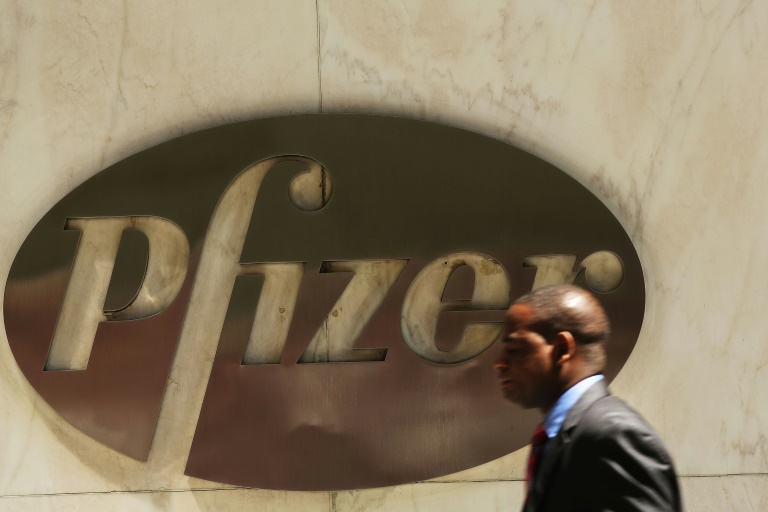
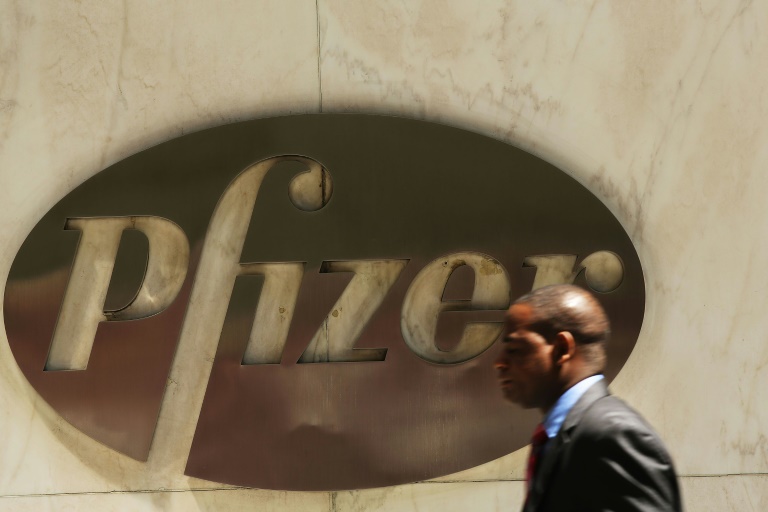
Pfizer reported higher quarterly profits Tuesday as it lifted its full-year forecast for coronavirus vaccine sales and predicted Covid-19 would yield billions more in revenues for the forseeable future.

The big US drugmaker now expects 2022 sales of the Comirnaty Covid-19 vaccine of $34 billion, up $2 billion from the prior outlook. 

Pfizer maintained its projection of $22 billion in annual sales for its Paxlovid therapeutic for Covid-19.

More than two years into the pandemic, Chief Executive Albert Bourla predicted revenues for Covid-19 products would persist even though they are likely to fall from their 2022 levels. 

“We believe our Covid-19 franchises will remain multi-billion revenue generators for the forseeable future, which should serve as a buffer for any unforeseen challenges with other products in our portfolio,” Bourla said in prepared remarks.

The most recent quarter included an 83 percent surge in Covid-19 vaccine revenues in the United States, driven by deliveries of the latest booster shot for the Omicron BA.4/BA.5-adapted bivalent vaccine.

Overall, Pfizer reported profits of $8.6 billion in the third quarter, up six percent from the year-ago period on a six percent drop in revenues to $22.6 billion.

Bourla said Pfizer was on track to launch up to 19 new products in the next year and a half. He highlighted potential “blockbuster” products for respiratory syncytial virus (RSV), Ulcerative colitis and Migraine.

Bourla said the product pipeline should alleviate “understandable” questions about Pfizer’s growth potential in the 2025 to 2030 given the loss of some $17 billion in revenues due to patent expirations.

Shares of Pfizer rose 3.5 percent to $48.20 in pre-market trading.

Pfizer lifts 2022 forecast for Covid-19 vaccine sales as profits rise

Pfizer reported higher quarterly profits Tuesday as it lifted its full-year forecast for coronavirus vaccine sales and predicted Covid-19 would yield billions more in revenues for the forseeable future.

The big US drugmaker now expects 2022 sales of the Comirnaty Covid-19 vaccine of $34 billion, up $2 billion from the prior outlook. 

Pfizer maintained its projection of $22 billion in annual sales for its Paxlovid therapeutic for Covid-19.

More than two years into the pandemic, Chief Executive Albert Bourla predicted revenues for Covid-19 products would persist even though they are likely to fall from their 2022 levels. 

“We believe our Covid-19 franchises will remain multi-billion revenue generators for the forseeable future, which should serve as a buffer for any unforeseen challenges with other products in our portfolio,” Bourla said in prepared remarks.

The most recent quarter included an 83 percent surge in Covid-19 vaccine revenues in the United States, driven by deliveries of the latest booster shot for the Omicron BA.4/BA.5-adapted bivalent vaccine.

Overall, Pfizer reported profits of $8.6 billion in the third quarter, up six percent from the year-ago period on a six percent drop in revenues to $22.6 billion.

Bourla said Pfizer was on track to launch up to 19 new products in the next year and a half. He highlighted potential “blockbuster” products for respiratory syncytial virus (RSV), Ulcerative colitis and Migraine.

Bourla said the product pipeline should alleviate “understandable” questions about Pfizer’s growth potential in the 2025 to 2030 given the loss of some $17 billion in revenues due to patent expirations.

Shares of Pfizer rose 3.5 percent to $48.20 in pre-market trading.

Germany's Scholz set for high-stakes China visit

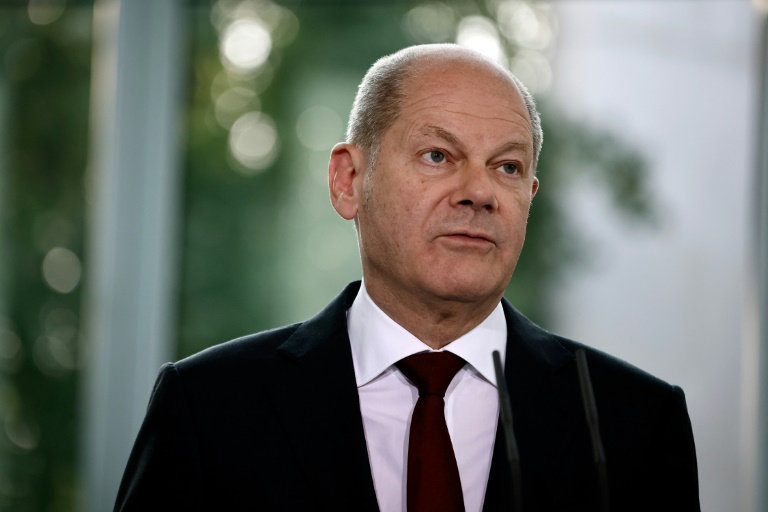
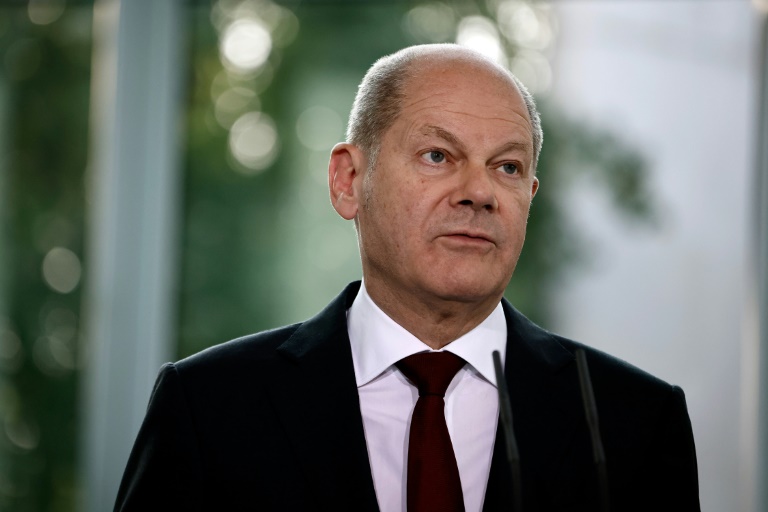
German Chancellor Olaf Scholz makes a high-stakes trip to China this week, walking a tightrope between shoring up a key economic relationship and facing heightened concerns about over-reliance on authoritarian Beijing.

Scholz, accompanied by a delegation of business executives, will be the first European Union leader to visit the world’s second-biggest economy since 2019.

During the one-day trip on Friday, he will hold talks with President Xi Jinping and Premier Li Keqiang. 

But the visit has sparked controversy, coming as Berlin reels from an over-dependence on Russian energy imports and amid surging tensions with China over issues ranging from Taiwan to alleged human rights abuses against the Uyghurs in Xinjiang.

Dolkun Isa, a Uyghur activist based in Germany and president of the World Uyghur Congress, on Tuesday slammed the planned visit and accused Scholz of deciding to “pay homage to Xi Jinping in complete disregard of human suffering”.

The decision to bring a business delegation “shows that for Germany, profit continues to trump human rights”, Isa told a press briefing in Berlin.

Even senior figures within Scholz’s coalition are raising concerns. 

Foreign Minister Annalena Baerbock said she feared mistakes made in the relationship with Russia could be repeated with China.

“We must prevent that,” Baerbock — from the Greens, a member of Scholz’s uneasy three-party ruling coalition — told broadcaster ARD at the weekend.

“I think it is extremely important that we never again make ourselves so dependent on a country that does not share our values.”

– ‘Minimise risks’ –

The sensitivity was highlighted when a row erupted last month about whether to allow Chinese shipping giant Cosco to buy a stake in a Hamburg port terminal. 

Ultimately, Scholz defied calls from six ministries to veto the sale over security concerns, instead permitting the company to acquire a reduced stake.

Ahead of the trip, Scholz’s spokesman Steffen Hebestreit stressed the chancellor was not in favour of “decoupling” from China — but also wanted to “diversify, and minimise risks”.

For now, the German and Chinese economies remain deeply intertwined.

China is a major market for German goods, particularly for auto giants Volkswagen, BMW and Mercedes-Benz, and many jobs in Europe’s top economy depend directly on the relationship.

The worsening climate has rattled the nerves of German firms with investments in China. BASF chemicals giant boss Martin Brudermueller, who will accompany Scholz, last week urged an end to “China bashing”.

Still, the timing of the trip has raised eyebrows, coming so soon after Xi Jinping secured a historic third term as China’s leader. 

“The timing is extremely unfortunate,” Heribert Dieter, from the German Institute for International and Security Affairs, told AFP. 

Xi “has just been confirmed for another five years in office, and of course Chinese politicians see the German chancellor’s visit as confirmation of their policies”, he added. 

– ‘Own path’ –

Chinese foreign ministry spokesperson Zhao Lijian on Tuesday said the aim of Scholz’s visit was to “inject new impetus into the in-depth development of the full-scale strategic partnership between China and Germany… and contribute to world peace, stability and growth”.

Scholz’s spokesman Hebestreit has insisted the trip will “cover the entire spectrum of our relations with China”, including tensions in East Asia, human rights and the war in Ukraine. 

He also said that Scholz was in close contact with international partners in Europe, as well as the United States, about the visit. 

But some may see it as further evidence of Germany going it alone to look after its own interests.

Berlin has already raised hackles among fellow EU members by unveiling a 200-billion-euro ($198 billion) fund to shield consumers and businesses from surging energy prices, rather than acting together with the rest of the bloc.

“Western allies — of course in Paris but above all in Washington — see this trip very critically,” said Dieter.

“Germany is following its own path.”

Germany's Scholz set for high-stakes China visit

German Chancellor Olaf Scholz makes a high-stakes trip to China this week, walking a tightrope between shoring up a key economic relationship and facing heightened concerns about over-reliance on authoritarian Beijing.

Scholz, accompanied by a delegation of business executives, will be the first European Union leader to visit the world’s second-biggest economy since 2019.

During the one-day trip on Friday, he will hold talks with President Xi Jinping and Premier Li Keqiang. 

But the visit has sparked controversy, coming as Berlin reels from an over-dependence on Russian energy imports and amid surging tensions with China over issues ranging from Taiwan to alleged human rights abuses against the Uyghurs in Xinjiang.

Dolkun Isa, a Uyghur activist based in Germany and president of the World Uyghur Congress, on Tuesday slammed the planned visit and accused Scholz of deciding to “pay homage to Xi Jinping in complete disregard of human suffering”.

The decision to bring a business delegation “shows that for Germany, profit continues to trump human rights”, Isa told a press briefing in Berlin.

Even senior figures within Scholz’s coalition are raising concerns. 

Foreign Minister Annalena Baerbock said she feared mistakes made in the relationship with Russia could be repeated with China.

“We must prevent that,” Baerbock — from the Greens, a member of Scholz’s uneasy three-party ruling coalition — told broadcaster ARD at the weekend.

“I think it is extremely important that we never again make ourselves so dependent on a country that does not share our values.”

– ‘Minimise risks’ –

The sensitivity was highlighted when a row erupted last month about whether to allow Chinese shipping giant Cosco to buy a stake in a Hamburg port terminal. 

Ultimately, Scholz defied calls from six ministries to veto the sale over security concerns, instead permitting the company to acquire a reduced stake.

Ahead of the trip, Scholz’s spokesman Steffen Hebestreit stressed the chancellor was not in favour of “decoupling” from China — but also wanted to “diversify, and minimise risks”.

For now, the German and Chinese economies remain deeply intertwined.

China is a major market for German goods, particularly for auto giants Volkswagen, BMW and Mercedes-Benz, and many jobs in Europe’s top economy depend directly on the relationship.

The worsening climate has rattled the nerves of German firms with investments in China. BASF chemicals giant boss Martin Brudermueller, who will accompany Scholz, last week urged an end to “China bashing”.

Still, the timing of the trip has raised eyebrows, coming so soon after Xi Jinping secured a historic third term as China’s leader. 

“The timing is extremely unfortunate,” Heribert Dieter, from the German Institute for International and Security Affairs, told AFP. 

Xi “has just been confirmed for another five years in office, and of course Chinese politicians see the German chancellor’s visit as confirmation of their policies”, he added. 

– ‘Own path’ –

Chinese foreign ministry spokesperson Zhao Lijian on Tuesday said the aim of Scholz’s visit was to “inject new impetus into the in-depth development of the full-scale strategic partnership between China and Germany… and contribute to world peace, stability and growth”.

Scholz’s spokesman Hebestreit has insisted the trip will “cover the entire spectrum of our relations with China”, including tensions in East Asia, human rights and the war in Ukraine. 

He also said that Scholz was in close contact with international partners in Europe, as well as the United States, about the visit. 

But some may see it as further evidence of Germany going it alone to look after its own interests.

Berlin has already raised hackles among fellow EU members by unveiling a 200-billion-euro ($198 billion) fund to shield consumers and businesses from surging energy prices, rather than acting together with the rest of the bloc.

“Western allies — of course in Paris but above all in Washington — see this trip very critically,” said Dieter.

“Germany is following its own path.”
UK's Ocado announces tie-up with S.Korea's Lotte

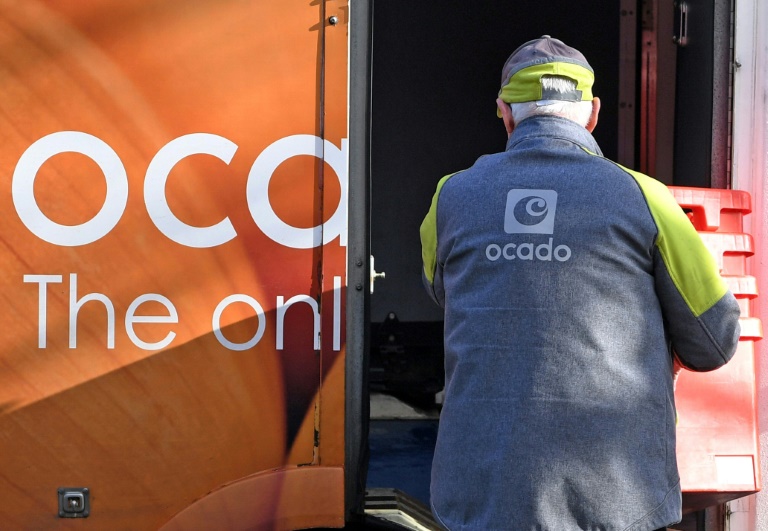
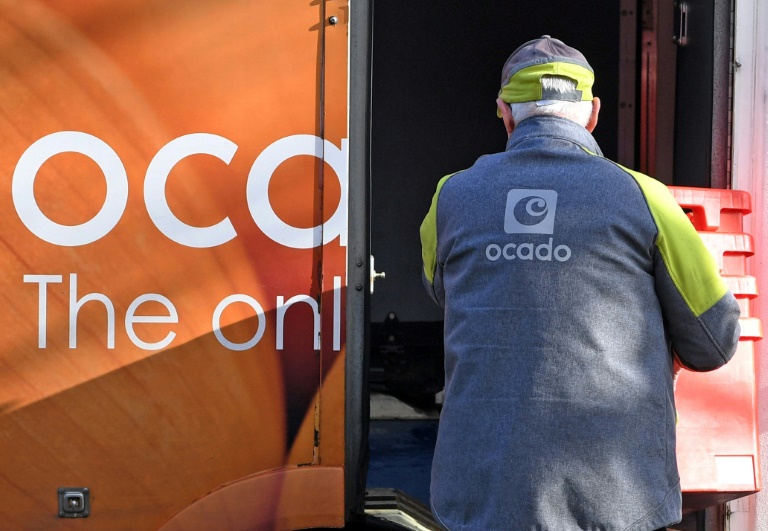
British grocery delivery platform Ocado on Tuesday announced a tie-up with South Korean giant Lotte Shopping, sending its shares soaring in London.

Ocado’s stock surged more than 30 percent in morning trade on the London Stock Exchange after the announcement.

The two firms said in a joint statement that they would work together to develop Lotte’s online business in South Korea.

That includes creating a network of order processing centres across the country, with the first to open in 2025.

Ocado will also set up order points in stores operated by Lotte from 2024.

“Lotte will pay Ocado Solutions certain fees upfront and during the development phase, then ongoing fees linked to both sales achieved and installed capacity”, the statement read.

No further financial details were given.

Ocado said it expected the deal to create “significant long-term value to the business”, as well as give it another foothold in Asia Pacific.

“The impact of this transaction should be negligible on earnings in the current financial year as no cash fees will be recognised in revenue until operations commence,” it added.

Lotte Group is South Korea’s fifth-biggest conglomerate and operates in the food, retail, chemical and hotel sectors.

Its biggest affiliate, Lotte Shopping has more than 1,000 stores, hypermarkets, supermarkets across the country, and is also present online.

In 2021, its annual revenue was 15.6 trillion won ($11 billion).

The announcement comes after Lotte’s biggest partner, US supermarket giant Kroger, signed a deal to buy its competitor Albertsons.

Ocado announced at the end of July a £212.5-million loss and a slump in first-quarter revenue compared to the same time last year, when it saw sales boosted by coronavirus lockdown restrictions.

UK's Ocado announces tie-up with S.Korea's Lotte

British grocery delivery platform Ocado on Tuesday announced a tie-up with South Korean giant Lotte Shopping, sending its shares soaring in London.

Ocado’s stock surged more than 30 percent in morning trade on the London Stock Exchange after the announcement.

The two firms said in a joint statement that they would work together to develop Lotte’s online business in South Korea.

That includes creating a network of order processing centres across the country, with the first to open in 2025.

Ocado will also set up order points in stores operated by Lotte from 2024.

“Lotte will pay Ocado Solutions certain fees upfront and during the development phase, then ongoing fees linked to both sales achieved and installed capacity”, the statement read.

No further financial details were given.

Ocado said it expected the deal to create “significant long-term value to the business”, as well as give it another foothold in Asia Pacific.

“The impact of this transaction should be negligible on earnings in the current financial year as no cash fees will be recognised in revenue until operations commence,” it added.

Lotte Group is South Korea’s fifth-biggest conglomerate and operates in the food, retail, chemical and hotel sectors.

Its biggest affiliate, Lotte Shopping has more than 1,000 stores, hypermarkets, supermarkets across the country, and is also present online.

In 2021, its annual revenue was 15.6 trillion won ($11 billion).

The announcement comes after Lotte’s biggest partner, US supermarket giant Kroger, signed a deal to buy its competitor Albertsons.

Ocado announced at the end of July a £212.5-million loss and a slump in first-quarter revenue compared to the same time last year, when it saw sales boosted by coronavirus lockdown restrictions.

Lufthansa to raise salaries for German cabin crew

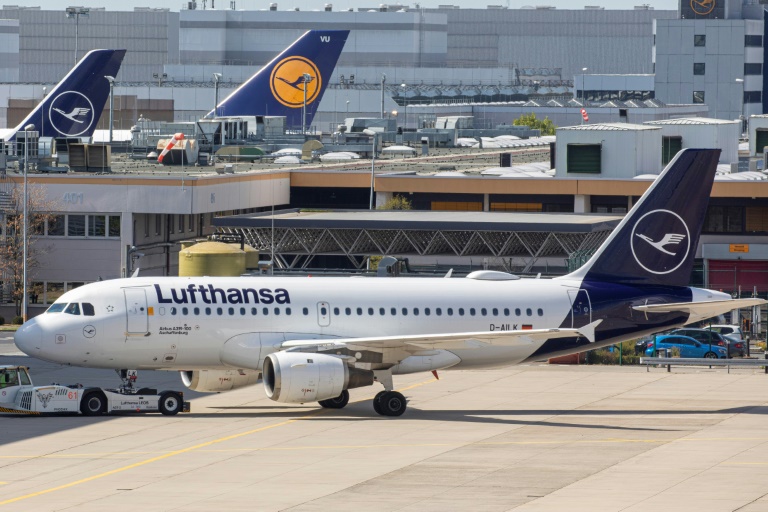
Lufthansa said Tuesday it had agreed a pay rise for 19,000 cabin crew members in Germany to help compensate for soaring inflation.

Germany’s flagship carrier said it had reached a one-year deal with flight attendants’ union UFO to increase basic monthly salaries by 250 euros ($248) from January 2023, and by an extra 2.5 percent from July.

Starting salaries for in-flight personnel will jump by 17 percent as a result, Lufthansa said, while those in the highest salary bracket will see a nine-percent increase.

“With this, we are paying due and full regard to our social responsibilities, while also ensuring our attractiveness as an employer,” said Lufthansa personnel chief Michael Niggemann.

Cabin staff in the lower and mid-range salary groups “will particularly benefit” from the new agreement, he added.

Lufthansa already agreed to raise the salaries of pilots and ground staff in Germany earlier this year after they staged walkouts to press their demands for better pay.

High inflation, running at a record 10.4 percent in Germany in October, has fuelled calls for pay hikes across a range of sectors in Europe’s biggest economy.

The airline industry is at the same time grappling with a shortage of workers after many jobs were cut during the coronavirus pandemic.

Lufthansa, which was saved from bankruptcy by a government bailout during the pandemic, last week reported a robust third-quarter net profit of 809 million euros.

The group’s CEO, Carsten Spohr, said Lufthansa had “left the pandemic behind” and was expecting strong travel demand in the months ahead.

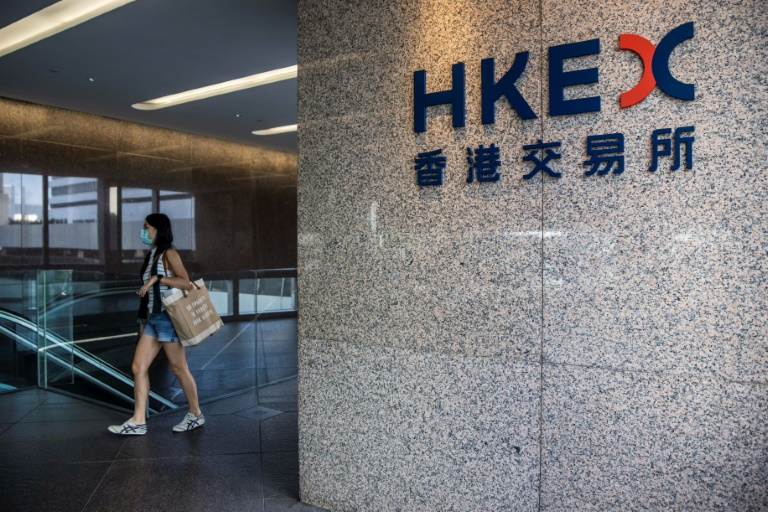
Markets rally before Fed, China zero-Covid hopes boost Hong Kong

Asian and European stock markets rose further Tuesday, as traders looked ahead to the Federal Reserve’s policy decision, hoping it will signal a more dovish approach to fighting inflation.

The Fed is widely expected Wednesday to announce a fourth straight 75-basis-point rate hike as it tries to rein in runaway prices, which has led to worries it will tip the world’s top economy into recession, sending stocks tumbling.

But a recent report suggesting officials are looking to dial down the pace of increases has sparked a rally in risk assets over the past week — helped by signs other central banks are also trying to take a step back.

– Waiting game –

“The waiting game for the Fed is still on, with investors largely in the dark until the US central bank illuminates the path ahead for interest rate rises tomorrow,” said Hargreaves Lansdown analyst Susannah Streeter.

“In the interim they have been feeling their way to a more optimistic attitude, hopeful that economic indicators hinting that inflationary pressures are beginning to subside could lead to a softening in monetary policy.”

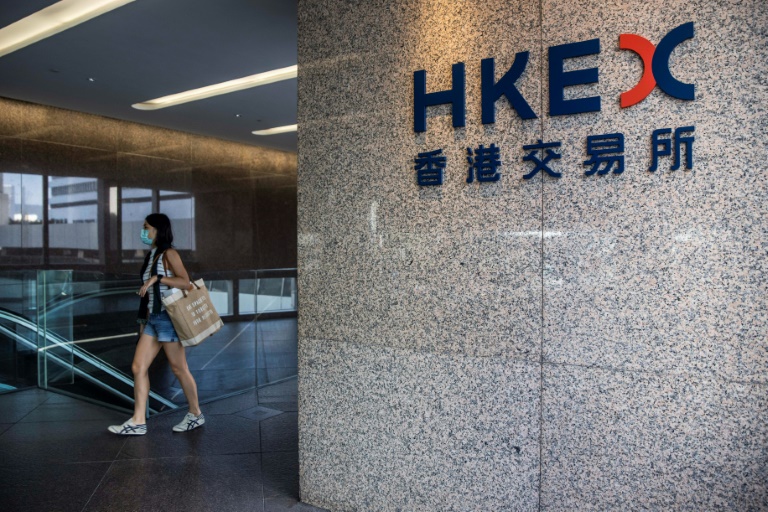
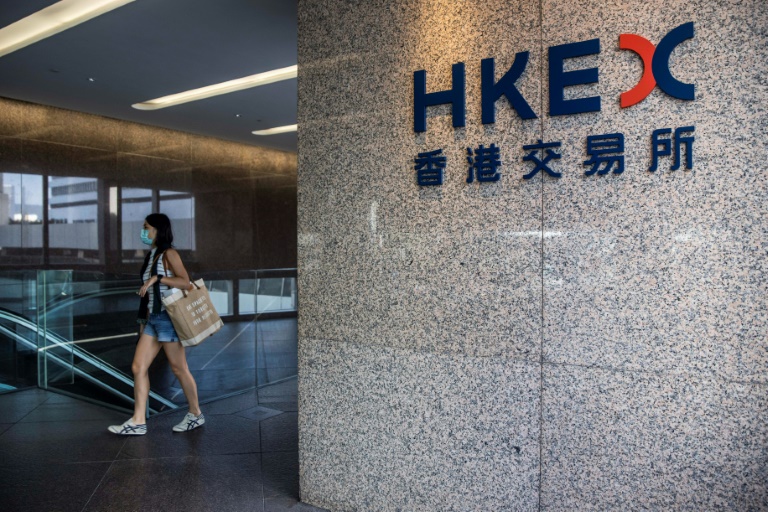
In Asia, Hong Kong led the rally following unconfirmed posts on Chinese social media saying officials were putting together a committee to discuss how to move the country away from its economically damaging zero-Covid policy.

Shares jumped more than five percent after the appearance of the unverified document, which ramped up hopes that the world’s number two economy could begin opening up again in the new year and ease the strict containment measures that have hammered productivity and markets.

However, neither Chinese state media nor government officials have suggested that the meeting actually took place, or that such a committee was established, raising questions about the veracity of the statement.

Nonetheless, Shanghai climbed more than two percent, while the yuan also rallied after recently falling to record lows against the dollar.

Sydney was also well up after the Australian central bank lifted rates by 0.25 percentage points to a near-decade high but brushed off calls for a bigger raise, surging despite inflation.

– Key figures around 1000 GMT –

London – FTSE 100: UP 1.4 percent at 7,196.72 points

Frankfurt – DAX: UP 1.0 percent at 13,383.85

Paris – CAC 40: UP 1.6 percent at 6,368.85

EURO STOXX 50: UP 1.4 percent at 3,666.35

Tokyo – Nikkei 225: UP 0.3 percent at 27,678.92 (close)

Hong Kong – Hang Seng Index: UP 5.2 percent at 15,455.27 (close)

Shanghai – Composite: UP 2.6 percent at 2,969.20 (close)

New York – Dow: DOWN 0.4 percent at 32,732.95 (close)

Euro/dollar: UP at $0.9934 from $0.9885 on Monday

Pound/dollar: UP at $1.1536 from $1.1465

Dollar/yen: DOWN at 147.41 yen from 148.72 yen

Euro/pound: DOWN at 86.12 pence from 86.20 pence

West Texas Intermediate: UP 1.3 percent at $87.65 per barrel

Brent North Sea crude: UP 1.4 percent at $94.13 per barrel

Markets rally before Fed, China zero-Covid hopes boost Hong Kong

Asian and European stock markets rose further Tuesday, as traders looked ahead to the Federal Reserve’s policy decision, hoping it will signal a more dovish approach to fighting inflation.

The Fed is widely expected Wednesday to announce a fourth straight 75-basis-point rate hike as it tries to rein in runaway prices, which has led to worries it will tip the world’s top economy into recession, sending stocks tumbling.

But a recent report suggesting officials are looking to dial down the pace of increases has sparked a rally in risk assets over the past week — helped by signs other central banks are also trying to take a step back.

– Waiting game –

“The waiting game for the Fed is still on, with investors largely in the dark until the US central bank illuminates the path ahead for interest rate rises tomorrow,” said Hargreaves Lansdown analyst Susannah Streeter.

“In the interim they have been feeling their way to a more optimistic attitude, hopeful that economic indicators hinting that inflationary pressures are beginning to subside could lead to a softening in monetary policy.”

In Asia, Hong Kong led the rally following unconfirmed posts on Chinese social media saying officials were putting together a committee to discuss how to move the country away from its economically damaging zero-Covid policy.

Shares jumped more than five percent after the appearance of the unverified document, which ramped up hopes that the world’s number two economy could begin opening up again in the new year and ease the strict containment measures that have hammered productivity and markets.

However, neither Chinese state media nor government officials have suggested that the meeting actually took place, or that such a committee was established, raising questions about the veracity of the statement.

Nonetheless, Shanghai climbed more than two percent, while the yuan also rallied after recently falling to record lows against the dollar.

Sydney was also well up after the Australian central bank lifted rates by 0.25 percentage points to a near-decade high but brushed off calls for a bigger raise, surging despite inflation.

– Key figures around 1000 GMT –

London – FTSE 100: UP 1.4 percent at 7,196.72 points

Frankfurt – DAX: UP 1.0 percent at 13,383.85

Paris – CAC 40: UP 1.6 percent at 6,368.85

EURO STOXX 50: UP 1.4 percent at 3,666.35

Tokyo – Nikkei 225: UP 0.3 percent at 27,678.92 (close)

Hong Kong – Hang Seng Index: UP 5.2 percent at 15,455.27 (close)

Shanghai – Composite: UP 2.6 percent at 2,969.20 (close)

New York – Dow: DOWN 0.4 percent at 32,732.95 (close)

Euro/dollar: UP at $0.9934 from $0.9885 on Monday

Pound/dollar: UP at $1.1536 from $1.1465

Dollar/yen: DOWN at 147.41 yen from 148.72 yen

Euro/pound: DOWN at 86.12 pence from 86.20 pence

West Texas Intermediate: UP 1.3 percent at $87.65 per barrel

Brent North Sea crude: UP 1.4 percent at $94.13 per barrel

Markets rally before Fed, China zero-Covid hopes boost Hong Kong

Asian and European stock markets rose further Tuesday, as traders looked ahead to the Federal Reserve’s policy decision, hoping it will signal a more dovish approach to fighting inflation.

The Fed is widely expected Wednesday to announce a fourth straight 75-basis-point rate hike as it tries to rein in runaway prices, which has led to worries it will tip the world’s top economy into recession, sending stocks tumbling.

But a recent report suggesting officials are looking to dial down the pace of increases has sparked a rally in risk assets over the past week — helped by signs other central banks are also trying to take a step back.

– Waiting game –

“The waiting game for the Fed is still on, with investors largely in the dark until the US central bank illuminates the path ahead for interest rate rises tomorrow,” said Hargreaves Lansdown analyst Susannah Streeter.

“In the interim they have been feeling their way to a more optimistic attitude, hopeful that economic indicators hinting that inflationary pressures are beginning to subside could lead to a softening in monetary policy.”

In Asia, Hong Kong led the rally following unconfirmed posts on Chinese social media saying officials were putting together a committee to discuss how to move the country away from its economically damaging zero-Covid policy.

Shares jumped more than five percent after the appearance of the unverified document, which ramped up hopes that the world’s number two economy could begin opening up again in the new year and ease the strict containment measures that have hammered productivity and markets.

However, neither Chinese state media nor government officials have suggested that the meeting actually took place, or that such a committee was established, raising questions about the veracity of the statement.

Nonetheless, Shanghai climbed more than two percent, while the yuan also rallied after recently falling to record lows against the dollar.

Sydney was also well up after the Australian central bank lifted rates by 0.25 percentage points to a near-decade high but brushed off calls for a bigger raise, surging despite inflation.

– Key figures around 1000 GMT –

London – FTSE 100: UP 1.4 percent at 7,196.72 points

Frankfurt – DAX: UP 1.0 percent at 13,383.85

Paris – CAC 40: UP 1.6 percent at 6,368.85

EURO STOXX 50: UP 1.4 percent at 3,666.35

Tokyo – Nikkei 225: UP 0.3 percent at 27,678.92 (close)

Hong Kong – Hang Seng Index: UP 5.2 percent at 15,455.27 (close)

Shanghai – Composite: UP 2.6 percent at 2,969.20 (close)

New York – Dow: DOWN 0.4 percent at 32,732.95 (close)

Euro/dollar: UP at $0.9934 from $0.9885 on Monday

Pound/dollar: UP at $1.1536 from $1.1465

Dollar/yen: DOWN at 147.41 yen from 148.72 yen

Euro/pound: DOWN at 86.12 pence from 86.20 pence

West Texas Intermediate: UP 1.3 percent at $87.65 per barrel

Brent North Sea crude: UP 1.4 percent at $94.13 per barrel

Close Bitnami banner
Bitnami