AFP

JPMorgan Chase reports lower profits, warns of economic 'headwinds'

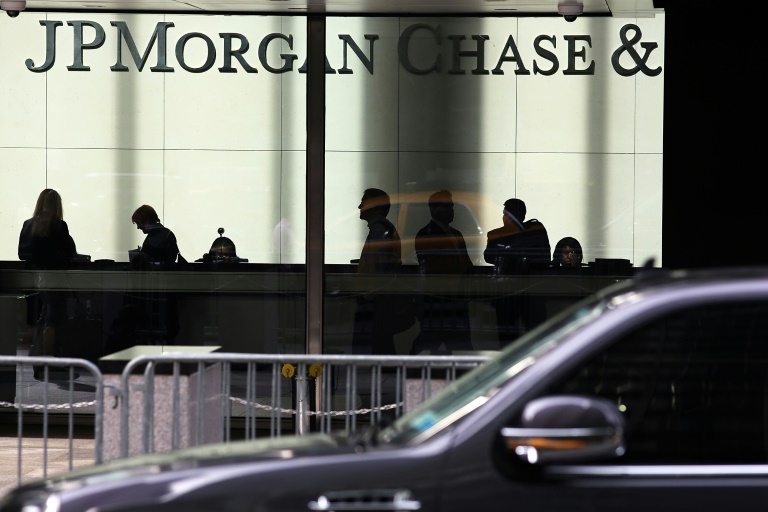
JPMorgan Chase reported a drop in third-quarter profits Friday as it set aside funds for potential loan defaults and highlighted the rising risk of recession.

Profits fell 17 percent to $9.7 billion on a 10 percent increase in revenues to $32.7 billion.

The results were dented by JPMorgan’s move to add $808 million in reserves for potential bad loans. In the year-ago period, profits were boosted by $2.1 billion in reserve releases.

The contrast reflects today’s much more subdued economic outlook compared with a year ago.

Higher interest rates helped boost the bank’s net interest income, but JPMorgan suffered a big drop in investment banking revenues.

Chief Executive Jamie Dimon said consumer spending remained robust during the period, but pointed to myriad risks facing the economy. 

“There are significant headwinds immediately in front of us –- stubbornly high inflation leading to higher global interest rates, the uncertain impacts of quantitative tightening, the war in Ukraine, which is increasing all geopolitical risks, and the fragile state of oil supply and prices,” Dimon said. 

“While we are hoping for the best, we always remain vigilant and are prepared for bad outcomes so we can continue to serve customers even in the most challenging of times.”

In an interview with CNBC earlier this week, Dimon said a US recession was likely in early-to-mid 2023 and that the stock market could fall another 20 percent.

Both earnings-per-share and revenues topped analyst expectations.

Shares rose 1.8 percent to $111.30 in pre-market trading.

Equities soar despite hot US inflation, pound dips on uncertainty

Asian and European equities rallied Friday despite news of surging US inflation, while the pound dipped on uncertainty over Britain’s controversial budget.

The yen held around three-decade dollar lows as rampant US consumer prices cemented expectations of more hefty Federal Reserve rate hikes.

London stocks rose as British finance minister Kwasi Kwarteng flew back one day early from a key IMF gathering in Washington, stoking speculation of another U-turn over his debt-fuelled measures that sparked recent markets turmoil.

He was also reported to have lost his job.

The pound dipped before the Bank of England ends later Friday its emergency bond-buying policy that sought to stem the turbulence.

– ‘Astonishing rebound’ –

“Markets staged an astonishing rebound despite a hotter-than-expected inflation report in the United States,” said Interactive Investor analyst Richard Hunter on the broad-based gains.

“The reasons… were not immediately clear, although traders pointed to a technical rebound as investors unwound defensive positions which had been in place ahead of the inflation report.”

US CPI inflation data showed prices rose last month at a faster clip than expected, despite this year’s series of Fed interest rate hikes which have fanned fears of a global recession.

The month-on-month reading came in double estimates, while core inflation — which strips out volatile energy and food prices — was also elevated.

The figures sparked a sharp plunge on Wall Street but the selling quickly reversed, and all three main indexes finished the day with gains of more than two percent.

“It could be argued that yesterday’s hotter-than-expected CPI reading may well have been partially priced in as far as stock markets were concerned,” noted CMC Markets analyst Michael Hewson.

Investors are awaiting quarterly results Friday from US banks Citigroup, JPMorgan Chase and Wells Fargo.

The updates “could offer some important insights into how US consumers are spending their money”, added Hewson.

Markets meanwhile remain on tenterhooks that the UK government was set to perform another U-turn on last month’s tax-slashing budget.

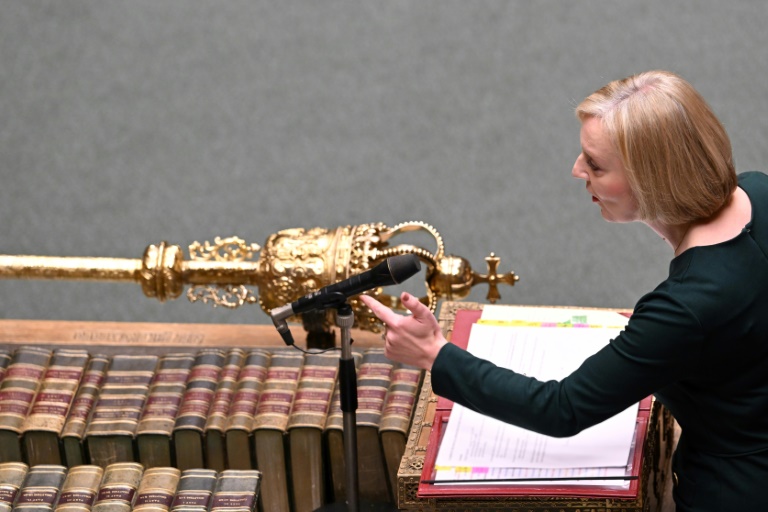
Speculation had been swirling that British Prime Minister Liz Truss could sack Kwarteng over the badly-received budget, with the BBC reporting that he had in fact lost his job.

The pound had rallied sharply Thursday on reports the new government could row back on more tax-cut pledges.

Truss has insisted that there would be no more U-turns, after she was previously forced to scrap a plan to cut tax on the richest earners. 

Meanwhile, the yen’s weakness comes from the Bank of Japan’s refusal to lift interest rates — citing a need to support the economy — just as the Fed presses ahead with hefty hikes in borrowing costs.

– Key figures around 1115 GMT –

London – FTSE 100: UP 1.3 percent at 6,938.57 points

Frankfurt – DAX: UP 1.3 percent at 12,520.35

Paris – CAC 40: UP 1.7 percent at 5,977.18

EURO STOXX 50: UP 1.6 percent at 3,466.70

Tokyo – Nikkei 225: UP 3.3 percent at 27,090.76 (close)

Hong Kong – Hang Seng Index: UP 1.2 percent at 16,587.69 (close)

Shanghai – Composite: UP 1.8 percent at 3,071.99 (close)

New York – Dow: UP 2.8 percent at 30,038.72 (close)

Pound/dollar: DOWN at $1.1249 from $1.1326 Thursday

Dollar/yen: UP at 147.67 yen from 147.12 yen

Euro/dollar: DOWN at $0.9739 from $0.9776

Euro/pound: DOWN at 86.57 pence from 88.29 pence

Brent North Sea crude: DOWN 1.1 percent at $93.49 per barrel

West Texas Intermediate: DOWN 1.2 percent at $88.06 per barrel

Equities soar despite hot US inflation, pound dips on uncertainty

Asian and European equities rallied Friday despite news of surging US inflation, while the pound dipped on uncertainty over Britain’s controversial budget.

The yen held around three-decade dollar lows as rampant US consumer prices cemented expectations of more hefty Federal Reserve rate hikes.

London stocks rose as British finance minister Kwasi Kwarteng flew back one day early from a key IMF gathering in Washington, stoking speculation of another U-turn over his debt-fuelled measures that sparked recent markets turmoil.

He was also reported to have lost his job.

The pound dipped before the Bank of England ends later Friday its emergency bond-buying policy that sought to stem the turbulence.

– ‘Astonishing rebound’ –

“Markets staged an astonishing rebound despite a hotter-than-expected inflation report in the United States,” said Interactive Investor analyst Richard Hunter on the broad-based gains.

“The reasons… were not immediately clear, although traders pointed to a technical rebound as investors unwound defensive positions which had been in place ahead of the inflation report.”

US CPI inflation data showed prices rose last month at a faster clip than expected, despite this year’s series of Fed interest rate hikes which have fanned fears of a global recession.

The month-on-month reading came in double estimates, while core inflation — which strips out volatile energy and food prices — was also elevated.

The figures sparked a sharp plunge on Wall Street but the selling quickly reversed, and all three main indexes finished the day with gains of more than two percent.

“It could be argued that yesterday’s hotter-than-expected CPI reading may well have been partially priced in as far as stock markets were concerned,” noted CMC Markets analyst Michael Hewson.

Investors are awaiting quarterly results Friday from US banks Citigroup, JPMorgan Chase and Wells Fargo.

The updates “could offer some important insights into how US consumers are spending their money”, added Hewson.

Markets meanwhile remain on tenterhooks that the UK government was set to perform another U-turn on last month’s tax-slashing budget.

Speculation had been swirling that British Prime Minister Liz Truss could sack Kwarteng over the badly-received budget, with the BBC reporting that he had in fact lost his job.

The pound had rallied sharply Thursday on reports the new government could row back on more tax-cut pledges.

Truss has insisted that there would be no more U-turns, after she was previously forced to scrap a plan to cut tax on the richest earners. 

Meanwhile, the yen’s weakness comes from the Bank of Japan’s refusal to lift interest rates — citing a need to support the economy — just as the Fed presses ahead with hefty hikes in borrowing costs.

– Key figures around 1115 GMT –

London – FTSE 100: UP 1.3 percent at 6,938.57 points

Frankfurt – DAX: UP 1.3 percent at 12,520.35

Paris – CAC 40: UP 1.7 percent at 5,977.18

EURO STOXX 50: UP 1.6 percent at 3,466.70

Tokyo – Nikkei 225: UP 3.3 percent at 27,090.76 (close)

Hong Kong – Hang Seng Index: UP 1.2 percent at 16,587.69 (close)

Shanghai – Composite: UP 1.8 percent at 3,071.99 (close)

New York – Dow: UP 2.8 percent at 30,038.72 (close)

Pound/dollar: DOWN at $1.1249 from $1.1326 Thursday

Dollar/yen: UP at 147.67 yen from 147.12 yen

Euro/dollar: DOWN at $0.9739 from $0.9776

Euro/pound: DOWN at 86.57 pence from 88.29 pence

Brent North Sea crude: DOWN 1.1 percent at $93.49 per barrel

West Texas Intermediate: DOWN 1.2 percent at $88.06 per barrel

French fuel shortages take toll as strike standoff hardens

Striking French refinery workers vowed Friday to maintain their blockades after rejecting a pay offer from oil giant TotalEnergies, raising the spectre of worsening fuel shortages ahead of a general public-sector strike next week.

The hard-left CGT union, which initiated the industrial action, walked out of talks with Total late Thursday, though other unions representing a majority of workers accepted a deal.

“We’re not blind, we know this is impacting daily life for all the French,” CGT chief Philippe Martinez told Franceinfo radio, calling on the government to put pressure on the company to renegotiate.

His union has called a strike for Tuesday that could disrupt public transport, following anti-inflation marches planned for Sunday by left-wing opponents of President Emmanuel Macron.

Macron’s government has forced some strikers back to work to open fuel depots after three weeks of blockades, a move that infuriated unions but was upheld by a court on Friday, a judicial source told AFP.

Four of the country’s seven refineries remain shut, and around a third of the country’s service stations are either low on petrol or completely dry, according to the energy transition ministry.

France’s wholesale suppliers association warned that deliveries would be “severely compromised” beginning Friday, as motorists again faced long queues hoping to fill up before the weekend.

Officials in the southeastern Auvergne-Rhone-Alpes region said it would make train and bus transport free until Sunday night because of the fuel shortages.

– ‘Time for confrontation’ –

Macron promised Wednesday that relief would come next week, but left-wing opponents see a chance to spark a broader protest against his reform drive.

In particular they are seeking to derail a pensions overhaul that would push back the retirement age from 62, which Macron wants to push through parliament in the coming months.

“The time for a confrontation has arrived,” parliamentarian Clementine Autain from the France Unbowed party told France 2 television on Thursday.

But not all unions have joined the call for the general strike next Tuesday, with the country’s biggest, the CFDT, opting out.  

Until this week, the government had been reluctant to inflame the pay dispute at TotalEnergies and the US giant Esso-ExxonMobil, prompting critics to say it was oblivious to the strike’s impact on everyday workers.

“For two weeks there was no management of this problem, they were in denial,” said Eric Ciotti of the right-wing Republicans party — whose support will be crucial for Macron after his centrist grouping lost its parliamentary majority earlier this year.

The CGT is pushing for a 10 percent raise, citing TotalEnergies’ net profit of $5.7 billion in the April-June period as energy prices soared with the war in Ukraine, and its payout of billions of euros in dividends to shareholders. 

Finance Minister Bruno Le Maire told RTL radio Thursday that given its huge profits, the company had “the capacity… and therefore an obligation” to raise workers’ pay.

But the union risks stoking resentment, with public support of the strike at just 37 percent in a BVA poll released Friday.

“For the past four or five days, it has been catastrophic”, said Francoise Ernst, who works at a driving school in Paris. 

“And I think that if it goes on, we will have to stop working.”

burs-js/jh/rox

Erdogan tells government to start work on Russian gas hub

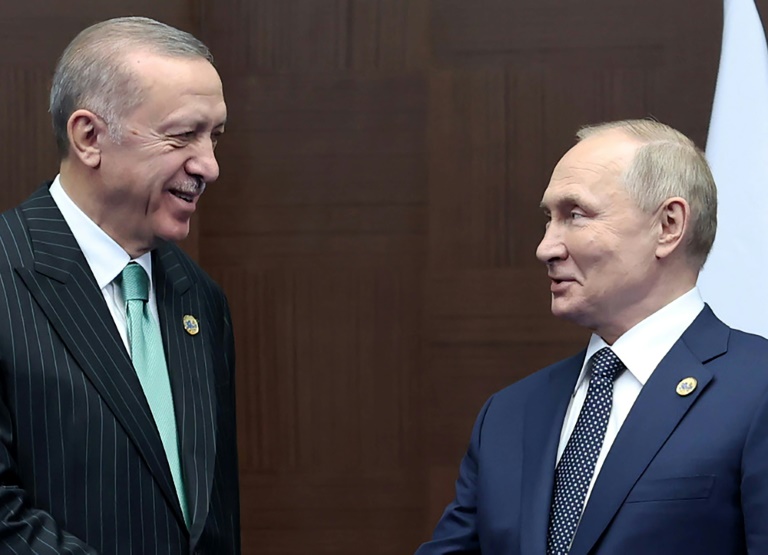
Turkish President Recep Tayyip Erdogan backs the Kremlin’s idea of creating an international gas hub in Turkey and wants his government to quickly present implementation plans, Turkish media reported Friday.

Russian President Vladimir Putin proposed piping natural gas to southern Europe via Turkey following the near total disruption of Russian supplies via the Nord Stream project. 

The idea raised the immediate alarm of European powers such as France, with President Emmanuel Macron’s office saying it made “no sense”.

Russia already supplies Turkey with gas via the TurkStream link under the Black Sea.

Erdogan said on his return flight from talks with Putin in Kazakhstan on Thursday that the new distribution centre would probably be established in Thrace, a northwestern region near Bulgaria.

“We have a national distribution centre, but of course now this will be an international distribution centre,” Erdogan told reporters after holding his fourth meeting with the Russian leader in the past three months.

“There will be no waiting on this issue.”

– No truce talks –

Gas prices have skyrocketed since the beginning of Russia’s war and Europe has struggled to find alternative energy supplies after Russia strangled deliveries in response to Western sanctions.

The latest spike came after a series of blasts this month destroyed both lines of Russia’s Nord Stream pipeline to Germany.

Putin said this week that Russia has also thwarted a planned attack against the TurkStream pipeline, without providing evidence or details.

“We are quickly establishing a security net” for the new gas distribution centre project, Erdogan said.

A new distribution centre would take years to complete and require massive investments that Russia might not be able to afford as its economy shrinks from the impact of Western sanctions imposed over its invasion of Ukraine.

The European Union is also taking urgent measures to try and cut off its decades-old dependence on Russian energy supplies.

But Turkish Foreign Minister Mevlut Cavusoglu argued that Europe needed “additional pipelines, additional facilities” to alleviate its energy crisis.

“It is a matter of supply and demand,” Cavusoglu said.

NATO member Turkey has refused to join in the international sanctions regime against Russia and is trying to use this neutral status to bring the sides together for truce talks.

But Cavusoglu conceded on Friday that the possibility of a ceasefire was diminishing with time.

“The war has progressed, the possibility of a ceasefire has decreased, but we will continue our efforts,” Cavusoglu said. 

Erdogan tells government to start work on Russian gas hub

Turkish President Recep Tayyip Erdogan backs the Kremlin’s idea of creating an international gas hub in Turkey and wants his government to quickly present implementation plans, Turkish media reported Friday.

Russian President Vladimir Putin proposed piping natural gas to southern Europe via Turkey following the near total disruption of Russian supplies via the Nord Stream project. 

The idea raised the immediate alarm of European powers such as France, with President Emmanuel Macron’s office saying it made “no sense”.

Russia already supplies Turkey with gas via the TurkStream link under the Black Sea.

Erdogan said on his return flight from talks with Putin in Kazakhstan on Thursday that the new distribution centre would probably be established in Thrace, a northwestern region near Bulgaria.

“We have a national distribution centre, but of course now this will be an international distribution centre,” Erdogan told reporters after holding his fourth meeting with the Russian leader in the past three months.

“There will be no waiting on this issue.”

– No truce talks –

Gas prices have skyrocketed since the beginning of Russia’s war and Europe has struggled to find alternative energy supplies after Russia strangled deliveries in response to Western sanctions.

The latest spike came after a series of blasts this month destroyed both lines of Russia’s Nord Stream pipeline to Germany.

Putin said this week that Russia has also thwarted a planned attack against the TurkStream pipeline, without providing evidence or details.

“We are quickly establishing a security net” for the new gas distribution centre project, Erdogan said.

A new distribution centre would take years to complete and require massive investments that Russia might not be able to afford as its economy shrinks from the impact of Western sanctions imposed over its invasion of Ukraine.

The European Union is also taking urgent measures to try and cut off its decades-old dependence on Russian energy supplies.

But Turkish Foreign Minister Mevlut Cavusoglu argued that Europe needed “additional pipelines, additional facilities” to alleviate its energy crisis.

“It is a matter of supply and demand,” Cavusoglu said.

NATO member Turkey has refused to join in the international sanctions regime against Russia and is trying to use this neutral status to bring the sides together for truce talks.

But Cavusoglu conceded on Friday that the possibility of a ceasefire was diminishing with time.

“The war has progressed, the possibility of a ceasefire has decreased, but we will continue our efforts,” Cavusoglu said. 

Court challenge in Kenya over GM crops

A Kenyan lawyer said Friday he has filed a court challenge to a decision by the new government to lift a decade-old ban on genetically modified crops.

Paul Mwangi wants the High Court to set aside last week’s cabinet order allowing the open cultivation and importation of GM crops to Kenya, which is currently in the grip of its worst drought in four decades. 

“The hasty removal of all regulatory protocols… is neither rational nor reasonable,” Mwangi said in court documents dated October 13.

The government of newly elected President William Ruto last week “effectively” lifted the 2012 ban saying it was in response to dwindling food security. 

In his lawsuit, Mwangi argues that the move was unconstitutional as there were concerns over the safety of GM crops and that it also risked driving small-scale farmers out of business.  

“It derogates the rights of peasants and people working in rural areas of access to adequate food that is produced through ecologically sound and sustainable methods,” he said. 

The government has defended its decision, saying it would enable Kenya to have disease-resistant crops and improve yields.

Mwangi — a counsel for defeated presidential candidate Raila Odinga — told AFP on Friday he was waiting to hear from the court when the case will be heard.

Kenya, like many other African nations, banned GM crops over health and safety concerns and to protect smallholder farms, which account for the vast majority of rural agricultural producers in the country.

However, Kenya had faced criticism over the ban including from the United States which is a major producer of GM crops.

Activists and agriculture lobby groups last week protested over the lifting of the ban, saying it opened the market to US farmers using sophisticated technologies and highly subsidised farming and threatened the livelihoods of small-scale farmers. 

Agriculture is the backbone of Kenya’s economy, contributing over 20 percent to gross domestic product.

Ruto, a former chicken seller turned millionaire businessman, was elected  in August on a promise to turn around Kenya’s stuttering economy and tackle a cost of living crisis.

Within weeks of taking office in September, he halved the price of fertilisers to improve crop yields in the midst of the drought that has affected 23 of 47 counties. 

Four consecutive rainy seasons have failed in Kenya, Somalia and Ethiopia, an unprecedented climatic event that has pushed millions across the Horn of Africa into extreme hunger.

Markets surge after sharp Wall St swing, pound holds gains

Equities rallied Friday to extend a surge on Wall Street, where all three indexes saw extreme swings in response to a forecast-beating inflation report that cemented expectations for more big Federal Reserve rate hikes.

Sterling also held most of its big gains sparked by speculation the UK government was set to perform another U-turn on its debt-fuelled mini-budget, though the yen remained stuck around three-decade lows against the dollar.

The hotly awaited US inflation report showed prices rose last month at a faster clip than expected, despite a series of interest rate increases this year that have fanned fears of a global recession.

The month-on-month reading came in double estimates, while core inflation — which strips out volatile energy and food prices — was also elevated.

The figures sparked a sharp plunge on Wall Street but the selling quickly reversed, and all three main indexes finished the day with gains of more than two percent, with analysts suggesting several reasons for the extreme move.

Some said the initial selling may have been a knee-jerk reaction before traders accepted the data was not as bad as other recent reports, while technical factors were also flagged.

Others speculated that equities had finally reached their bottom after a year of selling that has seen many indexes plunge into correction territory, having lost more than 20 percent from their recent peaks.

“The market reversal was a head-scratcher”, said OANDA’s Edward Moya. “Some investors are convinced core inflation will soon start trending lower. Fed tightening will remain aggressive at 75 basis points in November and possibly December,” he added.

“Monetary policy is quickly getting restrictive and that will undoubtedly send inflation lower. It looks like rates will peak slightly above five percent and for some that is good enough of a reason to get back into stocks.”

He warned, however, that “given the path for rates is higher, this market reversal won’t last long”.

Tokyo piled on more than three percent, while Seoul and Taipei added more than two percent. There were also big gains in Mumbai, Sydney, Singapore, Wellington and Manila. Hong Kong closed in positive territory but late selling saw it end well off its intraday highs.

London, Paris and Frankfurt jumped in the morning, extending Thursday’s gains in early business.

There was little reaction to news that Chinese consumer inflation had hit a two-year high partly because of surging pork prices, though Shanghai was well up ahead of the start of a key Communist Party gathering at which Xi Jinping is expected to be named president for a third term.

– Yen weakness –

The pound held up after breaking higher Thursday on reports the new government could row back on more tax-cut pledges in its mini-budget, which sparked market turmoil when released two weeks ago.

Sterling sat around $1.13 — compared with Thursday’s sub-$1.10 levels — with help also coming from Bank of England cash injections to prop up financial markets.

The pound’s stronger position came despite Prime Minister Liz Truss’s insistence that there would be no more U-turns, after she was previously forced to scrap a plan to cut the higher rate of income tax. 

Finance Minister Kwasi Kwarteng has returned early from a meeting in Washington to address the crisis.

While the BoE has said it intends to end its market support Friday, analysts say it will likely keep an eye on events.

“There is… an expectation that whatever the Bank of England and Governor (Andrew) Bailey says about ending the support for the gilt market today, if we get further turbulence next week, they will have little choice but to step in and provide liquidity to the market,” said CMC Markets’ Michael Hewson.

The US inflation data pushed the already strong dollar further up against other currencies and it hit a 32-year high of 147.67 yen. Traders are now looking to see if Tokyo intervenes again to protect the unit.

Japanese Finance Minister Shunichi Suzuki said authorities were “watching the foreign exchange markets with a high sense of urgency, and we’ll take appropriate responses against excessive moves”.

Officials refused to say if they intervened Thursday following a brief drop in response to the greenback’s spike.

The yen’s weakness comes from the Bank of Japan’s refusal to lift interest rates — citing a need to support the economy — as the Fed presses ahead with its big rate hikes.

– Key figures around 0810 GMT –

Tokyo – Nikkei 225: UP 3.3 percent at 27,090.76 (close)

Hong Kong – Hang Seng Index: UP 1.2 percent at 16,587.69 (close)

Shanghai – Composite: UP 1.8 percent at 3,071.99 (close)

London – FTSE 100: UP 0.9 percent at 6,911.54

Pound/dollar: DOWN at $1.1302 from $1.1333 Thursday

Dollar/yen: UP at 147.47 yen from 147.22 yen

Euro/dollar: DOWN at $0.9769 from $0.9780

Euro/pound: UP at 86.37 pence from 86.28 pence

West Texas Intermediate: UP 0.4 percent at $89.48 per barrel

Brent North Sea crude: UP 0.4 percent at $94.92 per barrel

New York – Dow: UP 2.8 percent at 30,038.72 (close)

Markets surge after sharp Wall St swing, pound holds gains

Equities rallied Friday to extend a surge on Wall Street, where all three indexes saw extreme swings in response to a forecast-beating inflation report that cemented expectations for more big Federal Reserve rate hikes.

Sterling also held most of its big gains sparked by speculation the UK government was set to perform another U-turn on its debt-fuelled mini-budget, though the yen remained stuck around three-decade lows against the dollar.

The hotly awaited US inflation report showed prices rose last month at a faster clip than expected, despite a series of interest rate increases this year that have fanned fears of a global recession.

The month-on-month reading came in double estimates, while core inflation — which strips out volatile energy and food prices — was also elevated.

The figures sparked a sharp plunge on Wall Street but the selling quickly reversed, and all three main indexes finished the day with gains of more than two percent, with analysts suggesting several reasons for the extreme move.

Some said the initial selling may have been a knee-jerk reaction before traders accepted the data was not as bad as other recent reports, while technical factors were also flagged.

Others speculated that equities had finally reached their bottom after a year of selling that has seen many indexes plunge into correction territory, having lost more than 20 percent from their recent peaks.

“The market reversal was a head-scratcher”, said OANDA’s Edward Moya. “Some investors are convinced core inflation will soon start trending lower. Fed tightening will remain aggressive at 75 basis points in November and possibly December,” he added.

“Monetary policy is quickly getting restrictive and that will undoubtedly send inflation lower. It looks like rates will peak slightly above five percent and for some that is good enough of a reason to get back into stocks.”

He warned, however, that “given the path for rates is higher, this market reversal won’t last long”.

Tokyo piled on more than three percent, while Seoul and Taipei added more than two percent. There were also big gains in Mumbai, Sydney, Singapore, Wellington and Manila. Hong Kong closed in positive territory but late selling saw it end well off its intraday highs.

London, Paris and Frankfurt jumped in the morning, extending Thursday’s gains in early business.

There was little reaction to news that Chinese consumer inflation had hit a two-year high partly because of surging pork prices, though Shanghai was well up ahead of the start of a key Communist Party gathering at which Xi Jinping is expected to be named president for a third term.

– Yen weakness –

The pound held up after breaking higher Thursday on reports the new government could row back on more tax-cut pledges in its mini-budget, which sparked market turmoil when released two weeks ago.

Sterling sat around $1.13 — compared with Thursday’s sub-$1.10 levels — with help also coming from Bank of England cash injections to prop up financial markets.

The pound’s stronger position came despite Prime Minister Liz Truss’s insistence that there would be no more U-turns, after she was previously forced to scrap a plan to cut the higher rate of income tax. 

Finance Minister Kwasi Kwarteng has returned early from a meeting in Washington to address the crisis.

While the BoE has said it intends to end its market support Friday, analysts say it will likely keep an eye on events.

“There is… an expectation that whatever the Bank of England and Governor (Andrew) Bailey says about ending the support for the gilt market today, if we get further turbulence next week, they will have little choice but to step in and provide liquidity to the market,” said CMC Markets’ Michael Hewson.

The US inflation data pushed the already strong dollar further up against other currencies and it hit a 32-year high of 147.67 yen. Traders are now looking to see if Tokyo intervenes again to protect the unit.

Japanese Finance Minister Shunichi Suzuki said authorities were “watching the foreign exchange markets with a high sense of urgency, and we’ll take appropriate responses against excessive moves”.

Officials refused to say if they intervened Thursday following a brief drop in response to the greenback’s spike.

The yen’s weakness comes from the Bank of Japan’s refusal to lift interest rates — citing a need to support the economy — as the Fed presses ahead with its big rate hikes.

– Key figures around 0810 GMT –

Tokyo – Nikkei 225: UP 3.3 percent at 27,090.76 (close)

Hong Kong – Hang Seng Index: UP 1.2 percent at 16,587.69 (close)

Shanghai – Composite: UP 1.8 percent at 3,071.99 (close)

London – FTSE 100: UP 0.9 percent at 6,911.54

Pound/dollar: DOWN at $1.1302 from $1.1333 Thursday

Dollar/yen: UP at 147.47 yen from 147.22 yen

Euro/dollar: DOWN at $0.9769 from $0.9780

Euro/pound: UP at 86.37 pence from 86.28 pence

West Texas Intermediate: UP 0.4 percent at $89.48 per barrel

Brent North Sea crude: UP 0.4 percent at $94.92 per barrel

New York – Dow: UP 2.8 percent at 30,038.72 (close)

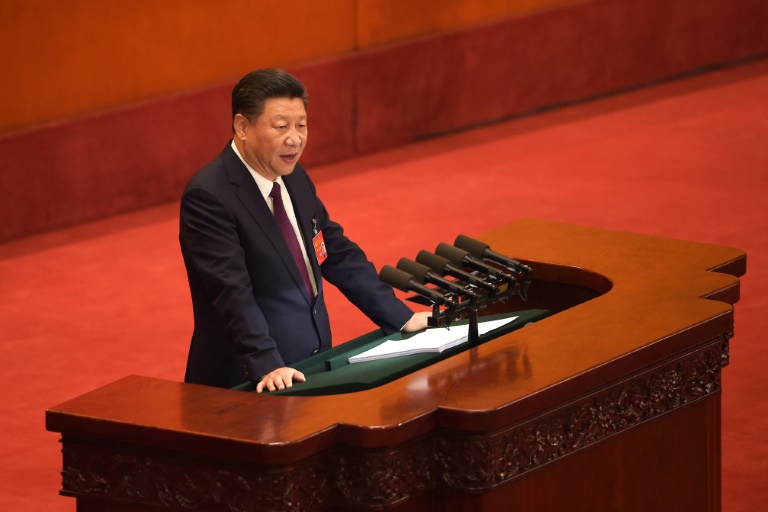
Poverty, climate, space: China's progress in 10 years under Xi

Xi Jinping’s China has dragged millions out of extreme poverty, sent spacecraft to the Moon and committed itself to cutting greenhouse gas emissions.

On the brink of securing a third term, the president can boast of several achievements in his first 10 years in power, though some do come with caveats.

Here AFP looks at some of the key advances made under Xi:

– End of extreme poverty –

China’s Communist Party prides itself on being “at the service of the people”, so Beijing’s announcement in 2020 that it had brought an end to extreme poverty was hailed as a critical milestone.

People’s living conditions, their livestock and access to education were among the factors assessed by officials on door-to-door visits.

The government said it had invested 1.6 trillion yuan ($230 billion) between 2013 and 2021 to improve living standards — for example by building roads, houses and infrastructure.

Millions of rural households have been relocated to villages with better economic opportunities.

A year after Xi became leader, 82 million Chinese people lived in extreme poverty, according to World Bank data. By 2019, the figure was six million.

However, Xi warned in 2020: “The task of consolidating and expanding the achievements of poverty alleviation remains difficult.” 

– Wealth surge –

The average disposable income per urban household surged 66 percent from 2013 to 2020, according to official statistics.

In rural households it rose 82 percent in that same period.

Cars per urban dwelling doubled from 0.22 in 2012 to 0.45 in 2020, while the number of mobile phones grew from 2.17 to 2.49 per urban household in the same period. 

However, housing costs have quadrupled, putting a strain on purchasing power.

Migrant workers — people who have moved from the countryside to cities for work — have significantly increased their earnings, according to Jean-Louis Rocca, a specialist in Chinese social movements at Sciences Po in Paris.

“But with rent increases, education costs and the need to dress fashionably to fit in, their situation — which has improved in medium-sized cities — has often stagnated or even declined in large metropolises,” Rocca said. 

– Space programme –

A source of national pride, China’s space programme has narrowed much of the gap with the US, Russia and Europe. 

Rovers reached the Moon in 2013 and 2019 — the latter the first ever to make a soft landing on its far side.

Another subsequent unmanned spacecraft returned to Earth in 2020 with the first lunar samples collected in four decades.

The same year, satellite navigation system Beidou was finalised, a rival to the American GPS.

After landing its first robot on Mars last year, China is expected to complete its space station in 2022.

– Corruption clampdown –

From civil servants to government ministers, army generals to bank managers, 11.3 million people were given warnings for discipline cases between 2012 and 2022, according to the Central Commission for Discipline Inspection, and 4.7 million were investigated for more serious misconduct.

At least 1.5 million were punished, with the most extreme prosecutions carrying the death penalty. 

A culture of “frugality” has been imposed by Xi — meaning, for example, fewer lavish banquets for party officials.

While the campaign is popular with the public, critics say it is also a way for Xi to eliminate political rivals.

– The environment –

Beijing signed the Paris climate agreement in 2016, and in 2020 Xi pledged his country would reach its peak carbon emissions by 2030, and aim for carbon neutrality by 2060.

Environment groups have called on China — the world’s biggest emitter of greenhouse gases — to act faster, saying that otherwise meeting the Paris agreement’s goal of keeping global warming to 1.5 degrees Celsius is not possible.

After turning a blind eye to China’s choking cities for decades, the environment ministry started to publish more comprehensive data on air pollution in 2012. 

The concentration of very fine and dangerous particles in the air fell by 34.8 percent between 2015 and 2021, according to the ministry.

Waste separation schemes are progressing. In megacity Shanghai, for example, they have been mandatory since 2019.

– Transport –

The length of the high-speed rail network has quadrupled, from about 9,300 kilometres in 2012 to 40,000 kilometres in 2021.

China now has 250 civilian airports, with 82 built in the last decade, and air passenger traffic doubled between 2012 and 2019.

The infrastructure projects have boosted travel and tourism, stimulated the economy, and opened the less-developed west of the country.

Close Bitnami banner
Bitnami