AFP

Pound, UK bond yields climb on Bank of England uncertainty

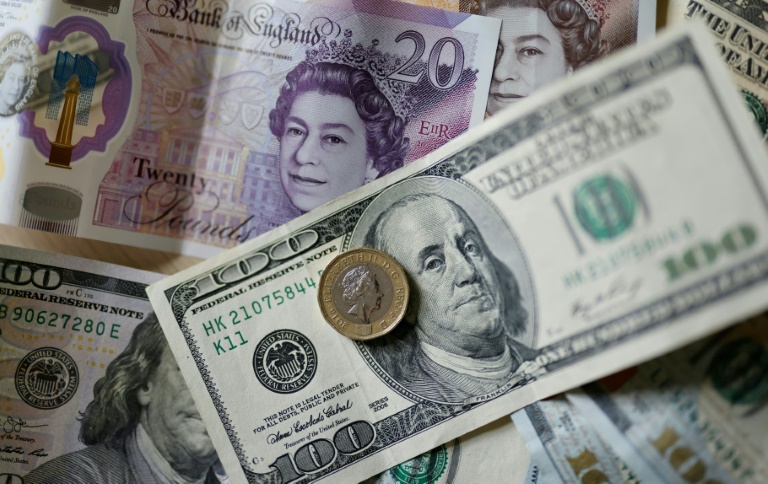
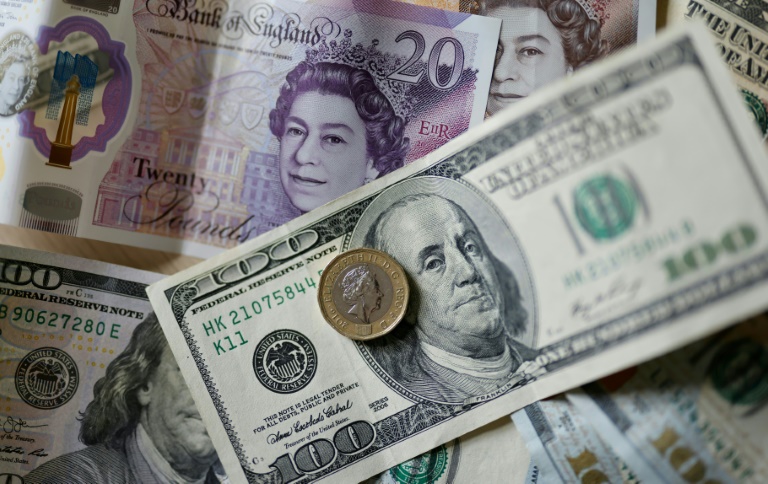
The pound rallied and UK government bond yields rose Wednesday, with the Bank of England accused of fuelling markets uncertainty.

The BoE said it would Friday end a short-term programme of bond-buying support aimed at quelling volatility triggered by a debt-fuelled UK budget.

The Financial Times earlier said the BoE stood ready to intervene further.

On Wednesday, the yield on the government’s 30-year bond returned above a relatively high level of five percent.

The UK government’s higher borrowing costs are a reflection of market unease regarding the affordability of upcoming tax cuts aimed at supporting Britain’s recession-threatened economy.

The pound rose against the dollar as traders bet on more aggressive interest rate hikes from the BoE on concerns the budget of uncosted tax cuts would further fuel sky-high UK inflation.

“Markets have gyrated overnight and this morning, following seemingly conflicting messages purportedly from the Bank of England in relation to the time-line of the current temporary UK government bond purchases,” noted BNP Paribas analyst Chris Lupoli.

London’s benchmark FTSE 100 index dropped slightly, with sentiment dampened by news that the UK economy unexpectedly shrank in August.

Investors are struggling to find some solace as they navigate a range of crises that threaten the global economy, from soaring prices and bumper interest rate hikes to the Ukraine war and China’s Covid-induced growth slowdown.

The gloom was summed up by the International Monetary Fund, which on Tuesday highlighted the risks of inflation and the conflict in Europe as it slashed its global growth forecast and warned: “For many people 2023 will feel like a recession”.

Later, US President Joe Biden admitted there was a chance the country could suffer a “slight” recession.

Investors are now nervously looking ahead to Thursday’s US inflation report, with observers warning that a strong reading could spark another rout on markets.

Even if it showed inflation cooling from a four-decade high, analysts said the Fed would not likely take the single reading as reason to slow down its pace of rate hikes.

Aggressive US rate hikes pushed the dollar to a 24-year high against the yen Wednesday, also as Japan’s central bank holds off from hiking its own borrowing costs.

– Key figures around 1100 GMT –

London – FTSE 100: DOWN 0.1 percent at 6,878.50 points

Frankfurt – DAX: UP 0.2 percent at 12,243.18

Paris – CAC 40: UP 0.2 percent at 5,842.54

EURO STOXX 50: UP 0.3 percent at 3,348.95

Tokyo – Nikkei 225: FLAT at 26,396.83 (close)

Hong Kong – Hang Seng Index: DOWN 0.8 percent at 16,701.03 (close)

Shanghai – Composite: UP 1.5 percent at 3,025.51 (close)

New York – Dow: UP 0.1 percent at 29,239.19 (close)

Pound/dollar: UP at $1.1083 from $1.0972 Tuesday

Dollar/yen: UP at 146.49 yen from 145.83 yen

Euro/dollar: UP at $0.9717 from $0.9709

Euro/pound: DOWN at 87.70 pence from 88.46 pence

Brent North Sea crude: UP 0.6 percent at $94.81 per barrel

West Texas Intermediate: UP 0.2 percent at $89.51 per barrel
Ukraine claims new gains after days of mass Russian strikes

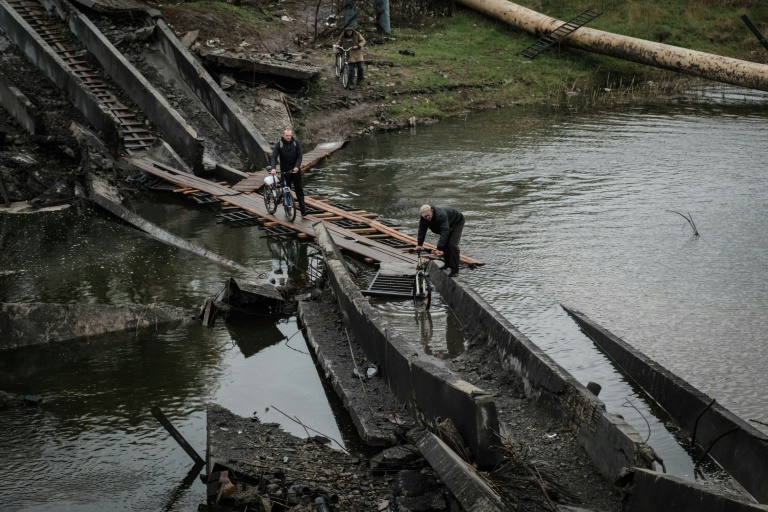
Ukraine said Wednesday it reclaimed more territory from Russia in the south, while welcoming the delivery of Western air defence systems that Kyiv said would usher in a “new era” after mass strikes from Moscow.

Russia for two days pummelled Ukraine with missiles, damaging energy facilities nationwide, in attacks that President Vladimir Putin said were retaliation for a deadly explosion at the Crimea bridge.

Russia’s FSB security service said Wednesday it detained eight suspects over the blast that ripped through the road and rail bridge connecting Crimea to Russia.

But it also claimed to have foiled two more attacks that Ukrainian special services allegedly planned to carry out on Russian territory.

Putin has vowed a “severe” response to any further attack on Russia and what Moscow considers to be its territory, including the Crimea peninsula that it annexed from Ukraine in 2014.

Kyiv has neither confirmed nor denied it attacked the bridge, a vital transport link but also a matter of pride for Putin, who personally inaugurated the structure in 2018.

Despite warnings from the Kremlin, Kyiv has vowed to retake the peninsula as well as four regions in Ukraine’s east and south that Moscow says are now part of Russia.

Kyiv said Wednesday that it had retaken five more settlements in the southern region of Kherson — one of the four territories Moscow said it annexed in late September — in the latest setback for Russia’s campaign.

– Putin ‘miscalculated’ –

“Ukrainian armed forces have liberated five more settlements in Beryslav district (of Kherson region): Novovasylivka, Novogrygorivka, Nova Kamyanka, Tryfonivka, Chervone,” the presidency said in its daily report.

It added, however, that Russian forces were striking back and had continued shelling Ukraine’s positions “along the entire contact line”. 

The Ukrainian army announced its counteroffensive in the south in late August. 

After regaining almost full control of the northeastern region of Kharkiv, the Ukrainian forces recently claimed more gains on the eastern and southern fronts.

Faced with mounting setbacks since September, the Russian president announced the mobilisation of hundreds of thousands of reservists to join the fighting in Ukraine. 

With the Crimea bridge blast, Russia also lost a vital transport link for moving military equipment for Russian soldiers fighting in Ukraine.

US President Joe Biden said Tuesday that he believes his Russian counterpart had “miscalculated” the situation in Ukraine and underestimated the ferocity of Ukrainian defiance.

“I think… he thought he was going to be welcomed with open arms, that this was the home of Mother Russia in Kyiv, and that where he was going to be welcomed, and I think he just totally miscalculated,” Biden told CNN in a rare televised interview.

– Mass graves discovered –

After two days of Russian nationwide strikes that especially targeted Ukraine’s energy infrastructure, leaving villages and towns without power and hot water, Ukraine said it has started receiving anti-aircraft defence systems from its Western allies. 

“A new era of air defence has begun in Ukraine,” Ukraine’s Defence Minister Oleksiy Reznikov said on Twitter, announcing the arrival of Germany’s Iris-Ts and the upcoming delivery of NASAMS from Washington. 

“This is only the beginning,” Reznikov added, “And we need more… There is a moral imperative to protect the sky over Ukraine in order to save our people”.

On Tuesday, Ukraine’s President Volodymyr Zelensky called on the G7 club of wealthy nations to help Kyiv create an “air shield”, warning that Russia “still has room for further escalation.

Ukrainian officials announced Tuesday the recovery of the remains of dozens of civilians found at mass burial sites in two towns in the eastern Donetsk region recently recaptured from Moscow’s forces.

In Lyman, a railway hub retaken by Ukraine in early October, a forensic team dressed in protective gear was exhuming dozens of bodies, an AFP journalist saw. 

“We have already found more than 50 bodies of both soldiers and civilians. We have one long trench — a mass grave — where we discovered bodies and body parts,” regional governor Pavlo Kyrylenko said. 

Russian forces have been accused of numerous abuses — torture, rape, extrajudicial executions — in Ukraine, claims Moscow has repeatedly denied. 

Striking French refinery workers defy government threats

Striking French fuel refinery workers voted Wednesday to continue their stoppages and blockades, defying the government which began ordering some of them back to work in a bid to get supplies flowing.

Industrial action to demand pay rises has paralysed six out of seven fuel refineries in France, leading to shortages of petrol and diesel exacerbated by panic-buying from drivers.

Having previously threatened to use emergency powers enabling them to order essential workers back to the job, the government announced Wednesday that it would put them into use as the strikes entered their third week.

Personnel at a fuel depot at the Gravenchon-Port-Jerome refinery in northwest France, owned by US giant ExxonMobil, would be the first to be requisitioned, an official at the energy ministry told AFP. 

“Faced with the continuation of the strike by some of the personnel at Port-Jerome in Normandy, the government is launching the requisitioning of essential workers at the depot,” the official said.

Workers who refuse the summons will risk fines or jail time.

The right-wing government of former president Nicolas Sarkozy invoked the same powers in 2010 to break a refinery strike.

– Growing frustration –

The hard-left CGT union that is leading the stoppages had said Tuesday that any requisitioning would be “not necessary and illegal”, raising the spectre of legal challenges.

It called requisitioning the “choice of violence”, adding that it would lead the union to suspend “its participation in meetings with the government and business leaders during this period”.

Until now, the government had been reluctant to inflame the conflict but was also aware of growing frustration and economic damage caused by drivers spending hours to fill up.

“Petrol is too important for us. It’s been a nightmare for a week,” Santiago, a delivery driver, told AFP in Paris. 

The crisis comes at a time of high energy prices and inflation, while TotalEnergies’ bumper profits have also caused anger, leading to calls for the group to face a windfall tax.

The CGT wants a 10-percent pay hike for staff at TotalEnergies. 

The stand-off could add impetus to a march planned by left-wing political parties on Sunday against the policies of President Emmanuel Macron and the high cost of living. 

“I hope this is the spark that begins a general strike,” leading Greens party MP, Sandrine Rousseau, told Franceinfo radio Wednesday. 

Macron is looking to push through a highly contentious pension reform by the end of the winter despite warnings from some allies about the risk of strikes and demonstrations.

Labour unions and left-wing political parties have vowed to try to block the reform, which would see the pension age raised to 64 or 65 for most people, from 62 currently.

Sterling swings as BoE confirms end of market support

The pound swung between gains and losses Wednesday after the Bank of England confirmed it will end its support for financial markets at the end of the week.

The news dealt a blow to investors who had been buoyed by a report that the BoE had pledged to lenders it would continue to provide cash if needed after Friday’s deadline.

Asian stocks and the pound started the day under pressure after the UK central bank on Tuesday warned markets it would end to a near two-week programme of support aimed at quelling volatility sparked by the government’s debt-fuelled tax-cutting mini-budget.

Later in the day, there was a spark of optimism that it would act as a backstop after the report in the Financial Times saying it had tried to reassure banks. 

However, the mood changed again as the European day began after BoE officials said the Friday deadline remained.

Sterling moved in a wide range in Asia on the news, from a low of $1.0924 to a high of $1.1057.

Equities in Asia also saw big moves, with markets ending mixed.

Hong Kong endured a three percent swing between gains and losses before ending in the red, while Singapore, Wellington, Taipei and Jakarta were also down.

However, Shanghai, Sydney, Seoul, Manila, Mumbai and Bangkok edged up and Tokyo was flat.

The FTSE in London was also down, with sentiment also dampened by news that the UK economy unexpectedly shrank in August.

“Stepping away as the buyer of last resort is not great for risk or sterling,” said SPI Asset Management’s Stephen Innes after Tuesday’s BoE announcement.

“At the end of the day, UK economic issues, fiscal irresponsibility, and a hawkish Fed will linger. So do not be surprised by a pickup in pound volatility and for a continued move lower as well.”

– Range of crises –

Investors are struggling to find some solace as they navigate a range of crises that threaten the global economy, from soaring prices and bumper interest rate hikes to the Ukraine war and China’s Covid-induced growth slowdown.

The gloom was summed up by the International Monetary Fund, which on Tuesday highlighted the risks of inflation and the conflict in Europe as it slashed its global growth forecast and warned: “For many people 2023 will feel like a recession”.

Later, US President Joe Biden admitted there was a chance the country could suffer a “slight” recession.

Investors are now nervously looking ahead to Thursday’s US inflation report, with observers warning that a strong reading could spark another rout.

Still, analysts said the Fed would not likely take a single positive reading as a reason to slow down its pace of rate hikes as it lasers in on bringing inflation down from four-decade highs.

“I don’t see any imbalances yet that would cause a pivot from the Fed,” said Citigroup’s Veronica Clark on Bloomberg Television.

“The Fed will pay attention to global financial stability concerns, a strong dollar is part of that, but it’s ultimately going to be domestic conditions and what the Fed is seeing on inflation.”

The yen clawed back losses against the dollar, having fallen to a new 24-year low and breaking the level touched last week when Tokyo stepped into the market to support the Japanese unit.

Recession fears and China’s Covid-linked economic woes also kept oil prices in check, after they surged last week on an outsized OPEC output cut, with many warning that demand will plunge as people refrain from spending.

– Key figures around 0810 GMT –

Tokyo – Nikkei 225: FLAT at 26,396.83 (close)

Hong Kong – Hang Seng Index: DOWN 0.8 percent at 16,701.03 (close)

Shanghai – Composite: UP 1.5 percent at 3,025.51 (close)

London – FTSE 100: DOWN 0.2 percent at 6,873.21 (close)

Pound/dollar: DOWN at $1.0970 from $1.0972 Tuesday

Dollar/yen: UP at 146.22 yen from 145.83 yen

Euro/dollar: UP at $0.9711 from $0.9709

Euro/pound: UP at 88.48 pence from 88.46 pence

West Texas Intermediate: UP 0.1 percent at $89.43 per barrel

Brent North Sea crude: UP 0.4 percent at $94.65 per barrel

New York – Dow: UP 0.1 percent at 29,239.19 (close)

Sterling swings as BoE confirms end of market support

The pound swung between gains and losses Wednesday after the Bank of England confirmed it will end its support for financial markets at the end of the week.

The news dealt a blow to investors who had been buoyed by a report that the BoE had pledged to lenders it would continue to provide cash if needed after Friday’s deadline.

Asian stocks and the pound started the day under pressure after the UK central bank on Tuesday warned markets it would end to a near two-week programme of support aimed at quelling volatility sparked by the government’s debt-fuelled tax-cutting mini-budget.

Later in the day, there was a spark of optimism that it would act as a backstop after the report in the Financial Times saying it had tried to reassure banks. 

However, the mood changed again as the European day began after BoE officials said the Friday deadline remained.

Sterling moved in a wide range in Asia on the news, from a low of $1.0924 to a high of $1.1057.

Equities in Asia also saw big moves, with markets ending mixed.

Hong Kong endured a three percent swing between gains and losses before ending in the red, while Singapore, Wellington, Taipei and Jakarta were also down.

However, Shanghai, Sydney, Seoul, Manila, Mumbai and Bangkok edged up and Tokyo was flat.

The FTSE in London was also down, with sentiment also dampened by news that the UK economy unexpectedly shrank in August.

“Stepping away as the buyer of last resort is not great for risk or sterling,” said SPI Asset Management’s Stephen Innes after Tuesday’s BoE announcement.

“At the end of the day, UK economic issues, fiscal irresponsibility, and a hawkish Fed will linger. So do not be surprised by a pickup in pound volatility and for a continued move lower as well.”

– Range of crises –

Investors are struggling to find some solace as they navigate a range of crises that threaten the global economy, from soaring prices and bumper interest rate hikes to the Ukraine war and China’s Covid-induced growth slowdown.

The gloom was summed up by the International Monetary Fund, which on Tuesday highlighted the risks of inflation and the conflict in Europe as it slashed its global growth forecast and warned: “For many people 2023 will feel like a recession”.

Later, US President Joe Biden admitted there was a chance the country could suffer a “slight” recession.

Investors are now nervously looking ahead to Thursday’s US inflation report, with observers warning that a strong reading could spark another rout.

Still, analysts said the Fed would not likely take a single positive reading as a reason to slow down its pace of rate hikes as it lasers in on bringing inflation down from four-decade highs.

“I don’t see any imbalances yet that would cause a pivot from the Fed,” said Citigroup’s Veronica Clark on Bloomberg Television.

“The Fed will pay attention to global financial stability concerns, a strong dollar is part of that, but it’s ultimately going to be domestic conditions and what the Fed is seeing on inflation.”

The yen clawed back losses against the dollar, having fallen to a new 24-year low and breaking the level touched last week when Tokyo stepped into the market to support the Japanese unit.

Recession fears and China’s Covid-linked economic woes also kept oil prices in check, after they surged last week on an outsized OPEC output cut, with many warning that demand will plunge as people refrain from spending.

– Key figures around 0810 GMT –

Tokyo – Nikkei 225: FLAT at 26,396.83 (close)

Hong Kong – Hang Seng Index: DOWN 0.8 percent at 16,701.03 (close)

Shanghai – Composite: UP 1.5 percent at 3,025.51 (close)

London – FTSE 100: DOWN 0.2 percent at 6,873.21 (close)

Pound/dollar: DOWN at $1.0970 from $1.0972 Tuesday

Dollar/yen: UP at 146.22 yen from 145.83 yen

Euro/dollar: UP at $0.9711 from $0.9709

Euro/pound: UP at 88.48 pence from 88.46 pence

West Texas Intermediate: UP 0.1 percent at $89.43 per barrel

Brent North Sea crude: UP 0.4 percent at $94.65 per barrel

New York – Dow: UP 0.1 percent at 29,239.19 (close)

Japanese rocket launch fails in blow for space agency

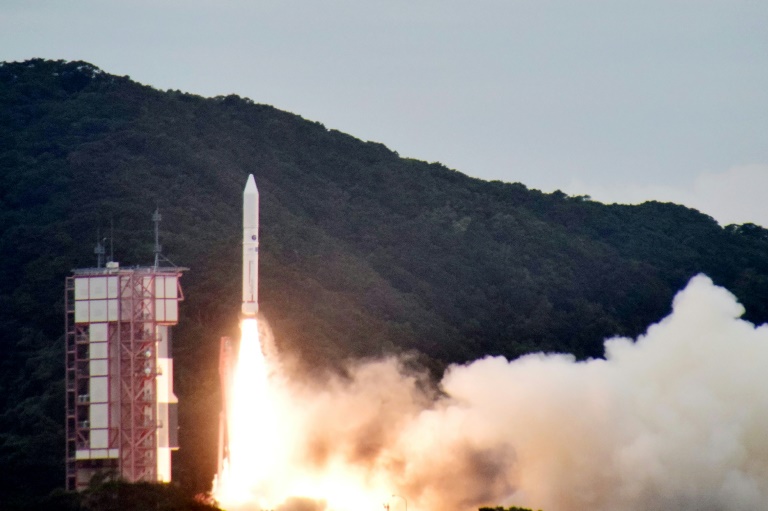
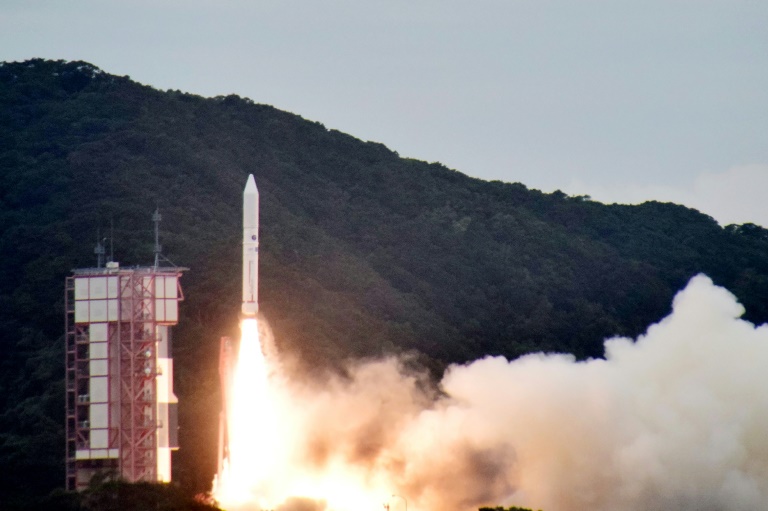
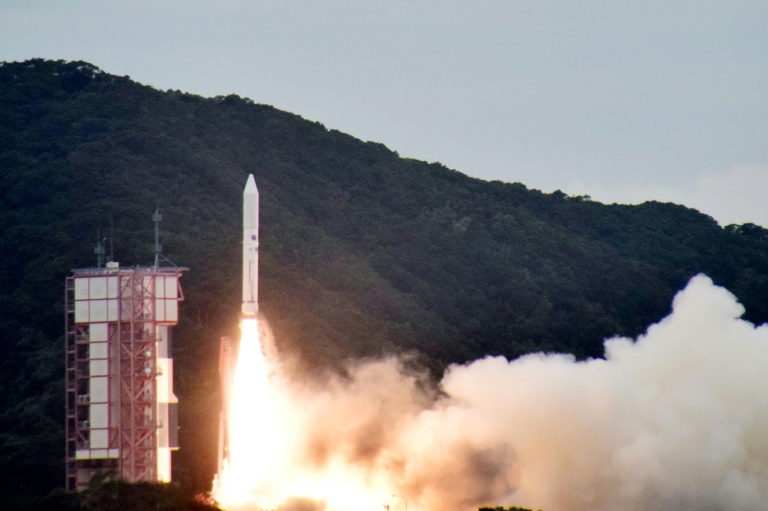
The launch of a Japanese rocket taking satellites into orbit to demonstrate new technologies failed after blast-off on Wednesday because of a positioning problem, the country’s space agency said.

It was Japan’s first failed launch in nearly two decades, and the only one for an Epsilon rocket, a solid-fuel model that has flown five successful missions since its 2013 debut.

The unmanned craft took off from Uchinoura Space Center in the southern Kagoshima region, with its lift-off livestreamed by the Japan Aerospace Exploration Agency (JAXA).

But a self-destruct signal was sent to the rocket less than 10 minutes later because of “positioning abnormalities”, said Yasuhiro Funo of JAXA, who led the project.

The livestream was halted and presenters wearing hard-hats told viewers there had been a problem with the launch.

Funo explained at a press conference that a technical issue was detected before the third — and final — stage of the launch, just as the last powerful booster was about to be ignited.

“We ordered the rocket’s destruction because if we cannot send it into the orbit that we planned, we don’t know where it will go,” he said, leading to safety concerns about where the machinery could fall.

After the mission was aborted, the rocket’s parts were assumed to have landed in the sea east of the Philippines, he added.

Japan’s last failed space launch was of a pair of spy satellites to monitor North Korea in 2003, and the only other time JAXA has sent a destroy order to a rocket was in 1999.

– ‘Pulsed-plasma thruster’ –

The 26-metre (85-foot) Epsilon-6 rocket had been carrying a box-shaped satellite due to orbit Earth for at least a year to carry out experiments, as well as eight micro-satellites.

Researchers and private companies had engineered new technologies to be tried out in space as part of the agency’s third Innovative Satellite Technology Demonstration programme.

Their gadgetry ranged from a “pulsed-plasma thruster” to an experiment in “harvesting energy with (a) lightweight integrated origami structure”, according to a JAXA fact sheet.

JAXA describes Epsilon as “a solid-fuel rocket designed to lower the threshold to space… and usher in an age in which everyone can make active use of space”.

It is smaller than the country’s previous liquid-fuelled model, and a successor to the solid-fuel M-5 rocket that was retired in 2006 due to its high cost.

JAXA president Hiroshi Yamakawa apologised for Wednesday’s failure, saying the agency was “terribly sorry that we couldn’t meet the Japanese people’s expectations”.

“We will pour efforts into finding out the cause and will take counter-measures” to prevent a recurrence, Yamakawa said.

Japan’s space programme is one of the world’s largest, and last week JAXA astronaut Koichi Wakata flew to the International Space Station as part of the Crew-5 mission.

JAXA has also been in the spotlight after its mission to the asteroid Ryugu by a space probe named Hayabusa-2, which collected pristine material from the celestial body that is now being analysed for clues to the origins of life.

Japanese rocket launch fails in blow for space agency

The launch of a Japanese rocket taking satellites into orbit to demonstrate new technologies failed after blast-off on Wednesday because of a positioning problem, the country’s space agency said.

It was Japan’s first failed launch in nearly two decades, and the only one for an Epsilon rocket, a solid-fuel model that has flown five successful missions since its 2013 debut.

The unmanned craft took off from Uchinoura Space Center in the southern Kagoshima region, with its lift-off livestreamed by the Japan Aerospace Exploration Agency (JAXA).

But a self-destruct signal was sent to the rocket less than 10 minutes later because of “positioning abnormalities”, said Yasuhiro Funo of JAXA, who led the project.

The livestream was halted and presenters wearing hard-hats told viewers there had been a problem with the launch.

Funo explained at a press conference that a technical issue was detected before the third — and final — stage of the launch, just as the last powerful booster was about to be ignited.

“We ordered the rocket’s destruction because if we cannot send it into the orbit that we planned, we don’t know where it will go,” he said, leading to safety concerns about where the machinery could fall.

After the mission was aborted, the rocket’s parts were assumed to have landed in the sea east of the Philippines, he added.

Japan’s last failed space launch was of a pair of spy satellites to monitor North Korea in 2003, and the only other time JAXA has sent a destroy order to a rocket was in 1999.

– ‘Pulsed-plasma thruster’ –

The 26-metre (85-foot) Epsilon-6 rocket had been carrying a box-shaped satellite due to orbit Earth for at least a year to carry out experiments, as well as eight micro-satellites.

Researchers and private companies had engineered new technologies to be tried out in space as part of the agency’s third Innovative Satellite Technology Demonstration programme.

Their gadgetry ranged from a “pulsed-plasma thruster” to an experiment in “harvesting energy with (a) lightweight integrated origami structure”, according to a JAXA fact sheet.

JAXA describes Epsilon as “a solid-fuel rocket designed to lower the threshold to space… and usher in an age in which everyone can make active use of space”.

It is smaller than the country’s previous liquid-fuelled model, and a successor to the solid-fuel M-5 rocket that was retired in 2006 due to its high cost.

JAXA president Hiroshi Yamakawa apologised for Wednesday’s failure, saying the agency was “terribly sorry that we couldn’t meet the Japanese people’s expectations”.

“We will pour efforts into finding out the cause and will take counter-measures” to prevent a recurrence, Yamakawa said.

Japan’s space programme is one of the world’s largest, and last week JAXA astronaut Koichi Wakata flew to the International Space Station as part of the Crew-5 mission.

JAXA has also been in the spotlight after its mission to the asteroid Ryugu by a space probe named Hayabusa-2, which collected pristine material from the celestial body that is now being analysed for clues to the origins of life.

Japanese rocket launch fails in blow for space agency

The launch of a Japanese rocket taking satellites into orbit to demonstrate new technologies failed after blast-off on Wednesday because of a positioning problem, the country’s space agency said.

It was Japan’s first failed launch in nearly two decades, and the only one for an Epsilon rocket, a solid-fuel model that has flown five successful missions since its 2013 debut.

The unmanned craft took off from Uchinoura Space Center in the southern Kagoshima region, with its lift-off livestreamed by the Japan Aerospace Exploration Agency (JAXA).

But a self-destruct signal was sent to the rocket less than 10 minutes later because of “positioning abnormalities”, said Yasuhiro Funo of JAXA, who led the project.

The livestream was halted and presenters wearing hard-hats told viewers there had been a problem with the launch.

Funo explained at a press conference that a technical issue was detected before the third — and final — stage of the launch, just as the last powerful booster was about to be ignited.

“We ordered the rocket’s destruction because if we cannot send it into the orbit that we planned, we don’t know where it will go,” he said, leading to safety concerns about where the machinery could fall.

After the mission was aborted, the rocket’s parts were assumed to have landed in the sea east of the Philippines, he added.

Japan’s last failed space launch was of a pair of spy satellites to monitor North Korea in 2003, and the only other time JAXA has sent a destroy order to a rocket was in 1999.

– ‘Pulsed-plasma thruster’ –

The 26-metre (85-foot) Epsilon-6 rocket had been carrying a box-shaped satellite due to orbit Earth for at least a year to carry out experiments, as well as eight micro-satellites.

Researchers and private companies had engineered new technologies to be tried out in space as part of the agency’s third Innovative Satellite Technology Demonstration programme.

Their gadgetry ranged from a “pulsed-plasma thruster” to an experiment in “harvesting energy with (a) lightweight integrated origami structure”, according to a JAXA fact sheet.

JAXA describes Epsilon as “a solid-fuel rocket designed to lower the threshold to space… and usher in an age in which everyone can make active use of space”.

It is smaller than the country’s previous liquid-fuelled model, and a successor to the solid-fuel M-5 rocket that was retired in 2006 due to its high cost.

JAXA president Hiroshi Yamakawa apologised for Wednesday’s failure, saying the agency was “terribly sorry that we couldn’t meet the Japanese people’s expectations”.

“We will pour efforts into finding out the cause and will take counter-measures” to prevent a recurrence, Yamakawa said.

Japan’s space programme is one of the world’s largest, and last week JAXA astronaut Koichi Wakata flew to the International Space Station as part of the Crew-5 mission.

JAXA has also been in the spotlight after its mission to the asteroid Ryugu by a space probe named Hayabusa-2, which collected pristine material from the celestial body that is now being analysed for clues to the origins of life.

Climate unease leaves Aussie mines scrambling for staff

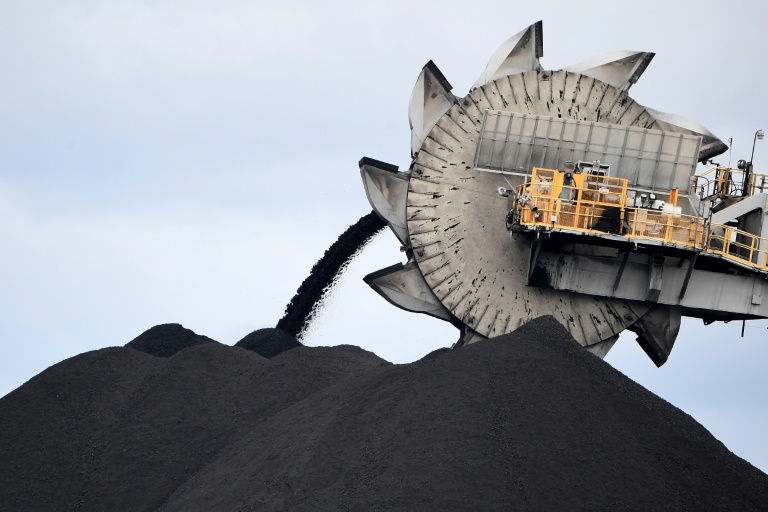
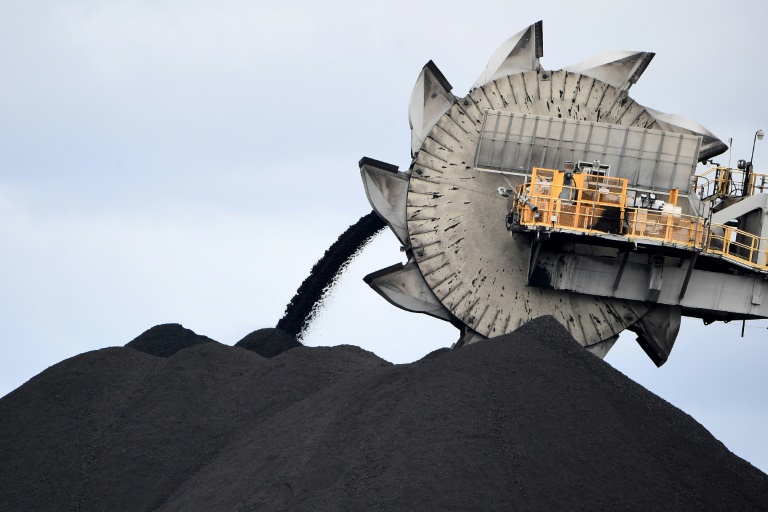
Australia’s world-beating mining firms are flush with cash and desperate for staff but green-minded workers are shunning the high-paying sector, causing serious staff shortages, the government warned Wednesday.

Australia’s Resources Minister Madeleine King — who oversees the more than US$200 billion-a-year industry — said the mining sector was “stretched” and badly needs to reform and shake its sooty image.

“There is a major problem in attracting and retaining skilled workers,” she told business people in mineral-rich Western Australia.

“A big barrier to attracting these workers is the attitude many young Australians hold towards the resources industry.”

Despite miners paying far more than comparable sectors, King said enrolments in relevant degrees were “dwindling”.

She urged the likes of Rio Tinto and BHP to “get more creative” in attracting young people, suggesting the industry turn “Minecraft-crazed kids” into the real-life miners of tomorrow.

A failure to attract new talent could risk an industry that, she said, “underpins our enviable standard of living”.

Heaving iron ore, coal and other mineral goodies out of the Earth’s lithosphere has been the mainstay of Australia’s economy for decades, helping to avoid numerous crises and recessions.

The country is the world’s largest exporter of iron ore — the main component in steel — and ships out vast amounts of coal, gas, lithium, gold, zinc, diamonds and other resources.

But this year the Australian Resources and Energy Employer Association warned the sector needed an extra 24,000 new workers over the next five years.

It recently described the lack of plant engineers, geologists, drillers, earthmover operators and other staff as “crippling”.

But critics say the industry needs more than an image makeover.

Mining firms have been at the centre of a string of scandals over vast amounts of Earth-warming emissions, allegations of rampant sexual harassment and the recent blowing up of a series of 46,000-year-old Aboriginal rock shelters.

King said sceptics should be reminded that mining was essential for developing green technologies.

“Without the resources sector, there is no net zero,” she said.

Climate unease leaves Aussie mines scrambling for staff

Australia’s world-beating mining firms are flush with cash and desperate for staff but green-minded workers are shunning the high-paying sector, causing serious staff shortages, the government warned Wednesday.

Australia’s Resources Minister Madeleine King — who oversees the more than US$200 billion-a-year industry — said the mining sector was “stretched” and badly needs to reform and shake its sooty image.

“There is a major problem in attracting and retaining skilled workers,” she told business people in mineral-rich Western Australia.

“A big barrier to attracting these workers is the attitude many young Australians hold towards the resources industry.”

Despite miners paying far more than comparable sectors, King said enrolments in relevant degrees were “dwindling”.

She urged the likes of Rio Tinto and BHP to “get more creative” in attracting young people, suggesting the industry turn “Minecraft-crazed kids” into the real-life miners of tomorrow.

A failure to attract new talent could risk an industry that, she said, “underpins our enviable standard of living”.

Heaving iron ore, coal and other mineral goodies out of the Earth’s lithosphere has been the mainstay of Australia’s economy for decades, helping to avoid numerous crises and recessions.

The country is the world’s largest exporter of iron ore — the main component in steel — and ships out vast amounts of coal, gas, lithium, gold, zinc, diamonds and other resources.

But this year the Australian Resources and Energy Employer Association warned the sector needed an extra 24,000 new workers over the next five years.

It recently described the lack of plant engineers, geologists, drillers, earthmover operators and other staff as “crippling”.

But critics say the industry needs more than an image makeover.

Mining firms have been at the centre of a string of scandals over vast amounts of Earth-warming emissions, allegations of rampant sexual harassment and the recent blowing up of a series of 46,000-year-old Aboriginal rock shelters.

King said sceptics should be reminded that mining was essential for developing green technologies.

“Without the resources sector, there is no net zero,” she said.

Close Bitnami banner
Bitnami