AFP

Stiglitz says oil firms did nothing to deserve windfall profits

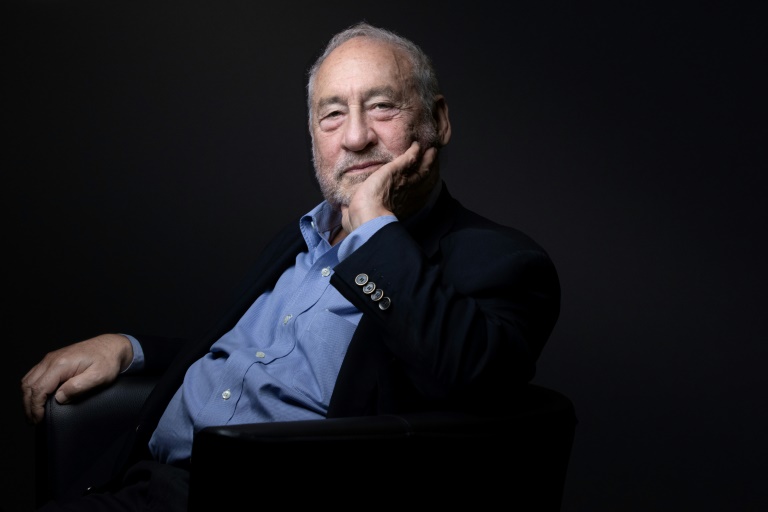
Nobel laureate economist Joseph Stiglitz says the world’s energy giants should pay a special tax on their massive profits. To him, the companies “didn’t do anything to deserve” the windfall.

Oil and gas firms have raked in huge profits this year as energy prices have surged over supply fears after Russia, a major producer of the fossil fuels, invaded Ukraine in late February.

“Sometimes we have this discussion: are profits exploitation or are profits the just deserts of having invested more, putting out more effort,” Stiglitz said in an interview with AFP in Paris.

“This is a particular case where there is no debate,” the 2001 Nobel winner said.

“It is very clear that the oil companies didn’t do anything to deserve the high oil prices. It was (Russian President Vladimir) Putin’s invasion of Ukraine that was at the source of the problem,” Stiglitz said.

The main international oil contract reached almost $140 per barrel in March, though it has since fallen under $100. Gas prices jumped to a record 345 euros per megawatt hours that same month.

US oil giants ExxonMobil and Chevron reported record profits in the second quarter, pulling $17.9 billion and $11.6 billion, respectively.

British oil major Shell enjoyed a fivefold increase in its net profit to $18 billion in the same period.

France’s TotalEnergies and Italy’s Eni have also posted banner earnings. 

“There is an obvious answer. Tax the windfall profits and use some of the revenues to help those suffering,” Stiglitz told AFP at the Paris School of Economics.

– Inflation crisis –

The 79-year-old American economist has championed reforms of international tax rules for years to ensure major corporations pay their fair share.

He is the co-chair of the Independent Commission for the Reform of International Corporate Taxation (ICRICT), an organisation that seeks to put an end to tax havens.

The ICRICT, which held a conference in Paris on Friday, released a report calling for emergency tax measures, “especially on companies profiting from the (inflation) crisis”.

Some countries have taken their own measures.

Spain’s government announced in July temporary taxes on banks and energy firms to cover the cost of state measures to help Spaniards grapple with red-hot inflation.

Britain unveiled in May a temporary windfall tax at a rate of 25 percent on big energy companies that should bring in five billion pounds.

Italy has a similar rate in place.

The European Commission this week announced plans to raise 140 billion euros through a cap on revenues of electricity producers.

While the United States is not dependent on Russian energy like Europe, fuel prices have surged there, too, and oil firms have made huge profits.

“All that is going on is a redistribution from consumers to rich fossil fuel companies,” said Stiglitz, a former chief economist of the World Bank and White House economic adviser during Bill Clinton’s presidency.

– Global tax –

But Stiglitz says energy firms are not the only companies that should face new taxes.

The ICRICT’s report says international firms — “particularly in fuels” but also food, pharmaceuticals and finance — have increased prices “well beyond” their higher costs.

These companies “thereby experienced significantly greater than normal profits”, the report says.

There is “something more going on than just passing on increased costs” to consumers, Stiglitz told AFP.

More than 130 countries have signed an international agreement to impose a 15-percent minimum tax on major corporations.

But implementation of the OECD-brokered deal “still seems far from reality” as it is “stuck in a political impasse both in the US and in the EU”, the ICRICT says.

Last week, Europe’s top five economies, including Germany and France, said they would implement the tax in the face of Hungary’s opposition to an EU-wide agreement.

“I have to say it doesn’t look like it’s going to be adopted, sadly, as weak as it is, as pro-advanced countries as it is, as distorted as it is,” Stiglitz said.

Starbucks Singapore says customer database breached

Starbucks Singapore said Friday its customer database was breached online, with local media reporting that 200,000 people’s information was stolen.

The coffee chain — a licensed Starbucks franchise owned by Hong Kong-based Maxim’s Caterers — said in an email to customers that it had “discovered… some unauthorized access” to details such as names, gender, dates of birth, phone numbers and home addresses.

“Relevant authorities have been informed and Starbucks Singapore is assisting them on this matter,” said the email seen by AFP.

The company said it was made aware of the breach on September 13, and that no credit card details were taken as it does not store them.

It urged customers to reset their passwords.

A public relations agency representing Starbucks Singapore told AFP it was “unable to disclose the number of affected customers”.

The Straits Times said 200,000 customers’ data was stolen and put on sale in an online forum on September 10.

One copy of the database had already been sold for Sg$3,500 ($2,500), the newspaper added.

The city-state’s Personal Data Protection Commission told AFP it had been notified about the incident and has reached out to Starbucks Singapore for more information.

Stocks mostly slide; pound hits 37-year dollar low

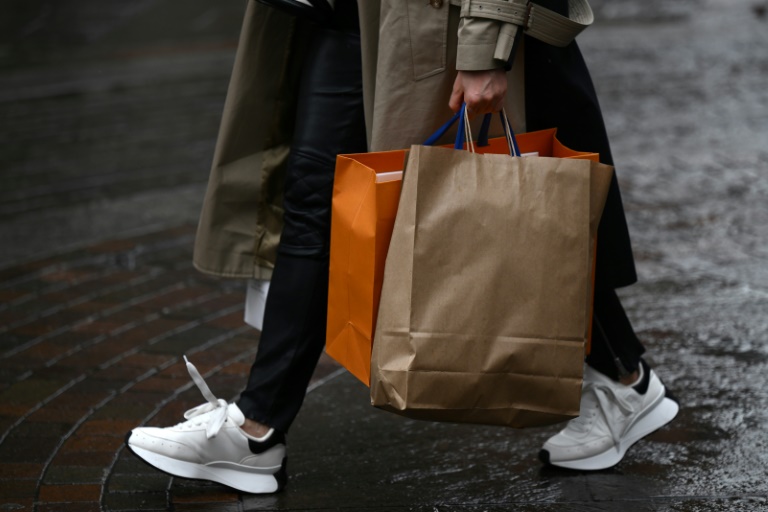
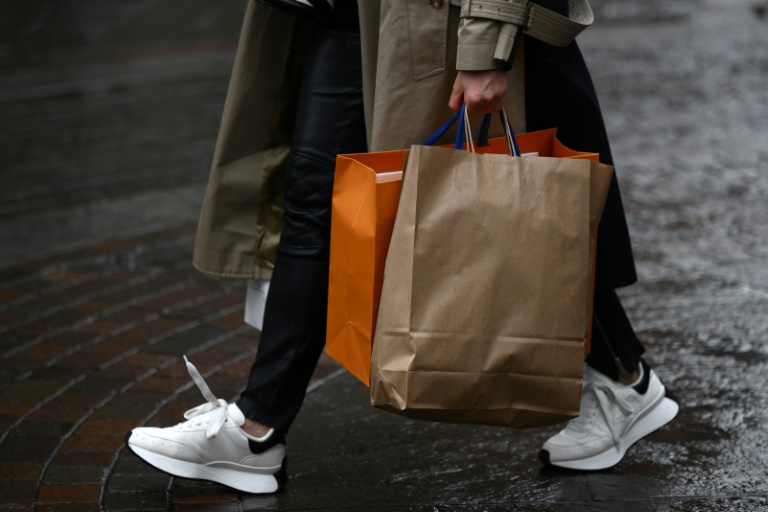
Stock markets mostly slumped Friday, while the British pound tanked to a 37-year dollar low as weak UK retail sales stoked global recession fears.

Sterling slid to $1.1351, the lowest level since 1985, on news that British retail sales tumbled by far more than forecast in August as shoppers faced rampant inflation.

Sales by volume dived 1.6 percent last month, more than triple expectations.

Eurozone and Asian stock markets tumbled but London pushed into positive territory as the weak pound boosted exporters.

Sterling has hit a series of 1985 lows in recent weeks, also as the US Federal Reserve implements aggressive hikes interest rate hikes.

– ‘Markets in pain’ –

“Markets are in a lot of pain, and the UK’s retail data has made things only worse for traders as it clearly pointed out one thing: an imminent recession,” said AvaTrade analyst Naeem Aslam.

“When you look at the sterling against the dollar, it seems like there are no buyers out there.”

Elsewhere, Frankfurt equities dived 1.5 percent and Paris shed 1.2 percent as investors digested confirmation of record-high inflation in the eurozone.

“Data for August confirm that price pressures are very strong and broad-based” with eurozone inflation at 9.1 percent, said Capital Economics analyst Jack Allen-Reynolds.

“The European Central Bank will need to continue hiking interest rates aggressively at forthcoming meetings.”

The ECB had last week hiked its key rate by a historic 75 basis points, and markets expect a similar-sized move at the October policy meeting.

Asian equities also dropped Friday, tracking Wall Street losses as investors express concern over persistently high consumer prices and the increasing likelihood of further interest rate hikes.

The Fed and Bank of England are widely expected to ramp up borrowing costs next week.

The US central bank has lifted borrowing costs by 75 basis points at each of its last two meetings. 

Asian investors meanwhile shrugged off brighter data from powerhouse economy China.

China’s factory output and retail sales beat expectations in August, new data released on Friday showed, despite the economy being hammered by Covid-related curbs, heatwaves and a deepening property market slump.

– Key figures at around 1030 GMT –

London – FTSE 100: UP 0.1 percent at 7,292.21 points

Frankfurt – DAX: DOWN 1.5 percent at 12,764.90

Paris – CAC 40: DOWN 1.2 percent at 6,082.93

EURO STOXX 50: DOWN 1.1 percent at 3,502.91

Tokyo – Nikkei 225: DOWN 1.1 percent at 27,567.75 (close)

Shanghai – Composite: DOWN 2.3 percent at 3,126.40 (close)

Hong Kong – Hang Seng Index: DOWN 0.9 percent at 18,761.69 (close)

New York – Dow: DOWN 0.6 percent to 30,961.82 (close)

Pound/dollar: DOWN at $1.1388 from $1.1467 on Thursday

Euro/pound: UP at 87.59 pence from 87.21 pence 

Euro/dollar: DOWN at $0.9974 from $1.0001

Dollar/yen: DOWN at 143.25 yen from 143.45 yen

Brent North Sea crude: UP 0.4 percent at $91.18 per barrel

West Texas Intermediate: UP at $85.21 per barrel

burs/rfj/bcp/lth

Stocks mostly slide; pound hits 37-year dollar low

Stock markets mostly slumped Friday, while the British pound tanked to a 37-year dollar low as weak UK retail sales stoked global recession fears.

Sterling slid to $1.1351, the lowest level since 1985, on news that British retail sales tumbled by far more than forecast in August as shoppers faced rampant inflation.

Sales by volume dived 1.6 percent last month, more than triple expectations.

Eurozone and Asian stock markets tumbled but London pushed into positive territory as the weak pound boosted exporters.

Sterling has hit a series of 1985 lows in recent weeks, also as the US Federal Reserve implements aggressive hikes interest rate hikes.

– ‘Markets in pain’ –

“Markets are in a lot of pain, and the UK’s retail data has made things only worse for traders as it clearly pointed out one thing: an imminent recession,” said AvaTrade analyst Naeem Aslam.

“When you look at the sterling against the dollar, it seems like there are no buyers out there.”

Elsewhere, Frankfurt equities dived 1.5 percent and Paris shed 1.2 percent as investors digested confirmation of record-high inflation in the eurozone.

“Data for August confirm that price pressures are very strong and broad-based” with eurozone inflation at 9.1 percent, said Capital Economics analyst Jack Allen-Reynolds.

“The European Central Bank will need to continue hiking interest rates aggressively at forthcoming meetings.”

The ECB had last week hiked its key rate by a historic 75 basis points, and markets expect a similar-sized move at the October policy meeting.

Asian equities also dropped Friday, tracking Wall Street losses as investors express concern over persistently high consumer prices and the increasing likelihood of further interest rate hikes.

The Fed and Bank of England are widely expected to ramp up borrowing costs next week.

The US central bank has lifted borrowing costs by 75 basis points at each of its last two meetings. 

Asian investors meanwhile shrugged off brighter data from powerhouse economy China.

China’s factory output and retail sales beat expectations in August, new data released on Friday showed, despite the economy being hammered by Covid-related curbs, heatwaves and a deepening property market slump.

– Key figures at around 1030 GMT –

London – FTSE 100: UP 0.1 percent at 7,292.21 points

Frankfurt – DAX: DOWN 1.5 percent at 12,764.90

Paris – CAC 40: DOWN 1.2 percent at 6,082.93

EURO STOXX 50: DOWN 1.1 percent at 3,502.91

Tokyo – Nikkei 225: DOWN 1.1 percent at 27,567.75 (close)

Shanghai – Composite: DOWN 2.3 percent at 3,126.40 (close)

Hong Kong – Hang Seng Index: DOWN 0.9 percent at 18,761.69 (close)

New York – Dow: DOWN 0.6 percent to 30,961.82 (close)

Pound/dollar: DOWN at $1.1388 from $1.1467 on Thursday

Euro/pound: UP at 87.59 pence from 87.21 pence 

Euro/dollar: DOWN at $0.9974 from $1.0001

Dollar/yen: DOWN at 143.25 yen from 143.45 yen

Brent North Sea crude: UP 0.4 percent at $91.18 per barrel

West Texas Intermediate: UP at $85.21 per barrel

burs/rfj/bcp/lth

Wave of Lebanon bank 'heists' to seize back frozen savings

A man held up a Lebanese bank to withdraw his frozen savings Friday, the latest in a string of “depositor heists” in the crisis-hit country that have garnered wide public support.

Lebanon has been mired in an economic crisis for more than two years, since the value of its currency began plummeting and banks started imposing draconian restrictions on withdrawals.

The holdup of a Beirut bank on Wednesday by an activist who filmed herself using a toy gun appears to have sparked a series of copycat raids by people fed up at being unable to withdraw their savings.

There were another three such incidents in the country on Friday.

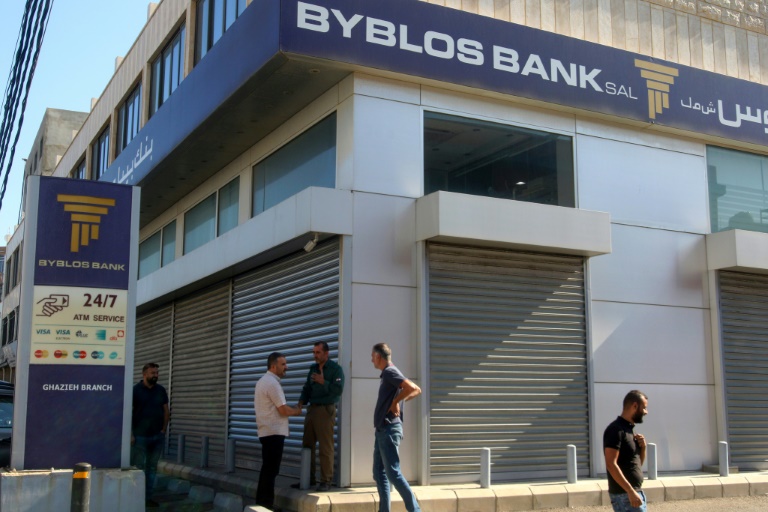
In one of them, a man carrying a gun and jerrycan of fuel demanded staff at a branch of the Byblos bank in the southern town of Ghaziyeh hand over his deposit.

Accompanied by his son, the man in his 50s threatened bank staff with the gun, which a Lebanese television channel said may have been a toy, before making his demand.

“He emptied a jerrycan of fuel on the floor,” a bank security guard told an AFP correspondent.

The man walked away with about $19,000 in cash but turned himself in to police moments later as a crowd formed in front of the bank to support him.

– Not ‘a bank robber’ –

A few hours later in the Beirut neighbourhood of Tariq al-Jdideh, a tense security situation developed around a branch of Blom Bank, although details were unclear.

Witnesses outside the bank said an indebted shop-owner had demanded access to his trapped savings.

He was locked inside the bank together with police officers, the witnesses told AFP at the scene, but was thought to be unarmed.

Another man armed with a hunting rifle stormed a bank in Beirut’s Ramlet el-Baida neighbourhood on Friday, witnesses told an AFP photographer at the scene.

The spate of heists comes two days after a young activist stormed a central Beirut bank with fuel and plastic gun to demand the deposits of her sister, who needed to pay for cancer treatment.

The woman identified as Sali Hafiz made off with around $13,000 and became an instant hero on social media with a picture of her standing on a desk inside the bank during the raid going viral on social media.

“She had every right to do this. I would do the same if I was as brave as her,” said Carla Chehab, a 28-year-old Beirut resident.

“And don’t let anyone call her a bank robber. The thieves are the banks, the government and all rich people protecting them,” she added.

Also on Wednesday, a man held up a bank in the city of Aley northeast of Beirut, the official National News Agency reported.

– Emergency meeting –

As the bank heists snowballed on Friday, the Lebanese interior minister called for an emergency meeting in the afternoon.

The raids are seen as mostly acts of desperation by Lebanese depositors who do not have criminal records and are trying to settle bills, drawing wide sympathy from the general public.

Last month, a man received widespread sympathy after he stormed a Beirut bank with a rifle and held employees and customers hostage for hours, to demand some of his $200,000 in frozen savings to pay hospital bills for his sick father.

He was detained but swiftly released and was present Friday outside the bank in Tariq al-Jdideh to express his support.

Lebanon has been battered by one of its worst-ever economic crises.

Its currency has lost more than 90 percent of its value on the black market, while poverty and unemployment have soared.

Banks have been widely accused of operating like a cartel and of spiriting large amounts out of the country for senior Lebanese officials at a time when foreign transfers were already blocked for ordinary citizens.

The country’s main depositors’ association voiced its support for desperate bank clients.

“We call on every depositor who refuses injustice, oppression and theft to support any depositor who asks for what is rightfully theirs,” association member Tala Khalil told AFP.

According to local media, the bankers association called an emergency meeting to defuse the risk of further attacks by deciding a three-day nationwide closure next week.

French traffic controllers' strike disrupts European air travel

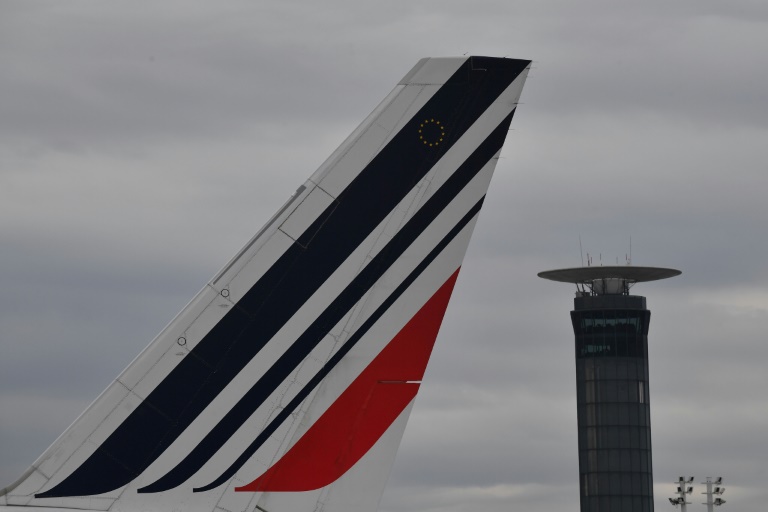
Around 1,000 flights to and from France were cancelled Friday as the country’s air traffic controllers went on strike, with their action also causing delays across European airspace.

France’s DGAC civil aviation authority said 16 airports were operating a skeleton service, as were traffic control centres guiding planes overflying French territory at high altitude.

But several regional airports were closed and the DGAC warned of “cancellations and significant delays across the country”.

At Paris’ enormous Charles de Gaulle hub, only a few cancellations were listed on departures boards among morning flights mostly going ahead, and staff in high-visibility vests were directing passengers.

“I thought we’d have lots of travellers coming to see us, but it hasn’t turned out that way, I’m surprised… I suppose most people were forewarned,” one worker told AFP, asking not to be named.

But Christina Sharikadze, waiting at the Air France ticket desk, said “we didn’t get any message, nothing at all… we’re trying to figure something out” to replace a cancelled flight home to Georgia.

European air traffic body Eurocontrol said it was seeing “significant disruption”, with delays totalling over 500,000 minutes by 8:30 am (0630 GMT).

That was more than three times the level across the whole of last Friday when air traffic was moving normally.

Delays of an average 25 minutes per flight were mostly down to the strike, Eurocontrol said.

Around 21,000 planes are expected to pass through Eurocontrol airspace on Friday, down by around one third.

Air France dropped around half its 800 planned services Friday, while Europe’s largest airline Ryanair said it had cancelled 420 flights overflying or landing in France.

The DGAC said it was working with Eurocontrol to divert planes around French airspace.

The SNCTA air traffic controllers’ union said its members are concerned that pay is not keeping up with soaring inflation.

Air traffic controllers are among France’s best-paid civil servants, earning an average of 5,000 euros ($4,985) per month according to a parliamentary report.

The union also warns that recruitment is falling short, risking gaps in the profession’s ranks.

One-third of existing air traffic controllers are expected to retire between 2029 and 2035, and training new ones takes at least five years.

The SNCTA says the long wait for new recruits means fresh funding is needed for additional training capacity.

It has filed notice of a further strike on September 28-30.

Prices soaring everywhere: from beans in Brazil to pork in China

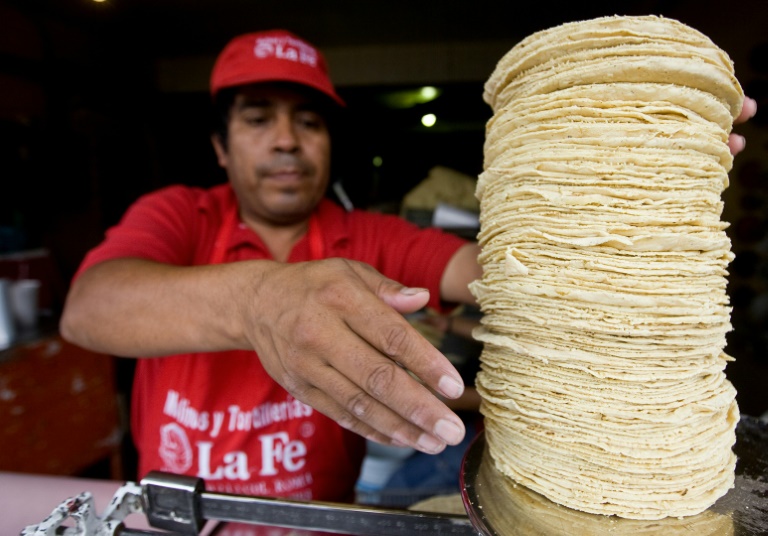
Consumers and businesses around the world are facing steeper prices for everything from Mexico’s beloved tortillas to the aluminium cans used by beer companies.

Inflation jumped after countries emerged from Covid lockdowns and it has soared since Russia invaded Ukraine, with the IMF expecting consumer prices to rise by 8.3 percent globally this year.

Here is a look at how higher prices are affecting the world:

– Fuel –

The invasion of Ukraine by Russia, the world’s third largest oil producer, sent crude oil prices through the roof.

The main international contract, Brent North Sea, almost hit $140 per barrel, but has now dropped back below $100.

Prices at the pump have followed suit, surging to over two euros per litre in eurozone countries and above five dollars per gallon in the United States, before falling back in recent weeks.

Natural gas has also become more expensive, especially in Europe, where electricity prices hit record levels in Germany and France.

Energy prices were up 38.3 percent in the eurozone in August from the same month last year.

Higher energy prices ripple throughout the economy as they affect the production and transportation costs of companies.

– Pasta, beans and tortillas –

The war sent food prices soaring as the war disrupted grain exports from Ukraine, a major supplier of wheat and sunflower oil to countries around the world.

In May, Allianz estimated that pasta prices had risen 19 percent in the eurozone over the previous 18 months.

In Canada, another large exporter of wheat, a 500-gram package had risen by 60 cents in July from the same month last year, to CAN$3.16, according to official data.

In Thailand, the price for instant noodles, which is controlled by the state, rose for the first time in 14 years in August — a 17 percent increase to seven bahts (20 US cents).

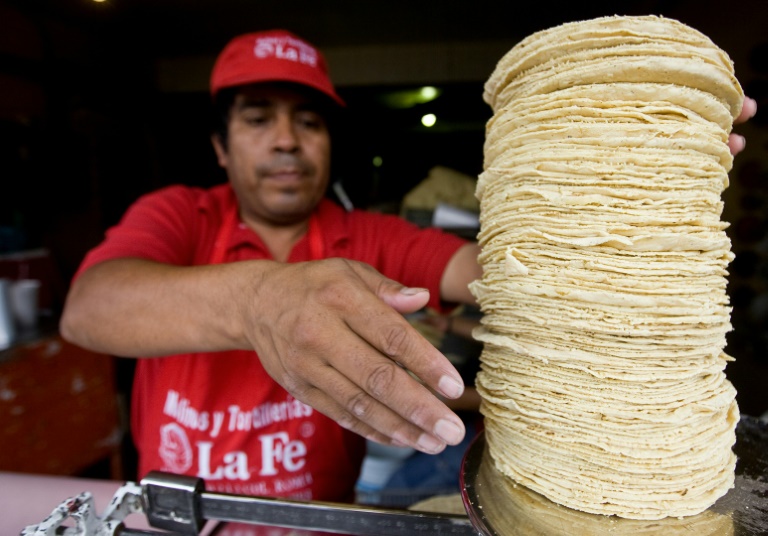
The price of the corn flour used to make tortillas in Mexico — a staple used for tacos and other dishes — is up by around 13 percent from last year and contributing to two-decade high inflation.

Pinto beans, a Brazilian staple, cost nearly 23 percent more in August than at the same time last year.

– Meat –

With grain more expensive, feeding livestock has become costlier and farmers have in turn raised their prices.

Pork, the most popular meat in China, cost 22 percent more in August than last year. 

Chinese authorities are considering tapping into their strategic reserves of pork for a second time this year in order to stabilise prices.

In Argentina, ground beef patties are popular as their prices have traditionally been low, but these have shot up by three quarters in the past 12 months. 

The country currently has one of the highest inflation rates in the world at 56.4 percent over the first eight months of the year.

In Europe, it is chicken prices that have taken wing as farmers have had to contend with bird flu in addition to cost pressures. Wholesale prices were up by a third in August from the same month last year.

– Beer –

Brewers have been hit with not only rising grain prices, but also for the aluminium cans and glass bottles for their beer.

These are 70 percent more expensive than before the war in Ukraine, according to the trade association of European brewers. 

Heineken, the world’s second-largest brewery group, hiked its prices by an average of 8.9 percent over the first half of this year. 

According to estimates by Bloomberg, AB InBev, the world’s top brewer whose beers include Budweiser and Corona, has increased its prices by eight percent.

In Britain, the cost of a pint has risen above four pounds ($4.6), the highest price since 1987, according to Britain’s Office for National Statistics.

– Newspapers –

Paper prices have climbed as demand has risen following the end of Covid lockdowns. Printing is an energy-intensive process.

Several French dailies raised their prices earlier this year, as have a number British newspapers like the Sun, the Times and Sunday Mail.

Others have reduced their number of pages.

In Europe overall, the prices of newspapers were 6.5 percent higher in July, according to official data.

Prices soaring everywhere: from beans in Brazil to pork in China

Consumers and businesses around the world are facing steeper prices for everything from Mexico’s beloved tortillas to the aluminium cans used by beer companies.

Inflation jumped after countries emerged from Covid lockdowns and it has soared since Russia invaded Ukraine, with the IMF expecting consumer prices to rise by 8.3 percent globally this year.

Here is a look at how higher prices are affecting the world:

– Fuel –

The invasion of Ukraine by Russia, the world’s third largest oil producer, sent crude oil prices through the roof.

The main international contract, Brent North Sea, almost hit $140 per barrel, but has now dropped back below $100.

Prices at the pump have followed suit, surging to over two euros per litre in eurozone countries and above five dollars per gallon in the United States, before falling back in recent weeks.

Natural gas has also become more expensive, especially in Europe, where electricity prices hit record levels in Germany and France.

Energy prices were up 38.3 percent in the eurozone in August from the same month last year.

Higher energy prices ripple throughout the economy as they affect the production and transportation costs of companies.

– Pasta, beans and tortillas –

The war sent food prices soaring as the war disrupted grain exports from Ukraine, a major supplier of wheat and sunflower oil to countries around the world.

In May, Allianz estimated that pasta prices had risen 19 percent in the eurozone over the previous 18 months.

In Canada, another large exporter of wheat, a 500-gram package had risen by 60 cents in July from the same month last year, to CAN$3.16, according to official data.

In Thailand, the price for instant noodles, which is controlled by the state, rose for the first time in 14 years in August — a 17 percent increase to seven bahts (20 US cents).

The price of the corn flour used to make tortillas in Mexico — a staple used for tacos and other dishes — is up by around 13 percent from last year and contributing to two-decade high inflation.

Pinto beans, a Brazilian staple, cost nearly 23 percent more in August than at the same time last year.

– Meat –

With grain more expensive, feeding livestock has become costlier and farmers have in turn raised their prices.

Pork, the most popular meat in China, cost 22 percent more in August than last year. 

Chinese authorities are considering tapping into their strategic reserves of pork for a second time this year in order to stabilise prices.

In Argentina, ground beef patties are popular as their prices have traditionally been low, but these have shot up by three quarters in the past 12 months. 

The country currently has one of the highest inflation rates in the world at 56.4 percent over the first eight months of the year.

In Europe, it is chicken prices that have taken wing as farmers have had to contend with bird flu in addition to cost pressures. Wholesale prices were up by a third in August from the same month last year.

– Beer –

Brewers have been hit with not only rising grain prices, but also for the aluminium cans and glass bottles for their beer.

These are 70 percent more expensive than before the war in Ukraine, according to the trade association of European brewers. 

Heineken, the world’s second-largest brewery group, hiked its prices by an average of 8.9 percent over the first half of this year. 

According to estimates by Bloomberg, AB InBev, the world’s top brewer whose beers include Budweiser and Corona, has increased its prices by eight percent.

In Britain, the cost of a pint has risen above four pounds ($4.6), the highest price since 1987, according to Britain’s Office for National Statistics.

– Newspapers –

Paper prices have climbed as demand has risen following the end of Covid lockdowns. Printing is an energy-intensive process.

Several French dailies raised their prices earlier this year, as have a number British newspapers like the Sun, the Times and Sunday Mail.

Others have reduced their number of pages.

In Europe overall, the prices of newspapers were 6.5 percent higher in July, according to official data.

India's Adani briefly listed as world's second-richest person

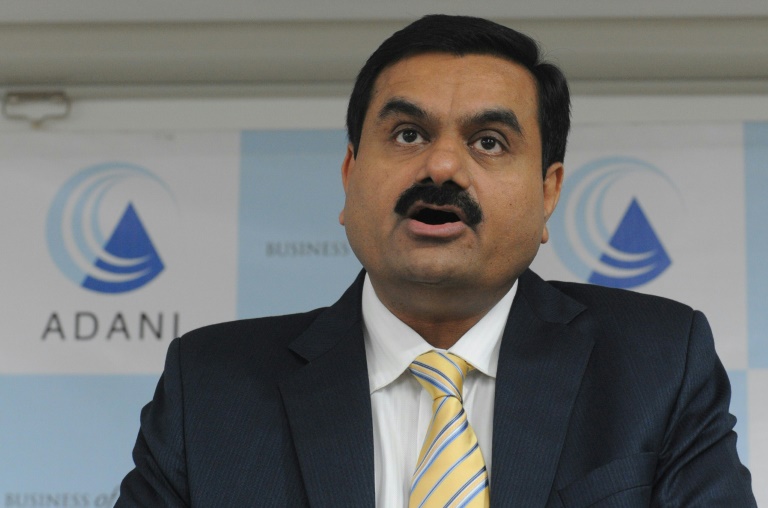
Indian industrialist Gautam Adani briefly became the world’s second-richest person on the Forbes real-time billionaire tracker on Friday, weeks after becoming the first Asian to break into the top three.

The self-made billionaire’s net worth surged $4 billion overnight to $154 billion, according to Forbes, ranking him ahead of LVMH’s Bernard Arnault and Amazon’s Jeff Bezos.

Tesla founder Elon Musk remained well out in front with a fortune of more than $270 billion.

Arnault — who at times held the top spot in May 2021 — and Adani traded the number two position during the day as the share prices of their companies fluctuated.

Adani, 60, made his fortune in ports and commodities trading and now operates India’s second-largest conglomerate with interests ranging from coal mining and edible oils to airports and news media.

His ballooning net worth reflects a stratospheric rise in the market capitalisation of his publicly listed companies, as investors back the Adani Group’s aggressive expansion of old and new businesses.

Shares in the flagship Adani Enterprises — of which the billionaire owns 75 percent — have soared more than 2,700 percent since March 2020, and doubled in value in the past six months.

Stock price surges in other group companies including Adani Transmission, Adani Power, Adani Ports and Adani Green Energy catapulted Adani past fellow Indian billionaire Mukesh Ambani this year.

Analyst estimates indicated the market capitalisation of Adani’s seven listed companies also briefly overtook those of the Tata group on Friday morning, making the Adani Group India’s largest conglomerate.

Born in the city of Ahmedabad in the western state of Gujarat to a middle-class family, Adani dropped out of college to work in the diamond industry before starting his export business in 1988.

In 1995, he won a contract to build and operate a commercial shipping port at Mundra in Gujarat, which has since grown to become India’s largest port.

At the same time, Adani expanded into thermal power generation and coal mining in India and overseas.

In recent years, the conglomerate has forayed into petrochemicals, cement, data centres and copper refining, in addition to establishing a renewable energy business with ambitious targets.

Recent investments in Indian news media and a bid for 5G airwaves this year have raised speculation that the billionaire’s empire could soon impinge on sectors dominated by Ambani’s Reliance Industries.

But Adani’s rapid expansion into capital-intensive businesses has also raised financial alarms, with Fitch Group’s CreditSights last week reiterating that they “remain concerned over the Adani Group’s leverage”.

India's Adani briefly listed as world's second-richest person

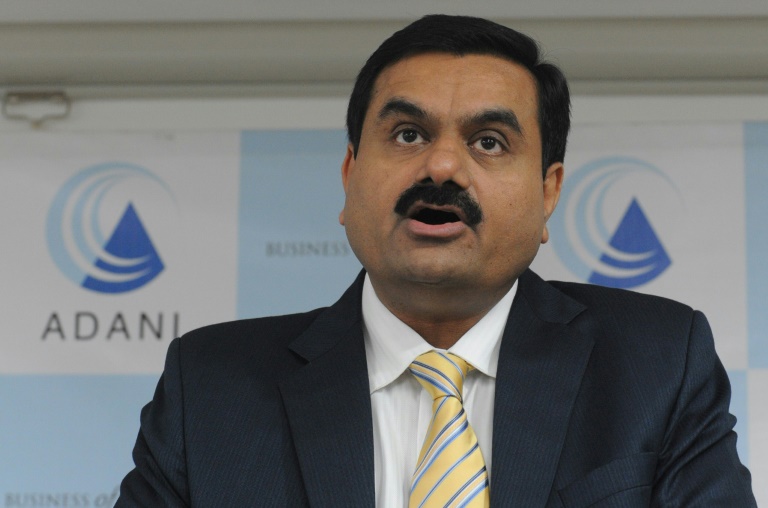
Indian industrialist Gautam Adani briefly became the world’s second-richest person on the Forbes real-time billionaire tracker on Friday, weeks after becoming the first Asian to break into the top three.

The self-made billionaire’s net worth surged $4 billion overnight to $154 billion, according to Forbes, ranking him ahead of LVMH’s Bernard Arnault and Amazon’s Jeff Bezos.

Tesla founder Elon Musk remained well out in front with a fortune of more than $270 billion.

Arnault — who at times held the top spot in May 2021 — and Adani traded the number two position during the day as the share prices of their companies fluctuated.

Adani, 60, made his fortune in ports and commodities trading and now operates India’s second-largest conglomerate with interests ranging from coal mining and edible oils to airports and news media.

His ballooning net worth reflects a stratospheric rise in the market capitalisation of his publicly listed companies, as investors back the Adani Group’s aggressive expansion of old and new businesses.

Shares in the flagship Adani Enterprises — of which the billionaire owns 75 percent — have soared more than 2,700 percent since March 2020, and doubled in value in the past six months.

Stock price surges in other group companies including Adani Transmission, Adani Power, Adani Ports and Adani Green Energy catapulted Adani past fellow Indian billionaire Mukesh Ambani this year.

Analyst estimates indicated the market capitalisation of Adani’s seven listed companies also briefly overtook those of the Tata group on Friday morning, making the Adani Group India’s largest conglomerate.

Born in the city of Ahmedabad in the western state of Gujarat to a middle-class family, Adani dropped out of college to work in the diamond industry before starting his export business in 1988.

In 1995, he won a contract to build and operate a commercial shipping port at Mundra in Gujarat, which has since grown to become India’s largest port.

At the same time, Adani expanded into thermal power generation and coal mining in India and overseas.

In recent years, the conglomerate has forayed into petrochemicals, cement, data centres and copper refining, in addition to establishing a renewable energy business with ambitious targets.

Recent investments in Indian news media and a bid for 5G airwaves this year have raised speculation that the billionaire’s empire could soon impinge on sectors dominated by Ambani’s Reliance Industries.

But Adani’s rapid expansion into capital-intensive businesses has also raised financial alarms, with Fitch Group’s CreditSights last week reiterating that they “remain concerned over the Adani Group’s leverage”.

Close Bitnami banner
Bitnami