AFP

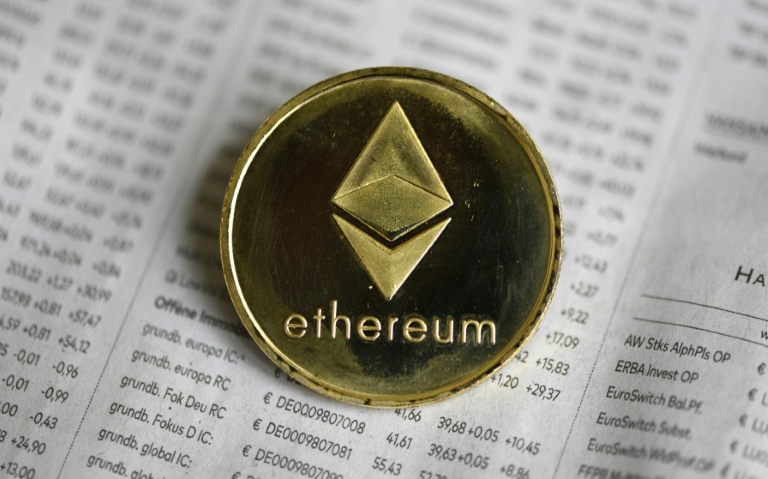
Ethereum blockchain completes 'monumental' overhaul

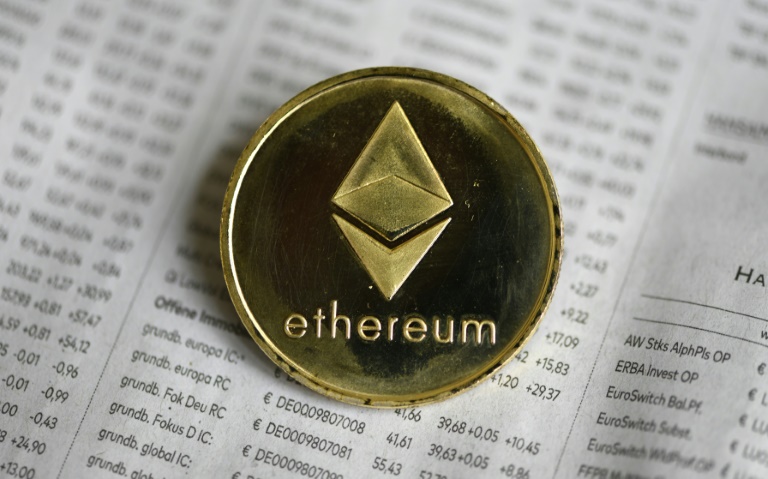
Leading cryptocurrency figures hailed on Thursday the completion of one of the biggest software upgrades the sector has ever attempted, an overhaul of the Ethereum blockchain aimed at reducing its massive energy consumption.

Developers had spent years working on an energy-efficient version of Ethereum, a digital ledger that underpins tens of billions of dollars worth of cryptocurrencies, digital tokens (NFTs), games and apps.

Ethereum is the second most important blockchain after bitcoin, but it has faced criticism for burning through more power each year than New Zealand.

“And we finalized!” tweeted Ethereum’s co-creator Vitalik Buterin, calling it a “big moment for the Ethereum ecosystem”.

Buterin quoted research claiming that the “merge”, as developers have called the software upgrade, would reduce global electricity consumption by 0.2 percent.

Enthusiasts hope a more energy efficient Ethereum will spur wider adoption of blockchain technology, particularly for banks and financial firms to automate backend processes.

But so far the technology has been used largely to create speculative financial products.

And critics remain sceptical of the energy saving claims, pointing out that it is unclear how much energy the new system will need.

– Trading resumes –

Blockchain company Consensys called it a “monumental technological milestone” but the scale of the work and potential for glitches led several companies and major exchanges to halt trading during the merge process.

The biggest exchange, Binance, said on Thursday it had resumed trading in ether, the native currency of Ethereum, tweeting: “The Ethereum Merge is complete.”

Ether was down slightly in early trading and has lost more than half of its value since the start of the year, suffering a rout along with the rest of the crypto world as investors shied away from risky assets.

But ether has recovered better than most crypto assets and Edouard Hindi of Geneva-based crypto hedge fund Tyr Capital told AFP the currency was now likely to rise against the dollar and bitcoin as cautious investors begin to buy.

Ether accounts for almost 20 percent of a cryptocurrency market valued at around $1 trillion, according to the site CoinGecko.

The upgrade changes the way transactions are logged on the Ethereum blockchain.

From the start of Ethereum in 2015, so-called crypto miners competed for the prize of adding entries to the blockchain.

They used vast computer power to solve complex equations with only the winners getting the reward, a mechanism known as “proof of work”.

The new system scraps the competition element and eliminates the miners and their energy-guzzling computer stacks.

Instead, potential “validators” need to put up 32 ether (worth $55,000) with the winner chosen in a lottery-style system to update the chain and receive the reward, a system known as “proof of stake”.

“It makes Ethereum much easier to understand conceptually and far less controversial,” Charlie Erith of ByteTree Asset Management told AFP.

He said it would make it harder for investors and regulators to take a tough line on the technology.

However, the upgraded blockchain could face a rocky start.

Some crypto mining companies have already promised to keep running the old mechanism on a smaller blockchain, “forked” from the main Ethereum chain.

And even if the “merge” is successful, Ethereum will remain expensive and slow compared with non-blockchain alternatives.
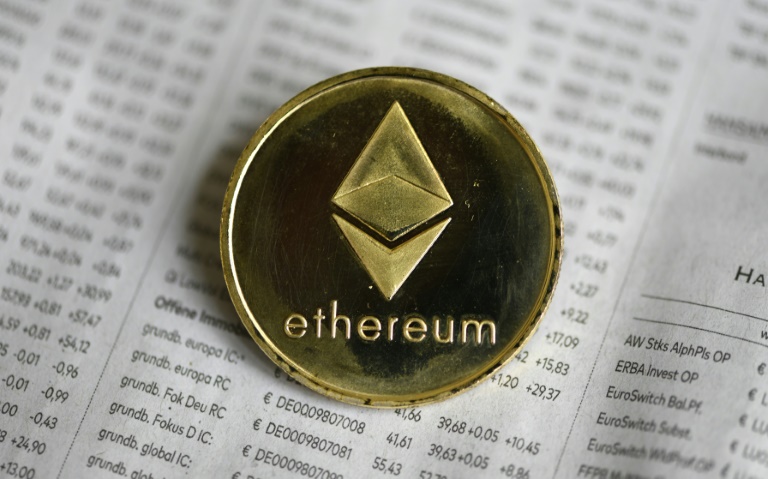

Ethereum blockchain completes 'monumental' overhaul

Leading cryptocurrency figures hailed on Thursday the completion of one of the biggest software upgrades the sector has ever attempted, an overhaul of the Ethereum blockchain aimed at reducing its massive energy consumption.

Developers had spent years working on an energy-efficient version of Ethereum, a digital ledger that underpins tens of billions of dollars worth of cryptocurrencies, digital tokens (NFTs), games and apps.

Ethereum is the second most important blockchain after bitcoin, but it has faced criticism for burning through more power each year than New Zealand.

“And we finalized!” tweeted Ethereum’s co-creator Vitalik Buterin, calling it a “big moment for the Ethereum ecosystem”.

Buterin quoted research claiming that the “merge”, as developers have called the software upgrade, would reduce global electricity consumption by 0.2 percent.

Enthusiasts hope a more energy efficient Ethereum will spur wider adoption of blockchain technology, particularly for banks and financial firms to automate backend processes.

But so far the technology has been used largely to create speculative financial products.

And critics remain sceptical of the energy saving claims, pointing out that it is unclear how much energy the new system will need.

– Trading resumes –

Blockchain company Consensys called it a “monumental technological milestone” but the scale of the work and potential for glitches led several companies and major exchanges to halt trading during the merge process.

The biggest exchange, Binance, said on Thursday it had resumed trading in ether, the native currency of Ethereum, tweeting: “The Ethereum Merge is complete.”

Ether was down slightly in early trading and has lost more than half of its value since the start of the year, suffering a rout along with the rest of the crypto world as investors shied away from risky assets.

But ether has recovered better than most crypto assets and Edouard Hindi of Geneva-based crypto hedge fund Tyr Capital told AFP the currency was now likely to rise against the dollar and bitcoin as cautious investors begin to buy.

Ether accounts for almost 20 percent of a cryptocurrency market valued at around $1 trillion, according to the site CoinGecko.

The upgrade changes the way transactions are logged on the Ethereum blockchain.

From the start of Ethereum in 2015, so-called crypto miners competed for the prize of adding entries to the blockchain.

They used vast computer power to solve complex equations with only the winners getting the reward, a mechanism known as “proof of work”.

The new system scraps the competition element and eliminates the miners and their energy-guzzling computer stacks.

Instead, potential “validators” need to put up 32 ether (worth $55,000) with the winner chosen in a lottery-style system to update the chain and receive the reward, a system known as “proof of stake”.

“It makes Ethereum much easier to understand conceptually and far less controversial,” Charlie Erith of ByteTree Asset Management told AFP.

He said it would make it harder for investors and regulators to take a tough line on the technology.

However, the upgraded blockchain could face a rocky start.

Some crypto mining companies have already promised to keep running the old mechanism on a smaller blockchain, “forked” from the main Ethereum chain.

And even if the “merge” is successful, Ethereum will remain expensive and slow compared with non-blockchain alternatives.

Putin, Xi gather with Asian leaders for talks defying West

Russia’s Vladimir Putin and China’s Xi Jinping gathered with other Asian leaders in the ancient Silk Road city of Samarkand on Thursday for a summit touted as a challenge to Western global influence.

Putin and Xi were being joined by the leaders of India, Iran, Pakistan, Turkey and several other countries for the meeting of the Shanghai Cooperation Organisation (SCO) in the Uzbek city on Thursday and Friday.

The main summit day will be Friday, but a meeting of the Chinese and Russian leaders later Thursday is set to be closely watched, with talks about the conflict in Ukraine expected.

Earlier on Thursday, the two first held separate meetings with leaders of ex-Soviet Central Asian nations. Putin sat down with the presidents of Kyrgyzstan and Turkmenistan while Xi met Uzbek President Shavkat Mirziyoyev.

Putin then saw Iranian President Ebrahim Raisi, announcing that ties were “developing positively” between Moscow and Tehran, and giving his full backing to Iran’s application to become a member of the SCO.

Raisi told Putin that US-backed sanctions on both countries would only make their relationship “stronger”.

“The Americans think whichever country they impose sanctions on, it will be stopped, their perception is a wrong one,” Raisi said.

For Putin, the summit is a chance to show that Russia is not isolated internationally, at a time when Moscow’s forces are facing major battlefield setbacks in Ukraine.

– Rare trip abroad for Xi –

For Xi — on his first trip abroad since the early days of the coronavirus pandemic — it is an opportunity to shore up his credentials as a global statesman ahead of a pivotal congress of the ruling Communist Party in October.

The summit is also a chance for both leaders to thumb their noses at the West, especially the United States, which has led the charge in imposing sanctions on Russia over Ukraine and angered Beijing with recent shows of support for Taiwan.

Entry to Samarkand, a city of grand tiled mosques that was one of the hubs of Silk Road trade routes between China and Europe, has been restricted for days, with its airport shut to commercial flights. 

Security was tight across the city, with a huge police presence on the streets and armoured vehicles parked downtown.

Residents told AFP of their joy at hosting the meeting, pointing to Samarkand’s long history as an international crossroads.

“We are proud that so many leaders of various countries are gathering in our city. Samarkand from ancient times was a legendary city,” said 26-year-old Shakhboz Kombarov.

The SCO — made up of China, India, Pakistan, Russia and the ex-Soviet Central Asian nations of Kazakhstan, Kyrgyzstan, Tajikistan and Uzbekistan — was set up in 2001 as a political, economic and security organisation to rival Western institutions.

Much of the focus, however, will be on bilateral talks.

– ‘No-limits’ friendship –

Besides Xi, Putin was also set Thursday to meet Pakistani Prime Minister Shehbaz Sharif, then on Friday to hold talks with Indian premier Narendra Modi and Turkish leader Recep Tayyip Erdogan.

It was not clear who else Xi might meet, although talks with Modi would be their first since 2019. China-India relations turned frosty over deadly fighting in 2020 on their disputed Himalayan border.

Formerly Cold War allies with a tempestuous relationship, China and Russia have drawn closer in recent years as part of what they call a “no-limits” relationship acting as a counterweight to the global dominance of the United States.

Xi and Putin last met in Beijing in early February for the Winter Olympic Games, days before Putin launched the military offensive in Ukraine.

Beijing has not explicitly endorsed Moscow’s military action but has steadily built economic and strategic ties with Russia during the nearly seven-month conflict. Xi has assured China’s support of Russian “sovereignty and security”.

Russia has in turn backed China over Taiwan, calling US House Speaker Nancy Pelosi’s visit to the island this summer a “clear provocation”.

The two countries have also stepped up military cooperation in recent years, with China sending hundreds of troops to take part in military exercises last month in Russia’s Far East.

The defence ministry in Moscow said Thursday that Russian and Chinese warships were on a joint patrol in the Pacific and planning a live-fire artillery exercise at sea. 

Poorest nations to push on compensation at climate talks

The world’s poorest countries say they will insist that the UN’s upcoming climate talks push ahead with proposals for a fund to compensate vulnerable nations for climate-inflicted damage.

Ministers and experts from the 46-nation Least Developed Countries (LDC) bloc, meeting in Dakar, said their countries were most exposed to climate impact but least to blame for the carbon emissions that cause it.

In a statement issued late Wednesday ahead of the November climate talks, they said that setting up a funding mechanism for loss and damage was of “crucial importance.”

They also reiterated a call for “all parties, particularly major emitters” to make swift and deep cuts in carbon emissions, and for rich economies to honour past pledges on climate aid.

COP27 — the 27th Conference of the Parties to the UN Framework Convention on Climate Change (UNFCCC) — runs in the Egyptian resort of Sharm el-Sheikh from November 6-18.

The annual parlays are dominated by often fierce debate on national pledges on emissions curbs and on funding.

Wealthy countries have previously promised billions of dollars to help poorer nations avert carbon emissions and build resilience against climate change.

The LDC bloc, gathering countries mainly from Africa and Asia, is campaigning in particular for compensation for vulnerable countries which suffer from climate-related damage such as floods and rising seas.

It wants the upcoming talks to establish a mechanism to provide funding.

“Countries are being left to fend for themselves” in the face of climate damage, Senegalese Environment Minister Abdou Karim Sall told reporters.

“It is imperative for a fund to be set up which takes care of loss and damage, especially for least developed countries.”

The pre-COP meeting among LDC representatives in the Senegalese capital was to be followed by talks on Thursday among African environment ministers, attended by US climate envoy John Kerry.

Poorest nations to push on compensation at climate talks

The world’s poorest countries say they will insist that the UN’s upcoming climate talks push ahead with proposals for a fund to compensate vulnerable nations for climate-inflicted damage.

Ministers and experts from the 46-nation Least Developed Countries (LDC) bloc, meeting in Dakar, said their countries were most exposed to climate impact but least to blame for the carbon emissions that cause it.

In a statement issued late Wednesday ahead of the November climate talks, they said that setting up a funding mechanism for loss and damage was of “crucial importance.”

They also reiterated a call for “all parties, particularly major emitters” to make swift and deep cuts in carbon emissions, and for rich economies to honour past pledges on climate aid.

COP27 — the 27th Conference of the Parties to the UN Framework Convention on Climate Change (UNFCCC) — runs in the Egyptian resort of Sharm el-Sheikh from November 6-18.

The annual parlays are dominated by often fierce debate on national pledges on emissions curbs and on funding.

Wealthy countries have previously promised billions of dollars to help poorer nations avert carbon emissions and build resilience against climate change.

The LDC bloc, gathering countries mainly from Africa and Asia, is campaigning in particular for compensation for vulnerable countries which suffer from climate-related damage such as floods and rising seas.

It wants the upcoming talks to establish a mechanism to provide funding.

“Countries are being left to fend for themselves” in the face of climate damage, Senegalese Environment Minister Abdou Karim Sall told reporters.

“It is imperative for a fund to be set up which takes care of loss and damage, especially for least developed countries.”

The pre-COP meeting among LDC representatives in the Senegalese capital was to be followed by talks on Thursday among African environment ministers, attended by US climate envoy John Kerry.

Shell CEO to step down, hand reins to renewables chief

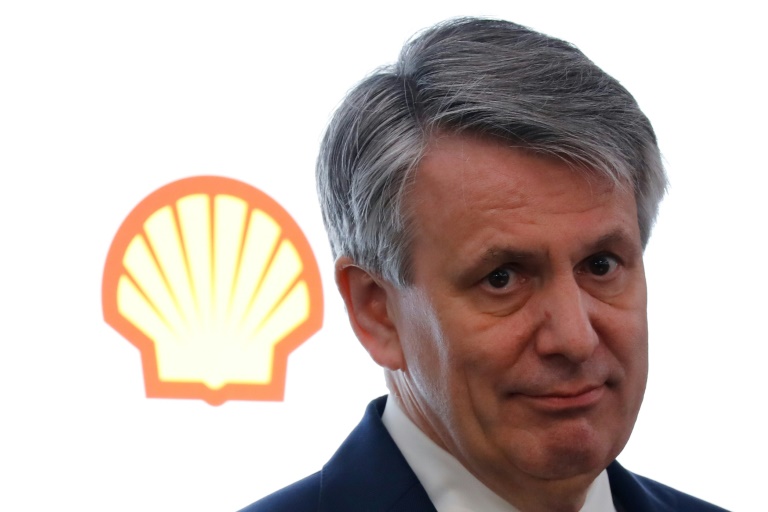
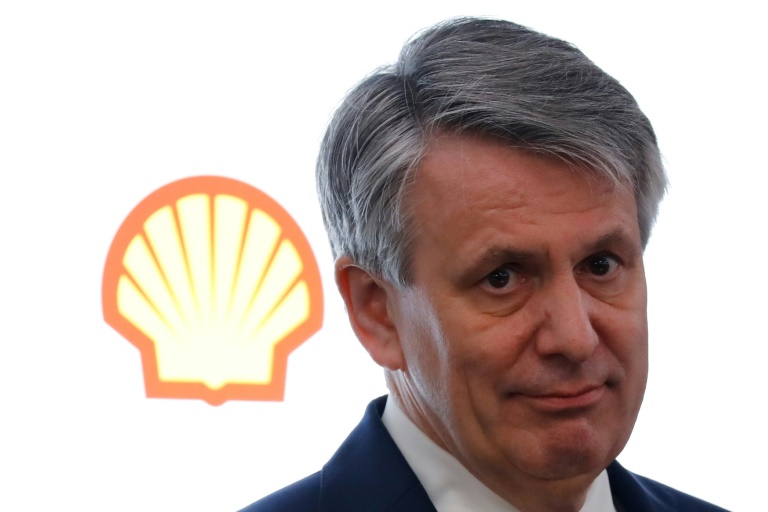
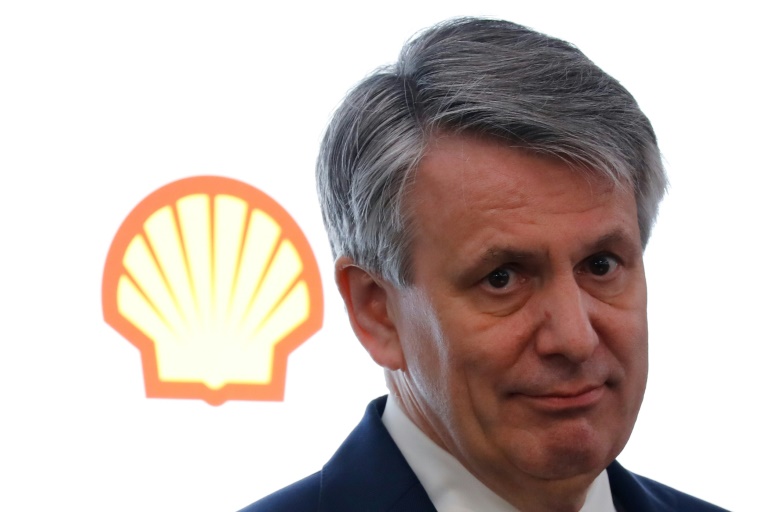
Shell on Thursday announced the exit of chief executive Ben van Beurden as the British oil and gas giant looks to reinvent itself under group renewables boss Wael Sawan.

Dutchman van Beurden, 64, will step down at the end of 2022 after nine years in charge of the energy major and nearly four decades as a Shell employee.

Van Beurden has presided over rollercoaster oil prices fuelled by the Covid pandemic and Russian invasion of Ukraine, as well as overseeing a major corporate overhaul that saw it ditch “Royal Dutch” from its name.

The outgoing CEO “can look back with great pride on an extraordinary 39-year Shell career”, chairman Andrew Mackenzie said in a statement.

He said van Beurden had been “in the vanguard for the transition of Shell to a net zero emissions energy business by 2050”, adding that he “leaves a financially strong and profitable company”.

Oil and gas prices have rocketed this year, leaving Shell “with a robust balance sheet, very strong cash generation capability and a compelling set of options for growth”, Mackenzie added.

Shell has faced strong criticism over its net-zero plans from the environmental lobby, which accuses it of “greenwashing”, or marketing a company as overly climate-friendly.

Energy companies and businesses generally are seeking to slash carbon emissions in line with government targets on tackling climate change.

– Strategy ‘tweaks’ –

Shell hopes Beirut-born Sawan, 48, will boost the transition plans.

“For a group whose renewable strategy has been somewhat vague, though grand sounding, this is a clear marker that Shell intends to change this,” said Hargreaves Lansdown analyst Sophie Lund-Yates.

“Change won’t happen overnight, but it’s reasonable to think that at least tweaks to the existing renewable strategy could be on the cards.”

Mackenzie called Sawan “an exceptional leader, with all the qualities needed to drive Shell safely and profitably through its next phase of transition and growth”.

The incoming boss had a “track record of commercial, operational and transformational success” and a deep understanding of Shell and the broader energy sector, the chairman added.

A dual Lebanese-Canadian national, Sawan has worked at Shell for 25 years in various roles in Europe, Africa, Asia and the Americas.

He is currently director of integrated gas, renewables and energy solutions.

“I’m looking forward to… grasp the opportunities presented by the energy transition,” Sawan said in a statement.

– Oil price boom –

Van Beurden’s tenure included oil prices collapsing into negative territory in 2020, as Covid lockdowns ravaged demand.

Shell dived into a net loss of $21.7 billion in 2020 as factories shut and planes were grounded. 

That resulted in the group shedding thousands of jobs, mirroring the likes of British rival BP.

Oil prices have since rebounded sharply after economies reopened from pandemic lockdowns and following the attack on Ukraine by major crude producer Russia.

Gas prices have also surged owing to the conflict, resulting in Shell’s net profits rocketing more than five-fold to $18 billion in the second quarter of this year.

This even as van Beurden carried out Shell’s costly withdrawal from Russian gas and oil.

Soaring profits for Shell and BP come as Britain’s faces a cost-of-living crisis, igniting calls for the pair to be slapped with a far higher windfall tax than unveiled earlier this year by former finance minister Rishi Sunak.

Last year, Van Beurden ushered in a simplification of Shell’s complex structure, switching headquarters from the Netherlands to the UK and axing Royal Dutch from the front of its name.

Van Beurden, appointed CEO in January 2014, will continue to work as advisor to the board until mid-2023. 

Shell’s share price was largely flat in morning deals on London’s rising stock market.

Shell CEO to step down, hand reins to renewables chief

Shell on Thursday announced the exit of chief executive Ben van Beurden as the British oil and gas giant looks to reinvent itself under group renewables boss Wael Sawan.

Dutchman van Beurden, 64, will step down at the end of 2022 after nine years in charge of the energy major and nearly four decades as a Shell employee.

Van Beurden has presided over rollercoaster oil prices fuelled by the Covid pandemic and Russian invasion of Ukraine, as well as overseeing a major corporate overhaul that saw it ditch “Royal Dutch” from its name.

The outgoing CEO “can look back with great pride on an extraordinary 39-year Shell career”, chairman Andrew Mackenzie said in a statement.

He said van Beurden had been “in the vanguard for the transition of Shell to a net zero emissions energy business by 2050”, adding that he “leaves a financially strong and profitable company”.

Oil and gas prices have rocketed this year, leaving Shell “with a robust balance sheet, very strong cash generation capability and a compelling set of options for growth”, Mackenzie added.

Shell has faced strong criticism over its net-zero plans from the environmental lobby, which accuses it of “greenwashing”, or marketing a company as overly climate-friendly.

Energy companies and businesses generally are seeking to slash carbon emissions in line with government targets on tackling climate change.

– Strategy ‘tweaks’ –

Shell hopes Beirut-born Sawan, 48, will boost the transition plans.

“For a group whose renewable strategy has been somewhat vague, though grand sounding, this is a clear marker that Shell intends to change this,” said Hargreaves Lansdown analyst Sophie Lund-Yates.

“Change won’t happen overnight, but it’s reasonable to think that at least tweaks to the existing renewable strategy could be on the cards.”

Mackenzie called Sawan “an exceptional leader, with all the qualities needed to drive Shell safely and profitably through its next phase of transition and growth”.

The incoming boss had a “track record of commercial, operational and transformational success” and a deep understanding of Shell and the broader energy sector, the chairman added.

A dual Lebanese-Canadian national, Sawan has worked at Shell for 25 years in various roles in Europe, Africa, Asia and the Americas.

He is currently director of integrated gas, renewables and energy solutions.

“I’m looking forward to… grasp the opportunities presented by the energy transition,” Sawan said in a statement.

– Oil price boom –

Van Beurden’s tenure included oil prices collapsing into negative territory in 2020, as Covid lockdowns ravaged demand.

Shell dived into a net loss of $21.7 billion in 2020 as factories shut and planes were grounded. 

That resulted in the group shedding thousands of jobs, mirroring the likes of British rival BP.

Oil prices have since rebounded sharply after economies reopened from pandemic lockdowns and following the attack on Ukraine by major crude producer Russia.

Gas prices have also surged owing to the conflict, resulting in Shell’s net profits rocketing more than five-fold to $18 billion in the second quarter of this year.

This even as van Beurden carried out Shell’s costly withdrawal from Russian gas and oil.

Soaring profits for Shell and BP come as Britain’s faces a cost-of-living crisis, igniting calls for the pair to be slapped with a far higher windfall tax than unveiled earlier this year by former finance minister Rishi Sunak.

Last year, Van Beurden ushered in a simplification of Shell’s complex structure, switching headquarters from the Netherlands to the UK and axing Royal Dutch from the front of its name.

Van Beurden, appointed CEO in January 2014, will continue to work as advisor to the board until mid-2023. 

Shell’s share price was largely flat in morning deals on London’s rising stock market.

Shell CEO to step down, hand reins to renewables chief

Shell on Thursday announced the exit of chief executive Ben van Beurden as the British oil and gas giant looks to reinvent itself under group renewables boss Wael Sawan.

Dutchman van Beurden, 64, will step down at the end of 2022 after nine years in charge of the energy major and nearly four decades as a Shell employee.

Van Beurden has presided over rollercoaster oil prices fuelled by the Covid pandemic and Russian invasion of Ukraine, as well as overseeing a major corporate overhaul that saw it ditch “Royal Dutch” from its name.

The outgoing CEO “can look back with great pride on an extraordinary 39-year Shell career”, chairman Andrew Mackenzie said in a statement.

He said van Beurden had been “in the vanguard for the transition of Shell to a net zero emissions energy business by 2050”, adding that he “leaves a financially strong and profitable company”.

Oil and gas prices have rocketed this year, leaving Shell “with a robust balance sheet, very strong cash generation capability and a compelling set of options for growth”, Mackenzie added.

Shell has faced strong criticism over its net-zero plans from the environmental lobby, which accuses it of “greenwashing”, or marketing a company as overly climate-friendly.

Energy companies and businesses generally are seeking to slash carbon emissions in line with government targets on tackling climate change.

– Strategy ‘tweaks’ –

Shell hopes Beirut-born Sawan, 48, will boost the transition plans.

“For a group whose renewable strategy has been somewhat vague, though grand sounding, this is a clear marker that Shell intends to change this,” said Hargreaves Lansdown analyst Sophie Lund-Yates.

“Change won’t happen overnight, but it’s reasonable to think that at least tweaks to the existing renewable strategy could be on the cards.”

Mackenzie called Sawan “an exceptional leader, with all the qualities needed to drive Shell safely and profitably through its next phase of transition and growth”.

The incoming boss had a “track record of commercial, operational and transformational success” and a deep understanding of Shell and the broader energy sector, the chairman added.

A dual Lebanese-Canadian national, Sawan has worked at Shell for 25 years in various roles in Europe, Africa, Asia and the Americas.

He is currently director of integrated gas, renewables and energy solutions.

“I’m looking forward to… grasp the opportunities presented by the energy transition,” Sawan said in a statement.

– Oil price boom –

Van Beurden’s tenure included oil prices collapsing into negative territory in 2020, as Covid lockdowns ravaged demand.

Shell dived into a net loss of $21.7 billion in 2020 as factories shut and planes were grounded. 

That resulted in the group shedding thousands of jobs, mirroring the likes of British rival BP.

Oil prices have since rebounded sharply after economies reopened from pandemic lockdowns and following the attack on Ukraine by major crude producer Russia.

Gas prices have also surged owing to the conflict, resulting in Shell’s net profits rocketing more than five-fold to $18 billion in the second quarter of this year.

This even as van Beurden carried out Shell’s costly withdrawal from Russian gas and oil.

Soaring profits for Shell and BP come as Britain’s faces a cost-of-living crisis, igniting calls for the pair to be slapped with a far higher windfall tax than unveiled earlier this year by former finance minister Rishi Sunak.

Last year, Van Beurden ushered in a simplification of Shell’s complex structure, switching headquarters from the Netherlands to the UK and axing Royal Dutch from the front of its name.

Van Beurden, appointed CEO in January 2014, will continue to work as advisor to the board until mid-2023. 

Shell’s share price was largely flat in morning deals on London’s rising stock market.

Ethereum blockchain completes 'monumental' overhaul

Senior figures in the crypto world said on Thursday that one of the biggest software upgrades the sector has ever seen was completed, an overhaul of the Ethereum blockchain aimed at reducing its massive energy consumption.

Developers had spent years working on a more energy-efficient version of Ethereum, a digital ledger that underpins a multibillion dollar ecosystem of cryptocurrencies, digital tokens (NFTs), games and apps.

“And we finalized!” tweeted Ethereum’s co-creator Vitalik Buterin, calling it a “big moment for the Ethereum ecosystem”.

Ethereum is the second most important blockchain after bitcoin, but it has faced criticism for burning through more power each year than New Zealand.

Buterin quoted research claiming that the “merge”, as developers have called the software upgrade, would reduce global energy consumption by 0.2 percent.

Enthusiasts hope a more energy efficient Ethereum will spur wider adoption, particularly as a way of enabling banks to automate transactions and other processes.

But so far the technology has been used largely to create speculative financial products.

And critics remain sceptical of the claims of massive energy savings, pointing out that it is unclear much energy the new system will need.

– Trading resumes –

The switchover changes the way transactions are logged on the Ethereum blockchain.

From the start of Ethereum in 2015, so-called crypto miners have competed against each other to solve equations — a system known as “proof of work”.

The process required vast computing power and only the winner would be chosen to update the blockchain and get rewards. 

The new system scraps the competition element, the miners and their energy-guzzling computer stacks.

Instead, “validators” will now be chosen in a lottery-style system.

Rather than solving an equation, they put up 32 ether (worth $55,000) — Ethereum’s cryptocurrency — and wait to be chosen in a system known as “proof of stake”.

Blockchain company Consensys called it a “monumental technological milestone” and the biggest update to Ethereum since it was launched.

The world’s biggest crypto exchange, Binance, had stopped trading ether during the merge process.

“The Ethereum Merge is complete,” the firm tweeted on Thursday morning, saying it was resuming trading in ether. 

The upgrade is likely to face a rocky beginning as crypto mining companies have already promised to keep running the old mechanism on a smaller blockchain “forked” from the main Ethereum chain.

And even if the “merge” is successful, Ethereum will still face major hurdles before it can be more widely adopted.

For example, it is expensive to use and the update will not reduce fees.

And the wider crypto sector is still beset by wildly fluctuating prices, security flaws and scams.

Ethereum blockchain completes 'monumental' overhaul

Senior figures in the crypto world said on Thursday that one of the biggest software upgrades the sector has ever seen was completed, an overhaul of the Ethereum blockchain aimed at reducing its massive energy consumption.

Developers had spent years working on a more energy-efficient version of Ethereum, a digital ledger that underpins a multibillion dollar ecosystem of cryptocurrencies, digital tokens (NFTs), games and apps.

“And we finalized!” tweeted Ethereum’s co-creator Vitalik Buterin, calling it a “big moment for the Ethereum ecosystem”.

Ethereum is the second most important blockchain after bitcoin, but it has faced criticism for burning through more power each year than New Zealand.

Buterin quoted research claiming that the “merge”, as developers have called the software upgrade, would reduce global energy consumption by 0.2 percent.

Enthusiasts hope a more energy efficient Ethereum will spur wider adoption, particularly as a way of enabling banks to automate transactions and other processes.

But so far the technology has been used largely to create speculative financial products.

And critics remain sceptical of the claims of massive energy savings, pointing out that it is unclear much energy the new system will need.

– Trading resumes –

The switchover changes the way transactions are logged on the Ethereum blockchain.

From the start of Ethereum in 2015, so-called crypto miners have competed against each other to solve equations — a system known as “proof of work”.

The process required vast computing power and only the winner would be chosen to update the blockchain and get rewards. 

The new system scraps the competition element, the miners and their energy-guzzling computer stacks.

Instead, “validators” will now be chosen in a lottery-style system.

Rather than solving an equation, they put up 32 ether (worth $55,000) — Ethereum’s cryptocurrency — and wait to be chosen in a system known as “proof of stake”.

Blockchain company Consensys called it a “monumental technological milestone” and the biggest update to Ethereum since it was launched.

The world’s biggest crypto exchange, Binance, had stopped trading ether during the merge process.

“The Ethereum Merge is complete,” the firm tweeted on Thursday morning, saying it was resuming trading in ether. 

The upgrade is likely to face a rocky beginning as crypto mining companies have already promised to keep running the old mechanism on a smaller blockchain “forked” from the main Ethereum chain.

And even if the “merge” is successful, Ethereum will still face major hurdles before it can be more widely adopted.

For example, it is expensive to use and the update will not reduce fees.

And the wider crypto sector is still beset by wildly fluctuating prices, security flaws and scams.

Close Bitnami banner
Bitnami