AFP

EU court decides record antitrust fine against Google

The European Union’s second-highest court will rule Wednesday whether Brussels went too far in handing Google a 4.3-billion-euro fine over its Android operating system for mobile phones.

The decision by the Luxembourg-based General Court could undo or demand modifications to the landmark decision, taken by the European Commission in 2018, which remains the EU’s biggest-ever antitrust fine. 

Google urged a panel of EU judges last year to throw out the decision it argued was unfounded and falsely relied on accusations it imposed its search engine and Chrome browser on Android phones.

The company also said that the EU was unfairly blind to the strength of Apple, which imposes or gives clear preference to its own services such as Safari on iPhones.

Google insisted that downloading rival apps was only a click away and that customers were in no way tied to Google products on Android.

The EU and complainants responded that Google used contracts with phone makers in the early days of Android to stifle rivals.

This was done “at a critical time in the development of mobile computing, when the market was still contestable”, said Thomas Vinje, a lawyer representing FairSearch, whose original complaint launched the case in 2013.

The decision by the General Court is unlikely to be the end of the story. Both sides can turn to the EU’s highest court, the European Court of Justice, for a final say on the 4.3-billion-euro fine, which was the equivalent of $5 billion when levied.

– Global action –

The Android case was the third of three major cases brought against Google by the EU’s competition czar Margrethe Vestager, whose legal challenges were the first worldwide to directly take on the Silicon Valley giants.

Since then, global regulators have followed suit, with Google facing a barrage of cases in the US and Asia based on similar accusations.

Vestager has already won against Google in its appeal of a separate case, the company’s 2.4-billion-euro fine for abusing its search engine dominance. As expected, the tech giant appealed that setback to the high court.

The EU, however, has lost recent cases involving the microchip industry. 

Vestager’s team lost an appeal against a $1 billion fine imposed on Qualcomm in the same court in June. 

That followed another setback in January when the EU lost the court’s backing for a 1.06-billion-euro fine on Intel.

Frustrated at the length of time it takes to pursue competition cases, Brussels has since then adopted the Digital Markets Act (DMA), which puts a much tighter leash on the way Big Tech can do business. 

The new law, set to come into force next year, would set up a rulebook of do’s and don’ts for Big Tech companies such as Google and Facebook. 

The DMA includes specific bans or limits on Google, Apple and other gatekeepers from promoting their own services on platforms.

Energy crisis to dominate EU chief's annual speech

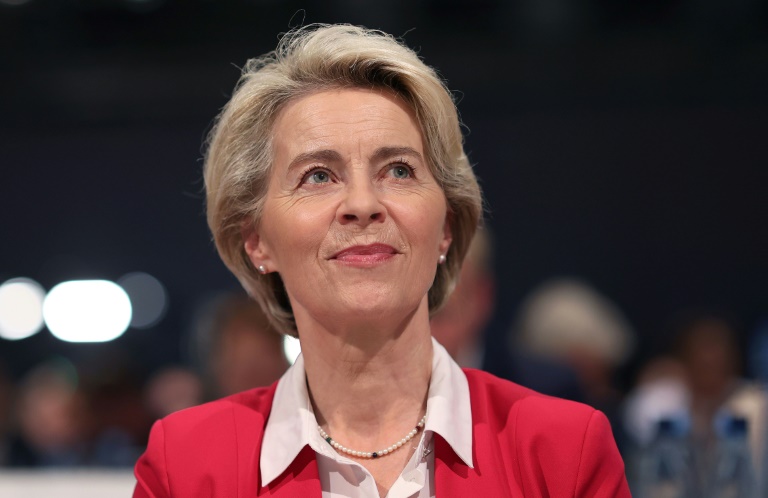
Europe’s fears of a long winter with scarce energy supplies because of Russia’s war in Ukraine are expected to top an annual speech by EU chief Ursula von der Leyen on Wednesday.

The “State of the European Union” address to the European Parliament is to focus on ways her European Commission can mitigate the looming crisis, which is being worsened by soaring inflation.

Among those listening to the speech will be Ukrainian First Lady Olena Zelenska, wife of President Volodymyr Zelensky, invited as von der Leyen’s guest of honour.

“The courage of the Ukrainian people has touched and inspired the world. Europe will stand with you every step of the way,” von der Leyen tweeted alongside photos of her and Zelenska in Strasbourg.

Energy measures mooted ahead of von der Leyen’s speech were a price cap on imported Russian gas, emergency compensation for consumers, a levy on non-gas electricity producers and an appeal for European households and businesses to cut back on power use.

Some of the responses — especially the idea of capping gas prices — have become bogged down by differences between EU member states, which will likely result in a less ambitious package than von der Leyen had sought.

EU countries are also wary of giving the commission too much power over their national energy policies, even though those have already been swept up in a bloc-wide push towards renewables as part of a carbon-neutral future.

European politicians accuse Moscow of trying to extort the EU over energy, as Russia tries to hit back at Western sanctions that pose long-term risks to its economy.

In the nearer term, however, Europe is feeling the pinch as it goes about unhitching itself from a long dependency on Russian fossil fuels.

Russian gas imports now account for around nine percent of total gas imports, down from around 40 percent before the Ukraine invasion and ensuing sanctions.

Russian President Vladimir Putin said a week ago it was “impossible” to isolate Moscow and vowed to cut gas and oil deliveries to countries imposing a price cap.

Russian giant Gazprom has shut the Nord Stream gas pipeline that supplies Germany, Europe’s export powerhouse.

Germany is “heading into a winter of recession”, the Ifo institute, a think tank, said this week.

EU energy commissioner Kadri Simson told MEPs on Tuesday: “There is no magic wand to bring prices back to the pre-war levels. But with a targeted emergency package we can ease the pressure on prices and help citizens looking forward.”

– Russian ‘blackmail’ –

Finnish Prime Minister Sanna Marin — whose country is joining NATO because of Russia’s invasion of Ukraine — said that Putin was trying to “blackmail” Europe.

She urged EU partners to stand up to Moscow and to stick together, including by imposing more sanctions.

She added: “The winter will be difficult. We see high energy prices already creating political division. Inflation will test many European societies, but we really have no choice but to stay united.”

The EU’s top diplomat, Josep Borrell, told MEPs that European consumers were “going to have to adjust heating habits” in the months ahead.

“If that is the price we have to pay in order to attain and achieve our energy independence then we’re doing so, we’re on the path to it,” he said.

To offset reduced gas supplies in winter, the EU has been stockpiling gas and has already filled its tanks to 82 percent capacity, exceeding a target originally set for October.

But in a sign of lingering unease, the Czech Republic, which holds the EU’s rotating presidency, on Tuesday announced it was convening an extraordinary meeting of the bloc’s energy ministers for September 30.

That meeting could also sign off on the proposals made by von der Leyen in her speech on Wednesday, some of which were to be negotiated further over the rest of this month.

Twitter ex-security chief in Congress as shareholders back Musk buyout

Twitter whistleblower Peiter Zatko told the US Congress Tuesday that the platform ignored his security concerns, in testimony that came as company shareholders greenlit Elon Musk’s $44 billion takeover deal.

Nearly 99 percent of the votes cast by stock owners endorsed the agreement with Musk to sell him the tech firm for $54.20 per share, Twitter said in a release.

Twitter added that it was ready to consummate the merger agreement immediately, and no later than September 15 as per a timeline mandated by the agreement.

The shareholder decision clears the way for the contract to close, even as billionaire Musk tries to exit it. Twitter has sued him to force it through.

“I’m here today because Twitter leadership is misleading the public, lawmakers, regulators and even its own board of directors,” Zatko, a hacker widely known as “Mudge”, told the hearing.

He said that, during his time as head of security for the platform from late 2020 until his dismissal in January this year, he tried alerting management to grave vulnerabilities to hacking or data theft — but to no avail.

“They don’t know what data they have, where it lives, or where it came from. And so, unsurprisingly, they can’t protect it,” Zatko said during his opening remarks to the Judiciary Committee.

He contended that employees across the company had too much access to user data.

Zatko testified that he brought evidence of problems to the executive team and “repeatedly sounded the alarm”.

“To put it bluntly, Twitter leadership ignored its engineers because key parts of leadership lacked competency to understand the scope of the problem,” he said.

“But more importantly, their executive incentives led them to prioritize profits over security.”

Zatko’s attorneys called the hearing a “watershed moment” that he hopes will enlighten the public and contribute to sorely needed legislation aimed at tech platforms.

Twitter has dismissed the 51-year-old’s complaint as being without merit.

But revelations of his whistleblower report in the US press in August were perfectly timed for Tesla chief Musk, who has used it as part of his justification for abandoning his unsolicited $44 buyout bid.

– ‘Elephant in the room’ –

In his report, Zatko directly refers to questions asked by Musk about bot accounts on Twitter, saying the company’s tools and teams for finding such accounts are insufficient.

Musk has listed bot accounts as among the reasons to justify his walking away from the deal. Twitter is suing to force him to complete the buyout, with a trial set to go ahead on October 17.

Zatko’s testimony “puts more pressure on Twitter camp ahead of Musk/Twitter trial,” Wedbush analyst Dan Ives told AFP.

“The Twitter shareholders approving this deal was a no brainer but now the major challenge begins with the Musk trial,” he said.

“The elephant in the room is the Zatko situation which could be an albatross for the Twitter camp and throw this deal off track.”

If Twitter prevails at trial, the judge could order the Tesla chief to pay billions of dollars to the company, or even complete the purchase.

Twitter CEO Parag Agrawal declined to testify at Tuesday’s hearing, citing the Musk litigation, Senator Chuck Grassley said.

Zatko insisted he had not made his revelations “out of spite or to harm Twitter.”

“Far from that, I continue to believe in the mission of the company,” he told Tuesday’s hearing.

Musk, himself an avid Twitter user, did not comment immediately on the hearing — but tweeted a popcorn emoji as Zatko spoke, suggesting he was watching the proceedings closely.

“Zatko’s testimony didn’t provide much new information,” said Insider Intelligence analyst Jasmine Enberg.

“There was also almost no mentions of bots, but that doesn’t mean that Musk won’t use Zatko’s allegation that Twitter was disinterested in removing bots to try to bolster his argument for walking away from the deal.”

Twitter ex-security chief in Congress as shareholders back Musk buyout

Twitter whistleblower Peiter Zatko told the US Congress Tuesday that the platform ignored his security concerns, in testimony that came as company shareholders greenlit Elon Musk’s $44 billion takeover deal.

Nearly 99 percent of the votes cast by stock owners endorsed the agreement with Musk to sell him the tech firm for $54.20 per share, Twitter said in a release.

Twitter added that it was ready to consummate the merger agreement immediately, and no later than September 15 as per a timeline mandated by the agreement.

The shareholder decision clears the way for the contract to close, even as billionaire Musk tries to exit it. Twitter has sued him to force it through.

“I’m here today because Twitter leadership is misleading the public, lawmakers, regulators and even its own board of directors,” Zatko, a hacker widely known as “Mudge”, told the hearing.

He said that, during his time as head of security for the platform from late 2020 until his dismissal in January this year, he tried alerting management to grave vulnerabilities to hacking or data theft — but to no avail.

“They don’t know what data they have, where it lives, or where it came from. And so, unsurprisingly, they can’t protect it,” Zatko said during his opening remarks to the Judiciary Committee.

He contended that employees across the company had too much access to user data.

Zatko testified that he brought evidence of problems to the executive team and “repeatedly sounded the alarm”.

“To put it bluntly, Twitter leadership ignored its engineers because key parts of leadership lacked competency to understand the scope of the problem,” he said.

“But more importantly, their executive incentives led them to prioritize profits over security.”

Zatko’s attorneys called the hearing a “watershed moment” that he hopes will enlighten the public and contribute to sorely needed legislation aimed at tech platforms.

Twitter has dismissed the 51-year-old’s complaint as being without merit.

But revelations of his whistleblower report in the US press in August were perfectly timed for Tesla chief Musk, who has used it as part of his justification for abandoning his unsolicited $44 buyout bid.

– ‘Elephant in the room’ –

In his report, Zatko directly refers to questions asked by Musk about bot accounts on Twitter, saying the company’s tools and teams for finding such accounts are insufficient.

Musk has listed bot accounts as among the reasons to justify his walking away from the deal. Twitter is suing to force him to complete the buyout, with a trial set to go ahead on October 17.

Zatko’s testimony “puts more pressure on Twitter camp ahead of Musk/Twitter trial,” Wedbush analyst Dan Ives told AFP.

“The Twitter shareholders approving this deal was a no brainer but now the major challenge begins with the Musk trial,” he said.

“The elephant in the room is the Zatko situation which could be an albatross for the Twitter camp and throw this deal off track.”

If Twitter prevails at trial, the judge could order the Tesla chief to pay billions of dollars to the company, or even complete the purchase.

Twitter CEO Parag Agrawal declined to testify at Tuesday’s hearing, citing the Musk litigation, Senator Chuck Grassley said.

Zatko insisted he had not made his revelations “out of spite or to harm Twitter.”

“Far from that, I continue to believe in the mission of the company,” he told Tuesday’s hearing.

Musk, himself an avid Twitter user, did not comment immediately on the hearing — but tweeted a popcorn emoji as Zatko spoke, suggesting he was watching the proceedings closely.

“Zatko’s testimony didn’t provide much new information,” said Insider Intelligence analyst Jasmine Enberg.

“There was also almost no mentions of bots, but that doesn’t mean that Musk won’t use Zatko’s allegation that Twitter was disinterested in removing bots to try to bolster his argument for walking away from the deal.”

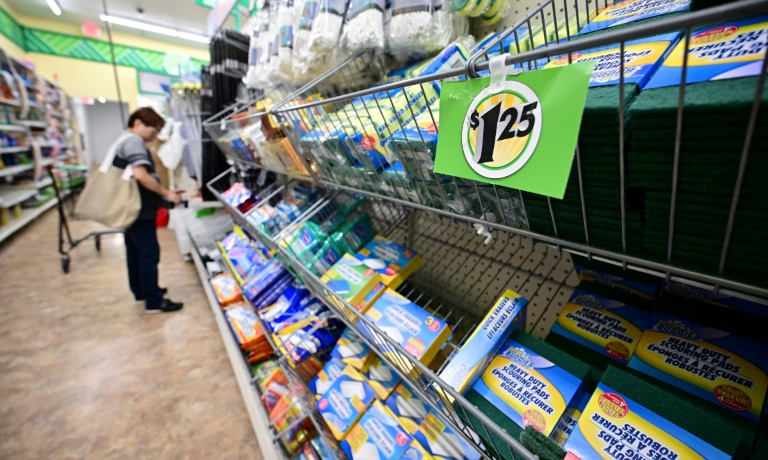
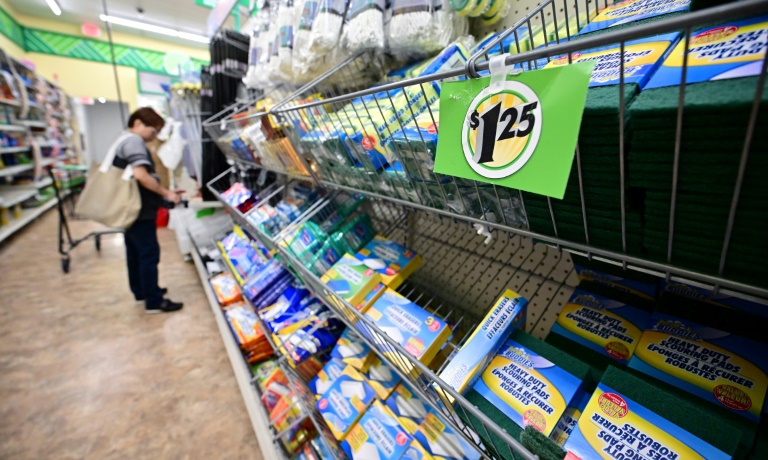
US annual inflation eased in August – but likely not enough

US annual inflation slowed slightly in August, largely thanks to falling gasoline prices — but likely not enough to satisfy the Federal Reserve and President Joe Biden, as high prices continue inflicting pain on Americans. 

The consumer price index (CPI), a key measure of inflation, actually rose 0.1 percent in August compared to July, when prices were flat, the Labor Department said Tuesday, a disappointing result amid widespread expectations that inflation would fall in the month.

The annual inflation pace improved to 8.3 percent, higher than expected but slightly below the prior months and confirming a slowdown from the blistering 9.1 percent rate in June — the highest in 40 years.

Prices have been soaring for months, exacerbated by the Russian invasion of Ukraine, which has impacted energy and food costs, as well as ongoing supply chain snarls amid Covid lockdowns in China.

Inflation has become a hot political issue just weeks away from key midterm congressional elections, and Biden has made fighting high prices his top domestic priority.

But he acknowledged Tuesday that it will take longer to slow inflation pressures.

“Today’s data show more progress in bringing global inflation down in the US economy. Overall, prices have been essentially flat in our country these last two months,” Biden said in a statement.

However, “it will take more time and resolve to bring inflation down.”

While Americans will welcome relief at the pump — there has been a steady drop in gasoline prices, which fell 10.6 percent last month — costs for food and housing continue to rise, straining family budgets.

The food index increased 11.4 percent over the last year, the largest 12-month increase since the period ending May 1979, the report said.

Medical care also has been a key contributor, and auto prices have accelerated, rising 0.8 percent in the month, according to the report.

More worryingly, the report showed that — excluding volatile food and energy prices — “core” CPI rose 6.3 percent over the past 12 months, faster than the 5.9 percent pace seen in July and June. 

Core CPI jumped 0.6 percent in August, double the pace in July, the data showed.

– ‘Ugly’ data –

Jason Furman, a former White House economist said the data was “not pretty.”

The “ugly” core data show “Broad-based relief not coming,” he said on Twitter.

The Federal Reserve views inflation as the biggest risk to the world’s largest economy, and has moved aggressively to cool demand, increasing the benchmark lending rate four times this year — with a third consecutive three-quarter point hike widely expected next week.

The Fed actions increase the cost of borrowing for homebuyers and businesses, which tends to cool investment and spending.

Fed Chair Jerome Powell has said the central bank will do whatever it takes to ensure high prices do not become entrenched, even at the risk of tipping the economy into a recession.

“The clock is ticking,” Powell warned Friday, pledging to “keep at it until the job is done.”

Treasury Secretary Janet Yellen on Sunday acknowledged that there is “certainly a risk” of an economic downturn amid the rising lending costs, but she noted the US job market is “exceptionally strong” with nearly two vacancies for every worker looking for a job.

She cautioned that “we can’t have a strong labor market without inflation under control.”

The strong job market — the unemployment rate was 3.7 percent in August — provides some comfort to the Fed, giving policymakers room to maneuver, and potentially quell inflation without a steep increase in joblessness.

But the worker shortage remains a concern since it could fuel a dangerous wage-spiral.

Rubeela Farooqi of High Frequency Economics said the latest data confirm “inflation readings remain unacceptably high for policymakers.” 

“Coupled with a labor market that is still strong, the data seal the deal for another aggressive, 75-basis point, rate hike next week,” she said in an analysis.

US annual inflation eased in August – but likely not enough

US annual inflation slowed slightly in August, largely thanks to falling gasoline prices — but likely not enough to satisfy the Federal Reserve and President Joe Biden, as high prices continue inflicting pain on Americans. 

The consumer price index (CPI), a key measure of inflation, actually rose 0.1 percent in August compared to July, when prices were flat, the Labor Department said Tuesday, a disappointing result amid widespread expectations that inflation would fall in the month.

The annual inflation pace improved to 8.3 percent, higher than expected but slightly below the prior months and confirming a slowdown from the blistering 9.1 percent rate in June — the highest in 40 years.

Prices have been soaring for months, exacerbated by the Russian invasion of Ukraine, which has impacted energy and food costs, as well as ongoing supply chain snarls amid Covid lockdowns in China.

Inflation has become a hot political issue just weeks away from key midterm congressional elections, and Biden has made fighting high prices his top domestic priority.

But he acknowledged Tuesday that it will take longer to slow inflation pressures.

“Today’s data show more progress in bringing global inflation down in the US economy. Overall, prices have been essentially flat in our country these last two months,” Biden said in a statement.

However, “it will take more time and resolve to bring inflation down.”

While Americans will welcome relief at the pump — there has been a steady drop in gasoline prices, which fell 10.6 percent last month — costs for food and housing continue to rise, straining family budgets.

The food index increased 11.4 percent over the last year, the largest 12-month increase since the period ending May 1979, the report said.

Medical care also has been a key contributor, and auto prices have accelerated, rising 0.8 percent in the month, according to the report.

More worryingly, the report showed that — excluding volatile food and energy prices — “core” CPI rose 6.3 percent over the past 12 months, faster than the 5.9 percent pace seen in July and June. 

Core CPI jumped 0.6 percent in August, double the pace in July, the data showed.

– ‘Ugly’ data –

Jason Furman, a former White House economist said the data was “not pretty.”

The “ugly” core data show “Broad-based relief not coming,” he said on Twitter.

The Federal Reserve views inflation as the biggest risk to the world’s largest economy, and has moved aggressively to cool demand, increasing the benchmark lending rate four times this year — with a third consecutive three-quarter point hike widely expected next week.

The Fed actions increase the cost of borrowing for homebuyers and businesses, which tends to cool investment and spending.

Fed Chair Jerome Powell has said the central bank will do whatever it takes to ensure high prices do not become entrenched, even at the risk of tipping the economy into a recession.

“The clock is ticking,” Powell warned Friday, pledging to “keep at it until the job is done.”

Treasury Secretary Janet Yellen on Sunday acknowledged that there is “certainly a risk” of an economic downturn amid the rising lending costs, but she noted the US job market is “exceptionally strong” with nearly two vacancies for every worker looking for a job.

She cautioned that “we can’t have a strong labor market without inflation under control.”

The strong job market — the unemployment rate was 3.7 percent in August — provides some comfort to the Fed, giving policymakers room to maneuver, and potentially quell inflation without a steep increase in joblessness.

But the worker shortage remains a concern since it could fuel a dangerous wage-spiral.

Rubeela Farooqi of High Frequency Economics said the latest data confirm “inflation readings remain unacceptably high for policymakers.” 

“Coupled with a labor market that is still strong, the data seal the deal for another aggressive, 75-basis point, rate hike next week,” she said in an analysis.

Ken Starr, who investigated Clinton, dead at 76

Ken Starr, who headed the investigation that led to the impeachment of president Bill Clinton for lying about his affair with White House intern Monica Lewinsky, died on Tuesday. He was 76.

Starr died in Houston, Texas, of complications from surgery, his family said in a statement.

A former judge and conservative legal stalwart, Starr was best known for leading the probe that resulted in Clinton’s December 1998 impeachment by the then Republican-controlled House of Representatives.

The Democratic president was acquitted by the Senate the following year.

Starr’s involvement with Clinton began when he was appointed special counsel in 1994 to investigate a land deal known as Whitewater involving Bill and Hillary Clinton.

That expanded into a probe of the president’s affair with the 24-year-old Lewinsky, which Clinton initially denied. 

The so-called Starr Report documented the president’s sexual relationship with the White House intern in graphic detail and resulted in Clinton being accused of perjury and obstruction of justice.

Starr, who was once touted as a potential Supreme Court justice, later wrote a book about the probe —  “Contempt: A Memoir of the Clinton Investigation.”

Time magazine chose Clinton and Starr as its “Men of the Year” in 1998.

Named a judge at the age of 37 by president Ronald Reagan, Starr went on to serve as solicitor general from 1989 to 1993 under president George H.W. Bush, arguing 25 cases before the Supreme Court.

Starr served as president of Baylor University from 2010 to 2016, when he left over the handling of sexual assault complaints against American football players at the Baptist school.

– ‘Impeachment is hell’ –

In January 2020, Starr joined the legal team that defended Republican president Donald Trump in his first impeachment trial before the Senate.

Starr lamented that the Senate was being called on “all too frequently” to try impeachments.

“Indeed we’re living in what I think can be aptly described as the age of impeachment,” he said.

“Like war, impeachment is hell,” Starr added. “At least presidential impeachment is hell.”

Like Clinton, Trump was impeached by the House but acquitted by the Senate.

Republican Senate minority leader Mitch McConnell praised Starr as a “brilliant litigator, an impressive leader, and a devoted patriot.”

“Ken poured his remarkable energy and talent into promoting justice, defending the Constitution, and upholding the rule of law,” McConnell said in a statement.

Lewinsky, in a February 2018 article in Vanity Fair, lashed out at the special counsel’s investigation which put her at the center of a political firestorm.

She said she had a chance meeting with Starr in December 2017 at a New York restaurant.

“I felt determined, then and there, to remind him that, 20 years before, he and his team of prosecutors hadn’t hounded and terrorized just me but also my family,” she said.

Looking for an apology, Lewinsky said she told Starr that while she wished she had made “different choices” she would have liked his office to have done the same.

Starr gave an “inscrutable smile,” Lewinsky said, and replied “I know. It was unfortunate.”

On Tuesday, Lewinsky tweeted that her “thoughts about Ken Starr bring up complicated feelings.”

“But of more importance, is that I imagine it’s a painful loss for those who love him,” she added.

Stocks slump, dollar jumps as US inflation runs hot

Stock markets hit reverse while the dollar shot higher Tuesday after data showing US inflation remains high and widespread.

Wall Street shares plunged, with the Dow losing nearly 1,300 points and the S&P 500 falling 4.3 percent, after the hotter-than-expected report, closely watched by the Federal Reserve as it prepares for its next interest rate decision next week.

Stocks had rebounded in recent days as investors clung to the hope that slowing price increases would allow the Federal Reserve to eventually pull back on its tough anti-inflation fight, but the data extinguished those hopes for now.

While the annual increase in the consumer price index (CPI) slowed slightly in August to 8.3 percent, monthly inflation actually rose 0.1 percent compared to July, the Labor Department said, a disappointing result amid widespread expectations that CPI would fall in the month.

More concerning, the report showed that excluding volatile food and energy prices, “core” CPI accelerated sharply in August, and rose 6.3 percent over the past 12 months, after the 5.9 percent pace seen in July and June.

Despite the welcome relief from falling gasoline prices, food, housing and medical care costs continue to rise.

The dollar, which had fallen against its major rivals in anticipation of slowing inflation, shot higher.

“Today was a crazy day,” said Greg Bassuk of AXS Investments, who added that the equities decline was “more than just a one-off overreaction.”

“I think part of the strong reaction today is based on the greater concern that investors in the market have about … the extent to which high prices have infiltrated in areas that were less anticipated,” he told AFP.

Gains in Europe swiftly turned to losses following the US inflation data.

Fed Chair Jerome Powell has made it clear the increases in the benchmark lending rate would continue until inflation is tamed.

Economists say the data confirm the Fed will announce a third consecutive three-quarter point increase next week, ending the slight possibility central bankers would opt for a more modest 0.5 point hike.

Market analyst Michael Hewson said the core inflation figures mean more aggressive rate hikes will be needed to tame rising prices.

“While the narrative of peak inflation may well be still valid, getting it down from these levels is likely to be a much tougher battle,” he said.

Inflation has soared around the globe this year owing to sky-high energy and food bills.

This has been caused to a large extent by supply constraints after economies reopened from pandemic lockdowns and in the wake of Russia’s invasion of Ukraine.

The dollar has soared as the Federal Reserve moved earlier and more aggressively than other central banks to raise interest rates and contain inflation.

– Key figures at around 2100 GMT –

New York – Dow: DOWN 3.9  percent to 31,104.97  (close)

New York – S&P 500: DOWN 4.3 percent at 3,932.69 (close)

New York – Nasdaq: DOWN 5.2 percent at 11,633.57 (close)

EURO STOXX 50: DOWN 1.7 percent at 3,586.18

London – FTSE 100: DOWN 1.2 percent at 7,385.86 (close)

Frankfurt – DAX: DOWN 1.6 percent at 13,188.95 (close)

Paris – CAC 40: DOWN 1.4 percent at 6,245.69 (close)

Tokyo – Nikkei 225: UP 0.3 percent at 28,614.63 (close)

Hong Kong – Hang Seng Index: DOWN 0.2 percent at 19,326.86 (close)

Shanghai – Composite: UP 0.1 percent at 3,263.80 (close)

Euro/dollar: DOWN at $0.9974 from $1.0120

Pound/dollar: DOWN at $1.1500 from $1.1680 

Euro/pound: UP at 86.74 pence from 86.64 pence 

Dollar/yen: UP at 144.43 yen from 142.82 yen  

Brent North Sea crude: DOWN 0.9 percent at $93,17 a barrel

West Texas Intermediate: DOWN 0.5 percent at $87.31 per barrel

burs-rl/imm/hs/st

Stocks slump, dollar jumps as US inflation runs hot

Stock markets hit reverse while the dollar shot higher Tuesday after data showing US inflation remains high and widespread.

Wall Street shares plunged, with the Dow losing nearly 1,300 points and the S&P 500 falling 4.3 percent, after the hotter-than-expected report, closely watched by the Federal Reserve as it prepares for its next interest rate decision next week.

Stocks had rebounded in recent days as investors clung to the hope that slowing price increases would allow the Federal Reserve to eventually pull back on its tough anti-inflation fight, but the data extinguished those hopes for now.

While the annual increase in the consumer price index (CPI) slowed slightly in August to 8.3 percent, monthly inflation actually rose 0.1 percent compared to July, the Labor Department said, a disappointing result amid widespread expectations that CPI would fall in the month.

More concerning, the report showed that excluding volatile food and energy prices, “core” CPI accelerated sharply in August, and rose 6.3 percent over the past 12 months, after the 5.9 percent pace seen in July and June.

Despite the welcome relief from falling gasoline prices, food, housing and medical care costs continue to rise.

The dollar, which had fallen against its major rivals in anticipation of slowing inflation, shot higher.

“Today was a crazy day,” said Greg Bassuk of AXS Investments, who added that the equities decline was “more than just a one-off overreaction.”

“I think part of the strong reaction today is based on the greater concern that investors in the market have about … the extent to which high prices have infiltrated in areas that were less anticipated,” he told AFP.

Gains in Europe swiftly turned to losses following the US inflation data.

Fed Chair Jerome Powell has made it clear the increases in the benchmark lending rate would continue until inflation is tamed.

Economists say the data confirm the Fed will announce a third consecutive three-quarter point increase next week, ending the slight possibility central bankers would opt for a more modest 0.5 point hike.

Market analyst Michael Hewson said the core inflation figures mean more aggressive rate hikes will be needed to tame rising prices.

“While the narrative of peak inflation may well be still valid, getting it down from these levels is likely to be a much tougher battle,” he said.

Inflation has soared around the globe this year owing to sky-high energy and food bills.

This has been caused to a large extent by supply constraints after economies reopened from pandemic lockdowns and in the wake of Russia’s invasion of Ukraine.

The dollar has soared as the Federal Reserve moved earlier and more aggressively than other central banks to raise interest rates and contain inflation.

– Key figures at around 2100 GMT –

New York – Dow: DOWN 3.9  percent to 31,104.97  (close)

New York – S&P 500: DOWN 4.3 percent at 3,932.69 (close)

New York – Nasdaq: DOWN 5.2 percent at 11,633.57 (close)

EURO STOXX 50: DOWN 1.7 percent at 3,586.18

London – FTSE 100: DOWN 1.2 percent at 7,385.86 (close)

Frankfurt – DAX: DOWN 1.6 percent at 13,188.95 (close)

Paris – CAC 40: DOWN 1.4 percent at 6,245.69 (close)

Tokyo – Nikkei 225: UP 0.3 percent at 28,614.63 (close)

Hong Kong – Hang Seng Index: DOWN 0.2 percent at 19,326.86 (close)

Shanghai – Composite: UP 0.1 percent at 3,263.80 (close)

Euro/dollar: DOWN at $0.9974 from $1.0120

Pound/dollar: DOWN at $1.1500 from $1.1680 

Euro/pound: UP at 86.74 pence from 86.64 pence 

Dollar/yen: UP at 144.43 yen from 142.82 yen  

Brent North Sea crude: DOWN 0.9 percent at $93,17 a barrel

West Texas Intermediate: DOWN 0.5 percent at $87.31 per barrel

burs-rl/imm/hs/st

Stocks slump, dollar jumps as US inflation runs hot

Stock markets hit reverse while the dollar shot higher Tuesday after data showing US inflation remains high and widespread.

Wall Street shares plunged, with the Dow losing nearly 1,300 points and the S&P 500 falling 4.3 percent, after the hotter-than-expected report, closely watched by the Federal Reserve as it prepares for its next interest rate decision next week.

Stocks had rebounded in recent days as investors clung to the hope that slowing price increases would allow the Federal Reserve to eventually pull back on its tough anti-inflation fight, but the data extinguished those hopes for now.

While the annual increase in the consumer price index (CPI) slowed slightly in August to 8.3 percent, monthly inflation actually rose 0.1 percent compared to July, the Labor Department said, a disappointing result amid widespread expectations that CPI would fall in the month.

More concerning, the report showed that excluding volatile food and energy prices, “core” CPI accelerated sharply in August, and rose 6.3 percent over the past 12 months, after the 5.9 percent pace seen in July and June.

Despite the welcome relief from falling gasoline prices, food, housing and medical care costs continue to rise.

The dollar, which had fallen against its major rivals in anticipation of slowing inflation, shot higher.

“Today was a crazy day,” said Greg Bassuk of AXS Investments, who added that the equities decline was “more than just a one-off overreaction.”

“I think part of the strong reaction today is based on the greater concern that investors in the market have about … the extent to which high prices have infiltrated in areas that were less anticipated,” he told AFP.

Gains in Europe swiftly turned to losses following the US inflation data.

Fed Chair Jerome Powell has made it clear the increases in the benchmark lending rate would continue until inflation is tamed.

Economists say the data confirm the Fed will announce a third consecutive three-quarter point increase next week, ending the slight possibility central bankers would opt for a more modest 0.5 point hike.

Market analyst Michael Hewson said the core inflation figures mean more aggressive rate hikes will be needed to tame rising prices.

“While the narrative of peak inflation may well be still valid, getting it down from these levels is likely to be a much tougher battle,” he said.

Inflation has soared around the globe this year owing to sky-high energy and food bills.

This has been caused to a large extent by supply constraints after economies reopened from pandemic lockdowns and in the wake of Russia’s invasion of Ukraine.

The dollar has soared as the Federal Reserve moved earlier and more aggressively than other central banks to raise interest rates and contain inflation.

– Key figures at around 2100 GMT –

New York – Dow: DOWN 3.9  percent to 31,104.97  (close)

New York – S&P 500: DOWN 4.3 percent at 3,932.69 (close)

New York – Nasdaq: DOWN 5.2 percent at 11,633.57 (close)

EURO STOXX 50: DOWN 1.7 percent at 3,586.18

London – FTSE 100: DOWN 1.2 percent at 7,385.86 (close)

Frankfurt – DAX: DOWN 1.6 percent at 13,188.95 (close)

Paris – CAC 40: DOWN 1.4 percent at 6,245.69 (close)

Tokyo – Nikkei 225: UP 0.3 percent at 28,614.63 (close)

Hong Kong – Hang Seng Index: DOWN 0.2 percent at 19,326.86 (close)

Shanghai – Composite: UP 0.1 percent at 3,263.80 (close)

Euro/dollar: DOWN at $0.9974 from $1.0120

Pound/dollar: DOWN at $1.1500 from $1.1680 

Euro/pound: UP at 86.74 pence from 86.64 pence 

Dollar/yen: UP at 144.43 yen from 142.82 yen  

Brent North Sea crude: DOWN 0.9 percent at $93,17 a barrel

West Texas Intermediate: DOWN 0.5 percent at $87.31 per barrel

burs-rl/imm/hs/st

Close Bitnami banner
Bitnami