AFP

Peiter 'Mudge' Zatko: The wild card in Musk's clash with Twitter

Respected in cybersecurity circles, former Twitter security chief Peiter “Mudge” Zatko is a wild card in Elon Musk’s legal gambit to break a $44 billion deal to buy the social network.

Zatko’s whistleblower complaint of “extreme, egregious deficiencies” in Twitter defenses against hackers plays into Musk’s quest to convince a judge that he was duped when he foisted his unsolicited offer on the company.

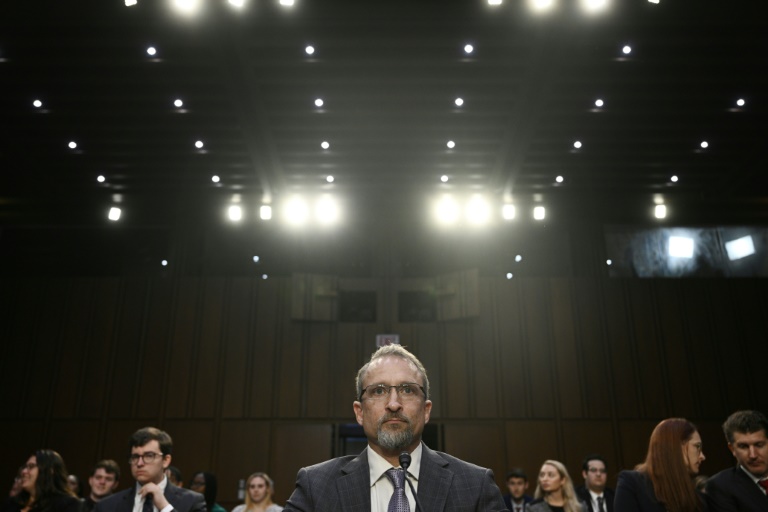
While testifying before members of US Congress on Tuesday, Zatko said his worries about possible harm to Twitter users and national security prompted him to come forward.

“I did not make my whistleblower disclosures out of spite or to harm Twitter,” Zatko said.

“Far from that. I continue to believe in the mission of the company.”

Twitter has dismissed 51-year-old Zatko’s complaint as being without merit, and vowed to show it did nothing wrong at an October trial in a Delaware court.

If the court focuses on the fact that the world’s richest man declined to do fact gathering typically associated with big-money mergers, Zatko’s allegations could wind up being moot.

Zatko first testified before Congress 24 years ago, when he was a long-haired hacker determined to warn about the perils of poorly protected government computer systems.

This time, he was called on to provide details about his accusations that Twitter hid flaws in its security as well as its fight against accounts run by spammers or software instead of genuine users.

He told the hearing that Twitter’s security failures threaten both national security and the privacy of users — but that the company’s leadership has refused to make tough but necessary changes, prioritizing profits over safety. 

Musk has listed the number of inauthentic accounts on Twitter as among reasons to justify walking away from the buyout deal he made in April.

“Once both parties step into court it’s a high risk/high reward scenario for both parties with the major X variable now being the Zatko whistleblower claims,” Wedbush analyst Dan Ives said in a note to investors.

“We continue to view the Zatko situation as a Pandora’s Box scenario for Twitter.”

If Twitter prevails at trial, the judge could order the Tesla chief to pay billions of dollars to the company, or even complete the purchase.

– ‘Big problems’ –

“If  Mudge says Twitter has cybersecurity problems, Twitter has big problems,” said Vectra cybersecurity firm chief technology officer Aaron Turner, who says he has known Zatko since the 1980s.

A son of scientists, Zatko grew up in the US states of Alabama and Pennsylvania, his passions including music and software.

In 1996, he joined a hacker collective called L0pht. He and other members of the group testified before Congress two years later.

“It was the first time the U.S. government publicly referenced ‘hackers’ in a positive context,” Zatko said in a 2019 tweet marking an anniversary of the testimony.

Zatko has done stints at Google and online payment services company Stripe, and also at Pentagon research arm DARPA.

Twitter founder and former chief Jack Dorsey recruited Zatko in July 2020 after a spectacular hack of the accounts of celebrities and political figures including Barack Obama, Musk and Kim Kardashian.

US President Joe Biden’s team offered Zatko a position as White House security director early last year but he declined the job, believing he had work left to do at Twitter, his attorneys said.

-House of cards? –

Twitter fired Zatko in January, citing “ineffective leadership and poor performance.”

Zatko’s lawyers have rejected Twitter’s claim, contending instead that he was terminated after a clash with top executives who refused to acknowledge his concerns about platform security.

“Mr Zatko put his career on the line because of his concerns about Twitter users, the public and the company’s shareholders,” his attorneys said.

Andrew Hay, director of operations at the Lares cybersecurity consulting firm, said “those in the industry who know Mudge know that his intentions have historically been honorable, non-partisan, and designed to benefit the world.”

Zatko’s whistleblower complaint, filed just days after Twitter agreed to give him a multi-million dollar severance package, is not necessarily evidence that the company misrepresented user numbers, according to analysts.

Musk’s lawyers will “try to prove that Twitter tried to sell him a house of cards,” but security flaws would have to be “really serious,” said University  of California, Berkeley law school professor Adam Badawi.
Peiter 'Mudge' Zatko: The wild card in Musk's clash with Twitter

Respected in cybersecurity circles, former Twitter security chief Peiter “Mudge” Zatko is a wild card in Elon Musk’s legal gambit to break a $44 billion deal to buy the social network.

Zatko’s whistleblower complaint of “extreme, egregious deficiencies” in Twitter defenses against hackers plays into Musk’s quest to convince a judge that he was duped when he foisted his unsolicited offer on the company.

While testifying before members of US Congress on Tuesday, Zatko said his worries about possible harm to Twitter users and national security prompted him to come forward.

“I did not make my whistleblower disclosures out of spite or to harm Twitter,” Zatko said.

“Far from that. I continue to believe in the mission of the company.”

Twitter has dismissed 51-year-old Zatko’s complaint as being without merit, and vowed to show it did nothing wrong at an October trial in a Delaware court.

If the court focuses on the fact that the world’s richest man declined to do fact gathering typically associated with big-money mergers, Zatko’s allegations could wind up being moot.

Zatko first testified before Congress 24 years ago, when he was a long-haired hacker determined to warn about the perils of poorly protected government computer systems.

This time, he was called on to provide details about his accusations that Twitter hid flaws in its security as well as its fight against accounts run by spammers or software instead of genuine users.

He told the hearing that Twitter’s security failures threaten both national security and the privacy of users — but that the company’s leadership has refused to make tough but necessary changes, prioritizing profits over safety. 

Musk has listed the number of inauthentic accounts on Twitter as among reasons to justify walking away from the buyout deal he made in April.

“Once both parties step into court it’s a high risk/high reward scenario for both parties with the major X variable now being the Zatko whistleblower claims,” Wedbush analyst Dan Ives said in a note to investors.

“We continue to view the Zatko situation as a Pandora’s Box scenario for Twitter.”

If Twitter prevails at trial, the judge could order the Tesla chief to pay billions of dollars to the company, or even complete the purchase.

– ‘Big problems’ –

“If  Mudge says Twitter has cybersecurity problems, Twitter has big problems,” said Vectra cybersecurity firm chief technology officer Aaron Turner, who says he has known Zatko since the 1980s.

A son of scientists, Zatko grew up in the US states of Alabama and Pennsylvania, his passions including music and software.

In 1996, he joined a hacker collective called L0pht. He and other members of the group testified before Congress two years later.

“It was the first time the U.S. government publicly referenced ‘hackers’ in a positive context,” Zatko said in a 2019 tweet marking an anniversary of the testimony.

Zatko has done stints at Google and online payment services company Stripe, and also at Pentagon research arm DARPA.

Twitter founder and former chief Jack Dorsey recruited Zatko in July 2020 after a spectacular hack of the accounts of celebrities and political figures including Barack Obama, Musk and Kim Kardashian.

US President Joe Biden’s team offered Zatko a position as White House security director early last year but he declined the job, believing he had work left to do at Twitter, his attorneys said.

-House of cards? –

Twitter fired Zatko in January, citing “ineffective leadership and poor performance.”

Zatko’s lawyers have rejected Twitter’s claim, contending instead that he was terminated after a clash with top executives who refused to acknowledge his concerns about platform security.

“Mr Zatko put his career on the line because of his concerns about Twitter users, the public and the company’s shareholders,” his attorneys said.

Andrew Hay, director of operations at the Lares cybersecurity consulting firm, said “those in the industry who know Mudge know that his intentions have historically been honorable, non-partisan, and designed to benefit the world.”

Zatko’s whistleblower complaint, filed just days after Twitter agreed to give him a multi-million dollar severance package, is not necessarily evidence that the company misrepresented user numbers, according to analysts.

Musk’s lawyers will “try to prove that Twitter tried to sell him a house of cards,” but security flaws would have to be “really serious,” said University  of California, Berkeley law school professor Adam Badawi.
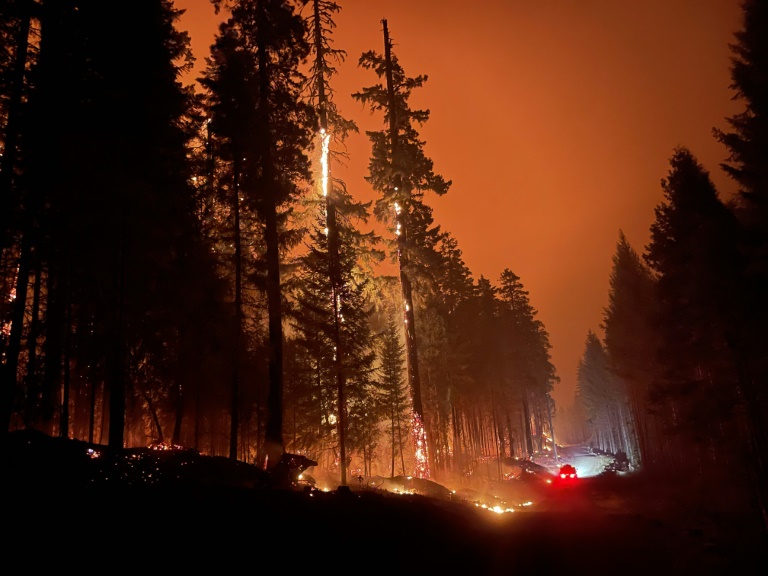
Air quality warning as Oregon wildfire grows

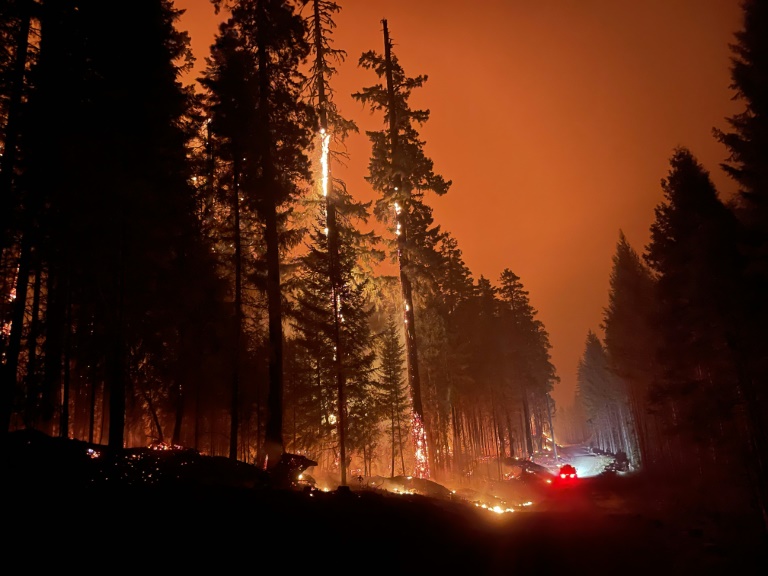
A wildfire raging out of control in Oregon grew in size Tuesday as residents faced evacuation orders and worsening air quality as multiple blazes scorch the US West.

Dozens of active fires in California, Idaho, Oregon, Washington and other western states have ravaged more than 1,200 square miles (3,100 square kilometers), highlighting the devastating effects of a two-decade-plus drought that has left the region parched.

Dense smoke blanketed towns in southwestern Oregon including the popular outdoor tourism gateway of Bend, as the Cedar Creek fire has now consumed 92,548 acres (37,450 hectares) — more than twice the size of the US capital Washington — with zero percent containment as of Tuesday, according to the Oregon State Fire Marshal.

Evacuations were ordered for Lane and Deschutes counties, although some of the orders have been eased amid cooler temperatures and gentler winds. More than 2,000 homes remained under threat, authorities said.

The inferno — which began back in early August — has turned skies an eerie orange, as more than 1,200 firefighters and other personnel converge on the steep mountainous terrain, much of it in US national forest land and hard to reach.

“Smoke continues to create unhealthy air quality, which will likely continue for several more days,” the state fire marshal’s office said in a statement.

Similar air quality alerts have been issued in Idaho and Washington due to fires in those states.

Scientists say the long-term drought has been worsened by human-made climate change.

Much of the countryside is parched, creating conditions for hot, fast and destructive wildfires.

An even larger blaze, the Double Creek Fire, was burning in northeastern Oregon where it has consumed 155,300 acres.

According to the National Interagency Fire Center (NIFC), more than 90 fires were currently burning across seven western states.

The Mosquito Fire, California’s current largest blaze, has now swept through nearly 50,000 acres in the Sierra Nevada Mountains, with several small nearby towns evacuated.

Firefighters south of Los Angeles were also working to contain the major Fairview fire, which has claimed two lives.

Air quality warning as Oregon wildfire grows

A wildfire raging out of control in Oregon grew in size Tuesday as residents faced evacuation orders and worsening air quality as multiple blazes scorch the US West.

Dozens of active fires in California, Idaho, Oregon, Washington and other western states have ravaged more than 1,200 square miles (3,100 square kilometers), highlighting the devastating effects of a two-decade-plus drought that has left the region parched.

Dense smoke blanketed towns in southwestern Oregon including the popular outdoor tourism gateway of Bend, as the Cedar Creek fire has now consumed 92,548 acres (37,450 hectares) — more than twice the size of the US capital Washington — with zero percent containment as of Tuesday, according to the Oregon State Fire Marshal.

Evacuations were ordered for Lane and Deschutes counties, although some of the orders have been eased amid cooler temperatures and gentler winds. More than 2,000 homes remained under threat, authorities said.

The inferno — which began back in early August — has turned skies an eerie orange, as more than 1,200 firefighters and other personnel converge on the steep mountainous terrain, much of it in US national forest land and hard to reach.

“Smoke continues to create unhealthy air quality, which will likely continue for several more days,” the state fire marshal’s office said in a statement.

Similar air quality alerts have been issued in Idaho and Washington due to fires in those states.

Scientists say the long-term drought has been worsened by human-made climate change.

Much of the countryside is parched, creating conditions for hot, fast and destructive wildfires.

An even larger blaze, the Double Creek Fire, was burning in northeastern Oregon where it has consumed 155,300 acres.

According to the National Interagency Fire Center (NIFC), more than 90 fires were currently burning across seven western states.

The Mosquito Fire, California’s current largest blaze, has now swept through nearly 50,000 acres in the Sierra Nevada Mountains, with several small nearby towns evacuated.

Firefighters south of Los Angeles were also working to contain the major Fairview fire, which has claimed two lives.

US jury weighs damages against conspiracy theorist Alex Jones

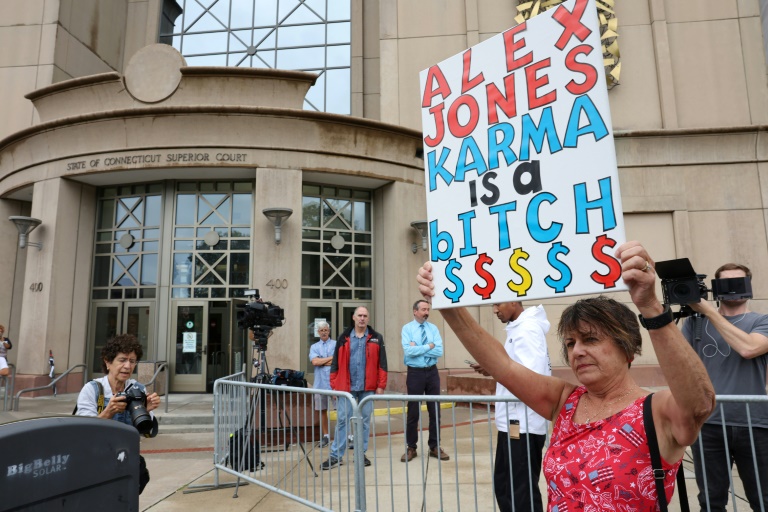
A Connecticut jury on Tuesday began weighing how much in damages prominent far-right US conspiracy theorist Alex Jones should pay for claiming the massacre of 20 children and six teachers at Sandy Hook Elementary School was a hoax.

Jones, founder of the website InfoWars and host of a popular radio show, has been found liable in multiple defamation lawsuits brought by parents of the victims of the 2012 shooting in Newtown, Connecticut.

The 48-year-old Jones claimed for years on his show that the Sandy Hook shooting was “staged” by gun control activists and the parents were “crisis actors,” but has since acknowledged it was “100 percent real.”

A Texas jury ordered Jones last month to pay nearly $50 million in damages to Neil Heslin and Scarlett Lewis, whose six-year-old son Jesse was killed by a 20-year-old gunman at Sandy Hook.

A jury in Waterbury, Connecticut, less than 20 miles (30 kilometers) from Newtown, is now deciding on the amount of damages to be awarded in a separate case brought by relatives of other victims.

“Hold Alex Jones accountable for what he did in the minutes, the hours, days, months and the years after the worst thing that ever happened to this community,” Chris Mattei, an attorney for the plaintiffs, said in opening arguments to the six-person jury.

“When you speak at the end of this case with your verdict, you’ll be speaking on behalf of the community,” Mattei told the jury.

“Unless you stop a bully, the bully will never stop himself,” he said. “And when it comes to stopping Alex Jones that will be the most important work that you do here.”

Jones, who was not present for opening arguments on Tuesday, has been a vocal supporter of former president Donald Trump.

Trump appeared frequently on Jones’ radio show during his 2016 White House campaign and the InfoWars founder was in Washington when supporters of the then-president stormed Congress in a bid to prevent certification of Democrat Joe Biden’s election victory.

Jones is also under scrutiny for his participation in the January 6, 2021 assault.

InfoWars declared bankruptcy in April and another company owned by Jones, Free Speech Systems, also recently filed for bankruptcy.

Stocks slump, dollar jumps as US inflation runs hot

Stock markets hit reverse while the dollar shot higher Tuesday after data showed that US inflation slowed less than expected.

Annual consumer price inflation (CPI) slowed slightly in August to 8.3 percent from 8.5 percent in July, the Labor Department said in a highly anticipated report that the Federal Reserve is watching closely.

However, CPI rose 0.1 percent on a monthly comparison in August, after holding flat in July, according to government data Tuesday, a disappointing result amid widespread expectations that inflation would fall in the month.

The dollar, which had fallen against its major rivals in anticipation of a significant slowdown in US inflation lessening pressure on the Fed to continue aggressively raising interest rates, shot higher.

“Both headline and core US CPI were substantially hotter than expected in August,” said market analyst Jay Zhao-Murray at Monex.

He said this was “leading currency and fixed income markets to embark on a swift and dramatic reversal from recent price action, where traders and investors had largely positioned themselves for a softer inflation print”.

He pointed to core inflation that excludes volatile energy and food prices, which is what Fed policymakers pay particular attention to. This rose by 0.6 percentage points month-on-month, compared to a 0.3-point gain in July.

While markets were already largely pricing in another 75-basis-point interest rate hike by the Fed at its next gathering, there had been hopes that passing the inflation peak would allow the Fed to relent.

However, the inflation figures were “hotter than expected in August and put a chill on some of the peak inflation/peak hawkishness/soft landing chatter”, said analyst Patrick O’Hare at Briefing.com.

Stocks, which had rebounded in recent days on hopes that a peak in inflation would allow a rapid end to hawkish rate hikes and thus avoid a recession and attain a “soft” landing of the economy, abruptly turned lower.

Gains in Europe swiftly turned to losses and Wall Street plunged.

In late-morning trading, the Dow was down 2.7 percent while the S&P 500 slumped 3.1 percent and the tech-heavy Nasdaq Composite tumbled 4.1 percent.

Fed boss Jerome Powell has indicated the rate increases would continue until inflation is tamed.

Zhao-Murray said market expectations regarding the Fed’s next rate hike had hardened following the inflation data.

While some were forecasting the possibility the Fed would drop to a half-percentage-point hike, now a 0.75-point increase is seen as the floor and some are forecasting a one-point hike. 

Market analyst Michael Hewson said Tuesday’s core inflation figures mean more aggressive rate hikes will be needed to tame rising prices.

“While the narrative of peak inflation may well be still valid, getting it down from these levels is likely to be a much tougher battle,” he said.

Inflation has soared around the globe this year owing to sky-high energy and food bills.

This has been caused to a large extent by supply constraints after economies reopened from pandemic lockdowns and in the wake of Russia’s invasion of Ukraine.

The dollar has soared as the Federal Reserve moved earlier and more aggressively than other central banks to raise interest rates and contain inflation.

– Key figures at around 1530 GMT –

New York – Dow: DOWN 2.7 percent at 31,506.03 points

EURO STOXX 50: DOWN 1.7 percent at 3,586.18

London – FTSE 100: DOWN 1.2 percent at 7,385.86 (close)

Frankfurt – DAX: DOWN 1.6 percent at 13,188.95 (close)

Paris – CAC 40: DOWN 1.4 percent at 6,245.69 (close)

Tokyo – Nikkei 225: UP 0.3 percent at 28,614.63 (close)

Hong Kong – Hang Seng Index: DOWN 0.2 percent at 19,326.86 (close)

Shanghai – Composite: UP 0.1 percent at 3,263.80 (close)

Euro/dollar: DOWN at $1.0006 from $1.0120

Pound/dollar: DOWN at $1.1524 from $1.1680 

Euro/pound: UP at 86.81 pence from 86.64 pence 

Dollar/yen: UP at 144.23 yen from 142.82 yen  

Brent North Sea crude: DOWN 1.1 percent at $92.97 per barrel

West Texas Intermediate: DOWN 0.7 percent at $87.13 per barrel

burs-rl/imm

Stocks slump, dollar jumps as US inflation runs hot

Stock markets hit reverse while the dollar shot higher Tuesday after data showed that US inflation slowed less than expected.

Annual consumer price inflation (CPI) slowed slightly in August to 8.3 percent from 8.5 percent in July, the Labor Department said in a highly anticipated report that the Federal Reserve is watching closely.

However, CPI rose 0.1 percent on a monthly comparison in August, after holding flat in July, according to government data Tuesday, a disappointing result amid widespread expectations that inflation would fall in the month.

The dollar, which had fallen against its major rivals in anticipation of a significant slowdown in US inflation lessening pressure on the Fed to continue aggressively raising interest rates, shot higher.

“Both headline and core US CPI were substantially hotter than expected in August,” said market analyst Jay Zhao-Murray at Monex.

He said this was “leading currency and fixed income markets to embark on a swift and dramatic reversal from recent price action, where traders and investors had largely positioned themselves for a softer inflation print”.

He pointed to core inflation that excludes volatile energy and food prices, which is what Fed policymakers pay particular attention to. This rose by 0.6 percentage points month-on-month, compared to a 0.3-point gain in July.

While markets were already largely pricing in another 75-basis-point interest rate hike by the Fed at its next gathering, there had been hopes that passing the inflation peak would allow the Fed to relent.

However, the inflation figures were “hotter than expected in August and put a chill on some of the peak inflation/peak hawkishness/soft landing chatter”, said analyst Patrick O’Hare at Briefing.com.

Stocks, which had rebounded in recent days on hopes that a peak in inflation would allow a rapid end to hawkish rate hikes and thus avoid a recession and attain a “soft” landing of the economy, abruptly turned lower.

Gains in Europe swiftly turned to losses and Wall Street plunged.

In late-morning trading, the Dow was down 2.7 percent while the S&P 500 slumped 3.1 percent and the tech-heavy Nasdaq Composite tumbled 4.1 percent.

Fed boss Jerome Powell has indicated the rate increases would continue until inflation is tamed.

Zhao-Murray said market expectations regarding the Fed’s next rate hike had hardened following the inflation data.

While some were forecasting the possibility the Fed would drop to a half-percentage-point hike, now a 0.75-point increase is seen as the floor and some are forecasting a one-point hike. 

Market analyst Michael Hewson said Tuesday’s core inflation figures mean more aggressive rate hikes will be needed to tame rising prices.

“While the narrative of peak inflation may well be still valid, getting it down from these levels is likely to be a much tougher battle,” he said.

Inflation has soared around the globe this year owing to sky-high energy and food bills.

This has been caused to a large extent by supply constraints after economies reopened from pandemic lockdowns and in the wake of Russia’s invasion of Ukraine.

The dollar has soared as the Federal Reserve moved earlier and more aggressively than other central banks to raise interest rates and contain inflation.

– Key figures at around 1530 GMT –

New York – Dow: DOWN 2.7 percent at 31,506.03 points

EURO STOXX 50: DOWN 1.7 percent at 3,586.18

London – FTSE 100: DOWN 1.2 percent at 7,385.86 (close)

Frankfurt – DAX: DOWN 1.6 percent at 13,188.95 (close)

Paris – CAC 40: DOWN 1.4 percent at 6,245.69 (close)

Tokyo – Nikkei 225: UP 0.3 percent at 28,614.63 (close)

Hong Kong – Hang Seng Index: DOWN 0.2 percent at 19,326.86 (close)

Shanghai – Composite: UP 0.1 percent at 3,263.80 (close)

Euro/dollar: DOWN at $1.0006 from $1.0120

Pound/dollar: DOWN at $1.1524 from $1.1680 

Euro/pound: UP at 86.81 pence from 86.64 pence 

Dollar/yen: UP at 144.23 yen from 142.82 yen  

Brent North Sea crude: DOWN 1.1 percent at $92.97 per barrel

West Texas Intermediate: DOWN 0.7 percent at $87.13 per barrel

burs-rl/imm

Stocks slump, dollar jumps as US inflation runs hot

Stock markets hit reverse while the dollar shot higher Tuesday after data showed that US inflation slowed less than expected.

Annual consumer price inflation (CPI) slowed slightly in August to 8.3 percent from 8.5 percent in July, the Labor Department said in a highly anticipated report that the Federal Reserve is watching closely.

However, CPI rose 0.1 percent on a monthly comparison in August, after holding flat in July, according to government data Tuesday, a disappointing result amid widespread expectations that inflation would fall in the month.

The dollar, which had fallen against its major rivals in anticipation of a significant slowdown in US inflation lessening pressure on the Fed to continue aggressively raising interest rates, shot higher.

“Both headline and core US CPI were substantially hotter than expected in August,” said market analyst Jay Zhao-Murray at Monex.

He said this was “leading currency and fixed income markets to embark on a swift and dramatic reversal from recent price action, where traders and investors had largely positioned themselves for a softer inflation print”.

He pointed to core inflation that excludes volatile energy and food prices, which is what Fed policymakers pay particular attention to. This rose by 0.6 percentage points month-on-month, compared to a 0.3-point gain in July.

While markets were already largely pricing in another 75-basis-point interest rate hike by the Fed at its next gathering, there had been hopes that passing the inflation peak would allow the Fed to relent.

However, the inflation figures were “hotter than expected in August and put a chill on some of the peak inflation/peak hawkishness/soft landing chatter”, said analyst Patrick O’Hare at Briefing.com.

Stocks, which had rebounded in recent days on hopes that a peak in inflation would allow a rapid end to hawkish rate hikes and thus avoid a recession and attain a “soft” landing of the economy, abruptly turned lower.

Gains in Europe swiftly turned to losses and Wall Street plunged.

In late-morning trading, the Dow was down 2.7 percent while the S&P 500 slumped 3.1 percent and the tech-heavy Nasdaq Composite tumbled 4.1 percent.

Fed boss Jerome Powell has indicated the rate increases would continue until inflation is tamed.

Zhao-Murray said market expectations regarding the Fed’s next rate hike had hardened following the inflation data.

While some were forecasting the possibility the Fed would drop to a half-percentage-point hike, now a 0.75-point increase is seen as the floor and some are forecasting a one-point hike. 

Market analyst Michael Hewson said Tuesday’s core inflation figures mean more aggressive rate hikes will be needed to tame rising prices.

“While the narrative of peak inflation may well be still valid, getting it down from these levels is likely to be a much tougher battle,” he said.

Inflation has soared around the globe this year owing to sky-high energy and food bills.

This has been caused to a large extent by supply constraints after economies reopened from pandemic lockdowns and in the wake of Russia’s invasion of Ukraine.

The dollar has soared as the Federal Reserve moved earlier and more aggressively than other central banks to raise interest rates and contain inflation.

– Key figures at around 1530 GMT –

New York – Dow: DOWN 2.7 percent at 31,506.03 points

EURO STOXX 50: DOWN 1.7 percent at 3,586.18

London – FTSE 100: DOWN 1.2 percent at 7,385.86 (close)

Frankfurt – DAX: DOWN 1.6 percent at 13,188.95 (close)

Paris – CAC 40: DOWN 1.4 percent at 6,245.69 (close)

Tokyo – Nikkei 225: UP 0.3 percent at 28,614.63 (close)

Hong Kong – Hang Seng Index: DOWN 0.2 percent at 19,326.86 (close)

Shanghai – Composite: UP 0.1 percent at 3,263.80 (close)

Euro/dollar: DOWN at $1.0006 from $1.0120

Pound/dollar: DOWN at $1.1524 from $1.1680 

Euro/pound: UP at 86.81 pence from 86.64 pence 

Dollar/yen: UP at 144.23 yen from 142.82 yen  

Brent North Sea crude: DOWN 1.1 percent at $92.97 per barrel

West Texas Intermediate: DOWN 0.7 percent at $87.13 per barrel

burs-rl/imm

Five minute walks best way to comfort crying babies, says study

Science has perfected the answer to calming a crying baby: Hold and walk with them for five minutes.

The evidence-based soothing strategy was derived from experiments carried out in Japan and Italy, which were analyzed and published in the journal Current Biology on Tuesday.

The paper’s authors said they hoped the finding could benefit stressed parents, particularly the inexperienced.

“I have raised four children,” senior author Kumi Kuroda of the RIKEN Center for Brain Science in Japan said in a video statement.

“But even I couldn’t foresee the key results of this study until the statistical data came up,” she added. 

The team had previously studied the “transport response” in mammals that give birth to young that are unable to care for themselves, such as mice, dogs, monkeys and humans.

When these animals pick up their babies and start walking, the young become quiet and docile, and their heart rates slow.

Kuroda and colleagues wanted to explore this further in humans, and to compare the effect against other comforting behaviors such as rocking in one spot.

They recruited 21 mother-baby pairs aged 0-7 months, and tested them under four conditions: carrying while moving, held still by their sitting mothers, lying in a still crib, or lying in a rocking cot. 

Crying decreased and heart rates slowed within 30 seconds when infants were transported. There was a similar effect when they were rocked, but not when held motionless.

This suggested that, contrary to assumptions, maternal holding was insufficient to calm a child, and the transport response was an important factor. 

Next, they looked at the impact of carrying infants for five minutes, finding that the activity put 46 percent of them to sleep, and an additional 18 percent fell asleep in the minute after.

This showed that not only did carrying stop crying, it also promoted sleep.

But there was a wrinkle: when infants were put to bed, more than one-third became alert within 20 seconds.

Electrocardiogram readings showed the babies’ heart rates rose the second they were detached from their mother’s bodies.

However, when the babies were asleep for a longer period of time before being put down, they were less likely to awaken.

Kuroda said she found this surprising, as she had assumed other factors like the way they were placed in bed or their posture would play a role, but this was not the case.

“Our intuition is very limited, that is why we need science,” she said.

Based on the totality of their findings, they recommended a protocol for soothing and promoting sleep: hold and walk the baby five minutes, then sit and hold them for another five to eight minutes, before putting them to sleep.

This provides immediate comfort as opposed to other methods like letting a baby cry themselves to sleep, but more work will be needed to understand if it can train infant sleep in the long term.

US annual inflation eased in August – but likely not enough

US annual inflation slowed in slightly in August, largely thanks to falling gasoline prices — but likely not enough to satisfy the Federal Reserve and President Joe Biden, as high prices continue inflicting pain on Americans. 

The consumer price index (CPI), a key measure of inflation, actually rose 0.1 percent in August compared to July, when prices were flat, the Labor Department said Tuesday, a disappointing result amid widespread expectations that inflation would fall in the month.

The annual inflation pace improved to 8.3 percent, higher than expected but slightly below the prior months and confirming a slowdown from the blistering 9.1 percent rate in June — the highest in 40 years.

Prices have been soaring for months, exacerbated by the Russian invasion of Ukraine, which has impacted energy and food costs, as well as ongoing supply chain snarls amid Covid lockdowns in China.

Inflation has become a hot political issue just weeks away from key midterm congressional elections, and Biden has made fighting high prices his top domestic priority.

But he acknowledged Tuesday that it will take longer to slow inflation pressures.

“Today’s data show more progress in bringing global inflation down in the US economy. Overall, prices have been essentially flat in our country these last two months,” Biden said in a statement.

However, “it will take more time and resolve to bring inflation down.”

While Americans will welcome relief at the pump — there has been a steady drop in gasoline prices, which fell 10.6 percent last month — costs for food and housing continue to rise, straining family budgets.

The food index increased 11.4 percent over the last year, the largest 12-month increase since the period ending May 1979, the report said.

Medical care also has been a key contributor, and auto prices have accelerated, rising 0.8 percent in the month, according to the report.

More worryingly, the report showed that — excluding volatile food and energy prices — “core” CPI rose 6.3 percent over the past 12 months, faster than the 5.9 percent pace seen in July and June. 

Core CPI jumped 0.6 percent in August, double the pace in July, the data showed.

– ‘Ugly’ data –

Jason Furman, a former White House economist said the data was “not pretty.”

The “ugly” core data show “Broad-based relief not coming,” he said on Twitter.

The Federal Reserve views inflation as the biggest risk to the world’s largest economy, and has moved aggressively to cool demand, increasing the benchmark lending rate four times this year — with a third consecutive three-quarter point hike widely expected next week.

The Fed actions increase the cost of borrowing for homebuyers and businesses, which tends to cool investment and spending.

Fed Chair Jerome Powell has said the central bank will do whatever it takes to ensure high prices do not become entrenched, even at the risk of tipping the economy into a recession.

“The clock is ticking,” Powell warned Friday, pledging to “keep at it until the job is done.”

Treasury Secretary Janet Yellen on Sunday acknowledged that there is “certainly a risk” of an economic downturn amid the rising lending costs, but she noted the US job market is “exceptionally strong” with nearly two vacancies for every worker looking for a job.

She cautioned that “we can’t have a strong labor market without inflation under control.”

The strong job market — the unemployment rate was 3.7 percent in August — provides some comfort to the Fed, giving policymakers room to maneuver, and potentially quell inflation without a steep increase in joblessness.

But the worker shortage remains a concern since it could fuel a dangerous wage-spiral.

Rubeela Farooqi of High Frequency Economics said the latest data confirm “inflation readings remain unacceptably high for policymakers.” 

“Coupled with a labor market that is still strong, the data seal the deal for another aggressive, 75-basis point, rate hike next week,” she said in an analysis.

Close Bitnami banner
Bitnami