AFP

Juul agrees to pay $438 mn in US over marketing vapes to youth

Juul Labs will pay $438.5 million to settle a probe by 34 US states that found the vaping company marketed to underage smokers, state officials announced Tuesday.

Under the agreement, which is still being finalized, Juul would provide payments over the next 6-10 years to individual US states and pledge to not employ cartoons in ads or otherwise market to younger consumers.

The probe was led two years ago by state officials in Connecticut, Oregon and Texas and joined by other states.

The investigation “revealed that Juul wilfully engaged in an advertising campaign that appealed to youth, even though its e-cigarettes are both illegal for them to purchase and unhealthy for children,” according to a press release from the Oregon Department of Justice.

Juul “relentlessly marketed to underage users with launch parties, advertisements using young and trendy-looking models, social media posts and free samples,” the press release said, adding that the company used age verification techniques “that it knew were ineffective.”

“The conduct that led to this settlement was reprehensible and demonstrates pure corporate greed at its most damaging,” said Oregon Attorney General Ellen Rosenblum.

“Just when we were starting to make serious progress reducing tobacco use among our young people, Juul came along and hooked another generation.”

Juul called the settlement “a significant part of our ongoing commitment to resolve issues from the past,” a Juul spokesman said.

“We remain focused on the future as we work to fulfill our mission to transition adult smokers away from cigarettes — the number one cause of preventable death — while combating underage use.”

Juul has argued that vaping products can provide a solution to the harmful health impacts from conventional combustible cigarettes.

Juul has been blamed for a surge in youth vaping over its marketing of fruit and candy flavored e-cigarettes, which it stopped selling in 2019.

In January 2020, the US Food and Drug Administration said sale of e-cigarettes in flavors other than tobacco or menthol would be illegal unless specifically authorized by the government.

More than two million American middle and high schoolers reported they were vapers in 2021, with eight in ten using flavored e-cigarettes, according to a September 2021 government report.

On June 23, the FDA said it was ordering all products made by Juul Labs off the market after finding the vaping giant had failed to address certain safety concerns.

The following day, a US Court suspended the FDA’s action following a Juul appeal.

The Juul spokesman said the agency has submitted an appeal to the FDA, adding that “we continue to offer our products to adult smokers throughout the US.”

Juul maintains that its products meet US public health standards.

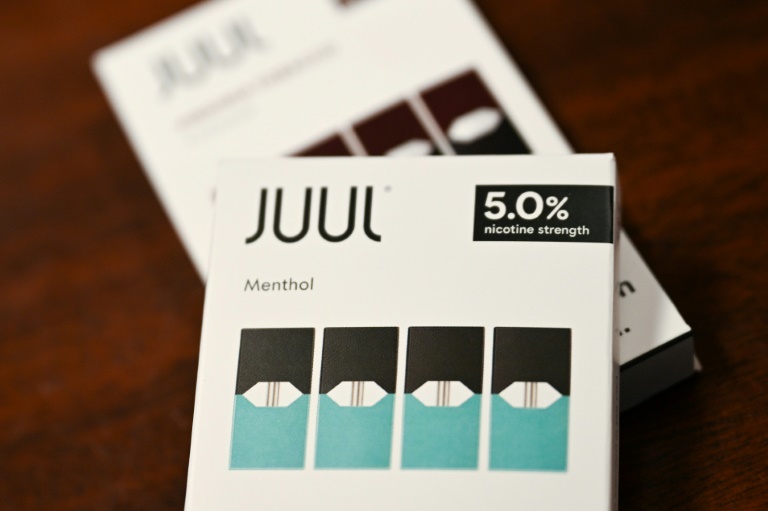
Juul products that remain on sale include the Juul smoking device and cartridges in Menthol and “Virginia Tobacco.”
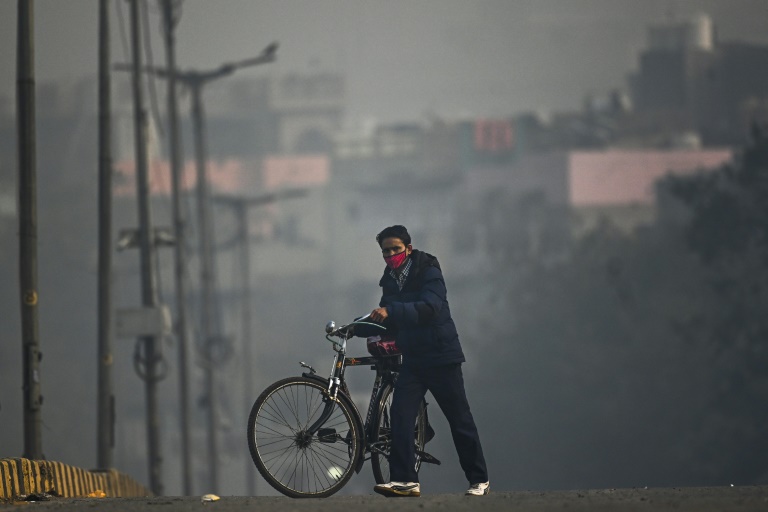
Heatwaves and wildfires to worsen air pollution: UN

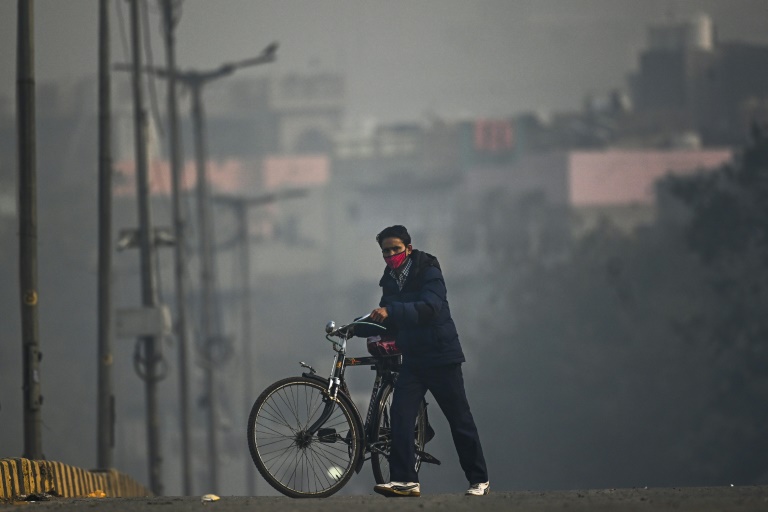
More frequent and intense heatwaves and wildfires driven by climate change are expected to worsen the quality of the air we breathe, harming human health and ecosystems, the UN warned Wednesday.

A new report from the UN’s World Meteorological Organization (WMO) cautioned that the interaction between pollution and climate change would impact hundreds of millions of people over the coming century, and urged action to rein in the harm.

The WMO’s annual Air Quality and Climate Bulletin examined the impacts of large wildfires across Siberia and western North America in 2021, finding that they produced widespread increases in health hazards, with concentrations in eastern Siberia reaching “levels not observed before”.

Tiny particles with a diameter of less than 2.5 micrometres (PM2.5) are considered particularly harmful since they can penetrate deep into the lungs or cardiovascular system.

“As the globe warms, wildfires and associated air pollution are expected to increase, even under a low emissions scenario,” WMO chief Petteri Taalas said in a statement.

“In addition to human health impacts, this will also affect ecosystems as air pollutants settle from the atmosphere to Earth’s surface.”

– ‘Foretaste of the future’ –

At the global scale, there has been a reduction over the past two decades in the total burned area, as a result of decreasing numbers of fires in savannas and grasslands.

But WMO said that some regions like western North America, the Amazon and Australia were seeing far more fires.

Even beyond wildfires, a hotter climate can drive up pollution and worsen air quality.

Taalas pointed out that severe heatwaves in Europe and China this year, coupled with stable high atmospheric conditions, sunlight and low wind speeds, had been “conducive to high pollution levels,” warning that “this is a foretaste of the future.”

“We expect a further increase in the frequency, intensity and duration of heatwaves, which could lead to even worse air quality,” he said.

This phenomenon is known as the “climate penalty”, which refers to how climate change amplifies ground-level ozone production, which negatively impacts air quality. 

In the stratosphere, ozone provides important protection from cancer-causing ultraviolet rays, but closer to the ground it is very hazardous for human health.

If emission levels remain high, this climate penalty is expected to account for “a fifth of all surface ozone concentration increase,” WMO scientific officer Lorenzo Labrador told reporters.

He warned that most of that increase will happen over Asia, “and there you have about one quarter of the entire world population.”

The WMO called for action, stressing that “a worldwide carbon neutrality emissions scenario would limit the future occurrence of extreme ozone air pollution episodes.”

The report points out that air quality and climate are interconnected, since chemicals that worsen air quality are normally co-emitted with greenhouse gases.

“Changes in one inevitably cause changes in the other,” it said.

Heatwaves and wildfires to worsen air pollution: UN

More frequent and intense heatwaves and wildfires driven by climate change are expected to worsen the quality of the air we breathe, harming human health and ecosystems, the UN warned Wednesday.

A new report from the UN’s World Meteorological Organization (WMO) cautioned that the interaction between pollution and climate change would impact hundreds of millions of people over the coming century, and urged action to rein in the harm.

The WMO’s annual Air Quality and Climate Bulletin examined the impacts of large wildfires across Siberia and western North America in 2021, finding that they produced widespread increases in health hazards, with concentrations in eastern Siberia reaching “levels not observed before”.

Tiny particles with a diameter of less than 2.5 micrometres (PM2.5) are considered particularly harmful since they can penetrate deep into the lungs or cardiovascular system.

“As the globe warms, wildfires and associated air pollution are expected to increase, even under a low emissions scenario,” WMO chief Petteri Taalas said in a statement.

“In addition to human health impacts, this will also affect ecosystems as air pollutants settle from the atmosphere to Earth’s surface.”

– ‘Foretaste of the future’ –

At the global scale, there has been a reduction over the past two decades in the total burned area, as a result of decreasing numbers of fires in savannas and grasslands.

But WMO said that some regions like western North America, the Amazon and Australia were seeing far more fires.

Even beyond wildfires, a hotter climate can drive up pollution and worsen air quality.

Taalas pointed out that severe heatwaves in Europe and China this year, coupled with stable high atmospheric conditions, sunlight and low wind speeds, had been “conducive to high pollution levels,” warning that “this is a foretaste of the future.”

“We expect a further increase in the frequency, intensity and duration of heatwaves, which could lead to even worse air quality,” he said.

This phenomenon is known as the “climate penalty”, which refers to how climate change amplifies ground-level ozone production, which negatively impacts air quality. 

In the stratosphere, ozone provides important protection from cancer-causing ultraviolet rays, but closer to the ground it is very hazardous for human health.

If emission levels remain high, this climate penalty is expected to account for “a fifth of all surface ozone concentration increase,” WMO scientific officer Lorenzo Labrador told reporters.

He warned that most of that increase will happen over Asia, “and there you have about one quarter of the entire world population.”

The WMO called for action, stressing that “a worldwide carbon neutrality emissions scenario would limit the future occurrence of extreme ozone air pollution episodes.”

The report points out that air quality and climate are interconnected, since chemicals that worsen air quality are normally co-emitted with greenhouse gases.

“Changes in one inevitably cause changes in the other,” it said.

Theranos founder Elizabeth Holmes seeks new fraud trial

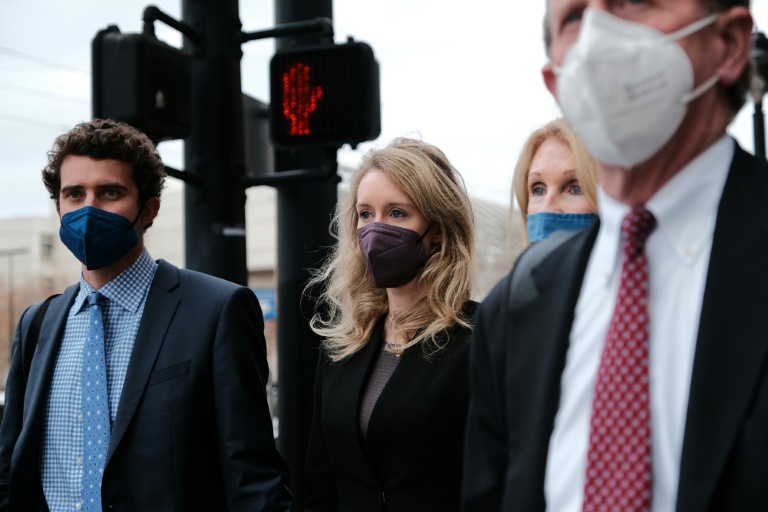
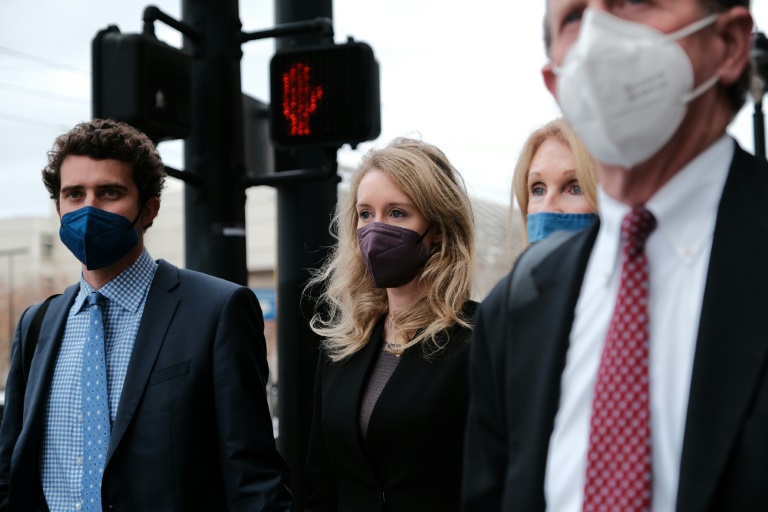
Convicted Theranos founder Elizabeth Holmes on Monday asked for a new trial, saying a star prosecution witness showed up at her home saying he felt he had “done something wrong.”

Holmes is scheduled to be sentenced in October after a jury early this year found her guilty of defrauding investors in her blood-testing startup Theranos.

Holmes is a rare example of a tech exec being brought to book over a company flaming out, in a sector littered with the carcasses of money-losing businesses that once promised untold riches.

Her case shone a spotlight on the blurred line between the hustle that characterizes the industry and outright criminal dishonesty.

But attorneys for Holmes said that former Theranos lab manager Adam Rosendorff, who was part of the prosecution’s case, arrived unannounced at her California home in August looking disheveled and saying he needed to speak with her.

“He said he feels guilty, it seemed like he was hurting,” Holmes’s partner William Evans said of Rosendorff in an exhibit with the court.

“He said when he was called as a witness he tried to answer the questions honestly but that the prosecutors tried to make everybody look bad (in the company).”

Evans said he turned Rosendorff away from the home he shares with Holmes and their young son, telling Rosendorff that Holmes could not speak with him.

“He said he thought it would be healing for both himself and Elizabeth to talk,” said Evans.”

– Different verdict? –

Evans recounted Rosendorff saying that both he and Holmes were just starting out in their careers when they worked together at Theranos, and that “everyone was working so hard to do something good and meaningful.”

Holmes had vowed to revolutionize health diagnostics with self-service machines that could run an array of tests on just a few drops of blood, a vision that drew high-profile backers and made her a billionaire on paper by the age of 30.

She was hailed as the next tech visionary on magazine covers and collected mountains of investors’ cash, but it all collapsed after Wall Street Journal reporting revealed the machines did not work as promised.

Jurors found her guilty of four counts of tricking investors.

But the jury also acquitted her on four charges and could not reach a verdict on three others.

The 38-year-old now faces the possibility of decades behind bars.

Attorneys for Holmes argued that Rosendorff was a star witness for prosecutors, and that his statements put the guilty verdict in doubt.

“If the jury had heard from Dr. Rosendorff that the government cherry-picked evidence to make things seem worse than they were and that everyone was doing their best and working hard to do something good and meaningful, the jury would have viewed this case very differently,” Holmes attorney Amy Mason Saharia argued in the filing.

Holmes is asking for a new trial, or at least a hearing in federal court in Silicon Valley to dig deeper into what Rosendorff meant to tell her at her home, attorneys said.

“He said he wants to help her,” Evans said of Rosendorff.

Theranos founder Elizabeth Holmes seeks new fraud trial

Convicted Theranos founder Elizabeth Holmes on Monday asked for a new trial, saying a star prosecution witness showed up at her home saying he felt he had “done something wrong.”

Holmes is scheduled to be sentenced in October after a jury early this year found her guilty of defrauding investors in her blood-testing startup Theranos.

Holmes is a rare example of a tech exec being brought to book over a company flaming out, in a sector littered with the carcasses of money-losing businesses that once promised untold riches.

Her case shone a spotlight on the blurred line between the hustle that characterizes the industry and outright criminal dishonesty.

But attorneys for Holmes said that former Theranos lab manager Adam Rosendorff, who was part of the prosecution’s case, arrived unannounced at her California home in August looking disheveled and saying he needed to speak with her.

“He said he feels guilty, it seemed like he was hurting,” Holmes’s partner William Evans said of Rosendorff in an exhibit with the court.

“He said when he was called as a witness he tried to answer the questions honestly but that the prosecutors tried to make everybody look bad (in the company).”

Evans said he turned Rosendorff away from the home he shares with Holmes and their young son, telling Rosendorff that Holmes could not speak with him.

“He said he thought it would be healing for both himself and Elizabeth to talk,” said Evans.”

– Different verdict? –

Evans recounted Rosendorff saying that both he and Holmes were just starting out in their careers when they worked together at Theranos, and that “everyone was working so hard to do something good and meaningful.”

Holmes had vowed to revolutionize health diagnostics with self-service machines that could run an array of tests on just a few drops of blood, a vision that drew high-profile backers and made her a billionaire on paper by the age of 30.

She was hailed as the next tech visionary on magazine covers and collected mountains of investors’ cash, but it all collapsed after Wall Street Journal reporting revealed the machines did not work as promised.

Jurors found her guilty of four counts of tricking investors.

But the jury also acquitted her on four charges and could not reach a verdict on three others.

The 38-year-old now faces the possibility of decades behind bars.

Attorneys for Holmes argued that Rosendorff was a star witness for prosecutors, and that his statements put the guilty verdict in doubt.

“If the jury had heard from Dr. Rosendorff that the government cherry-picked evidence to make things seem worse than they were and that everyone was doing their best and working hard to do something good and meaningful, the jury would have viewed this case very differently,” Holmes attorney Amy Mason Saharia argued in the filing.

Holmes is asking for a new trial, or at least a hearing in federal court in Silicon Valley to dig deeper into what Rosendorff meant to tell her at her home, attorneys said.

“He said he wants to help her,” Evans said of Rosendorff.

US foresees annual Covid boosters, just like flu: officials

Barring the emergence of drastically different variants, Covid boosters will likely be recommended annually in a similar manner to influenza vaccines, US health officials said Tuesday.

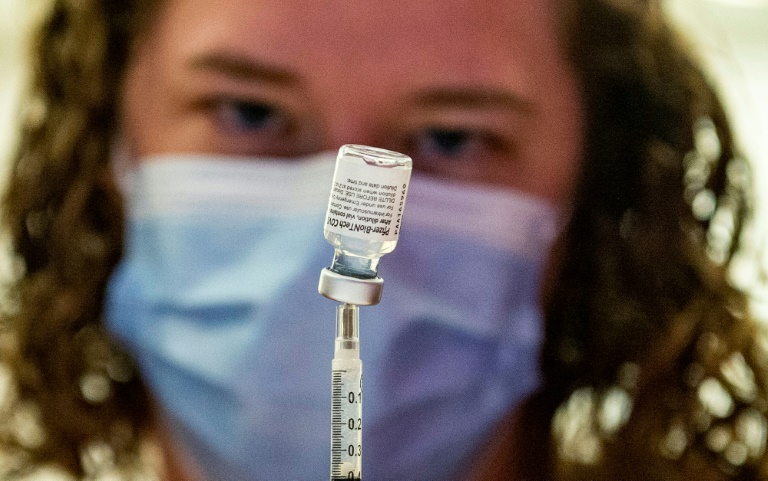
The announcement came after the Food and Drug Administration last week authorized updated bivalent shots against both the original strain of the coronavirus and the BA.4 and BA.5 lineages of the Omicron variant, which are predominant.

“We likely are moving towards a path with a vaccination cadence similar to that of the annual influenza vaccine, with annual updated Covid-19 shots matched to the currently circulating strains,” President Joe Biden’s chief medical advisor Anthony Fauci told reporters.

However, the elderly and immunocompromised may require more frequent shots — and the annual strategy would have to be reviewed in case of a “curveball” such as a dangerous new variant that differs dramatically from predictions.

Ashish Jha, the White House Covid coordinator, added the message was “simple” — if you are 12 or older, and have been previously vaccinated, now is the time to get boosted. 

If you were recently infected or vaccinated, “it’s reasonable to wait a few months,” he added.

People can get their Covid booster at the same time as the flu booster, he said. “I really believe this is why God gave us two arms, one for the flu shot and the other one for the Covid shot.”

Officials expect millions of people to receive their bivalent boosters, made by Pfizer and Moderna, in the month of September, and are focused especially on people aged 50 and up.

“Winter is not that far away. The past two years, we have seen COVID-19 cases and deaths soar. It does not have to be that way this year,” Biden said in a statement. “If you are 12 and older, go get your new Covid-19 shot this fall.” 

US Centers for Disease Control and Prevention director Rochelle Walenksky said projections showed that uptake of Covid boosters at rates similar to annual flu coverage could prevent as many as 100,000 hospitalizations and 9,000 deaths.

The updated vaccines were recommended by the CDC last week on the basis of favorable animal data, which showed they produced a greater immune response and lowered levels of the virus in the lungs, compared to older shots.

The Omicron variant BA.4 and BA.5 lineages comprise 99 percent of circulating coronavirus in the United States and are predicted to continue to dominate this fall and winter.

Fossil fuel investment in Africa dwarfs clean air funding

Foreign governments are spending more than 30 times more on fossil fuel projects in Africa than on initiatives to lessen the impacts of the continent’s second-biggest killer, air pollution, research showed Wednesday.

The report, released on the International Day of Clean Air, showed how little donor nations spend on improving air quality while ploughing money into dirty energy and infrastructure projects across Africa. 

The United Nations estimates that air pollution kills around nine million people globally each year, with fossil fuels accounting for two-thirds of the levels of harmful particulates humans are exposed to. 

The financial benefits of improving air quality alone would far exceed the costs of slashing emissions to meet the Paris Agreement temperature goals, according to a landmark United Nations climate science assessment this year. 

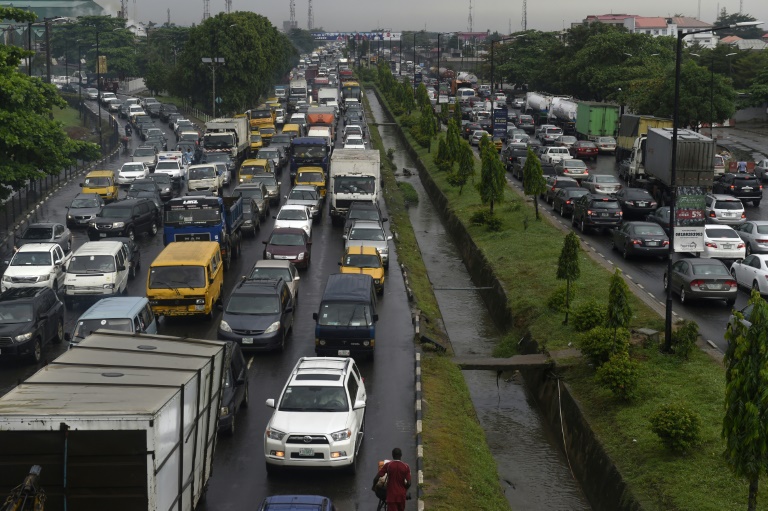
Yet, as Wednesday’s analysis by the Clean Air Fund shows, US, European and Asian governments are still going ahead with fossil fuel-based development projects that will likely worsen already poor air quality in cities and along highways across Africa.

The fund found that just 0.3 percent of African countries’ development assistance received between 2015-2021 had been specifically earmarked for air quality projects, despite pollution being responsible for some one in five deaths continent-wide. 

During the same period, donor nations provided 36 times more funding for prolonging fossil fuel use in Africa. 

“That difference alone is extremely startling,” Dennis Appiah, head of the fund’s Ghana office and a co-author of the report. 

“I think it’s also highlighted that most often governments are not paying attention to the issue of air pollution,” he told AFP. 

“Either they are not conscious of the impact of it, or they do not see it as a problem.” 

Appiah called air pollution a “silent killer” as its effects are far harder to see and message to communities compared with other climate-linked phenomena such as flooding.

– ‘Death sentence’ –

An ongoing population boom means Africa will be — on current birth rates — home to some 2.5 billion people by 2050, with the UN estimating that 26 countries will double their populations by then. 

The vast majority of population growth will occur in urban areas, with much of the infrastructure needed to support increases yet to be built.

The continent is virtually blameless for climate change yet continues to be a hotspot for extreme events linked to global heating. 

Appiah said that while Africa’s development needs were huge, governments needed to prioritise sustainable ways of electrifying and connecting communities. 

“Policymakers are stuck in going through the same traditional chain for development that we see in the West, and also in some of the Asian countries that are now suffering the consequences of some of those decisions,” he said. 

“I think Africa is positioned to take advantage of some of the technology which exists. We don’t have to go through the same process (as developed countries), we can leapfrog to new technologies.”

With renewable energy such as wind and solar already frequently cheaper than oil and fossil gas per kilowatt hour, the hope is that African governments can factor in the economic benefits of avoiding air pollution into their development plans.

In a preface to Wednesday’s report, Ugandan activist Vanessa Nakate said that policies featuring new fossil fuel infrastructure in Africa were “a death sentence for people in communities like mine”.

“It’s time for governments to hear the voices of people all around the world who are calling for leaders to clean up our air and protect our health,” she said.

Fossil fuel investment in Africa dwarfs clean air funding

Foreign governments are spending more than 30 times more on fossil fuel projects in Africa than on initiatives to lessen the impacts of the continent’s second-biggest killer, air pollution, research showed Wednesday.

The report, released on the International Day of Clean Air, showed how little donor nations spend on improving air quality while ploughing money into dirty energy and infrastructure projects across Africa. 

The United Nations estimates that air pollution kills around nine million people globally each year, with fossil fuels accounting for two-thirds of the levels of harmful particulates humans are exposed to. 

The financial benefits of improving air quality alone would far exceed the costs of slashing emissions to meet the Paris Agreement temperature goals, according to a landmark United Nations climate science assessment this year. 

Yet, as Wednesday’s analysis by the Clean Air Fund shows, US, European and Asian governments are still going ahead with fossil fuel-based development projects that will likely worsen already poor air quality in cities and along highways across Africa.

The fund found that just 0.3 percent of African countries’ development assistance received between 2015-2021 had been specifically earmarked for air quality projects, despite pollution being responsible for some one in five deaths continent-wide. 

During the same period, donor nations provided 36 times more funding for prolonging fossil fuel use in Africa. 

“That difference alone is extremely startling,” Dennis Appiah, head of the fund’s Ghana office and a co-author of the report. 

“I think it’s also highlighted that most often governments are not paying attention to the issue of air pollution,” he told AFP. 

“Either they are not conscious of the impact of it, or they do not see it as a problem.” 

Appiah called air pollution a “silent killer” as its effects are far harder to see and message to communities compared with other climate-linked phenomena such as flooding.

– ‘Death sentence’ –

An ongoing population boom means Africa will be — on current birth rates — home to some 2.5 billion people by 2050, with the UN estimating that 26 countries will double their populations by then. 

The vast majority of population growth will occur in urban areas, with much of the infrastructure needed to support increases yet to be built.

The continent is virtually blameless for climate change yet continues to be a hotspot for extreme events linked to global heating. 

Appiah said that while Africa’s development needs were huge, governments needed to prioritise sustainable ways of electrifying and connecting communities. 

“Policymakers are stuck in going through the same traditional chain for development that we see in the West, and also in some of the Asian countries that are now suffering the consequences of some of those decisions,” he said. 

“I think Africa is positioned to take advantage of some of the technology which exists. We don’t have to go through the same process (as developed countries), we can leapfrog to new technologies.”

With renewable energy such as wind and solar already frequently cheaper than oil and fossil gas per kilowatt hour, the hope is that African governments can factor in the economic benefits of avoiding air pollution into their development plans.

In a preface to Wednesday’s report, Ugandan activist Vanessa Nakate said that policies featuring new fossil fuel infrastructure in Africa were “a death sentence for people in communities like mine”.

“It’s time for governments to hear the voices of people all around the world who are calling for leaders to clean up our air and protect our health,” she said.

Mercury pollution makes ducks more likely to get bird flu: study

Ducks contaminated by mercury pollution are significantly more likely to get bird flu, a study found Wednesday, pointing towards another way that human-driven changes to the natural world increase the risk of viruses spreading.

Bird flu rarely infects humans but persistent outbreaks in the US and UK among other countries have led to millions of poultry being culled so far this year.

Wild waterfowl such as ducks are believed to be superspreaders of the virus in part because they travel so far as they migrate, potentially infecting other birds along the way.

For the new study, scientists shot down nearly 750 wild ducks from 11 different species in California’s San Francisco Bay, which is in a migratory path that stretches from Alaska to Patagonia.

They then tested the ducks for mercury contamination and whether they were infected with bird flu — or had antibodies for the virus in their system. 

The results, published in the journal Proceedings of the Royal Society B, showed that ducks contaminated with mercury were up to 3.5 times more likely to have had bird flu at some point over the last year or so.

The study’s lead author, Claire Teitelbaum, a quantitative ecologist at the USGS Eastern Ecological Science Center, said mercury contamination “can suppress the immune system, and that might make infection with anything — including influenza — more likely”.

The San Francisco Bay is also a “significant hotspot for mercury contamination in North America… largely from historical gold mining, where mercury was part of that process,” she told AFP.

The ducks however tested negative to the highly pathogenic H5N1 bird flu strain that has been detected in many parts of the world.

– More bird flu likely –

Teitelbaum said that bird flu outbreaks in the United States had slowed down during the summer “because many of the wild birds are up on their breeding grounds” farther north. 

But “as they’re starting to come back down, we’re probably going to see a lot more activity”, she warned.

The spread comes as researchers increasingly sound the alarm that climate change, deforestation, livestock farming and other human-induced factors raise the likelihood of viruses crossing over from animals to humans.

Teitelbaum said that “there are just so many ways in which humans have historically altered and are continuing to alter the natural environment.”

How pollution and contamination affect the risk of diseases spreading is “just another link that we need to add in to our more holistic view of what’s going on in the world,” she said.

Daniel Becker, a biologist at the University of Oklahoma not involved in the research, hailed the “impressive” study.

“There is surprisingly little work looking at contaminant concentrations in wildlife and their relationship to infectious disease,” especially for viruses that can cross over to humans like bird flu, he said.

Biden rejects branding Russia 'state sponsor of terrorism'

US President Joe Biden’s administration on Tuesday said it would be counterproductive to brand Russia a “state sponsor of terrorism,” rejecting calls from Ukraine and lawmakers to take the far-reaching action.

Biden, asked by a reporter on Monday if he would blacklist Russia as a terrorist state, said simply, “no,” after months of non-committal answers from senior officials.

Asked Tuesday whether a decision had been made, White House Press Secretary Karine Jean-Pierre said a terrorism designation was “not the most effective or strongest path forward” to “hold Russia accountable.”

She said the designation would hamper aid delivery to parts of war-ravaged Ukraine or prevent aid groups and companies from participating in a deal brokered by the United Nations and Turkey to ship badly needed grain from Ukraine’s blockaded ports.

“It would also undercut our unprecedented multilateral (coalition) that has been so effective to holding Putin accountable and could also undermine our ability to support Ukraine” in negotiations, she told reporters.

A label of “state sponsor of terrorism” by the United States, the world’s largest economy, has wide-ranging ramifications, with many businesses and banks unwilling to incur the risk of legal action by US prosecutors.

Ukrainian President Volodymyr Zelensky has called on the West to label Russia formally as a terrorist state following a series of attacks that killed civilians, notably a strike on a shopping mall in Kremenchuk in June in which at least 18 people died.

Foreign Minister Dmytro Kuleba, asked about Biden’s decision, said the lack of a designation now “does not mean that it can never be made.”

“We are grateful to the US for everything they continue to do for Ukraine, but on this particular issue, we will not back down and will continue to insist on our position, as it will be the right decision indeed,” he said.

– Stepping up pressure –

At the United Nations, Ukraine’s envoy also renewed calls for the designation as he lamented Russia’s occupation of the Zaporizhzhia nuclear power plant, saying Moscow was deliberately trying to raise dangers.

“This can be corrected only by strengthening sanctions — only by officially recognizing Russia as a terrorist state at all levels,” Ambassador Sergiy Kyslytsya told the UN Security Council.

Latvia’s parliament in August declared Russia a “state sponsor of terrorism,” saying it was carrying out “genocide” against Ukrainians, but French President Emmanuel Macron in June also explicitly ruled out the label.

US lawmakers across party lines including House Speaker Nancy Pelosi have urged Biden to brand Russia a state sponsor of terrorism, seeing it as a way to step up pressure after months of economic sanctions over Moscow’s February 24 invasion of Ukraine.

The United States only brands four nations as state sponsors of terrorism, all US nemeses with much smaller economies than Russia’s — Iran, Syria, North Korea and Cuba.

Cuba was added controversially back to the list in the final days of former president Donald Trump’s administration, which took a hardline approach to the communist-ruled island.

The Biden administration on taking office reversed a Trump decision to brand Yemen’s Iranian-backed Huthi rebels as a terrorist group, also out of concern for hampering aid.

Close Bitnami banner
Bitnami