AFP

German economy grew in second quarter, better than feared

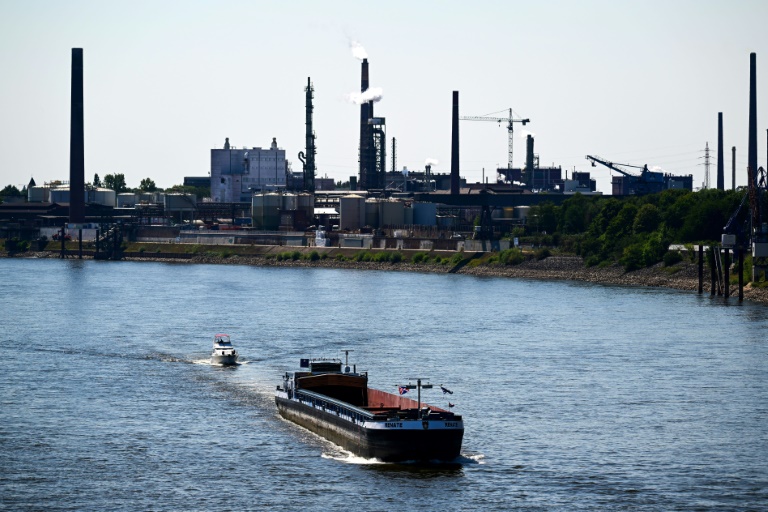
Germany’s economy grew slightly in the second quarter, an upgrade from a previous estimate of stagnation, revised official data showed Thursday, pushing back the spectre of recession.

Output expanded by 0.1 percent in the April to June period, according to the federal statistics agency, which had previously projected zero growth.

The economy was propped up by both private and public domestic demand, with spending by the state up by 2.3 percent.

Private spending rose 0.8 percent from the previous quarter as the end of Covid-19 restrictions brought more tourism and restaurant dining.

Europe’s biggest economy has been slowing as inflation soars, with Russia’s invasion of Ukraine sending energy and food prices through the roof.

Germany has been highly reliant on supplies of Russian gas to meet its energy demands, but Moscow has slowly dwindled supplies since the start of the war.

The threat that Russia could cut deliveries completely has raised the possibility of shortages over the winter and brought Germany closer to rationing supplies, with a punishing impact on business.

Even if the latest data offered Germany some reprieve from negative growth, economic indicators in the last days are painting a pessimistic picture.

The Ifo monthly confidence barometer, based on a survey of 9,000 companies, slumped for a third month in a row in August to reach 88.5 points.

“Companies were somewhat less satisfied with their current business, and the strong pessimism of their outlook for the coming months is virtually unchanged,” said the institute.

“Uncertainty among the companies remains high, and the German economy as a whole is expected to shrink in the third quarter,” it added.

Bundesbank president Joachim Nagel had warned in a recent interview that although the German economy held up well in the second quarter, new supply chain problems would “further darken the outlook for the second half”.

Particularly, if the energy crisis were to worsen, “a recession appears probable for the coming winter”.
Asian, European markets rise with eyes on China, Fed speech

Hong Kong led gains in Asian markets Thursday after China unveiled fresh measures to boost its economy, while investors awaited a speech by the Fed chair that may hold clues about future rate hikes.

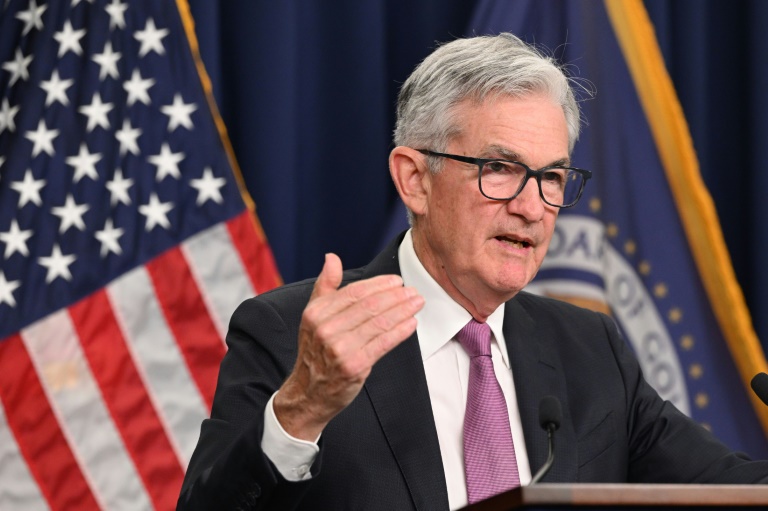
Central bankers are meeting in Jackson Hole in the US state of Wyoming, and all eyes are on Federal Reserve boss Jerome Powell’s Friday speech for clues about plans to tame inflation.

Market sentiment was also boosted by the Chinese government’s Wednesday announcement of new policies to help sustain the recovery of the world’s second-largest economy.

Asian traders on Thursday followed a positive lead from Wall Street, where the Dow, Nasdaq and S&P 500 all closed higher.

After Typhoon Ma-On delayed the start of trading until 1:00pm local time (0500 GMT), Hong Kong surged to close more than 3.6 percent higher.

Tokyo, Shanghai and Sydney rose. There were also gains in Singapore, Taipei and Seoul.

In early European trade, London, Frankfurt and Paris opened higher.

There are concerns that the Fed’s fight against soaring inflation could lead to a recession in the United States, which could, in turn, hit a global economy still recovering from the Covid-19 pandemic.

“A slower global growth environment is not going away anytime soon and now we are clearly seeing broader signs of weakness for the US economy,” OANDA’s Edward Moya said in a note.

“Powell’s fight against inflation might send the US economy into a recession late next year, but for now he needs to stick to the hawkish script and leave all options of tightening on the table.”

– China stimulus –

Central banks around the world are trying to find a delicate balance between curbing inflation and avoiding recessions.

The challenge has been compounded this year by Russia’s invasion of Ukraine, which has sent energy and food prices skyrocketing.

Traders are also keeping an eye on how China will repair the economic damage from its strict Covid controls, a crisis in its property sector and power shortages caused by a record-breaking heatwave.

Fresh measures to shore up the economy were announced by China’s State Council on Wednesday, including steps to encourage lending, consumption and investment, according to the official Xinhua news agency.

They also included support for electricity producers and agriculture, two sectors hit especially hard by the heatwave, though Xinhua’s readout of the State Council meeting did not mention the extreme weather.

Crude oil traded higher Thursday with concerns building about global supplies, affected by key exporter Saudi Arabia teasing the possibility of production cuts and ongoing talks about the resurrection of the Iran nuclear deal.

– Key figures at around 0815 GMT –

Tokyo – Nikkei 225: UP 0.6 percent at 28,479.01 (close)

Hong Kong – Hang Seng Index: UP 3.6 percent at 19,968.38 (close)

Shanghai – Composite: UP 1.0 percent at 3,246.25 (close)

London – FTSE 100: UP 0.8 percent at 7,527.96

Euro/dollar: UP at 0.9996 from 0.9967 on Wednesday

Pound/dollar: UP at 1.1837 from 1.1797

Euro/pound: DOWN at 84.46 pence from 84.49 pence

Dollar/yen: DOWN at 136.57 yen from 137.06 yen

West Texas Intermediate: UP 0.3 percent at $95.15 per barrel

Brent North Sea crude: UP 0.5 percent at $101.70

New York – Dow: UP 0.2 percent at 32,969.23 points (close)

Asian, European markets rise with eyes on China, Fed speech

Hong Kong led gains in Asian markets Thursday after China unveiled fresh measures to boost its economy, while investors awaited a speech by the Fed chair that may hold clues about future rate hikes.

Central bankers are meeting in Jackson Hole in the US state of Wyoming, and all eyes are on Federal Reserve boss Jerome Powell’s Friday speech for clues about plans to tame inflation.

Market sentiment was also boosted by the Chinese government’s Wednesday announcement of new policies to help sustain the recovery of the world’s second-largest economy.

Asian traders on Thursday followed a positive lead from Wall Street, where the Dow, Nasdaq and S&P 500 all closed higher.

After Typhoon Ma-On delayed the start of trading until 1:00pm local time (0500 GMT), Hong Kong surged to close more than 3.6 percent higher.

Tokyo, Shanghai and Sydney rose. There were also gains in Singapore, Taipei and Seoul.

In early European trade, London, Frankfurt and Paris opened higher.

There are concerns that the Fed’s fight against soaring inflation could lead to a recession in the United States, which could, in turn, hit a global economy still recovering from the Covid-19 pandemic.

“A slower global growth environment is not going away anytime soon and now we are clearly seeing broader signs of weakness for the US economy,” OANDA’s Edward Moya said in a note.

“Powell’s fight against inflation might send the US economy into a recession late next year, but for now he needs to stick to the hawkish script and leave all options of tightening on the table.”

– China stimulus –

Central banks around the world are trying to find a delicate balance between curbing inflation and avoiding recessions.

The challenge has been compounded this year by Russia’s invasion of Ukraine, which has sent energy and food prices skyrocketing.

Traders are also keeping an eye on how China will repair the economic damage from its strict Covid controls, a crisis in its property sector and power shortages caused by a record-breaking heatwave.

Fresh measures to shore up the economy were announced by China’s State Council on Wednesday, including steps to encourage lending, consumption and investment, according to the official Xinhua news agency.

They also included support for electricity producers and agriculture, two sectors hit especially hard by the heatwave, though Xinhua’s readout of the State Council meeting did not mention the extreme weather.

Crude oil traded higher Thursday with concerns building about global supplies, affected by key exporter Saudi Arabia teasing the possibility of production cuts and ongoing talks about the resurrection of the Iran nuclear deal.

– Key figures at around 0815 GMT –

Tokyo – Nikkei 225: UP 0.6 percent at 28,479.01 (close)

Hong Kong – Hang Seng Index: UP 3.6 percent at 19,968.38 (close)

Shanghai – Composite: UP 1.0 percent at 3,246.25 (close)

London – FTSE 100: UP 0.8 percent at 7,527.96

Euro/dollar: UP at 0.9996 from 0.9967 on Wednesday

Pound/dollar: UP at 1.1837 from 1.1797

Euro/pound: DOWN at 84.46 pence from 84.49 pence

Dollar/yen: DOWN at 136.57 yen from 137.06 yen

West Texas Intermediate: UP 0.3 percent at $95.15 per barrel

Brent North Sea crude: UP 0.5 percent at $101.70

New York – Dow: UP 0.2 percent at 32,969.23 points (close)

Asian markets rise with eyes on China, Fed speech

Asian markets rose Thursday after China unveiled fresh measures to boost its economy, while investors awaited a speech by the Fed chair that may hold clues about future rate hikes.

Central bankers are meeting in Jackson Hole in the US state of Wyoming, and all eyes are on Federal Reserve boss Jerome Powell’s Friday speech for clues about plans to tame inflation.

Market sentiment was also boosted by the Chinese government’s Wednesday announcement of new policies to help sustain the recovery of the world’s second-largest economy.

Asian traders on Thursday followed a positive lead from Wall Street, where the Dow, Nasdaq and S&P 500 all closed higher.

Tokyo, Hong Kong and Sydney rose. There were also gains in Shanghai, Singapore, Taipei and Seoul.

There are concerns that the Fed’s fight against soaring inflation could lead to a recession in the United States, which could, in turn, hit a global economy still recovering from the Covid-19 pandemic.

“A slower global growth environment is not going away anytime soon and now we are clearly seeing broader signs of weakness for the US economy,” OANDA’s Edward Moya said in a note.

“Powell’s fight against inflation might send the US economy into a recession late next year, but for now he needs to stick to the hawkish script and leave all options of tightening on the table.”

– China stimulus –

Central banks around the world are trying to find a delicate balance between curbing inflation and avoiding recessions.

The challenge has been compounded this year by Russia’s invasion of Ukraine, which has sent energy and food prices skyrocketing.

Traders are also keeping an eye on how China will repair the economic damage from its strict Covid controls, a crisis in its property sector and power shortages caused by a record-breaking heatwave.

Fresh measures to shore up the economy were announced by China’s State Council on Wednesday, including steps to encourage lending, consumption and investment, according to the official Xinhua news agency.

They also included support for electricity producers and agriculture, two sectors hit especially hard by the heatwave, though Xinhua’s readout of the State Council meeting did not mention the extreme weather.

Crude oil traded higher Thursday with concerns building about global supplies, affected by key exporter Saudi Arabia teasing the possibility of production cuts and ongoing talks about the resurrection of the Iran nuclear deal.

– Key figures at around 0630 GMT –

Tokyo – Nikkei 225: UP 0.6 percent at 28,479.01 (close)

Hong Kong – Hang Seng Index: UP 2.4 percent 19,734.60

Shanghai – Composite: UP 0.1 percent at 3,219.58

Euro/dollar: UP at 1.0025 from 0.9967 on Wednesday

Pound/dollar: UP at 1.1852 from 1.1797

Euro/pound: UP at 84.59 pence from 84.49 pence

Dollar/yen: DOWN at 136.55 yen from 137.06 yen

West Texas Intermediate: UP 0.4 percent at $95.31 per barrel

Brent North Sea crude: UP 0.5 percent at $101.77

New York – Dow: UP 0.2 percent at 32,969.23 points (close)

London – FTSE 100: DOWN 0.2 percent at 7,471.51 (close) 

Asian markets rise with eyes on China, Fed speech

Asian markets rose Thursday after China unveiled fresh measures to boost its economy, while investors awaited a speech by the Fed chair that may hold clues about future rate hikes.

Central bankers are meeting in Jackson Hole in the US state of Wyoming, and all eyes are on Federal Reserve boss Jerome Powell’s Friday speech for clues about plans to tame inflation.

Market sentiment was also boosted by the Chinese government’s Wednesday announcement of new policies to help sustain the recovery of the world’s second-largest economy.

Asian traders on Thursday followed a positive lead from Wall Street, where the Dow, Nasdaq and S&P 500 all closed higher.

Tokyo, Hong Kong and Sydney rose. There were also gains in Shanghai, Singapore, Taipei and Seoul.

There are concerns that the Fed’s fight against soaring inflation could lead to a recession in the United States, which could, in turn, hit a global economy still recovering from the Covid-19 pandemic.

“A slower global growth environment is not going away anytime soon and now we are clearly seeing broader signs of weakness for the US economy,” OANDA’s Edward Moya said in a note.

“Powell’s fight against inflation might send the US economy into a recession late next year, but for now he needs to stick to the hawkish script and leave all options of tightening on the table.”

– China stimulus –

Central banks around the world are trying to find a delicate balance between curbing inflation and avoiding recessions.

The challenge has been compounded this year by Russia’s invasion of Ukraine, which has sent energy and food prices skyrocketing.

Traders are also keeping an eye on how China will repair the economic damage from its strict Covid controls, a crisis in its property sector and power shortages caused by a record-breaking heatwave.

Fresh measures to shore up the economy were announced by China’s State Council on Wednesday, including steps to encourage lending, consumption and investment, according to the official Xinhua news agency.

They also included support for electricity producers and agriculture, two sectors hit especially hard by the heatwave, though Xinhua’s readout of the State Council meeting did not mention the extreme weather.

Crude oil traded higher Thursday with concerns building about global supplies, affected by key exporter Saudi Arabia teasing the possibility of production cuts and ongoing talks about the resurrection of the Iran nuclear deal.

– Key figures at around 0630 GMT –

Tokyo – Nikkei 225: UP 0.6 percent at 28,479.01 (close)

Hong Kong – Hang Seng Index: UP 2.4 percent 19,734.60

Shanghai – Composite: UP 0.1 percent at 3,219.58

Euro/dollar: UP at 1.0025 from 0.9967 on Wednesday

Pound/dollar: UP at 1.1852 from 1.1797

Euro/pound: UP at 84.59 pence from 84.49 pence

Dollar/yen: DOWN at 136.55 yen from 137.06 yen

West Texas Intermediate: UP 0.4 percent at $95.31 per barrel

Brent North Sea crude: UP 0.5 percent at $101.77

New York – Dow: UP 0.2 percent at 32,969.23 points (close)

London – FTSE 100: DOWN 0.2 percent at 7,471.51 (close) 

Half of China hit by drought in worst heatwave on record

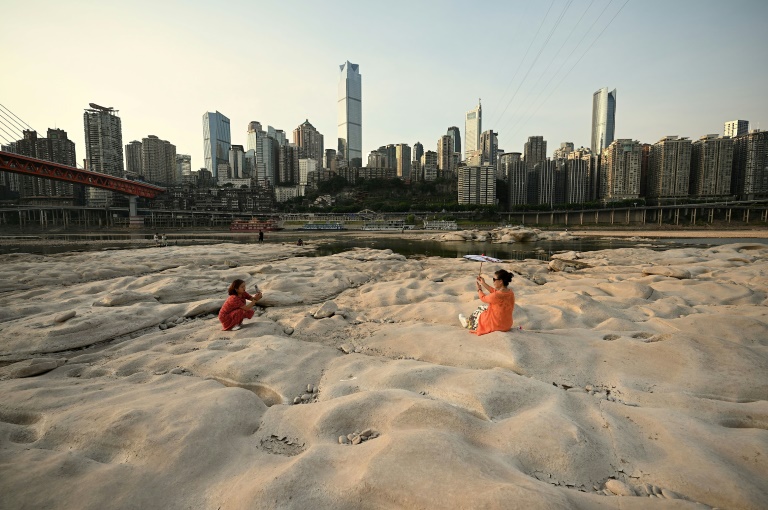
A crippling drought exacerbated by a record heatwave has spread across half of China and reached the normally frigid Tibetan Plateau, according to official data released ahead of more searing temperatures on Thursday.

The world’s second-largest economy has experienced over 70 days of heatwaves, flash floods and droughts — phenomena that scientists say are becoming more frequent and intense due to climate change.

Southern China has recorded its longest continuous period of high temperatures since records began more than 60 years ago, the agriculture ministry said this week.

Experts have said the intensity, scope and duration of the heatwave could make it one of the worst recorded in global history.

A chart from the National Climate Centre showed Wednesday that swathes of southern China — including the Tibetan Plateau — were experiencing “severe” to “extraordinary” drought conditions.

The worst-affected area — the Yangtze river basin, stretching from coastal Shanghai to Sichuan province in China’s southwest — is home to over 370 million people and contains several manufacturing hubs including the megacity of Chongqing.

The China Meteorological Administration predicted continued high temperatures of up to 40 degrees Celsius (104 degrees Fahrenheit) in Chongqing and the provinces of Sichuan and Zhejiang Thursday.

But some regions gained relief from the heatwave. Parts of southwestern Sichuan were battered by heavy rains overnight, causing the evacuation of almost 30,000 people, state broadcaster CCTV reported.

And in the southeast, Typhoon Ma-on made landfall in coastal Guangdong province and Hong Kong Thursday morning.

“High temperatures have basically been alleviated in the regions of south China, Jiangxi and Anhui,” the meteorological administration said.

“But high temperatures will continue for the next three days in regions including the Sichuan basin and provinces surrounding Shanghai.”

– ‘Severe threat’ –

China’s State Council on Wednesday announced a 10 billion yuan ($1.45 billion) subsidy to support rice farmers experiencing drought conditions, which authorities have warned pose a “severe threat” to this year’s autumn harvest.

China produces more than 95 percent of the rice, wheat and maize it consumes, but a reduced harvest could mean increased demand for imports in the world’s most populous country — putting further pressure on global supplies already strained by the conflict in Ukraine.

Wednesday’s CCTV evening news broadcast showed trucks supplying villagers who lacked drinking and agricultural water in rural Sichuan and Chongqing.

These regions have also been battling wildfires since last week, exacerbated by high temperatures and water scarcity. 

Livestock owners have fared badly, with Chongqing authorities pledging emergency measures to protect pig farms and a Sichuan farmer’s tearful plea going viral after she said all her chickens had died due to the heatwave and power cuts.

Some Chongqing residents complained on social media about queueing for hours in sweltering heat for compulsory mass testing required in the wake of a Covid outbreak. 

In parts of Sichuan and Chongqing, locals seeking cooler temperatures have taken to sleeping in car parks and subway stations due to daily power cuts. 

Temperatures as high as 45 degrees Celsius (113 Fahrenheit) have led multiple Chinese provinces to impose industrial power cuts, as cities struggle to cope with a surge in demand for electricity.

Record low water levels on the Yangtze River have also put pressure on the region’s hydropower generators, with the National Energy Administration pledging Wednesday to make up the shortfall by ramping up coal production. 

Recent heat broke records in Sichuan, where one county recorded a temperature of 44 degrees Celsius (111 Fahrenheit) Wednesday.

Air New Zealand losses soar due to sky-high fuel, labour costs

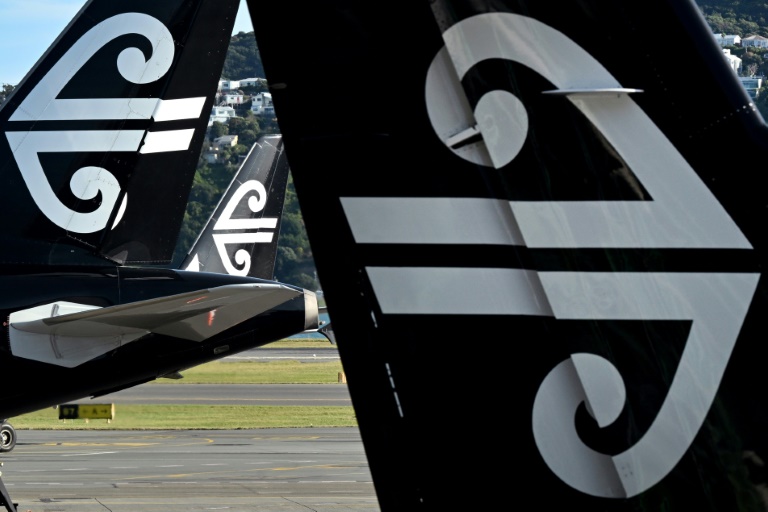
Sky-high fuel and labour costs combined with Covid travel restrictions saw Air New Zealand more than double its losses in the last financial year, the airline said Thursday.

The flag carrier saw losses increase to NZ$591 million (US$366 million), up from NZ$292 million in the 2021 financial year.

Its loss before tax was NZ$810 million, up from NZ$415 million, while revenue rose from NZ$2.5 billion to NZ$2.7 billion.

The reopening of New Zealand’s borders in March has helped ease the pressure, but the previous pandemic-related travel restrictions impacted its operating revenue.

Air New Zealand CEO Greg Foran said the focus now is on “restoring services, maintaining a choice of fares and launching innovations” for their customers.

Foran said the airline was firmly in the “revive” phase of its “survive, revive, thrive” journey, with bookings currently picking up despite ongoing challenges in the air travel sector.

Japan seeks 'sustainable world' in Africa aid forum

With its stated purpose to “create a sustainable world together”, Japan on Saturday kicks off its aid conference for Africa, where rival China has invested heavily in recent years.

The eighth Tokyo International Conference on African Development (TICAD8) comes against the backdrop of China’s rising influence, cemented on the continent by its “Belt and Road” infrastructure initiative.

A “complex” international environment caused by issues including “the situation in Ukraine” surrounds the meeting in Tunisia’s capital, the Japanese foreign ministry said.

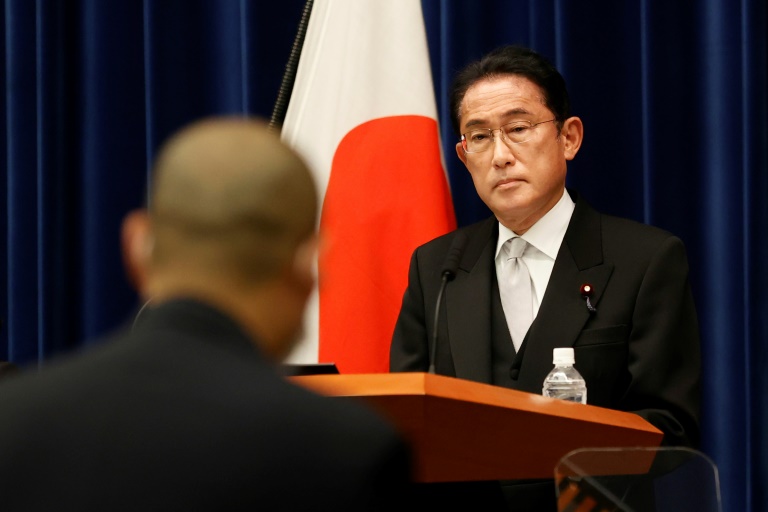
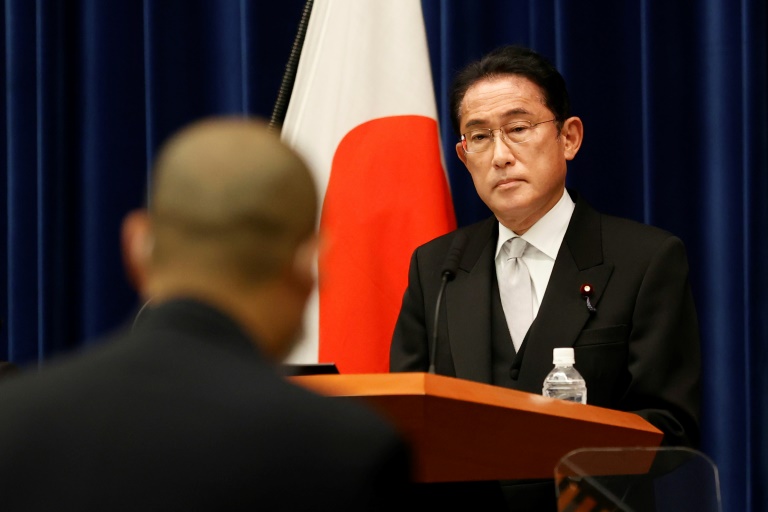
It is the first TICAD — held every three years either in Japan or an African country — since the pandemic began and Prime Minister Fumio Kishida will be attending remotely after testing positive for Covid-19.

Replacing him at the head of the Japanese delegation will be his Foreign Minister Yoshimasa Hayashi, and about 5,000 participants are expected to attend.

Among them will be 30 heads of state and government, converging on the Tunisian capital from across the continent.

Alongside the summit, businesspeople will attend an economic conference while various parallel events and workshops will address civil society and women’s inclusion.

Since their inception in 1993, the TICAD conferences, co-sponsored by the United Nations, World Bank and African Union, have generated 26 development projects in 20 African countries, largely funded by the Japan International Cooperation Agency (JICA).

– An alternative to China –

With a view to “accelerating Japanese investment in Africa”, the conference will focus on three pillars: economy; society; and peace and stability, according to the official presentation.

With more than $130 million already set to be delivered in food aid, Japan will also provide assistance for “rice production and food security” in view of the food crisis worsened by the Ukraine war.

Japanese economic paper Nikkei reported that aid to Africa could increase by 40 percent over the next three years, compared to 2020-2022.

Such assistance comes “in response” to other powers that have bolstered their presence in Africa, namely the United States, Europe and in particular China, Nikkei said.

In response to competition from China, a Japanese foreign ministry official said Tokyo’s “African diplomacy… can be boiled down to two words: ownership and partnership”.

“Japan has a 30-year history of involvement” in the continent through TICAD, he said.

“The core message we would like to get across this time is that Japan wants to remain Africa’s partner.”

At the closing of the last TICAD in 2019, former premier Shinzo Abe — who was assassinated at a campaign event last month — warned investors in Africa that they must beware of burdening countries with “excessive” debt, in an apparent swipe at China.

– Production hub –

On the Tunisian side, authorities hope to profit from holding the summit, particularly as Tunis is a two-hour flight from many major European capitals.

Tunisia hopes to attract Japanese investment domestically, particularly for its health, automotive and renewable energy sectors.

More than 80 projects are on the table with a value of $2.7 billion, according to Hedi Abbes, head of the Tunisian-Japanese chamber of commerce.

These projects, on offer to Tunisian and other African private investors, are expected to create about 35,700 jobs, he said.

With its industrial capacities, Tunisia hopes to become a hub for the production of medicines and vaccines, as some African countries have lagged far behind in vaccination efforts.

During a global Covid-19 summit in May, the Japanese premier stressed the importance of promoting “local production capacity for pharmaceuticals and medical products, including vaccines”.

“To that end, we have decided to provide assistance of up to $200 million through JICA to enhance the capacity in Africa,” Kishida said.

Japan seeks 'sustainable world' in Africa aid forum

With its stated purpose to “create a sustainable world together”, Japan on Saturday kicks off its aid conference for Africa, where rival China has invested heavily in recent years.

The eighth Tokyo International Conference on African Development (TICAD8) comes against the backdrop of China’s rising influence, cemented on the continent by its “Belt and Road” infrastructure initiative.

A “complex” international environment caused by issues including “the situation in Ukraine” surrounds the meeting in Tunisia’s capital, the Japanese foreign ministry said.

It is the first TICAD — held every three years either in Japan or an African country — since the pandemic began and Prime Minister Fumio Kishida will be attending remotely after testing positive for Covid-19.

Replacing him at the head of the Japanese delegation will be his Foreign Minister Yoshimasa Hayashi, and about 5,000 participants are expected to attend.

Among them will be 30 heads of state and government, converging on the Tunisian capital from across the continent.

Alongside the summit, businesspeople will attend an economic conference while various parallel events and workshops will address civil society and women’s inclusion.

Since their inception in 1993, the TICAD conferences, co-sponsored by the United Nations, World Bank and African Union, have generated 26 development projects in 20 African countries, largely funded by the Japan International Cooperation Agency (JICA).

– An alternative to China –

With a view to “accelerating Japanese investment in Africa”, the conference will focus on three pillars: economy; society; and peace and stability, according to the official presentation.

With more than $130 million already set to be delivered in food aid, Japan will also provide assistance for “rice production and food security” in view of the food crisis worsened by the Ukraine war.

Japanese economic paper Nikkei reported that aid to Africa could increase by 40 percent over the next three years, compared to 2020-2022.

Such assistance comes “in response” to other powers that have bolstered their presence in Africa, namely the United States, Europe and in particular China, Nikkei said.

In response to competition from China, a Japanese foreign ministry official said Tokyo’s “African diplomacy… can be boiled down to two words: ownership and partnership”.

“Japan has a 30-year history of involvement” in the continent through TICAD, he said.

“The core message we would like to get across this time is that Japan wants to remain Africa’s partner.”

At the closing of the last TICAD in 2019, former premier Shinzo Abe — who was assassinated at a campaign event last month — warned investors in Africa that they must beware of burdening countries with “excessive” debt, in an apparent swipe at China.

– Production hub –

On the Tunisian side, authorities hope to profit from holding the summit, particularly as Tunis is a two-hour flight from many major European capitals.

Tunisia hopes to attract Japanese investment domestically, particularly for its health, automotive and renewable energy sectors.

More than 80 projects are on the table with a value of $2.7 billion, according to Hedi Abbes, head of the Tunisian-Japanese chamber of commerce.

These projects, on offer to Tunisian and other African private investors, are expected to create about 35,700 jobs, he said.

With its industrial capacities, Tunisia hopes to become a hub for the production of medicines and vaccines, as some African countries have lagged far behind in vaccination efforts.

During a global Covid-19 summit in May, the Japanese premier stressed the importance of promoting “local production capacity for pharmaceuticals and medical products, including vaccines”.

“To that end, we have decided to provide assistance of up to $200 million through JICA to enhance the capacity in Africa,” Kishida said.

Half of China hit by drought in worst heatwave on record

Half of China’s vast territory is now experiencing drought, including parts of the frigid Tibetan Plateau, official data showed — with more high temperatures forecast Thursday for hundreds of millions of people enduring the country’s hottest summer on record.

The world’s second-largest economy has been hit by record heat, flash floods and droughts — phenomena that scientists say are becoming more frequent and intense due to climate change.

Southern China has recorded its longest continuous period of high temperatures since records began more than 60 years ago, the agriculture ministry said this week.

Experts have said the intensity, scope and duration of the heatwave could make it one of the worst recorded in global history.

A chart from the National Climate Centre showed Wednesday that swathes of southern China — including the Tibetan Plateau — were experiencing “severe” to “extraordinary” drought conditions.

The worst-affected area — the Yangtze river basin, stretching from coastal Shanghai to Sichuan province in China’s southwest — is home to over 370 million people and contains several manufacturing hubs including the megacity of Chongqing.

The China Meteorological Administration predicted continued high temperatures of up to 40 degrees Celsius (104 degrees Fahrenheit) in Chongqing and the provinces of Sichuan, Jiangxi and Zhejiang Thursday.

China’s State Council on Wednesday announced a 10 billion yuan ($1.45 billion) subsidy to support rice farmers experiencing drought conditions which authorities have warned pose a “severe threat” to this year’s autumn harvest.

China produces more than 95 percent of the rice, wheat and maize it consumes, but a reduced harvest could mean increased demand for imports in the world’s most populous country — putting further pressure on global supplies already strained by the conflict in Ukraine.

Officials also called for “a combination of measures to increase water sources to fight drought, first ensure drinking water for the people, ensure water for agricultural irrigation,” the readout added.

Wednesday’s CCTV evening news broadcast showed trucks supplying villagers who lacked drinking and agricultural water in rural Sichuan and Chongqing, with remote mountain areas particularly hard hit.

Temperatures as high as 45 degrees Celsius (113 Fahrenheit) have led multiple Chinese provinces to impose industrial power cuts, as cities struggle to cope with a surge in demand for electricity partly driven by people cranking up the air conditioning.

Record low water levels on the Yangtze River have also put pressure on the region’s hydropower generators.

The heat broke records in Sichuan, where a temperature of 43.9 degrees Celsius (111 Fahrenheit) was recorded Wednesday afternoon, the province’s Meteorological Service Centre said in a statement.

Close Bitnami banner
Bitnami