Africa Business

Ethiopia peace deal leaves unanswered questions and concerns

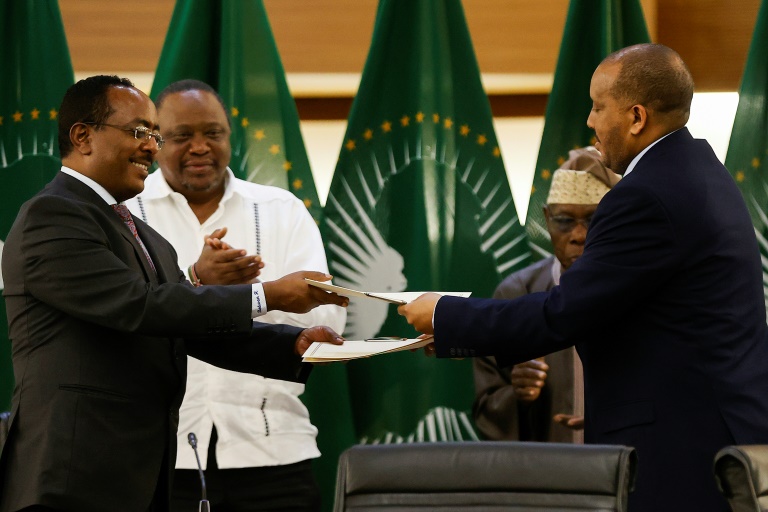
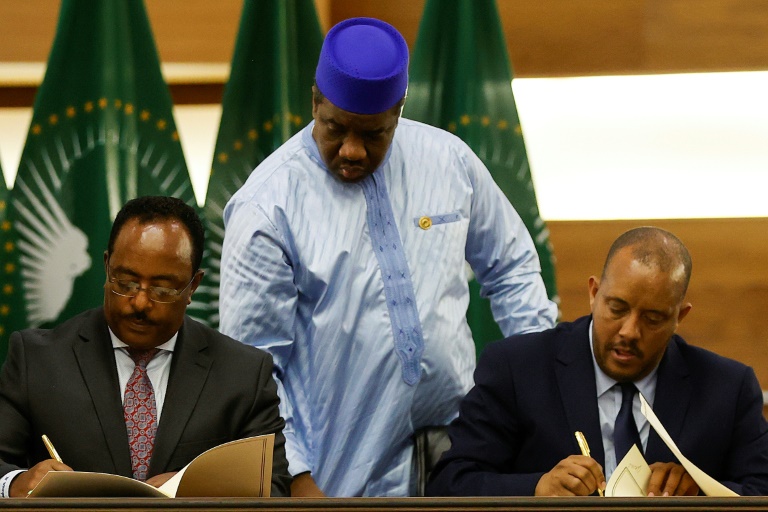
The breakthrough deal signed by Ethiopia’s government and Tigrayan rebels has been hailed as a crucial step to ending two years of war, but much remains unclear, observers say, raising questions about whether it will lead to a durable peace.

Other than the silencing of the guns, the accord notably calls for the provision of humanitarian aid to war-stricken regions, the re-establishment of federal authority over Tigray and the disarming of Tigray People’s Liberation Front (TPLF) fighters.

But the “Agreement for lasting peace through a permanent cessation of hostilities”, which has been published online by the government, relies largely on the good faith of the parties to resolve intractable disputes, leaves aside several crucial issues and remains vague on others, analysts said.

According to Patrick Ferras, geopolitical researcher and president of Strategies Africaines, the deal is effectively “a letter to Santa Claus because it is difficult to achieve”.

“We have the impression that everything has been processed but it was done in a hurry,” he told AFP.

The negotiations in Pretoria were mediated by the African Union and barely covered nine days. 

The final document also made no mention of Eritrea — whose forces have backed Ethiopian soldiers during their operations in Tigray — or of the various regional militias involved in the war. 

The failure to consider these key players and their role while hammering out the deal has created a situation rife with risk, observers say.

– ‘Too many unknowns’ –

For instance, the contested Western Tigray region, which has been occupied by Ethiopia’s Amhara militias since the war erupted, is one of the issues looming over the peace process, and the deal does little to address it.

The TPLF, which dominated Ethiopian politics for nearly three decades until Prime Minister Abiy Ahmed’s election in 2018, has always refused to negotiate on the matter, a position echoed by the Amhara who also claim the region.

Even more worrying, the agreement suffers from “an Eritrea-sized hole”, said Ben Hunter, Africa analyst at risk intelligence firm Verisk Maplecroft. 

Eritrea’s President Isaias Afwerki “did not sign the agreement and still harbours expansionist ambitions,” Hunter told AFP.

“He is likely to try provoking the TPLF into breaking the ceasefire,” Hunter added, with the two sides sharing an enmity that goes back decades.

Eritrea’s presence in Tigray — its forces have been accused of horrific atrocities against civilians — also casts doubt over the likelihood of the TPLF disarming its fighters, as it has pledged to do.

The Tigrayan authorities “will not depose arms in exchange (for) vague promises,” said Benjamin Petrini, a research fellow at the International Institute for Strategic Studies in Washington, pointing to the climate of deep distrust between the parties.

“What are the security guarantees offered to the TPLF to disarm?” he asked, underlining the presence of “too many unknowns” in the agreement.

– ‘Poisoned chalice’ –

The biggest unanswered question concerns the future of the TPLF, a party whose influence over Ethiopian politics was unquestionable for many years, but which now faces an uncertain road ahead.

The crucial issue is whether the “TPLF (will) maintain its role of ruling party” in Tigray, said Petrini.

Barely 24 hours after the deal was signed, Abiy told a crowd of supporters in southern Ethiopia that his government had secured “100 percent” of its demands in the negotiations.

Researcher Ferras agreed, saying, “on paper Abiy got everything he wanted”, leaving the TPLF with very little to show for two years of war and a humanitarian crisis that has left Tigray battling severe food and medicine shortages.

The war broke out on 4 November 2020, capping months of tensions between Abiy’s government and the TPLF, then the ruling party of Tigray.

Shortly after the peace deal was announced, the Tigrayan delegation’s chief Getachew Reda admitted his side had “made concessions because we have to build trust”.

But its willingness to accede to the government’s demands may not find favour with Tigray’s six million residents, who have “paid a high price for two years” as the war dragged on, said Ferras.

The region is teetering on the brink of disaster, with limited access to basic services such as power, communications and banking, and rebuilding it will prove a monumental task, he warned.

“In the eyes of the population, the TPLF may have lost all credibility,” he said.

With so many issues hanging in the balance, the lack of substance in the deal has raised eyebrows even as many have welcomed the public commitment to a peace process by both the TPLF and the Abiy government.

“The African Union will for now be breathing a sigh of relief following sharp criticism of its previous mediation efforts,” said Hunter.

But it is too soon to celebrate, he said.

“Overseeing this deal may yet turn out to be a poisoned chalice”. 
Pope calls for global unity ahead of grand imam meeting in Bahrain

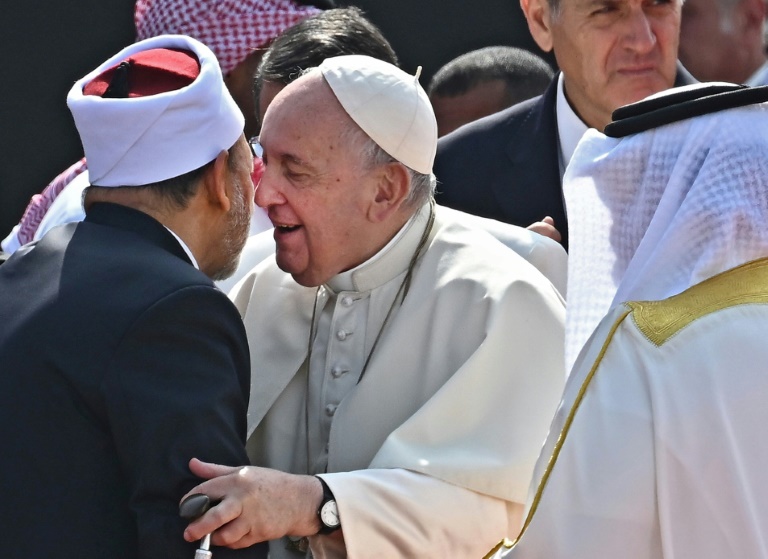
Pope Francis warned Friday the world is on the edge of a “delicate precipice” buffeted by “winds of war”, during a trip aimed at bridging the gap between faiths.

The 85-year-old Argentine decried the “opposing blocs” of East and West, a veiled reference to the standoff over Russia’s invasion of Ukraine. His comments came during a speech to religious leaders at the Bahrain Forum for Dialogue in the tiny Gulf state.

“We continue to find ourselves on the brink of a delicate precipice and we do not want to fall,” he told an audience including Bahrain’s king and Sheikh Ahmed al-Tayeb, the grand imam of Cairo’s prestigious Al-Azhar mosque, a centre of Sunni learning.

Francis was to later meet with Tayeb.

“A few potentates are caught up in a resolute struggle for partisan interests, reviving obsolete rhetoric, redesigning spheres of influence and opposing blocs,” he added. 

“We appear to be witnessing a dramatic and childlike scenario: in the garden of humanity, instead of cultivating our surroundings, we are playing instead with fire, missiles and bombs.”

The pope’s visit comes with the Ukraine war in its ninth month, and as tensions grow on the Korean peninsula and in the Taiwan Strait.

Ahead of the pope’s speech, Vatican Secretary of State Cardinal Pietro Parolin, who met Russia’s Foreign Minister Sergei Lavrov in September, told journalists that there had been “a few small signs” of progress in negotiations with Moscow. 

“All peace initiatives are good. What’s important is that we carry them out together and that they’re not exploited for other goals,” he said.

– Alleged abuses –

The pope, who is using a wheelchair and a walking stick due to chronic knee problems, was to later meet members of the Muslim Council of Elders.

The pontiff’s second visit to the Gulf, birthplace of Islam, comes three years after he signed a Muslim-Christian manifesto for peace in the United Arab Emirates.

Leader of the world’s 1.3 billion Catholics, Francis has placed inter-faith dialogue at the heart of his papacy, visiting other Muslim-majority countries including Egypt, Turkey and Iraq.

He began his first visit to Bahrain on Thursday by hitting out at the death penalty and urging respect for human rights and better conditions for workers.

Rights groups had previously urged the pontiff to speak out about alleged abuses and step in to help death-row prisoners in the Sunni-led monarchy, which is home to a significant Shiite population.

In the opening speech of his visit, at the Sakhir Royal Palace, he said it was vital that “fundamental human rights are not violated but promoted”.

“I think in the first place of the right to life, of the need to guarantee that right always, including for those being punished, whose lives should not be taken,” he said.

Bahrain has executed six people since 2017, when it carried out its first execution in seven years. Some of the condemned were convicted following a 2011 uprising put down with military support from neighbouring Saudi Arabia.

A government spokesman rejected allegations of rights violations, saying Bahrain “does not tolerate discrimination” or prosecute anyone for their religious or political beliefs.

Speaking less than three weeks from the World Cup in neighbouring Qatar, which has faced fierce scrutiny over its treatment of migrant labourers, the pope also demanded “safe and dignified” working conditions for all.

“Much labour is in fact dehumanising,” he said. “This does not only entail a grave risk of social instability, but constitutes a threat to human dignity.”

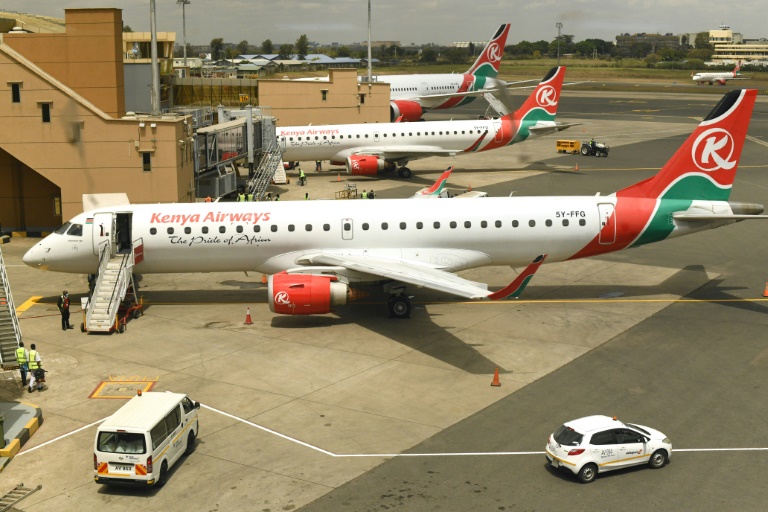
Kenya Airways pilots to strike from Saturday

Pilots at troubled national flag carrier Kenya Airways plan to go on strike from Saturday to seek better working conditions despite a court order suspending the industrial action, their union said Friday.

The airline, partly owned by the government as well as Dutch carrier KLM, is one of the continent’s biggest, connecting multiple nations within Africa to Europe and Asia, but it is facing turbulent times.

The Kenya Airlines Pilots Association (KALPA) said a series of meetings with the airline management had failed to resolve the pilots’ grievances.

No Kenya Airways flight will depart Nairobi’s Jomo Kenyatta International Airport from 6:00 am (0300 GMT) on Saturday, said the union’s secretary general, Captain Murithi Nyaga. 

“Kenya Airways management’s actions have left us with no other option,” Nyaga said, adding that a 14-day notice on the action had ended without a solution.

“We had hoped that the management of the airline would soften its stance and engage in negotiation on the issues raised.”

The pilots, who have had a particularly fraught relationship with management, are pressing for the reinstatement of contributions to a provident fund. 

They also want back payment of all salaries stopped during the Covid pandemic.

Kenya Airways on Wednesday warned the strike would jeopardise its recovery and said none of the grievances by the pilots merited a strike.

“Industrial action is unnecessary at this point, as it will delay and disrupt the financial and operational recovery and cause reputational damage to Kenya Airways,” board chairman Michael Joseph said in a statement.

On Monday, the airline won a court injunction stopping the strike but the pilots’ union have nevertheless vowed to down tools.

An official at KALPA told AFP the pilots “were acting within the provisions of the law”, referring to the expiry of the strike notice.

Kenya Airways was founded in 1977 following the demise of East African Airways and flies over four million passengers to 42 destinations annually.

But its “Pride of Africa” slogan rings hollow as it is operating thanks to state bailouts following years of losses.

On the traces of Senegal's enigmatic anti-colonial heroine

She is hailed today as a figurehead of Senegal’s fight for independence from France — but trying to seize the elusive substance of her life is almost like trying to capture a ghost.

Aline Sitoe Diatta is lauded in the West African nation as the embodiment of the anti-colonial struggle, which culminated with independence in 1960, 16 years after her death. 

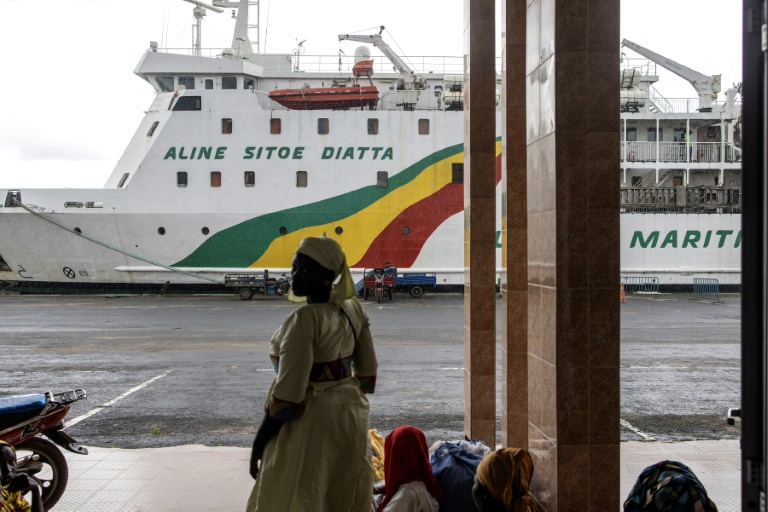
Among the honours bestowed on her are the name of the ferry between the capital Dakar and her native region of Casamance, as well as sports stadiums, schools and a university residence for women in Dakar.

Schoolchildren in Casamance, a southern region ensconced between The Gambia to the north and Guinea-Bissau, are immersed in her story.

They learn that Diatta, dubbed the “Queen of Kabrousse” after the village where she was born in 1920, was suspected by the French of fomenting an anti-colonial revolt.

At the age of 24, the French deported her to Timbuktu, more than 2,300 kilometres (1,429 miles) away, in what is now the deserts of Mali. She died there in 1944 of scurvy.

Yet no physical trace of Diatta remains in Senegal — not her house, her body, not even an object.

“The colonists took everything. But we have kept her memory and the faith she passed on to us,” said Mathurin Senghor Diatta, one of her nephews.

– History ‘rewritten’ –

Even Diatta’s image is uncertain.

In 2020, French author Karine Silla wrote a fictional work on Diatta, with the front cover displaying a photograph of a pipe-smoking young woman proudly posing for the camera with her breasts bared and arms crossed.

But in her village and in universities, no one can say for sure whether the picture is really of her.

And her true part in the anti-colonial struggle seems to have been filtered and altered through the prism of history.

Kabrousse’s village leader, Matar Sambaisseu Diatta, said Diatta was a spiritualist, and the popular version of her story plays down her ethnic and animist roots.

“She never opposed colonial interference,” he said. 

“At the time, lots of people came to see her for (spiritual) consultation, and the colonisers believed she was a danger to them. Her story was later rewritten.”

This view is supported Jean Diedhiou, a researcher in anthropology at the University of Ziguinchor, the capital of Casamance.

Diatta, he said, is the victim of “commemorative inversion… a rewriting of history for political ends”.

“Diatta was a priestess, of which there were others in Casamance,” where there is a deep tradition of village religions, he said.

She never called for an uprising, but did encourage civil disobedience against the requisition of rice, which at the time was required by the ruling French, he said.

“Where she is today stems from the fact that she was arrested and exiled, and the status that the colonisers gave her. It’s what I call the post-colonisation paradox — things that the colonisers did are transformed into legacy.”

– 1970s push –

Diatta’s place in Senegal’s collective memory dates back to the early decades of the fledgling republic.

In the 1970s, she featured in radio broadcasts by Augustin Diamacoune Senghor, a Catholic priest and campaigner for Casamance’s independence.

She was then taken up and brought to a wider public by left-wing groups looking for heroes who symbolised the fight against colonisation.

“For people who were young and became politically aware in the 1970s, Aline Sitoe Diatta was a reference point,” said journalist Fatoumata Sow, a founder member of the feminist movement Yewwu-Yewwi.

“We set up a prize in her name to reward people who fought for the emancipation of women,” she said. 

“She personified the values of resistance, equality between the sexes and the social advancement of women.”

Diatta’s ethnicity was also useful for cementing national unity, said Alioune Tine, a civil society leader.

She was a member of the Diola ethnic group in Casamance — a former Portuguese colony that has a distinctive culture from the rest of Senegal and hosts one of the world’s longest-running separatist revolts.

– ‘Role model’ –

In the nearby resort of Cap Skirring, French vacationer Kani Ba, whose family originated from Senegal, said she had come to see “where (Diatta) came from, to feel her energy”.

“In France, women are put forward as role models, but it is rare to see women of African heritage. It’s crucial to have heroines of African background, because it helps us to progress,” said Ba, who is aged in her 40s.

“Life is simpler when you accept your own identity.”

Back in the village of Kabrousse, dark clouds penetrated by rays of sunshine have brewed, and a gentle breeze rustles through the trees. Dogs bark and children squabble. 

In a few hours, local animists will gather to pray for the rain that will make the rice grow — a “fetish”, or magic ritual, that they say was taught by Diatta herself.

Solar power, farming revive Tunisia school as social enterprise

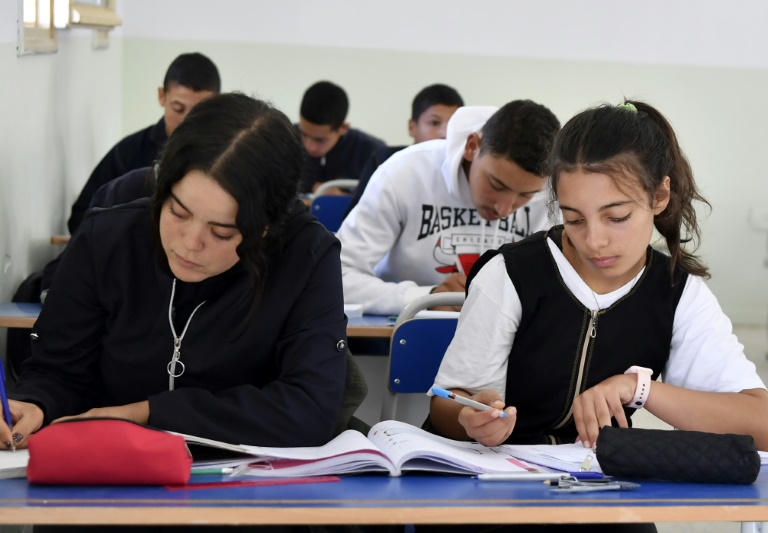
Most Tunisian schools are cash-strapped and run down, but an innovative project has allowed one to become self-sustaining by generating its own solar power and growing its own food.

Today the man behind the initiative hopes the success of the rural Makthar boarding school can serve as a model to improve the crumbling public school sector in the small North African nation.

Entrepreneur Lotfi Hamadi, 46, founder of the “Wallah (Swear to God) We Can” non-profit group, grew up in France but moved to Tunisia after the 2011 revolution that overthrew dictator Zine El Abidine Ben Ali.

Based in Tunis, the hospitality consultant set his sights on the school, located in a remote and poor region 170 kilometres (100 miles) southwest of the capital and close to his parents’ hometown of Kesra.

“I wanted to take what works in the business world and turn schools into social enterprises,” said Hamadi, whose parents were economic migrants to France who could not read or write.

“We’re not trying to fill the gap left by the education system but to compensate them a bit, teach them to learn, give them the curiosity to open up to the world,” he said about the school’s 565 students, most of whom are boarders.

Hamadi started a decade ago by gathering donations to buy 50 solar water heaters — allowing regular hot showers for the students for the first time — and 140 photovoltaic panels that produce four times the power consumed on site.

By selling one-third of the surplus back to the national power company, the school could pay back debts to utilities and fund site improvements and extra-curricular activities.

The remaining extra power is distributed for free to three other nearby schools.

Last year, Hamadi’s group launched Kidchen, a farmers’ cooperative that grows vegetables on around eight hectares (20 acres) of nearby land.

While some produce goes to the school canteen, 90 percent has been sold since this summer, with the profits helping to pay for school activities.

Kidchen is staffed by six school parents, formerly unemployed, and an agricultural engineer, who receive stable incomes and a share of the equity and dividends.

“That pushes us to work harder and produce more,” said chief gardener Chayeb Chayeb, a 44-year-old father of three. 

“It’s a project for ourselves.” 

– ‘Discover opportunities’ –

Hamadi said better schooling is urgently needed in the country gripped by years of political instability and economic woes since the revolution.

The situation now is a far cry from the era of Habib Bourguiba, Tunisia’s first president after independence from France in 1956, who strongly promoted primary education.

Initially the Arab Spring uprising inspired hopes of greater social and economic rights, but today “75 percent of pupils leave primary school without being able to write two sentences”, Hamadi said.

“The education system has been suffering since the revolution… because every government has caved in to pressure from the unions,” he said.

As a result, over 95 percent of the ministry’s budget goes to paying staff salaries, leaving little for maintenance, schoolbooks and teacher training. 

Some 100,000 pupils drop out of the Tunisian school system every year, and many parents, worried about low academic standards in state schools, opt for expensive private tuition.

Chayeb, the chief farmer, said the Makthar model had helped his family and given his children better school meals and activities ranging from business skills and foreign languages to robotics and drama.

“Before, I was a seasonal worker on five- or six-month contracts, always somewhere different,” he said. “Now I work near where I live.”

Former student Chaima Rhouma, 21 and studying law with a view to becoming a diplomat, said the project had completely revitalised the school, replacing a garbage-strewn yard with a sports field and garden. 

Literature, theatre and cinema clubs had filled her with “good vibes”, she said. “I’ve become more curious, I’m always looking for new things. Here you can study by having fun.”

The school has gained a reputation in the region and is in high demand, with 80 children now on the waiting list, said its director Taher Meterfi.

Hamadi is meanwhile forging ahead with his next project — a largely organic 40-hectare farm project to supply the city’s 23 schools with energy and food for some 3,500 students.

At a time when Tunisia’s crisis is driving many young people to emigrate, he hopes to help children “come to terms with their country and discover the opportunities it has to offer them”.

At 'African COP', continent's climate needs may go unmet

It is being billed as the “African COP” but scientists and campaigners on the continent least responsible for climate change fear the UN summit that begins on Sunday in Egypt will once again leave them sidelined.

As the toll of climate-linked disasters mounts in debt-ridden countries across Africa, governments are demanding that rich polluters pay for the harm their emissions have already caused, known as “loss and damage”.

“Historically, Africa is responsible for less than four percent of global emissions, but Africans are suffering some of the most brutal impacts of the climate crisis,” said Ugandan campaigner Vanessa Nakate.

“We need financial support to cope with the loss and the damage we’re experiencing across the continent. We need polluters to compensate for the destruction they’ve caused.” 

Richer governments rejected a call for a financial mechanism to address losses and damage at last year’s climate talks in Glasgow and instead negotiators agreed to start a “dialogue” on financial compensation.  

But as floods, heat waves and droughts sweep across the planet, hitting the most vulnerable hardest, activists are hoping the issue will take centre stage at COP27 in Egypt.

– African countries ‘shortchanged’ –

In Africa alone, extreme weather events have killed at least 4,000 people and displaced 19 million so far this year, a study by the Carbon Brief news service said last week.

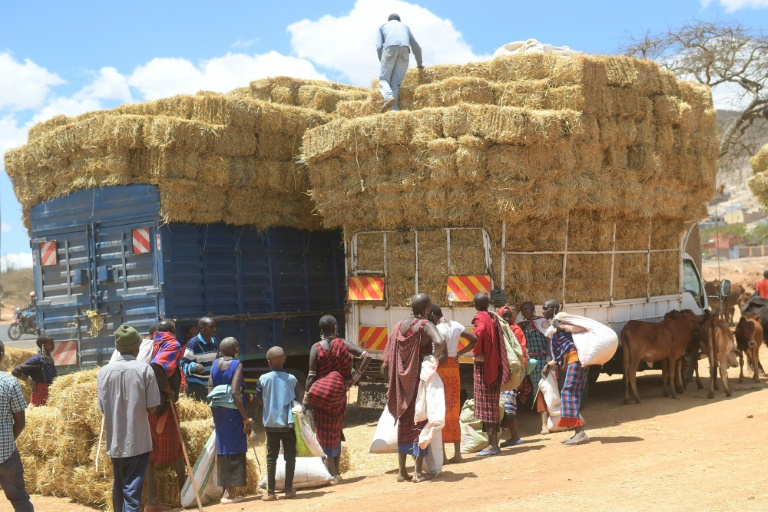
The ongoing drought in East Africa is impacting the livelihoods of more than nine million people, and 1.4 million people have been displaced in recent weeks in the worst floods on record in Nigeria.

The UN’s Intergovernmental Panel on Climate Change in February warned that tens of millions of Africans face a future marked by drought, disease and displacement due to global heating.

“Multiple African countries are projected to face compounding risks from: reduced food production across crops, livestock and fisheries; increasing heat-related mortality; heat-related loss of labour productivity; and flooding from sea level rise,” scientists wrote in a dedicated chapter on the continent.

Chukwumerije Okereke, a professor in environment and development at Britain’s Reading University, said that African nations would demand greater action from the polluting countries that are driving climate change.

“African countries believe they have been significantly shortchanged because they are the most vulnerable to the impact of climate change,” he told AFP. 

“Ultimately, the best way to stave off a more devastating impact of climate change on the continent is through rapid decarbonisation.”

Countries agreed at last year’s UN climate talks in Glasgow to raise the ambition of their emissions-cutting plans. However, the UN says those additional measures would result in a pollution cut of less than one percent by 2030. 

The Glasgow summit also produced a new strategy for financing the energy transition, with a group of rich nations committing to providing $8.5 billion to coal-dependent South Africa over three to five years — in grants and loans — to help its climate plan and catalyse private investment.

This week the World Bank said that South Africa, one of the world’s largest greenhouse gas emitters, will require at least $500 billion to achieve carbon neutrality by 2050. 

Susan Chomba, director of the African NGO Vital Landscapes, said governments should use COP27 to push green development investment on the continent.  

“We do need development for our people and we need to use the resources that are within our reach on the continent,” she said.

“The war in Ukraine has exposed the naked risk of overdependence on fossil fuels, even for the richest economies, but also the ripple effect that it is having on energy fertiliser and food prices on the continent.” 

– ‘Fake promises’ –

Progress at recent COPs has been stymied by a failed promise by rich nations to provide at least $100 billion annually to developing ones to help decarbonise while adapting to climate impacts.

“The key point that I’m really looking forward to is that COP27 is going to be a COP where we’re going to be able to build up trust,” said Ineza Grace from the Loss and Damage Youth Collaborative. 

“All of those fake promises have never been accomplished and we are the generation that is kind of living in the hotspot. But we are also a generation that does not want to sit down and just continue to be victims.”

Okereke said to expect “constructive ambiguity” around loss and damage finance.

“If they do set up such a facility then it might still be four or five years before the structure or the functionalities of such a facility is agreed,” said Okereke. 

“So poor countries should be aware that while having a facility is a victory, it may not necessarily translate to more dollars coming to them.”

Equatorial Guinea president launches bid for sixth term

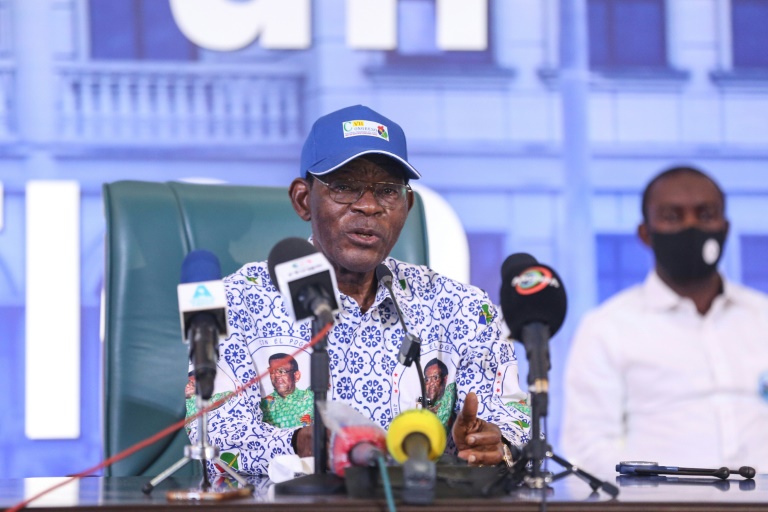
Equatorial Guinea’s President Teodoro Obiang Nguema Mbasogo, who has ruled his country with an iron fist for 43 years, launched his bid for a sixth term on Thursday in a first campaign event.

Obiang, 80, came to power in a 1979 coup and is the longest-ruling head of state in the world excluding monarchs. He has never officially been re-elected with less than 93 percent of the vote.

His dominant Democratic Party of Equatorial Guinea (PDGE) began its campaign for presidential, legislative, senate and local elections to be held on November 20 in the northern town of Ebebiyin near the border with Cameroon.

Obiang told hundreds of supporters that his party had chosen him to run “because I am the symbol of peace that reigns in Equatorial Guinea”.

His electoral manifesto is based on continuity and developing the Central African nation, which has vast oil and gas resources but the majority of the population live below the poverty line.

“An old friend is better than a new one,” added the president’s deputy and son, Teodoro Nguema Obiang Mangue.

The PDGE holds 99 of the 100 seats in the outgoing lower house of parliament and all of the senate seats. It was the country’s single legal political movement until 1991, when multi-party politics were introduced.

Running against Obiang are Andres Esono Ondo of the Convergence for Social Democracy party and Buenaventura Monsuy Asumu, who represents the Party of the Democratic Social Coalition.

More than 425,000 voters are registered for the polls out of a population of around 1.4 million.

Equatorial Guinea is one of the planet’s most authoritarian states and closed its land borders with Cameroon and Gabon earlier this week, saying it wanted to prevent “infiltration” groups from “destabilising” the elections.

Senegal opposition leader appears in court in rape case

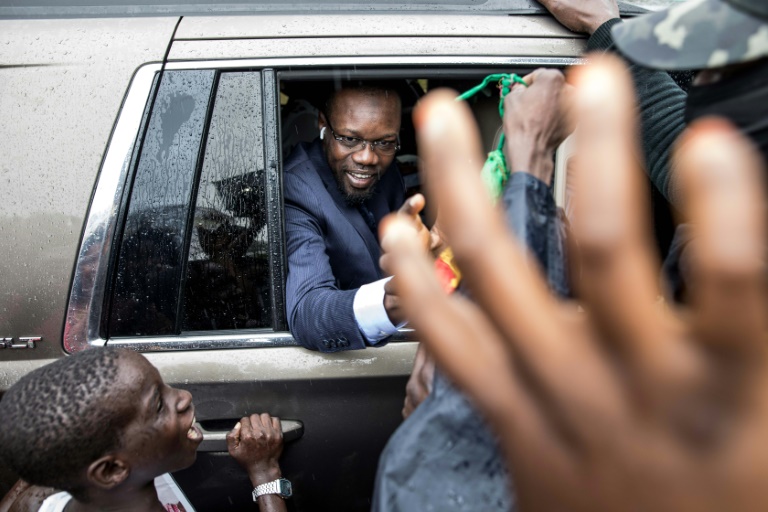
Senegal’s main opposition leader appeared in a Dakar court over rape accusations for the first time on Thursday, with a lawyer calling the case a state “conspiracy” that should be dropped.

Ousmane Sonko, 48, was accused last year of raping an employee of a beauty salon where he was getting a massage.

His arrest and indictment in March 2021 led to several days of deadly riots in Senegal, a nation usually viewed as a beacon of stability in politically volatile West Africa.

Sonko claims Senegalese President Macky Sall is attempting to set a trap for him and his supporters and on Wednesday appealed for calm, urging them not to gather outside the court.

Thursday’s hearing in the Senegalese capital lasted three hours. A large security presence was deployed throughout the city, particularly around Sonko’s home and the court building.

Cire Cledor Ly, one of Sonko’s lawyers, told AFP his client exposed a “badly planned conspiracy” and debunked “fabrications and lies (designed) to taint a political leader”.

Sonko hopes the case will be dropped entirely due to the “non-existent acts” he is accused of, Ly added.

Sonko tweeted that  the hearing “went very well” but he was left “without protection” after gendarmes arrested some of his security team.

They had been detained following violence last week during a political trip in western Senegal, the local prosecutor said in a statement.

The authorities have denied any misuse of state institutions in the legal proceedings against Sonko, who came third in the last presidential election in 2019 and plans to run again in 2024.

He was elected mayor of the southern city of Ziguinchor in January and has enjoyed a rapid political rise in part thanks to his popularity with young people. 

But critics characterise him as a populist firebrand. He regularly tears into social elites and corruption, slamming the economic and political grip of multinational firms and former colonial power France.

Sall, who was elected in 2012 and again in 2019, has remained vague on whether he intends to run for a controversial third term in 2024.

Defendants, prosecutor appeal after CAfrica war crimes case

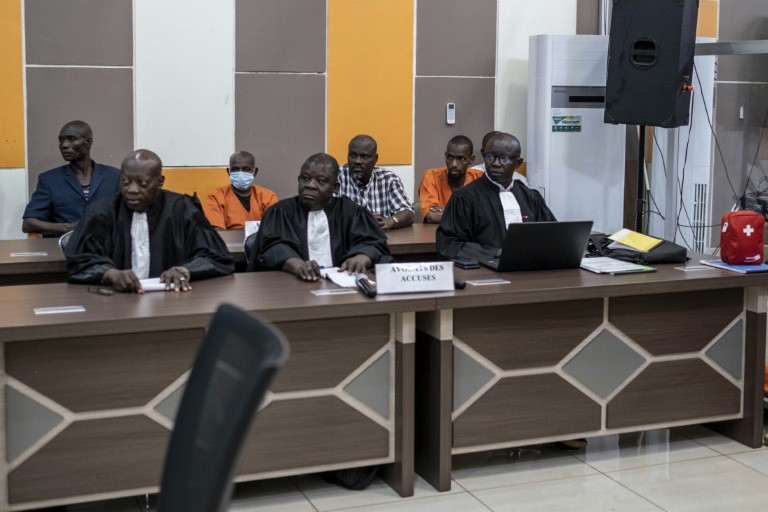
Three members of an armed group who this week were convicted for crimes against humanity after a landmark trial in the Central African Republic have filed appeals, the court said on Thursday.

Issa Sallet Adoum, Ousman Yaouba and Tahir Mahamat were accused of taking part in an attack by the 3R armed group in May 2019 in which 46 villagers in northwest CAR were massacred.

After its first-ever trial, the Special Criminal Court, a tribunal of local and international judges, on Monday sentenced Adoum to life and the others to 20 years.

Confirming remarks made by a defence attorney after the trial, the trio have lodged appeals against the ruling, court officials told AFP.

Separately, the court’s prosecutors, who had requested life terms for all three, said in a statement that they too would file an appeal.

One of the poorest and most volatile countries in the world, CAR plunged into civil war in 2013 largely along sectarian lines.

Violence fell back in intensity in 2018 but as recently as early 2021, two-thirds of the country lay in the hands of armed groups spawned in the conflict.

The special court’s mandate applies to war crimes and crimes against humanity dating back to 2003.

The tribunal was set up in 2015 with UN backing but struggled for years to get going in the face of logistical hurdles, lack of money and local hostility.

Monday’s verdict has been acclaimed by rights campaigners and relatives of victims as a crucial step in the fight for justice.

“The judgment shows the capacity of the Central African Republic’s courts, assisted by the international community, to address the gravest crimes suffered by its people,” Volker Turk, the UN High Commissioner for Human Rights, said in a statement on Wednesday.

Cautious hope for Ethiopia deal to silence the guns

World leaders and ordinary Ethiopians voiced cautious hope that a breakthrough deal between Ethiopia’s government and Tigrayan rebels could signal a permanent end to the brutal conflict in Africa’s second most populous country.

The agreement, unveiled Wednesday after little over a week of negotiations, is seen as a crucial first step towards ending the bloodshed but many questions remain about its implementation.

It was sealed almost two years to the day since the war erupted on November 4, 2020 between federal forces and the Tigray People’s Liberation Front (TPLF) and followed a surge in fierce combat from late August that had alarmed the international community.

The two sides agreed to “silence their guns” in a conflict that has seen many thousands of people killed and millions forced from their homes, with reports of atrocities including massacres and rape committed by all parties.

Speaking to a crowd of supporters in southern Ethiopia, Prime Minister Abiy Ahmed said Thursday the government had scored a victory in the deal that was brokered by the African Union in Pretoria.

“In the South Africa negotiations, 100 percent of the ideas Ethiopia has proposed have been accepted,” he said.

According to a joint statement signed by both parties, the agreement includes provisions for the disarmament of TPLF fighters and a public “commitment to safeguarding the sovereignty and territorial integrity of Ethiopia” — a key demand by the government.

It also provides for the restoration of services to war-stricken Tigray and unhindered access to humanitarian supplies.

But details regarding its implementation remain vague, and no mention was made of Abiy’s ally Eritrea, a major player in the conflict, despite international calls for Asmara to withdraw its forces from Tigray.

While hailing the agreement as a “new dawn” for Ethiopia and the volatile Horn of Africa region, AU mediator Olusegun Obasanjo had cautioned Wednesday: “This moment is not the end of the peace process but the beginning of it.”

US Secretary of State Antony Blinken described it as a “momentous step” while UN chief Antonio Guterres voiced hope it “can start to bring some solace to the millions of Ethiopian civilians that have really suffered during this conflict”.

The European Union encouraged further talks to achieve a permanent ceasefire agreement and said “swift implementation” on the ground was needed including the resumption of humanitarian access and restoration of basic services.

– ‘No other option but peace’ –

The agreement was greeted cautiously on the streets of Ethiopia’s capital Addis Ababa.

“If the truce were done earlier, it would have been better. Many people wouldn’t have been killed (and) displaced,” businessman Million Tadesse told AFP.

Banker Degsew Assefa also welcomed the agreement, but said it needed to “be carefully implemented so we don’t relapse back to war”. 

“There is no other option than peace,” he said.

Abiy — who won the 2019 Nobel Peace Prize for his rapprochement with Eritrea — sent troops into Tigray to topple the TPLF after accusing the group of launching attacks on federal army camps.

It followed seething tensions between Abiy and the TPLF, which had dominated Ethiopian politics for nearly three decades until his election in 2018.

The war’s toll is unknown, but the US has estimated that as many as half a million people have died in the conflict.

The fighting has triggered a severe humanitarian crisis and caused large-scale displacement in Tigray as well as in the neighbouring regions of Amhara and Afar.

Tigray has faced severe shortages of food and medicines and limited access to electricity, banking and communications, with UN warnings that hundreds of thousands of people were on the brink of famine.

UN investigators have accused Abiy’s government of crimes against humanity in Tigray, including the use of starvation as a weapon — claims rejected by the authorities.

Amnesty International said Wednesday’s deal was a step in the right direction, but called for further action to address the “unspeakable abuses” committed during the conflict.

“At present, the accord fails to offer a clear roadmap on how to ensure accountability for war crimes and crimes against humanity, and overlooks rampant impunity in the country, which could lead to violations being repeated,” it said in a statement.

Close Bitnami banner
Bitnami