Africa Business

Moroccan rapper ElGrande Toto says sorry for cannabis comments

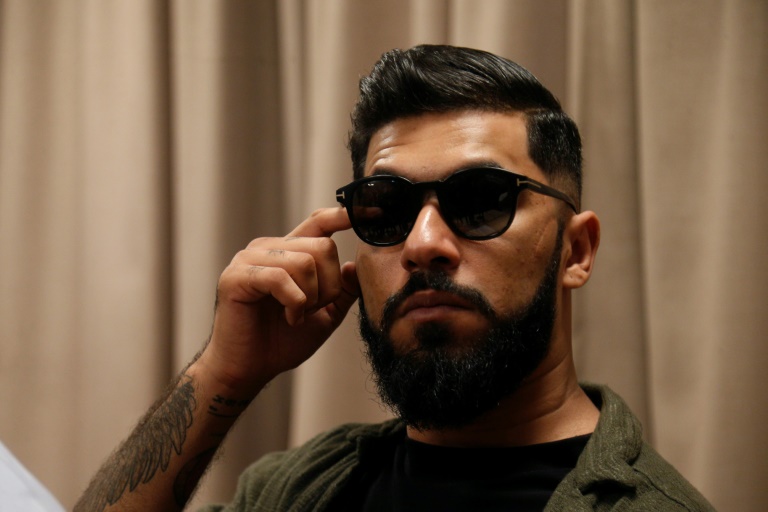
Star Moroccan rapper ElGrande Toto on Sunday apologised for causing offence through recent public statements in which he acknowledged using cannabis.

His original comments had sparked an outcry in the country.

“I offer my apologies to anyone offended by my words, starting with the authorities and my public,” ElGrande Toto, whose real name is Taha Fahssi, told a packed press conference.

“Rap is a particular language — perhaps I did not make good use of it at the right time,” the 26-year-old Casablancan rap star said.

In late September, ElGrande Toto had told reporters who gathered after one of his concerts “I smoke hash — so what?

“It does not mean I set a bad example,” he added at the time.

These comments, circulated widely on social media, provoked an outcry in the North African country.

Morocco is ranked the biggest producer of cannabis in the world by the UN. Use of the plant is banned at home, but the country is seeking to enter the global medicinal market.

The controversy “became too big and it is a valuable lesson for me,” added the rapper, who was on Thursday forbidden from leaving Moroccan territory by the authorities and was also summoned by the police in Casablanca.

“We do not know the purpose of this summons,” his lawyer, Abdelfattah Zahrach, said on Sunday.

A Belgium-based journalist has lodged a complaint against Fahssi, accusing him of “incitement to consume drugs” in the wake of his September comments, according to the journalist’s lawyer, Mohamed Karrout.

ElGrande Toto was the most in demand Arab artist in the Maghreb in 2021 on Spotify, with more than 50 million downloads. His YouTube channel meanwhile maintains 2.7 million subscribers.

DR Congo troops clash with M23 rebels

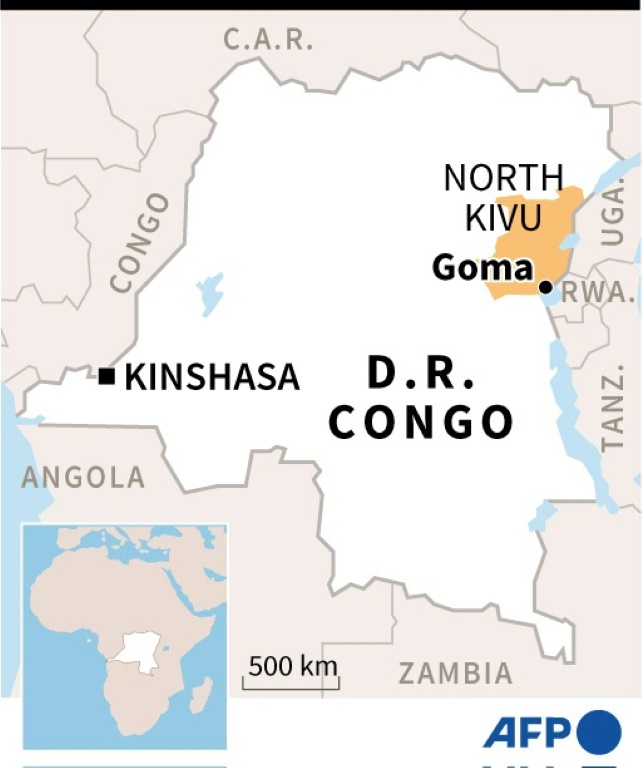
Fresh clashes between the army and M23 rebels have erupted in eastern DR Congo, officials said on Sunday, breaking a period of relative calm between the two sides.

A mostly Congolese Tutsi group, the M23 resumed fighting late 2021 after lying dormant for years. It has since captured swathes of territory in North Kivu province, including the strategic town of Bunagana on the Ugandan border in June. 

The resurgence of the group has destabilised regional relations in central Africa, with the Democratic Republic of Congo accusing its smaller neighbour Rwanda of backing the militia.

The frontline between Congolese troops and M23 rebels had been calm in recent weeks. But clashes erupted again on Thursday, violence monitor Kivu Security Tracker stated on Saturday evening. 

On Sunday, army officials and residents said that M23 fighters had captured the village of Ntamugenga, a strategic target that lies close to the highway leading north out of provincial capital Goma.

“The situation is gloomy here,” said village chief Celestin Nyamugira, explaining that M23 fighters had erected a barrier at the entrance to the settlement. “They came from the forest and infiltrated the city.”

Congolese Colonel Mavinga Serge confirmed the capture of the village to AFP, but said troops were “next door”. 

Another officer, Lieutenant Colonel Ndjike Kaiko, said the army was “containing” the rebels. 

Doctors Without Borders (MSF) tweeted that 500 people had taken refuge in a convent in Ntamugenga, including some who were wounded, and urged the creation of a humanitarian corridor to evacuate civilians. 

The M23 first leapt to prominence in 2012 when it briefly captured Goma before a joint Congolese-UN offensive drove it out.

The militia is just one of scores of armed groups that roam eastern DRC, many of them a legacy of two regional wars that flared late last century. 

Despite official denials from Kigali, an unpublished report for the United Nations seen by AFP in August pointed to Rwandan involvement with the M23. 

The official death toll from the latest clashes remains unclear. Kivu Security Tracker said at least two civilians had been killed and a dozen wounded in recent clashes.

Medical officials from the region’s Rutshuru Hospital said that four civilians had been killed on Friday and Saturday, with eight wounded. 

On Sunday, the head of Ntamugenga hospital John Sebatware said that five soldiers and one civilian had been killed, with 33 people wounded. 

At least four dead in attack on south Somalia hotel

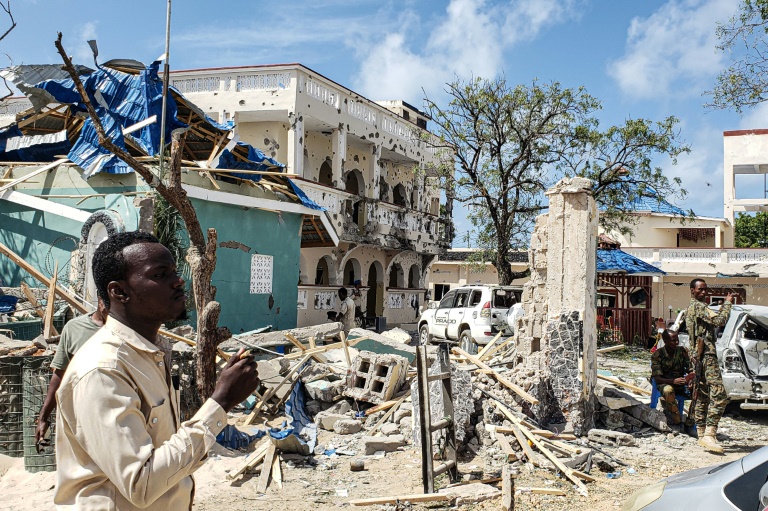
At least four people have been killed in an attack on a hotel in Kismayo, southern Somalia, claimed by Al-Shabaab Islamists, police and a witness said on Sunday.

The port city is the latest to be hit following a resurgence of bloody attacks in recent months by the Al-Qaeda-linked group, which has mainly targeted the capital Mogadishu and central Somalia.

Sunday’s assault began at 12:45 pm (0945 GMT) when a booby-trapped car rammed the entrance of Hotel Tawakal.

“Another dead body of a civilian was discovered, making four the overall civilian casualties we have confirmed so far,” police officer Abdullahi Ismail said, updating the toll of three given by officials earlier.

“This is not a government target,” Ismail said. “It is just an ordinary, civilian-frequented hotel.”

As security forces sought to bring the siege to an end, they killed “two of the attackers”, he added. “They are clearing the hotel building and will soon announce the siege is over.”

Witness Abdikarin Yare told AFP the forces “managed to storm the main building and we can still hear gunshots”, adding: “Two dead bodies of the attackers were dragged out.”

Another witness Farhan Hassan, who was outside the hotel when the attack happened, said “a suicide bomber drove a vehicle into the entrance of the hotel before the gunmen entered the building”.

Al-Shabaab claimed responsibility for the attack, saying members of the federal government of Jubaland, where Kismayo is located, were meeting in the hotel at the time.

– ‘Total war’ –

Al-Shabaab has been trying to overthrow the government for more than 15 years and regularly attacks civilian and military targets. 

Kismayo was once an Al-Shabaab stronghold before it was taken over in 2012 by local militias backed by Kenyan forces.

In August it launched a 30-hour gun and bomb attack on the popular Hayat hotel in Mogadishu, killing 21 people and wounding 117.

In 2019, the group conducted a similar attack on a hotel in Kismayo, killing 26 and injuring 56.

Somali President Hassan Sheikh Mohamud, who was elected in May, vowed after the siege in August to wage “all-out war” on the Islamists.

In September he urged citizens to stay away from areas controlled by the jihadists, saying the armed forces and tribal militia were ratcheting up offensives against them.

A joint US-Somali drone strike killed one of the militants’ most senior commanders on October 1.

Just hours after his death was announced, a triple bombing in the southern city of Beledweyne killed at least 30 people. 

In addition to violence, Somalia — like its neighbours in the Horn of Africa — is in the grip of the worst drought in more than 40 years. Four failed rainy seasons have wiped out livestock and crops.

Some 7.8 million Somalis — nearly half the population — are affected by the drought and 213,000 are on the brink of famine as a result, according to the United Nations

DR Congo troops clash with M23 rebels

Fresh clashes between the army and M23 rebels have erupted in eastern DR Congo, officials said on Sunday, breaking a period of relative calm between the two sides.

A mostly Congolese Tutsi group, the M23 resumed fighting late 2021 after lying dormant for years. It has since captured swathes of territory in North Kivu province, including the strategic town of Bunagana on the Ugandan border in June. 

The resurgence of the group has destabilised regional relations in central Africa, with the Democratic Republic of Congo accusing its smaller neighbour Rwanda of backing the militia.

The frontline between Congolese troops and M23 rebels had been calm in recent weeks. But clashes erupted again on Thursday, violence monitor Kivu Security Tracker stated on Saturday evening. 

On Sunday, army officials and residents said that M23 fighters had captured the village of Ntamugenga, a strategic target that lies close to the highway leading north out of provincial capital Goma.

“The situation is gloomy here,” said village chief Celestin Nyamugira, explaining that M23 fighters had erected a barrier at the entrance to the settlement. “They came from the forest and infiltrated the city.”

Congolese Colonel Mavinga Serge confirmed the capture of the village to AFP, but said troops were “next door”. 

Another officer, Lieutenant Colonel Ndjike Kaiko, said the army was “containing” the rebels. 

The M23 first leapt to prominence in 2012 when it briefly captured Goma before a joint Congolese-UN offensive drove it out.

The militia is just one of scores of armed groups that roam eastern DRC, many of them a legacy of two regional wars that flared late last century. 

Despite official denials from Kigali, an unpublished report for the United Nations seen by AFP in August pointed to Rwandan involvement with the M23. 

The official death toll from the latest clashes remains unclear. Kivu Security Tracker said at least two civilians had been killed and a dozen wounded in recent clashes.

Medical officials from the region’s Rutshuru Hospital said that four civilians had been killed on Friday and Saturday, with eight wounded. 

On Sunday, the head of Ntamugenga hospital Jonh Sebatware said that five soldiers and one civilian had been killed, with 33 people wounded. 

Mount Kilimanjaro fire mostly under control: Tanzania authorities

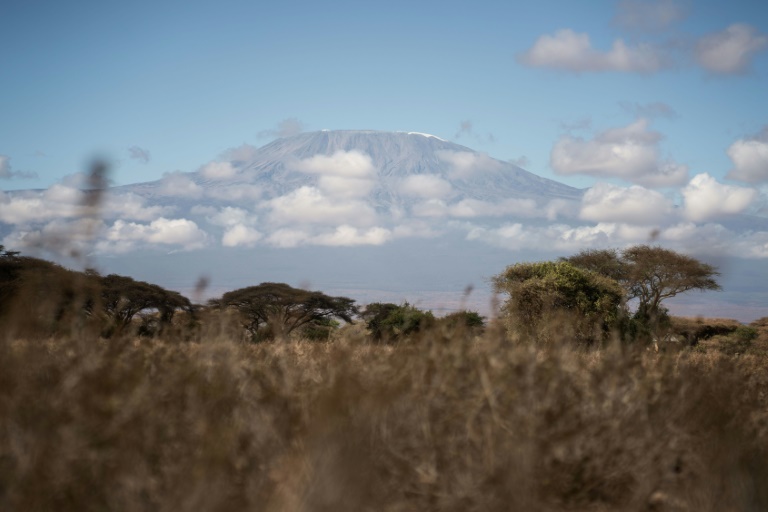
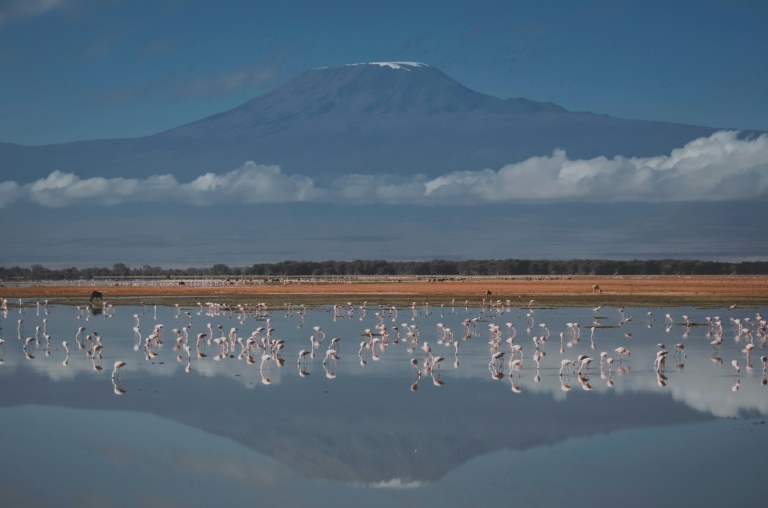
Tanzanian authorities on Sunday said a fire on Mount Kilimanjaro was mostly under control after flames burned Africa’s tallest mountain for more than 24 hours.

The blaze began on Friday evening near the Karanga site used by climbers ascending the famous peak, at about 4,000 metres (13,000 feet) altitude on its south side.

“We have seen great success in controlling the fire. To a large extent, it’s already extinguished in most areas although there are still smokes,” said Eliamani Sedoyeka, an official at the natural resources and tourism ministry.

Sedoyeka said the aim was to bring the fire completely under control by Sunday evening.

Local official Nurdin Babu told reporters “everything is under control… we have managed to control the fire to a great extent”.

The blaze left no victims in the tourist hotspot and UNESCO World Heritage site in northeastern Tanzania, where tens of thousands of climbers flock each year to conquer its snow-capped peak.

Hundreds of people including firefighters, national park staff and civilians were mobilised to fight the flames that were fanned by a strong wind.

Social media footage on Saturday showed huge flames consuming vegetation and bushes and giving off grey smoke.

The cause remains unknown but Sedoyeka on Saturday said a climber or honey hunters may have started it “carelessly”.

Herman Batiho, an official at Tanzania’s national parks authority, said he was “sure” human activity was to blame through illegal poaching or locals extracting honey.

The latest blaze comes two years after another fire raged for a week in October 2020 across 95 square kilometres (37 square miles).

Suspected jihadist attack kills 11 in Niger: local sources

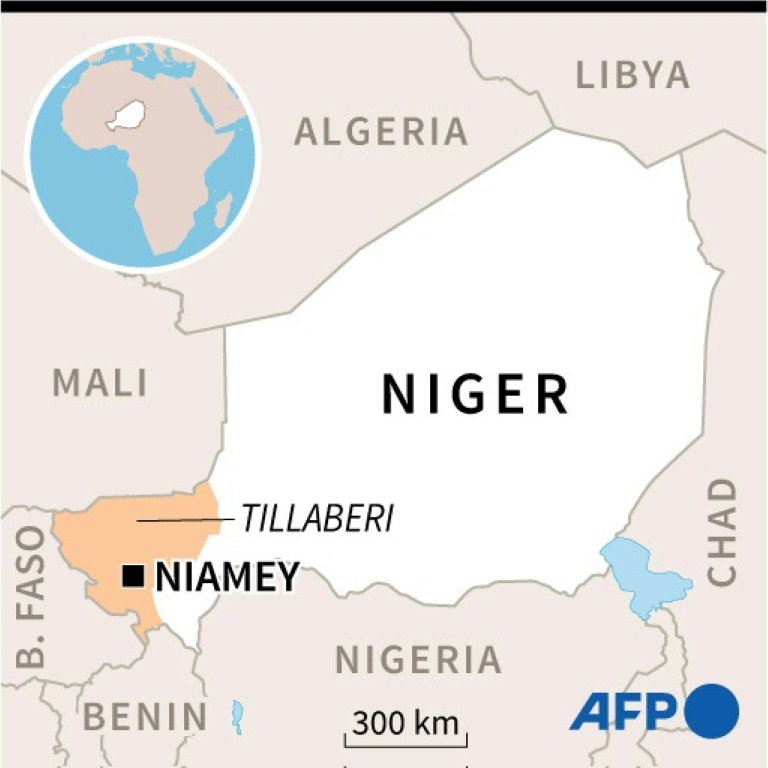
A suspected jihadist attack on three lorries and a motorcycle in western Niger near the border with Mali killed 11 people, local sources told AFP on Sunday.

The attack took place on a remote road in the so-called “three borders” region between Niger, Mali and Burkina Faso plagued by jihadist insurgents linked with Al-Qaeda and the Islamic State group.

A local government official in the Banibangou area where the attack occurred said armed men intercepted three trucks on a remote road on Saturday morning and killed their nine occupants.

Two people riding a motorcycle also died, he added.

A local lawmaker also confirmed the toll of 11 dead, saying two of the trucks were burned and the other taken away.

Attacks by militants had been less frequent in recent months in Banibangou, located in the vast and unstable Tillaberi region in western Niger.

Civilians have often been caught in the fighting between the rebels and security forces. In November 2021, authorities said at least 69 local self-defence militiamen were massacred.

DR Congo troops clash with M23 rebels

Fresh clashes between the army and M23 rebels have erupted in eastern DR Congo, officials said on Sunday, breaking a period of relative calm between the two sides.

A mostly Congolese Tutsi group, the M23 resumed fighting late 2021 after lying dormant for years. It has since captured swathes of territory in North Kivu province, including the strategic town of Bunagana on the Ugandan border in June. 

The resurgence of the group has destabilised regional relations in central Africa, with the Democratic Republic of Congo accusing its smaller neighbour Rwanda of backing the militia.

The frontline between Congolese troops and M23 rebels had been calm in recent weeks. But clashes erupted again on Thursday, violence monitor Kivu Security Tracker stated on Saturday evening. 

On Sunday, army officials and local residents said that M23 fighters had captured the village of Ntamugenga, a strategic target that lies close to the highway leading north out of provincial capital Goma.

“The situation is gloomy here,” said village chief Celestin Nyamugira. “They came from the forest and infiltrated the city.”

Congolese Colonel Mavinga Serge confirmed the capture of the village to AFP, but said troops were “next door”. 

The M23 first leapt to prominence in 2012 when it briefly captured Goma before a joint Congolese-UN offensive drove it out.

The militia is just one of scores of armed groups that roam eastern DRC, many of them a legacy of two regional wars that flared late last century. 

Despite official denials from Kigali, an unpublished report for the United Nations seen by AFP in August pointed to Rwandan involvement with the M23. 

The official death toll from the latest clashes remains unclear. Kivu Security Tracker said at least two civilians had been killed and a dozen wounded. 

Medical officials from the region’s Rutshuru Hospital said that four civilians had been killed on Friday and Saturday, with eight wounded. 

Tanzanian firefighters battle blaze on Mount Kilimanjaro

More than 300 people have been mobilised to tackle a blaze on the slopes of Tanzania’s famous Mount Kilimanjaro, local officials said Saturday, with police and local people helping firefighters.

The fire was burning near the camp Karanga site used by climbers ascending the mountain, at about 4,000 metres altitude on the south side of mountain.

Mount Kilimanjaro, situated in the northeast of the country, is Africa’s highest summit at 5,895 metres (19,340 feet).

Officials have not yet established how the fire started, but it comes exactly two years after another blaze, which raged for a week in October 2020 across 95 square kilometres (37 square miles).

No one was killed in that fire and on Saturday officials said that the current blaze did not threaten any of the tourists on the mountain. Kilimanjaro is popular with both trekkers and mountain climbers.

The fire started on Friday evening and was spread by strong winds during the night, said regional officials. They could not yet say how much ground it covered.

A plane transporting local officials and leading members of the Tanzania National Parks Authority (TANAPA) for a visit to evaluate the situation was unable to land on Saturday.

“Large clouds and the smoke prevented us from reaching the fire zone,” the prefect of Kilimanjaro, Nurdin Babu, told journalists. “We will try again when the situation improves.”

The chief of the region’s police, Yahaya Mdogo, said that they were focusing on getting the fire under control and could not yet say how big it was or what impact it was having on the population.

But videos posted on social media appeared to show the flames devouring vegetation and giving off thick clouds of grey smoke.

Police, firefighters, students from the local university and even staff from tour operators were working hard to bring the blaze under control, TANAPA said in a brief statement.

Mount Kilimanjaro, with its snow-capped peak, is known around the world.

The forests surrounding it form part of a national park, and Kilimanjaro National Parks is registered by UNESCO as a World Heritage site, in part because many endangered species live there.

S.Africa's Zuma accuses successor Ramaphosa of graft, treason

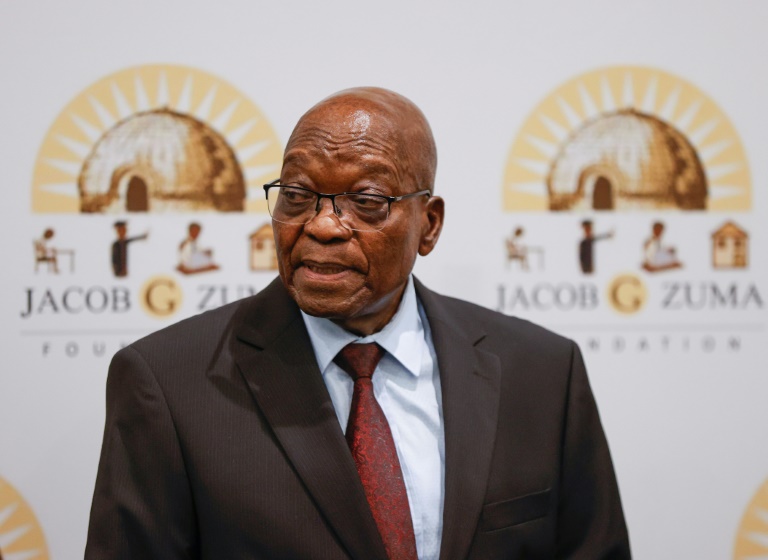
South Africa’s former president Jacob Zuma, who himself faces graft charges, on Saturday accused his successor Cyril Ramaphosa of treason just two months before a crunch ANC conference where the latter is expected to seek re-election as party head.

“Your president is corrupt. Your president has committed treason,” Zuma told a news conference in Johannesburg — his first since he ended his 15-month jail term earlier this month for contempt of court.

He was reacting to allegations earlier this year that Ramaphosa concealed a multi-million-dollar cash heist at his luxury farmhouse.

“No president should conduct private business while in office. It is inconsistent with the oath of office taken by (the) president,” he said.

“Our country’s problems are too big for a president who is busy hustling on the side.”

The scandal erupted in June after ex-national spy boss Arthur Fraser filed a police complaint, alleging that robbers broke into Ramaphosa’s Phala Phala farm in northeastern South Africa, where they found and stole $4 million in cash hidden in furniture.

Zuma became president in 2009 and was forced to step down by the ANC in 2018 following mounting corruption allegations.

– ‘President has failed’ –

Zuma said he wondered what would have happened had he been the one accused of hiding “millions of dollars hidden under my mattress”, adding no president including Nelson Mandela had been found with large sums of money in their home.

Fraser, seen as an ally of Zuma, alleged that Ramaphosa concealed the robbery from police and the tax authorities, and instead organised the kidnapping and questioning of the robbers, and then bribed them into silence.

The president has acknowledged a burglary but denies the accusations of kidnapping and bribery, saying he reported the break-in to the police. 

He has also disputed the amount of money involved, and said the cash came from legitimate sales of game from his animal-breeding farm.

South Africa’s parliament this week opened a probe on whether the farm saga renders Ramaphosa impeachable or not. The police is also investigating the case, but Zuma said there was “silence of the many criminalities against the current president”.

The case has piled unprecedented pressure on Ramaphosa, who came into office on the promise of busting graft. 

It also comes amid heightened heavy infighting within the ANC, ahead of a national elective conference in December.

The party is to hold internal polls to pick a new leader, who would then become the candidate for the next presidential election in 2024.

Zuma said the December conference “is going to deal with (Ramaphosa)” and decide whether the party wants him to stay. “Many people (are saying) that this president has failed.”

A chuckling Zuma added that he would not take any accountability for the current state of South Africa as he was no longer the president.

Another former president who succeeded anti-apartheid icon Mandela, Thabo Mbeki, also bemoaned the state of the ANC ahead of the December meeting.

“Our president is under a lot of pressure… around the matter of Phala Phala farm,” he told a separate meeting in Johannesburg. 

Mbeki went on to question the quality of leadership of the ANC, claiming some leaders occupying the top six jobs in the country are not qualified to do so.

Mbeki added that South Africans should face that they “have a renewed ANC led by criminals”.  

Zuma last month he said he was ready to make a political comeback at the ANC party’s internal conference.

On Saturday he said if the ANC asked him to run for one of the top party positions, “who am I to say no?”

Support for the party of Mandela dropped below 50 percent for the first time in local elections last year, and the government is facing growing discontent over widespread poverty, unemployment and a prolonged power crisis.

Zuma is a divisive figure whose name resonates with graft for most South Africans but he remains a hero to many grassroots ANC members.

He is still facing separate corruption charges over an arms deal dating back more than two decades. 

S.Africa's Zuma accuses successor Ramaphosa of graft, treason

South Africa’s graft-accused former president Jacob Zuma on Saturday accused his successor, Cyril Ramaphosa, of corruption and treason following a cash heist scandal at the latter’s farm.

The divisive politician’s accusations came just months before the ruling ANC party’s year-end crunch conference where Ramaphosa is expected to seek a second term.

“Your president is corrupt. Your president has committed treason,” Zuma told a news conference in Johannesburg — his first since he ended his 15-month jail term earlier this month for contempt of court.

He was reacting to allegations earlier this year that Ramaphosa concealed a multi-million-dollar cash heist at his luxury farmhouse.

“No president should conduct private business while in office. It is inconsistent with the oath of office taken by (the) president,” he said.

“Our country’s problems are too big for a president who is busy hustling on the side.”

The scandal erupted in June after ex-national spy boss Arthur Fraser filed a police complaint, alleging that robbers broke into Ramaphosa’s Phala Phala farm in northeastern South Africa, where they found and stole $4 million in cash hidden in furniture.

– ‘President has failed’ –

Zuma said he wondered what would have happened had he been the one accused of hiding “millions of dollars hidden under my mattress”.

Fraser, seen as an ally of Zuma, alleged that Ramaphosa concealed the robbery from police and the tax authorities, and instead organised the kidnapping and questioning of the robbers, and then bribed them into silence.

The president has acknowledged a burglary but denies the accusations of kidnapping and bribery, saying he reported the break-in to the police. 

He has also disputed the amount of money involved, and said the cash came from legitimate sales of game from his animal-breeding farm.

South Africa’s parliament this week opened a probe on whether the farm saga renders Ramaphosa impeachable or not. The police is also investigating the case, but Zuma said there was “silence of the many criminalities against the current president”.

The case has piled unprecedented pressure on Ramaphosa, who came into office on the promise of busting graft. 

It also comes amid heightened heavy infighting within the ANC, ahead of a national elective conference in December.

The party is to hold internal polls to pick a new leader, who would then become the candidate for the next presidential election in 2024.

Zuma said the December conference “is going to deal with (Ramaphosa)” and decide whether the party wants him to stay. “Many people (are saying) that this president has failed.”

Another former president who succeeded anti-apartheid icon Nelson Mandela, Thabo Mbeki, also bemoaned the state of the ANC ahead of the December meeting.

“Our president is under a lot of pressure… around the matter of Phala Phala farm,” he told a separate meeting in Johannesburg. 

Zuma became president in 2009 but was forced to leave office after nine years in favour of then vice-president Ramaphosa — last month he said he was ready to make a political comeback at the ANC party’s internal conference.

On Saturday he said if the party asked him to run for one of the top party  positions, “who am I to say no?”

Support for the party of Mandela dropped below 50 percent for the first time in local elections last year, and the government is facing growing discontent over widespread poverty, unemployment and a prolonged power crisis.

Zuma is a divisive figure whose name resonates with graft for most South Africans but he remains a hero to many grassroots ANC members.

He is still facing separate corruption charges over an arms deal dating back more than two decades. 
Close Bitnami banner
Bitnami