Africa Business

Tigray peace talks in South Africa on October 24: Ethiopia govt

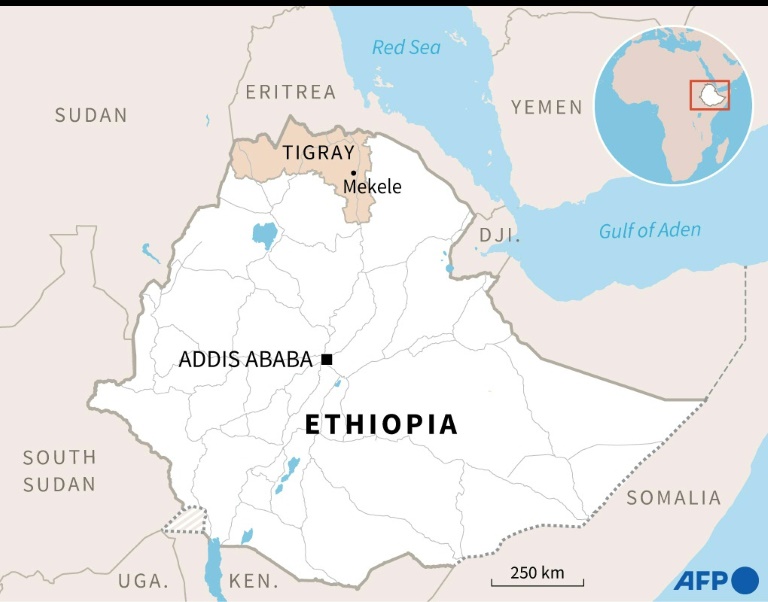
The Ethiopian government said Thursday that it would participate in peace talks next week led by the African Union to try to resolve the nearly two-year war in Tigray. 

International calls for a halt to violence in northern Ethiopia have mounted since an AU bid failed earlier this month to bring the warring sides to the negotiating table.

“AUC (African Union Commission) has informed us that the Peace Talks is set for 24 Oct, 2022 to be held in South Africa. We have reconfirmed our commitment to participate,” Prime Minister Abiy Ahmed’s national security adviser Redwan Hussein posted on Twitter.

When asked by AFP if they would attend the talks, Tigray People’s Liberation Front (TPLF) spokesman Getachew Reda said in a message: “We have already announced that we will take part in an AU-led process.”

Earlier this month the government and TPLF leaders agreed to join talks to be mediated by AU envoy Olusegun Obasanjo, South Africa’s former deputy president Phumzile Mlambo-Ngcuka and former Kenyan president Uhuru Kenyatta.

But the meeting in South Africa never took place, with logistical problems blamed.

Fighting has since spiralled.

The government this week vowed to seize airports and other federal sites from rebel control as part of “defensive measures”.

Ethiopian forces and their Eritrean allies say they have captured a string of towns in the embattled region, which has been largely under rebel control since mid-2021.

Their advance has stoked fears for civilians, aid workers and displaced people caught in the crossfire.

– ‘Staggering’ toll –

Witnesses had reported heavy shelling of civilian centres like Shire, a town where an International Rescue Committee aid worker was among three people killed last week before its capture by pro-government forces.

A humanitarian source said a World Food Programme (WFP) warehouse storing non-food items and fuel had been looted in Shire, where there were also reports of civilians being abused.

“We hear about a lot of women having been raped,” said the source, who spoke on condition of anonymity.

A spokesperson for WFP said they were trying to verify reports that the warehouse had been looted.

The UN warned this week that the situation in Tigray was spiralling out of control and inflicting an “utterly staggering” toll on civilians.

Tigray and its six million people are virtually cut off from the outside world, facing dire shortages of fuel, food and medicines and lacking basic services, including communications and electricity.

An estimated two million people have been driven from their homes in northern Ethiopia and millions more are in need of aid, according to UN figures. Reports of widespread atrocities include massacres and rape. 

The death toll remains unknown. 

The conflict began on November 4 2020 when Nobel Peace laureate Abiy sent troops into Tigray after accusing the TPLF of attacking federal army camps. 

The TPLF dominated Ethiopia’s ruling political alliance for decades before Abiy took power in 2018 and sidelined the party.
Tigray peace talks in South Africa on October 24: Ethiopia govt

The Ethiopian government said Thursday that peace talks on the nearly two-year-old war in Tigray would start in South Africa next week.

International calls for a halt to escalating violence in northern Ethiopia have been mounting since a failed bid by the African Union earlier this month to bring the warring sides to the negotiating table.

“AUC (African Union Commission) has informed us that the Peace Talks is set for 24 Oct, 2022 to be held in South Africa. We have reconfirmed our commitment to participate,” Prime Minister Abiy Ahmed’s national security adviser Redwan Hussein posted on Twitter.

“However, we are dismayed that some are bent on preempting the peace talks & spreading false allegations against the defensive measures.”

A spokesman for the Tigray People’s Liberation Front (TPLF) was not immediately available for comment.

The government and TPLF leaders had agreed to join talks this month that would to be mediated by AU envoy Olusegun Obasanjo, South Africa’s former deputy president Phumzile Mlambo-Ngcuka and former Kenyan president Uhuru Kenyatta.

But the meeting in South Africa never took place, with logistical problems blamed.

Fighting meanwhile has spiralled.

The government this week vowed to seize airports and other federal sites from rebel control as part of “defensive measures”.

Ethiopian forces and their Eritrean allies say they have captured a string of towns in the embattled region, which has been largely under rebel control since mid 2021.

– Fear for civilians –

Their armies’ advance has stoked fears for civilians, aid workers and displaced people caught in the crossfire.

Witnesses had reported heavy shelling of civilian centres like Shire, a town where an International Rescue Committee aid worker was among three people killed last week.

The UN this week that the situation was spiralling out of control and inflicting an “utterly staggering” toll on civilians.

Tigray and its six million people are virtually cut off from the outside world, facing dire shortages of fuel, food and medicines and lacking basic services, including communications and electricity.

An estimated two million people have been driven from their homes in northern Ethiopia and millions more are in need of aid, according to UN figures, with reports of widespread atrocities including massacres and rape. 

The death toll remains unknown. 

The conflict began on November 4 2020 when Abiy — a Nobel Peace Prize winner — sent troops into Tigray after accusing the TPLF of attacking federal army camps. 

The TPLF had dominated Ethiopia’s ruling political alliance for decades before Abiy took power in 2018 and sidelined the party.
Flood-hit Chad declares state of emergency

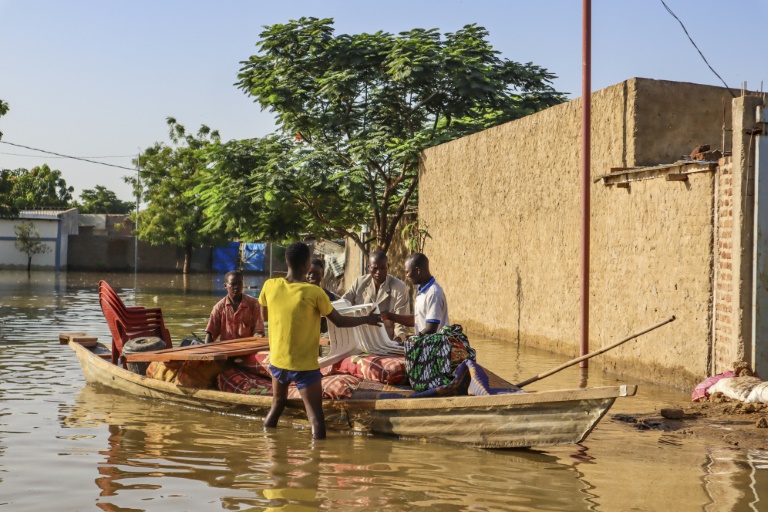
Chad’s leader Mahamat Idriss Deby Itno on Wednesday declared a state of emergency as the country struggles to deal with exceptional flooding that has affected hundreds of thousands of lives.

The floods, caused by heavy rains in the south and central areas, have hit 18 of the country’s 23 provinces and affected “more than a million people”, Deby said in a television address, adding that no one had yet died as a result.

The flood water has “swallowed  up more than 465,000 hectares of fields and 19,000 heads of livestock,” he added.

“A state of emergency will be instituted to better contain and manage this natural disaster situation,” Deby announced.

“The areas most at risk are the capital N’Djamena and surrounding areas,” the president said, calling the situation “increasingly worrying”.

Chad is the world’s third poorest country, according to the benchmark of the UN’s Human Development Index.

The United Nations says 5.5 million Chadians need “emergency humanitarian aid”, while the World Bank says 42 percent of the 16 million population live in poverty.

“We have to provide shelter, basic necessities and health protection,” Deby said.

“We have to thank the Almighty who has spared us the loss of life until now,” he added.

He urged “friendly countries” and “technical and financial partners” to support the government’s efforts.

The 38-year-old five-star general took the helm in April 2021 after his father, Idriss Deby Itno — Chad’s iron-fisted ruler for three decades — was killed during an operation against rebels.

Flood-hit Chad declares state of emergency

Chad’s leader Mahamat Idriss Deby Itno on Wednesday declared a state of emergency as the country struggles to deal with exceptional flooding that has affected hundreds of thousands of lives.

The floods, caused by heavy rains in the south and central areas, have hit 18 of the country’s 23 provinces and affected “more than a million people”, Deby said in a television address, adding that no one had yet died as a result.

The flood water has “swallowed  up more than 465,000 hectares of fields and 19,000 heads of livestock,” he added.

“A state of emergency will be instituted to better contain and manage this natural disaster situation,” Deby announced.

“The areas most at risk are the capital N’Djamena and surrounding areas,” the president said, calling the situation “increasingly worrying”.

Chad is the world’s third poorest country, according to the benchmark of the UN’s Human Development Index.

The United Nations says 5.5 million Chadians need “emergency humanitarian aid”, while the World Bank says 42 percent of the 16 million population live in poverty.

“We have to provide shelter, basic necessities and health protection,” Deby said.

“We have to thank the Almighty who has spared us the loss of life until now,” he added.

He urged “friendly countries” and “technical and financial partners” to support the government’s efforts.

The 38-year-old five-star general took the helm in April 2021 after his father, Idriss Deby Itno — Chad’s iron-fisted ruler for three decades — was killed during an operation against rebels.

Sundowns regain lead in South Africa as ref escorted to safety

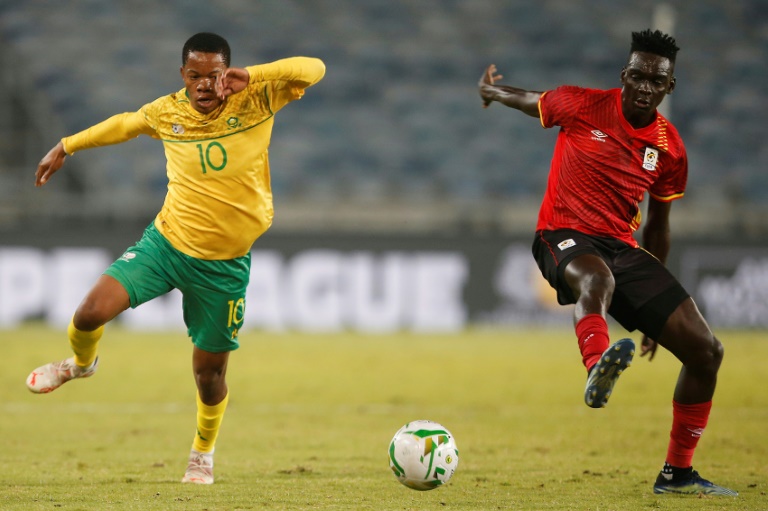
Sphelele Mkhulise scored his first South African Premiership goal this season to give Mamelodi Sundowns a 1-0 win over Marumo Gallants on Wednesday that takes them top again.  

The forward swept the ball past Zimbabwean goalkeeper Washington Arubi from close range after 28 minutes at Loftus Versfeld, a Pretoria stadium his team share with the Bulls rugby side.

Marumo, who sank to last place after the loss, had a last-minute goal correctly disallowed for offside, but the visitors were furious at the decision.

Many of the losing players surrounded the referee when he blew for full-time, forcing security officials to enter the field and escort the match officials to safety.

Marumo coach Dan Malesela refused to comment on the offside decision, while Sundowns co-coach Rulani Mokwena said he “feared being fined by the league” if he discussed it.  

Seeking a sixth straight Premiership title and 13th overall, Sundowns reclaimed top spot with 22 points from 10 matches, ahead of promoted Richards Bay on goal difference.

SuperSport United had risen above Sundowns on Tuesday thanks to a 2-0 win at Stellenbosch courtesy of goals from Jamie Webber and Bradley Grobler.

It was the sixth goal of the season for Grobler, who shares first place in the Golden Boot race with Namibian Peter Shalulile of Sundowns and Burundian Caleb Bimenyimana of Kaizer Chiefs.

After Sundowns and Richards Bay come SuperSport on 20 points, Orlando Pirates with 19 and Chiefs on 18.

Richards Bay edged Cape Town City 1-0 in Durban through an added-time own-goal by Lyle Lakay, who is on loan from Sundowns.

After a shock loss to Chippa United last weekend, Chiefs trailed TS Galaxy for 40 minutes in Johannesburg before Keagan Dolly scored direct from a free-kick to salvage a 2-2 draw.

Ashley du Preez gave Chiefs an early lead only for Galaxy to hit back with goals from former Chiefs icon Bernard Parker and Ivorian Djakaridja Traore before half-time.

On Tuesday, unpredictable Pirates gave one of their best performances this season to defeat Golden Arrows 2-0 in Durban thanks to a Monnapule Salang brace.  

Toddler killed in rare giraffe attack in South Africa

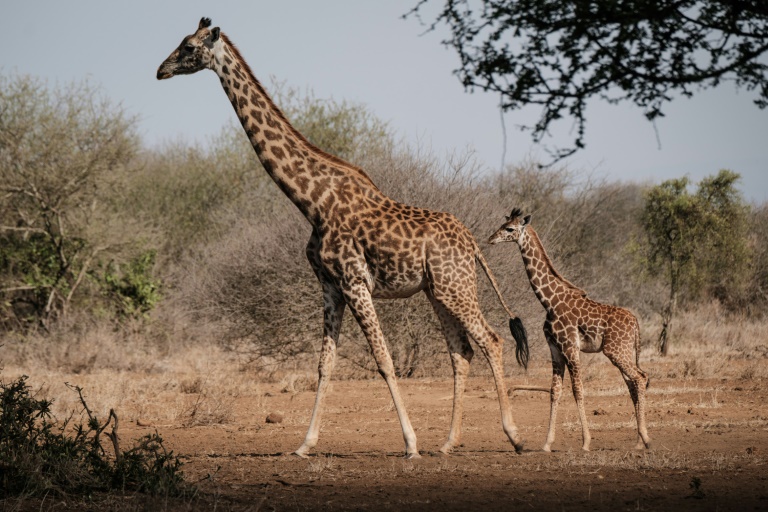
A giraffe crushed to death a 16-month-old toddler in an eastern region of South Africa on Wednesday, police said, in a rare attack by the world’s tallest mammal.

The attack occurred at a game farm around 270 kilometres (168 miles) northeast of the port city of Durban.

Police spokeswoman Nqobile Gwala said in a text message to AFP that a 25-year-old mother and her 16-month-old daughter were attacked around 1400 GMT at Kuleni Farm in the Hluhluwe area “when they were trampled by a giraffe”.

She said the girl was taken to a nearby doctor’s practice “where she died”, while the mother was rushed to hospital for medical attention where she is in a critical condition.

Police have launched an investigation into the incident.

Giraffes do not usually attack humans. 

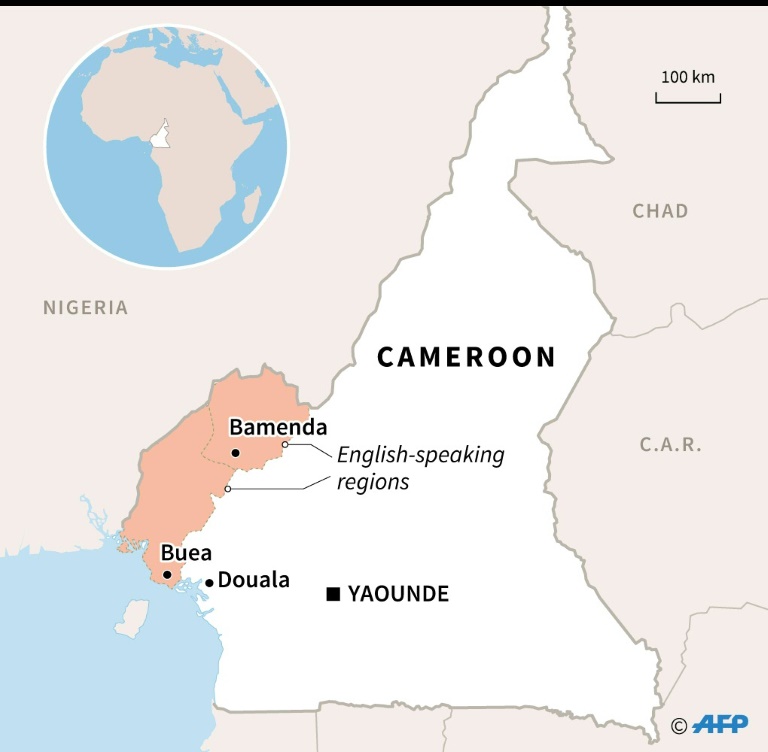
Cameroon says killed dozen anglophone separatists

Cameroon’s army killed a dozen separatists during an operation in one of the country’s troubled English-speaking regions, the defence ministry said on Wednesday.

A deadly conflict between armed separatists and government forces has blighted Cameroon’s mainly anglophone North West and South West regions for more than five years.

The separatists, who seek independence for an unrecognised state they call “Ambazonia”, feel marginalised in predominantly French-speaking Cameroon, led for almost 40 years by intractable strongman President Paul Biya.

A large-scale operation in Djotin in the North West region on October 8 led to “a dozen terrorists being neutralised”, defence ministry spokesman Colonel Cyrille Atonfack said in a statement.

He added that “several hostages” were freed and 15 weapons seized in an operation targeting the separatists and “followers of the self-proclaimed general ‘No Pity’ who sow terror and desolation”.

No Pity is a feared anglophone separatist leader, known in Cameroon for his numerous attacks on the army.

Clashes between militants and security forces since late 2016 have claimed more than 6,000 lives and displaced more than one million people, according to the International Crisis Group think tank.

Civilians have suffered abuses committed by both sides, according to international NGOs and the United Nations.

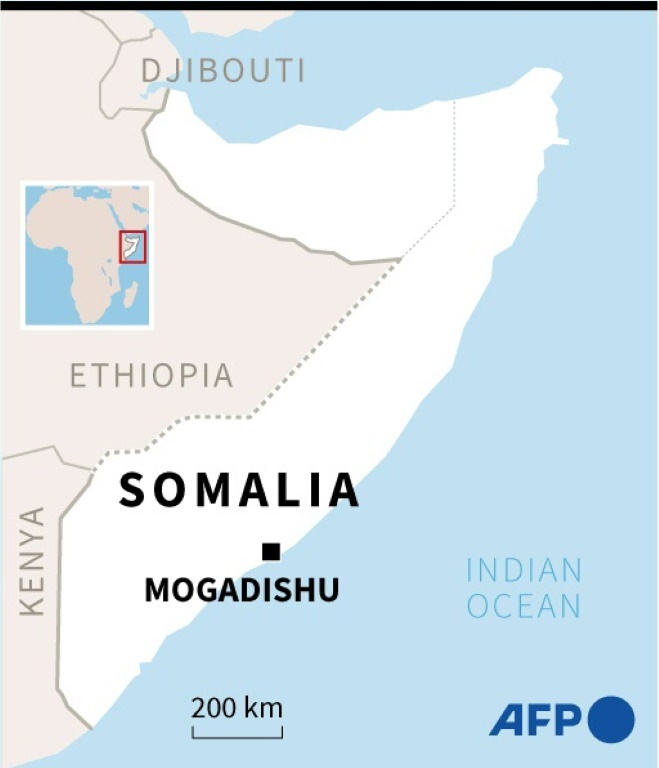
Al-Shabaab attack kills two in central Somalia

A suicide attack by the Islamist rebel group Al-Shabaab killed two people including a soldier in central Somalia on Wednesday, a local military official told AFP.

A vehicle laden with weapons ploughed into a military checkpoint in the Hiran region in a “kamikaze” attack, said army official Abdirahman Osobow.

Osobow said two people including a soldier died in an “enormous” explosion and blamed Al-Shabaab, a group linked with Al-Qaeda that has waged an insurgency against the Somali state for 15 years.

The attack “could have done more damage, but the security forces managed to contain it before it reached its main target”, he added.

Despite being ousted from Somalia’s major cities, including the capital Mogadishu in 2011, Al-Shabaab controls swathes of the countryside and civilians are often caught in the crossfire.

Among the group’s string of recent attacks was a siege of a Mogadishu hotel in September that lasted 30 hours and led to the deaths of 21 people, with another 17 wounded.

Somali President Hassan Sheikh Mohamud has faced a sharp increase in Al-Shabaab activity since his election in May and has promised to wage an “all-our war” against them.

The Somali government earlier this month announced that Abdullahi Yare, a key Al-Shabaab leader with a $3-million bounty on his head, had been killed in an air strike led by the army and international security partners.

After Mohamud’s election, President Joe Biden said he would restore a US military presence in Somalia to fight Al-Shabaab.

The Pentagon had recommended the move, considering the rotation system of Biden’s predecessor Donald Trump as too risky and ineffective.

Mountainous Lesotho finds gold in trout fish farming

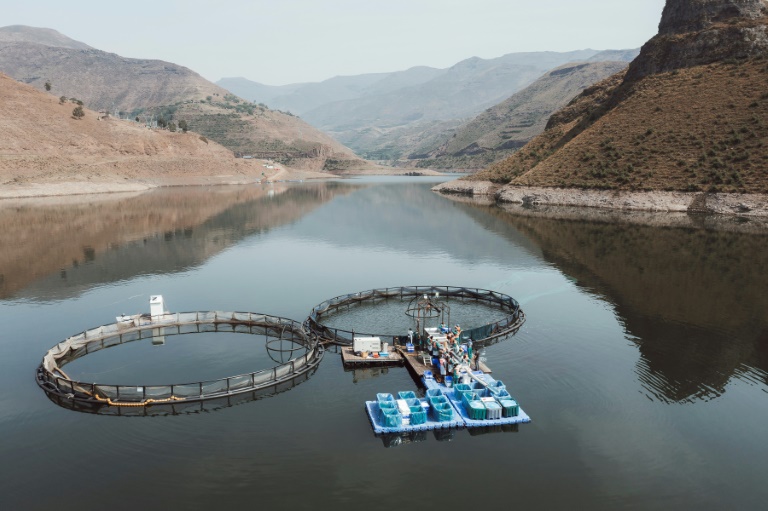
It’s harvest time in Lejone, a small village nestling in mountains in southern Africa more than two thousand metres above sea level.

The yield is not grain or fruit, but rainbow trout — the bounty from an undulating river at the foot of the peaks of Lesotho.

Fishermen haul nets bulging with trout onto a floating platform.

The fish are killed and put on ice, the first step on their journey to dinner tables in neighbouring South Africa.

The settlement is home to one of Lesotho’s two professional fish farms — pioneering ventures in the poor landlocked kingdom.

Stephen Phakisi, 59, launched Katse Fish Farms with two partners in 2005.

Today, he chuckles at how the trio leapt into the business with meagre knowledge about some of its unknowns, including the best feed for fattening fish quickly.

“For five years, it was totally uneconomical,” Phakisi says.

He recalls how he once found a shoal of fish dead and belly-up in the water, while another time a full cargo of imported fingerlings died on a 16-hour drive from Cape Town. 

Today, the company is profitable, with a yearly output of 800 tonnes of fish, which is sold at about $4 a kilogram. 

It supplies a few local restaurants, where the trout is usually pan-fried in butter for a few minutes and served with a side dish of kale and potato chips or rice.

But the bulk of its production lands on the shelves of high-end supermarkets in neighbouring South Africa, where a vacuum-packed one-kilo bag can cost up to $50. 

– ‘Heads and bones’ –

Trout farming in Lesotho has grown on the back of another of the mountain country’s most famous exports: water. 

South Africa gets much of its water from its neighbour, which has dammed several of its waterways over the past three decades. 

The dams have widened riverbeds, creating inlets and basins that are ideal for trout farming. 

Katse Fish Farms lies more than 2,000 metres (6,500 feet) above sea level on the Malibamatso River, upstream from the giant Katse Dam reservoir that supplies South Africa’s capital Pretoria and the largest city, Johannesburg.

Fish farming currently accounts for less than 0.1 percent of Lesotho’s $2 billion GDP.

Locals say they have always eaten salted, sun-dried freshwater fish. And young boys sell fresh catch to passing motorists.

But as dam construction continues the country has the potential “to become the regional leader in aquaculture,” according to the Lesotho National Development Corporation.

In this country of just over two million people, who rank among the poorest in the world, few seem to be benefiting so far from the water boom. 

“We are selling water to South Africa but we have no water to our homes,” says Joshua Sefali, a village leader in Lejone.

Many of the village’s stone houses with thatched roofs have no mains water or electricity.  

Large swathes of land were flooded after dams went up. 

Some people lost their homes and access to farmland, receiving only small compensation in return. 

Machaka Khalala, 31, said she received about $165 when the field where she used to grow corn and spinach was submerged. 

Now she makes a living selling “fat cakes,” a local doughnut.

But that’s often not enough to make ends meet.

A cap on her head, Khalala was among dozens of people queueing up in the cold, a bucket in hand, on a mountain roadside.

Here, Lesotho’s other fish farm hands out leftovers every week — “the heads and backbones,” Khalala said. 

Clock ticking to avert 'genocide' in Tigray: WHO chief

The World Health Organization chief said Wednesday time was running out to avoid “genocide” in Ethiopia’s war-torn Tigray, as Human Rights Watch called for sanctions against Addis Ababa to avert civilian deaths.

“The world is not paying enough attention,” Tedros Adhanom Ghebreyesus told reporters from WHO headquarters in Geneva. “There is a very narrow window now to prevent genocide in Tigray.”

With the conflict nearing its second anniversary, Addis Ababa on Tuesday said it had captured three towns in Tigray, including Shire, which had a pre-war population of 100,000.

The conflict began on November 4, 2020, when Ethiopian Prime Minister Abiy Ahmed sent troops into Tigray after accusing the region’s ruling Tigray People’s Liberation Front (TPLF) of attacking federal army camps. 

His campaign has received the support of Eritrea, with which Ethiopia was at odds until a rapprochement that earned Abiy the 2019 Nobel Peace Prize.

A truce between pro-government forces and rebels this year lasted five months before it collapsed in August.

International concern is now swelling for those caught in the crossfire. The UN this week warned the situation was spiralling out of control and inflicting an “utterly staggering” toll on civilians.

– Sanctions call –

Tedros, who himself is from the northern region and has repeatedly condemned the situation there, said he was “running out of diplomatic language for the deliberate targeting” of civilians in Tigray.

“The social fabric is being ripped apart and civilians are paying a horrific price,” he said.

“Hostilities in Tigray must end now, including the immediate withdrawal and disengagement of Eritrean armed forces from Ethiopia.”

“Indiscriminate attacks or attacks that deliberately target civilians or civilian objects amount to war crimes,” he said.

Separately, Human Rights Watch (HRW) called for the United States, European Union and UN to apply “targeted sanctions and an arms embargo” against Ethiopia to help protect civilian lives.

“The suffering of civilians in Ethiopia should no longer be tolerated in the name of political expediency,” HRW’s director for the Horn of Africa, Laetitia Bader, said.

“The attacks have resulted in untold civilian casualties, including aid workers delivering food, property destruction, and large-scale displacement,” she said.

Over two years, many civilians have been killed, an estimated two million people driven from their homes while millions more are in need of aid, according to UN figures.

The advance of Ethiopian and Eritrean forces through Tigray in late 2020 and early 2021 was followed by mass murder, rape and other crimes documented by UN investigators and rights groups.

– ‘Weapons of war’ –

Tedros said the six million people of Tigray had been “kept under siege for almost two years”.

“Banking, food, electricity and healthcare are being used as weapons of war,” he said.

“Even people who have money are starving because they can’t access their bank for two years,” he said. “Children are dying every day from malnutrition.”

Tedros acknowledged that he was personally affected by the situation in Tigray.

“Most of my relatives are in the most affected areas,” he said, but insisted that “my job is to draw the world’s attention to crises that threaten the health of people wherever they are.”

Close Bitnami banner
Bitnami