
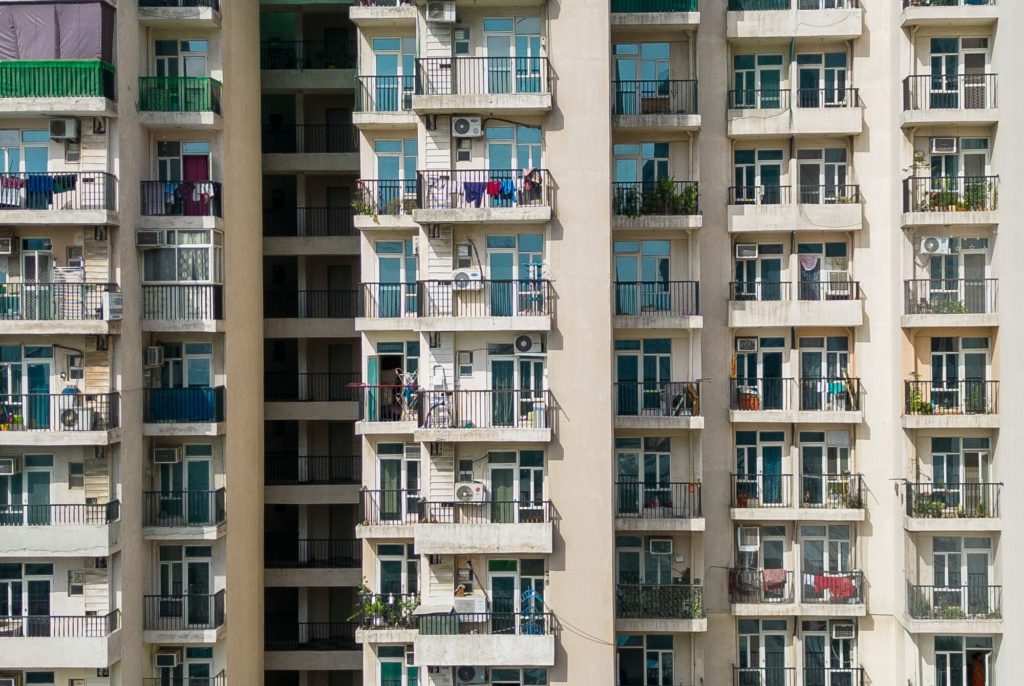
Asia Family Offices Are Most Bearish on Property, Survey Shows
Asian family offices are turning more bearish on property than any other asset class, as interest rates rise and a potential recession looms, according to a Preqin survey.
Asian family offices are turning more bearish on property than any other asset class, as interest rates rise and a potential recession looms, according to a Preqin survey.
AviLease, a jet lessor owned by Saudi Arabia’s Public Investment Fund, is in advanced talks to acquire an aviation finance business from Standard Chartered Plc, people with knowledge of the matter said.

The Japanese government revamped its chip strategy with a goal of tripling sales of domestically produced semiconductors to more than 15 trillion yen ($108 billion) by 2030, as the nation centers chips at the heart of its economic security policy.
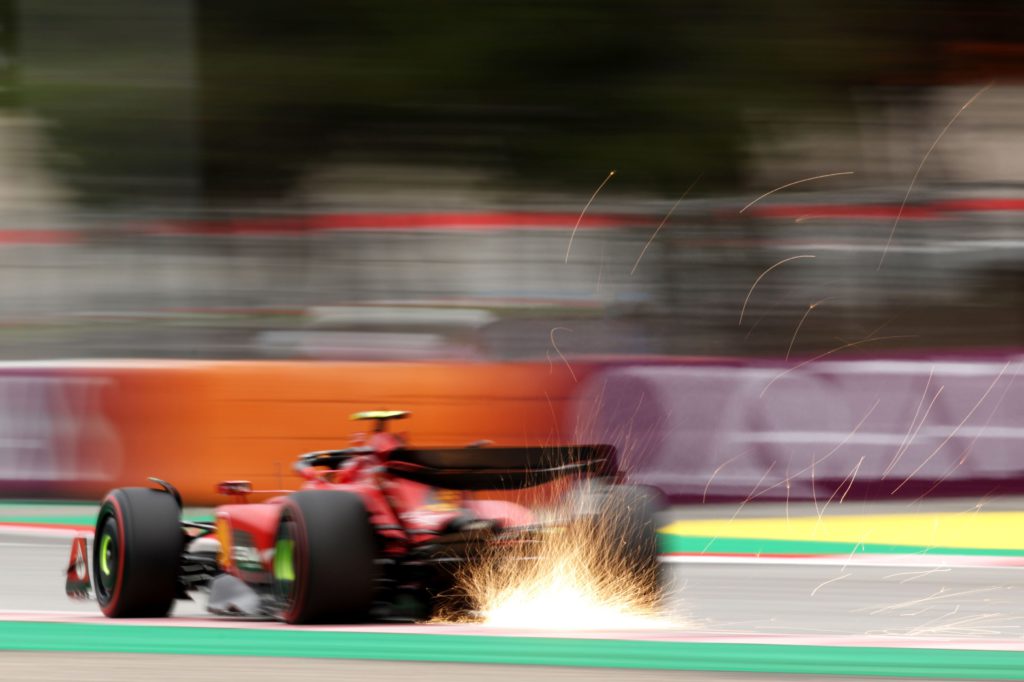
Ferrari NV isn’t giving up on auto racing. Even after another disappointing season on the Formula 1 circuit, the supercar maker says it will continue to pour resources into the sport.
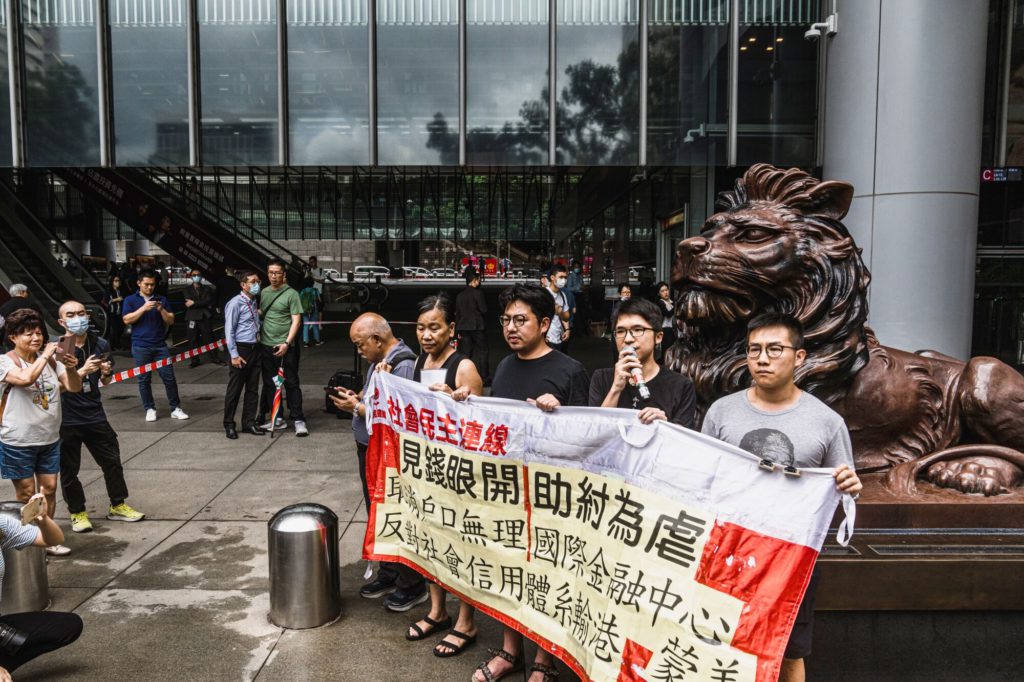
Hong Kong opposition politicians of The League of Social Democrats staged a rally outside of HSBC Holdings Plc to protest a decision by the bank to close accounts of the group and demand an explanation from the lender.
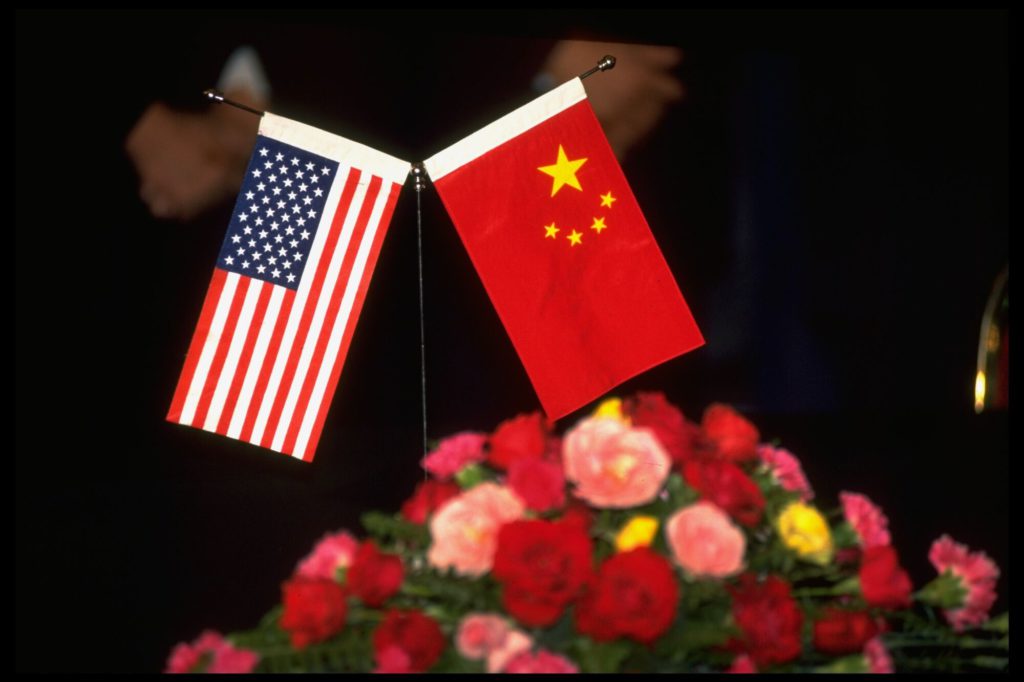
Senior US and Chinese officials held “candid” talks in Beijing, days after the two countries’ defense chiefs squared off at a fraught security forum exposing limits in mending the bilateral relationship.

Many of the biggest corporate employers plan to reduce the amount of office space they occupy over the next three years, underlining the changes set to reshape the commercial real estate market.

One of India’s best-known startups has skipped payment on a dollar loan, escalating a conflict with lenders that underscores the company’s mounting distress.

Hong Kong’s justice department has applied for a court injunction to crack down on the playing of the song Glory to Hong Kong, which was widely sung during 2019 anti-government protests and has been at the center of a national anthem scandal.
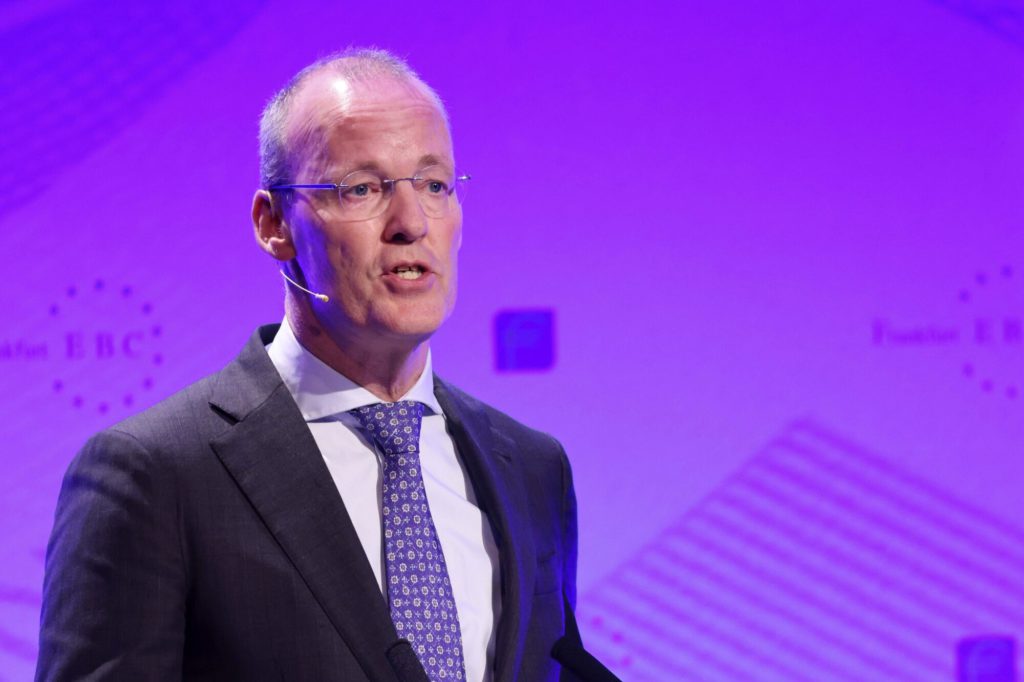
The euro area is now observing second-round effects from higher energy costs, meaning that it will be harder to bring down consumer prices, according to European Central Bank Governing Council member Klaas Knot.

