
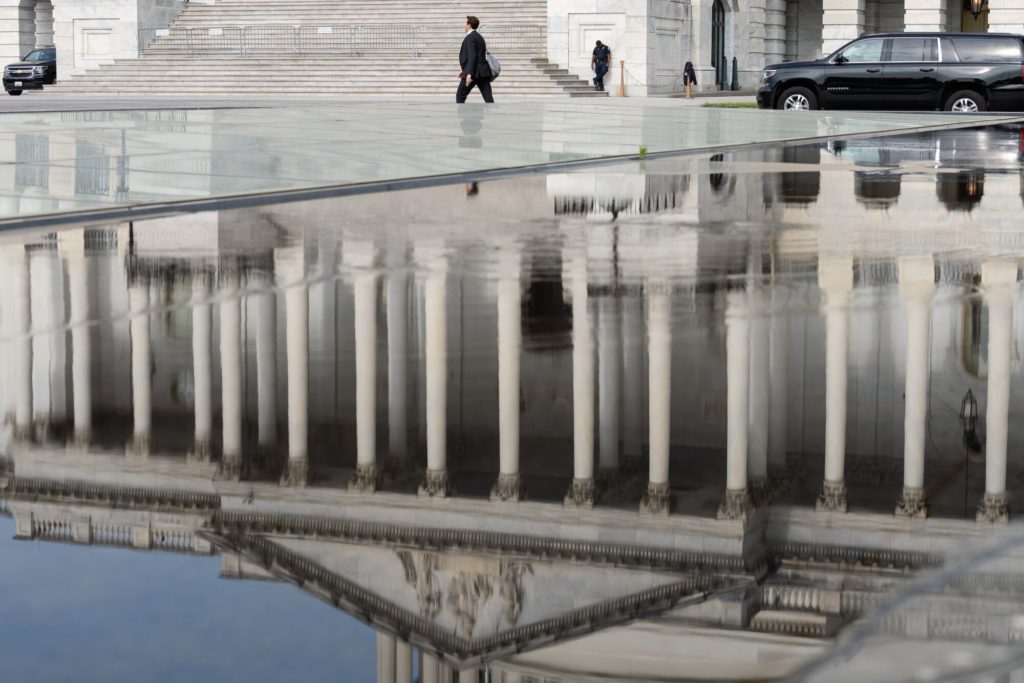
As X-Date Nears, Credit Ratings Firms Hold Steady on US Debt Grade
The US government’s bond rating rests on a centuries-long record of always paying its debts. Right now, it’s also hanging on faith in modern political brinkmanship.
The US government’s bond rating rests on a centuries-long record of always paying its debts. Right now, it’s also hanging on faith in modern political brinkmanship.
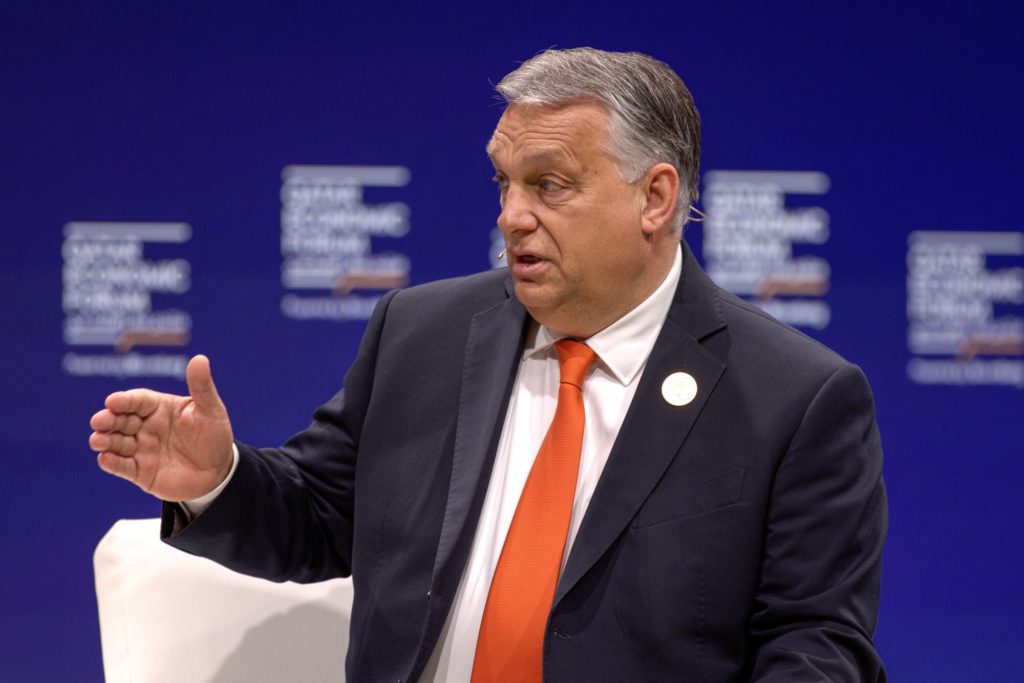
Hungarian Prime Minister Viktor Orban dug in his heels over crucial European Union aid to Ukraine, offering sympathy for his neighbor but nothing more to help it fight off Russia’s invasion.
Federal Reserve Bank of Minneapolis President Neel Kashkari said policymakers may need to keep interest rates high for longer if inflation becomes entrenched, which would create more stress in the banking sector.
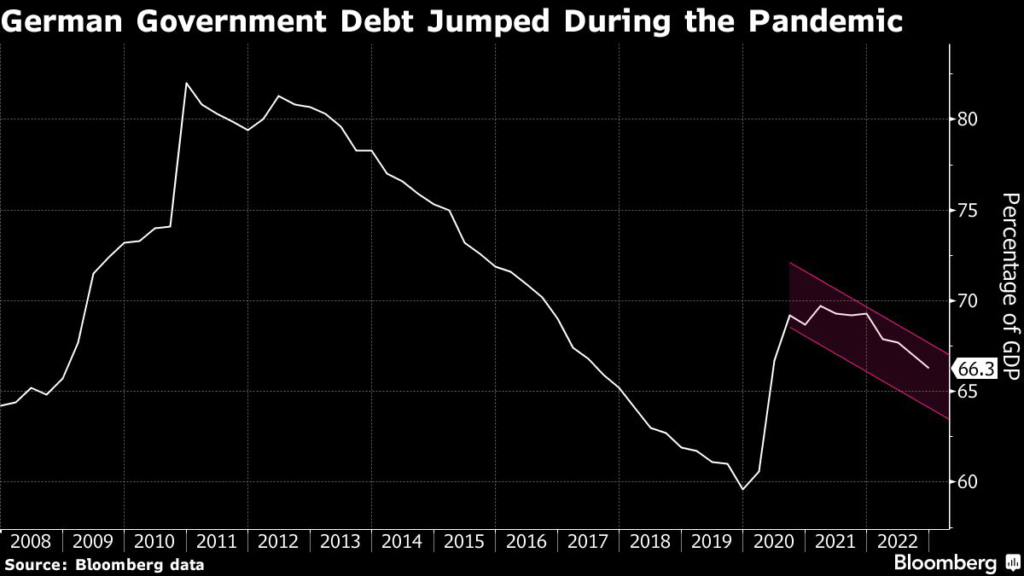
German Chancellor Olaf Scholz and Finance Minister Christian Lindner are thrashing out a plan to close a €20 billion ($22 billion) shortfall in the 2024 budget with expenditure cuts in all departments except defense — a move which risks angering their coalition partners, the Greens.
Savita Subramanian, head of US equity and quantitative strategy at BofA Securities, sees markets set for a cyclical rally and says the equity risk premium for stocks could actually go lower from here. She speaks on “Bloomberg Surveillance.”
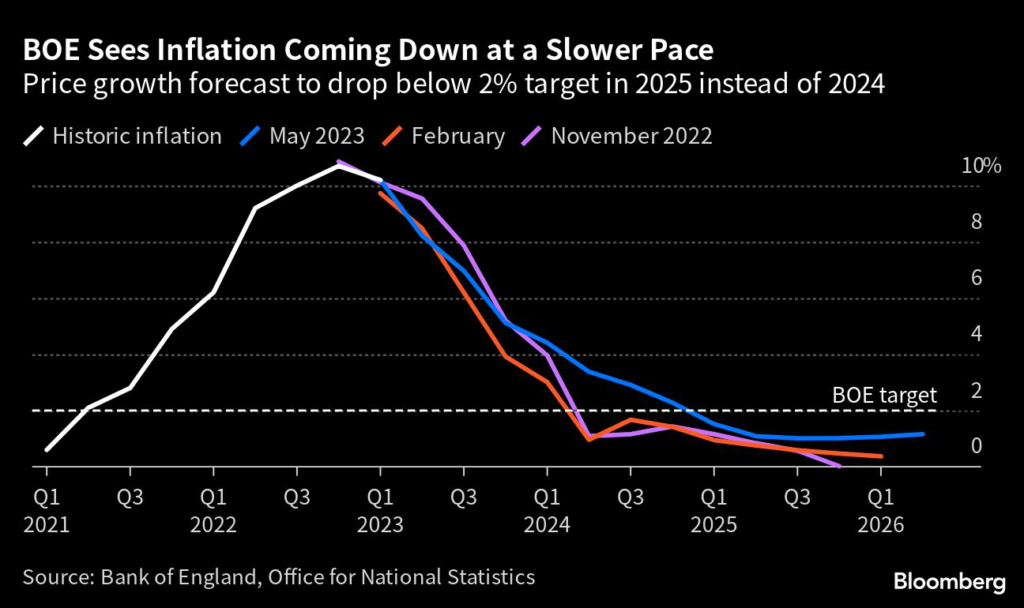
The UK economy will grow faster than Germany this year and avoid a recession, the International Monetary Fund said, after sharply upgrading its forecast on the back of strong household spending and better relations with the European Union.
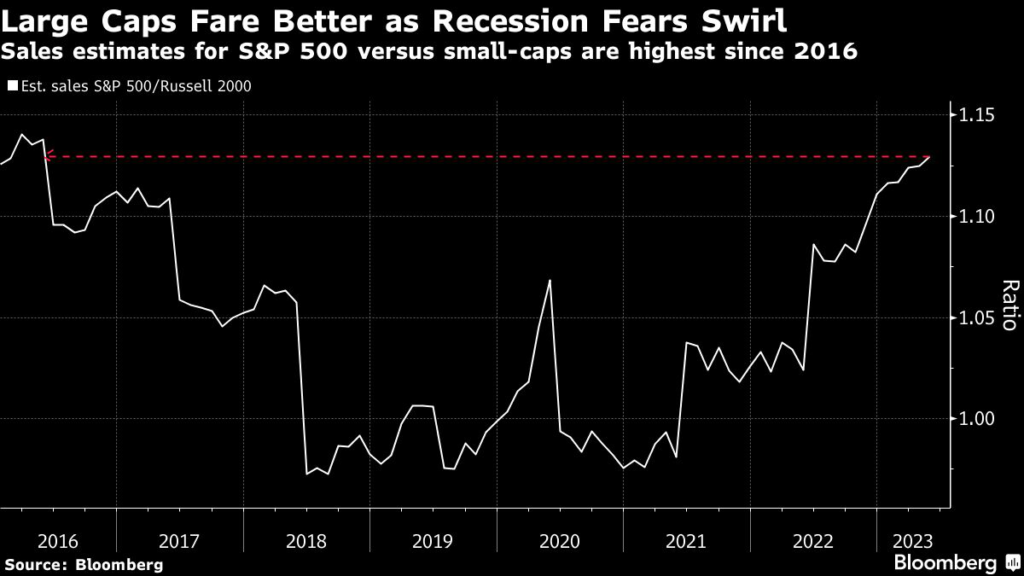
The warnings from credit watchers have been coming for months: A looming wave of corporate defaults is going to shatter the calm in equity markets. And still, US stocks have powered to highs last seen in August.
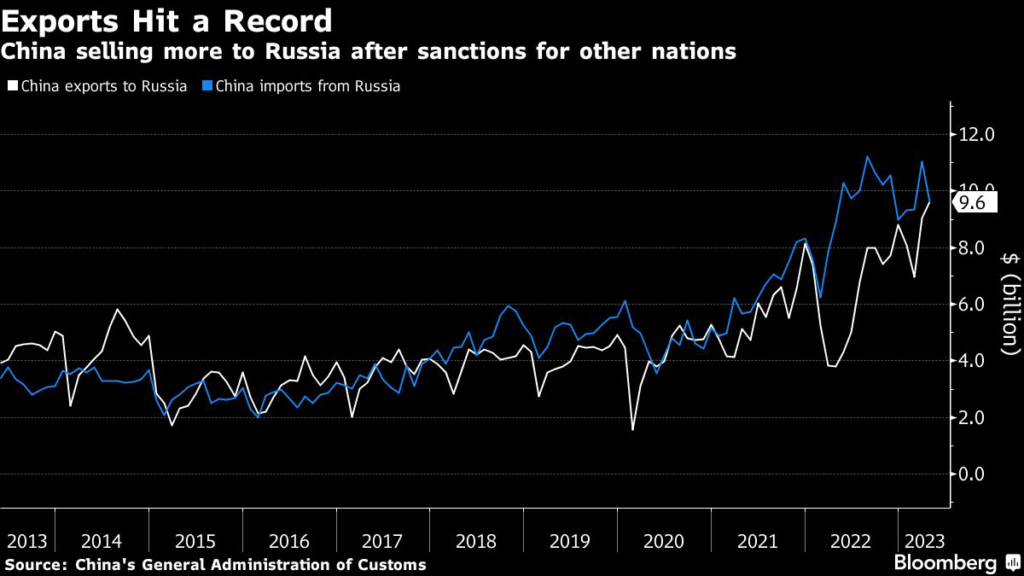
Russian Prime Minister Mikhail Mishustin has kicked off a two-day visit to China, as Moscow seeks to deepen trade ties with Beijing amid growing international isolation over its war in Ukraine.
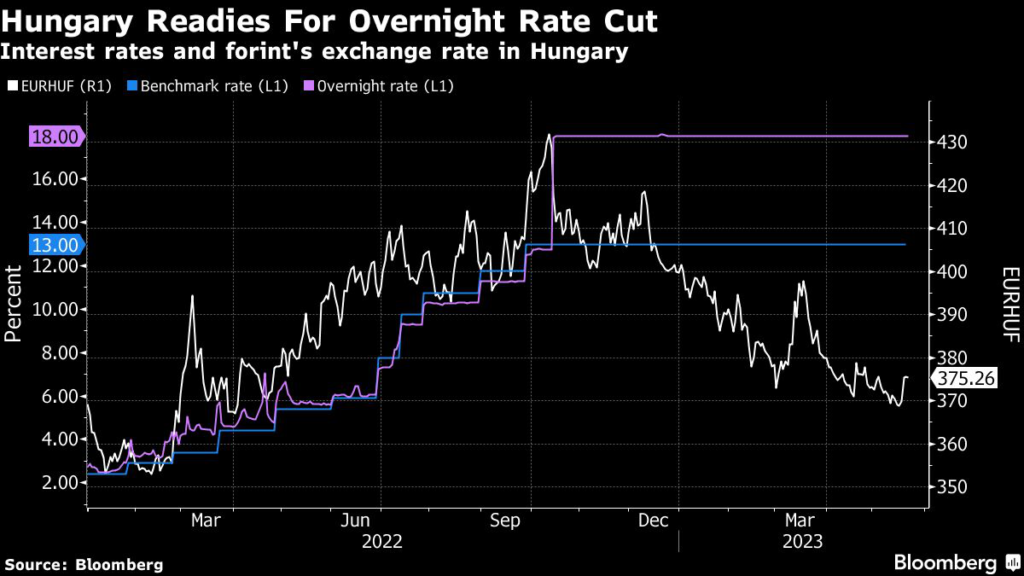
Hungary will probably cut its key interest rate for the first time in three years as it begins to gradually dismantle an emergency monetary regime that halted a forint sell-off and helped rein in runaway inflation.
Bank of England officials made their clearest admission yet that they were slow to respond to a jump in inflation and have lots to learn about how they handle the sorts of large shocks buffeting the global economy.

