
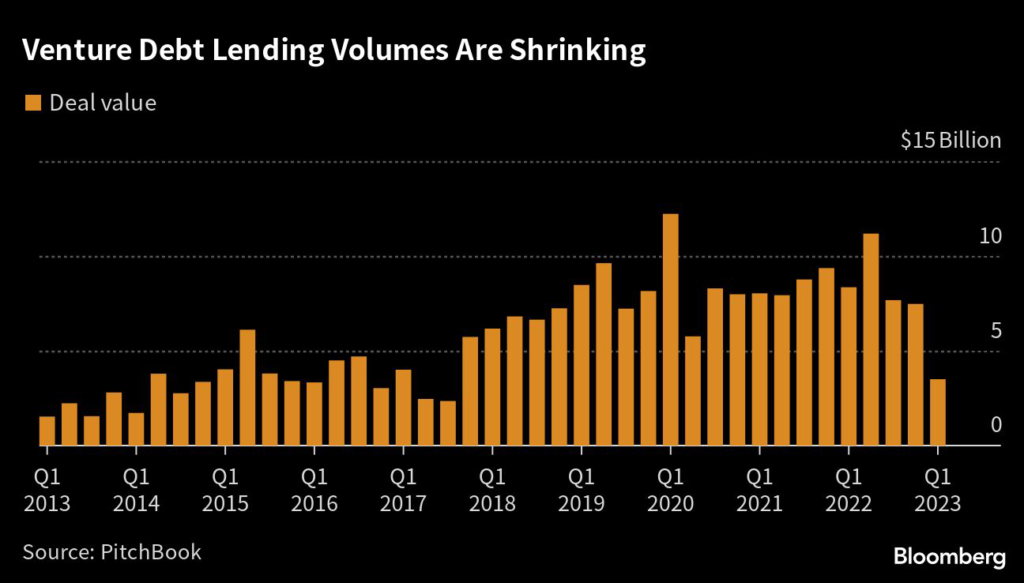
Tech Startups Find One of Their Last Funding Sources Is Drying Up
A key form of financing that startups rely on is shrinking, hurting new companies that are already starved for capital.
A key form of financing that startups rely on is shrinking, hurting new companies that are already starved for capital.
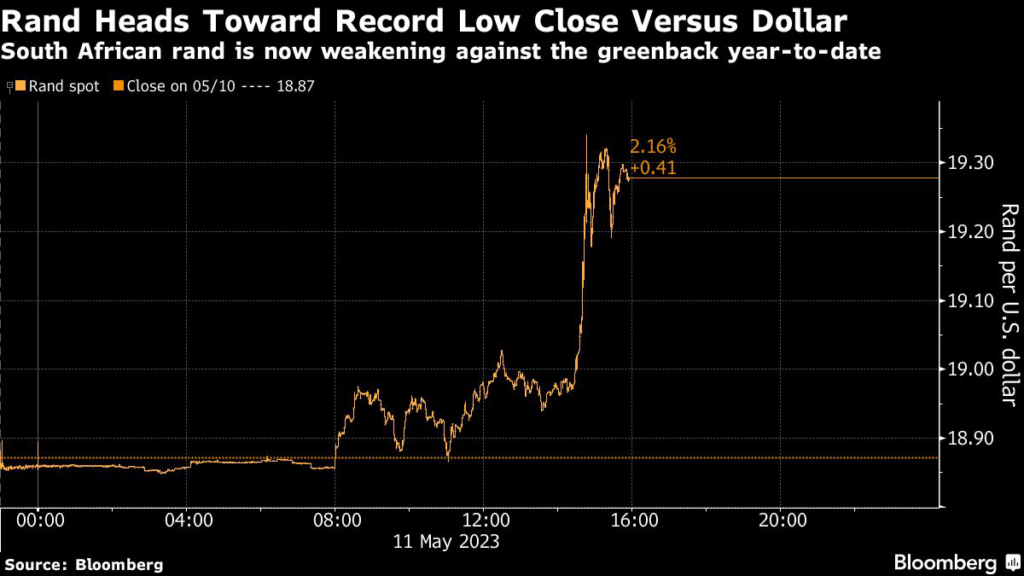
South Africa’s rand tumbled, heading for a record low against the dollar, as geopolitical risks added to investor concerns over a domestic energy crisis and global monetary tightening.
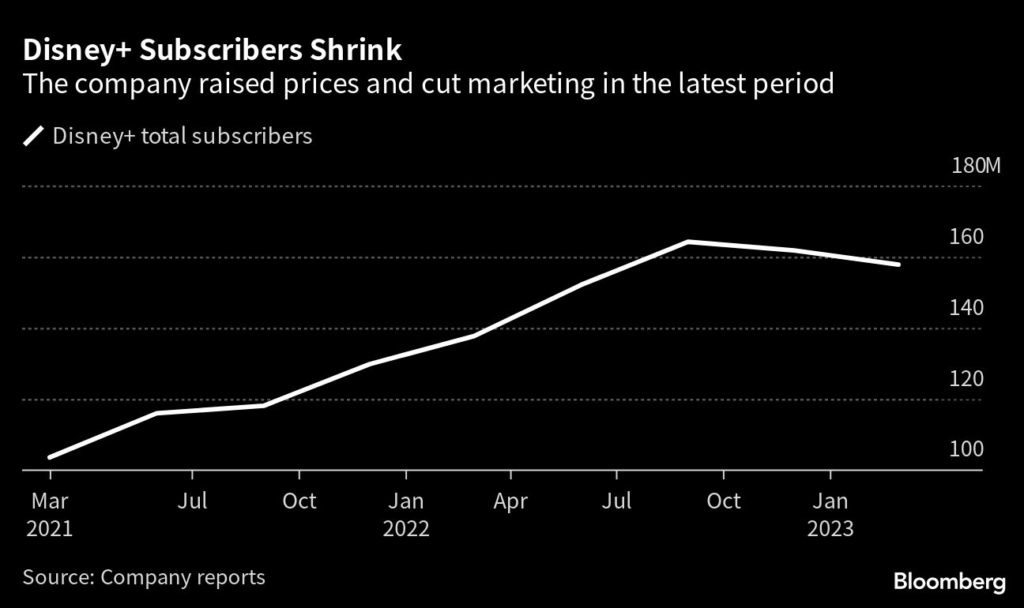
Walt Disney Co. shares fell the most in six months after the company posted a drop in subscribers to its namesake streaming service and predicted a wider loss in that business this quarter.
British Columbia’s public pension manager has paused direct investments in China, the latest institutional investor to rethink its exposure to the world’s second-largest economy due to geopolitical risks.

Pakistan’s Supreme Court ruled that former premier Imran Khan’s arrest by the anti-graft agency was illegal and ordered for the ex-cricket star to be freed from custody, a dramatic about-turn in the ongoing political drama.

Two months after many investors were caught off guard by the writedown of Credit Suisse Group AG’s Additional Tier 1 bonds, the securities are once again at the center of a market debate. This time the divide is over whether the event will trigger an insurance payout.

Bayer AG tumbled the most in a year after reporting a weak first quarter and paring forecasts, marking an unsettling end to the stormy tenure of departing Chief Executive Officer Werner Baumann.

Canadian asset manager CI Financial Corp. is selling a 20% stake in its US wealth management unit to a group of investors including Bain Capital LP and Abu Dhabi Investment Authority. The shares soared.

Supply-chain disruptions remain the “key operational challenge” at Rolls-Royce Holdings Plc as the UK maker of aircraft engines echoes comments from manufacturers like Airbus SE and Boeing Co. that have struggled to ramp up output from the pandemic-induced slump.
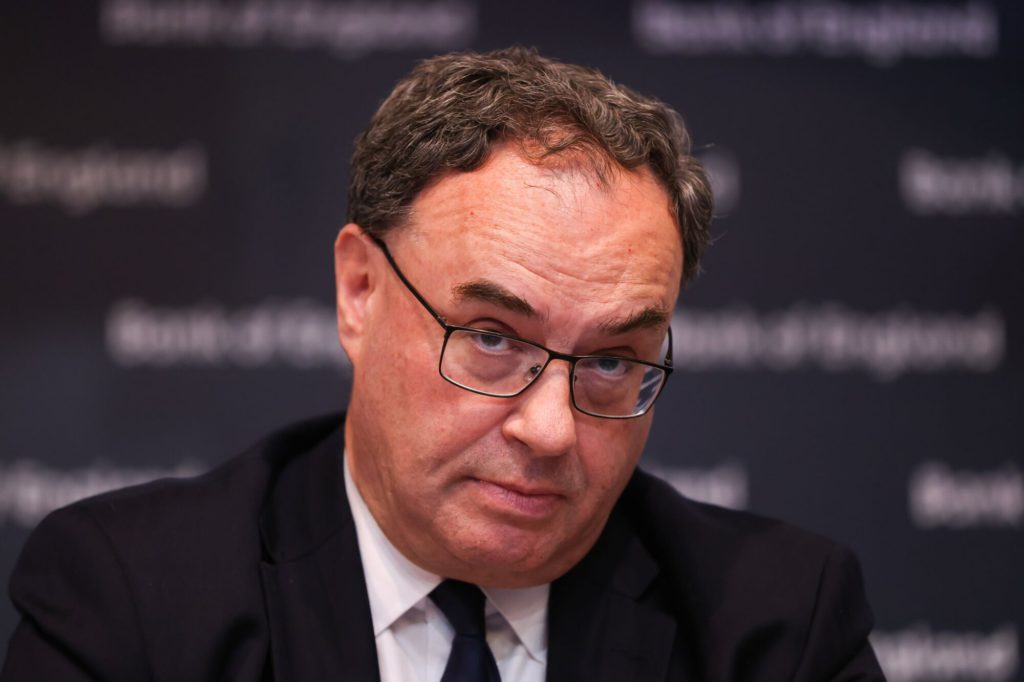
Bank of England Governor Andrew Bailey admitted his chief economist was wrong to make controversial comments suggesting that Britons must accept they are worse off.

