
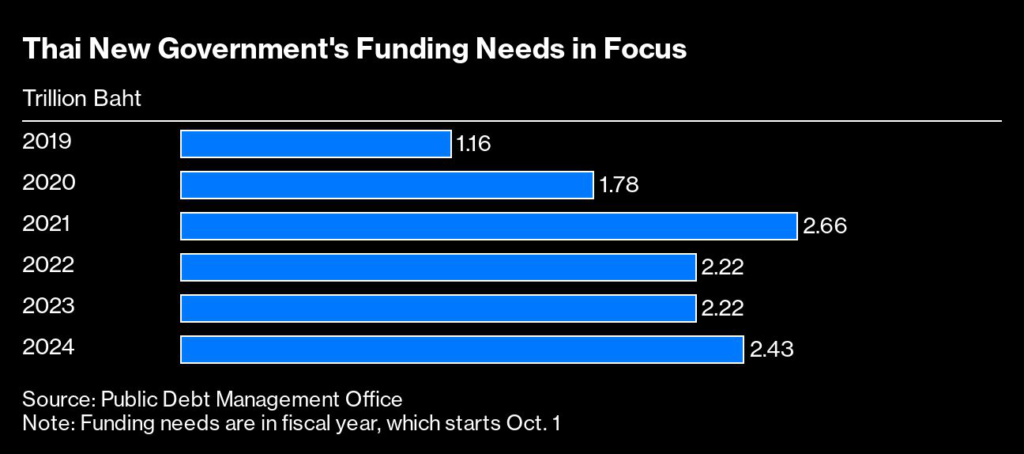
Thai Premier’s Rift With Central Bank Is Spooking Markets
The photo-op was meant to project an image of unity: Thailand’s new prime minister and his central bank governor engaged in a working lunch at the palatial government office in Bangkok.
The photo-op was meant to project an image of unity: Thailand’s new prime minister and his central bank governor engaged in a working lunch at the palatial government office in Bangkok.

Emboldened chefs and hospitality groups from the UAE are snapping up locations in Miami, London, India and elsewhere, flush with cash from booming business in the Middle East.

Donald Trump endorsed Representative Jim Jordan as the next speaker of the US House of Representatives, giving the nine-term congressman from Ohio the former president’s coveted stamp of approval going into next week’s leadership elections.
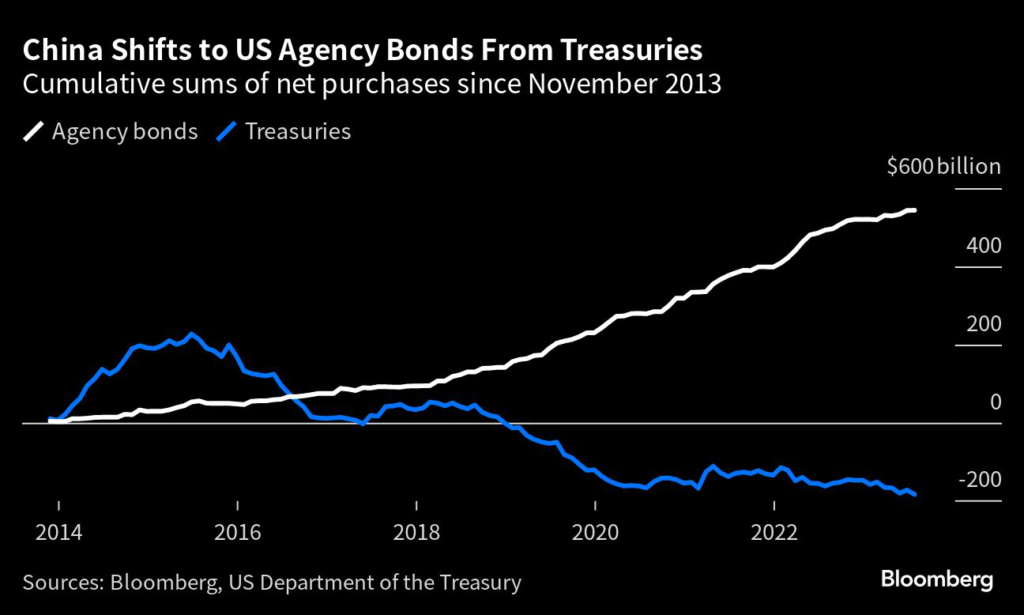
The deepest losses in US Treasuries in decades are sharpening the focus on China’s holdings of the securities.
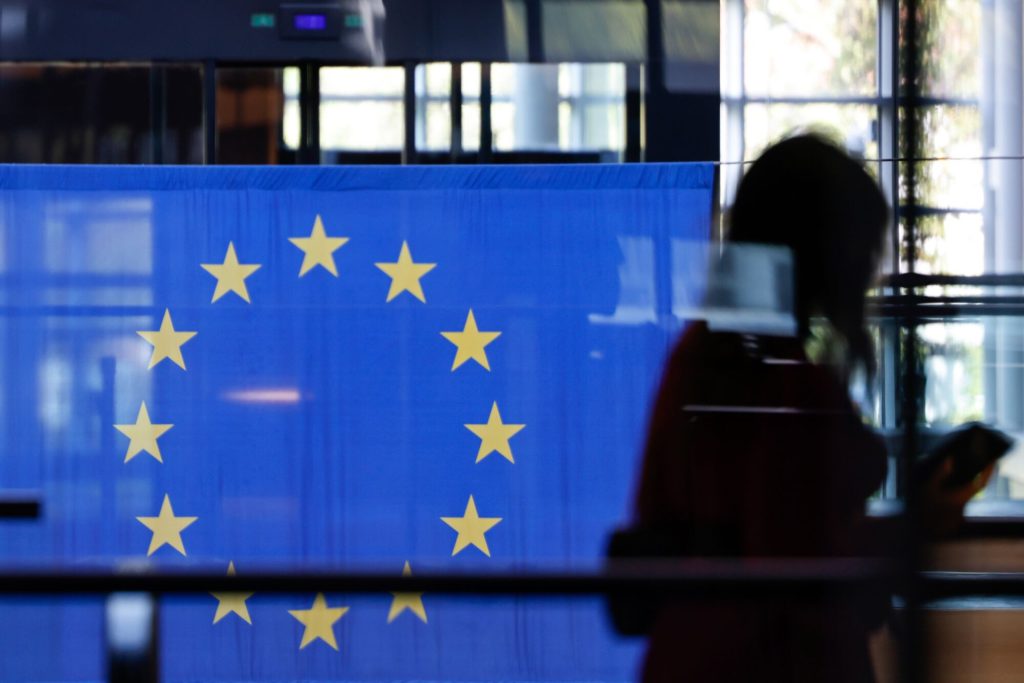
The US warned the European Union that its proposed law to regulate artificial intelligence would favor companies with the resources to cover the costs of compliance while hurting smaller firms, according to previously undisclosed documents.
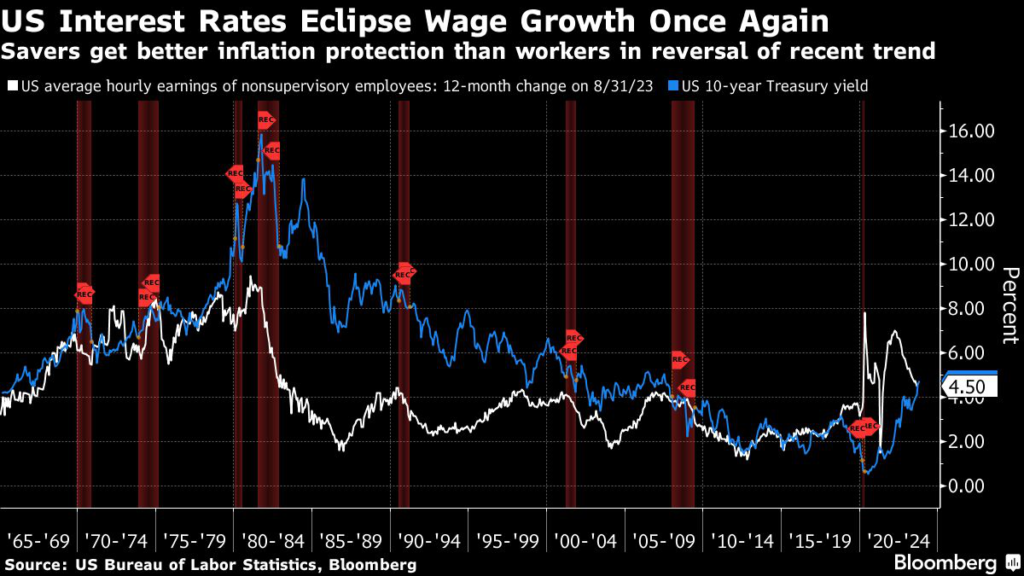
A monthly US jobs report due Friday may be the last to show solid hiring before a sharp slowdown, according to Bloomberg Economics.
The leaders of the European Union and the US are seeking to announce an interim deal at an Oct. 20 summit on steel and aluminum trade that would avert the re-imposition of Trump-era tariffs on billions of dollars of transatlantic commerce.
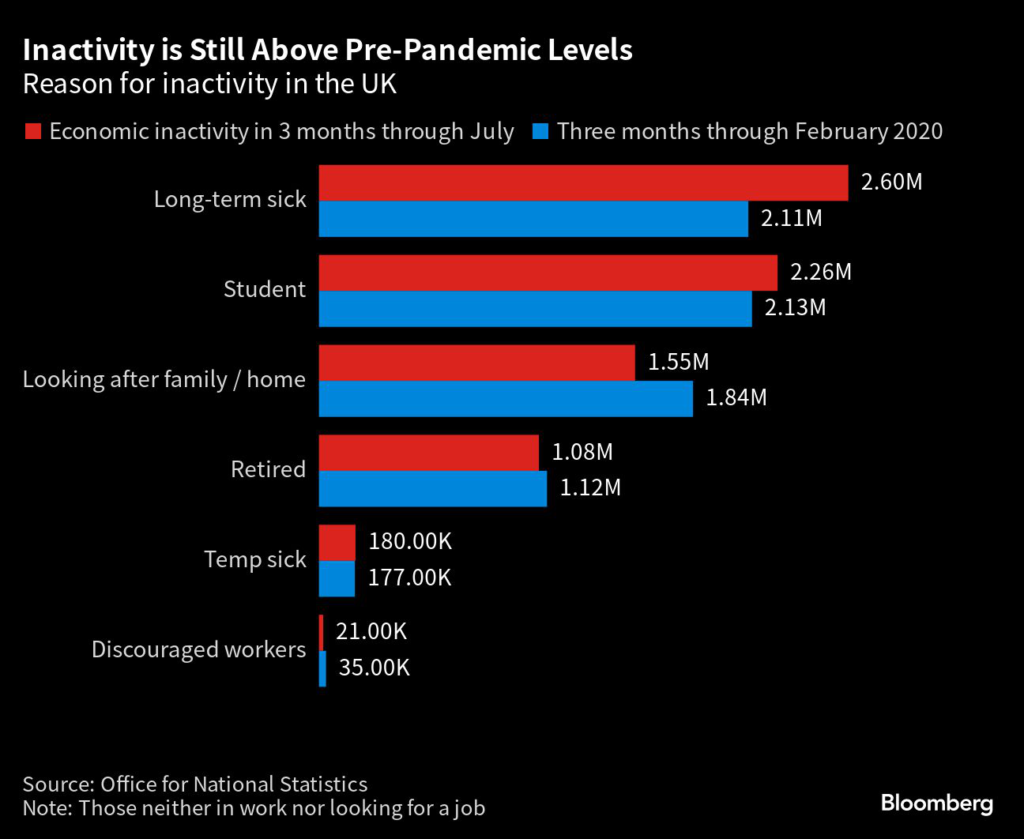
Mental health conditions cost UK companies £6.9 billion ($8.4 billion) in working days lost to long-term illness in the year to August, according to new research.

One of Europe’s largest aerospace and defense industry associations has welcomed its first Ukrainian firm as a member, at a time when allies are under pressure to reassure Kyiv of their long-term commitment to help fend off Russia’s invasion.
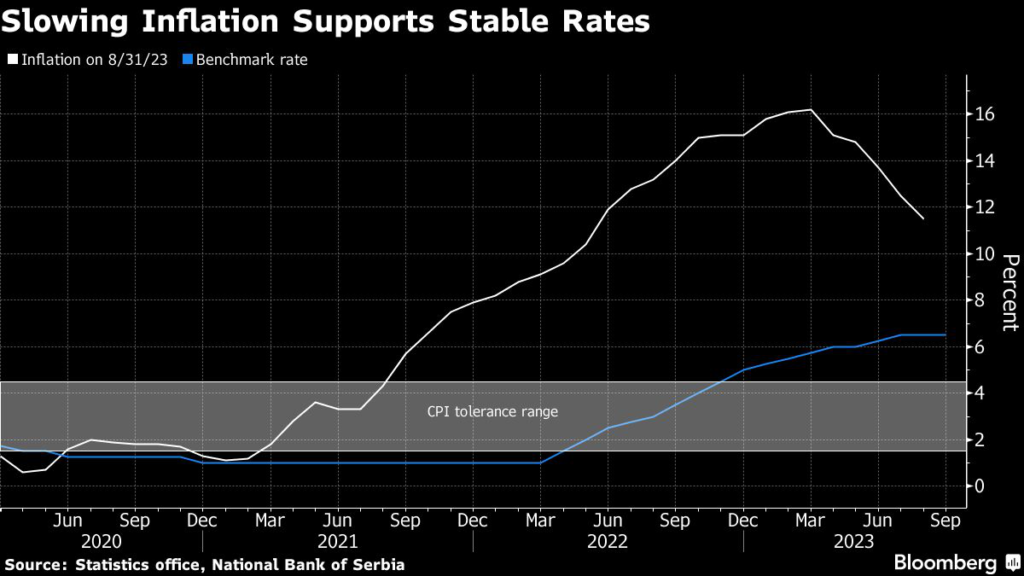
Serbia is likely to hold borrowing costs unchanged as easing inflation allows policymakers to take a step back and assess the impact of their steepest monetary tightening drive on record.

