

China’s Green Debt Pioneer Says Transition Market Is Bigger
A new kind of environmentally focused investment — known as transition finance — is poised for a boom in China that will dwarf its 25 trillion yuan ($3.6 trillion) green debt market.
A new kind of environmentally focused investment — known as transition finance — is poised for a boom in China that will dwarf its 25 trillion yuan ($3.6 trillion) green debt market.
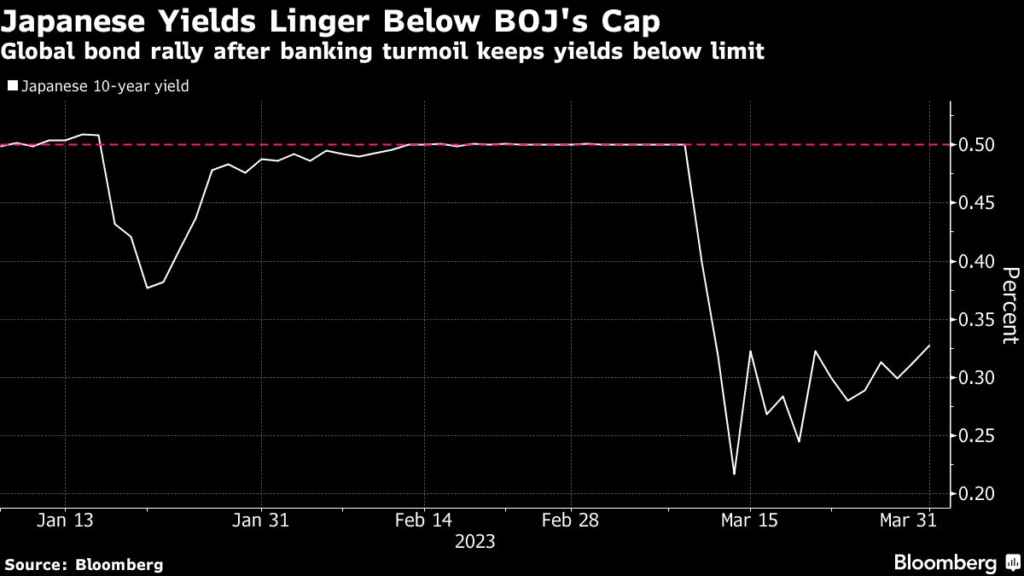
(Bloomberg) — RBC BlueBay Asset Management has increased a bet against Japanese government bonds as it expects the nation’s central bank to abandon its yield-curve control in the coming months.
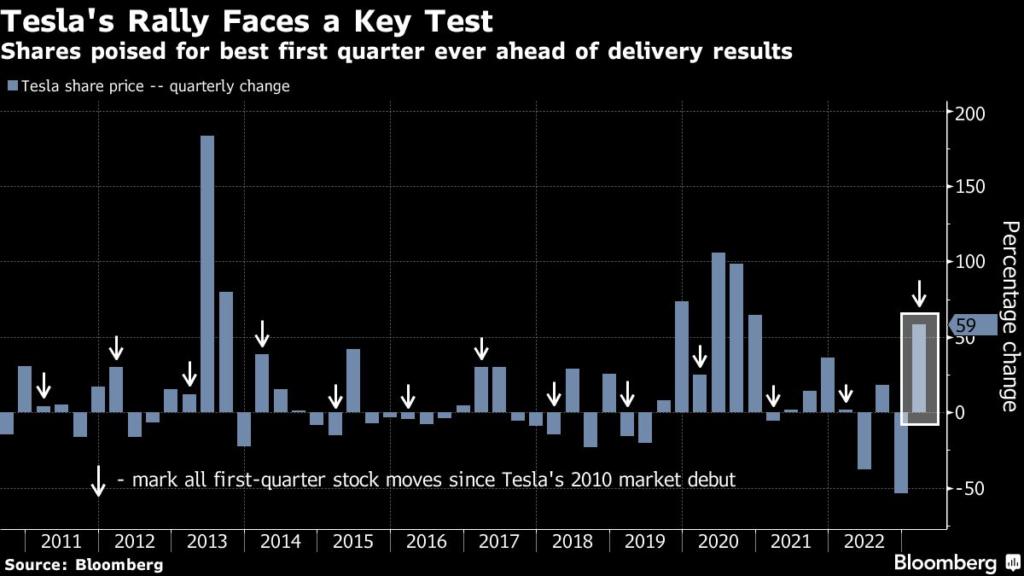
Tesla Inc. shares are set to mark their best-ever start to a year, buoyed by price cuts across the electric-vehicle maker’s lineup in a bid to boost sales. Investors will soon discover if all the enthusiasm was justified.

Citigroup Inc. hired Greg Dalle from Credit Suisse Group AG as co-head of industrials for Europe, the Middle East and Africa as dealmakers from the rescued Swiss lender search for new roles.
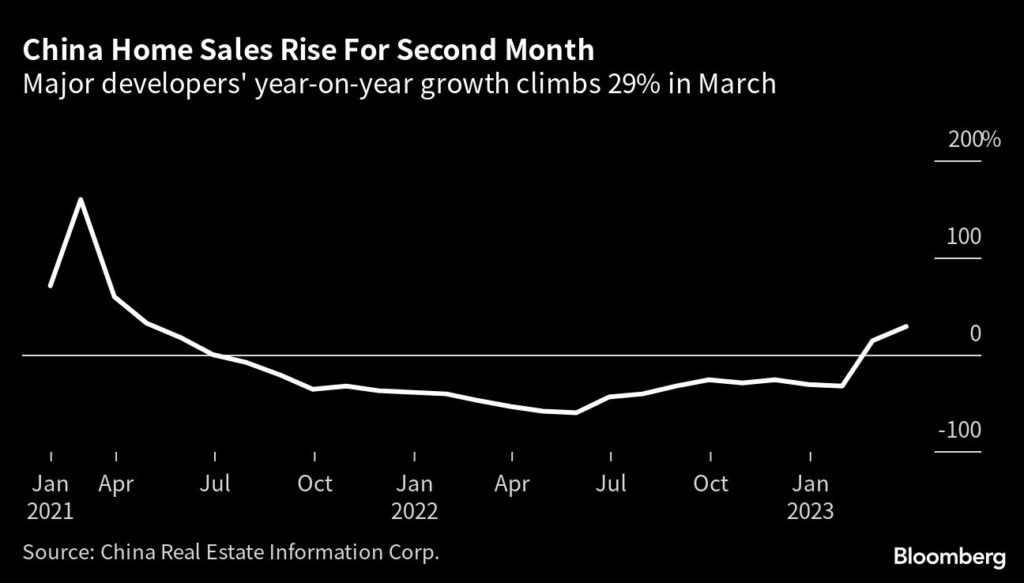
China’s home sales rose for a second month in March, according to a private data provider, signaling a recovery after policymakers expanded support for the sector.

Argentina is rolling out a temporary, subsidized exchange rate for wine and other agriculture products in an elaborate bid to boost exports and foreign reserves as the worst drought in a century exacerbates a looming recession.

A senior Chinese central bank official called for stronger regulation of digital finance, citing recent banking failures linked to US lenders involved in cryptocurrency transactions.
Thousands of supporters of Imran Khan, Pakistan’s former prime minister, were arrested by security officials in recent weeks, escalating political tension ahead of national elections this year.
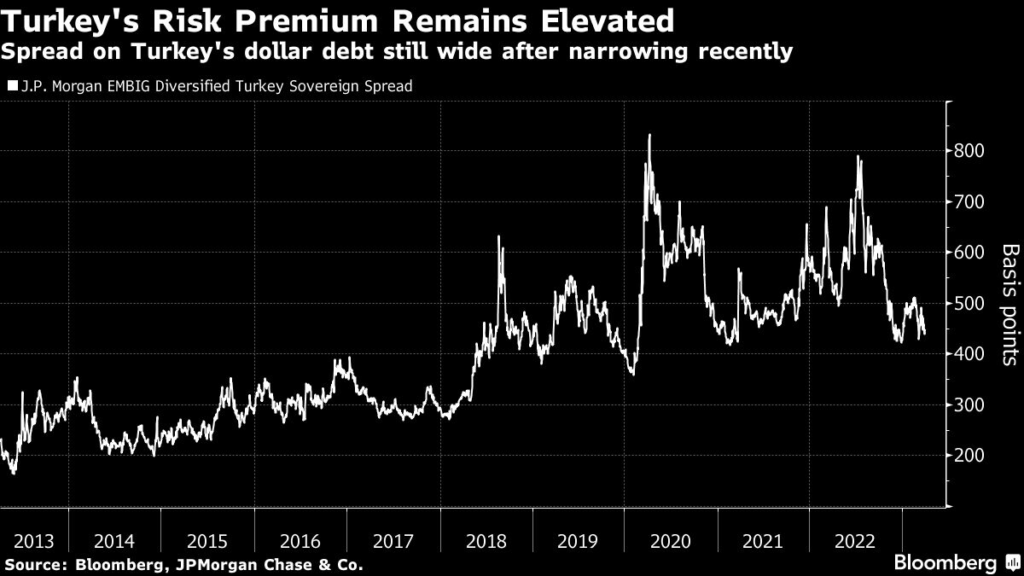
Bond investors with bearish bets on Turkey are reassessing their views as a tightly contested election campaign threatens an end to President Recep Tayyip Erdogan’s two-decade rule — and his unconventional economic path.
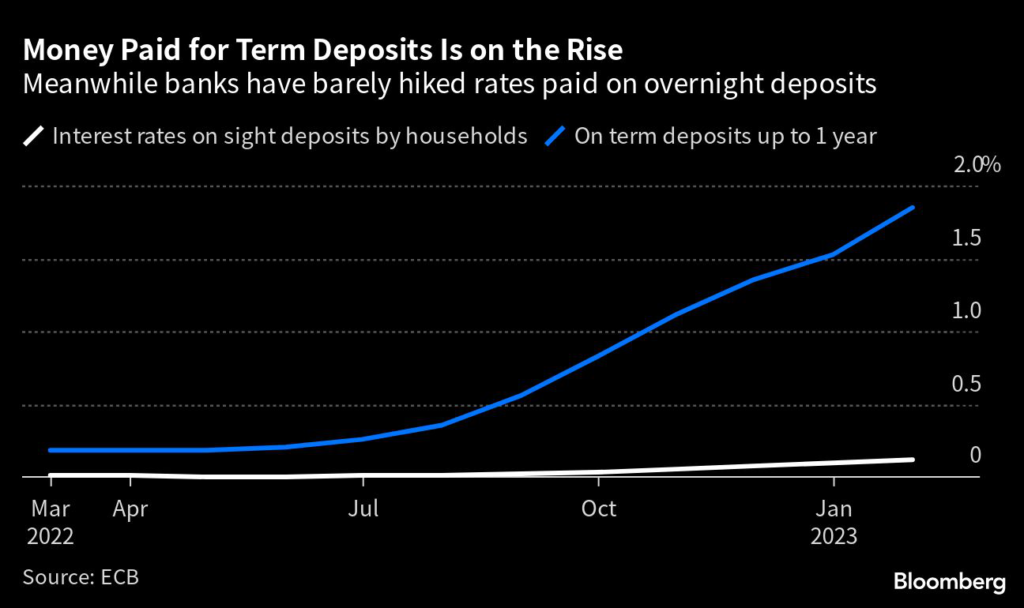
European savers are increasingly moving their money from accounts that offer no or little interest to those that do, a shift that’s likely to cut into lenders’ income.

