US Business

G7 to hold crisis talks on Russia's bombing blitz in Ukraine

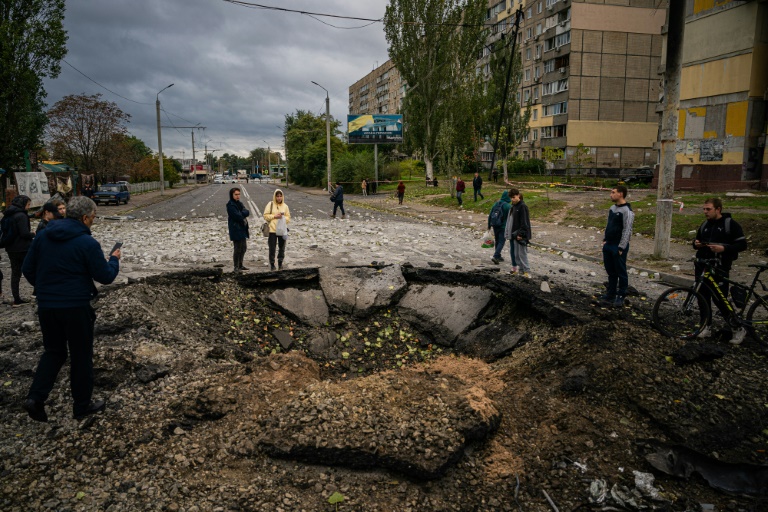
The United States and other G7 powers will hold crisis talks Tuesday on Russia’s recent bombing blitz across Ukraine, with Britain’s Liz Truss expected to insist they “must not waver one iota” in their support for Kyiv.

The meeting comes a day after Russian missiles rocked the Ukrainian capital for the first time in months, with President Volodymyr Zelensky warning Moscow that his country “cannot be intimidated”.

Russian forces rained more than 80 missiles on cities across Ukraine on Monday, according to Kyiv, in apparent retaliation for an explosion that damaged a key bridge linking the Crimean peninsula to Russia.

Ukrainian Foreign Minister Dmytro Kuleba said the strikes showed Moscow was “desperate” after a spate of embarrassing military setbacks, as Russian President Vladimir Putin warned of “severe” responses to any further attacks.

At an urgent meeting of the United Nations General Assembly on Monday — called to debate Moscow’s declared annexation of four partly occupied Ukrainian regions — Ukrainian ambassador Sergiy Kyslytsya branded Russia a “terrorist state”, noting his own immediate family had come under attack on Monday.

“Unfortunately, you can hardly call for a stable and sane peace as long as an unstable and insane dictatorship exists in your vicinity,” he said, telling member states at least 14 civilians were killed and 97 wounded in the strikes.

– ‘Stay the course’ –

Zelensky and G7 leaders are set to convene Tuesday to discuss the latest Russian attacks.

Truss’s office said the British prime minister, who succeeded Boris Johnson just over a month ago, would use the call “to urge fellow leaders to stay the course”.

“The overwhelming international support for Ukraine’s struggle stands in stark opposition to the isolation of Russia on the international stage,” she is expected to say.

“Nobody wants peace more than Ukraine. And for our part, we must not waver one iota in our resolve to help them win it.”

German government spokesman Steffen Hebestreit told reporters Monday that Chancellor Olaf Scholz had spoken with Zelensky and assured him “of the solidarity of Germany and the other G7 states”.

French President Emmanuel Macron met with his defence and foreign affairs ministers over the strikes, which he said signalled “a profound change in the nature of this war”.

US President Joe Biden condemned Monday’s attacks in stark terms, saying they “demonstrate the utter brutality” of Putin’s “illegal war”.

In a statement, the White House said Biden had spoken to Zelensky and had pledged to furnish Ukraine with “advanced air defence systems”. 

Ahead of Monday’s General Assembly session, UN Secretary-General Antonio Guterres described the latest attacks as an “unacceptable escalation of the war”, his spokesman said.

Though Russian representative Vasily Nebenzya did not directly address the missile strikes at the session, he defended his country’s annexation of Ukrainian regions, saying the aim was “to protect our brothers and sisters in eastern Ukraine”.

– ‘In an instant… it’s death’ –

Residents across Ukraine expressed shock and rage after Monday’s barrage.

Ivan Poliakov, 22, was so angry he struggled for words as he tried to describe one of the strikes on Kyiv.

“I saw children and women cry,” he told AFP. “I love Kyiv. The people are good, they are courageous. But in an instant… it’s death.”

In Dnipro, soldier Maxim was on leave from the front lines for the first time in six months to celebrate his wife’s birthday when Russian missiles slammed into the central Ukrainian city, damaging their home.

“We are fighting on the front exactly to protect these places” far from enemy lines, he said. “But they still manage to hit them.”

The strike, he said, had made him more determined than ever to push back the Russians in northeast Ukraine.

Since Russia launched its invasion on February 24, more than 7.6 million Ukrainian refugees have been recorded across Europe, while another nearly seven million people have been displaced within the country.

Monday’s missile strikes prompted a fresh warning from the UN’s refugee chief that more people could soon be forced to flee their homes.

“The bombing of civilians, of houses… of non-military infrastructure in an indiscriminate manner in many cities across Ukraine, means the war is becoming harder and more difficult for civilians,” UN High Commissioner for Refugees Filippo Grandi told journalists in Geneva.

“I fear that the events of these last hours will provoke more displacements.”
Asian chipmakers plunge after US unveils China export controls

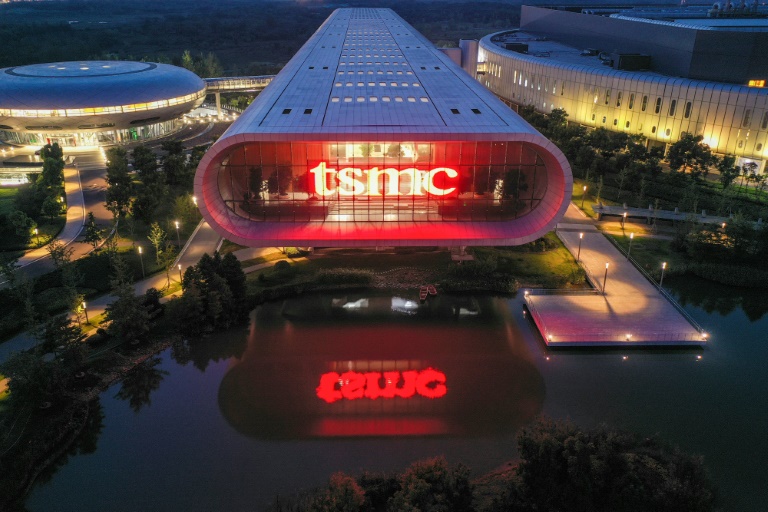
Chipmakers plunged in Asian trade Tuesday over new US measures to limit China’s access to high-end semiconductors with military uses, a move that wiped billions from companies’ valuations worldwide.

The announcement on Friday marked the latest volley in a long-running standoff between the two superpowers that has seen them face off over a range of issues including technology, trade, Hong Kong, Taiwan and human rights.

The US Department of Commerce said the measures include export restrictions on some chips used in supercomputing, and toughen requirements on the sale of semiconductor equipment.

The decision hammered chip manufacturers, with the Philadelphia Stock Exchange Semiconductor Index seeing its lowest close since late 2020, while Bloomberg News reported that $240 billion had been slashed from companies’ market values globally.

Taipei, Seoul and Tokyo markets were closed for holidays on Monday, and when trading resumed Tuesday, chipmakers sank.

Taipei-listed firms were among the worst hit.

Taiwan Semiconductor Manufacturing Co. and ASE Technology each plunged around eight percent, while United Microelectronics shed more than six percent.

South Korean tech titan Samsung Electronics, a major semiconductor maker, dived around three percent in Seoul where DB Hitek was off four percent.

And in Tokyo, Renesas Electronics shed almost six percent, with Tokyo Electron losing a similar amount.

The US measures are likely to complicate Beijing’s push to further its own semiconductor industry and develop advanced military systems.

They came days ahead of a major Communist Party congress in China at which President Xi Jinping is expected to secure a historic third term.

The rules were also announced just days after the Pentagon added 13 more Chinese firms including drone manufacturer DJI and surveillance firm Zhejiang Dahua Technology to a blacklist of Chinese military-linked companies.

“With the latest measure, it would become difficult for China to manufacture and develop semiconductors because most semiconductor equipment is dominated by the US and its allies,” said Chae Minsook, of Korea Investment & Securities.

“It is impossible to maintain the chip industry without adopting advanced equipment.”

Hong Kong leader says he 'laughs off' US sanctions

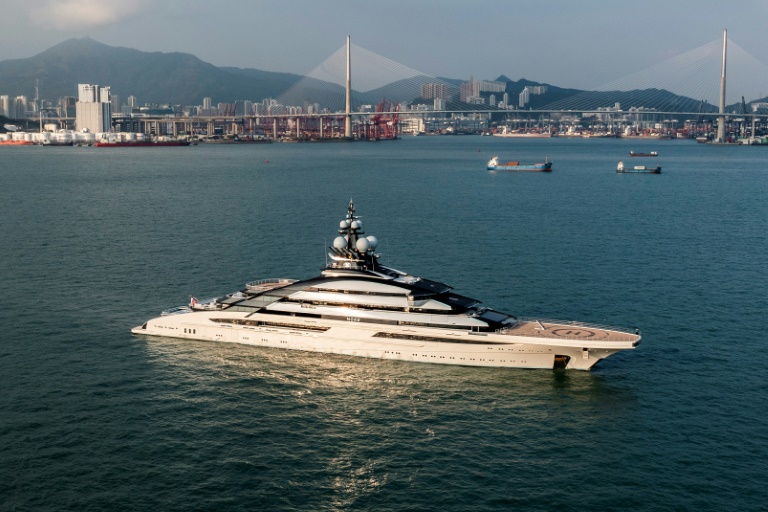
Hong Kong’s leader laughed off US sanctions against him Tuesday as he defended his government’s decision not to act against a superyacht reportedly owned by a Kremlin ally.

The Nord — a $500 million luxury vessel linked to Russian billionaire Alexei Mordashov — arrived in the Chinese territory’s waters last week.

Mordashov is among the oligarchs close to Russian President Vladimir Putin who have been targeted by Western sanctions following Moscow’s invasion of Ukraine.

On Saturday the United States warned Hong Kong could damage its business hub reputation after the city said it would not enforce sanctions on the superyacht.

Hong Kong chief executive John Lee himself is one of multiple Chinese officials sanctioned by the United States in 2020 for their roles in cracking down on political freedoms in the city.

Banks and other companies risk losing access to the US-dominated global markets if they do business with sanctioned officials, with Lee’s predecessor revealing she had to take most of her salary in cash as a result.

When asked about the impact of US sanctions against him on Tuesday, Lee told reporters: “It is a very barbaric act and I am not going to comment on the effect of such barbaric act.” 

“We will just laugh off the so-called sanctions.”

Some sanctioned oligarchs have had their luxury yachts seized in places such as Spain and Fiji, but Hong Kong said Friday that while it implements UN sanctions, it cannot enforce those imposed “unilaterally” by countries or blocs.

Lee repeated that argument on Tuesday, describing US and European sanctions as having “no legal basis”.

“We will comply with any UN resolution on sanctions because Hong Kong has the legal basis to enforce it,” he said.

But he added: “We cannot and will not do anything that has no legal basis”. 

Asian markets swing on recession fears as inflation data looms

Most markets fluctuated in Asian trade Tuesday as traders grow increasingly fearful that more big interest rate hikes will tip economies into deep recessions, with the mood also darkened by the worsening Ukraine war and worries over China’s outlook.

With the focus on inflation, analysts said consumer price index data released later this week will be crucial to the direction of risk assets — another big reading could spark a fresh equity selloff and surge in the dollar.

Investors had hoped that a series of bumper rate increases by the US Federal Reserve this year would begin to drag on the economy and slow runaway prices, allowing policymakers to slow down their pace of monetary tightening.

But a forecast-beating jobs report on Friday highlighted the tough work the central bank has in bringing inflation down from four-decade highs, and many observers warn a recession is virtually inevitable.

World Bank chief David Malpass said there was a “real danger” of a global contraction next year, adding that the surge in the dollar was weakening the developing nations’ currencies and pushing their debt to “burdensome” levels.

And JP Morgan boss Jamie Dimon told CNBC that while the US economy was holding up now, it faced several headwinds including rising rates, surging inflation, Fed tightening and the Ukraine war.

He added that he saw a US recession in six to nine months, and that the S&P 500 could fall another 20 percent.

Barings strategist Christopher Smart said: “It’s little wonder investors enter the week in a dreary mood, especially with headlines from Ukraine signalling a further escalation in geopolitical tensions.

“Of course, markets are meant to look ahead, but it’s hard not to see the next few quarters bringing more of the same.”

After another round of losses in New York, Asia again struggled.

Tokyo shed more than two percent as traders returned from a long weekend to play catch-up with Monday’s retreat, while Hong Kong was hit again by hefty selling in tech firms, dropping the Hang Seng Index below 17,000 points for the first time since late 2011.

Seoul was off more than two percent, while Taipei tanked as semiconductor firms including TSMC were hammered by new US export controls aimed at restricting China’s ability to buy and make high-end chips with military applications. Jakarta was also down.

Still, bargain-buyers helped push gains in Shanghai, Singapore, Wellington and Manila. Sydney was flat.

There was a glimmer of optimism for investors in comments from Fed vice chair Lael Brainard, who appeared to hint at a more cautious tone for policy as the hikes already announced work through the economy.

But SPI Asset Management’s Stephen Innes said traders were likely to be guarded in their reaction to the remarks.

“With the market in ‘fool me once, shame on me, fool me twice, shame on you’ mode, investors should be 100 percent defensive, erring to classical risk-off strategies as local conversations defer to risk-off,” he said in a commentary.

On currency markets, the dollar remained king as the United States lead the monetary tightening drive, and eyes are on the reaction in Tokyo as the yen drops towards the 145.90 level that last month saw massive government intervention.

– Key figures around 0300 GMT –

Tokyo – Nikkei 225: DOWN 2.3 percent at 26,480.97 (break)

Hong Kong – Hang Seng Index: DOWN 1.3 percent at 16,985.14

Shanghai – Composite: UP 0.1 percent at 2,976.98

Pound/dollar: DOWN at $1.1048 from $1.1059 on Monday

Euro/dollar: DOWN at $0.9690 from $0.9708

Euro/pound: DOWN at 87.71 pence from 87.76 pence

Dollar/yen: DOWN at 145.67 yen from 145.72 yen

West Texas Intermediate: DOWN 0.3 percent at $90.84 per barrel

Brent North Sea crude: DOWN 0.2 percent at $96.00 per barrel

New York – Dow: DOWN 0.3 percent at 29,202.88 (close)

London – FTSE 100: DOWN 0.5 percent at 6,959.31 (close) 

From 'football' to 'biscuits': how Biden would launch nukes

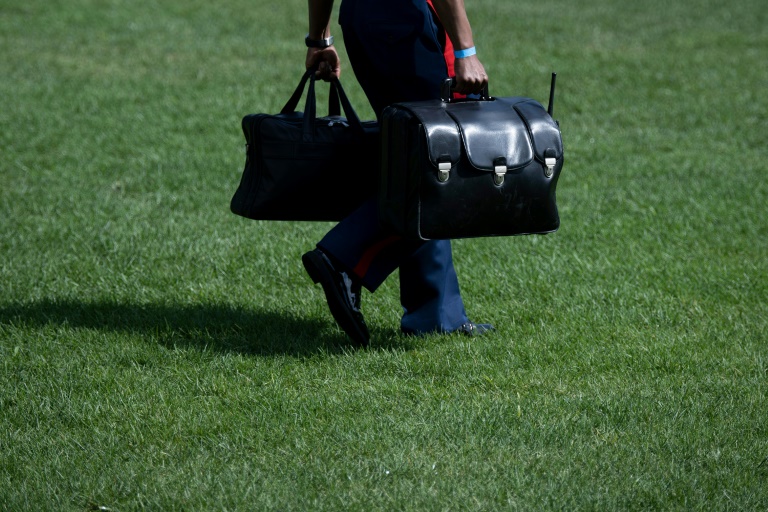
Doomsday could start with a football — the so-called “nuclear football” as the attache case carried wherever the US president goes is popularly known.

The rather awkwardly stuffed black bag doesn’t look like much, the only clue to its importance being that it never leaves the hand of a uniformed military aide.

But inside are top secret codes and plans enabling a president to authorize nuclear strikes — and pick from a sort of menu of targets — anywhere in the world.

In the White House, the president has his secure Situation Room, where he could order war and communicate with military leaders.

But when President Joe Biden, for example, traveled to Puerto Rico, Florida, New York, New Jersey and Maryland within the space of a few days this November, he traveled, as he does everywhere, with his “football.”

According to Biden, Russian President Vladimir Putin is threatening the world with “Armageddon” when he hints at using nuclear weapons against Ukraine.

The US riposte, if it happened, could be launched from the back of the Beast limousine. Or Air Force One. Or a secret bunker.

Or really anywhere the “football”  and the president were together.

– Biscuits –

The public has caught glimpses of the “football,” officially known as the Presidential Emergency Satchel, ever since one was photographed being carried behind John F. Kennedy at his seaside family home in Hyannis Port, Massachusetts, in 1963. Another accompanied Ronald Reagan right into Red Square during his summit with Mikhail Gorbachev in 1988.

More discreet — and also bearing a deceptively innocuous nickname — is the other important element in triggering nuclear war: the “biscuit.”

If the “football” houses the menu of war plans, the “biscuit” contains the codes, known as Gold Codes, by which the president can identify himself and make the order.

About the size of credit cards, one of these is meant to be carried by the president at all times.

Ultra-secret, ultra-secure they may be, but both items have had their share of misadventure.

Bill Clinton was said to have mislaid his “biscuit,” while the one carried by Reagan was inadvertently dumped with his clothing in a plastic hospital bag when he was stripped for surgery after being shot in Washington in 1981.

When Donald Trump’s mob of supporters invaded the Capitol on January 6, 2021, vice president Mike Pence had to flee to safety — along with a military aide holding the backup “football,” which also always accompanies the president’s successor.

– President decides –

The chain of command — legally speaking — could not be shorter.

“The US president has sole authority to authorize the use of US nuclear weapons,” the Congressional Research Service states.

The president does have to identify himself (with the “biscuit” codes) and he can, and presumably would, discuss options with the top brass.

But even if presidents “seek counsel” from military staff, “those advisors are then required to transmit and implement the orders authorizing nuclear use,” the congressional analysis says.

The order would pass through the ranks down to service members manning the switches in silos or submarines or in the air.

In a memo to Congress in 2021, the chairman of the joint chiefs of staff, General Mark Milley, said that even he is not in the “chain of command” — only the “chain of communication.”

– Unless… –

The president has no big red button to push and whatever he orders still has to filter through several sets of human beings before becoming reality.

US military personnel are required to disobey illegal orders and, as John Hyten, then the commander of the  US Strategic Command (STRATCOM), said in 2017: “We think a lot about these things.”

“If it’s illegal, guess what’s going to happen? I’m going to say, ‘Mr. President, that’s illegal.’ And guess what he’s going to do? He’s going to say, ‘What would be legal?’ And we’ll come up with options, with a mix of capabilities to respond to whatever the situation is, and that’s the way it works. It’s not that complicated.”

In a more extreme situation, the cabinet could theoretically intervene to strip the president of his powers, by invoking the 25th amendment.

That hasn’t happened, although there were numerous claims that high level discussions on the subject took place during the chaotic Trump presidency.

More likely, though, is a far less dire shift in the chain of command for planned medical procedures. 

In this way, November 19, 2021, became a historic day: Biden underwent anaesthesia for a colonoscopy procedure and his vice president, Kamala Harris, became the first US woman to serve as commander in chief — for 85 minutes the keeper of the “biscuit” and “football.”

Experts sound alarm over violent speech ahead of US midterms

When a Donald Trump supporter was killed by police after shooting up an FBI office in the US Midwest, investigators turned to the assailant’s social media to confirm a motive they already feared.

It turned out he had discussed leading an “insurrection against the people who usurped our government” in revenge for the bureau’s raid on the former president’s Florida home in August.

“I am proposing war,” read one post from his since-deleted account on Trump’s Truth Social platform, US media reported. “Kill the FBI on sight.”

In the 21 months since a pro-Trump mob ransacked the US Capitol, violent rhetoric and the attacks it foments have become an increasingly worrying contusion on the US body politic, analysts warn. 

Many experts are bracing for a spike in the already burgeoning discourse around “civil war” as the November 8 midterm elections approach and campaign rhetoric becomes more bellicose.

Twitter mentions of the phrase skyrocketed in the hours after the FBI’s search for mishandled government secrets at Trump’s beach club — from 500 tweets an hour to 6,000, according to The New York Times.

It is often used hyperbolically to refer to bitter partisanship, but many of the mentions were literal calls to arms, envisaging war, or years of insurgency.

A YouGov poll in August showed that 54 percent of self-identified “strong Republicans” believe a civil war was at least “somewhat likely” in the next decade. 

The slice of American society holding this view includes the founder of anti-government militia the Oath Keepers, who told his cadres two days after Trump’s election defeat: “We aren’t getting through this without a civil war.”

– ‘Liberate Michigan!’ –

K. Campbell, a military intelligence veteran who has led security risk assessments for the US government, is most concerned by the threat from groups such as the Oath Keepers.

“In the 1970s to the early 1980s, left-wing groups were the highest threat inside the US. The bombing of the US Capitol in 1983 by America’s only female terrorist group is one example,” he told AFP.

“But over the past several years, far-right groups have been responsible for the majority of attacks in the US, including against law enforcement.”

Trump has regularly invoked the specter of unrest when facing some political or legal defeat.

His role in stoking anger on the day of the US Capitol riot has been widely discussed, but it is often forgotten that it was his second such transgression in months.

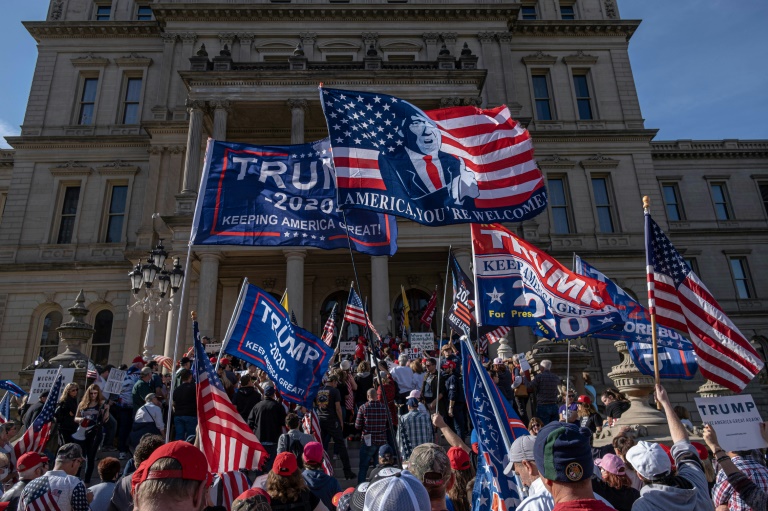
The previous April, he urged activists to “Liberate Michigan!” among a series of incendiary posts critical of the Midwestern state’s Covid-19 restrictions. 

Days later, heavily armed protesters occupied the state capitol.

Members of Trump’s own cabinet, not to mention the Republican leader in the Senate and the House Democrats who impeached him, blamed the ex-president for the January 6, 2021, riot in Washington.

They are backed by numerous studies demonstrating a causal link between aggressive rhetoric and political violence. 

Robert Pape of the University of Chicago has conducted several polls since the Capitol assault, demonstrating that between 15 and 20 million Americans believe violence would be justified to return Trump to office.

Republicans, however, accuse Democrats of overreacting to figurative language and ignoring leftist aggression such as harassment of conservative Supreme Court justices and the 2017 mass shooting at a congressional sports event.

– 9,600 threats in a year –

Still, law enforcement agencies say right-wing violence is the larger threat. 

Discourse that was once taboo is now commonplace on the far right, with Republican flamethrowers in Congress incorporating violent language and imagery into their stump speeches.

Threats against members of Congress reached a record high of 9,625 in 2021, according to data provided by the Capitol Police, compared with just 3,939 five years ago.

This year, a progressive Democratic lawmaker has had an armed man show up outside her home. Another livestreams videos of people harassing her outside the Capitol.

Conservatives in the House and Senate have been targeted by death threats and vandalism of their homes. One survived an attempted stabbing.

Michael Susong, a former CIA officer who was decorated for heroism in the field, says there is “no credible threat” of civil war, although he acknowledges that political discourse has “slipped the bounds of decency.” 

“Social media platforms and pervasive real-time global communications can exacerbate real and perceived grievances,” said Susong, now the senior vice president for global intelligence at risk management company Crisis24.

“This accelerates the radicalization of individuals who internalize extreme narratives of events or history. Most times the result is uncivil discourse and hollow threats. But we see, and will always see, a few individuals provoked to violence.”

'Dream come true': Japan reopens to tourists

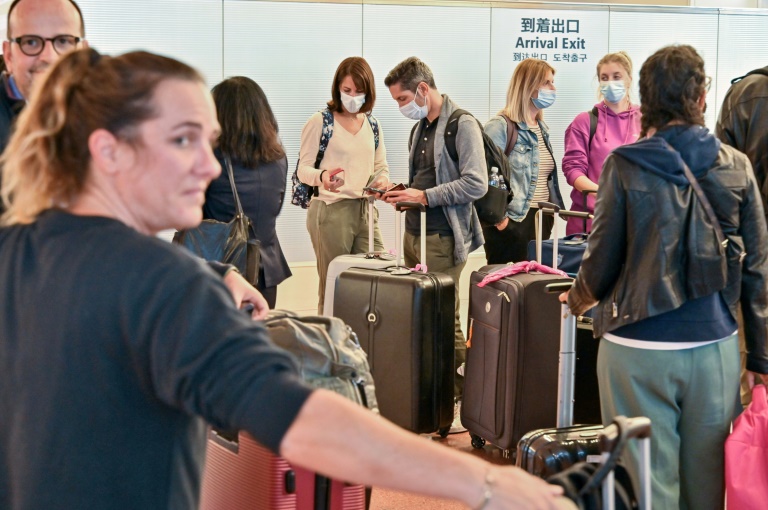
Japan reopened its doors to tourists Tuesday after two-and-a-half years of tough Covid restrictions, with officials hoping an influx of travellers enticed by a weak yen will boost the economy.

By mid-morning, tourists from Israel, France and Britain were already pouring in.

“It’s a long, long dream come true,” said 69-year-old Adi Bromshtine, a retiree arriving at Tokyo’s Haneda airport from Israel.

“We were planning before Covid and waiting and waiting,” she told AFP.

Itay Galili, a 22-year-old student also arriving from Israel, said he had been closely monitoring the news for word of the border reopening.

“As soon as I heard it’s going to reopen on the 11th, I started planning. Tickets were expensive… but no price (is) too heavy,” he told AFP.

Japan slammed its borders shut early in the pandemic, at one point even barring foreign residents from returning, and has only recently begun cautiously reopening.

In June, it began allowing tourists to visit in groups accompanied by guides, a requirement that was further relaxed to include self-guided package tours.

From Tuesday, visa-free entry resumed for travellers from 68 countries and territories.

Japan is also lifting a cap on the number of arrivals and ending the package tour requirement.

Some rules remain, with tourists required to present either proof of vaccination or a negative coronavirus test taken three days before departure.

Before Covid, Japan’s government was on track to achieve a goal of 40 million visitors by 2020, the year Tokyo was supposed to host the Summer Olympics.

Japan received a record 31.9 million foreign visitors in 2019, but that plummeted to just 250,000 in 2021.

– Demand soaring –

In Japan, tourists will find a country that is still adhering to many of the health guidelines that helped it to keep pandemic deaths to around 45,500, lower than many other developed economies.

Masks are ubiquitous, and though not mandated by law, parliament is set to pass legislation allowing hotels to deny service to customers who refuse to wear one or observe other health rules.

Masks are worn not only indoors and on public transport, but even outdoors, despite the government saying they are not necessary outside in uncrowded settings.

Hand sanitiser is placed at the entrance of most businesses, while plastic dividers are also often used in restaurants.

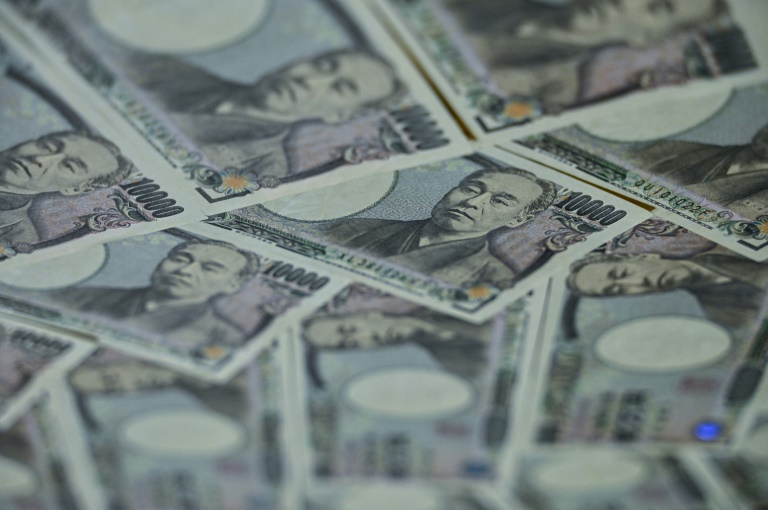
Another major change for tourists will be the weakness of the yen, which is hovering around 145 to the dollar, a level not seen for two decades.

The government has already had to intervene once to prop up the currency, and Prime Minister Fumio Kishida cited the yen’s weakness as a factor he hoped would draw tourists when he announced the reopening.

There is certainly no shortage of demand, according to travel agents.

Since the September announcement of the planned reopening, “we’ve been absolutely drowning, we don’t have enough time to deal with all the requests,” said Antoine Chanthavong, of Paris-based travel agency Destination Japan.

Still, for now at least, tickets are not coming cheap, with fuel prices soaring and airlines forced to take circuitous routes to avoid Russian airspace.

And for all the rebound in demand, there is little expectation that tourist numbers will soon reach their 2019 levels.

Before the pandemic, travellers from Hong Kong and China made up 37 percent of all foreign visitors to Japan, and 44 percent of tourism income.

But tough Covid restrictions in China make it unlikely visitors from there will be flocking back to Japan anytime soon.

Hurricane Ian death toll climbs above 100 in Florida alone

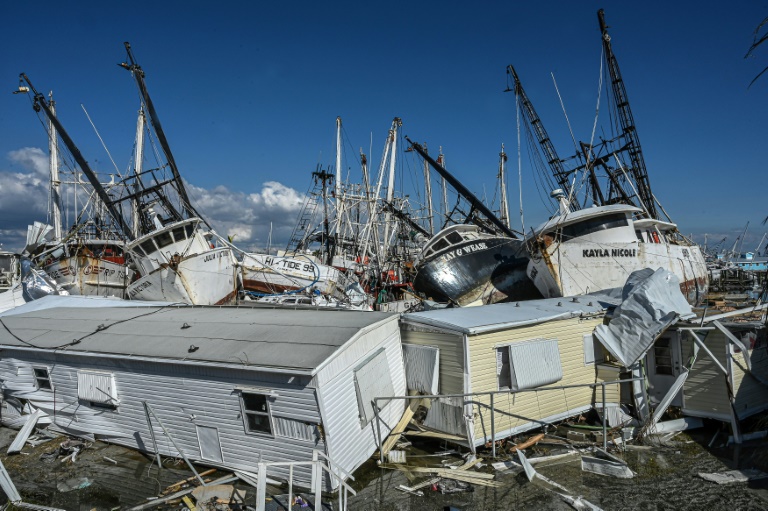
The death toll from Hurricane Ian, one of the most powerful storms ever to hit the United States, soared above 100 in Florida alone on Monday, officials said.

Homes, restaurants and businesses were ripped apart when Ian roared ashore as a powerful Category 4 hurricane on September 26.

The confirmed number of storm-related fatalities rose to 102 statewide, the Florida Medical Examiners Commission confirmed in its latest report, with the majority located in the state’s southwest.

Another five people died in North Carolina, the state’s governor has previously reported.

After making landfall, Ian passed over Florida and into the Atlantic Ocean before heading ashore again, this time on the South Carolina coast.

Officials have said it could take months — and perhaps $50 billion or more — to rebuild Florida’s devastated coastal zones.

Ian was one of the deadliest storms to hit the United States this century.

In 2005, Hurricane Katrina made landfall along the US Gulf Coast, devastating New Orleans and causing some 1,800 deaths and billions of dollars in damage.

Since then, deadly superstorm Sandy battered the country’s northeast in 2012, leaving a trail of destruction and some 120 deaths in her wake.

Irma in 2017 caused some 120 hurricane-related fatalities when it struck the US Southeast, shortly after Hurricane Harvey buffeted Texas, killing dozens and causing nearly $97 billion in damages.

Top Democrat urges US block on weapons sales to Riyadh

A powerful US senator called Monday for Washington to freeze all cooperation with Saudi Arabia over its decision to “underwrite” Russia’s war in Ukraine by slashing oil production.

Riyadh, Moscow and other top oil producers agreed last week to a deep cut in production to boost crude prices, in a move denounced by the United States as a concession to Moscow that would hurt the global economy.

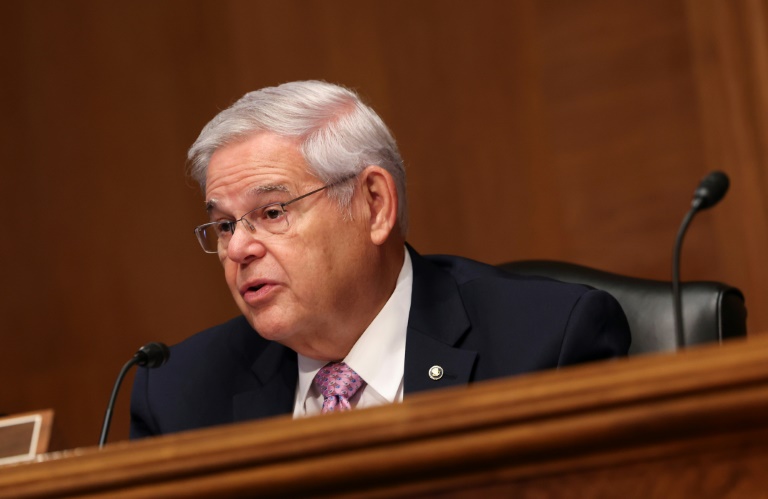
“There simply is no room to play both sides of this conflict — either you support the rest of the free world in trying to stop a war criminal from violently wiping off an entire country off of the map, or you support him,” Bob Menendez, who chairs the powerful Senate Foreign Relations Committee, said in a statement.

“The Kingdom of Saudi Arabia chose the latter in a terrible decision driven by economic self-interest.” 

The 13-nation, Saudi-led OPEC cartel and its 10 allies headed by Russia agreed to reduce output by two million barrels a day from November —  raising fears that oil prices could soar.

Saudi Arabia said OPEC’s priority was “to maintain a sustainable oil market” but its move drew a swift rebuke from the Washington, which is leading efforts to isolate major energy producer Russia over its invasion of Ukraine.

“The United States must immediately freeze all aspects of our cooperation with Saudi Arabia, including any arms sales and security cooperation beyond what is absolutely necessary to defend US personnel and interests,” Menendez said.

“As chairman of the Senate Foreign Relations Committee, I will not green-light any cooperation with Riyadh until the kingdom reassesses its position with respect to the war in Ukraine. Enough is enough.”

An outspoken critic of Riyadh, Menendez has been at the forefront of the campaign to sanction Saudi royalty over the 2018 murder of Washington Post columnist Jamal Khashoggi, which US intelligence concluded was ordered by de facto leader Mohammed bin Salman.

He is the latest in a string of lawmakers calling for a rethink on the US-Saudi relationship but is able to wield considerably more influence than most in his drive to impose increased scrutiny on arms sales.

When former president Donald Trump issued an emergency declaration to bypass Congress in approving a weapons deal with Riyadh in 2019, Menendez jammed up the process by refusing to acknowledge the White House’s notification of the sale until he had received answers about his concerns about use of US-made weaponry in Yemen.

“I am horrified by Russia’s depraved and desperate escalation against civilian infrastructure across Ukraine — including in Kyiv,” he said.

“I pledge to use all means at my disposal to accelerate support for the people of Ukraine and to starve Russia’s war machine.” 

Dollar extends 2022 surge as market awaits key US inflation data

The dollar extended its banner run of 2022 on Monday, pushing higher following the latest solid US jobs data as equities retreated in both New York and Europe.

The US currency, which has already struck multi-year highs against the euro and other leading currencies, rose as investors bet that the latest round of US employment data released Friday will confirm a Federal Reserve plan to continue aggressively hiking interest rates.

This week’s calendar includes the latest US consumer price index data, which will give an updated reading on inflation that has prompted a 180-degree turn from the Fed’s easy-money policies to a streak of significant interest rate hikes.

“Inflation remaining stubbornly elevated would threaten to upset the market apple cart and buoy the dollar,” said a note from Joe Manimbo of Convera.

Analysts said Monday’s gains by the greenback also reflected the worsening Russia-Ukraine conflict, which has bolstered the dollar’s standing as a “refuge” investment.

US stocks finished a choppy session lower, joining European bourses in retreating.

This week’s calendar also includes retail sales for September, as well earnings from Delta Air Lines, JPMorgan and others. 

Investors are cautious ahead of the earnings period, with rising costs expected to cut into corporate profits. 

Analysts now project the S&P 500 companies scored an earnings increase of 2.9 percent per share, down from the 10.5 percent that had been forecast in June, according to CFRA Research.

“We’re seeing mild risk aversion in the markets at the start of the week, perhaps some apprehension ahead of what could be a big few days for the US,” said market analyst Craig Erlam at OANDA.

Elsewhere the pound won little support from Britain ramping up efforts to calm markets after a heavily criticised budget.

In what was seen as coordinated action, the government brought forward the release date of key economic forecasts and the Bank of England boosted liquidity.

“With the pound remaining weak and (UK) government borrowing costs inching up again towards worrying levels, the UK government and the Bank of England have launched a two-pronged attempt to calm markets,” noted Susannah Streeter, senior investment and markets analyst at Hargreaves Lansdown.

Oil prices meanwhile fell after the biggest weekly gain since March that followed last week’s decision by OPEC and allied producers led by Russia to slash crude output by two million barrels per day.

The drop Monday came also on demand concerns caused by China’s Covid flare-ups and more weak data out of Beijing owing to lockdowns.

– Key figures around 2030 GMT –

New York – Dow: DOWN 0.3 percent at 29,202.88 (close)

New York – S&P 500: DOWN 0.8 percent at 3,612.39 (close)

New York – Nasdaq: DOWN 1.0 percent at 10,542.10 (close)

London – FTSE 100: DOWN 0.5 percent at 6,959.31 (close) 

Frankfurt – DAX: FLAT at 12,272.94 (close)

Paris – CAC 40: DOWN 0.5 percent at 5,840.55 (close)

EURO STOXX 50: DOWN 0.6 percent at 3,356.88 (close)

Hong Kong – Hang Seng Index: DOWN 3.0 percent at 17,216.66 (close) 

Shanghai – Composite: DOWN 1.7 percent at 2,974.15 (close)

Tokyo – Nikkei 225: Closed for a holiday

Pound/dollar: DOWN at $1.1059 from $1.1086 on Friday

Euro/dollar: DOWN at $0.9708 from $0.9745

Euro/pound: DOWN at 87.76 pence from 87.90 pence

Dollar/yen: UP at 145.72 yen from 145.25 yen

West Texas Intermediate: DOWN 1.6 percent at $91.13 per barrel

Brent North Sea crude: DOWN 1.8 percent at $96.19 per barrel

burs-jmb/bfm

Close Bitnami banner
Bitnami