World

Misty sunrise for the summer solstice at Stonehenge

The sun was long overdue on Tuesday but when it finally appeared, faces lit up and arms rose as one to greet the summer solstice at Britain’s most famous prehistoric monument.

The sun was scheduled to come up on the longest day of the year at 4:49 am (3:49 GMT) but was shy in a sky as hazy as the minds of many of the midsummer revellers who spent the night at the sacred site.

Around 6,000 people gathered for the sunrise and sunset at 9:27 pm, according to the site’s manager and police, during the first public summer solstice at Stonehenge since the coronavirus pandemic wreaked havoc in 2020.

Stonehenge was built in stages, from around 3,000 BC to 2,300 BC, and the standing stones are aligned with the movements of the sun.

“We might see it at about 10 o’clock!” joked Jade Tetlon, who made a spur-of-the-moment decision to come with a friend and his daughter for her first solstice at Stonehenge.

Surrounded by soft melodies from flutes, drums, birds singing and sheep bleating but also the trucks rumbling on the main road nearby, Tetlon, 35, immersed herself in the site’s unique atmosphere.

The smell of incense and cannabis floated in the air, despite a ban across the country and a sign at the site’s entrance.

– Yoga in togas –

At 5:08 am, the sun finally appeared, serenaded by whistling and cheers but also joined by a collective rise of mobile phones in the air to immortalise the moment.

Two women wearing artificial garlands of flowers in their hair, opened and closed their arms to welcome the summer sun’s “new energy” which one of them, Joanna Willman, said was so strong at Stonehenge.

A short distance away, a handful of men in togas performed yoga facing the sun, surrounded by the rubbish of the crowds.

Another group, including some with earphones, held hands in concentric circles while gently swaying before hugging each other, moved by the moment and smiling.

“Stonehenge is the most architecturally sophisticated prehistoric stone circle in the world,” according to the UN cultural organisation UNESCO, which classified it a world heritage site in 1986.

A theory emerged in the 17th century that Stonehenge was constructed by Celtic Druids but that has since been dismissed by historians.

Nevertheless, modern druids today celebrate solstices and equinoxes at Stonehenge.

The ancient stone circle remains an enigma. Academics and other experts debate over the site’s purpose, with some arguing it was a place of worship while others believe it may have been used by ancient astronomers for observation.

– ‘Fragile’ monument –

During a ceremony before the sun rose, the Archdruid of Stonehenge, Rollo Maughfling, chanted for peace at the four compass points, with invitations to the sun and the earth, sung in unison by some of those attending.

There were also chants for the release of WikiLeaks founder Julian Assange, for “peace between Russia and Ukraine” and an end to climate change.

“People always seem to be very respectful whenever we go into doing ceremonies,” he told AFP. 

But a few newcomers, he said, sometimes tried to defy a ban on climbing on the stones.

Heather Sabire, the site’s curator, said despite the stones’ size, the monument is “fragile”, adding: “There are a lot of features that you can’t see with the naked eye.”

She said many “enjoy being at Stonehenge because it’s so special”. 

Some hold their own ceremonies, “it’s almost like a place of worship for them”.

So much so, there were scenes of almost holy embraces and communion with the stones.

The event ended with only two arrests: one for an assault, the other related to drugs.

But there have been more tumultuous times at Stonehenge. 

On June 1, 1985, anti-riot police intervened to stop a “freedom convoy” protesting against an exclusion zone at Stonehenge put in place to protect the site.

Both sides dispute what happened at the event, during which police arrested 400 and many were injured, but it was 15 years before the site was again open for the solstice.
US attorney general in Ukraine to discuss war crimes

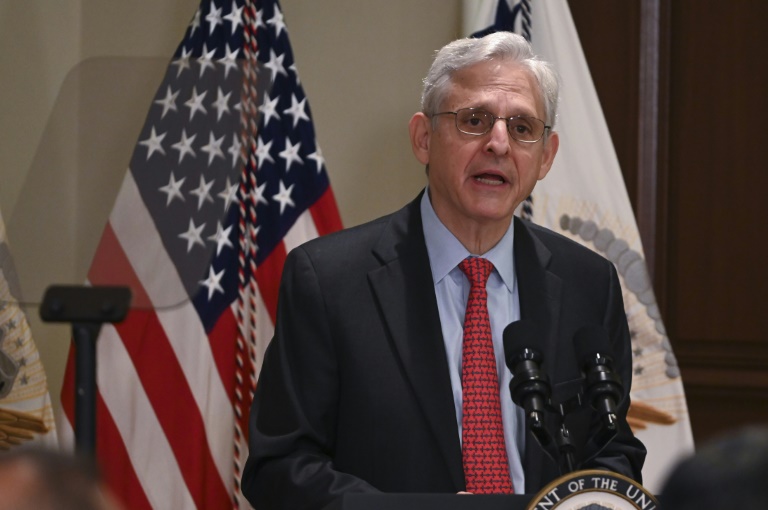
US Attorney General Merrick Garland was visiting Ukraine on Tuesday to discuss prosecution of individuals involved in war crimes in the European nation invaded by Russia in late February, a Justice Department official said.

Garland is meeting with Ukrainian Prosecutor General Iryna Venediktova near the Polish-Ukrainian border, the official said.

They will discuss US and international efforts to help Ukraine “identify, apprehend, and prosecute those individuals involved in war crimes and other atrocities in Ukraine,” the official said.

Garland is stopping in Ukraine on his way to the US-EU Ministerial in Paris.

Nearly four months after Russia invaded Ukraine, Kyiv says it has identified thousands of suspected war crimes cases. 

Most notorious have been the allegations of wanton murder of scores of civilians in Bucha, just outside the Ukrainian capital.

The US State Department announced the creation of a new unit in May to research, document and publicize alleged war crimes by Russia in Ukraine.

UK hit by biggest rail strike in over 30 years

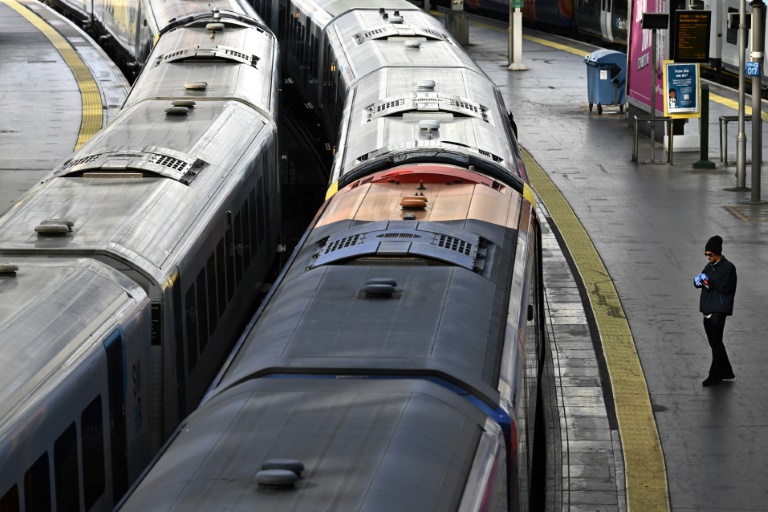
Rush-hour commuters in the UK faced chaos on Tuesday as railway workers launched the network’s biggest strike in more than three decades, forcing people to trek to work on foot, by bike, bus — or simply not bother at all.

The RMT rail union argues the strikes are necessary as wages have failed to keep pace with UK inflation, which has hit a 40-year high and is on course to keep rising.

Last-ditch talks to avert the work stoppage broke down on Monday, meaning more than 50,000 RMT members will walk out for three days this week.

Train and London Underground stations, normally a sea of people for the morning rush to work, were deserted or even locked, with just a skeleton service running on many networks across the country.

Passengers were warned not to travel all week, with two more days of strike action scheduled for Thursday and Saturday wreaking havoc to schedules.

In London, cab firms reported a surge in demand, while main roads were packed with buses and cars, with cyclists weaving in between.

Long queues formed at bus stops on the outskirts of London shortly after 6:00 am, but many gave up as services carried on without stopping, already full.

– ‘Frustrating’ –

Peter Chiodini, 73, a doctor, he had been “inconvenienced” by having to take the bus rather than the train and did not support the strikes.

“I think we do need a guaranteed minimum service because people are going to lose money on this, they’re going to be inconvenienced, children have to get to exams and so on,” he told AFP.

Amber Zito, 24, a canine hydrotherapist from Holmfirth, West Yorkshire, called the strikes “frustrating” after missing her train home, but supported the rail workers. 

“Everything is kind of going tits up at the moment — planes, trains, everything.

“I blame the government. I don’t blame the people who work for train companies at all, they are only trying to do what everyone wants for their job.”

The government maintains that it is an issue to be resolved by the private train operators and the unions.

Transport Secretary Grant Shapps said he “deplored” the strikes, which he said evoked the “bad old days of the 1970s” when industrial action was far more common.

“The people that are hurting are people who physically need to turn up for work, maybe on lower pay, perhaps the cleaners in hospitals,” he told Sky News. 

– ‘Stay the course’ – 

Prime Minister Boris Johnson, addressing his cabinet, urged “the union barons to sit down with Network Rail and the train companies” to thrash out a deal.

The country needed to “stay the course”, defending reforms to the rail network as needed and in the public interest.

RMT general-secretary Mick Lynch has described as “unacceptable” offers of below-inflation pay rises by both overground train operators and London Underground, which runs the Tube in the capital.

The walkouts risk causing significant disruption to major events including the Glastonbury music festival.

Thousands of teenagers taking national school exams could also be hit.

The strikes are the biggest dispute on Britain’s railway network since 1989, according to the RMT.

Rail operators, however, warn of disruption throughout the week.

Only about 20 percent of services are running during the walkouts and half of all lines are closed. Those lines that are still open are running at reduced capacity.

And as well as the above-ground rail strike, RMT members on the London Underground are staging a 24-hour Tube train stoppage Tuesday.

– Teachers, lawyers, NHS –

Countries around the world are being hit by decades-high inflation as the Ukraine war and the easing of Covid restrictions fuel energy and food price hikes.

Unions warn also that railway jobs are at risk, with passenger traffic yet to fully recover after the lifting of coronavirus pandemic lockdowns.

The strikes are compounding wider travel chaos after airlines were forced to cut flights owing to staff shortages, causing long delays and frustration for passengers.

Thousands of workers were sacked in the aviation industry during the pandemic, and the sector is struggling to recruit workers back as travel demand rebounds following the lifting of lockdowns.

Other areas of the public sector meanwhile are also set to hold strikes.

The Criminal Bar Association, representing senior lawyers in England and Wales, have voted to strike from next week in a row over legal aid funding.

Teaching staff and workers in the state-run National Health Service are reportedly also mulling strike action.

And several other transport unions are balloting members over possible stoppages that could occur in the coming weeks.

Oil turbulence could last five years, ExxonMobil boss warns

Consumers must be prepared to endure up to five years of turbulent oil markets, the head of ExxonMobil said Tuesday, citing under-investment and the coronavirus pandemic.

Energy markets have been roiled by the Ukraine war as Russia has reduced some exports and faced sanctions while Europe has announced plans to wean itself off dependency on Russian fossil fuels in coming years.

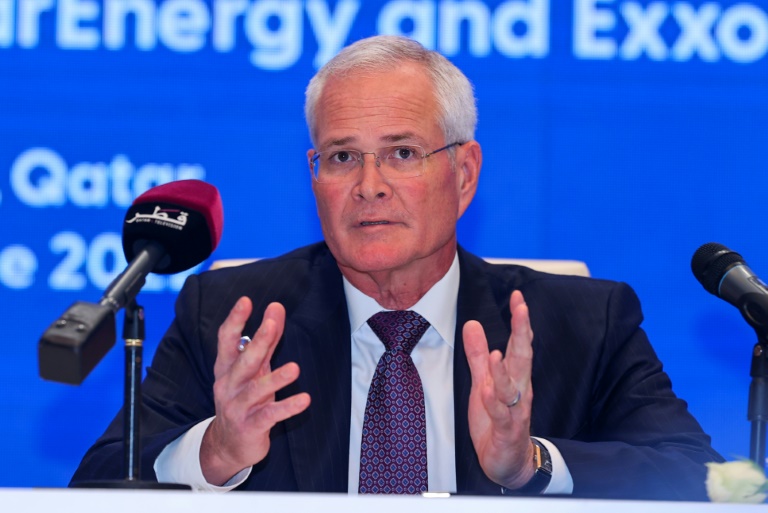
Speaking ahead of ExxonMobil’s unveiling as the fourth international partner for Qatar’s natural gas expansion, chairman and chief executive Darren Woods said major uncertainty lies ahead. 

“You are probably looking at three to five years of continued fairly tight markets,” Woods told the Qatar Economic Forum. “How that manifests itself in price will obviously be a big function of demand, which is difficult to predict.”

On top of under-investment in finding new oil sources in 2014-2015, Woods said the pandemic “really sucked a lot of revenues out of the industry”.

Woods said companies and governments needed to think long-term. “We are going to see a lot of volatility and discontinuity in the market place if we don’t get to more thoughtful policies,” he predicted.

Representatives from the Middle East energy industry also renewed calls for better planning in consumer countries.

Sheikh Nawaf Saud al-Sabah, chief executive of Kuwait Petroleum Corporation, said the company was supplying all customers, but that multinational oil firms were not matching the investment of national oil enterprises.

– ‘Tremendous disruption’ –

As part of the Gulf state’s response, Kuwait was starting its first offshore oil exploration and building the world’s biggest oil refinery.

“We have never touched the offshore in Kuwait. The first offshore drill rig arrived in Kuwait a week ago and will start soon,” he said.

The new refinery would come online by the end of 2022, Sabah added.

“It will be the largest refinery in the world at 615,000 barrels of oil a day capacity,” he said adding that it would help meet increased demand from Europe and elsewhere.

Sabah said there was a “dangerous trend”, with world consumers wanting energy but not being prepared for the change from polluting hydrocarbons to green energy.

“That is a paradox here that is causing quite a tremendous disruption in the investment cycle. We are making the long-term investments, but not international oil companies.”

Sabah said the world currently produces and consumes about 100 million barrels of oil a day but that the equivalent of Kuwait’s production — about 3.5 million barrels a day — was being lost through declining fields.

Qatar’s Energy Minister Saad Sherida Al-Kaabi meanwhile criticised the “demonisation” of oil companies, and the windfall taxes on oil majors that many governments are proposing.

“I don’t see the governments coming to pitch in when they (oil companies) were losing money and borrowing when the oil price was negative in Texas,” he said.

ExxonMobil has taken a 6.25 percent stake in the expansion of Qatar’s North Field, which contains the world’s biggest natural gas reserves. 

The stake is the same as France’s TotalEnergies while Italy’s Eni and US firm ConocoPhillips have 3.13 percent shares.

Woods said the project will “bring balance to the global market”.

Russia warns Lithuania as it presses offensive in Ukraine's Donbas

Moscow warned Lithuania of “serious” consequences on Tuesday over its restriction of rail traffic to Russia’s Kaliningrad exclave, as Kremlin forces made gains in Ukraine’s strategic Donbas region.

Kremlin troops were causing “catastrophic destruction” in Lysychansk, an industrial city at the forefront of clashes in the eastern Donbas, the region’s governor said. Ukraine confirmed Russia had taken frontline village Toshkivka.

Governor Sergiy Gaiday said “every town and village” in Ukrainian hands in Lugansk region was “under almost non-stop fire”. 

Since being repelled from Kyiv and other parts of Ukraine following its invasion in February, Moscow is focusing its offensive on the strategic Donbas region.

In the eastern town of Sloviansk, which could become a flash point as Russian troops advance from the north, local people were preparing to withstand attack and the authorities said the community would defend itself.

“We believe they’ll beat the Russian scum,” resident Valentina, 63, said of local Ukrainian forces.

The stakes are high. The town was seized by Russia-backed separatists in 2014 and then retaken by Ukrainian forces after a lengthy siege.

– ‘Serious’ consequences –

Russia’s war of words with EU member Lithuania escalated on Tuesday, vowing “serious” consequences over Vilnius’ restrictions on rail traffic to the exclave of Kaliningrad. 

Lithuania says it is simply adhering to EU-wide sanctions on Moscow but Russia countered, accusing Brussels of “escalation”.

Moscow summoned the EU’s ambassador to Russia. Its foreign ministry said Lithuania’s actions “violate the relevant legal and political obligations of the European Union”.

On the ground, the police chief of the Kyiv region said victims of the Russian attempt to seize the capital city continued to be found. So far, the bodies of 1,333 civilians have been discovered and 300 people still missing.

On the maritime front, Russia’s navy is blockading ports, which Ukraine says is preventing millions of tonnes of grain from being shipped to world markets, contributing to soaring food prices.

Prior to the war, Ukraine was a major exporter of wheat, corn and sunflower oil. 

With European officials due to gather this week at a summit expected to approve Ukraine’s candidacy to join the EU, Brussels foreign policy chief Josep Borrell called the Russians’ port blockade “a real war crime”.

He said it was happening “while in the rest of the world people are suffering hunger”.

Moscow denies responsibility for the disruption to deliveries and, following Borrell’s comments, blamed the West’s “destructive” position for surging grain prices. 

Growing concerns about a food crisis are “the fault of Western regimes, which act as provokers and destroyers”, said foreign ministry spokeswoman Maria Zakharova.

Ukrainian President Volodymyr Zelensky said Kyiv was engaged in “complex negotiations” to unblock grain exports, although he cautioned that there was no progress as yet. 

In an address to the African Union, he said the continent was a “hostage” of the conflict, and rising food prices had “already brought (the war) to the homes of millions of African families”.

The EU has pledged an additional 600 million euros ($635 million) to help vulnerable nations weather the food security crisis.

– ‘Significant losses’ –

In addition to Toshkivka, Ukraine said it had lost control of the eastern village of Metyolkine, a settlement adjacent to Severodonetsk, which has been a focus of fighting for weeks and is now largely under Russian control.

A chemical plant in Severodonetsk where hundreds of civilians are said to be sheltering was being shelled constantly, Ukraine warned.

But defence ministry spokesman Oleksandr Motuzyanyk told Ukrainian television that Russian forces had suffered “significant losses in the area of Severodonetsk”.

“They are fighting under the old statutes of the Soviet era. This is a war for territory,” he said.

Three people were injured and seven more missing after Ukrainian forces attacked oil drilling platforms in the Black Sea off the coast of Crimea, which was annexed by Russia in 2014, Crimea’s Moscow-backed leader Sergey Aksyonov said.

It was the first reported strike against offshore energy infrastructure in Crimea since Russia launched its invasion and Russian lawmaker Olga Kovitidi said the complex was still ablaze.

– $100 million medal –

In New York, Dmitry Muratov, the Russian editor-in-chief of the independent newspaper Novaya Gazeta, auctioned off his Nobel Peace Prize gold medal for $103.5 million to benefit children displaced by the war.

It was sold to an as yet unidentified phone bidder.

Muratov, who won the prize in 2021 alongside journalist Maria Ressa of the Philippines, and others at the auction were stunned when the final bid came in at tens of millions of dollars more than the previous offer. 

With US-Russia tensions soaring, Kremlin spokesman Dmitry Peskov told NBC News that two Americans captured in Ukraine while fighting with Kyiv’s military were “endangering” Russian soldiers and should be “held accountable for those crimes”.

The interview is the first time the Kremlin has commented on the cases of Alexander Drueke and Andy Huynh, both US military veterans, according to NBC.

Spain said one of its citizens fighting for Ukraine had been killed in the country without giving further detail.

Denmark meanwhile became the latest European country to warn of potential gas supply problems. Its energy agency issued an early warning, due to uncertainty over hydrocarbon imports from Russia.

burs-sr/gw/gil

Musk says Twitter deal remains deadlocked over fake users

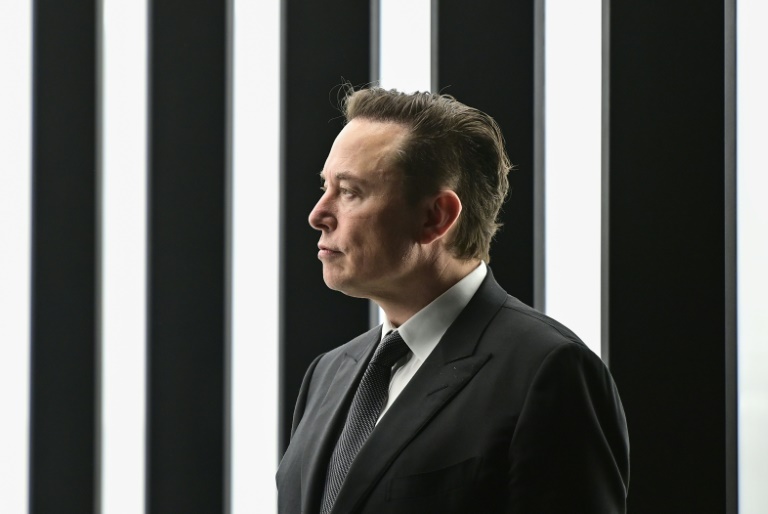
Business magnate Elon Musk said Tuesday that his $44 billion move to take over Twitter remained held up by “very significant” questions about the number of fake users on the social network.

Musk was reluctant to talk about the deal when asked at the Qatar Economic Forum, saying it was a “sensitive” matter.

“There are still a few unresolved matters,” Musk said by video link.

This includes whether “the number of fake and spam users on the system is less than five percent as per their claims, which I think is probably not most people’s experience when using Twitter. 

“So we are still awaiting resolution on that matter and that is a very significant matter,” the Tesla car and SpaceX exploration chief said.

Musk said there were also questions about Twitter’s debt and whether shareholders will vote for the deal.

“So I think these are the three things that need to resolved” to make the transaction happen.

Musk said he wanted to get 80 percent of the North American population and half the world’s population onto Twitter.

“That means it must be something that is appealing to people, it obviously can’t be a place where they feel uncomfortable or harassed or they will simply not use it.”

“I think there is this big difference between freedom of speech and freedom of reach,” Musk added.

“You are allowed to yell whatever you want in a public space, more or less. But whatever you say, however controversial, doesn’t need to then be broadcast to the whole country. 

“So I think generally the approach of Twitter should be to let people say what they want within the balance of the law but then limit who sees that based on any given Twitter user preferences.”

He said that if the deal went ahead his role would be to “drive the product”, saying this is what he did at Tesla and SpaceX.

Musk said he expected Tesla’s number of employees to fall by about 3.5 percent in the next three months but the headcount would start rising again in a year.

Asked about the next US presidential election in 2024, Musk said he had not decided who to back but that he was ready to inject $20-$25 million into a candidate’s campaign. 

He has previously indicated he could support Florida’s Republican governor Ron DeSantis.

Macron holds talks on France deadlock but rejects PM resignation

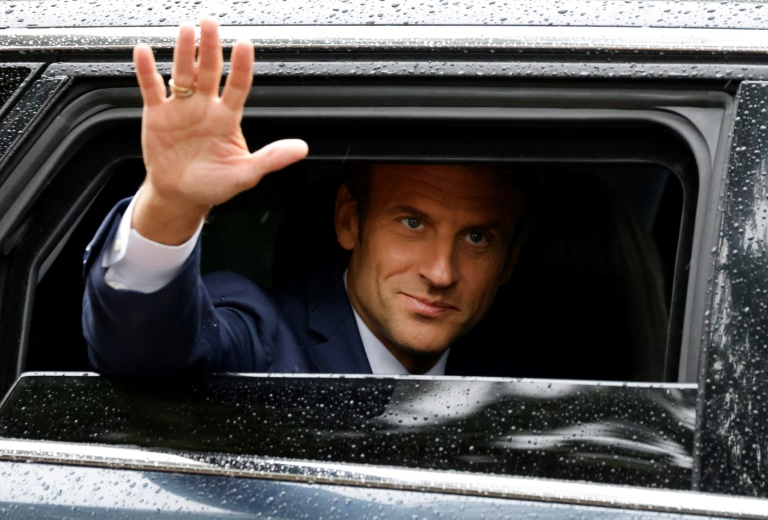
French President Emmanuel Macron on Tuesday was holding talks with the opposition on ending the deadlock sparked by his failure to secure a majority in parliamentary elections, after rejecting an offer by the prime minister to resign. 

Macron was to host far-right leader Marine Le Pen and other political party chiefs for rare talks at the Elysee as he seeks solutions to an unprecedented situation that risks plunging his second term into crisis two months after it began.

The spectre of political paralysis and the breakthrough performance by the far-right under Le Pen has also raised questions over Macron’s leadership in Europe as he seeks to keep a prime role in dealing with the Russian invasion of Ukraine. 

The Elysee said French Prime Minister Elisabeth Borne, blamed by some analysts for heading a lacklustre campaign, had offered her resignation to Macron but the head of state turned it down.

Macron believes the government needs to “stay on task and act” and the president will now seek “constructive solutions” to the political deadlock in talks with opposition parties, said a presidential official, who asked not to be named. 

Macron started Tuesday’s flurry of discussions by talking with Christian Jacob, the head of the traditional right-wing the Republicans (LR), a party on the decline in recent months but which now may be courted by the president to give him a majority. 

Socialist Party leader Olivier Faure and Communist Party boss Fabien Roussel — members of the NUPES left-wing alliance — will also meet Macron.

And in a rare encounter, Macron will at 17:30 Paris time (1530 GMT) host Le Pen, his rival in presidential elections and leader of the far-right National Rally (RN).

– ‘No question of pact’ –

The options available to Macron range from seeking to form a new coalition alliance, passing legislation based on ad hoc agreements, or even calling new elections.

One option would be an alliance with the Republicans, which has 61 MPs. 

But Jacob after the talks appeared to close the door on such a solution. “I told the president there was no question of entering into what could be seen as betrayal of our voters.”

“We will stay in opposition…. there is no question of thinking about some kind of pact,” he said, while vowing the party would not block the work of institutions.

Macron had hoped to mark his second term with an ambitious programme of tax cuts, welfare reform and raising the retirement age. All that is now in question.

“What can he (Macron) do now?” said the headline in the Le Parisien daily. “Macron in an impasse, NUPES already divided,” added Le Figaro. 

While Macron’s Ensemble (Together) coalition remains the largest party after Sunday’s National Assembly elections, it fell dozens of seats short of keeping the absolute majority it has enjoyed for the last five years.

Macron’s Together alliance won 245 seats, well short of the 289 needed for an overall majority, in a low-turnout vote that resulted in an abstention rate of 53.77 percent.

The election saw NUPES become the main opposition force along with its allies on 137 seats, according to interior ministry figures.

But it appears unlikely the coalition of Socialists, Communists, Greens and the hard-left France Unbowed will be able to retain common cause in the legislature.

– ‘Listen to voters’ –

Jean-Luc Melenchon, the France Unbowed chief who orchestrated the NUPES alliance, proposed Monday to make NUPES a permanent left-wing bloc but the offer was immediately rejected by the three other NUPES parties.

In a snub to the president, Melenchon is believed to be sending deputies to Elysee talks with Macron on Wednesday rather than going himself.

Meanwhile the far-right under Le Pen posted the best legislative performance in its history, becoming the strongest single opposition party with 89 seats, up from eight in the outgoing chamber.

Le Pen said changing the prime minister “would not change much”, urging Macron to “listen to what the French voters said”.

Even if Borne will stay in her post for now, a cabinet shake-up is on the horizon.

Macron’s health and environment ministers were beaten and by tradition will have to resign, as did the parliament speaker and the head of Macron’s parliament group.

burs-sjw/ech/yad

UK hit by biggest rail strike in over 30 years

Rush-hour commuters in the UK faced chaos on Tuesday as railway workers launched the network’s biggest strike in more than three decades, forcing people to trek to work on foot, by bike, bus — or simply not bother at all.

The RMT rail union argues the strikes are necessary as wages have failed to keep pace with UK inflation, which has hit a 40-year high and is on course to keep rising.

Last-ditch talks to avert the work stoppage broke down on Monday, meaning more than 50,000 RMT members will walk out for three days this week.

Train and London Underground stations, normally a sea of people for the morning rush, were deserted or even locked, with just a skeleton service running on many networks across the country.

Passengers were warned not to travel all week, with two more days of strike action scheduled for Thursday and Saturday wreaking havoc to schedules.

In London, cab firms reported a surge in demand, while main roads were packed with buses and cars, and cyclists weaving in between.

Long queues formed at bus stops on the outskirts of London shortly after 6:00 am, but many gave up as services carried on without stopping, already full.

At St Albans, a commuter town north of the capital, a local newsagent next to the station told AFP: “It’s been quiet. People are working from home”.

Scott, a 43-year-old bank worker who did not want to give his full name, was among the few commuters on the near deserted platform.

He said his commute on the 8:30 am train would be extended by about 25 minutes as he would have to walk from St Pancras station to his office.

But he said there were silver linings to the strike, which he supported: “I stand a better chance of getting a seat and it not being crazy.”

– ‘Stay the course’ – 

Transport Secretary Grant Shapps said he “deplored” the strikes, which he said evoked the “bad old days of the 1970s”.

“The people that are hurting are people who physically need to turn up for work, maybe on lower pay, perhaps the cleaners in hospitals,” he told Sky News. 

“I absolutely deplore what they’re doing today and there is no excuse for taking people out on strike.”

Prime Minister Boris Johnson, addressing his cabinet, urged “the union barons to sit down with Network Rail and the train companies” to thrash out a deal.

The country needed to “stay the course”, defending reforms to the rail network as needed and in the public interest.

RMT general-secretary Mick Lynch has described as “unacceptable” offers of below-inflation pay rises by both overground train operators and London Underground that runs the Tube in the capital.

The walkouts risk causing significant disruption to major events including the Glastonbury music festival.

Schools are warning that thousands of teenagers taking national exams will also be affected.

The strikes are the biggest dispute on Britain’s railway network since 1989, according to the RMT.

Rail operators, however, warn of disruption throughout the week.

Only about 20 percent of services are running during the walkouts while lines not affected by strike action still having to reduce services.

RMT members on the London Underground are additionally staging a 24-hour Tube train stoppage Tuesday.

– Teachers, lawyers, NHS –

Countries around the world are being hit by decades-high inflation as the Ukraine war and the easing of Covid restrictions fuel energy and food price hikes.

Unions warn also that railway jobs are at risk, with passenger traffic yet to fully recover after the lifting of coronavirus pandemic lockdowns.

The strikes are compounding wider travel chaos after airlines were forced to cut flights owing to staff shortages, causing long delays and frustration for passengers.

Thousands of workers were sacked in the aviation industry during the pandemic but the sector is now struggling to recruit workers as travel demand rebounds following the lifting of lockdowns.

Other areas of the public sector are set to hold strikes.

The Criminal Bar Association, representing senior lawyers in England and Wales, have voted to strike from next week in a row over legal aid funding.

Teaching staff and workers in the state-run National Health Service are reportedly also mulling strike action.

And several other transport unions are balloting members over possible stoppages that could occur in the coming weeks.

Dead rivers: The cost of Bangladesh's garment-driven economic boom

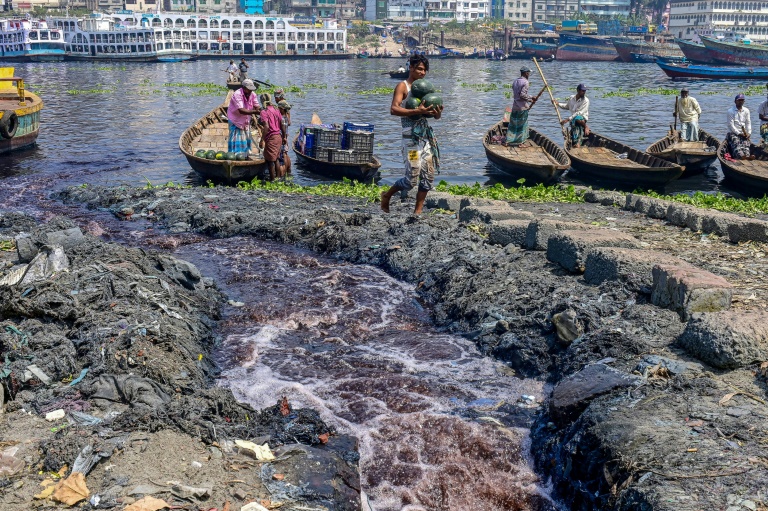
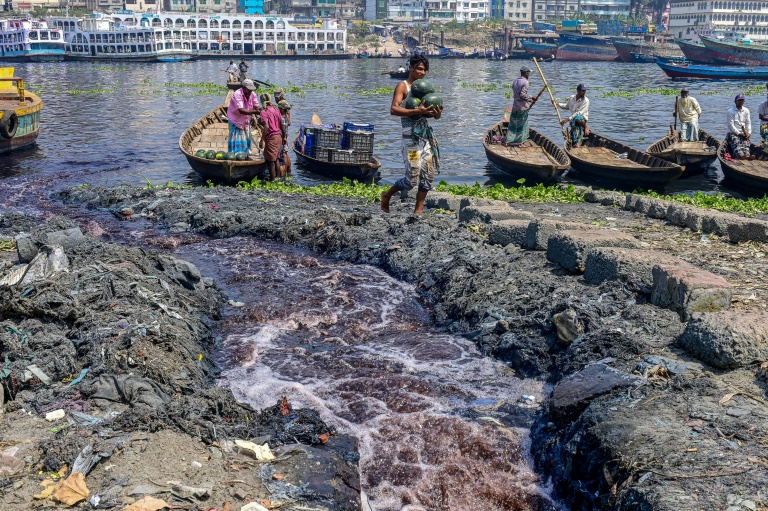
Bangladeshi ferryman Kalu Molla began working on the Buriganga river before the patchwork of slums on its banks gave way to garment factories — and before its waters turned pitch black.

The 52-year-old has a constant cough, allergies and skin rashes, and doctors have told him the vile-smelling sludge that has also wiped out marine life in one of Dhaka’s main waterways is to blame.

“Doctors told me to leave this job and leave the river. But how is that possible?” Molla told AFP near his home on the industrial outskirts of the capital Dhaka. “Ferrying people is my bread and butter.”

In the half-century since a devastating independence war left its people facing starvation, Bangladesh has emerged as an often unheralded economic success story.

The South Asian country of 169 million has overtaken its neighbour India in per capita income and will soon graduate from the United Nations’ list of the world’s least developed countries.

Underpinning years of runaway growth is the booming garment trade, servicing global fast-fashion powerhouses, employing millions of women and accounting for around 80 percent of the country’s $50 billion annual exports.

But environmentalists say the growth has come at an incalculable cost, with a toxic melange of dyes, tanning acids and other dangerous chemicals making their way into the water.

Bangladesh’s capital Dhaka was founded on the banks of the Buriganga more than 400 years ago by the Mughal empire.

“It is now the largest sewer of the country,” said Sheikh Rokon, the head of the Riverine People environmental rights group.

“For centuries people built their homes on its banks to bask in the river breeze,” he added. “Now the smell of toxic sludge during winter is so horrible that people have to hold their noses as they come near it.”

Water samples from the river found chromium and cadmium levels over six times the World Health Organization’s recommended maximums, according to a 2020 paper by the Bangladeshi government’s River Research Institute. 

Both elements are used in leather tanning and excessive exposure to either is extremely hazardous to human health: chromium is carcinogenic, and chronic cadmium exposure causes lung damage, kidney disease and premature births. 

Ammonia, phenol and other byproducts of fabric dyeing have also helped to starve the river of the oxygen needed to sustain marine life. 

– ‘They are powerful people’ –

In Shyampur, one of several sprawling industrial districts around Dhaka, locals told AFP that at least 300 local factories were discharging untreated wastewater into the Buriganga river.

Residents say they have given up complaining about the putrid smell of the water, knowing that offending businesses are easily able to shirk responsibility.

“The factories bribe (authorities) to buy the silence of the regulators,” said Chan Mia, who lives in the area. 

“If someone wants (to) raise the issue to the factories, they’d beat them up. They are powerful people with connections.” 

The crucial position of the textile trade in the economy has created a nexus between business owners and the country’s political establishment. In some cases, politicians themselves have become powerful industry players. 

Further south, in Narayanganj district, residents showed AFP a stream of crimson-coloured water draining into stagnant canals from a nearby factory. 

“But you cannot say a word about it loudly,” an area resident told AFP, speaking on condition of anonymity. “We only suffer in silence.”

The Bangladesh Garment Manufacturers and Exporters Association (BGMEA), which represents the interests of around 3,500 top factories, defends its record by pointing out the environmental certifications given out to its members.

“We are going green — that’s why we are witnessing big jumps in export orders,” BGMEA president Faruque Hassan told a recent press conference.

But smaller factories and sub-contractors operating on the industry’s razor thin margins say they are unable to afford the cost of wastewater treatment.

A top garment official in the Savar industrial district, speaking to AFP on condition of anonymity, said even most high-end factories serving major US and European brands often do not turn on their treatment machinery. 

“Not everyone regularly uses it. They want to save costs,” he said.

– ‘Facing the same fate’ –

Bangladesh is a delta country criss-crossed by more than 200 waterways, each of them connected to the mighty Ganges and Brahmatura rivers that course from the Himalayas and through the South Asian subcontinent.

More than a quarter of them are now heavily contaminated with industrial pollutants and need to be “urgently” saved, said an April legal notice sent to the government by the Bangladesh Environmental Lawyers Association (BELA). 

Authorities have established a commission tasked with saving key water bodies, upon which close to half the country’s population depend for farming, according to the UN Food and Agriculture Organization. 

The National River Commission has launched several high profile drives to fine factories found to have polluted rivers.

Its newly appointed chief, Manjur Chowdhury, said “greedy” industrialists were to blame for the state of the country’s waterways.

But he also admitted that the enforcement of existing penalties was inadequate to address the scale of the problem.

“We have to frame new laws to face this emergency situation. But it will take time,” he told AFP.

Any action will be too late for the five rivers that circle Dhaka and its industrial outskirts.

All are already technically dead, meaning they are completely devoid of marine life, said prominent environmental activist Sharif Jamil. 

“With factories now moving deep into the rural heartland, rivers across the country are facing the same fate,” he told AFP.

Dead rivers: The cost of Bangladesh's garment-driven economic boom

Bangladeshi ferryman Kalu Molla began working on the Buriganga river before the patchwork of slums on its banks gave way to garment factories — and before its waters turned pitch black.

The 52-year-old has a constant cough, allergies and skin rashes, and doctors have told him the vile-smelling sludge that has also wiped out marine life in one of Dhaka’s main waterways is to blame.

“Doctors told me to leave this job and leave the river. But how is that possible?” Molla told AFP near his home on the industrial outskirts of the capital Dhaka. “Ferrying people is my bread and butter.”

In the half-century since a devastating independence war left its people facing starvation, Bangladesh has emerged as an often unheralded economic success story.

The South Asian country of 169 million has overtaken its neighbour India in per capita income and will soon graduate from the United Nations’ list of the world’s least developed countries.

Underpinning years of runaway growth is the booming garment trade, servicing global fast-fashion powerhouses, employing millions of women and accounting for around 80 percent of the country’s $50 billion annual exports.

But environmentalists say the growth has come at an incalculable cost, with a toxic melange of dyes, tanning acids and other dangerous chemicals making their way into the water.

Bangladesh’s capital Dhaka was founded on the banks of the Buriganga more than 400 years ago by the Mughal empire.

“It is now the largest sewer of the country,” said Sheikh Rokon, the head of the Riverine People environmental rights group.

“For centuries people built their homes on its banks to bask in the river breeze,” he added. “Now the smell of toxic sludge during winter is so horrible that people have to hold their noses as they come near it.”

Water samples from the river found chromium and cadmium levels over six times the World Health Organization’s recommended maximums, according to a 2020 paper by the Bangladeshi government’s River Research Institute. 

Both elements are used in leather tanning and excessive exposure to either is extremely hazardous to human health: chromium is carcinogenic, and chronic cadmium exposure causes lung damage, kidney disease and premature births. 

Ammonia, phenol and other byproducts of fabric dyeing have also helped to starve the river of the oxygen needed to sustain marine life. 

– ‘They are powerful people’ –

In Shyampur, one of several sprawling industrial districts around Dhaka, locals told AFP that at least 300 local factories were discharging untreated wastewater into the Buriganga river.

Residents say they have given up complaining about the putrid smell of the water, knowing that offending businesses are easily able to shirk responsibility.

“The factories bribe (authorities) to buy the silence of the regulators,” said Chan Mia, who lives in the area. 

“If someone wants (to) raise the issue to the factories, they’d beat them up. They are powerful people with connections.” 

The crucial position of the textile trade in the economy has created a nexus between business owners and the country’s political establishment. In some cases, politicians themselves have become powerful industry players. 

Further south, in Narayanganj district, residents showed AFP a stream of crimson-coloured water draining into stagnant canals from a nearby factory. 

“But you cannot say a word about it loudly,” an area resident told AFP, speaking on condition of anonymity. “We only suffer in silence.”

The Bangladesh Garment Manufacturers and Exporters Association (BGMEA), which represents the interests of around 3,500 top factories, defends its record by pointing out the environmental certifications given out to its members.

“We are going green — that’s why we are witnessing big jumps in export orders,” BGMEA president Faruque Hassan told a recent press conference.

But smaller factories and sub-contractors operating on the industry’s razor thin margins say they are unable to afford the cost of wastewater treatment.

A top garment official in the Savar industrial district, speaking to AFP on condition of anonymity, said even most high-end factories serving major US and European brands often do not turn on their treatment machinery. 

“Not everyone regularly uses it. They want to save costs,” he said.

– ‘Facing the same fate’ –

Bangladesh is a delta country criss-crossed by more than 200 waterways, each of them connected to the mighty Ganges and Brahmatura rivers that course from the Himalayas and through the South Asian subcontinent.

More than a quarter of them are now heavily contaminated with industrial pollutants and need to be “urgently” saved, said an April legal notice sent to the government by the Bangladesh Environmental Lawyers Association (BELA). 

Authorities have established a commission tasked with saving key water bodies, upon which close to half the country’s population depend for farming, according to the UN Food and Agriculture Organization. 

The National River Commission has launched several high profile drives to fine factories found to have polluted rivers.

Its newly appointed chief, Manjur Chowdhury, said “greedy” industrialists were to blame for the state of the country’s waterways.

But he also admitted that the enforcement of existing penalties was inadequate to address the scale of the problem.

“We have to frame new laws to face this emergency situation. But it will take time,” he told AFP.

Any action will be too late for the five rivers that circle Dhaka and its industrial outskirts.

All are already technically dead, meaning they are completely devoid of marine life, said prominent environmental activist Sharif Jamil. 

“With factories now moving deep into the rural heartland, rivers across the country are facing the same fate,” he told AFP.

Close Bitnami banner
Bitnami