World

Italy's far-right Meloni begins tricky government talks

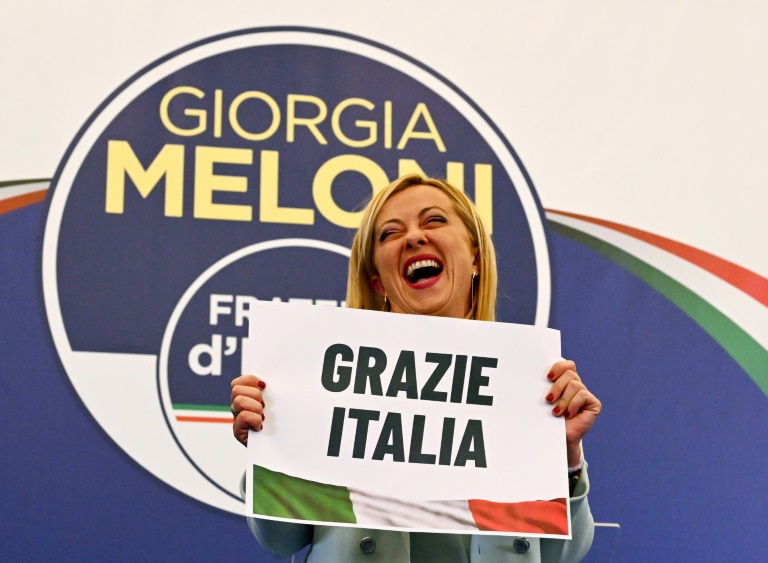
Italian far-right leader Giorgia Meloni and her allies began Tuesday what is likely to be a weeks-long process of forming a new government, with crises looming on several fronts.

Meloni’s post-fascist Brothers of Italy party, which triumphed in Sunday’s elections, has no experience of power but must assemble a cross-party team to tackle sky-high inflation and energy prices, and relations with a wary Europe.

The 45-year-old is hoping to be the first woman to lead Italy as prime minister, but needs her allies, Matteo Salvini’s far-right League party and former Silvio Berlusconi’s Forza Italia, for a majority in parliament.

The division of the top jobs — notably economy, foreign affairs, the defence and interior ministries — will always be political but now, more than ever, “will have to reflect areas of expertise”, the Stampa daily noted.

In the past, it has taken anything between four and 12 weeks for a new administration to take office.

But the first deadline for action is coming up fast, with debt-laden Italy due to submit its draft plan for next year’s budget to Brussels by October 15.

President Sergio Mattarella will begin consultations on who should lead the new government only once the Senate and Chamber presidents have been elected by parliament, which meets on October 13.

With families and businesses struggling with huge bills aggravated by the Ukraine war, sorting out the budget will be “like scaling Everest without oxygen tanks for the new cabinet”, the Corriere della Sera daily said.

Meloni sought to reassure investors during the election campaign that, despite her radical past, she will be a safe pair of hands.

But the Italian ten-year bond rate increased to its highest level since October 2013 on Tuesday morning.

And the gap between German and Italian interest rates, the closely watched spread, rose above 250 points for the first time since the depths of the coronavirus pandemic in spring 2020.

– Non-controversial, credible –

The European Commission approved Tuesday the second instalment of post-pandemic recovery funds to Italy, worth 21 billion euros.

But Meloni has said she wants to renegotiate the deal with Brussels, potentially putting the rest of the fund — worth a total of almost 200 billion euros — at risk.

EU economy commissioner Paolo Gentiloni said he urged “the next Italian government to ensure that this opportunity is seized”, saying it was key to putting Italy on a path to “strong and durable growth”.

Agnese Ortolani, senior Europe analyst at the Economist Intelligence Unit, said she expected Meloni “to continue to reassure the markets by picking a non-controversial figure for the role of finance minister”.

“She will also want to avoid reputational damage by nominating someone who is not perceived as credible by the markets,” she said in a note.

Meloni’s allies have been pitching for heavy-weight positions, Salvini wanting his old job as interior minister back, and Berlusconi eyeing president of the Senate.

Their disappointing performance in the polls, however, with neither reaching 10 percent while Brothers of Italy’s secured 26 percent, means Meloni may already be planning to sideline them.

– Friction –

Salvini and Berlusconi do not see eye-to-eye with Meloni on several fronts, including on sending weapons to Ukraine.

With all the potential friction ahead, winning the elections “was almost the easy part”, commented Luciano Fontana, chief editor of the Corriere della Sera daily.

Berlusconi downplayed concerns he would rock the boat Tuesday, saying his party was ready to make compromises “in the country’s interests”.

His ally Antonio Tajani, a former European parliament president, is tipped as possible foreign minister, an appointment which could both appease Berlusconi and assuage international fears that Meloni’s Eurosceptic populist party plans to pick fights with Brussels.

Salvini, 49, may prove more difficult. He is currently on trial for allegedly abusing his powers as interior minister in 2019 to block migrants at sea, which could rule him out returning to the job.

“Defusing Salvini” without sparking a backlash that could seriously weaken the nascent executive is “Meloni’s first test”, the Repubblica daily said.
Starmer insists Labour fit to govern as crisis grips UK

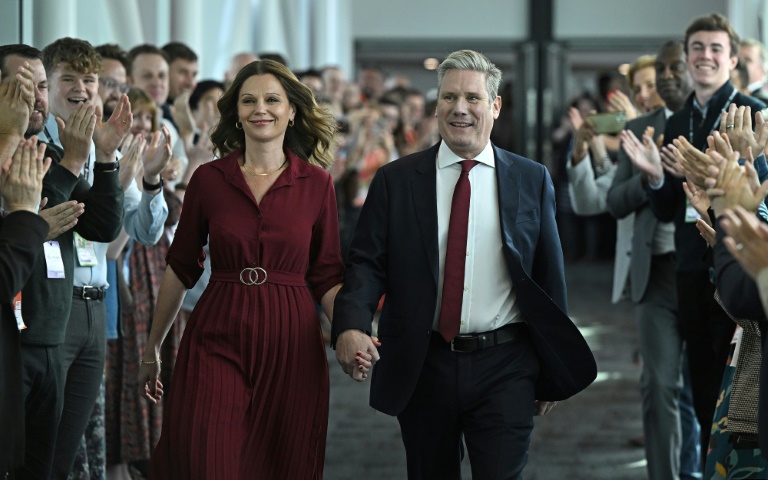
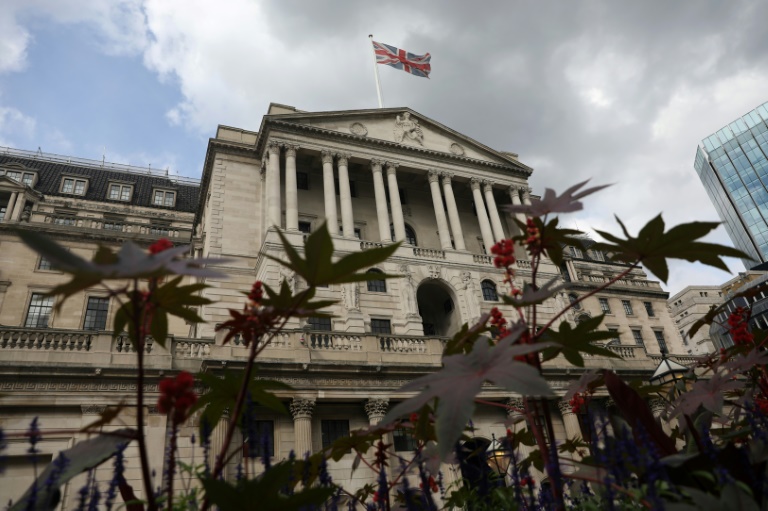
Labour leader Keir Starmer argued Tuesday he was ready to lead Britain out of economic crisis, as a new poll gave his once-fractured party its biggest lead in two decades over the ruling Conservatives.

The head of the main opposition told its annual conference that new Prime Minister Liz Truss and the Tories had “lost control of the British economy”, as the UK reels from soaring inflation, imminent recession and a weakening currency.

His speech in the northwestern English city of Liverpool was met with fervent applause from the Labour rank and file — who can now scent power, after 12 years in the political wilderness and bouts of ideological infighting.

It came the day after the pound crashed to an unprecedented low against the dollar. “And for what?” Starmer queried. “For tax cuts for the richest one percent in our society.

“Don’t forget, don’t forgive,” he said. “The only way to stop this is with a Labour government.”

The pound’s plunge has been blamed on a mini-budget unveiled Friday by Britain’s new finance minister, Kwasi Kwarteng, which cut taxes — including for the highest earners — and raised government borrowing.

The currency rebounded somewhat Tuesday, but remains vulnerable amid market concerns that the tax-slashing plan could drive up interest rates and derail public finances.

“What we’ve seen from the government in the past few days has no precedent,” Starmer said, vowing instead investment in healthcare, education and a “green prosperity plan” against climate change.

Condemning the patchwork of ownership of UK energy firms, including by foreign governments, he said that within a year of winning power Labour would create a nationally owned entity called “Great British Energy”.

– ‘Cavalry is coming’ –

The latest survey by YouGov showed Labour 17 points ahead of the Tories, its biggest lead since 2001 and the era of Tony Blair, who won an unprecedented three general elections for the party from 1997.

A separate YouGov poll gave support to Labour’s narrative about the Truss-Kwarteng budget plan, finding 57 percent of Britons think the measures collectively were unfair.

That was the worst score for any financial statement since the Conservatives took power from Labour in 2010.

Starmer’s health spokesman Wes Streeting echoed the confident tone heard from delegates in Liverpool, telling Sky News that “the cavalry is coming with Labour”.

Starmer, 60, took over the Labour leadership in April 2020 from the left-wing Jeremy Corbyn but initially struggled to break through with the public during the Covid-19 pandemic. 

The Tories’ problems under their previous scandal-plagued prime minister Boris Johnson, and now the spiralling financial crisis, have revived Labour’s fortunes following Corbyn’s divisive five-year tenure. 

– Shifting the narrative –

In his speech, Starmer said it was now “the party of the centre ground” and of “sound money” — as the Tory government struggles to reassure jittery investors at home and abroad.

In an unusual move, attendees at this year’s conference on Sunday sang the national anthem “God Save the King”, beneath images of the late queen Elizabeth II.

Fears the rendition would be marred by boos or heckles from the Corbyn-leaning left proved unfounded.

Starmer was unabashed in trying to grab the mantle of patriotism as well as economic competence from the Tories.

“Country first, party second,” he said of his leadership, hailing Labour as once again “the political wing of the British people” — echoing Blair who previously deployed the same phrase. 

He also earned sustained applause for declaring a Labour government would maintain Britain’s staunch support for Ukraine against Russia’s invasion.

Starmer has vowed not to reverse the Conservatives’ “hard Brexit” deal, which took Britain out of the European Union’s single market and customs union.

That has frustrated some in the party, and there is also disquiet from its traditional union backers about support for workers on strike over pay as inflation surges.

But overall, according to University of Exeter lecturer Richard Jobson, Starmer has shifted the electorate’s view of his party.

Traditional views of Labour as profligate and the Tories as fiscally responsible “no longer feel either coherent or convincing”, said Jobson, a historian who specialises in the opposition party.

“Starmer knows this and the current polling suggests that he is in a good position to capitalise on the collapse of these narratives electorally.”

Stocks stabilise as pound rebounds

Equity markets stabilised Tuesday after recent volatility, as the dollar weakened slightly against major rivals, helping the pound to rebound from a record low.

Shares in Paris, Frankfurt and London pushed higher in mid-afternoon trading, as investors track central bank moves aimed at tackling soaring inflation.

Wall Street stocks also climbed, rallying after several losing sessions that analysts have said left the market “oversold” in the short term.

Recession prospects have risen in recent weeks as central banks keep hiking interest rates to try and cool decades-high inflation, boosting in particular the dollar.

In the latest warning of a looming economic downturn, World Trade Organization chief Ngozi Okonjo-Iweala said Tuesday that the world was heading towards a global recession as multiple crises collide.

The Federal Reserve has carried out three successive bumper US hikes and is warning of more to come.

That has seen investors pile into the dollar, sending it to record or multi-decade peaks, in turn rattling governments from Tokyo to Beijing and London.

On Monday, the pound hit an all-time low at $1.0350, with traders spooked by a UK tax giveaway they warned could further fuel inflation and significantly ramp up British state borrowing.

“Dollar strength remains the driving force — or wrecking ball — in financial markets at the moment,” said Markets.com analyst Neil Wilson.

Sterling staged a small recovery Tuesday after the Bank of England said it would “not hesitate to change interest rates by as much as needed”.

With the pound showing record weakness against the dollar this week, analysts are forecasting a big rate increase when the BoE holds its next regular policy meeting on November 3.

“A rate hike of over 150 basis points is currently priced in for the coming meeting,” Commerzbank analyst Esther Reichelt noted Tuesday, questioning if that would even be enough. 

The Bank of England’s statement “is unlikely to calm all those who had already questioned the BoE’s determination to fight inflation even prior to these events”, she added.

– Gas, oil –

Elsewhere, European natural gas prices surged nearly 10 percent to 190.50 euros following news that the two Nord Stream gas pipelines linking Russia and Europe have been hit by unexplained leaks, raising suspicions of sabotage.

The pipelines have been at the centre of geopolitical tensions in recent months as Russia cut gas supplies to Europe in suspected retaliation against Western sanctions following its invasion of Ukraine.

“This damage is the clearest signal so far that Europe will have to survive the winter without significant Russian gas flows,” analysts at Charles Schwab said in a note to clients.

A major new pipeline that will bring in Norwegian gas via Denmark was inaugurated in Poland on Tuesday in a move aimed at helping strengthen Europe’s energy security.

Oil prices jumped more than two percent, helped by a weaker dollar.

“Oil remains a sellers’ market with worries about a global recession and high interest rates intensifying,” Fawad Razaqzada, analyst at City Index and FOREX.com said.

“In addition, with currencies of major oil importing nations tumbling, anything traded in US dollars will cost more… such as oil.”

– Key figures at around 1350 GMT –

London – FTSE 100: UP 0.2 percent at 7,036.62 points

Frankfurt – DAX: UP 0.4 percent at 12,276.85 

Paris – CAC 40: UP 0.6 percent at 5,798.37 

EURO STOXX 50: UP 0.4 percent at 3,356.97

New York – Dow: UP 1.0 percent at 29,552.47

Tokyo – Nikkei 225: UP 0.5 percent at 26,571.87 (close)

Hong Kong – Hang Seng Index: FLAT at 17,860.31 (close)

Shanghai – Composite: UP 1.4 percent at 3,093.86 (close)

Pound/dollar: UP at $1.0766 from $1.0689 on Monday

Euro/dollar: UP at $0.9635 from $0.9611

Euro/pound: DOWN  at 89.41 pence from 89.87 pence 

Dollar/yen: DOWN at 144.61 yen from 144.72 yen

Brent North Sea crude: UP 2.5 percent at $86.13 per barrel

West Texas Intermediate: UP 2.4 percent at $78.51 per barrel

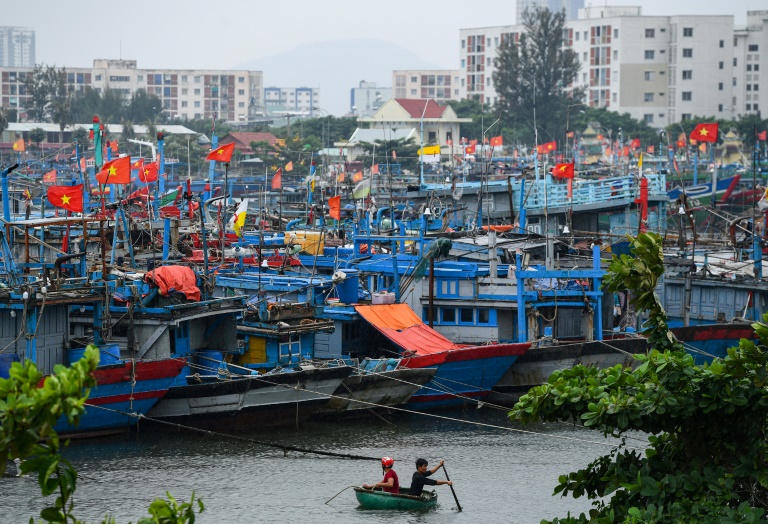
Mass evacuations in Vietnam ahead of Super Typhoon Noru

More than 200,000 people in Vietnam took refuge in shelters Tuesday as Super Typhoon Noru barrelled towards its central coast, with forecasters predicting the storm would be one of the biggest to hit the country.

Almost half of Vietnam’s airports have been shut, schools and offices across several provinces — including in the busy city of Danang — were closed and residents rushed to find shelter before the expected arrival of the typhoon on Wednesday.

After slamming into the Philippines earlier this week, where it killed six people, Noru is predicted to make landfall as a super typhoon before 11 am (0400 GMT) and then subside to a severe typhoon as it makes its way inland.

Vietnam’s flood and storm control authority said wind speeds would reach 160 kilometres per hour (100 miles per hour), equalling Typhoon Xangsane — which hit Danang in 2006 and killed 76 people.

Authorities said they have evacuated nearly 260,000 people from their homes, including in the popular tourist city of Hoi An, where residents were brought to a primary school.

“I wanted to leave. My house is not very strong. I am afraid its roof might be blown away when the typhoon hits,” Huynh Mua told AFP, clutching a plastic bag full of clothes, a blanket and several packets of instant noodles.

Three hundred houses in the coastal province of Quang Tri had their roofs blown off late Tuesday as winds began picking up speed. In nearby Hue, trees were blown to the ground.

In Danang, Vietnam’s third-biggest city, all shops and hotels were closed, while residents were banned from going out on the streets. 

The defence ministry has mobilised around 40,000 soldiers and 200,000 militia members, equipped with armoured vehicles and boats in preparation for rescue and relief operations, state media said.

According to data from the Joint Typhoon Warning Center, located in Hawaii, Noru will be only the sixth major typhoon to hit Vietnam since 1945.

Noru hit the Philippines’ Luzon island on Sunday and Monday, toppling trees, knocking out power and flooding low-lying communities.

Five rescuers were killed after being sent to help flooded residents, while another man died after he was hit by a landslide. Officials estimate about $2.4 million worth of crops were damaged.

Rights group says Iran protest death toll tops 75 as crackdown intensifies

More than 75 people have died in Iran’s crackdown on 11 nights of unrest sparked by the death of Mahsa Amini, a rights group said, as Western nations pile pressure on the Islamic republic to end the violence.

The Iranian authorities’ official death toll has remained at 41 since Saturday, including several members of the security forces, as the country is rocked by its biggest wave of protests in almost three years.

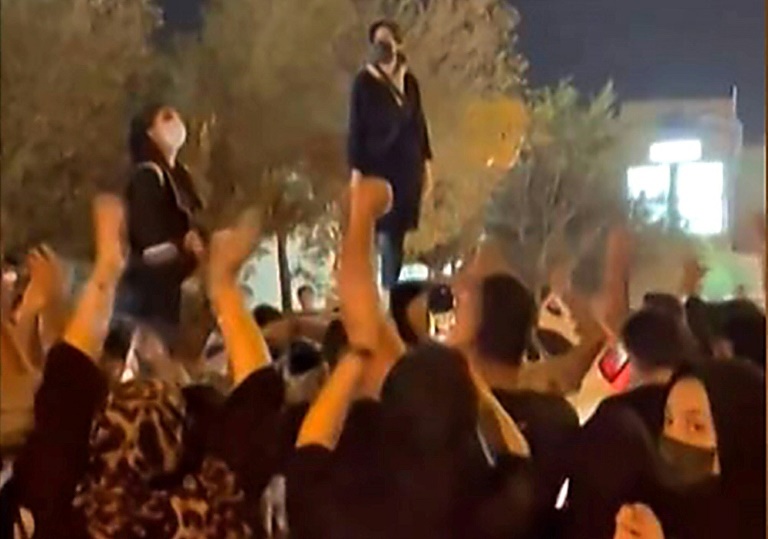
Demonstrators took to the streets again on Monday night, as they have every night since Amini’s death on September 16 following her arrest for allegedly breaching the country’s strict rules on hijab headscarves and modest clothing, witnesses told AFP.

In Sanandaj, the capital of Amini’s western home province of Kurdistan, women climbed onto the roofs of cars to tear off their headscarves in front of cheering crowds, images published by Oslo-based group Iran Human Rights (IHR) showed, with police nowhere to be seen.

Tehran crowds have shouted “death to the dictator”, calling for the end of the more than three-decade rule of supreme leader Ayatollah Ali Khamenei, 83.

Video shot from several floors above street level, purportedly in the city of Tabriz, showed people protesting to the sound of tear gas canisters being fired by security forces.

IHR said at least 76 people have been killed in the crackdown that has seen sweeping restrictions imposed on the internet, including blocks on Instagram and WhatsApp.

Officials said Monday they had made more than 1,200 arrests. Those taken into custody have included activists, lawyers and journalists as well as protesters.

In Semnan province, east of Tehran, 26 women were among 155 people arrested, Iran’s Fars news agency reported.

In Gilan province, a hotspot of the recent protests on the Caspian Sea coast, the intelligence arm of the Revolutionary Guards detained 12 people, the Tasnim news agency said Tuesday.

US think-tank Freedom House on Tuesday condemned Iran’s “repression of its people” and called on “other governments to stand with these courageous protesters and hold Iranian officials to account for their abuses”.

– Tensions with West –

Tensions with Western powers grew as France on Monday issued its “strongest condemnation” over the “violent repression” by security forces, Germany summoned the Iranian ambassador and Canada announced sanctions.

A day earlier, the European Union had deplored the crackdown and Tehran said it had called in the British and Norwegian envoys.

“We call on the international community to decisively and unitedly take practical steps to stop the killing and torture of protesters,” said IHR’s director Mahmood Amiry-Moghaddam.

Video footage and death certificates obtained by IHR showed that “live ammunition is being directly fired at protesters,” he charged.  

Riot police in black body armour have beaten protesters with truncheons in running street battles, and students have torn down large pictures of the supreme leader and his late predecessor Ayatollah Ruhollah Khomeini, in recent video footage published by AFP.

At least 20 journalists have been arrested, according to the Committee to Protect Journalists. 

– ‘Demands of the people’ –

The Iranian judiciary chief, Gholamhossein Mohseni Ejei, has stressed “the need for decisive action without leniency” against the protest instigators.

But a powerful Shiite cleric long aligned with the country’s ultra-conservative establishment has urged authorities to take a softer line. 

“The leaders must listen to the demands of the people, resolve their problems and show sensitivity to their rights,” said Grand Ayatollah Hossein Nouri Hamedani.

The bloody crackdown has drawn condemnation from Western government, clouding diplomatic efforts to revive a nuclear deal between Iran and major powers that was abandoned by then US president Donald Trump in 2018.

The EU’s foreign policy chief Josep Borrell, who has led those efforts, on Sunday slammed Iran for its “widespread and disproportionate use of force against nonviolent protesters”. 

The United States last week imposed sanctions against the Iranian morality police, and Canadian Prime Minister Justin Trudeau said on Monday that his own country would follow suit as part of a sanctions package “on dozens of individuals and entities”.

burs-sjw/kir/dv

Scientists urge top publisher to withdraw faulty climate study

A fundamentally flawed study claiming that scientific evidence of a climate crisis is lacking should be withdrawn from the peer-reviewed journal in which it was published, top climate scientists have told AFP.

Appearing earlier this year in The European Physical Journal Plus, published by Springer Nature, the study purports to review data on possible changes in the frequency or intensity of rainfall, cyclones, tornadoes, droughts and other extreme weather events.

It has been viewed thousands of times on social media and cited by some mainstream media, such as Sky News Australia.

“On the basis of observation data, the climate crisis that, according to many sources, we are experiencing today, in not evident,” reads the summary of the 20-page study.

Four prominent climate scientists contacted by AFP all said the study — of which they had been unaware — grossly manipulates data, cherry picking some facts and ignoring others that would contradict their discredited assertions.  

“The paper gives the appearance of being specifically written to make the case that there is no climate crisis, rather than presenting an objective, comprehensive, up-to-date assessment,” said Richard Betts, Head of Climate Impacts Research at Britain’s Met Office. 

The authors ignore the authoritative Intergovernmental Report on Climate Change (IPCC) report published a couple of months before their study was submitted to Springer Nature, Betts noted.

“Human-induced climate change is already affecting many weather and climate extremes in every region across the globe,” the IPCC concluded in that report. 

“Evidence of observed changes in extremes such as heatwaves, heavy precipitation, droughts and tropical cyclones, and, in particular, their attribution to human influence, has strengthened” since the previous report eight years earlier, it said.

“They are writing this article in bad faith,” said Friederike Otto, a senior climatologist at the Grantham Institute for Climate Change and the Environment. 

– ‘Climate sceptics’ –

“They do not have a section on heat waves” — mentioned only in passing — “where the observed trends are so incredibly obvious”, Otto said.  

The peer-reviewed paper by four Italian scientists appeared in January 2022 in one of the more than 2,000 journals published by Springer Nature, one of the most prestigious science publishers in the world.

When asked to explain how a study so clearly at odds with current climate science could have passed peer review and been published, Springer Nature said: “We can’t comment at this time.”

Lead author Gianluca Alimonti is a physicist at a nuclear physics institute. The three co-authors are Luigi Mariani, an agricultural meteorologist, and the physicists Franco Prodi and Renato Angelo Ricci.

The study is written “by people not working in climatology and obviously unfamiliar with the topic and relevant data,” said Stefan Rahmstorf, Head of Earth Systems at the Potsdam Institute for Climate Impact Research. 

“It is not published in a climate journal — this is a common avenue taken by ‘climate sceptics’ in order to avoid peer review by real experts in the field.” 

“They simply ignore studies that don’t fit their narrative and have come to the opposite conclusion.”

All four of the experts consulted by AFP suggested that the study should never have been published in the first place, and two of them called for it to be withdrawn.

“I do not know this journal, but if it is a self-respecting one it should withdraw the article,” said Rahmstorf.

Peter Cox, a professor of climate system dynamics at the University of Exeter, said the study “isn’t good scientifically”, but feared that striking the article from the journal would “lead to further publicity and could be presented as censorship”.

Otto shared this concern, but said the study should be repudiated all the same.

“If the journal cares about science they should withdraw it loudly and publicly, saying that it should not have been published.”

Betts stopped short of calling for withdrawal, drawing a distinction between cherry-picking data and outright fraud.

Ireland unveils 11-bn-euro budget to tackle energy, cost-of-living crises

Ireland on Tuesday announced an 11-billion-euro ($10.5-billion) budget for the upcoming year to combat mounting pressures caused by the cost-of-living and energy crises precipitated by the war in Ukraine. 

Finance minister for Ireland’s three-party governing coalition, Paschal Donohoe, announced the measures — comprising extra spending of 6.9 billion euros and 4.1 billion euros in one-off expenditure — in the lower house of parliament.

The budget, he said, was “focused on helping individuals, families and businesses deal with rising prices”.

“As we have seen all too clearly over the past few years with Brexit, with Covid and now with the war in Ukraine, unforeseen risks and challenges are becoming more frequent in their occurrence,” Donohoe told the Dail.

“The war in Ukraine has sent shock waves throughout the global economy and this is most evident in energy and commodity markets, where prices surged at the onset of the war and have remained high,” he added.

The budget outlined a provision for 600 euros in household energy credits, payments capped at 10,000 euros a month to help eligible businesses with energy bills and an increase for entry to the top tax rate to 40,000 euros.

The levels of spending were possible, Donohoe said, because of a 10-billion-euro increase in tax revenue on 2022, driven by corporate tax receipts.

“The strength in tax revenue has allowed us to have the means to undertake such a response,” he said.

The finance minister also said he would partially hold back surpluses in the state’s coffers to deal with future uncertainties, placing two billion euros in reserve in 2022 and four billion euros in 2023.

“We should not spend everything today. This will ensure that we are ready for tomorrow,” he said. 

The date for the budget announcement had been brought forward by two weeks because of the urgent need to deal with inflationary and supply chain pressures on households and businesses.

Speaking ahead of the announcement, Irish premier Micheal Martin said the measures had been calibrated to deal with the cost-of-living crisis “in a way that’s sustainable not just this year but until 2023”.  

“We have to make sure that not only do we get people through this winter in the teeth of this unprecedented crisis, but also make sure we have the reserves to get through the entirety of 2023 as well,” the Taoiseach said.

On the back of European Commission proposals for a windfall tax on energy firms, EU member Ireland has moved closer to implementing its own levy to offset rising energy costs on families and businesses.

“It is not fair for companies to earn excess profits from the current volatility in the market,” Donohoe said.

“Ireland aims to be part of this EU-wide response to high energy prices. If this is not possible, this government will bring forward our own measures,” he added. 

Sabotage suspected after leaks in Russia-Europe gas pipelines

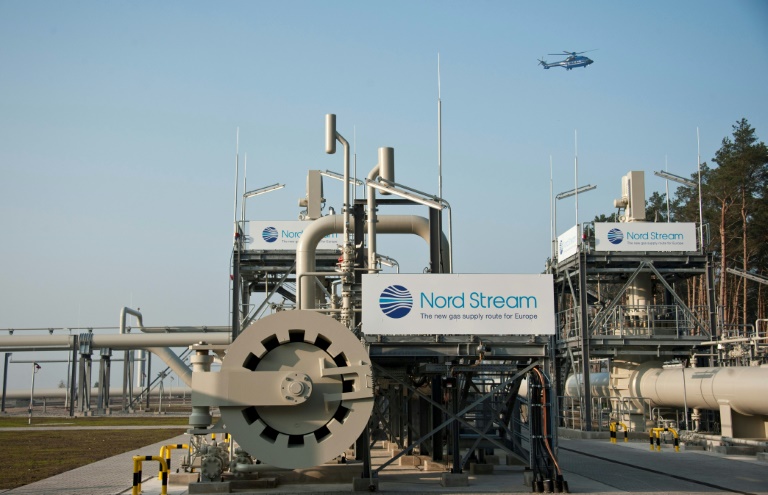
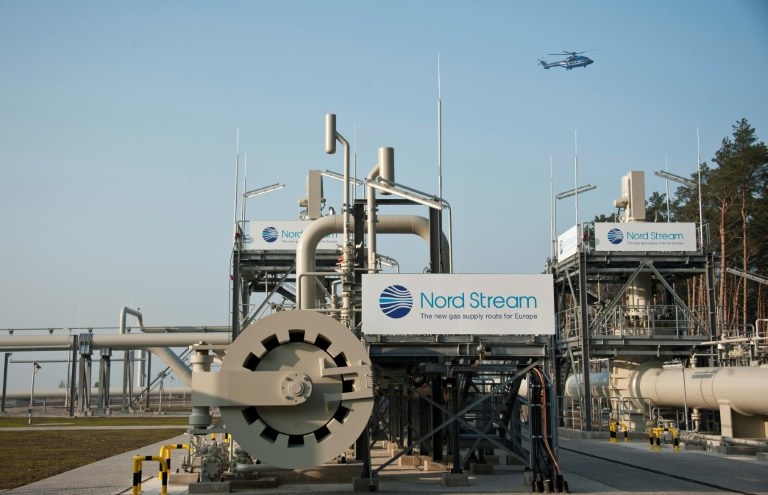
The two Nord Stream gas pipelines linking Russia and Europe have been hit by unexplained leaks, Scandinavian authorities said Tuesday, raising suspicions of sabotage.

The pipelines have been at the centre of geopolitical tensions in recent months as Russia cut gas supplies to Europe in suspected retaliation against Western sanctions following its invasion of Ukraine.

Russia said it was “extremely concerned” about the leaks. Asked by reporters whether it could be an act of sabotage, Kremlin spokesman Dmitry Peskov said that at the moment “it is impossible to exclude any options”.

While the pipelines, which are operated by a consortium majority-owned by Russian gas giant Gazprom, are not currently in operation, they both still contain gas but the environmental impact appeared limited so far.

One of the leaks on Nord Stream 1 occurred in the Danish economic zone and the other in the Swedish economic zone, while the Nord Stream 2 leak was in the Danish economic zone.

A leak was first reported on Nord Stream 2 on Monday.

“Authorities have now been informed that there have been another two leaks on Nord Stream 1, which likewise is not in operation but contains gas,” Danish climate and energy minister Dan Jorgensen told AFP in a statement on Tuesday.

“It is too early to say anything about the causes of the incidents,” the Danish Ministry of Climate, Energy and Utilities said in a statement.

Denmark’s energy agency has, however, called for “higher levels of preparedness in the electricity and gas sector” in the country, Jorgensen said.

– ‘Not common’ –

During a visit to Poland for the inauguration of the Baltic Pipe Project — connecting Poland and Denmark to a North Sea pipeline — Danish Prime Minister Mette Frederiksen also told Danish media “it’s hard to imagine that it’s accidental.”

The EU Commission meanwhile stressed that it was too early to speculate on the causes of the leaks.

“We believe we do not have the elements in order to determine what is the reason for the leak. And obviously any act of sabotage on any infrastructure is something that we would condemn,” EU commission spokesman Eric Mamer told reporters.

A Nord Stream spokesperson told AFP that they had not been able to assess the damage but conceded that “an incident where three pipes experience difficulties at the same time on the same day is not common.”

The Danish energy agency told the Ritzau news agency that only the area where the gas plume is located will be affected by the leak, but methane escaping into the atmosphere has a “climate-damaging effect”.

“Gas pipeline leaks are extremely rare and we therefore see a reason to increase the level of preparedness following the incidents we have witnessed over the past 24 hours,” director of the Danish Energy Agency Kristoffer Bottzauw said in a statement.

Built in parallel to the Nord Stream 1 pipeline, Nord Stream 2 was intended to double the capacity for Russian gas imports to Germany.

But Berlin blocked newly-completed Nord Stream 2 in the days before the war.

Germany, which has been highly dependent on imports of fossil fuels from Russia to meet its energy needs, has since come under acute stress as Moscow has dwindled supplies.

Russian energy giant Gazprom progressively reduced the volumes of gas being delivered via Nord Stream 1 until it shut the pipeline completely at the end of August, blaming Western sanctions for the delay of necessary repairs to the pipeline. 

– ‘Targeted attack’ –

Germany has rebuffed Gazprom’s technical explanation for the cut, instead accusing Moscow of wielding energy as a weapon amid tensions over the war in Ukraine.

Meanwhile, German daily Tagesspiegel reported that “the Nord Stream pipelines may have been damaged by targeted attacks and leaked as a result”. 

According to a source close to the government and relevant authorities, quoted in the newspaper, “everything speaks against a coincidence”. 

“We cannot imagine a scenario that is not a targeted attack,” the source said.

As a result of the leaks, navigational warnings have been issued for a distance of five nautical miles and a flight height of 1,000 metres (3,280 feet).

The incidents on the two pipelines have no impact on the supply of gas to Denmark, the Danish energy minister said. 

Sabotage suspected after leaks in Russia-Europe gas pipelines

The two Nord Stream gas pipelines linking Russia and Europe have been hit by unexplained leaks, Scandinavian authorities said Tuesday, raising suspicions of sabotage.

The pipelines have been at the centre of geopolitical tensions in recent months as Russia cut gas supplies to Europe in suspected retaliation against Western sanctions following its invasion of Ukraine.

Russia said it was “extremely concerned” about the leaks. Asked by reporters whether it could be an act of sabotage, Kremlin spokesman Dmitry Peskov said that at the moment “it is impossible to exclude any options”.

While the pipelines, which are operated by a consortium majority-owned by Russian gas giant Gazprom, are not currently in operation, they both still contain gas but the environmental impact appeared limited so far.

One of the leaks on Nord Stream 1 occurred in the Danish economic zone and the other in the Swedish economic zone, while the Nord Stream 2 leak was in the Danish economic zone.

A leak was first reported on Nord Stream 2 on Monday.

“Authorities have now been informed that there have been another two leaks on Nord Stream 1, which likewise is not in operation but contains gas,” Danish climate and energy minister Dan Jorgensen told AFP in a statement on Tuesday.

“It is too early to say anything about the causes of the incidents,” the Danish Ministry of Climate, Energy and Utilities said in a statement.

Denmark’s energy agency has, however, called for “higher levels of preparedness in the electricity and gas sector” in the country, Jorgensen said.

– ‘Not common’ –

During a visit to Poland for the inauguration of the Baltic Pipe Project — connecting Poland and Denmark to a North Sea pipeline — Danish Prime Minister Mette Frederiksen also told Danish media “it’s hard to imagine that it’s accidental.”

The EU Commission meanwhile stressed that it was too early to speculate on the causes of the leaks.

“We believe we do not have the elements in order to determine what is the reason for the leak. And obviously any act of sabotage on any infrastructure is something that we would condemn,” EU commission spokesman Eric Mamer told reporters.

A Nord Stream spokesperson told AFP that they had not been able to assess the damage but conceded that “an incident where three pipes experience difficulties at the same time on the same day is not common.”

The Danish energy agency told the Ritzau news agency that only the area where the gas plume is located will be affected by the leak, but methane escaping into the atmosphere has a “climate-damaging effect”.

“Gas pipeline leaks are extremely rare and we therefore see a reason to increase the level of preparedness following the incidents we have witnessed over the past 24 hours,” director of the Danish Energy Agency Kristoffer Bottzauw said in a statement.

Built in parallel to the Nord Stream 1 pipeline, Nord Stream 2 was intended to double the capacity for Russian gas imports to Germany.

But Berlin blocked newly-completed Nord Stream 2 in the days before the war.

Germany, which has been highly dependent on imports of fossil fuels from Russia to meet its energy needs, has since come under acute stress as Moscow has dwindled supplies.

Russian energy giant Gazprom progressively reduced the volumes of gas being delivered via Nord Stream 1 until it shut the pipeline completely at the end of August, blaming Western sanctions for the delay of necessary repairs to the pipeline. 

– ‘Targeted attack’ –

Germany has rebuffed Gazprom’s technical explanation for the cut, instead accusing Moscow of wielding energy as a weapon amid tensions over the war in Ukraine.

Meanwhile, German daily Tagesspiegel reported that “the Nord Stream pipelines may have been damaged by targeted attacks and leaked as a result”. 

According to a source close to the government and relevant authorities, quoted in the newspaper, “everything speaks against a coincidence”. 

“We cannot imagine a scenario that is not a targeted attack,” the source said.

As a result of the leaks, navigational warnings have been issued for a distance of five nautical miles and a flight height of 1,000 metres (3,280 feet).

The incidents on the two pipelines have no impact on the supply of gas to Denmark, the Danish energy minister said. 

Meta says China-based campaign aimed at US election

Meta said Tuesday it derailed a campaign out of China to influence upcoming US elections by posing as people in the United States taking sides on “hot button” issues.

It was the first Chinese network Meta has disrupted that focused on US politics ahead of crucial midterm elections in November, global threat intelligence lead Ben Nimmo said during a press briefing.

“The operation was small, but it is a significant change,” Nimmo said.

“Which is why it’s important to stay on high alert.”

Meta said it was unable to determine whether the Chinese government was linked to the campaign, only that it originated in China.

The campaign used fake accounts at Facebook, Instagram and Twitter, posting on both sides of politically divisive topics such as abortion and gun control, Meta said in a report.

“It looks like they were using hot button issues in the US as a window into discourse on politics, pretending to be Americans,” Nimmo said.

The China-based network also targeted Czech internet users with criticism of their government’s support for Ukraine and its policy toward China, and more generally attempted to spread information on geopolitical issues critical of the United States.

The campaign involved 81 Facebook accounts and a pair of Instagram accounts but only prompted scant engagement before being blocked, according to the California-based social media titan.

“These accounts largely stuck to a shift pattern that coincided with a nine-to-five, Monday-to-Friday work schedule during working hours in China,” Meta said.

“This meant that the operation was mostly posting when Americans were sleeping.”

– Sophisticated and brutish –

Meta said it also dismantled what appeared to be the largest yet deceptive social media campaign run from Russia about the war in Ukraine.

The operation began in May and targeted primarily Germany, but also France, Italy, Ukraine and Britain, Meta threat disruption director David Agranovich said during the briefing.

At the center of the operation were about 60 websites imitating well-known media, including the German newspapers Der Spiegel and Bild, Meta said.

The Russian network created articles criticizing Ukraine and supporting Russia, sharing them on YouTube, Facebook, Instagram, Telegram, Twitter or online petition sites.

Meta decided to investigate after journalists in Germany exposed the deception, the tech firm said.

“This is the largest and most complex Russian-origin operation that we’ve disrupted since the beginning of the war in Ukraine,” Meta said in the security report.

“It presented an unusual combination of sophistication and brute force.”

Imitating real news websites in multiple languages required significant technical and linguistic investment, the report noted.

The fake articles were promoted crudely, using paid ads or fake accounts, often getting caught by the social media platform’s automated defenses, Meta said.

“They were throwing everything at the wall and not a lot was sticking,” Agranovich said of the Russia-based campaign.

“We have seen a lot of operations since February, and those operations continue to target Ukraine.”

The deceptive campaign out of Russia involved 1,633 accounts, 703 pages and one group on Facebook, as well as 29 accounts on Instagram, Meta said.

Close Bitnami banner
Bitnami