AFP

Putin orders Russians to fight on after key Ukraine city falls

President Vladimir Putin on Monday ordered Russian troops to press their offensive deeper into the Donbas region of eastern Ukraine after Moscow’s forces seized the strategic city of Lysychansk.

Russian Defence Minister Sergei Shoigu told Putin at a meeting that Moscow’s forces were now in full control of the Lugansk region. 

In a sign there would be no let-up in the fighting and that Russia now had its eyes on the entire Donetsk region, Putin told Shoigu that troops stationed there must continue their operations.

“Military units, including the East group and the West group, must carry out their tasks according to previously approved plans,” Putin said.

“I hope that everything will continue in their direction as has happened in Lugansk so far.” 

The Ukrainian army said on Sunday it was retreating from Lysychansk to preserve the lives of its troops who were outnumbered and outgunned by Russian forces.

“The enemy continues to terrorise the border areas of the Sumy region, the city of Kharkiv and the (Donbas) region,” Ukrainian President Volodymyr Zelensky said in his nightly address, describing Russia’s intensifying offensive.

“We need to break them. This is a difficult task, it requires time and superhuman efforts. But we have no alternative.”

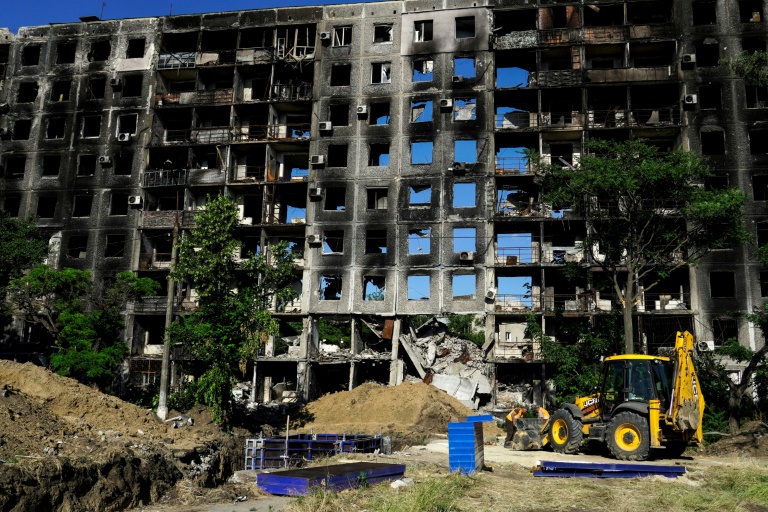
With the war now well into its fifth month, Ukraine told a reconstruction conference in Switzerland on Monday that it would already cost $750 billion to rebuild the country.

“The key source of recovery should be the confiscated assets of Russia and Russian oligarchs,” Prime Minister Denys Shmyhal told leaders of dozens of countries in Lugano.

In a video address, Zelensky described rebuilding Ukraine as the “common task of the whole democratic world” and the “biggest contribution to the support of global peace.”

– ‘Most modern weapons’ –

The loss of Lysychansk over the weekend prompted Zelensky to step up calls for an increased supply of weapons from the West so Kyiv can keep up the resistance and regain lost territories.

After giving up on its initial war aim of capturing Kyiv following tough Ukrainian resistance, Russia has focused its efforts on securing control of the Donetsk and Lugansk areas which make up the Donbas region.

Moscow’s capture of Lysychansk — one week after the Ukrainian army also retreated from the neighbouring city of Severodonetsk — frees up Russian forces to advance on Kramatorsk and Sloviansk in Donetsk.

Lugansk region governor Sergiy Gayday said on Telegram that there was still fighting in the town of Bilogorivka outside Lysychansk.

“We keep defending a small part of the Lugansk region so that our army could build protective redoubts,” he added.

In his address late Sunday, Zelensky vowed Kyiv would fight on and ensure the military had “the most modern weapons”.

“Ukraine will reach the level when the fire superiority of the occupiers will be levelled.”

In a symbolic boost, the Ukrainian flag was raised on Snake Island, an rocky outcrop in the Black Sea, after Russia withdrew from the strategically important Ukrainian territory last week.

In Sloviansk, about 75 kilometres (45 miles) west of Lysychansk, there were few people on the streets on Monday, the day after Russian strikes that left at least six dead, among them a nine-year-old girl, and 19 injured. 

In the large downtown market largely ravaged by a fire caused by a Russian strike, a few vendors offered basic goods while others cleared charred debris. 

Vendors and residents who spoke to AFP, some still in shock, expressed concern for the days and weeks to come, as sounds of shelling were heard again.

The city of Siversk, 30 kilometres west of Lysychansk, also saw overnight shelling, residents and an official told AFP.

– Reconstruction –

But Zelensky’s address Sunday evening was defiant, predicting Ukrainian troops would “win back” territory in the Donbas just has they had in other regions earlier in the war.

On Monday, leaders from dozens of countries and international organisations met in the Swiss city of Lugano with the aim of hashing out a roadmap for Ukraine’s reconstruction.

Lugano is not a pledging conference but will instead attempt to lay out the principles and priorities for a rebuilding process aimed to begin even as the war rages.

“Ukraine can emerge from this on a path towards a stronger and more modern country,” European Commission President Ursula von der Leyen said.

But for residents in Bucha — a Ukrainian town synonymous with war crimes blamed on Moscow’s forces after their retreat in April — fear remains even as talk begins of reconstruction. 

“We’re going to bed without knowing if we’ll wake up tomorrow,” said Vera Semeniouk, 65. 

“Everyone has come back, is starting to repair houses, many are putting in new windows. It would be terrible if it started again, and we had to leave everything again.”

Swedish Prime Minister Magdalena Andersson, making her first visit to Ukraine, visited Bucha on Monday.

Six killed in shooting during US July 4 parade

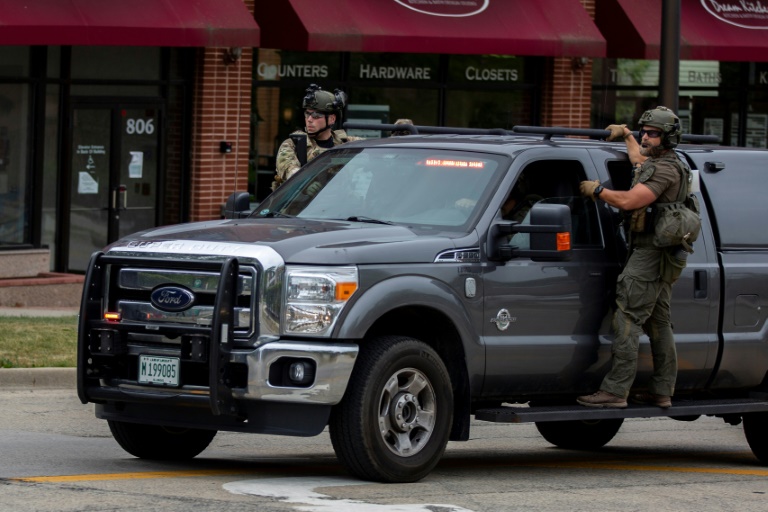
A shooter opened fire during a parade to mark US Independence Day in the state of Illinois, killing at least six people, officials said.

“At this time, two dozen people have been transported to Highland Park hospital. Six are confirmed deceased,” Commander Chris O’Neil of the city’s police told journalists.

The suspected shooter, who is still at large, has been described as a white male aged 18-20 with longer black hair, O’Neil said.

“All individuals are still urged to shelter in place at this time,” he added.

Nancy Rotering — the mayor of Highland Park, which is located near Chicago — gave the same toll and condemned the holiday violence.

“On a day that we came together to celebrate community and freedom, we’re instead mourning the tragic loss of life and struggling with the terror that was brought upon us,” she said.

Both officials said the shooting began at around 10:14 am (1514 GMT).

Multiple law enforcement agencies, including the FBI, the state police and the local sheriff’s office, are assisting with the response.

Highland Park announced that all July 4 festivities had been canceled as a result of the violence, as did nearby Evanston.

“While there is no known threat to Evanston residents, the shooter is still at large; therefore, cancelations are taking place in an abundance of caution,” the city said.

– ‘Enough is enough’ –

US Representative Brad Schneider, who was at the parade, said on Twitter that “a shooter struck in Highland Park during the Independence Day parade.” 

“Hearing of loss of life and others injured. My condolences to the family and loved ones; my prayers for the injured and for my community,” he wrote, adding: “Enough is enough!”

The shooting is part of a wave of gun violence plaguing the United States, where approximately 40,000 deaths a year are caused by firearms, including suicides, according to the Gun Violence Archive website.

The debate over gun control — a deeply divisive issue in the country — was reignited by two massacres in May that saw 10 Black supermarket shoppers gunned down in upstate New York and 21 people, mostly young children, slain at an elementary school in Texas.

Congress passed the first significant bill on gun safety in decades in the wake of those killings. President Joe Biden signed it into law in late June, saying that while it falls short of what is really needed, it will still save lives.

But a day earlier, proponents of tougher firearms laws suffered a setback when the US Supreme Court ruled that Americans have a fundamental right to carry a handgun in public, a landmark decision with far-reaching implications for states and cities across the country trying to rein in gun violence.

Putin orders Russians to fight on after key Ukraine city falls

President Vladimir Putin on Monday ordered Russian troops to press their offensive deeper into the Donbas region of eastern Ukraine after Moscow’s forces seized the strategic city of Lysychansk.

Russian Defence Minister Sergei Shoigu told Putin at a meeting that Moscow’s forces were now in full control of the Lugansk region. 

In a sign there would be no let-up in the fighting and that Russia now had its eyes on the entire Donetsk region, Putin told Shoigu that troops stationed there must continue their operations.

“Military units, including the East group and the West group, must carry out their tasks according to previously approved plans,” Putin said.

“I hope that everything will continue in their direction as has happened in Lugansk so far.” 

The Ukrainian army said on Sunday it was retreating from Lysychansk to preserve the lives of its troops who were outnumbered and outgunned by Russian forces.

With the war now well into its fifth month, Ukraine told a reconstruction conference in Switzerland on Monday that it would already cost $750 billion to rebuild the country.

“The key source of recovery should be the confiscated assets of Russia and Russian oligarchs,” Prime Minister Denys Shmyhal told leaders of dozens of countries in Lugano.

In a video address, Ukrainian President Volodymyr Zelensky described rebuilding Ukraine as the “common task of the whole democratic world” and the “biggest contribution to the support of global peace.”

– ‘Most modern weapons’ –

The loss of Lysychansk over the weekend prompted Zelensky to step up calls for an increased supply of weapons from the West so Kyiv can keep up the resistance and regain lost territories.

After giving up on its initial war aim of capturing Kyiv following tough Ukrainian resistance, Russia has focused its efforts on securing control of the Donetsk and Lugansk areas which make up the Donbas region.

Moscow’s capture of Lysychansk — one week after the Ukrainian army also retreated from the neighbouring city of Severodonetsk — frees up Russian forces to advance on Kramatorsk and Sloviansk in Donetsk.

Lugansk region governor Sergiy Gayday said on Telegram that there was still fighting in the town of Bilogorivka outside Lysychansk.

“We keep defending a small part of the Lugansk region so that our army could build protective redoubts,” he added.

In his address late Sunday, Zelensky vowed Kyiv would fight on and ensure the military had “the most modern weapons”.

“Ukraine will reach the level when the fire superiority of the occupiers will be levelled.”

In a symbolic boost, the Ukrainian flag was raised on Snake Island, an rocky outcrop in the Black Sea, after Russia withdrew from the strategically important Ukrainian territory last week.

In Sloviansk, about 75 kilometres (45 miles) west of Lysychansk, there were few people on the streets on Monday, the day after Russian strikes that left at least six dead, among them a nine-year-old girl, and 19 injured. 

In the large downtown market largely ravaged by a fire caused by a Russian strike, a few vendors offered basic goods while others cleared charred debris. 

Vendors and residents who spoke to AFP, some still in shock, expressed concern for the days and weeks to come, as sounds of shelling were heard again.

The city of Siversk, 30 kilometres west of Lysychansk, also saw overnight shelling, residents and an official told AFP.

– Reconstruction –

But Zelensky’s address Sunday evening was defiant, predicting Ukrainian troops would “win back” territory in the Donbas just has they had in other regions earlier in the war.

On Monday, leaders from dozens of countries and international organisations met in the Swiss city of Lugano with the aim of hashing out a roadmap for Ukraine’s reconstruction.

Lugano is not a pledging conference but will instead attempt to lay out the principles and priorities for a rebuilding process aimed to begin even as the war rages.

“Ukraine can emerge from this on a path towards a stronger and more modern country,” European Commission President Ursula von der Leyen said.

But for residents in Bucha — a Ukrainian town synonymous with war crimes blamed on Moscow’s forces after their retreat in April — fear remains even as talk begins of reconstruction. 

“We’re going to bed without knowing if we’ll wake up tomorrow,” said Vera Semeniouk, 65. 

“Everyone has come back, is starting to repair houses, many are putting in new windows. It would be terrible if it started again, and we had to leave everything again.”

Swedish Prime Minister Magdalena Andersson, making her first visit to Ukraine, visited Bucha on Monday.
Stocks mostly advance as optimism creeps back in

European and Asian stocks mostly advanced Monday as investors tentatively regained some optimism following the heavy losses in the financial markets last week on fears that rising interest rates could spark a recession.

London stocks won 0.9 percent, with rising crude prices supporting the share prices of energy firms BP and Shell.

Paris added 0.4 percent but Frankfurt slipped 0.3 percent. 

Tokyo and Shanghai also advanced but Hong Kong nudged lower. The dollar traded mixed.

Wall Street was closed for the Independence Day holiday.

– ‘Sliver of optimism’ –

“A sliver of optimism has broken through on global markets at the start of the week,” said Susannah Streeter, senior investment and markets analyst at Hargreaves Lansdown.

Europe’s investors on Friday absorbed news of record-high eurozone inflation that reinforced expectations of a major European Central Bank interest rate hike in July.

Markets have suffered sharp losses in recent weeks on fears that global rate hikes — aimed at fighting soaring inflation — could send economies into a downturn.

“Overall caution is still the name of the game as investors nurse wounds from a bruising first half of the year,” Streeter said.

City Index analyst Fawad Razaqzada cautioned that global markets might yet have further to fall.

– ‘Pinch of salt’ –

“Nothing has changed fundamentally to suggest the markets have bottomed out,” Razaqzada told AFP.

“It is a quiet day with the US out and economic calendar light. So anything we see today should be taken with a pinch of salt.”

Chris Beauchamp, chief market analyst at online trading platform IG, said investors were also watching what US President Joe Biden does as some of the punishing tariffs imposed under Donald Trump start to expire on July 6.

The imposition of tariffs to protect US manufacturers from what Washington said were unfair Chinese trade practices was politically popular.

But with US inflation now at 40-year highs, Biden is scrambling to find ways to relieve price pressure and has said that lifting some tariffs is under consideration. 

“A potential easing of China tariffs by the US might be the kind of thing to give equities a much-needed break,” said Beauchamp.

“President Biden hopes that a rollback of restrictions might give a lifeline to both economies, as well as repair some of the diplomatic fallout from China’s pro-Russian stance over the Ukraine war,” he added.

Back in Asia, data showing a flare-up of fresh Covid-19 cases in China revived concerns about the government’s policy of locking down towns and cities to eradicate the disease, despite the economic cost.

The jump in new Covid cases weighed on sentiment among investors who fear a return to the painful lockdowns in major cities including Shanghai, which hammered the world’s number-two economy.

– Key figures at around 1530 GMT –

London – FTSE 100: UP 0.9 percent at 7,232.65 points (close)

Frankfurt – DAX: DOWN 0.3 percent at 12,773.38 (close)

Paris – CAC 40: UP 0.4 percent at 5,954.65 (close)

EURO STOXX 50: UP 0.9 percent at 3,470.62

New York – Dow: Closed for public holiday

Tokyo – Nikkei 225: UP 0.8 percent at 26,153.81 (close)

Hong Kong – Hang Seng Index: DOWN 0.1 percent at 21,830.35 (close)

Shanghai – Composite: UP 0.5 percent at 3,405.43 (close)

Euro/dollar: UP at $1.0431 from $1.0414 Friday

Pound/dollar: UP at $1.2116 from $1.2095

Euro/pound: DOWN at 86.09 pence from 86.10 pence

Dollar/yen: UP at 135.69 yen from 135.21 yen

Brent North Sea crude: UP 1.9 percent at $113.78 per barrel

West Texas Intermediate: UP 1.8 percent at $110.37 per barrel

burs-rl/imm

Spain, Portugal dryness 'unprecedented' in 1,200 years

Parts of Portugal and Spain are the driest they have been in a thousand years due to an atmospheric high-pressure system driven by climate change, according to research published Monday, warning of severe implications for wine and olive production.

The Azores High, an area of high pressure that rotates clockwise over parts of the North Atlantic, has a major effect on weather and long-term climate trends in western Europe. 

But in a new modelling study published in the journal Nature Geoscience, researchers in the United States found this high-pressure system “has changed dramatically in the past century and that these changes in North Atlantic climate are unprecedented within the past millennium”.

Using climate model simulations over the last 1,200 years, the study found that this high-pressure system started to grow to cover a greater area around 200 years ago, as human greenhouse gas pollution began to increase.

It expanded even more dramatically in the 20th century in step with global warming.

The authors then looked at evidence of rainfall levels preserved over hundreds of years in Portuguese stalagmites, and found that as the Azores High has expanded, the winters in the western Mediterranean have become drier.

The study cites projections that the level of precipitation could fall a further 10 to 20 percent by the end of this century, which the authors say would make Iberian agriculture “some of the most vulnerable in Europe”.

They warn that the Azores High will continue to expand during the 21st century as greenhouse gas levels rise, leading to an increasing risk of drought on the Iberian Peninsula and threatening key crops.

“Our findings have important implications for projected changes in western Mediterranean hydroclimate throughout the twenty-first century,” the authors said. 

– Wither vines –

The Azores High acts as a “gatekeeper” for rainfall into Europe, according to the study, with dry air descending in the summer months to cause hot, arid conditions in much of Portugal, Spain and the western Mediterranean.

In the cool, wetter winter period, the high-pressure system swells, sending westerly winds carrying rain inland.    

This winter rain is “vital” for both the ecological and economic health of the region, but it has been decreasing, particularly over the second half of the 20th century.

While previous research had not untangled the effects of natural variability on the Azores High, the authors said their findings show its expansion during the industrial era is linked to the rise of atmospheric greenhouse gas concentrations.

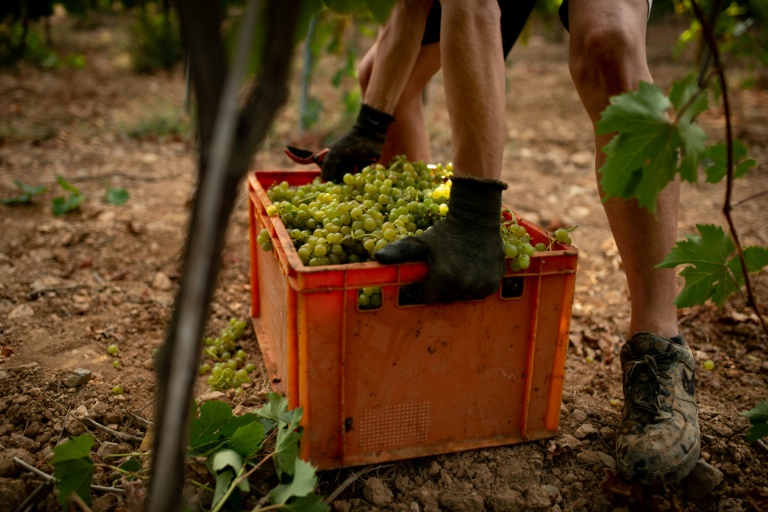
A study cited in the latest research estimates that the area suitable for grape growing in the Iberian Peninsula could shrink by at least a quarter and potentially vanish almost completely by 2050 because of severe water shortages.

Meanwhile, researchers have predicted a 30-percent drop in production for olive regions in southern Spain by 2100. 

Winemakers are already looking for ways to adapt to the changing climate, such as moving vineyards to higher altitudes and experimenting with more heat-tolerant varieties. 

Last year, scientists found that a severe spring frost that ravaged grape vines in France was made more likely by climate change, with the plants budding earlier and therefore more susceptible to damage. 

Kellogg's loses court challenge against UK obesity strategy

Cereals giant Kellogg’s on Monday lost a High Court challenge against new UK rules limiting the prominence of sugary foods in English shops to tackle child obesity.

At a hearing in April, the Frosties and Rice Krispies maker argued against the government’s strategy to calculate fat, salt and sugar content of cereals when eaten dry, not when taken with milk.

But in a ruling on Monday, the court noted that no breakfast cereal manufacturer raised objections to the methodology during the consultation period about the rules.

The judge, Thomas Linden, said there was “no dispute” that breakfast cereals could be part of a healthy diet.

“But the argument that there are nutritional benefits to the consumption of a given breakfast cereal does not affect the point that if it contains excess fat, sugar or salt, that feature of the product is adverse to a child’s health,” he said.

Linden said 54.7 percent of Kellogg’s cereals would be classed as less healthy under the new regulations that take effect from October.

Kellogg’s claimed the change would hit annual profits by about £5 million ($6.1 million).

Welcoming the ruling, the government said it was “committed to tackling obesity, which is the second biggest cause of cancer in the UK” and costs the state-funded National Health Service “billions of pounds a year”.

Kellogg’s said it did not intend to appeal but urged the government to rethink its strategy, especially amid soaring inflation.

“By restricting the placement of items in supermarkets, people face less choice and potentially higher prices,” said the group’s UK managing director, Chris Silcock. 

“That’s why, in the midst of a cost-of-living crisis, we would strongly urge the government to rethink these regulations and put the consumer first.”

Putin orders Russians to fight on after key Ukraine city falls

President Vladimir Putin on Monday ordered Russian troops to press their offensive deeper into the Donbas region of eastern Ukraine after Moscow’s forces seized the strategic city of Lysychansk.

With the war now well into its fifth month after Russia’s invasion of Ukraine, Ukraine told a reconstruction conference in Switzerland that it would already cost $750 billion to rebuild the country.

The loss of Lysychansk over the weekend prompted Ukrainian President Volodymyr Zelensky to step up calls for an increased supply of weapons from the West so Kyiv can keep up the resistance and regain lost territories.

After giving up on its initial war aim of capturing Kyiv following tough Ukrainian resistance, Russia has focused its efforts on securing control of the Donetsk and Lugansk areas which make up the Donbas region.

Russian Defence Minister Sergei Shoigu told President Vladimir Putin at a meeting that Moscow’s forces were now in full control of the Lugansk region. 

In a sign there would be no let-up in the fighting and that Russia now had its eyes on the entire Donetsk region, Putin told Shoigu that troops stationed there must continue their operations.

“Military units, including the East group and the West group, must carry out their tasks according to previously approved plans,” Putin said.

“I hope that everything will continue in their direction as has happened in Lugansk so far.” 

The Ukrainian army said on Sunday it was retreating from Lysychansk to preserve the lives of its troops after finding itself outnumbered and outgunned by Russian forces there.

– ‘Most modern weapons’ –

But in a symbolic boost for Ukraine, the Ukrainian flag was raised on Snake Island, an rocky outcrop in the Black Sea, after Russia withdrew from the strategically important Ukrainian territory last week.

Moscow’s capture of Lysychansk — one week after the Ukrainian army also retreated from the neighbouring city of Severodonetsk — frees up Russian forces to advance on Kramatorsk and Sloviansk in Donetsk.

Lugansk region governor Sergiy Gayday said on Telegram that there was still fighting in the town of Bilogorivka outside Lysychansk.

“We keep defending a small part of the Lugansk region so that our army could build protective redoubts,” he added.

In an address late Sunday, Zelensky vowed Kyiv would fight on and ensure the military had “the most modern weapons”.

“Ukraine will reach the level when the fire superiority of the occupiers will be levelled.”

In Sloviansk, about 75 kilometres (45 miles) west of Lysychansk, there were few people on the streets on Monday, the day after Russian strikes that left at least six dead, among them a nine-year-old girl, and 19 injured. 

In the large downtown market largely ravaged by a fire caused by a Russian strike, a few vendors offered basic goods while others cleared charred debris. 

Vendors and residents who spoke to AFP, some still in shock, expressed concern for the days and weeks to come, as sounds of shelling were heard again.

– ‘Task of democratic world’ –

The city of Siversk, 30 kilometres west of Lysychansk, also saw overnight shelling, residents and an official told AFP.

But Zelensky’s address Sunday evening was defiant, pointing to Ukrainian troops would “win back” territory in the Donbas just has they had in other regions earlier in the war.

On Monday, leaders from dozens of countries and international organisations met in the Swiss city of Lugano with the aim of hashing out a roadmap for Ukraine’s reconstruction.

At the gathering Prime Minister Denys Shmyhal put the cost of rebuilding Ukraine at $750 billion and said: “the key source of recovery should be the confiscated assets of Russia and Russian oligarchs”.

Lugano is not a pledging conference but will instead attempt to lay out the principles and priorities for a rebuilding process aimed to begin even as the war rages.

The meeting could help usher in a modern version of “The Marshall Plan”, the US-devised giant economic rescue scheme to rebuild Europe after World War II.

In a video address to the conference Zelensky described rebuilding Ukraine as the “common task of the whole democratic world” and the “biggest contribution to the support of global peace.”

But for residents in Bucha — a Ukrainian town synonymous with war crimes blamed on Moscow’s forces after their retreat in April — fear remains even as talk begins of reconstruction. 

“We’re going to bed without knowing if we’ll wake up tomorrow,” said Vera Semeniouk, 65. 

“Everyone has come back, is starting to repair houses, many are putting in new windows. It would be terrible if it started again, and we had to leave everything again.”

Italy blames climate change for glacier collapse, 7 dead

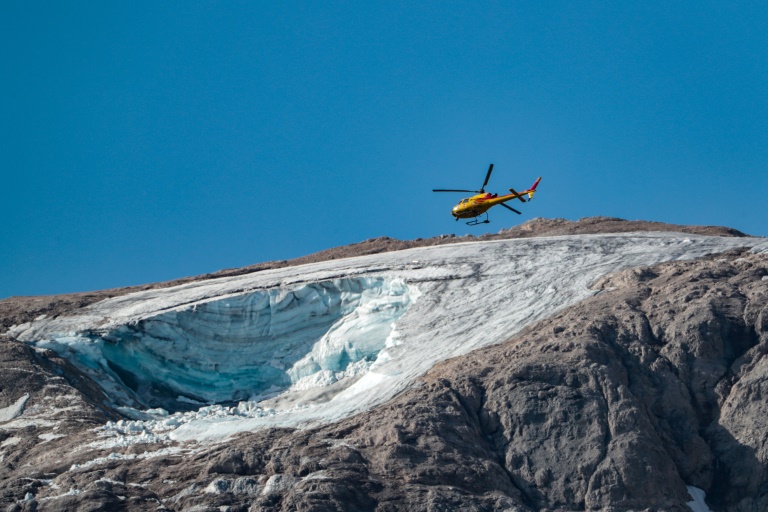
Italy’s prime minister on Monday linked the collapse of the country’s biggest Alpine glacier to climate change, as hopes faded of finding further survivors from a disaster that killed at least seven people.

Eight people were injured and another 14 were reported missing, authorities said, cautioning that it was not clear how many climbers were caught when the glacier gave way on Sunday.

Ice and rock thundered down Marmolada, the highest mountain in the Italian Dolomites, at 300 kilometres an hour (185 miles per hour), according to the head of Trento province, Maurizio Fugatti.

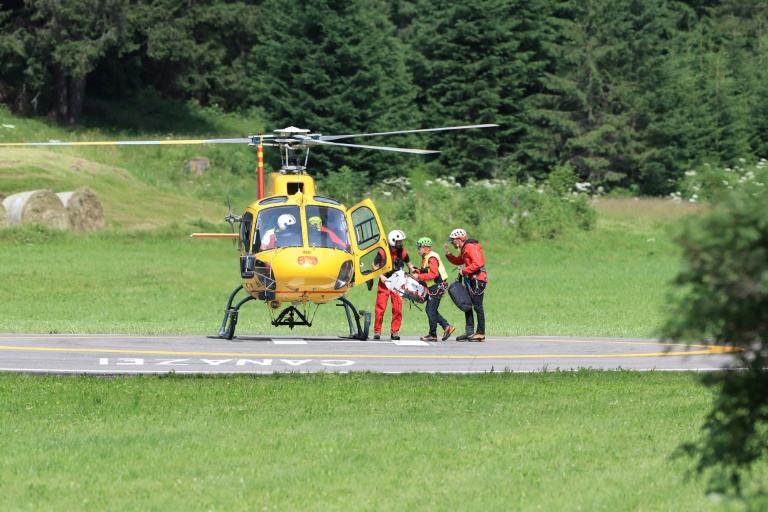
Rescuers used thermal drones to seek heat from potential survivors, although chances of finding them were “slim to nothing”, the region’s Alpine Rescue Service head Giorgio Gajer told AGI news agency.

The bodies recovered so far were found “torn apart”, rescuer Gino Comelli said.

The disaster struck one day after a record-high temperature of 10 degrees Celsius (50 degrees Fahrenheit) was recorded at the summit of the glacier, the largest in the Italian Alps.

Prime Minister Mario Draghi said it was “without doubt linked to the deterioration of the environment and the climate situation”.

Alpine Rescue spokeswoman Michela Canova told AFP an “avalanche of snow, ice and rock” hit an access path at a time when there were several roped parties, “some of whom were swept away”.

– ‘Heard a roar’ –

She said the total number of climbers involved was “not yet known”.

The civil protection agency said there were four cars at base camp unaccounted for: two Czech, one German and one Hungarian.

“I heard a roar, I turned to my left and saw a mass of ice coming down from the mountain,” ski instructor Luca Medici, 54, told AFP.

Bodies dug out of the ice and rock were taken to the village of Canazei.

A physical search of the disaster scene was impossible on Monday due to fears the glacier may still be unstable, and helicopters could only fly part of the time due to bouts of bad weather.

“It is difficult for the rescuers in (such) a dangerous situation,” Canazei mayor Giovanni Bernard told AFP.

Images of the avalanche filmed from a nearby refuge show snow and rock hurtling down the mountain slopes.

“It’s a miracle we’re alive,” Stefano Dal Moro, an engineer who was hiking with his Israeli partner, told Corriere della Sera.

“It’s useless to run. You can only pray that it doesn’t come your way. We crouched down and hugged each other tightly as the ice passed”.

– Heat ‘beyond normal’ –

Massimo Frezzotti, a science professor at Roma Tre University, told AFP the collapse was caused by unusually warm weather linked to global warming. Last winter was very dry, with precipitation down 40 to 50 percent.

“The current state of the glacier is something we’d expect to see in mid-August, not early July,” he said.

Glacier specialist Renato Colucci told AGI the phenomenon was “bound to repeat itself” because “for weeks the temperatures at altitude in the Alps have been well above normal values”.

The recent warm temperatures had generated a large quantity of water from the melting glacier. It had accumulated at the bottom of the block of ice and caused it to collapse, he added.

Pope Francis tweeted his prayers for the victims, saying tragedies provoked by climate change such as this, “must push us to seek urgently new ways to respect people and nature”.

The Trento public prosecutor’s office has opened an investigation to determine the causes of the tragedy.

UN scientists from the Intergovernmental Panel on Climate Change said in March that melting ice and snow was one of 10 major threats caused by global warming, disrupting ecosystems and infrastructure.

Jonathan Bamber, director of the Glaciology Centre at Bristol University, said glacier decline was “making the high mountains of Europe an increasing dangerous and unpredictable environment to be in”.

UK drivers in go-slow protest over surging fuel prices

Protesters snarled up major UK roads on Monday with a slow-moving procession of vehicles to demand government action against rocketing fuel prices.

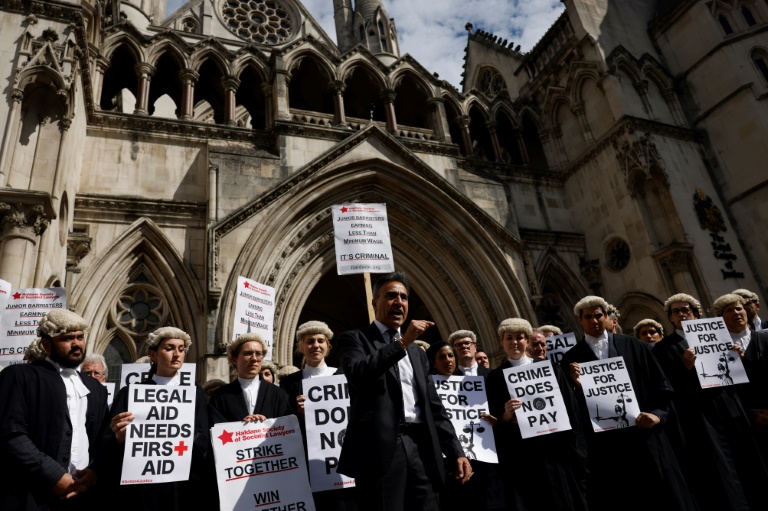
The action came as senior criminal lawyers staged a second walkout in England and Wales against years of government cuts to their fees, intensifying a “summer of discontent” as strikes sweep Britain.

Rail workers have already staged a series of stoppages to press for better pay as Britain’s headline inflation reaches a 40-year high of just under 10 percent, driven in part by the war in Ukraine.

On the roads, a social media campaign called Fuel Price Stand Against Tax mobilised drivers to drive deliberately slowly on motorways and other arterial routes, demanding the government slash fuel duty.

One of the motorways affected was the M4 including the Prince of Wales Bridge, which links England and Wales.

Welsh police said they had arrested 12 people for driving under 30 miles (48 kilometres) per hour for “a prolonged amount of time”.

Vicky Stamper lost her job as a truck driver last month after the company was forced to cut costs in the face of the surging fuel costs.

“I’m here because I’ve lost my job because of the fuel, and the greedy people at the top taking all of our money,” she told AFP just over the border in England.

Addressing any members of the public inconvenienced by the action, Stamper said “we’re doing this for everyone”. 

“If they want to have a whinge, instead of whinging, join us.”

– ‘No choice’ –

The government insists it has already cut fuel duty once, and is offering other financial support for the public, while blaming Russia for igniting the rapid rise in energy prices.

“People’s day-to-day lives should not be disrupted,” a spokesperson said.

The government also says it is addressing the demands of the criminal barristers by offering a 15-percent rise in fees from the end of September.

But the increase will only apply to new cases, not to tens of thousands piling up in a backlog as British courts wrestle with the fallout of the Covid pandemic.

Outside the Royal Courts of Justice in central London, barristers in black gowns and wigs insisted the government significantly raise its offer as they walked out for a second week and vowed more strikes ahead.

Protesting barrister Emma Heath, 34, said defence lawyers could spend eight hours in preparation for a client receiving legal aid and get paid only £126 ($153) by the government. 

“We fully appreciate the impact it’s having, but until the government wake up and see what’s actually happening to criminal legal aid funding, we’re left with no choice,” she told AFP.

Justice Secretary Dominic Raab — a former lawyer — has called the strike action “regrettable” and said it would “only delay justice for victims”.

'Slim' chance of finding survivors after Italy glacier collapse

Rescuers warned on Monday that hopes of finding survivors were diminishing after an avalanche set off by the collapse of an Italian glacier during a heatwave killed at least six people.

Authorities said they did not know how many climbers were caught when the glacier gave way on Sunday on Marmolada, the highest mountain in the Italian Dolomites.

Ice and rock thundered down the slope at 300 kilometres an hour (185 miles per hour), according to the head of Trento province, Maurizio Fugatti.

On Monday, rescuers armed with thermal drones searched for body heat from potential survivors trapped in ice, although hope was rapidly dwindling. 

Chances of finding survivors “are slim to nothing”, the region’s Alpine Rescue Service head Giorgio Gajer told AGI news agency.

The six bodies recovered so far were found “torn apart”, rescuer Gino Comelli said.

The disaster struck one day after a record-high temperature of 10 degrees Celsius (50 degrees Fahrenheit) was recorded at the summit of the glacier, the largest in the Italian Alps.

The glacier had been weakened by decades of global warming, experts said.

Alpine Rescue spokeswoman Michela Canova told AFP an “avalanche of snow, ice and rock” hit an access path at a time when there were several roped parties, “some of whom were swept away”.

A spokesman for Trento province said people were still being reported missing.

Trento’s chief prosecutor Sandro Raimondi was quoted by Corriere della Sera newspaper as saying he feared the number of dead “could double if not triple”, based on the number of cars in the car park.

But Canova urged caution, saying the total number of climbers involved was “not yet known”. Eight people were recovered with injuries.

– ‘Heard a roar’ –

“I heard a roar, I turned to my left and saw a mass of ice coming down from the mountain,” ski instructor Luca Medici, 54, told AFP.

Bodies dug out of the ice and rock were taken to the village of Canazei, where Italian Prime Minister Mario Draghi visited rescue workers on Monday.

Helicopters and sniffer dogs were called off as night fell on Sunday and amid fears the glacier may still be unstable.

“It is difficult for the rescuers in (such) a dangerous situation,” Canazei mayor Giovanni Bernard told AFP.

Images of the avalanche filmed from a refuge close by show snow and rock hurtling down the mountain slopes.

“It’s a miracle we’re alive,” Stefano Dal Moro, an engineer who was hiking with his Israeli partner, told Corriere della Sera.

“It’s useless to run. You can only pray that it doesn’t come your way. We crouched down and hugged each other tightly as the ice passed”.

– Heat ‘beyond normal’ –

Massimo Frezzotti, a science professor at Roma Tre University, told AFP the collapse was caused by unusually warm weather linked to global warming. Last winter was very dry, with precipitation down 40 to 50 percent.

“The current state of the glacier is something we’d expect to see in mid-August, not early July,” he said.

Glacier specialist Renato Colucci told AGI the phenomenon was “bound to repeat itself” because “for weeks the temperatures at altitude in the Alps have been well above normal values”.

The recent warm temperatures had generated a large quantity of water from the melting glacier. It had accumulated at the bottom of the block of ice and caused it to collapse, he added.

Pope Francis tweeted his prayers for the victims, saying tragedies provoked by climate change, such as this, “must push us to seek urgently new ways to respect people and nature”.

The Trento public prosecutor’s office has opened an investigation to determine the causes of the tragedy.

United Nations scientists from the Intergovernmental Panel on Climate Change (IPCC) said in March that melting ice and snow was one of 10 major threats caused by global warming, disrupting ecosystems and infrastructure.

Jonathan Bamber, director of the Glaciology Centre at Bristol University, said glacier decline was “making the high mountains of Europe an increasing dangerous and unpredictable environment to be in”.

Close Bitnami banner
Bitnami