AFP

France, Costa Rica eye next UN Ocean Conference

France and Costa Rica have jointly bid to host the next UN Ocean Conference, in 2025, French President Emmanuel Macron told some 7,000 diplomats, experts and advocates at this year’s meet in Lisbon.

“We should — as was done for climate in Paris in 2015 — set ambitious objectives for biodiversity, especially for oceans,” he said in plenary.

“In the coming years, we must rally the international community.”

Ending Friday, the week-long conference was attended by representatives from 140 countries and a score of world leaders, including the presidents of co-hosts Portugal and Kenya.

The second UN meet devoted to the oceans — which cover 71 percent of Earth’s surface — is not a negotiating forum for international policy.

But discussions and initiatives launched here will help set the agenda at two critical summits later this year: the COP27 UN climate talks in November, hosted by Egypt, followed by the long-delayed COP15 UN biodiversity negotiations, recently moved from China to Canada.

At the heart of the COP15 draft treaty is a provision to designate 30 percent of Earth’s land area and oceans as protected zones by 2030.

Currently, under eight percent of oceans have protected status.

In UN climate talks, oceans until recently have not even rated a mention despite global warming’s dire impact on seas, and the key role oceans play in soaking up atmospheric CO2.

“It took 21 COPs for oceans to work their way onto the climate agenda,” Sabine Roux de Mezieux, president of Fondation de la Mer, told AFP, referring to the yearly UN climate summits.

US inflation high but stable in May as spending slows

A key US inflation measure showed price increases held steady in the 12 months ended in May, while consumer spending growth slowed sharply, a good sign in the battle against soaring prices.

Any sign of moderation will be a boon to President Joe Biden whose approval ratings have tumbled, as his administration has struggled to find effective tools to help American families feeling the pain of surging gasoline, food and housing prices.

The trend also offers comfort to the Federal Reserve, showing its aggressive interest rate strategy is starting to have an impact to quell the fastest surge in inflation in more than 40 years.

The personal consumption expenditures (PCE) price index rose 6.3 percent compared to May 2021, still high but the same pace as in the prior month, the Commerce Department reported Thursday.

The index jumped 0.6 percent compared to April, much faster than in the prior month, but slightly below what economists had projected.

But spending edged up just 0.2 percent, less than half the increase in April and part of a steady downward drift as consumers pull back amid surging prices.

Buoyed by a stockpile of savings, helped by massive government aid, consumers have been the lynchpin in the rapid US recovery from the pandemic downturn.

But strong demand clashed with global supply chain snarls and the world’s largest economy has been battered for months by a cresting inflation wave, made more painful by the surge in energy prices sparked by the Russian invasion of Ukraine in late February.

Excluding volatile food and energy prices, “core” PCE rose 0.3 percent in the month, the same as in April, while the 12-month pace slowed slightly to 4.7 percent, the report said.

– Fed inflation battle –

Brian Deese, head of the White House National Economic Council, noted that the three-month annual average for core PCE fell to four percent from 5.2 percent.

“That is important moderation that we’re seeing,” he said on CNBC. 

However, he said the headline continues to be driven by higher energy prices.

Energy prices jumped four percent in the month, after dropping in April, and are 35.8 percent higher than May 2021, the data showed.

The PCE price index is the Federal Reserve’s preferred inflation gauge, as it reflects consumers’ actual spending, including shifts to lower cost items, unlike the more well-known consumer price index, which jumped 8.6 percent in May.

PCE also gives less weight to things like rent, vehicles and airline fares, which have contributed to the blistering pace of the CPI rise.

The Fed early this month announced the biggest hike in the benchmark lending rate in nearly 30 years, a three-quarter point increase that was the third step in its counteroffensive against rising inflation, as it aims to cool demand.

Policymakers have signaled there is a good chance of another similar increase in late July, followed by more big steps in coming months.

That has raised concerns the Fed could push the economy into a recession — a price Fed Chair Jerome Powell signaled the central bank is willing to pay to control inflation.

– Slower spending –

The signs of consumers pulling back will weigh on second quarter GDP growth, after the Commerce Department revised first-quarter consumer spending sharply lower, cutting it to 1.8 percent from 3.1 percent, as the economy contracted 1.6 percent.

Diane Swonk of Grant Thornton estimates that “consumers have drained about $600 billion of the excess $2.5 trillion in savings they amassed during the pandemic to deal with the bite of higher prices.”

The key driver of the slower consumption growth in May was the sharp drop in spending on big-ticket manufactured items, that economists note reflects a pull back on vehicle sales.

Spending on services rose 0.7 percent in the month, the same as in April.

US inflation high but stable in May as spending slows

A key US inflation measure showed price increases held steady in the 12 months ended in May, while consumer spending growth slowed sharply, a good sign in the battle against soaring prices.

Any sign of moderation will be a boon to President Joe Biden whose approval ratings have tumbled, as his administration has struggled to find effective tools to help American families feeling the pain of surging gasoline, food and housing prices.

The trend also offers comfort to the Federal Reserve, showing its aggressive interest rate strategy is starting to have an impact to quell the fastest surge in inflation in more than 40 years.

The personal consumption expenditures (PCE) price index rose 6.3 percent compared to May 2021, still high but the same pace as in the prior month, the Commerce Department reported Thursday.

The index jumped 0.6 percent compared to April, much faster than in the prior month, but slightly below what economists had projected.

But spending edged up just 0.2 percent, less than half the increase in April and part of a steady downward drift as consumers pull back amid surging prices.

Buoyed by a stockpile of savings, helped by massive government aid, consumers have been the lynchpin in the rapid US recovery from the pandemic downturn.

But strong demand clashed with global supply chain snarls and the world’s largest economy has been battered for months by a cresting inflation wave, made more painful by the surge in energy prices sparked by the Russian invasion of Ukraine in late February.

Excluding volatile food and energy prices, “core” PCE rose 0.3 percent in the month, the same as in April, while the 12-month pace slowed slightly to 4.7 percent, the report said.

– Fed inflation battle –

Brian Deese, head of the White House National Economic Council, noted that the three-month annual average for core PCE fell to four percent from 5.2 percent.

“That is important moderation that we’re seeing,” he said on CNBC. 

However, he said the headline continues to be driven by higher energy prices.

Energy prices jumped four percent in the month, after dropping in April, and are 35.8 percent higher than May 2021, the data showed.

The PCE price index is the Federal Reserve’s preferred inflation gauge, as it reflects consumers’ actual spending, including shifts to lower cost items, unlike the more well-known consumer price index, which jumped 8.6 percent in May.

PCE also gives less weight to things like rent, vehicles and airline fares, which have contributed to the blistering pace of the CPI rise.

The Fed early this month announced the biggest hike in the benchmark lending rate in nearly 30 years, a three-quarter point increase that was the third step in its counteroffensive against rising inflation, as it aims to cool demand.

Policymakers have signaled there is a good chance of another similar increase in late July, followed by more big steps in coming months.

That has raised concerns the Fed could push the economy into a recession — a price Fed Chair Jerome Powell signaled the central bank is willing to pay to control inflation.

– Slower spending –

The signs of consumers pulling back will weigh on second quarter GDP growth, after the Commerce Department revised first-quarter consumer spending sharply lower, cutting it to 1.8 percent from 3.1 percent, as the economy contracted 1.6 percent.

Diane Swonk of Grant Thornton estimates that “consumers have drained about $600 billion of the excess $2.5 trillion in savings they amassed during the pandemic to deal with the bite of higher prices.”

The key driver of the slower consumption growth in May was the sharp drop in spending on big-ticket manufactured items, that economists note reflects a pull back on vehicle sales.

Spending on services rose 0.7 percent in the month, the same as in April.

US Supreme Court lets Biden end Trump-era immigration rule

The US Supreme Court on Thursday gave the administration of President Joe Biden the green light to end the so-called Remain in Mexico policy instituted by Donald Trump as part of his hardline approach to immigration.

Under the policy, some non-Mexicans who entered the United States illegally across the southern border were sent back to Mexico to wait while their immigration cases played out in court, rather than being detained or provisionally released.

Since the beginning of his term, Biden has been trying to wind down the policy as part of what he claims is a more humane take on immigration.

Advocates for migrants said the policy exposed asylum-seekers to dangerous conditions in Mexico as overwhelmed US courts slowly work through a backlog of cases.

Thursday’s ruling in favor of the Biden administration was split 5-4, with Chief Justice John Roberts joining fellow conservative Brett Kavanaugh and the court’s three liberal justices in the majority.

Roberts, who authored the majority opinion, argued that federal immigration law allows the executive branch to return asylum seekers to Mexico, but does not force it to do so.

“Congress conferred contiguous-territory return authority in expressly discretionary terms,” the opinion states.

Biden’s attempt to terminate the policy, instituted by Trump in 2019, was challenged by a group of Republican-governed states led by Texas. 

These states argued that his move violated US immigration law by forcing authorities to release migrants they had detained onto US territory. They also said that Biden officials had not followed proper administrative procedure.

A lower court in August 2021 ruled against the Biden administration and the case eventually ended up before the nation’s highest court.

At first, the Supreme Court simply refused to freeze the lower court ruling, forcing the administration to restart the policy, formally called Migration Protection Protocols (MPP), while it pressed ahead with its appeal.

From the start of the policy in January 2019 until its suspension under Biden, nearly 70,000 people were sent back to Mexico, according to the American Immigration Council.

Since its most recent reinstatement, far fewer migrants have been sent back through the program.

During Biden’s tenure as president, more than 200,000 people attempting to enter the country illegally have been interdicted at the border each month and sent back, under MPP or a separate Covid-related policy blocking people at the border.

Illegal border crossings are often dangerous, both for the physical conditions in the region and mistreatment by human traffickers. This week 53 people died after being packed inside a tractor trailer truck without air conditioning that was later abandoned in San Antonio, Texas.

The American Civil Liberties Union praised the court’s ruling on Thursday.

“The Supreme Court was right to reject the spurious argument that this cruel policy is statutorily required,” said Judy Rabinovitz of the ACLU Immigrants’ Rights Project.

America's trailblazing new justice has seen real impact of the law

Ketanji Brown Jackson does not have the background typical of US Supreme Court judges, and not just because she will be first Black woman ever to serve at the pinnacle of the legal profession.

While many judges have made their mark as prosecutors, Jackson — who was sworn in on Thursday — spent two years as a federal public defender representing clients who could not afford their own lawyer.

The 51-year-old — who replaces retiring fellow Democratic appointee Stephen Breyer — has served on the US Sentencing Commission, an independent agency addressing disparities in jail terms.

And she has personal experience with the harsh sentences meted out for drug crimes in the United States — an uncle was sentenced to life in prison in 1989 for cocaine possession.

“For Ketanji, the law isn’t just an abstract set of concepts… Her family’s experience does inform her awareness of the real impact the law has on people’s lives,” a friend and former colleague from the public defender’s office told The Washington Post.

Jackson noted her non-traditional background in her 2021 Senate confirmation hearing for a seat on the US Circuit Court of Appeals.

“I’ve experienced life in perhaps a different way than some of my colleagues because of who I am, and that might be valuable — I hope it would be valuable — if I was confirmed to the court,” she said at the time.

Jackson spent more than 20 hours being grilled by senators in April this year as part of her Supreme Court confirmation process on her sentencing record, past statements and political views.

“I have dedicated my career to ensuring that the words engraved on the front of the Supreme Court building — equal justice under law — are a reality and not just an ideal,” the trailblazing jurist said.

– ‘Lovely one’ –

Her nomination hearings teased out Jackson’s approach to a wide array of legal matters, but also shone a light on the kind of person friends and family see when she is not in her judge’s robes.

They also allowed Jackson to flesh out her perspective on a milestone for Black American girls who rarely see powerful role models that look like them.

“Since I was nominated to this position, I have received so many notes and letters and photos from little girls around the country who tell me that they are so excited for this opportunity,” Jackson told senators.

Raised with an African given name that means “lovely one,” Ketanji Onyika Brown moved at a young age from the nation’s capital to the Miami suburbs.

Her interest in the law was inspired in part by her father, who earned his law degree after working as a teacher and went on to be the chief attorney for the Miami-Dade school system in Florida.

Jackson told the Senate Judiciary Committee she had learned the value of diligence and tenacity from her family, including uneducated grandparents who were the “hardest working people I’ve ever known.”

“I stand on the shoulders of people from that generation,” she said.

On her own role as a mother of two grown-up children and one of the country’s most high profile judges, she was disarmingly candid.

“Juggling motherhood and job responsibilities, I didn’t always get the balance right,” she said in an acknowledgement that will have struck a chord with working mothers nationwide.

– Political awakening –

Jackson’s political awakening began in the late 1980s, when a fellow freshman at Harvard hung a Confederate flag from his window and she joined protests of the “huge affront.”

She pursued her dream of becoming a lawyer after graduating in 1996, the year she married medic Patrick Jackson.

She worked for a series of elite law firms in Boston and Washington and as a law clerk for Breyer in 1999 and 2000.

Jackson became an assistant special counsel with the US Sentencing Commission in 2003 and worked for the Office of the Federal Public Defender in Washington from 2005 to 2007.

While she was at the public defender’s office, her father’s incarcerated older brother, Thomas Brown Jr, reached out to her asking for help getting him out of prison, according to the Post.

She passed on his appeal to a top private law firm and Brown eventually had his sentence commuted, in November 2016 by Barack Obama — one of hundreds of nonviolent drug offenders who had their sentences reduced during his presidency.

Her most notable ruling came in 2019 when she said a former White House counsel to president Donald Trump had to obey a congressional subpoena.

“Presidents are not kings,” Jackson wrote.

In March 2021, she was nominated by Biden to serve as a US Circuit Judge for the US Court of Appeals for the District of Columbia, a position seen as a springboard to the Supreme Court.

“I don’t think that race plays a role in the kind of judge that I have been and would be,” Jackson said during her Senate confirmation hearing.

“I’m looking at the arguments, the facts and the law. I’m methodically and intentionally setting aside personal views, any other inappropriate considerations.” 

US Supreme Court limits government powers to curb greenhouse gases

The US Supreme Court ruled Thursday that the government’s key environmental agency cannot issue broad limits on greenhouse gases, sharply curtailing the power of President Joe Biden’s administration to battle climate change.

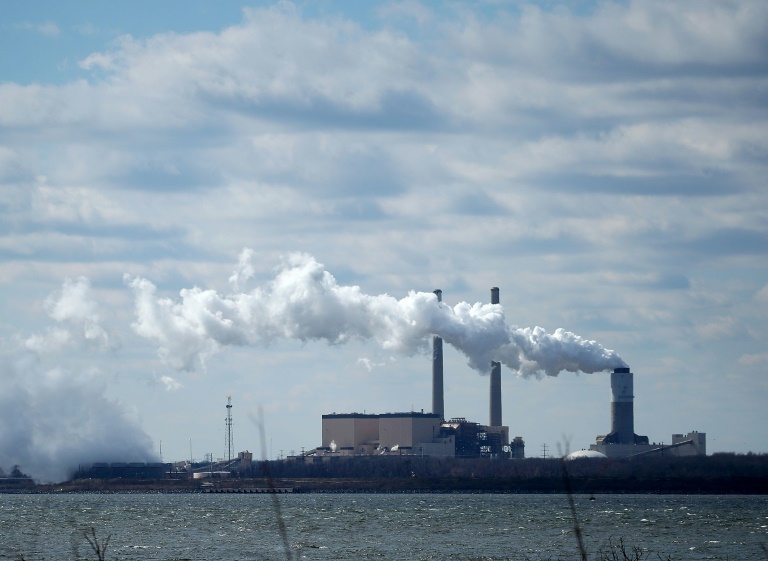
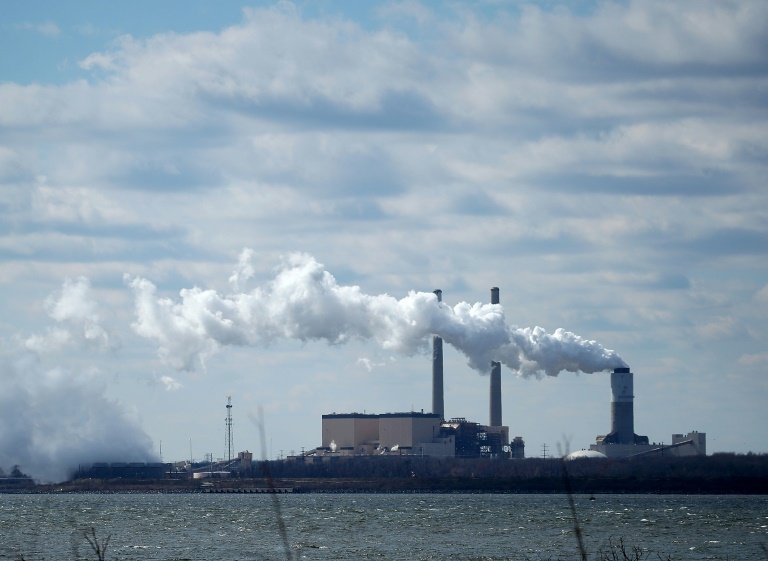
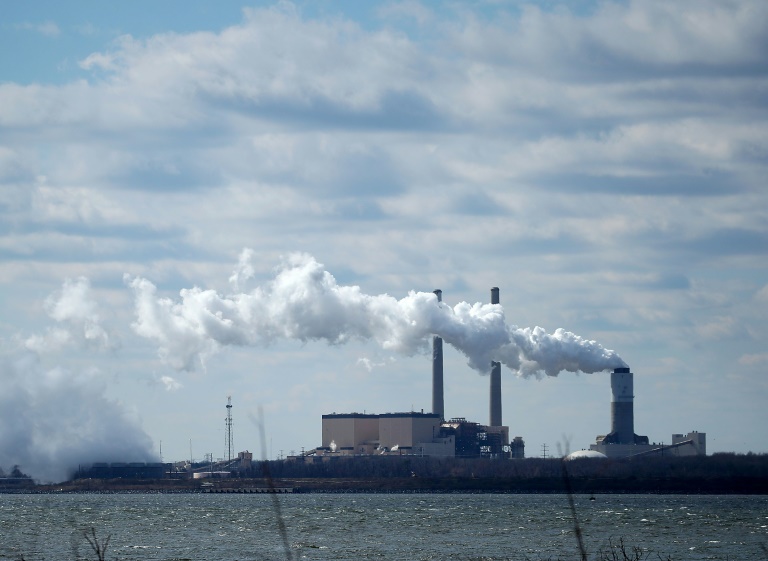
By a majority of 6-3, the high court found that the Environmental Protection Agency did not have the power to set sweeping caps on emissions from coal-fired power plants, which produce nearly 20 percent of the electricity consumed in the United States.

The decision sets back Biden’s hopes of using the EPA to bring down emissions to meet global climate goals, set in 2015 under the Paris Agreement on climate change.

It was a significant victory for the coal mining and coal power industry, which was targeted that same year for tough limits by the administration of then-president Barack Obama in an effort to slash carbon pollution.

It also marked a victory for conservatives fighting government regulation of industry, with the court’s majority including three right-wing justices named by former president Donald Trump, who had sought to weaken the EPA.

Conservatives cheered the decision, while the Biden administration blasted it for undermining the fight against global warming.

“This is another devastating decision from the Court that aims to take our country backwards,” the White House said in a statement.

– Caps ‘may be sensible but …’ –

In the case pitting West Virginia and other coal-mining states against the government, the court said that while EPA had the power to regulate individual plants, Congress had not given it such expansive powers to set limits for all electricity generating units.

The majority justices said they recognized that putting caps on carbon dioxide emissions to transition away from coal-generated electricity “may be a sensible solution” to global warming.

But they said the case involved a “major question” of US governance and jurisprudence and that the EPA would have to be specifically delegated such powers by the legislature.

“A decision of such magnitude and consequence rests with Congress itself, or an agency acting pursuant to a clear delegation from that representative body,” they said.

The three-member liberal minority of the court castigated the majority for overruling powers they said EPA did in fact have.

“Today, the court strips the Environmental Protection Agency of the power Congress gave it to respond to ‘the most pressing environmental challenge of our time,'” they said in a dissent written by Justice Elena Kagan.

“The stakes here are high,” Kagan wrote. “Whatever else this court may know about, it does not have a clue about how to address climate change.”

– Excessive regulation –

Conservatives and Republicans applauded the decision.

“The Court has undone illegal regulations issued by the EPA without any clear congressional authorization and confirmed that only the people’s representatives in Congress —  not unelected, unaccountable bureaucrats — may write our nation’s laws,” wrote Senate Republican leader Mitch McConnell, who represents Kentucky, a state with a significant coal mining industry.

Republican Representative Yvette Herrell called it a “huge win” for the American people.

“The EPA was created to control toxic pollutants, not CO2. The insane mission creep of regulating normal atmospheric gasses threatened the livelihood and prosperity of countless Americans,” she said in a tweet.

But Senate Democratic leader Chuck Schumer said the decision “will cause more needless deaths” from pollution and “exacerbate the climate crisis.”

Dan Lashof, director of the US arm of the World Resources Institute, said the ruling backed an effort by coal companies and Republican-led states “to cripple the EPA’s ability to address climate change.”

The ruling “makes it much harder for the agency to achieve its core mission to protect human health and the environment,” he said in a statement.

– Court conservatives show muscle – 

Thursday’s decision capped a term for the court in which the new conservative majority flexed its muscles in ways that will have profound effects on American society.

Two similar 6-3 decisions last week shook the country. One expanded the rights of gun owners to wear their guns wherever they go, with few limitations.

The second ended a half-century-old constitutional right to abortion, setting off a chain reaction in which more than half of the 50 states are moving to ban or severely restrict the practice.

The EPA ruling, too, could have profound impacts. 

Conservative Justice Neil Gorsuch wrote separately that the decision was a statement that no government agency can make policies with far-reaching effect without express empowerment by Congress.

“When an agency claims the power to regulate vast swaths of American life, it not only risks intruding on Congress’s power, it also risks intruding on powers reserved to the States,” Gorsuch wrote.

“The Court has taken a real step to check not only the EPA but all administrative agencies,” said conservative law expert Ilya Shapiro.


US Supreme Court limits government powers to curb greenhouse gases

The US Supreme Court ruled Thursday that the government’s key environmental agency cannot issue broad limits on greenhouse gases, sharply curtailing the power of President Joe Biden’s administration to battle climate change.

By a majority of 6-3, the high court found that the Environmental Protection Agency did not have the power to set sweeping caps on emissions from coal-fired power plants, which produce nearly 20 percent of the electricity consumed in the United States.

The decision sets back Biden’s hopes of using the EPA to bring down emissions to meet global climate goals, set in 2015 under the Paris Agreement on climate change.

It was a significant victory for the coal mining and coal power industry, which was targeted that same year for tough limits by the administration of then-president Barack Obama in an effort to slash carbon pollution.

It also marked a victory for conservatives fighting government regulation of industry, with the court’s majority including three right-wing justices named by former president Donald Trump, who had sought to weaken the EPA.

Conservatives cheered the decision, while the Biden administration blasted it for undermining the fight against global warming.

“This is another devastating decision from the Court that aims to take our country backwards,” the White House said in a statement.

– Caps ‘may be sensible but …’ –

In the case pitting West Virginia and other coal-mining states against the government, the court said that while EPA had the power to regulate individual plants, Congress had not given it such expansive powers to set limits for all electricity generating units.

The majority justices said they recognized that putting caps on carbon dioxide emissions to transition away from coal-generated electricity “may be a sensible solution” to global warming.

But they said the case involved a “major question” of US governance and jurisprudence and that the EPA would have to be specifically delegated such powers by the legislature.

“A decision of such magnitude and consequence rests with Congress itself, or an agency acting pursuant to a clear delegation from that representative body,” they said.

The three-member liberal minority of the court castigated the majority for overruling powers they said EPA did in fact have.

“Today, the court strips the Environmental Protection Agency of the power Congress gave it to respond to ‘the most pressing environmental challenge of our time,'” they said in a dissent written by Justice Elena Kagan.

“The stakes here are high,” Kagan wrote. “Whatever else this court may know about, it does not have a clue about how to address climate change.”

– Excessive regulation –

Conservatives and Republicans applauded the decision.

“The Court has undone illegal regulations issued by the EPA without any clear congressional authorization and confirmed that only the people’s representatives in Congress —  not unelected, unaccountable bureaucrats — may write our nation’s laws,” wrote Senate Republican leader Mitch McConnell, who represents Kentucky, a state with a significant coal mining industry.

Republican Representative Yvette Herrell called it a “huge win” for the American people.

“The EPA was created to control toxic pollutants, not CO2. The insane mission creep of regulating normal atmospheric gasses threatened the livelihood and prosperity of countless Americans,” she said in a tweet.

But Senate Democratic leader Chuck Schumer said the decision “will cause more needless deaths” from pollution and “exacerbate the climate crisis.”

Dan Lashof, director of the US arm of the World Resources Institute, said the ruling backed an effort by coal companies and Republican-led states “to cripple the EPA’s ability to address climate change.”

The ruling “makes it much harder for the agency to achieve its core mission to protect human health and the environment,” he said in a statement.

– Court conservatives show muscle – 

Thursday’s decision capped a term for the court in which the new conservative majority flexed its muscles in ways that will have profound effects on American society.

Two similar 6-3 decisions last week shook the country. One expanded the rights of gun owners to wear their guns wherever they go, with few limitations.

The second ended a half-century-old constitutional right to abortion, setting off a chain reaction in which more than half of the 50 states are moving to ban or severely restrict the practice.

The EPA ruling, too, could have profound impacts. 

Conservative Justice Neil Gorsuch wrote separately that the decision was a statement that no government agency can make policies with far-reaching effect without express empowerment by Congress.

“When an agency claims the power to regulate vast swaths of American life, it not only risks intruding on Congress’s power, it also risks intruding on powers reserved to the States,” Gorsuch wrote.

“The Court has taken a real step to check not only the EPA but all administrative agencies,” said conservative law expert Ilya Shapiro.

US Supreme Court limits government powers to curb greenhouse gases

The US Supreme Court ruled Thursday that the government’s key environmental agency cannot issue broad limits on greenhouse gases, sharply curtailing the power of President Joe Biden’s administration to battle climate change.

By a majority of 6-3, the high court found that the Environmental Protection Agency did not have the power to set sweeping caps on emissions from coal-fired power plants, which produce nearly 20 percent of the electricity consumed in the United States.

The decision sets back Biden’s hopes of using the EPA to bring down emissions to meet global climate goals, set in 2015 under the Paris Agreement on climate change.

It was a significant victory for the coal mining and coal power industry, which was targeted that same year for tough limits by the administration of then-president Barack Obama in an effort to slash carbon pollution.

It also marked a victory for conservatives fighting government regulation of industry, with the court’s majority including three right-wing justices named by former president Donald Trump, who had sought to weaken the EPA.

Conservatives cheered the decision, while the Biden administration blasted it for undermining the fight against global warming.

“This is another devastating decision from the Court that aims to take our country backwards,” the White House said in a statement.

– Caps ‘may be sensible but …’ –

In the case pitting West Virginia and other coal-mining states against the government, the court said that while EPA had the power to regulate individual plants, Congress had not given it such expansive powers to set limits for all electricity generating units.

The majority justices said they recognized that putting caps on carbon dioxide emissions to transition away from coal-generated electricity “may be a sensible solution” to global warming.

But they said the case involved a “major question” of US governance and jurisprudence and that the EPA would have to be specifically delegated such powers by the legislature.

“A decision of such magnitude and consequence rests with Congress itself, or an agency acting pursuant to a clear delegation from that representative body,” they said.

The three-member liberal minority of the court castigated the majority for overruling powers they said EPA did in fact have.

“Today, the court strips the Environmental Protection Agency of the power Congress gave it to respond to ‘the most pressing environmental challenge of our time,'” they said in a dissent written by Justice Elena Kagan.

“The stakes here are high,” Kagan wrote. “Whatever else this court may know about, it does not have a clue about how to address climate change.”

– Excessive regulation –

Conservatives and Republicans applauded the decision.

“The Court has undone illegal regulations issued by the EPA without any clear congressional authorization and confirmed that only the people’s representatives in Congress —  not unelected, unaccountable bureaucrats — may write our nation’s laws,” wrote Senate Republican leader Mitch McConnell, who represents Kentucky, a state with a significant coal mining industry.

Republican Representative Yvette Herrell called it a “huge win” for the American people.

“The EPA was created to control toxic pollutants, not CO2. The insane mission creep of regulating normal atmospheric gasses threatened the livelihood and prosperity of countless Americans,” she said in a tweet.

But Senate Democratic leader Chuck Schumer said the decision “will cause more needless deaths” from pollution and “exacerbate the climate crisis.”

Dan Lashof, director of the US arm of the World Resources Institute, said the ruling backed an effort by coal companies and Republican-led states “to cripple the EPA’s ability to address climate change.”

The ruling “makes it much harder for the agency to achieve its core mission to protect human health and the environment,” he said in a statement.

– Court conservatives show muscle – 

Thursday’s decision capped a term for the court in which the new conservative majority flexed its muscles in ways that will have profound effects on American society.

Two similar 6-3 decisions last week shook the country. One expanded the rights of gun owners to wear their guns wherever they go, with few limitations.

The second ended a half-century-old constitutional right to abortion, setting off a chain reaction in which more than half of the 50 states are moving to ban or severely restrict the practice.

The EPA ruling, too, could have profound impacts. 

Conservative Justice Neil Gorsuch wrote separately that the decision was a statement that no government agency can make policies with far-reaching effect without express empowerment by Congress.

“When an agency claims the power to regulate vast swaths of American life, it not only risks intruding on Congress’s power, it also risks intruding on powers reserved to the States,” Gorsuch wrote.

“The Court has taken a real step to check not only the EPA but all administrative agencies,” said conservative law expert Ilya Shapiro.

Salmonella found in world's biggest chocolate plant

Production has been halted in the world’s biggest chocolate plant, run by Swiss giant Barry Callebaut in the Belgian town of Wieze, after salmonella contaminations were found, the firm said Thursday. 

A company spokesman told AFP that production had been protectively halted at the factory, which produces liquid chocolate in wholesale batches for 73 clients making confectionaries.

The company said that 72 of the 73 companies have confirmed that they halted deliveries of potentially contaminated chocolate in time to prevent any hitting the shops and were waiting for a response from the last client.

There have been no reports so far of any chocolate consumers being exposed to salmonella, which causes salmonellosis, a disease that causes diarrhoea and fever but is only dangerous in the most extreme cases.

“All products manufactured since the test have been blocked,” spokesman Korneel Warlop said. 

“Barry Callebaut is currently contacting all customers who may have received contaminated products. Chocolate production in Wieze remains suspended until further notice.”

Most of the products discovered to be contaminated are still on the site, he said.

But the firm has contacted all its clients and asked them not to ship any products they have made with chocolate made since June 25 at these Wieze plant, which is in Flanders, northwest of Brussels.

“Food safety is of the utmost importance for Barry Callebaut and this contamination is quite exceptional. We have a well-defined food safety charter and procedures,” the firm said.

– Green light –

Belgium’s food safety agency AFSCA has been informed and a spokesman told AFP it had opened an investigation. 

An AFSCA spokesman said investigators would “gather all the information in order to trace the contamination”.

The Wieze plant does not make chocolates to be sold directly to consumers, and the firm has no reason to believe that any contaminated goods made by clients have yet made it onto shop shelves.

The scare comes a few weeks after a case of chocolates contaminated with salmonella in the Ferrero factory in Arlon in southern Belgium manufacturing Kinder chocolates. 

Belgian health authorities said on June 17 that they had given the green light to restart the Italian giant’s factory for a three-month test period.

Swiss group Barry Callebaut supplies cocoa and chocolate products to many companies in the food industry, including industry giants such as Hershey, Mondelez, Nestle or Unilever. 

World number one in the sector, its annual sales amounted to 2.2 million tonnes during the 2020-2021 financial year. 

Over the past financial year, the group, which has a head office is in Zurich, generated a net profit of 384.5 million Swiss francs ($402 million) for 7.2 billion francs in turnover. 

The group employs more than 13,000 people, has more than 60 production sites worldwide.

Stocks and oil sink on recession fears

World stock markets mostly sank Thursday on intensifying recession fears, while oil prices receded after an OPEC decision to proceed with a limited boost to output.

London ended the day down two percent, with both Frankfurt and Paris close behind.

That followed a largely downbeat performance in Asia, although Shanghai rose after data showed a forecast-beating improvement in China’s services sector on easing Covid restrictions.

Wall Street’s main indices also fell, with the Dow down 0.9 percent in late morning trading.

Crude futures slumped as major oil producers led by Saudi Arabia and Russia kept to a decision on a limited boost to output despite the risk that high oil prices may help push the global economy into recession.

– ‘Terrible mood’ –

“Stock markets have fallen heavily in June so it seems only fitting that they’re ending the month with big losses as reality continues to bite,” said Craig Erlam, senior market analyst at trading platform OANDA.

Stock markets are “in a terrible mood across Europe”, said AJ Bell investment director Russ Mould.

“There really is a lack of good news for investors to cling onto, and the near-term outlook looks bleak.”

The threat of an extended period of elevated inflation and painful interest rate hikes has left traders fretting over the threat of a prolonged economic downturn, while the Ukraine war continues to sow uncertainty.

“Recession continues to be the primary concern at the moment… as countries continue to grapple with spiralling inflation and cost-of-living crises,” said Mihir Kapadia, head of Sun Global Investments.

The surge in inflation to multi-decade highs has forced central banks to swiftly raise interest rates, dealing a hefty blow to equities as companies faces higher borrowing costs.

The Federal Reserve is next month expected to announce a successive 75-basis-point hike in US interest rates.

Sweden’s central bank on Thursday announced its biggest hike in 22 years, raising its main rate by 50 basis points to 0.75 percent.

There had been hope that policymakers would ease off their hikes as economies show signs of slowing, but analysts say some officials are less concerned about a recession than letting prices run out of control.

– Risk of ‘going too far’ –

Fed boss Jerome Powell, speaking at a European Central Bank conference Wednesday, hinted again that such hikes could lead to economic contraction.

“Is there a risk that we would go too far? Certainly there’s a risk,” Powell said.

“The bigger mistake to make… would be to fail to restore price stability,” he insisted.

ECB President Christine Lagarde stated this week that the guardian of the euro would go “as far as necessary” to fight inflation that was set to remain “undesirably high” for “some time to come”.

US data released Thursday showed that a key annual inflation measure held steady at 6.3 percent in May, but real spending by consumers declined by 0.4 percent month-over-month.

Briefing.com analyst Patrick O’Hare said the decline “will fuel concerns about the Fed continuing to tighten into a slowing economic environment.”

– Key figures at around 1530 GMT –

New York – Dow: DOWN 0.9 percent at 30,754.90 points

EURO STOXX 50: DOWN 1.6 percent at 3,449.46

London – FTSE 100: DOWN 2.0 percent at 7,169.28 (close) 

Frankfurt – DAX: DOWN 1.7 percent at 12,783.77 (close)

Paris – CAC 40: DOWN 1.8 percent at 5,922.86 (close)

Tokyo – Nikkei 225: DOWN 1.5 percent at 26,393.04 (close)

Hong Kong – Hang Seng Index: DOWN 0.6 percent at 21,859.79 (close)

Shanghai – Composite: UP 1.1 percent at 3,398.62 (close)

Brent North Sea crude: DOWN 1.2 percent at $114.87 per barrel

West Texas Intermediate: DOWN 2.7 percent at $106.85 per barrel

Euro/dollar: DOWN at $1.0457 from $1.0442 Wednesday

Pound/dollar: UP at $1.2152 from $1.2124

Euro/pound: DOWN at 86.06 pence from 86.12 pence

Dollar/yen: DOWN at 135.89 yen from 136.59 yen

burs/rl/lth

Close Bitnami banner
Bitnami