AFP

France bets on tech and transparency to beat Chinese caviar

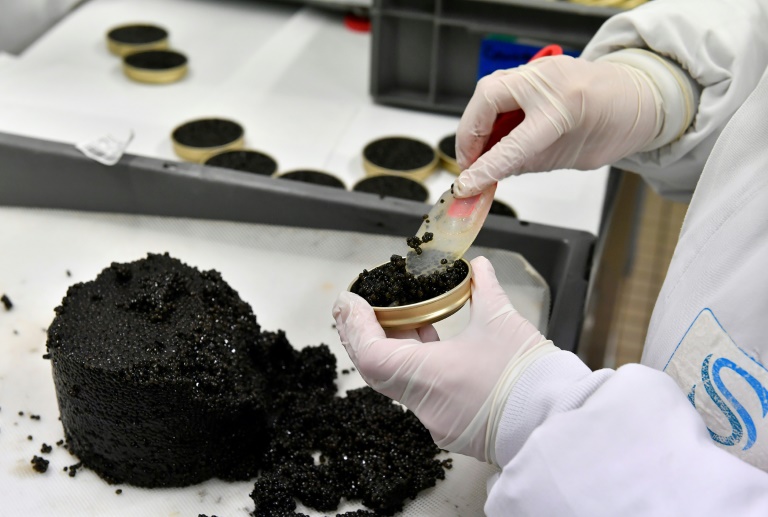
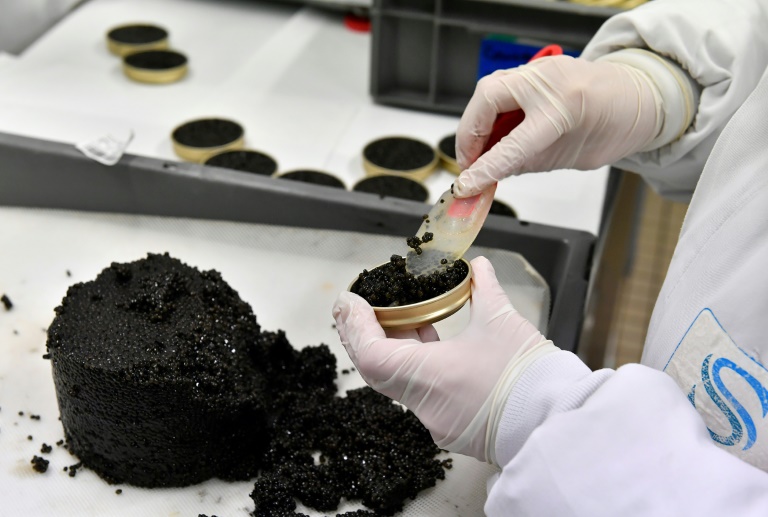
At the fish farm near Bordeaux, Christophe Baudon is running an ultrasound device over the belly of a large sturgeon to check its eggs.

“Caviar!” he shouts as the monitor shows the right sparkle around each little round ball.

“Over-mature!” comes the next shout, indicating the fish’s pregnancy cycle has gone too far and the eggs have softened — losing the crucial crunch. It will go back in the lake to await another cycle in two years.

For the company, Sturia, it’s an incredibly laborious process — they ultrasound some 20,000 fish a year for a total of 18 tonnes of caviar — but climate change has made it vital.

Many fish are coming out “over-mature”, in part because warmer waters have accelerated the pregnancy cycle.

For the guys standing in the water, scooping up the huge fish for inspection, the winter days when 10 centimetres (four inches) of ice coated the lakes are not entirely missed. 

But the change is still shocking.

“It’s been 10 years since we’ve seen any ice on these lakes,” said Baudon.

One in 20 of the fish died in 2021 when water temperatures hit 30 degrees, five degrees above a sturgeon’s comfort zone. 

“You might not know each one by name, but it’s never nice to pull out a dead fish — and of course the cost for the group is enormous,” said Sturia boss Laurent Dulau. 

– Extinction threat –

Fished to the brink of extinction in the wild — including the once-rich Russian and Iranian waters of the Caspian Sea — sturgeon now exist almost exclusively in farms, most of them in China.

Sturgeon were fished in France’s Gironde river for centuries, but their eggs were given to children, old people and pigs until Russian nobles fleeing the Communist revolution a century ago showed locals their potential.

It became a delicacy in Paris after Armenian emigrants Melkoum and Mouchegh Petrossian convinced the Ritz Hotel in Paris to serve caviar in the 1920s. 

Farming only started in France in the 1990s, and since it takes up to a decade to raise a sturgeon, progress is painstaking. 

Unable to compete with China on quantity, French producers focus on sustainable and healthy farming. 

The ultrasound avoids unnecessary killing and Sturia uses the meat for rillettes pate, the skin for leather and the bladder for a specialist glue favoured by violin-makers.

– ‘Produce better’ –

Dulau said the focus on traceability and quality is rebuilding caviar’s image after the over-fishing crisis. 

“The idea is to produce less, but produce better,” he said. “People will eat less because it’s a lot more expensive, but it will be so good that they’ll be satisfied.”

But Michel Berthommier, of nearby Caviar Perlita, is frustrated that “nine out of 10, maybe 10 out of 10” French restaurants still source from China. He blamed middle-men for preferring the mark-up on foreign eggs.

“It’s bizarre at a time when restaurants are always saying they source their products locally. We sell more to Singapore than restaurants 10 kilometres down the road,” he said. 

But he said the transparency of French production will win over buyers. 

“There used to be a mystery around how these fish were raised and harvested. We have opened our books on how our fish live, how they are fed and selected. 

“We can’t be number one in production, but we can lead the way in creativity and science.”
France bets on tech and transparency to beat Chinese caviar

At the fish farm near Bordeaux, Christophe Baudon is running an ultrasound device over the belly of a large sturgeon to check its eggs.

“Caviar!” he shouts as the monitor shows the right sparkle around each little round ball.

“Over-mature!” comes the next shout, indicating the fish’s pregnancy cycle has gone too far and the eggs have softened — losing the crucial crunch. It will go back in the lake to await another cycle in two years.

For the company, Sturia, it’s an incredibly laborious process — they ultrasound some 20,000 fish a year for a total of 18 tonnes of caviar — but climate change has made it vital.

Many fish are coming out “over-mature”, in part because warmer waters have accelerated the pregnancy cycle.

For the guys standing in the water, scooping up the huge fish for inspection, the winter days when 10 centimetres (four inches) of ice coated the lakes are not entirely missed. 

But the change is still shocking.

“It’s been 10 years since we’ve seen any ice on these lakes,” said Baudon.

One in 20 of the fish died in 2021 when water temperatures hit 30 degrees, five degrees above a sturgeon’s comfort zone. 

“You might not know each one by name, but it’s never nice to pull out a dead fish — and of course the cost for the group is enormous,” said Sturia boss Laurent Dulau. 

– Extinction threat –

Fished to the brink of extinction in the wild — including the once-rich Russian and Iranian waters of the Caspian Sea — sturgeon now exist almost exclusively in farms, most of them in China.

Sturgeon were fished in France’s Gironde river for centuries, but their eggs were given to children, old people and pigs until Russian nobles fleeing the Communist revolution a century ago showed locals their potential.

It became a delicacy in Paris after Armenian emigrants Melkoum and Mouchegh Petrossian convinced the Ritz Hotel in Paris to serve caviar in the 1920s. 

Farming only started in France in the 1990s, and since it takes up to a decade to raise a sturgeon, progress is painstaking. 

Unable to compete with China on quantity, French producers focus on sustainable and healthy farming. 

The ultrasound avoids unnecessary killing and Sturia uses the meat for rillettes pate, the skin for leather and the bladder for a specialist glue favoured by violin-makers.

– ‘Produce better’ –

Dulau said the focus on traceability and quality is rebuilding caviar’s image after the over-fishing crisis. 

“The idea is to produce less, but produce better,” he said. “People will eat less because it’s a lot more expensive, but it will be so good that they’ll be satisfied.”

But Michel Berthommier, of nearby Caviar Perlita, is frustrated that “nine out of 10, maybe 10 out of 10” French restaurants still source from China. He blamed middle-men for preferring the mark-up on foreign eggs.

“It’s bizarre at a time when restaurants are always saying they source their products locally. We sell more to Singapore than restaurants 10 kilometres down the road,” he said. 

But he said the transparency of French production will win over buyers. 

“There used to be a mystery around how these fish were raised and harvested. We have opened our books on how our fish live, how they are fed and selected. 

“We can’t be number one in production, but we can lead the way in creativity and science.”

Alleged Lockerbie bombmaker due in US court

The Libyan accused of making the bomb that destroyed a Pan Am flight over Scotland in 1988, killing 270 people, is to appear in a US court in Washington on Monday, Justice Department officials said.

Abu Agila Mohammad Masud, who allegedly worked as an intelligence agent for the regime of former Libyan dictator Moamer Kadhafi, was charged by the United States two years ago for the Lockerbie bombing, which killed 190 Americans. 

After arriving in the United States, Masud was taken to a facility in Alexandria, Virginia, for initial processing, where his mug shot was taken, the officials said.

He is to appear Monday afternoon in federal court in the nation’s capital for an initial hearing.

Scottish prosecutors announced on Sunday that Masud was in American hands, but provided no details on how he had been transferred to US custody.

Masud had been reportedly imprisoned in Libya for his alleged involvement in attacks on Libyan opposition figures in 2011.

Only one person has been convicted for the December 21, 1988 bombing of Pan Am Flight 103, which remains the deadliest terror attack ever on British soil.

The New York-bound aircraft was blown up 38 minutes after it took off from London, sending the main fuselage plunging to the ground in the town of Lockerbie and spreading debris over a vast area.

The bombing killed all 259 people on the jumbo jet and 11 people on the ground.

Two Libyans — Abdelbaset Ali Mohmet al-Megrahi, a former Libyan intelligence officer, and Al Amin Khalifa Fhimah — were charged with the bombing and put on trial in the Netherlands.

Megrahi spent seven years in a Scottish prison after his conviction in 2001 while Fhimah was acquitted.

Megrahi died in Libya in 2012, always maintaining his innocence.

His family lodged a bid for a posthumous appeal to clear his name in 2017, but Scotland’s High Court upheld his conviction in 2021.

– ‘Kadhafi thanked him’ –

Masud’s fate has been tied up in the warring factionalism of Libyan politics.

According to a September 2015 article in The New Yorker, Masud was sentenced that year to 10 years in prison in Libya after being accused of using remote-detonated bombs against Libyan opposition members in 2011.

The Lockerbie investigation was relaunched in 2016 when Washington learned of Masud’s arrest, following Kadhafi’s ouster and death in 2011, and his reported confession of involvement to the new Libyan regime in 2012.

According to an affidavit from an FBI agent involved in the probe, Masud worked as a “technical expert” for Libya’s External Security Organization (ESO), building explosive devices and earning the rank of colonel.

Masud confessed in a September 2012 interview with a Libyan law enforcement officer to assembling the bomb that brought down the Pan Am jet, the affidavit said.

“Masud confirmed that the bombing operation of Pan Am Flight 103 was ordered by Libyan intelligence leadership,” it said.

“Masud confirmed that after the operation, Kadhafi thanked him and other members of the team for their successful attack on the United States.”

According to the FBI agent’s affidavit, Masud also admitted to committing the April 1986 bombing of the LaBelle Discotheque in Berlin which killed two US service members and a Turkish woman.

Families of the Lockerbie victims thanked US and British law enforcement officials following the news of Masud’s arrest.

“Our loved ones will never be forgotten, and those who are responsible for their murder on December 21, 1988 must face justice,” they said in a statement.

'Banshees of Inisherin' tops nominations as Golden Globes attempt comeback

Black comedy “The Banshees of Inisherin” topped the Golden Globes nominations Monday, as the tarnished Hollywood awards show tries to rebuild its reputation following last year’s boycott by A-listers and studios.

The movie about the abrupt end of a friendship on a tiny Irish island during the 1920s picked up a whopping eight nods — the most for any film in almost two decades — including nominations for star Colin Farrell and director Martin McDonagh.

Surreal sci-fi “Everything Everywhere All at Once” earned six nominations, while raucous Hollywood Golden Age drama “Babylon” and Steven Spielberg’s deeply personal “The Fabelmans” took five each.

The Hollywood Foreign Press Association, which organizes the Globes, has scrambled to reform itself since long-harbored criticisms of the group’s practices went public in early 2021.

Tinseltown completely distanced itself from the Globes last January over members’ lack of diversity, alleged corruption and lack of professionalism, and the show took place behind closed doors.

Broadcaster NBC has gambled that it is time to bring back the glitzy gala, albeit under a trial one-year contract, on January 10 in Beverly Hills. The entire industry is waiting to see which stars will show up. 

Brendan Fraser, who was nominated Monday for his starring role in “The Whale,” a drama about a morbidly obese man, has already said he will not attend the awards.

“It’s because of the history that I have with them. And my mother didn’t raise a hypocrite,” Fraser told GQ last month.

Fraser has alleged that a former HFPA president, Philip Berk, sexually assaulted him in 2003. Berk denies the incident, and has since left the group.

Tom Cruise, who was widely seen as a strong contender in the acting categories for “Top Gun: Maverick,” was overlooked by Globes voters Monday.

Cruise last year returned his three Golden Globes to the HFPA in protest at its behavior.

– Star power –

Nominations for the 80th Golden Globes were unveiled on NBC’s “Today” program Monday.

Along with Spielberg’s “The Fabelmans” and “Top Gun: Maverick,” other films nominated for best drama included Baz Luhrmann’s rock-and-roll biopic “Elvis,” and James Cameron’s eagerly awaited “Avatar” sci-fi sequel.

“Tar,” which stars Cate Blanchett as a ruthless classical conductor, took the final drama spot.

In the comedy or musical category “Banshees,” “Everything Everywhere” and “Babylon” were joined by whodunnit sequel “Glass Onion: A Knives Out Mystery” and Cannes festival Palme d’Or-winner “Triangle of Sadness.”

A-listers among the acting nominees included Daniel Craig (“Glass Onion”) Hugh Jackman (“The Son”) Angela Bassett (“Black Panther: Wakanda Forever”) and Olivia Colman (“Empire of Light.”)

While recognition from the HFPA has traditionally helped to kick-start Oscar campaigns and market films, the Globes’ importance this year is less certain due to the recent scandals.

Reactions on social media Monday were notably muted. Few nominees publicly commented, although official accounts for several films including “Black Panther” congratulated their stars.

The Globes drew flack for failing to nominate a single female movie director, or any best drama or best comedy films directed by women. 

Danielle Deadwyler’s powerful performance as the mother of 14-year-old lynching victim Emmett Till in “Till” was among the morning’s most controversial omissions.

But overall, Vanity Fair writers Katey Rich and David Canfield said Globes voters had “played it safe” this year, with few surprises.

On the television side, comedy “Abbott Elementary” led with five nominations, while Netflix’s British royals drama “The Crown” was among several shows earning four nods.

– ‘Not the old HFPA’ –

The HFPA has recently expanded its voting body to include people with more diverse backgrounds, banned members from accepting gifts, and halted its in-person press conferences with stars, which were often derided for the improper behavior of some members.

“This is really not the old HFPA anymore,” president Helen Hoehne recently told The Hollywood Reporter.

“I respect Brendan Fraser’s decision… And I personally, sincerely hope there’s a way for us to move forward and we are able to regain Mr Fraser’s trust, along with the trust of the entire entertainment community,” she added.

Still, powerful Hollywood publicists remain divided over the Globes, with some expressing skepticism about the reforms — and a reluctance to return to the event with their stars.

A plan by US billionaire Todd Boehly to spin off the awards show into a for-profit entity and pay salaries to members has raised eyebrows.

Stock markets diverge ahead of key rate decisions

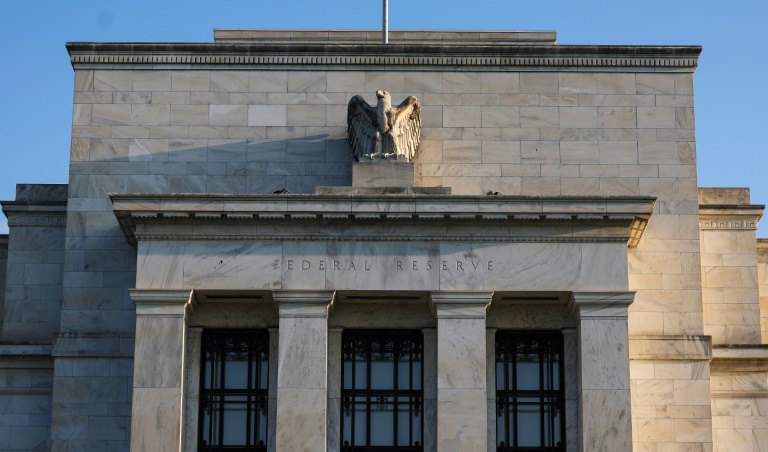
Wall Street pushed higher but European and Asian stock markets dropped Monday as investors looked ahead to interest rate decisions this week from major central banks including the Federal Reserve.

The dollar rose against its main rivals, while oil prices rebounded following sharp falls last week.

Analysts are forecasting the Fed and the European Central Bank to announce smaller rate hikes at their meetings this week compared with recent decisions.

The Bank of England is meanwhile on course for a ninth increase in a row as policymakers try to bring down inflation from the highest levels in decades.

“Following a softer session in Asia, European markets are on edge, opening the week lower ahead of a critical few days for central bank action,” noted Victoria Scholar, head of investment at Interactive Investor.

London, Frankfurt and Paris all closed lower. 

Wall Street pushed higher, however, as bargain hunters moved in following losses at the end of last week.

“The ECB, the Fed and the Bank of England are expected to raise rates by 50 basis points each as the pace of tightening looks set to slow,” Scholar added.

The half-point jumps will still be steep rises, however, as central banks struggle to cool the pace of price increases, particularly regarding energy and food.

Ahead of the Fed’s policy meeting, investors were set to digest US inflation data due Tuesday.

“It will be a fitting hump day on Wednesday, because the (inflation) data and the Fed decision are big humps the market needs to get over if it wants to make a run at a year-end rally,” said market analyst Patrick J. O’Hare at Briefing.com.

“If either, or both, disappoint in a meaningful way, then a year-end rally becomes a more challenging proposition,” he added.

Traders were keeping an eye also on developments in China as it moves away from the zero-Covid policy that has hammered its economy, the world’s second largest after the United States.

The shift comes after widespread protests against the near three-year strategy, though there is concern about the expected spike in infections.

Uncertainty surrounding the strength of China’s demand recovery has hit oil prices hard, with crude futures shedding more than 10 percent last week, but they rebounded on Monday.

“The gradual easing of Chinese Covid restrictions is… expected to lead to a further upswing in demand,” said Susannah Streeter, senior investment and markets analyst at Hargreaves Lansdown.

But investors are wary of whether the relaxation of restrictions will lead to a swift rebound as Covid cases are expected to boom.

“The recent volatility in crude oil highlights the ongoing questions over whether the Chinese economy is truly ready to return or on the cusp of yet another series of restrictions,” said Joshua Mahony, senior market analyst at online trading platform IG.

– Key figures around 1630 GMT –

New York – Dow: UP 0.8 percent at 33,742.91 points

EURO STOXX 50: DOWN 0.5 percent at 3,921.82

London – FTSE 100: DOWN 0.4 percent at 7,445.97 (close) 

Frankfurt – DAX: DOWN 0.5 percent at 14,306.63 (close)

Paris – CAC 40: DOWN 0.4 percent at 6,650.55 (close)

Tokyo – Nikkei 225: DOWN 0.2 percent at 27,842.33 (close)

Hong Kong – Hang Seng Index: DOWN 2.2 percent at 19,463.63 (close)

Shanghai – Composite: DOWN 0.9 percent at 3,179.04 (close)

Euro/dollar: DOWN at $1.0531 from $1.0534 on Friday

Dollar/yen: UP at 137.50 yen from 136.57 yen

Pound/dollar: UP at $1.2260 from $1.2262

Euro/pound: DOWN at 85.87 pence from 85.90 pence

West Texas Intermediate: UP 3.8 percent at $73.73 per barrel

Brent North Sea crude: UP 2.7 percent at $78.17 per barrel

burs-rl/pvh

Stock markets diverge ahead of key rate decisions

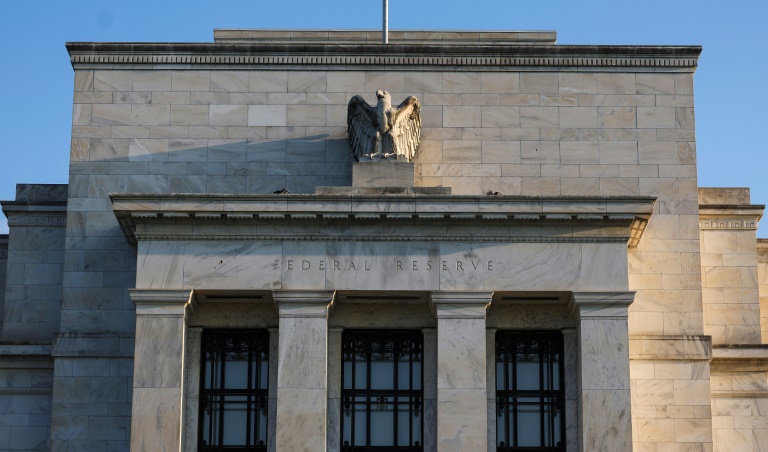
Wall Street pushed higher but European and Asian stock markets dropped Monday as investors looked ahead to interest rate decisions this week from major central banks including the Federal Reserve.

The dollar rose against its main rivals, while oil prices rebounded following sharp falls last week.

Analysts are forecasting the Fed and the European Central Bank to announce smaller rate hikes at their meetings this week compared with recent decisions.

The Bank of England is meanwhile on course for a ninth increase in a row as policymakers try to bring down inflation from the highest levels in decades.

“Following a softer session in Asia, European markets are on edge, opening the week lower ahead of a critical few days for central bank action,” noted Victoria Scholar, head of investment at Interactive Investor.

London, Frankfurt and Paris all closed lower. 

Wall Street pushed higher, however, as bargain hunters moved in following losses at the end of last week.

“The ECB, the Fed and the Bank of England are expected to raise rates by 50 basis points each as the pace of tightening looks set to slow,” Scholar added.

The half-point jumps will still be steep rises, however, as central banks struggle to cool the pace of price increases, particularly regarding energy and food.

Ahead of the Fed’s policy meeting, investors were set to digest US inflation data due Tuesday.

“It will be a fitting hump day on Wednesday, because the (inflation) data and the Fed decision are big humps the market needs to get over if it wants to make a run at a year-end rally,” said market analyst Patrick J. O’Hare at Briefing.com.

“If either, or both, disappoint in a meaningful way, then a year-end rally becomes a more challenging proposition,” he added.

Traders were keeping an eye also on developments in China as it moves away from the zero-Covid policy that has hammered its economy, the world’s second largest after the United States.

The shift comes after widespread protests against the near three-year strategy, though there is concern about the expected spike in infections.

Uncertainty surrounding the strength of China’s demand recovery has hit oil prices hard, with crude futures shedding more than 10 percent last week, but they rebounded on Monday.

“The gradual easing of Chinese Covid restrictions is… expected to lead to a further upswing in demand,” said Susannah Streeter, senior investment and markets analyst at Hargreaves Lansdown.

But investors are wary of whether the relaxation of restrictions will lead to a swift rebound as Covid cases are expected to boom.

“The recent volatility in crude oil highlights the ongoing questions over whether the Chinese economy is truly ready to return or on the cusp of yet another series of restrictions,” said Joshua Mahony, senior market analyst at online trading platform IG.

– Key figures around 1630 GMT –

New York – Dow: UP 0.8 percent at 33,742.91 points

EURO STOXX 50: DOWN 0.5 percent at 3,921.82

London – FTSE 100: DOWN 0.4 percent at 7,445.97 (close) 

Frankfurt – DAX: DOWN 0.5 percent at 14,306.63 (close)

Paris – CAC 40: DOWN 0.4 percent at 6,650.55 (close)

Tokyo – Nikkei 225: DOWN 0.2 percent at 27,842.33 (close)

Hong Kong – Hang Seng Index: DOWN 2.2 percent at 19,463.63 (close)

Shanghai – Composite: DOWN 0.9 percent at 3,179.04 (close)

Euro/dollar: DOWN at $1.0531 from $1.0534 on Friday

Dollar/yen: UP at 137.50 yen from 136.57 yen

Pound/dollar: UP at $1.2260 from $1.2262

Euro/pound: DOWN at 85.87 pence from 85.90 pence

West Texas Intermediate: UP 3.8 percent at $73.73 per barrel

Brent North Sea crude: UP 2.7 percent at $78.17 per barrel

burs-rl/pvh

Stock markets diverge ahead of key rate decisions

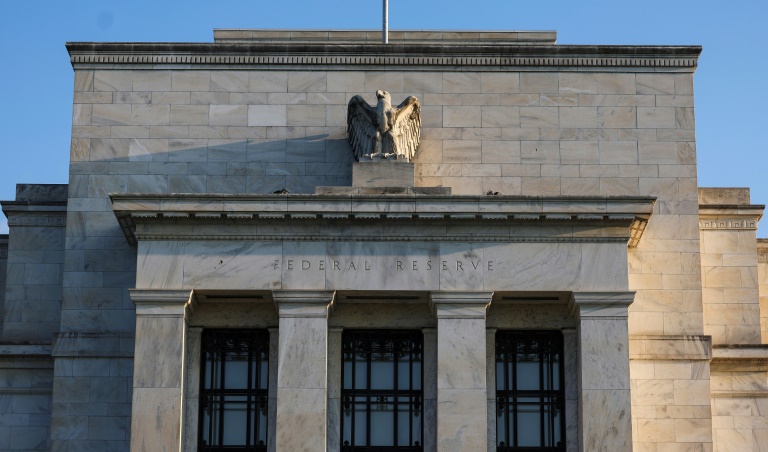
Wall Street pushed higher but European and Asian stock markets dropped Monday as investors looked ahead to interest rate decisions this week from major central banks including the Federal Reserve.

The dollar rose against its main rivals, while oil prices rebounded following sharp falls last week.

Analysts are forecasting the Fed and the European Central Bank to announce smaller rate hikes at their meetings this week compared with recent decisions.

The Bank of England is meanwhile on course for a ninth increase in a row as policymakers try to bring down inflation from the highest levels in decades.

“Following a softer session in Asia, European markets are on edge, opening the week lower ahead of a critical few days for central bank action,” noted Victoria Scholar, head of investment at Interactive Investor.

London, Frankfurt and Paris all closed lower. 

Wall Street pushed higher, however, as bargain hunters moved in following losses at the end of last week.

“The ECB, the Fed and the Bank of England are expected to raise rates by 50 basis points each as the pace of tightening looks set to slow,” Scholar added.

The half-point jumps will still be steep rises, however, as central banks struggle to cool the pace of price increases, particularly regarding energy and food.

Ahead of the Fed’s policy meeting, investors were set to digest US inflation data due Tuesday.

“It will be a fitting hump day on Wednesday, because the (inflation) data and the Fed decision are big humps the market needs to get over if it wants to make a run at a year-end rally,” said market analyst Patrick J. O’Hare at Briefing.com.

“If either, or both, disappoint in a meaningful way, then a year-end rally becomes a more challenging proposition,” he added.

Traders were keeping an eye also on developments in China as it moves away from the zero-Covid policy that has hammered its economy, the world’s second largest after the United States.

The shift comes after widespread protests against the near three-year strategy, though there is concern about the expected spike in infections.

Uncertainty surrounding the strength of China’s demand recovery has hit oil prices hard, with crude futures shedding more than 10 percent last week, but they rebounded on Monday.

“The gradual easing of Chinese Covid restrictions is… expected to lead to a further upswing in demand,” said Susannah Streeter, senior investment and markets analyst at Hargreaves Lansdown.

But investors are wary of whether the relaxation of restrictions will lead to a swift rebound as Covid cases are expected to boom.

“The recent volatility in crude oil highlights the ongoing questions over whether the Chinese economy is truly ready to return or on the cusp of yet another series of restrictions,” said Joshua Mahony, senior market analyst at online trading platform IG.

– Key figures around 1630 GMT –

New York – Dow: UP 0.8 percent at 33,742.91 points

EURO STOXX 50: DOWN 0.5 percent at 3,921.82

London – FTSE 100: DOWN 0.4 percent at 7,445.97 (close) 

Frankfurt – DAX: DOWN 0.5 percent at 14,306.63 (close)

Paris – CAC 40: DOWN 0.4 percent at 6,650.55 (close)

Tokyo – Nikkei 225: DOWN 0.2 percent at 27,842.33 (close)

Hong Kong – Hang Seng Index: DOWN 2.2 percent at 19,463.63 (close)

Shanghai – Composite: DOWN 0.9 percent at 3,179.04 (close)

Euro/dollar: DOWN at $1.0531 from $1.0534 on Friday

Dollar/yen: UP at 137.50 yen from 136.57 yen

Pound/dollar: UP at $1.2260 from $1.2262

Euro/pound: DOWN at 85.87 pence from 85.90 pence

West Texas Intermediate: UP 3.8 percent at $73.73 per barrel

Brent North Sea crude: UP 2.7 percent at $78.17 per barrel

burs-rl/pvh

US biopharma firm Amgen to acquire Horizon Therapeutics for $28 bn

US biopharmaceutical firm Amgen said Monday it has reached agreement to acquire Horizon Therapeutics, which specializes in medicine for rare and auto-immune diseases, for $27.8 billion.

The California-based company said it will pay cash to the tune of $116.50 a share in Horizon Therapeutics, a 20 percent premium over Horizon’s closing price Friday on Wall Street, in what would be the biggest deal of the year in the health sector.

The bid will be financed through a bank lending facility. 

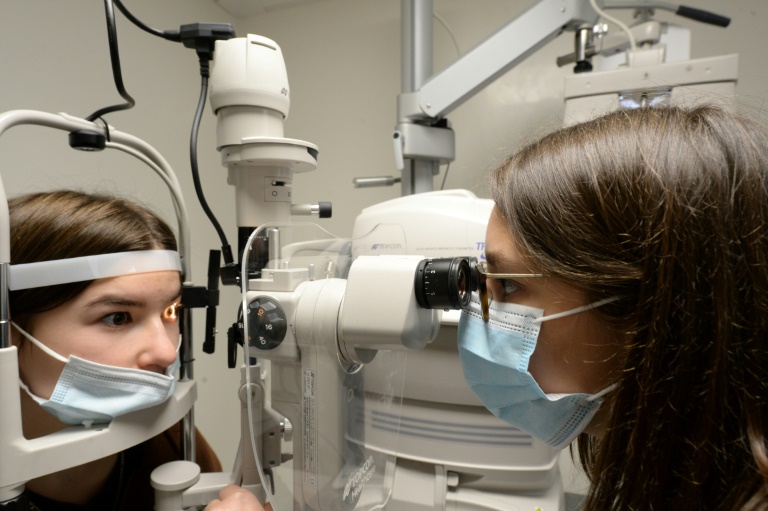
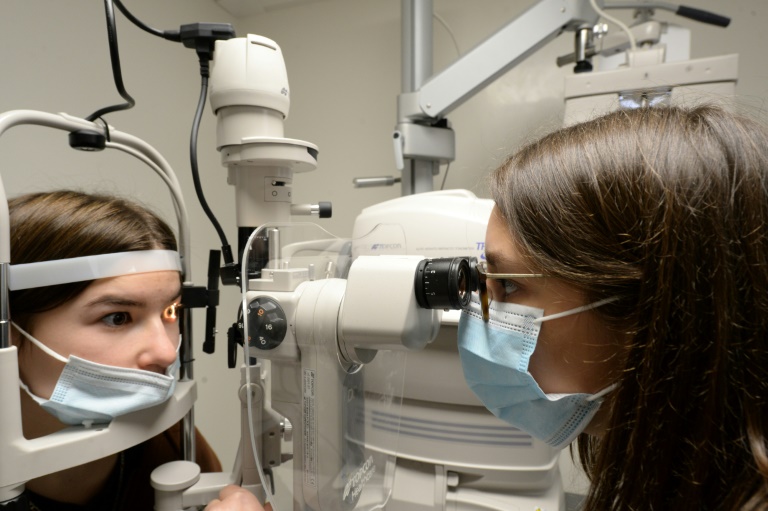
Founded in 2005, Horizon Therapeutics develops and markets drugs for rare, auto-immune and inflammatory illnesses. It is best known for making Tepezza, which is used to treat thyroid eye disease, the symptoms of which include eye pain, redness and swelling.

Amgen said the deal would strengthen its drug portfolio, while positioning Horizon’s products through its global commercial and manufacturing network.

“The acquisition of Horizon is a compelling opportunity for Amgen and one that is consistent with our strategy of delivering long-term growth by providing innovative medicines that address the needs of patients who suffer from serious diseases,” Amgen CEO Robert Bradway said.

The deal is subject to approval by antitrust regulators in the United States, Austria and Germany, as well as the approval of the Irish High Court. If all goes well, the deal should  be concluded in the first half of 2023, Amgen said.

Shares of Horizon surged nearly 15 percent to $111.70 in mid-morning trading, while Amgen dropped 1.2 percent to $275.44.

Horizon is based in Ireland, but trades in New York.

Responding to an article in The Wall Street Journal, Horizon Therapeutics said last month it was in preliminary talks with Amgen, but also with Johnson & Johnson and French company Sanofi.

Sanofi said Sunday it ended discussions with Horizon after concluding the transaction prices “do not meet our value criteria.”

J&J also said in early December that it had dropped its pursuit of the deal.

– ‘Solid portfolio’ –

The transaction shows “Big Pharma will pay top dollar for a solid portfolio and pipeline in therapeutics for rare diseases,” where the competitive landscape is “generally much less crowded,” said Derren Nathan, head of equity research at Hargreaves Lansdown in Britain.

“With AstraZeneca’s acquisition of Alexion still fresh in the mind, the trend for consolidation is clear but the universe of large specialists in the space is dwindling, so further deals may be more bite-sized and opportunistic,” Nathan added.

Sales of Tepezza came in at $491 million in the third quarter and $1.7 billion for all of 2021, more than half of Horizon’s total revenues.

Other major Horizon products include Krystexxa, which treats chronic gout; Ravicti, which treats urea disorders; and Uplizna, which treats an autoimmune disease.

“In nearly 15 years, we have built one of the fastest-growing and most respected companies in the biotechnology industry from the ground up,” said Horizon Chief Executive Tim Walbert.

“Amgen is aligned with that commitment and passion and will continue to maximise the value of the current portfolio and pipeline and accelerate the ability to reach more patients globally.”

Amgen’s portfolio also includes an autoimmune treatment, Enbrel, but sales have fallen in recent quarters.

Pharma analysts note that Amgen’s revenue outlook has been clouded by upcoming patent expirations for key drugs such as Prolia, which treats osteoporosis, and Otezla, which treats psoriasis and psoriatic arthritis.

“Our focus is on long-term growth,” Bradway said of the patent outlook. “We’re not trying to solve for the short- or medium-term, but rather we’re trying to invest capital in order to generate long-term returns for our shareholders.”

“And we think this transaction is consistent with that objective.”

US biopharma firm Amgen to acquire Horizon Therapeutics for $28 bn

US biopharmaceutical firm Amgen said Monday it has reached agreement to acquire Horizon Therapeutics, which specializes in medicine for rare and auto-immune diseases, for $27.8 billion.

The California-based company said it will pay cash to the tune of $116.50 a share in Horizon Therapeutics, a 20 percent premium over Horizon’s closing price Friday on Wall Street, in what would be the biggest deal of the year in the health sector.

The bid will be financed through a bank lending facility. 

Founded in 2005, Horizon Therapeutics develops and markets drugs for rare, auto-immune and inflammatory illnesses. It is best known for making Tepezza, which is used to treat thyroid eye disease, the symptoms of which include eye pain, redness and swelling.

Amgen said the deal would strengthen its drug portfolio, while positioning Horizon’s products through its global commercial and manufacturing network.

“The acquisition of Horizon is a compelling opportunity for Amgen and one that is consistent with our strategy of delivering long-term growth by providing innovative medicines that address the needs of patients who suffer from serious diseases,” Amgen CEO Robert Bradway said.

The deal is subject to approval by antitrust regulators in the United States, Austria and Germany, as well as the approval of the Irish High Court. If all goes well, the deal should  be concluded in the first half of 2023, Amgen said.

Shares of Horizon surged nearly 15 percent to $111.70 in mid-morning trading, while Amgen dropped 1.2 percent to $275.44.

Horizon is based in Ireland, but trades in New York.

Responding to an article in The Wall Street Journal, Horizon Therapeutics said last month it was in preliminary talks with Amgen, but also with Johnson & Johnson and French company Sanofi.

Sanofi said Sunday it ended discussions with Horizon after concluding the transaction prices “do not meet our value criteria.”

J&J also said in early December that it had dropped its pursuit of the deal.

– ‘Solid portfolio’ –

The transaction shows “Big Pharma will pay top dollar for a solid portfolio and pipeline in therapeutics for rare diseases,” where the competitive landscape is “generally much less crowded,” said Derren Nathan, head of equity research at Hargreaves Lansdown in Britain.

“With AstraZeneca’s acquisition of Alexion still fresh in the mind, the trend for consolidation is clear but the universe of large specialists in the space is dwindling, so further deals may be more bite-sized and opportunistic,” Nathan added.

Sales of Tepezza came in at $491 million in the third quarter and $1.7 billion for all of 2021, more than half of Horizon’s total revenues.

Other major Horizon products include Krystexxa, which treats chronic gout; Ravicti, which treats urea disorders; and Uplizna, which treats an autoimmune disease.

“In nearly 15 years, we have built one of the fastest-growing and most respected companies in the biotechnology industry from the ground up,” said Horizon Chief Executive Tim Walbert.

“Amgen is aligned with that commitment and passion and will continue to maximise the value of the current portfolio and pipeline and accelerate the ability to reach more patients globally.”

Amgen’s portfolio also includes an autoimmune treatment, Enbrel, but sales have fallen in recent quarters.

Pharma analysts note that Amgen’s revenue outlook has been clouded by upcoming patent expirations for key drugs such as Prolia, which treats osteoporosis, and Otezla, which treats psoriasis and psoriatic arthritis.

“Our focus is on long-term growth,” Bradway said of the patent outlook. “We’re not trying to solve for the short- or medium-term, but rather we’re trying to invest capital in order to generate long-term returns for our shareholders.”

“And we think this transaction is consistent with that objective.”

Musk to relaunch Twitter plan after fake account fiasco

Twitter owner Elon Musk was set to relaunch a subscription service on Monday after a first attempt saw an embarrassing spate of fake accounts that scared advertisers and created doubt on the site’s future.

The first try last month came just 10  days after Musk’s $44 billion takeover of the influential platform and a mass round of layoffs that saw company staff levels halved, including teams of workers moderating content.

The relaunch of Twitter Blue comes as the Tesla and SpaceX owner has stepped up his tweets endorsing right-wing causes, including against the use of gender neutral pronouns and the US government’s response to Covid-19.

The first rollout of the subscription plan caused an uproar when many fake accounts popped up pretending to be celebrities or companies and Musk’s team was forced to swiftly suspend the rollout.

This time, the company said that starting Monday subscribers would be required to be reviewed by Twitter before receiving the coveted blue check mark.

The checkmark will become gold for businesses and, later in the week, gray for government organizations, it added.

A blue checkmark on an account, which indicates it has been verified by Twitter, was previously free but reserved for organizations and public figures in an attempt to avoid impersonation and misinformation.

As of 1600 GMT, the new version had yet to go live on the Twitter website.

In the US relaunch, the Twitter Blue subscription service will cost $8 per month for users accessing Twitter on the web and $11 for those signing up on an Apple device.

The extra price for iPhone users could be explained by Musk’s anger that Apple charges up to 30 percent service fee on the app store while banning other payment methods.

– ‘One more lockdown’ – 

Since his takeover, content moderation has proved to be a huge headache for Musk, who has described himself as a free speech absolutist and vowed to free up most forms of censorship on the site.

But Musk’s free speech commitment has spooked away major advertisers, caught the attention of regulators and briefly challenged the company’s access to the Apple app store.

Musk believes that the previous ownership of Twitter held a strong left-wing and pro-LGBT bias and unfairly banned accounts, including that of former president Donald Trump.

On Sunday he also lashed out against the outgoing key advisor of the US response to the Covid-19 pandemic, Anthony Fauci, a frequent target of vitriol on right-wing media.

Musk posted a meme showing Fauci telling US President Joe Biden, “Just one more lockdown, my king…”

Early in the pandemic, Musk tweeted that concern over the virus was “dumb” and since taking over Twitter has removed its policy targeting Covid misinformation.

His embrace of right-wing talking points seemed to attract increasing scorn in San Francisco, a politically liberal city and the headquarters for Twitter.

Musk was loudly booed by a crowd in San Francisco on Sunday night after he was invited on stage by comedian Dave Chappelle.

“It’s almost as if I’ve offended San Francisco’s unhinged leftists … but nahhh,” Musk tweeted after the event.

Close Bitnami banner
Bitnami