AFP

Stock markets begin week lower ahead of key rate decisions

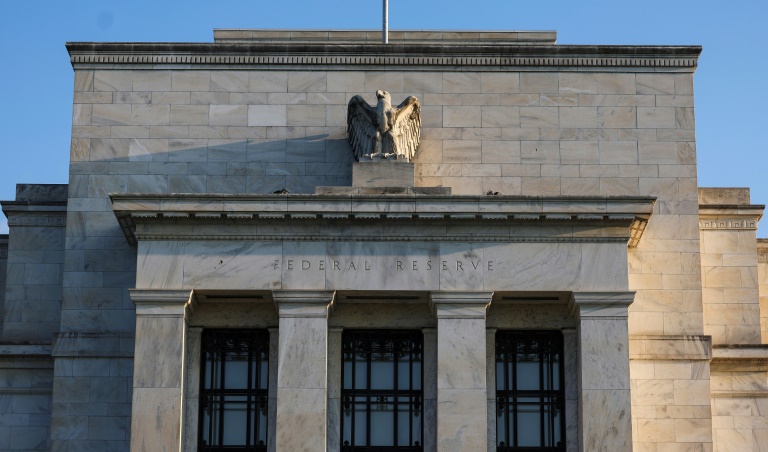
European stock markets dropped Monday following losses in Asia, as investors looked ahead to interest rate decisions this week from major central banks including the Federal Reserve.

The dollar traded mixed against its main rivals, while oil prices retreated further following sharp falls last week.

Analysts are forecasting the Fed and the European Central Bank to announce smaller rate hikes at their meetings this week compared with recent decisions.

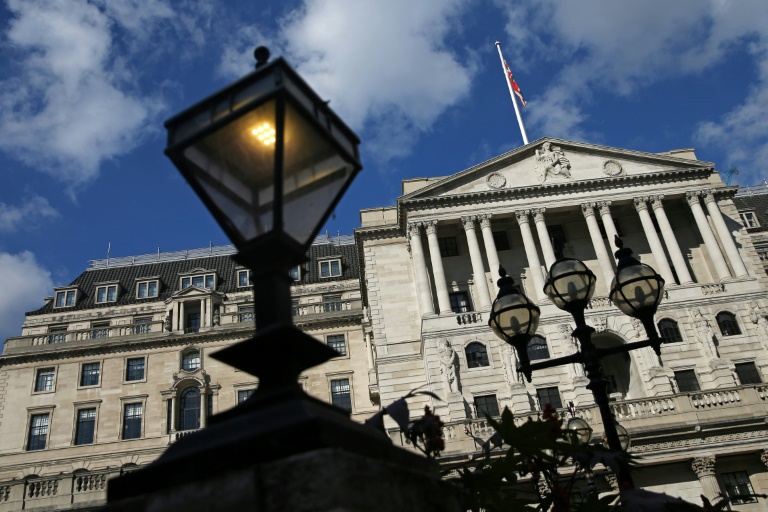
The Bank of England is meanwhile on course for a ninth increase in a row as policymakers try to bring down inflation from the highest levels in decades.

“Following a softer session in Asia, European markets are on edge, opening the week lower ahead of a critical few days for central bank action,” noted Victoria Scholar, head of investment at Interactive Investor. 

“The ECB, the Fed and the Bank of England are expected to raise rates by 50 basis points each as the pace of tightening looks set to slow.”

The half-point jumps will still be steep rises, however, as central banks struggle to cool the pace of price increases, particularly regarding energy and food.

Ahead of the Fed’s policy meeting, investors were set to digest US inflation data due Monday.

Traders were keeping an eye also on developments in China as it moves away from the zero-Covid policy that has hammered its economy, the world’s second largest after the United States.

The shift comes after widespread protests against the near three-year strategy, though there is concern about the expected spike in infections.

Uncertainty surrounding the strength of China’s demand recovery has hit oil prices hard, with crude futures shedding more than 10 percent last week.

“The gradual easing of Chinese Covid restrictions is… expected to lead to a further upswing in demand,” said Susannah Streeter, senior investment and markets analyst at Hargreaves Lansdown.

“However, concerns about the rapid spread of the virus remain, and China will have a tough fight on its hands, dealing with an expected explosion of infections while trying to open up the economy.”

– Key figures around 1200 GMT –

London – FTSE 100: DOWN 0.2 percent at 7,462.48 points

Frankfurt – DAX: DOWN 0.3 percent at 14,329.81

Paris – CAC 40: DOWN 0.3 percent at 6,659.99

EURO STOXX 50: DOWN 0.4 percent at 3,926.69

Tokyo – Nikkei 225: DOWN 0.2 percent at 27,842.33 (close)

Hong Kong – Hang Seng Index: DOWN 2.2 percent at 19,463.63 (close)

Shanghai – Composite: DOWN 0.9 percent at 3,179.04 (close)

New York – Dow: DOWN 0.9 percent at 33,476.46 (close)

Euro/dollar: UP at $1.0570 from $1.0534 on Friday

Dollar/yen: UP at 136.84 yen from 136.57 yen

Pound/dollar: UP at $1.2275 from $1.2262

Euro/pound: UP at 86.13 pence from 85.90 pence

West Texas Intermediate: DOWN 0.7 percent at $70.55 per barrel

Brent North Sea crude: DOWN 0.9 percent at $75.44 per barrel
Stock markets begin week lower ahead of key rate decisions

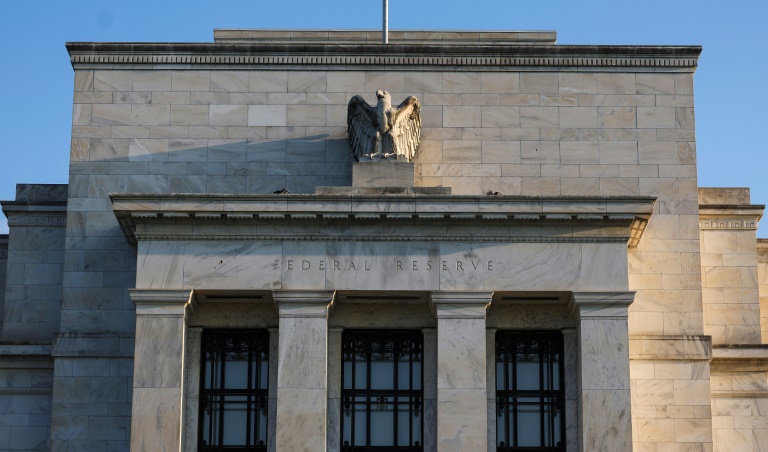
European stock markets dropped Monday following losses in Asia, as investors looked ahead to interest rate decisions this week from major central banks including the Federal Reserve.

The dollar traded mixed against its main rivals, while oil prices retreated further following sharp falls last week.

Analysts are forecasting the Fed and the European Central Bank to announce smaller rate hikes at their meetings this week compared with recent decisions.

The Bank of England is meanwhile on course for a ninth increase in a row as policymakers try to bring down inflation from the highest levels in decades.

“Following a softer session in Asia, European markets are on edge, opening the week lower ahead of a critical few days for central bank action,” noted Victoria Scholar, head of investment at Interactive Investor. 

“The ECB, the Fed and the Bank of England are expected to raise rates by 50 basis points each as the pace of tightening looks set to slow.”

The half-point jumps will still be steep rises, however, as central banks struggle to cool the pace of price increases, particularly regarding energy and food.

Ahead of the Fed’s policy meeting, investors were set to digest US inflation data due Monday.

Traders were keeping an eye also on developments in China as it moves away from the zero-Covid policy that has hammered its economy, the world’s second largest after the United States.

The shift comes after widespread protests against the near three-year strategy, though there is concern about the expected spike in infections.

Uncertainty surrounding the strength of China’s demand recovery has hit oil prices hard, with crude futures shedding more than 10 percent last week.

“The gradual easing of Chinese Covid restrictions is… expected to lead to a further upswing in demand,” said Susannah Streeter, senior investment and markets analyst at Hargreaves Lansdown.

“However, concerns about the rapid spread of the virus remain, and China will have a tough fight on its hands, dealing with an expected explosion of infections while trying to open up the economy.”

– Key figures around 1200 GMT –

London – FTSE 100: DOWN 0.2 percent at 7,462.48 points

Frankfurt – DAX: DOWN 0.3 percent at 14,329.81

Paris – CAC 40: DOWN 0.3 percent at 6,659.99

EURO STOXX 50: DOWN 0.4 percent at 3,926.69

Tokyo – Nikkei 225: DOWN 0.2 percent at 27,842.33 (close)

Hong Kong – Hang Seng Index: DOWN 2.2 percent at 19,463.63 (close)

Shanghai – Composite: DOWN 0.9 percent at 3,179.04 (close)

New York – Dow: DOWN 0.9 percent at 33,476.46 (close)

Euro/dollar: UP at $1.0570 from $1.0534 on Friday

Dollar/yen: UP at 136.84 yen from 136.57 yen

Pound/dollar: UP at $1.2275 from $1.2262

Euro/pound: UP at 86.13 pence from 85.90 pence

West Texas Intermediate: DOWN 0.7 percent at $70.55 per barrel

Brent North Sea crude: DOWN 0.9 percent at $75.44 per barrel
Three boys die after falling into frozen lake in UK: police

Three boys aged eight, 10 and 11 have died and another boy remains in critical condition after they fell into an icy lake near Birmingham, central England, police said Monday.

“Three boys have tragically died after falling into the lake at Babbs Mill Park in Solihull yesterday afternoon,” West Midlands Police said in a statement.

The boys suffered cardiac arrest and were rushed to hospital after being pulled from the water.

“Sadly, they could not be revived and our thoughts are with their family and friends at this deeply devastating time,” said police.

“A fourth boy, aged six, remains in a critical condition in hospital.”

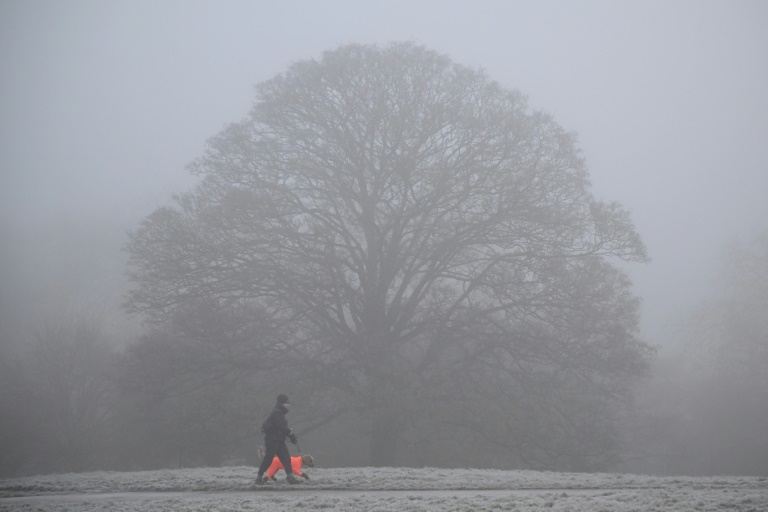
Witnesses reported seeing other children on the lake, which froze during a cold snap that has hit swathes of the country. 

“Searches of the lake are continuing as we seek to establish exactly what happened and if anyone else fell into the water,” added police.

The incident came as the UK was hit by heavy snow and freezing conditions, causing major travel disruption, on the eve of a national rail strike Tuesday that was already expected to bring the country to a grinding halt.

– Arctic blast –

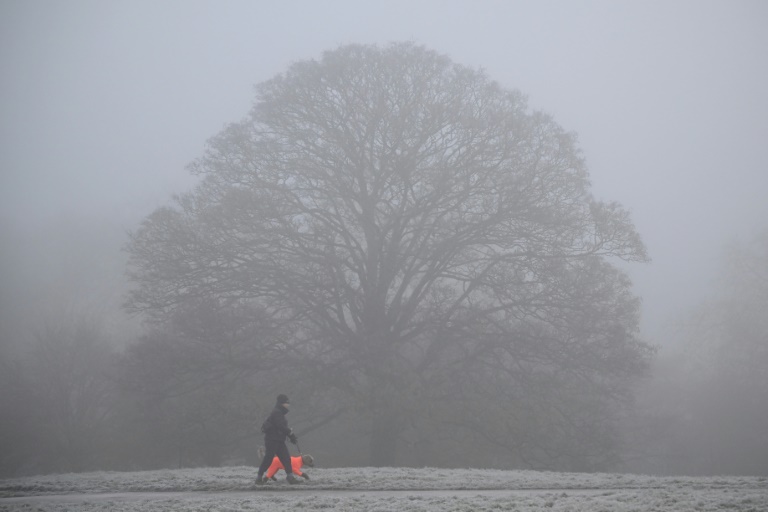
The UK has been experiencing a cold snap for several days, with temperatures dropping to -10 Celsius degrees (14 Fahrenheit) in some areas, although the Met Office said the temperatures were “not unusual for this time of year”. 

The service has issued yellow alerts for snow, fog and frost in several areas, including southeast and southwest England, and the north of Scotland.

London Stansted airport warned of disruption. 

“Our runway is temporarily closed whilst we undertake snow clearing,” it said late Sunday, with many flights cancelled early Monday.

The airport later said that the runway was open and fully operational, but that travellers should still brace for delays.

The airport is a main hub of budget airline Ryanair, which also cautioned about disruption to its flights at Gatwick, south of London.

“Due to ongoing severe snowy weather across the UK, runaways at both Stansted and Gatwick have been temporarily closed tonight (11 December),  disrupting all flights scheduled to depart Stansted/Gatwick during this temporary closure period,” it said.

Dozens of stranded passengers posted videos on social media showing snow-covered runways and planes stuck on the ground.

More than 50 flights were also cancelled on Sunday at Heathrow, the UK’s largest airport, due to freezing fog. 

Train and bus services in London were also severely affected after the dump of around four inches (10 centimetres) of snow overnight, which also forced the closure of parts of the M25 orbital road around the capital, the country’s busiest motorway.

Some schools were also shut.

Macron postpones French pension overhaul to January

French President Emmanuel Macron said Monday that he was pushing back his presentation of a major pensions overhaul denounced by labour unions, citing recent leadership changes at two opposition parties.

Both the Greens and the right-wing Republicans have elected new chiefs, and Macron said he would consult with them before unveiling details of the major reform on January 10, instead of Thursday as planned.

“This will give a few more weeks for those… who have taken over to discuss some of the key elements of the reform with the government,” Macron said during the latest gathering of his so-called “national refoundation council.”

Macron says the retirement age needs to be extended to 64 or 65, from 62 currently — one of the lowest ages in the EU — in order to finance the pay-as-you-go system as more people live longer and enter the workforce later.

The system is likely to have a surplus of 3.2 billion euros this year, according to a September report from the government’s pensions advisory board (COR), but is forecast to fall into structural deficits in coming decades unless new financing sources are found.

Macron has also promised to streamline the country’s 42 separate pension regimes, which offer early retirement and other benefits mainly to public-sector workers.

There has been bitter opposition to the planned reform, which has been one of Macron’s long-standing targets in power.

Unions staged huge protests and strikes when the reform was first attempted two years ago, before the government abandoned it as the Covid-19 crisis engulfed the world in early 2020.

Macron’s overhaul would be the most extensive in a series of pension reforms enacted by successive governments on both the left and right in recent decades aiming to end budget shortfalls.

Britain stuck on recession path despite growth rebound

Britain’s economy remains on course for a long-lasting recession on fallout from the highest inflation in decades, analysts said on Monday, even if official data showed growth in October.

Gross domestic product rebounded 0.5 percent in the month, the Office for National Statistics (ONS) said. GDP had dropped 0.6 percent in September, in part owing to businesses closing for the funeral of Queen Elizabeth II.

ONS director of economic statistics, Darren Morgan, said the economy was helped in October especially by car sales which “rebounded after a very poor September, while the health sector also saw a strong month”.

Despite the rebound, Britain’s finance minister Jeremy Hunt spoke of “a tough road ahead”. 

“High inflation, exacerbated by (Russian President Vladimir) Putin’s illegal war, is slowing growth across the world, with the IMF predicting a third of the world economy will be in recession this year or next,” he said in a statement.

The UK government and Bank of England have each said they believe Britain is already in a recession that the BoE expects to last all next year. 

The main reason for the bleak outlook is fallout from British inflation, which at above 11 percent is the country’s highest level in more than 40 years.

Britons are seeing their wages squeezed, triggering mass strike action by public and private sector workers across the UK.  

Energy bills and food prices have rocketed this year on supply constraints caused by Russia’s invasion of Ukraine and the reopening of economies from pandemic lockdowns.

Britain’s economy has further been hit by recent political turmoil and surging interest rates to try and cool inflation.

– Rate hikes –

The Bank of England is on Thursday expected to raise its main interest rate for a ninth meeting in a row.

“The surprisingly strong rise (in October GDP) could tilt the Bank of England towards another bumper 75 basis-points interest rate hike… depending on the labour market and inflation data on Tuesday and Wednesday,” noted Ruth Gregory, senior economist at Capital Economics.

Analysts are forecasting the Federal Reserve and European Central Bank to announce smaller rate hikes at their meetings this week compared with recent decisions.

“Monetary policy conditions are set to tighten further, with the Bank of England likely to raise its policy rate by 50 basis points to 3.5 percent this week and then to a peak of 4.0 percent in February 2023,” forecast Raj Badiani, principal economist at S&P Global Market Intelligence.

“The return to growth in October was expected and supports our assessment that the anticipated recession is likely to be shallow at first before deepening in early 2023.” 

He added, however, that data showing “the economy faltering in the three months to October suggests the recession appeared to start in the third quarter of 2022, (and)… is expected to last for four quarters”.

The BoE has also said Brexit is hurting the UK economy, with the country’s departure from the European Union hitting trade.

burs-bcp/rfj/raz

Four children 'critical' in hospital as UK hit by Arctic weather

Four children were fighting for their lives on Monday, after being pulled from an icy lake as an Arctic blast sent temperatures tumbling across the UK.

The youngsters were reported to have been playing on frozen ice near Birmingham, central England, on Sunday afternoon, when it gave way and they fell in.

Emergency services said the children went into cardiac arrest when they were rescued and were taken to hospital in a critical condition.

The incident came as the UK was hit by heavy snow and freezing conditions, causing major travel disruption, on the eve of a national rail strike Tuesday that was already expected to bring the country to a grinding halt.

London Stansted airport warned of disruption. 

“Our runway is temporarily closed whilst we undertake snow clearing,” it added, with many flights cancelled early Monday.

The airport is a main hub of budget airline Ryanair, which also cautioned about disruption to its flights at Gatwick, south of London.

“Due to ongoing severe snowy weather across the UK, runaways at both Stansted and Gatwick have been temporarily closed tonight (11 December),  disrupting all flights scheduled to depart Stansted/Gatwick during this temporary closure period,” it said.

Both airports were open on Monday, but passengers were told to brace for delays.

Dozens of stranded passengers posted videos on social media showing snow-covered runways and planes stuck on the ground.

More than 50 flights were also cancelled on Sunday at Heathrow, the UK’s largest airport, due to freezing fog. 

Train and bus services in London were also severely affected after the dump of around four inches (10 centimetres) of snow overnight, which also forced the closure of parts of the M25 orbital route around the capital, the country’s busiest motorway.

Some schools were also shut.

The UK has been experiencing a cold snap for several days, with temperatures dropping to -10 Celsius degrees (14 Fahrenheit) in some areas, although the Met Office said the temperatures were “not unusual for this time of year”. 

The service has issued yellow alerts for snow, fog and frost in several areas, including southeast and southwest England, and the north of Scotland.

Four children 'critical' in hospital as UK hit by Arctic weather

Four children were fighting for their lives on Monday, after being pulled from an icy lake as an Arctic blast sent temperatures tumbling across the UK.

The youngsters were reported to have been playing on frozen ice near Birmingham, central England, on Sunday afternoon, when it gave way and they fell in.

Emergency services said the children went into cardiac arrest when they were rescued and were taken to hospital in a critical condition.

The incident came as the UK was hit by heavy snow and freezing conditions, causing major travel disruption, on the eve of a national rail strike Tuesday that was already expected to bring the country to a grinding halt.

London Stansted airport warned of disruption. 

“Our runway is temporarily closed whilst we undertake snow clearing,” it added, with many flights cancelled early Monday.

The airport is a main hub of budget airline Ryanair, which also cautioned about disruption to its flights at Gatwick, south of London.

“Due to ongoing severe snowy weather across the UK, runaways at both Stansted and Gatwick have been temporarily closed tonight (11 December),  disrupting all flights scheduled to depart Stansted/Gatwick during this temporary closure period,” it said.

Both airports were open on Monday, but passengers were told to brace for delays.

Dozens of stranded passengers posted videos on social media showing snow-covered runways and planes stuck on the ground.

More than 50 flights were also cancelled on Sunday at Heathrow, the UK’s largest airport, due to freezing fog. 

Train and bus services in London were also severely affected after the dump of around four inches (10 centimetres) of snow overnight, which also forced the closure of parts of the M25 orbital route around the capital, the country’s busiest motorway.

Some schools were also shut.

The UK has been experiencing a cold snap for several days, with temperatures dropping to -10 Celsius degrees (14 Fahrenheit) in some areas, although the Met Office said the temperatures were “not unusual for this time of year”. 

The service has issued yellow alerts for snow, fog and frost in several areas, including southeast and southwest England, and the north of Scotland.

Stock markets track Wall St down on inflation fears

Equity markets dropped and the dollar edged up Monday after a forecast-beating US inflation reading dampened hopes for a more dovish tilt by the Federal Reserve in its battle against soaring prices.

The producer price index reading for November followed data showing the jobs market remained tight, suggesting the central bank would likely need to keep hiking interest rates.

Investors are now looking to the release later on Monday of key consumer price index figures, which comes ahead of the Fed’s next policy meeting.

A below-forecast print for October’s CPI sparked a rally on markets last month as investors bet on a shorter pace of rate hikes, though concerns about a recession continue to weigh on sentiment.

“An ominous feeling is consuming markets ahead of this week’s crucial CPI report and (Fed policy) meeting,” said Stephen Innes at SPI Asset Management.

“While headline inflation continues to drop, the top-side beat on PPI expectations suggests that while inflation might climb down the mountain, the slope remains very uncertain.”

Policy decisions in the United Kingdom, the European Union and several other economies are also due this week.

All three main indexes on Wall Street fell Friday, and Asia followed suit.

Hong Kong led the way down — shedding more than two percent — having surged last week, while Tokyo, Shanghai, Sydney, Seoul, Singapore, Taipei and Wellington were also in the red.

London opened lower even as data showed the UK economy grew more than expected in October. Paris and Frankfurt also slipped.

The dollar extended Friday’s gains against most of its peers, having surged for much of the year owing to the Fed’s sharp rate hikes.

Chris Weston, at Pepperstone Group, added that should core consumer prices go above 6.3 percent “then the US dollar should rally hard, and equity should find decent sellers”. 

“Conversely, a read below six percent would be a surprise and the US dollar bears should find comfort in that.”

Investors are also keeping an eye on developments in China as it moves away from the zero-Covid policy that has hammered its economy, the world’s second-largest.

The shift comes after widespread protests against the near three-year strategy, though there is concern about the expected spike in infections.

“One official was quoted as saying the mortality rate from Omicron is around 0.1 percent, similar to the common flu and that most people recover within 7-10 days,” said National Australia Bank’s Tapas Strickland.

“The change in language continues the tentative pivot from China over the past few weeks, both in rhetoric around the virus, and also in the easing of restrictions.”

– Key figures around 0820 GMT –

Tokyo – Nikkei 225: DOWN 0.2 percent at 27,842.33 (close)

Hong Kong – Hang Seng Index: DOWN 2.2 percent at 19,463.63 (close)

Shanghai – Composite: DOWN 0.9 percent at 3,179.04 (close)

London – FTSE 100: DOWN 0.3 percent at 7,353.72

Euro/dollar: DOWN at $1.0526 from $1.0534 on Friday

Dollar/yen: UP at 136.74 yen from 136.57 yen

Pound/dollar: DOWN at $1.2243 from $1.2262

Euro/pound: UP at 85.94 pence from 85.90 pence

West Texas Intermediate: UP 0.7 percent at $71.53 per barrel

Brent North Sea crude: UP 0.5 percent at $76.47 per barrel

New York – Dow: DOWN 0.9 percent at 33,476.46 (close)

Stock markets track Wall St down on inflation fears

Equity markets dropped and the dollar edged up Monday after a forecast-beating US inflation reading dampened hopes for a more dovish tilt by the Federal Reserve in its battle against soaring prices.

The producer price index reading for November followed data showing the jobs market remained tight, suggesting the central bank would likely need to keep hiking interest rates.

Investors are now looking to the release later on Monday of key consumer price index figures, which comes ahead of the Fed’s next policy meeting.

A below-forecast print for October’s CPI sparked a rally on markets last month as investors bet on a shorter pace of rate hikes, though concerns about a recession continue to weigh on sentiment.

“An ominous feeling is consuming markets ahead of this week’s crucial CPI report and (Fed policy) meeting,” said Stephen Innes at SPI Asset Management.

“While headline inflation continues to drop, the top-side beat on PPI expectations suggests that while inflation might climb down the mountain, the slope remains very uncertain.”

Policy decisions in the United Kingdom, the European Union and several other economies are also due this week.

All three main indexes on Wall Street fell Friday, and Asia followed suit.

Hong Kong led the way down — shedding more than two percent — having surged last week, while Tokyo, Shanghai, Sydney, Seoul, Singapore, Taipei and Wellington were also in the red.

London opened lower even as data showed the UK economy grew more than expected in October. Paris and Frankfurt also slipped.

The dollar extended Friday’s gains against most of its peers, having surged for much of the year owing to the Fed’s sharp rate hikes.

Chris Weston, at Pepperstone Group, added that should core consumer prices go above 6.3 percent “then the US dollar should rally hard, and equity should find decent sellers”. 

“Conversely, a read below six percent would be a surprise and the US dollar bears should find comfort in that.”

Investors are also keeping an eye on developments in China as it moves away from the zero-Covid policy that has hammered its economy, the world’s second-largest.

The shift comes after widespread protests against the near three-year strategy, though there is concern about the expected spike in infections.

“One official was quoted as saying the mortality rate from Omicron is around 0.1 percent, similar to the common flu and that most people recover within 7-10 days,” said National Australia Bank’s Tapas Strickland.

“The change in language continues the tentative pivot from China over the past few weeks, both in rhetoric around the virus, and also in the easing of restrictions.”

– Key figures around 0820 GMT –

Tokyo – Nikkei 225: DOWN 0.2 percent at 27,842.33 (close)

Hong Kong – Hang Seng Index: DOWN 2.2 percent at 19,463.63 (close)

Shanghai – Composite: DOWN 0.9 percent at 3,179.04 (close)

London – FTSE 100: DOWN 0.3 percent at 7,353.72

Euro/dollar: DOWN at $1.0526 from $1.0534 on Friday

Dollar/yen: UP at 136.74 yen from 136.57 yen

Pound/dollar: DOWN at $1.2243 from $1.2262

Euro/pound: UP at 85.94 pence from 85.90 pence

West Texas Intermediate: UP 0.7 percent at $71.53 per barrel

Brent North Sea crude: UP 0.5 percent at $76.47 per barrel

New York – Dow: DOWN 0.9 percent at 33,476.46 (close)

Britain's GDP grows 0.5 percent in October: statistics office

Britain’s economy grew 0.5 percent in October, official data showed Monday, after a sharp fall the previous month in part because of the national holiday for Queen Elizabeth II’s funeral.

Gross domestic product fell 0.6 percent in September after businesses closed for the royal funeral, and Britain’s economy shrank by 0.2 percent in the third quarter, according to the Office for National Statistics (ONS).

Darren Morgan, ONS director of economic statistics, said the economy was helped especially by car sales which “rebounded after a very poor September, while the health sector also saw a strong month”.

The ONS said in its statement Monday that in the three months to October, the economy contracted by 0.3 percent.

Britain’s finance minister Jeremy Hunt said in a statement that despite the figures showing growth, “there is a tough road ahead”. 

“High inflation, exacerbated by (Russian President Vladimir) Putin’s illegal war, is slowing growth across the world, with the IMF predicting a third of the world economy will be in recession this year or next,” he said.

British inflation stands above 11 percent, the highest level in more than 40 years.

The Bank of England has predicted the UK economy would contract in the final quarter of 2022, meaning the economy was in a recession.

The technical definition of recession is two quarters of contraction in a row.

Close Bitnami banner
Bitnami