AFP

Oil jumps on China easing of Covid restrictions, Russia price cap

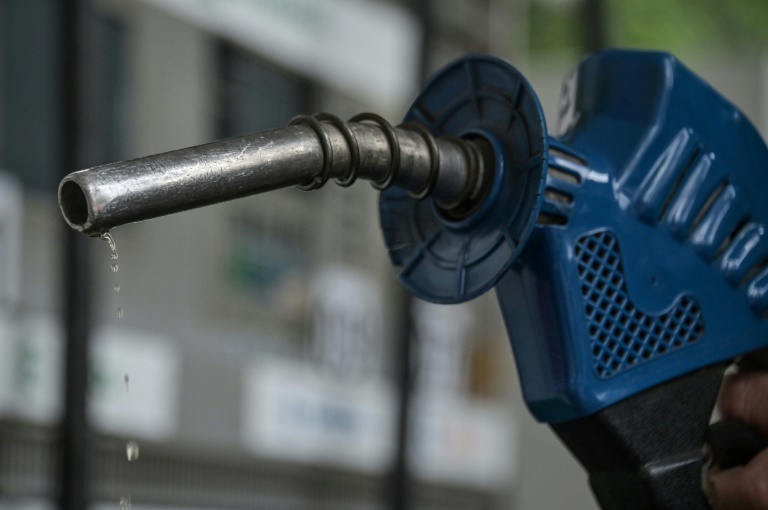
World oil prices rallied Monday after more easing of strict Covid containment measures in China and as a price cap on Russian crude agreed by the EU, G7 and Australia came into force.

Main contracts Brent North Sea crude and WTI advanced more than 2.5 percent, also after OPEC and its Russia-led allies decided at a weekend meeting to maintain oil output levels.

Stock markets traded mixed after Friday’s forecast-busting US jobs report that dented hopes that the Federal Reserve would take a softer approach to hiking interest rates in its battle against sky-high inflation.

In currency trading, the dollar was mixed against its main rivals while China’s yuan was among the best performers, breaking below the seven per dollar level for the first time in almost three months.

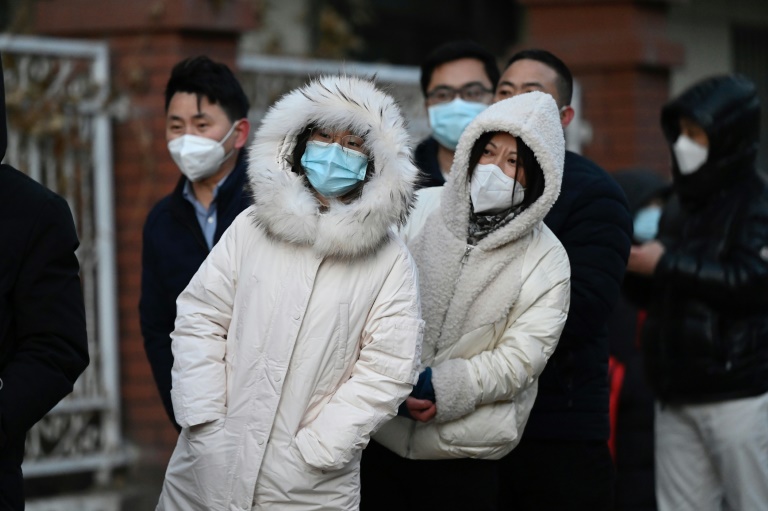
Higher oil demand is expected from China after businesses reopened and testing requirements were relaxed in Beijing and other cities as the country tentatively eases out of a strict zero-Covid policy that sparked nationwide protests.

It has also seen major cities including Shanghai locked down for months, a decision blamed for a sharp slowdown in economic growth this year that sent shudders through financial markets.

“Uncertainty is coming in waves in energy markets as the choppy tides of supply and demand push up the oil price but keep a lid on big gains,” noted Susannah Streeter, senior investment and markets analyst at Hargreaves Lansdown.

“There are expectations that there will be less crude available to buy as the $60 cap on Russia oil takes effect.”

The Kremlin on Monday insisted the cap would not affect Moscow’s military campaign in Ukraine.

The $60-per-barrel price cap aims to restrict Russia’s revenue while making sure Moscow keeps supplying the global market.

“From the OPEC+ perspective, it can’t be easy to make reliable forecasts against that (Russia) backdrop and the constantly evolving Covid situation in China, which currently looks far more promising from a demand perspective,” said Craig Erlam, senior market analyst at Oanda trading group. 

Major oil-producing countries led by Saudi Arabia and Russia on Sunday agreed to maintain their current output levels in a climate of uncertainty.

The prospect of China, the world’s number-two economy, kicking back into gear helped traders overcome data on Friday showing far more jobs than expected were created in the United States in November.

A big jump in wages added to concerns that the economy remained hot, meaning the Fed still had plenty of work to do to get inflation down to its two percent target.

– Key figures around 1200 GMT –

Brent North Sea crude: UP 2.6 percent at $87.83 per barrel

West Texas Intermediate: UP 2.8 percent at $82.22 per barrel

London – FTSE 100: UP 0.3 percent at 7,576.49 points

Frankfurt – DAX: DOWN 0.5 percent at 14,462.21

Paris – CAC 40: DOWN 0.3 percent at 6,719.84

EURO STOXX 50: DOWN 0.2 percent at 3,969.40

Tokyo – Nikkei 225: UP 0.2 percent at 27,820.40 (close)

Hong Kong – Hang Seng Index: UP 4.5 percent at 19,518.29 (close)

Shanghai – Composite: UP 1.8 percent at 3,211.81 (close)

New York – Dow: UP 0.1 percent at 34,429.88 (close)

Euro/dollar: UP at $1.0570 from $1.0531 on Friday

Dollar/yen: UP at 135.20 yen from 134.27 yen

Pound/dollar: DOWN at $1.2284 from $1.2296

Euro/pound: UP at 86.00 pence from 85.73 pence

burs-bcp/rl
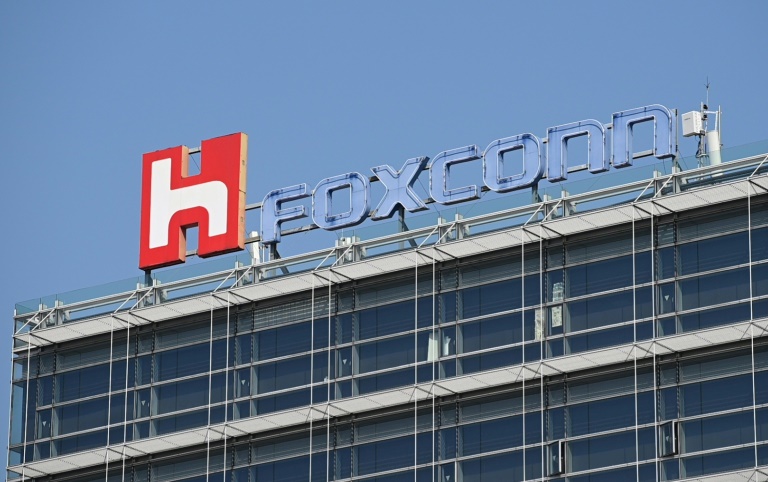
Taiwanese iPhone maker seeks to restore production after protests

Taiwanese tech giant and key Apple supplier Foxconn said Monday it was hiring new workers and moving towards “restoring production capacity to normal” following violent clashes at its central China plant last month.

Foxconn, also known by its official name Hon Hai Precision Industry, is the world’s biggest contract electronics manufacturer and assembles gadgets for many international brands.

Most of its factories are in China including the eastern city of Zhengzhou, where lockdowns were imposed last month as part of Beijing’s zero-Covid policy after a spike in infections.

Violent protests by workers subsequently erupted over salaries and conditions at the plant, which Foxconn later blamed on a “technical error” in its payment systems.

Hundreds of workers marched in Zhengzhou — dubbed “iPhone City” as the home of the world’s biggest factory for the smartphone — with some clashing with riot police and health personnel in hazmat suits.

Foxconn said in a statement Monday that it was working with the local government to ensure safe production and “making every effort to protect” the rights and interests of employees.

“At present, the overall epidemic situation has been brought under control, with November the most affected period,” it said.

It reported revenue in that month fell 11.4 percent on-year and 29 percent from October.

“In addition to re-allocating production capacity to different factories, we have also started to recruit new employees, and are gradually moving towards the direction of restoring production capacity to normal.”

The company said the outlook for the final three months of the year was expected to be “roughly in line with market consensus” but did not give figures.

Foxconn earlier said it was revising down its outlook for the last quarter. Some analysts have predicted sales could drop as much as 20 percent.

Testing requirements were relaxed in Beijing and other Chinese cities including Zhengzhou on Monday as the country tentatively eases out of its zero-Covid policy, which has sparked protests across the nation.

Taiwanese iPhone maker seeks to restore production after protests

Taiwanese tech giant and key Apple supplier Foxconn said Monday it was hiring new workers and moving towards “restoring production capacity to normal” following violent clashes at its central China plant last month.

Foxconn, also known by its official name Hon Hai Precision Industry, is the world’s biggest contract electronics manufacturer and assembles gadgets for many international brands.

Most of its factories are in China including the eastern city of Zhengzhou, where lockdowns were imposed last month as part of Beijing’s zero-Covid policy after a spike in infections.

Violent protests by workers subsequently erupted over salaries and conditions at the plant, which Foxconn later blamed on a “technical error” in its payment systems.

Hundreds of workers marched in Zhengzhou — dubbed “iPhone City” as the home of the world’s biggest factory for the smartphone — with some clashing with riot police and health personnel in hazmat suits.

Foxconn said in a statement Monday that it was working with the local government to ensure safe production and “making every effort to protect” the rights and interests of employees.

“At present, the overall epidemic situation has been brought under control, with November the most affected period,” it said.

It reported revenue in that month fell 11.4 percent on-year and 29 percent from October.

“In addition to re-allocating production capacity to different factories, we have also started to recruit new employees, and are gradually moving towards the direction of restoring production capacity to normal.”

The company said the outlook for the final three months of the year was expected to be “roughly in line with market consensus” but did not give figures.

Foxconn earlier said it was revising down its outlook for the last quarter. Some analysts have predicted sales could drop as much as 20 percent.

Testing requirements were relaxed in Beijing and other Chinese cities including Zhengzhou on Monday as the country tentatively eases out of its zero-Covid policy, which has sparked protests across the nation.

How Paris cinemas are surviving

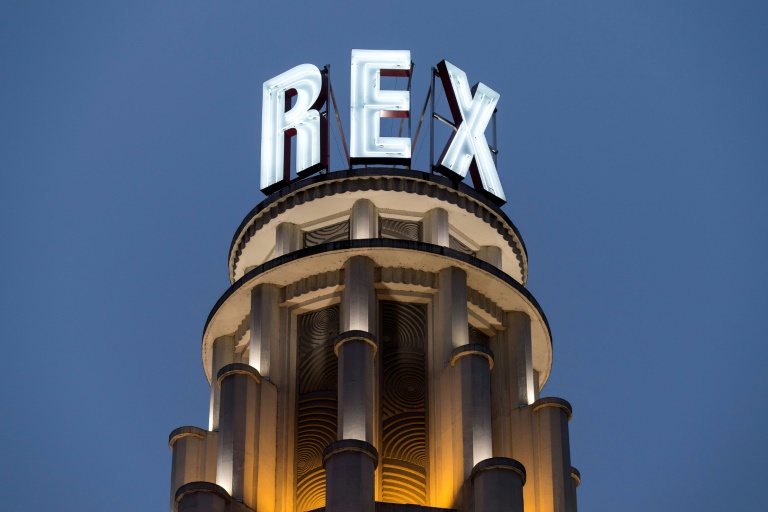
Spinning once again, the sign above France’s biggest cinema, the Grand Rex, is testament to how well Paris venues have weathered the twin threats of streaming and the pandemic.

The 2,700-seat Art Deco venue reopened last week after a major facelift to mark its 90th birthday. 

It has reason to be hopeful: ticket sales in France are down just 10 percent on pre-Covid levels, compared to almost a third in the United States. 

That is partly due to the country’s long-standing love affair with its cinemas, immortalised in 1960s New Wave classic “Breathless”, in which Jean-Paul Belmondo and Jean Seberg duck in and out of theatres along the Champs Elysees. 

Paris is thought to have the highest density of screens in the world, and the atmosphere has influenced generations of filmmakers. 

“I went to old cinemas in the Latin Quarter to watch retrospectives, screenings of old films from Hollywood, France or Japan,” director Damien Chazelle (“La La Land”) told AFP recently.  

“The first time I saw ‘Metropolis’ by Fritz Lang was here. I’ll never forget it!” 

– Diversification –

Paris authorities say there are 398 screens across 75 venues — up eight percent on 2000 — and down just slightly from 411 in 2019. 

Survival requires some creativity. 

To coax viewers off their sofas, the Grand Rex has been offering “event” screenings such as manga previews and film marathons that cater to the biggest fans. 

Its history has made it a popular choice for premieres, with Steven Spielberg next on the agenda for the launch of “The Fabelmans”.

It also requires diversification. The Rex moonlights as a nightclub, escape game venue — and most importantly as a concert hall, featuring everyone from Madonna to Bob Dylan. 

“If we had to survive on the cinema alone, we would have closed the doors long ago,” said manager Alexandre Hellmann. He added that that 71 bigger halls have opened during the Rex’s lifetime but none have lasted.

– ‘Evolution’ –

While the overall picture is positive, the map of Paris cinemas is evolving. 

Next year will see the reopening of the Japanese-style La Pagode, another mythic venue. 

And in 2024, the Pathe Palace, billed as the most beautiful cinema in the world, will open next to the Paris Opera. 

But this shift is coming at the expense of other historic areas. 

Rising rents are threatening many cinemas, particularly on the Champs Elysees, where the renowned Marignan will soon shut for good.

“It was THE cinema district in Paris but it is disappearing, due particularly to the exorbitant rents,” said Michel Gomez, who leads the city’s “Mission Cinema” to support the industry. 

“It’s hard to see cinemas close but cinema in Paris is a living fabric. It follows the sociological and geographical evolution of the city,” he said. 

Russian oil price cap put to the test

The price cap on Russian oil agreed by the EU, G7 and Australia came into force on Monday. It aims to restrict Russia’s revenue as punishment for its invasion of Ukraine, while making sure Moscow keeps supplying the global market.

Kremlin spokesman Dmitry Peskov said on Monday the measure would contribute to a destabilisation of world energy markets and would not affect Russia’s military campaign in Ukraine.

– Embargo and cap – 

The cap took effect alongside an EU embargo on maritime deliveries of Russian crude oil, which comes several months after an embargo imposed by the United States and Canada.

Russia is the world’s second-largest crude exporter and without the cap it would be easy to find new buyers at market prices.

The measure means only oil sold at a price equal to or less than $60 per barrel can continue to be delivered.

Companies based in the EU, G7 countries and Australia will be banned from providing services enabling maritime transport, such as insurance, with oil above that price.

The G7 nations — Canada, France, Germany, Italy, Japan, Britain and the United States — provide insurance services for 90 percent of the world’s cargo and the EU is a major player in sea freight.

This means they should be able to pass on the cap to the majority of Russia’s customers around the world, making for a credible price cap.

There is a transition period, and the cap will not apply to cargoes loaded before December 5, and a further cap on oil products will come into effect on February 5.

– Market impact –

The West has adopted the cap of $60, well above the current cost of producing oil in Russia, so Moscow will have an incentive to continue pumping crude. Russia will continue to earn revenue, even if it is reduced.

“Russia must retain an interest in selling its oil” or risk reducing global supply and causing prices to soar, said one European official, who did not believe the Kremlin’s threats to stop deliveries to countries complying with the cap.

The official said Russia would remain concerned about maintaining the state of its infrastructure, which would be damaged if production is halted, and keeping the confidence of its customers, including China and India.

Experts are worried about a leap into the unknown and keeping a close eye on the reaction of the 23-nation OPEC+ group of oil-producing countries led by Saudi Arabia and Russia.

“We will sell oil and oil products to countries that will work with us on market terms, even if we have to reduce production somewhat,” Russia’s Deputy Prime Minister Alexander Novak said after an OPEC+ videoconference on Sunday.

“We are currently working on mechanisms to prohibit the use of the price cap tool at any level,” Novak added, warning that the cap can only cause “further market destabilisation”.

But Brussels insists the cap will help stabilise the markets and “directly benefit emerging economies and developing countries”, which will be able to get hold of Russian crude at a lower cost.

The market price of a barrel of Russian Urals crude is currently hovering around $65 dollars a barrel, suggesting the measure may have only a limited impact in the short term.

Ukraine said the cap should have been set even lower, arguing that $60 is not enough to penalise the Kremlin.

– A revisable cap – 

The cap will be reviewed from mid-January and then every two months, with the option to modify it according to price changes. 

The principle is for the cap to be at least five percent below the average market price.

Any revision would need the agreement of the G7, Australia and the EU.

– Effectiveness –

All countries are invited to formally join the measures. States that do not adopt them can continue to buy Russian oil above the price cap, but without using Western services to acquire, insure or transport it.

“We have clear signals that a number of emerging economies, particularly in Asia, will observe the principles of the cap,” said a European official, adding that Russia is already “under pressure” from its customers to offer discounts.

It would be very complicated to find alternatives for services provided by European companies, which dominate tanker transport and insurance, the official said. Improvised substitutes, including insurance for oil spills, would be “extremely risky”, he said.

– Risks – 

Each EU and G7 state will have to monitor companies based in its territory.

If a ship flying the flag of a third country is identified carrying Russian oil at a price above the cap, Western operators will be banned from insuring and financing it for 90 days.

While Russia could be tempted to create its own fleet of tankers, operating and insuring them itself, Brussels believes “building a maritime ecosystem overnight will be very complicated” — and such make-do measures could have trouble convincing customers.

Vodafone CEO to step down after four years at helm

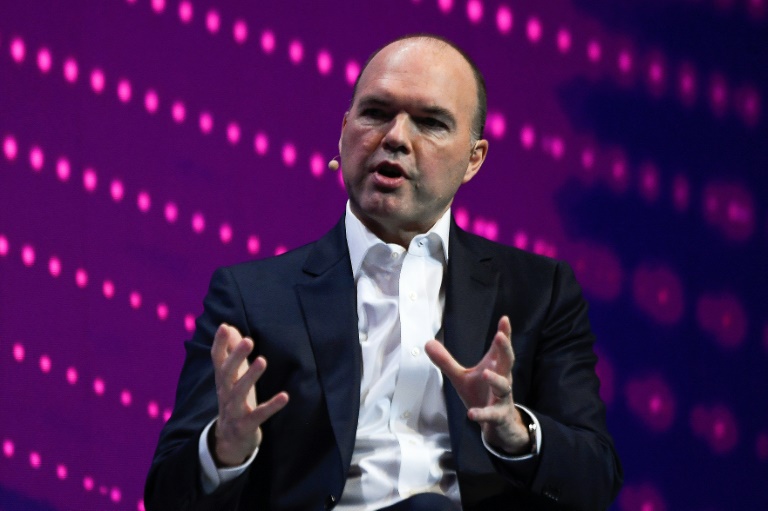
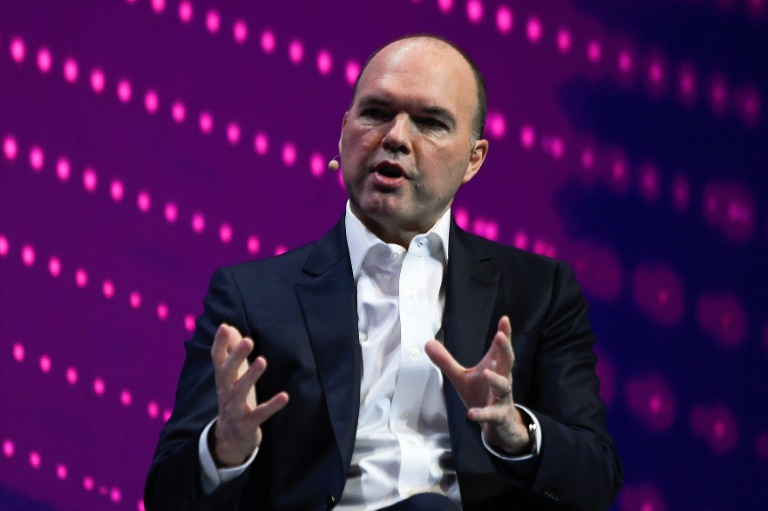
Vodafone chief executive Nick Read is stepping down, the British telecoms group said Monday, after a four-year tenure marked by a steep fall in the company’s share price.

Read will leave his role at the end of December following more than 20 years at the group, a statement said.

He will be replaced on an interim basis by Vodafone’s chief financial officer Margherita Della Valle, who will continue her current role while Vodafone seeks out a permanent replacement.

His surprise resignation comes after Vodafone recently announced flat earnings for its first half and follows a near 20-percent drop in its share price this year.

“I agreed with the board that now is the right moment to hand over to a new leader who can build on Vodafone’s strengths and capture the significant opportunities ahead,” Read said in the statement.

He departs with Vodafone in talks over merging its UK operations with rival Three UK, owned by Hong Kong-based CK Hutchison.

Vodafone believes a combination would accelerate the rollout of 5G telecoms technology in the UK, which has been partly hampered by Britain banning Chinese giant Huawei from involvement in the technology offering faster downloads than 4G.

Vodafone’s share price was flat at 91 pence following Monday’s announcement.

“With the shares languishing at their lowest levels in more than 20 years it is hard to describe departing Vodafone CEO Nick Read’s tenure as anything other than a disappointment,” noted Russ Mould, investment director at AJ Bell.

“Read’s final set of results last month did him absolutely no favours, as Vodafone downgraded full-year guidance.”

He also came under pressure from major activist investor Cevian Capital, which recently slashed its stake in Vodafone.

However, Read “helped to steer the telecoms giant through the challenges of the pandemic, aiding connectivity when individuals and households were forced to stay home during strict lockdowns”, said Victoria Scholar, head of investment at Interactive Investor.

Vodafone CEO to step down after four years at helm

Vodafone chief executive Nick Read is stepping down, the British telecoms group said Monday, after a four-year tenure marked by a steep fall in the company’s share price.

Read will leave his role at the end of December following more than 20 years at the group, a statement said.

He will be replaced on an interim basis by Vodafone’s chief financial officer Margherita Della Valle, who will continue her current role while Vodafone seeks out a permanent replacement.

His surprise resignation comes after Vodafone recently announced flat earnings for its first half and follows a near 20-percent drop in its share price this year.

“I agreed with the board that now is the right moment to hand over to a new leader who can build on Vodafone’s strengths and capture the significant opportunities ahead,” Read said in the statement.

He departs with Vodafone in talks over merging its UK operations with rival Three UK, owned by Hong Kong-based CK Hutchison.

Vodafone believes a combination would accelerate the rollout of 5G telecoms technology in the UK, which has been partly hampered by Britain banning Chinese giant Huawei from involvement in the technology offering faster downloads than 4G.

Vodafone’s share price was flat at 91 pence following Monday’s announcement.

“With the shares languishing at their lowest levels in more than 20 years it is hard to describe departing Vodafone CEO Nick Read’s tenure as anything other than a disappointment,” noted Russ Mould, investment director at AJ Bell.

“Read’s final set of results last month did him absolutely no favours, as Vodafone downgraded full-year guidance.”

He also came under pressure from major activist investor Cevian Capital, which recently slashed its stake in Vodafone.

However, Read “helped to steer the telecoms giant through the challenges of the pandemic, aiding connectivity when individuals and households were forced to stay home during strict lockdowns”, said Victoria Scholar, head of investment at Interactive Investor.

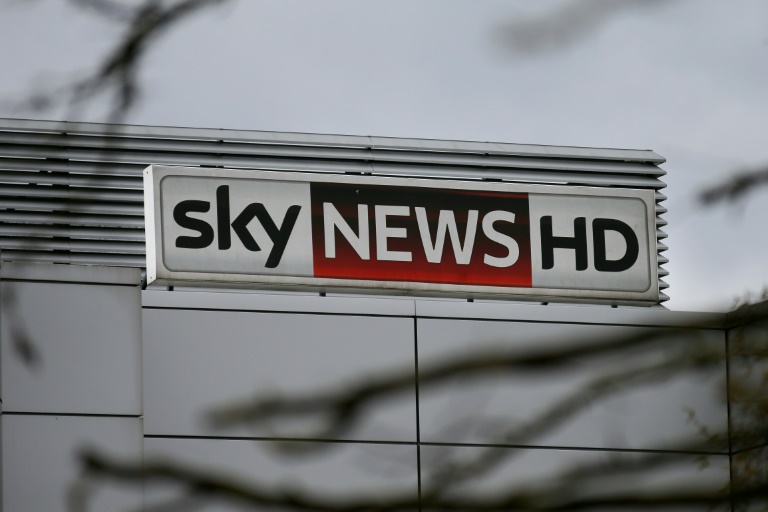
Head of UK broadcaster Sky News resigns after 17 years

The head of Sky News will step down after 17 years, having steered the broadcaster through a tumultuous period in British political history and journalism’s digital revolution.

“Being the Head of Sky News is one of the most exhilarating jobs in journalism,” John Ryley said in a statement released late on Sunday.

“Nonetheless, after almost 40 years in the news business, 28 of which have been at Sky including 17 lucky years at the helm, I have decided, as of next year, to stop and leave Sky News behind.”

Ryley took over in 2006, when the broadcaster was known almost entirely for its news channel and oversaw its transformation into a multimedia platform.

Around 10 million Britons watch the television channel each month, but the outlet is increasingly focusing on applications such as TikTok to reach a younger online audience.

Ryley was at the helm during Britain’s seismic vote to leave the European Union, its subsequent political upheaval and the Covid 19 pandemic.

Turkey inflation slows for first time since 2021

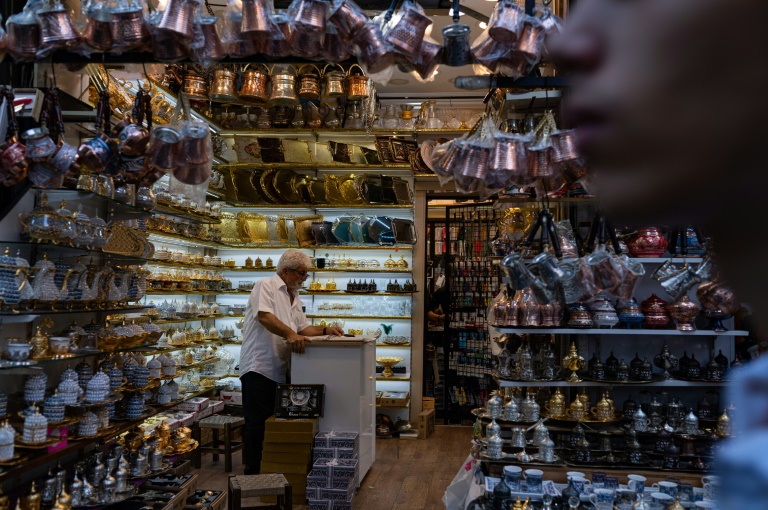
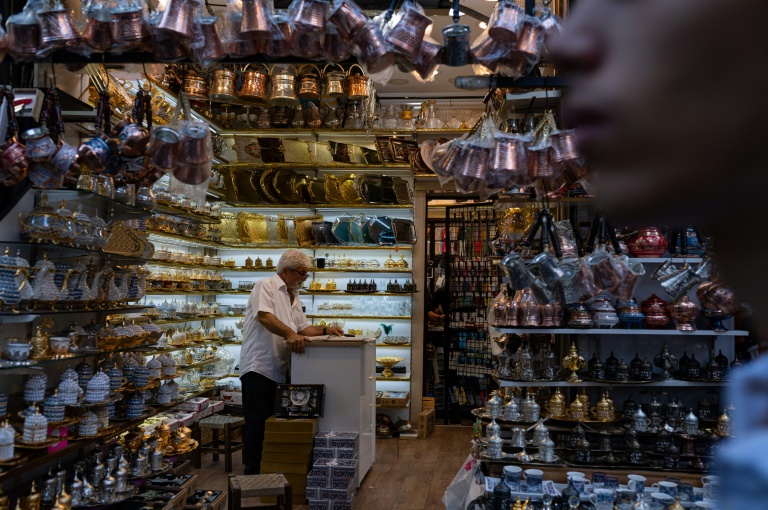
Turkey’s inflation slowed in November for the first time since May 2021, official data showed on Monday, delivering a boost to President Recep Tayyip Erdogan ahead of next year’s election.

The rate slowed to 84.39 percent, according to state statistics agency TUIK, down from 85.51 percent in October.

Turkey’s inflation has risen steadily since reaching a low of 16.6 percent in May 2021.

The emerging market’s troubled economy has turned into a major stumbling block on Erdogan’s path to a third decade in power in a presidential poll due by next June.

Erdogan’s approval rating began to suffer when he set off on an unusual economic experiment last year that tried to bring down chronically high consumer prices by lowering borrowing costs.

Conventional economic theory embraced by almost every other big nation pursues the exact opposite approach.

Turkey’s lira began to drop in value almost immediately, as consumers rushed to buy up dollars and gold to try and protect their savings.

The price of imports such as oil and gas soared, creating an inflationary spiral that the nominally independent central bank fed further by continuing to lower interest rates.

Erdogan has maintained that his unwavering focus on economic growth at all costs — achieved through cheap lending and state support — will eventually pay off.

“We will witness the rapid descent of inflation soon and we will see together that the dirty scenarios built on this trouble are torn and thrown away,” he repeated over the weekend.

Erdogan has blamed inflation on outside factors such as the global spike in food and energy prices caused by Russia’s invasion of Ukraine.

– Election strategy –

Erdogan’s much-criticised economic team hailed Monday’s announcement as vindication of their approach.

“As we have previously stated in various media, we have entered a downward trend in inflation, leaving the peak behind, unless there is an unexpected global development,” Finance Minister Nureddin Nebati tweeted.

Most economists believe that Turkey’s inflation rate will continue to slow but remain elevated for many months to come, unless Erdogan radically changes his approach.

An accompanying inflow of funding from the Kremlin and Turkey’s former rivals in the Middle East, which Erdogan secured through a major diplomatic reversal this year, will help the government prop up the lira, economists believe.

Erdogan’s strategy aims at “keeping the lira relatively strong this side of elections with foreign money”, Timothy Ash of BlueBay Asset Management said in a tweet.

“But that will destroy competitiveness with massive real appreciation.”

Yet many also question Turkey’s official statistics, which are produced by an agency whose leader has been replaced by Erdogan twice in the past year.

According to a respected monthly study released by independent economists from Turkey’s ENAG research institute, the annual rate of consumer price increases reached 170.70 percent in November.

A separate poll earlier this year showed the overwhelming major of Turks believing the ENAG figures over ones released by the government.

Turkey inflation slows for first time since 2021

Turkey’s inflation slowed in November for the first time since May 2021, official data showed on Monday, delivering a boost to President Recep Tayyip Erdogan ahead of next year’s election.

The rate slowed to 84.39 percent, according to state statistics agency TUIK, down from 85.51 percent in October.

Turkey’s inflation has risen steadily since reaching a low of 16.6 percent in May 2021.

The emerging market’s troubled economy has turned into a major stumbling block on Erdogan’s path to a third decade in power in a presidential poll due by next June.

Erdogan’s approval rating began to suffer when he set off on an unusual economic experiment last year that tried to bring down chronically high consumer prices by lowering borrowing costs.

Conventional economic theory embraced by almost every other big nation pursues the exact opposite approach.

Turkey’s lira began to drop in value almost immediately, as consumers rushed to buy up dollars and gold to try and protect their savings.

The price of imports such as oil and gas soared, creating an inflationary spiral that the nominally independent central bank fed further by continuing to lower interest rates.

Erdogan has maintained that his unwavering focus on economic growth at all costs — achieved through cheap lending and state support — will eventually pay off.

“We will witness the rapid descent of inflation soon and we will see together that the dirty scenarios built on this trouble are torn and thrown away,” he repeated over the weekend.

Erdogan has blamed inflation on outside factors such as the global spike in food and energy prices caused by Russia’s invasion of Ukraine.

– Election strategy –

Erdogan’s much-criticised economic team hailed Monday’s announcement as vindication of their approach.

“As we have previously stated in various media, we have entered a downward trend in inflation, leaving the peak behind, unless there is an unexpected global development,” Finance Minister Nureddin Nebati tweeted.

Most economists believe that Turkey’s inflation rate will continue to slow but remain elevated for many months to come, unless Erdogan radically changes his approach.

An accompanying inflow of funding from the Kremlin and Turkey’s former rivals in the Middle East, which Erdogan secured through a major diplomatic reversal this year, will help the government prop up the lira, economists believe.

Erdogan’s strategy aims at “keeping the lira relatively strong this side of elections with foreign money”, Timothy Ash of BlueBay Asset Management said in a tweet.

“But that will destroy competitiveness with massive real appreciation.”

Yet many also question Turkey’s official statistics, which are produced by an agency whose leader has been replaced by Erdogan twice in the past year.

According to a respected monthly study released by independent economists from Turkey’s ENAG research institute, the annual rate of consumer price increases reached 170.70 percent in November.

A separate poll earlier this year showed the overwhelming major of Turks believing the ENAG figures over ones released by the government.

Close Bitnami banner
Bitnami