AFP

Top French central banker in corruption probe

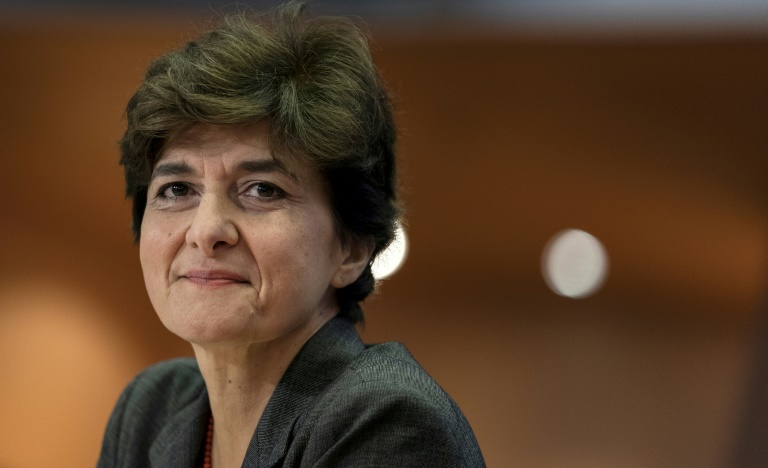
French prosecutors said Friday that they had opened a corruption investigation into top central banker Sylvie Goulard, who simultaneously stepped down from the Bank of France.

The probe covers suspicions of accepting bribes, influence peddling, illegal conflicts of interest and breach of trust, the national financial prosecutor’s office said, confirming a report from daily Liberation.

Graft-fighting group Anticor triggered the probe by filing a criminal report in June, with the investigation launched in September.

In a statement, the Bank of France said Goulard — a former MEP and briefly defence minister under President Emmanuel Macron in 2017 — would be leaving her post as one of the institution’s deputy governors on December 5.

She wished to “return to the foreign ministry” where she started her civil service career, the bank said.

A source close to Goulard told AFP that her departure had “nothing to do with the investigation”.

“Neither Sylvie Goulard nor her lawyer were informed that the investigation had been reopened,” the source said.

A previous probe in 2019 was closed the following year after no crime was found, case files seen by AFP showed.

Anticor questioned in its complaint the work Goulard performed for the California-based Berggruen Institute think-tank.

She has acknowledged accepting 10,000 euros ($10,530 at current rates) per month working as a “special adviser” to the Council for the Future of Europe, an offshoot of Berggruen, between 2013 and 2016.

Goulard, who was also an MEP at the time, said her work had “no relation of any kind with the business activities” of the group’s founder, German-American billionaire Nicolas Berggruen.

She said her role included “reflection, moderating groups, organising meetings”.

Her lawyer declined to respond Friday when contacted by AFP.

The Berggruen Institute denied in 2019 that Goulard had been given a fake job, highlighting that she organised meetings in Brussels, Paris and Madrid.

Goulard has also been charged in a probe into suspected fake jobs among assistants to MEPs from the Democratic Movement, a small centrist party that supports Macron.

Biden signs emergency law forcing US rail unions to accept wages deal

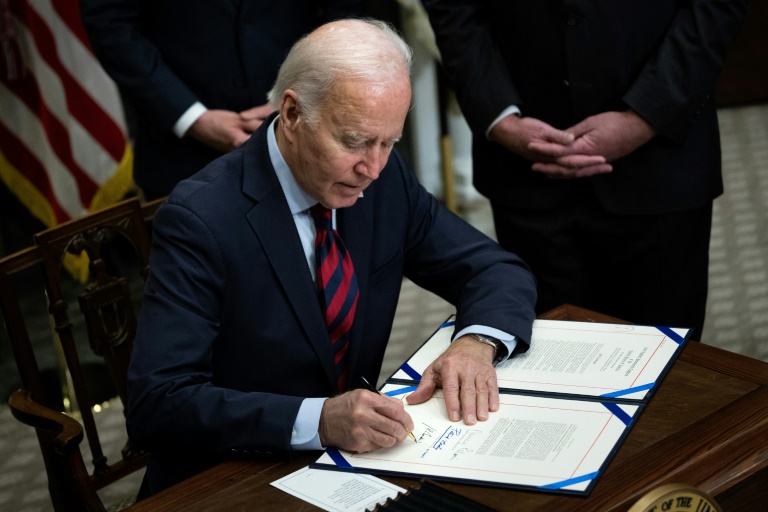
US President Joe Biden signed into law Friday a rare intervention by Congress forcing freight rail unions to accept a salary deal, avoiding a possibly devastating strike — but putting the pro-union Democrat in an awkward political position.

Biden signed the law in a brief White House ceremony only a week before unions who had rejected the deal were expected to have gone on strike, threatening crucial supply chains across the world’s biggest economy.

The deal delivers a hefty wage increase but four of the 12 unions involved refused to accept it because there was no agreement on giving workers paid sick leave. Congress acted under a little used power to resolve disputes involving railroads.

As he signed the bill, Biden said Congress had “avoided what, without a doubt, would have been an economic catastrophe.”

“Without freight rail, many of the US industries would literally have shut down,” Biden said, adding that his advisors feared the loss of three quarters of a million jobs within two weeks if the strike had gone ahead.

The episode was awkward politically for Biden.

Trade unions constitute a major element in his electoral coalition and he frequently describes himself as a lifelong union supporter and the “most pro-union president” in history.

That brand has taken a hit from the emergency bill signing, with some on the left accusing Biden of having sold out. After the Senate came down decisively in favor of the rail management, one union leader called the situation “horrific.”

The Brotherhood of Railroad Signalmen alleged that senators had “demonstrated they are for the corporate class.”

Biden bypassed the issue later Friday when he visited the International Brotherhood of Electrical Workers (IBEW) union in Boston to join a phone bank drumming up Democratic voter enthusiasm for the attempt to win a crucial extra Senate seat in Georgia’s runoff election next Tuesday.

The president told the audience he wouldn’t have won his own 2020 election without IBEW’s support and said his polices since then had favored the less well off.

“I’m tired of trickle-down economics,” he said to applause.

– No choice –

Judging by the overwhelmingly bipartisan support in Congress for forcing through the deal, the political hit for overriding the union holdouts will be contained for Biden. The House easily passed the bill and on Thursday the Senate, where usually Biden’s bills are lucky to scrape through with the one-vote Democratic majority, passed it 80-15.

Biden said he had no choice but to act quickly in the face of what the White House warns would have been a crippling strike right when the US economy is showing signs of stabilizing in the wake of the Covid pandemic.

In his comments at the signing ceremony, Biden said the wages deal — which his administration was heavily involved in crafting — was “a good product.”

He acknowledged the lack of sick leave but said “I’m coming back at it” with “more work to do.”

Above all, Biden said, the forceful intervention by Congress and the White House would benefit the country as a whole.

“They did one heck of a job in averting what could have been a real disaster,” he said.

Biden said “765,000 Americans, many of them union members themselves, would have been put out of work within the first two weeks of this strike alone.”

In addition, the breaking of supply chains for basic materials like chemicals and farm supplies would put clean drinking water and food at risk.

“We’ve spared the country that catastrophe,” Biden said.

Biden signs emergency law forcing US rail unions to accept wages deal

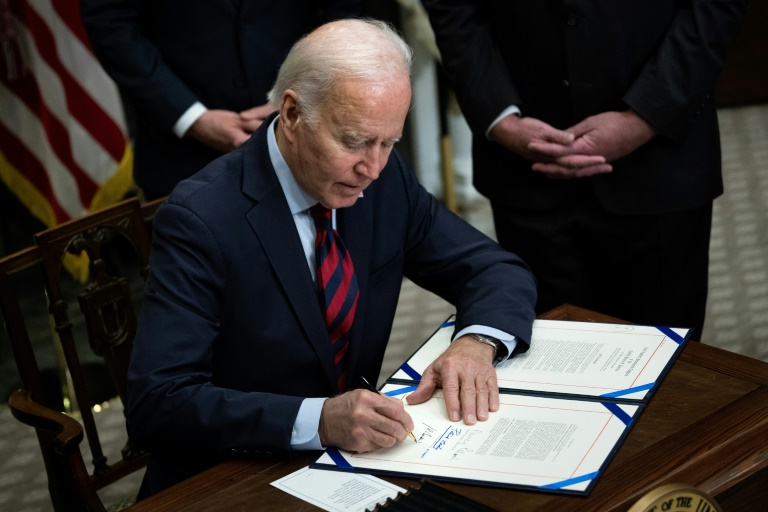
US President Joe Biden signed into law Friday a rare intervention by Congress forcing freight rail unions to accept a salary deal, avoiding a possibly devastating strike — but putting the pro-union Democrat in an awkward political position.

Biden signed the law in a brief White House ceremony only a week before unions who had rejected the deal were expected to have gone on strike, threatening crucial supply chains across the world’s biggest economy.

The deal delivers a hefty wage increase but four of the 12 unions involved refused to accept it because there was no agreement on giving workers paid sick leave. Congress acted under a little used power to resolve disputes involving railroads.

As he signed the bill, Biden said Congress had “avoided what, without a doubt, would have been an economic catastrophe.”

“Without freight rail, many of the US industries would literally have shut down,” Biden said, adding that his advisors feared the loss of three quarters of a million jobs within two weeks if the strike had gone ahead.

The episode was awkward politically for Biden.

Trade unions constitute a major element in his electoral coalition and he frequently describes himself as a lifelong union supporter and the “most pro-union president” in history.

That brand has taken a hit from the emergency bill signing, with some on the left accusing Biden of having sold out. After the Senate came down decisively in favor of the rail management, one union leader called the situation “horrific.”

The Brotherhood of Railroad Signalmen alleged that senators had “demonstrated they are for the corporate class.”

Biden bypassed the issue later Friday when he visited the International Brotherhood of Electrical Workers (IBEW) union in Boston to join a phone bank drumming up Democratic voter enthusiasm for the attempt to win a crucial extra Senate seat in Georgia’s runoff election next Tuesday.

The president told the audience he wouldn’t have won his own 2020 election without IBEW’s support and said his polices since then had favored the less well off.

“I’m tired of trickle-down economics,” he said to applause.

– No choice –

Judging by the overwhelmingly bipartisan support in Congress for forcing through the deal, the political hit for overriding the union holdouts will be contained for Biden. The House easily passed the bill and on Thursday the Senate, where usually Biden’s bills are lucky to scrape through with the one-vote Democratic majority, passed it 80-15.

Biden said he had no choice but to act quickly in the face of what the White House warns would have been a crippling strike right when the US economy is showing signs of stabilizing in the wake of the Covid pandemic.

In his comments at the signing ceremony, Biden said the wages deal — which his administration was heavily involved in crafting — was “a good product.”

He acknowledged the lack of sick leave but said “I’m coming back at it” with “more work to do.”

Above all, Biden said, the forceful intervention by Congress and the White House would benefit the country as a whole.

“They did one heck of a job in averting what could have been a real disaster,” he said.

Biden said “765,000 Americans, many of them union members themselves, would have been put out of work within the first two weeks of this strike alone.”

In addition, the breaking of supply chains for basic materials like chemicals and farm supplies would put clean drinking water and food at risk.

“We’ve spared the country that catastrophe,” Biden said.

Austria must continue to cut Russian gas reliance: OMV CEO

Austria has cut its dependence on Russian gas but it must keep up efforts to diversify its supplies for the next cold season, the head of Austrian energy group OMV told AFP.

Europe has sought to reduce its reliance on Russian oil and gas since Moscow invaded Ukraine. Russia in turn has slashed gas deliveries, causing energy prices to spike across Europe.

Austria imported 80 percent of its gas from Russia before the war broke out in late February.

By October, Russia accounted for just 23 percent of Austria’s gas imports, according to the government, as the country has filled up storage tanks and sought to buy the fossil fuel elsewhere.

Experts, however, say the Alpine nation of nine million is still dependent on it in the long run.

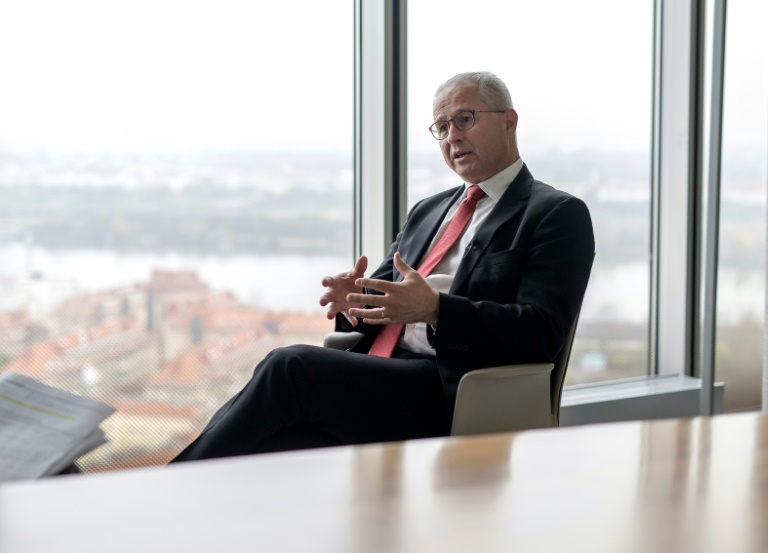
“I think we can be more confident for this winter, for this season, than we were maybe six months ago,” OMV CEO Alfred Stern told AFP on Friday in his modern office with a view over Vienna.

“But the work must go on now, also with a view to the next season,” he added.

He said the energy and chemicals group, which employs more than 22,000 people worldwide, had just signed an agreement in Abu Dhabi to try to secure gas deliveries for next winter.

– Russian exit –

Following European sanctions on Moscow, OMV froze its investments in Russia and has withdrawn from the Nord Stream 2 gas pipeline project.

“Because of the changed situation, we have decided Russia will no longer be a core region for us. This means we will not invest further there and we will consider all options including sale and exit,” said Stern, the firm’s 57-year-old CEO since September 2021.

An EU embargo on Russian crude goes into effect on Monday, while the bloc also agreed on a $60-a-barrel ceiling on Russian oil exports on Friday.

The embargo will prevent shipments of Russian crude by tanker vessel to the EU, which accounts for two thirds of imports, the rest arriving by pipeline.

OMV — known for its ties with the former Soviet Union from 1968 and for working closely with Russian giant Gazprom until the invasion of Ukraine — operates 1,800 petrol pumps in 10 European countries.

It also develops and produces oil and gas in Europe, the Middle East, Africa, the North Sea and the Asia-Pacific region.

– ‘Immorally’ high profits –

The energy giant announced in October that it recorded a high third-quarter profit thanks to soaring energy prices — with Stern describing OMV’s performance as “outstanding”.

Greenpeace and other activists have slammed the company’s “immorally” high profits.

Stern said profits supported the company as it seeks to reduce its carbon footprint and develop alternatives to oil and gas, saying such changes “didn’t happen overnight”.

He said in the meantime OMV was increasing its investment in gas as a “stopgap measure”, including considering developing an offshore gas field in the Black Sea off Romania.

“I actually see us as part of the solution (on climate change), because large and financially strong companies are necessary to implement such major challenges,” he said.

Austria must continue to cut Russian gas reliance: OMV CEO

Austria has cut its dependence on Russian gas but it must keep up efforts to diversify its supplies for the next cold season, the head of Austrian energy group OMV told AFP.

Europe has sought to reduce its reliance on Russian oil and gas since Moscow invaded Ukraine. Russia in turn has slashed gas deliveries, causing energy prices to spike across Europe.

Austria imported 80 percent of its gas from Russia before the war broke out in late February.

By October, Russia accounted for just 23 percent of Austria’s gas imports, according to the government, as the country has filled up storage tanks and sought to buy the fossil fuel elsewhere.

Experts, however, say the Alpine nation of nine million is still dependent on it in the long run.

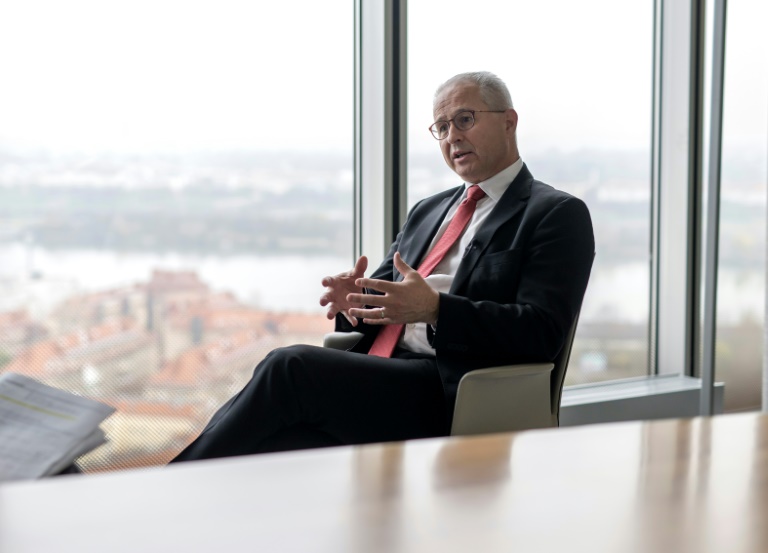
“I think we can be more confident for this winter, for this season, than we were maybe six months ago,” OMV CEO Alfred Stern told AFP on Friday in his modern office with a view over Vienna.

“But the work must go on now, also with a view to the next season,” he added.

He said the energy and chemicals group, which employs more than 22,000 people worldwide, had just signed an agreement in Abu Dhabi to try to secure gas deliveries for next winter.

– Russian exit –

Following European sanctions on Moscow, OMV froze its investments in Russia and has withdrawn from the Nord Stream 2 gas pipeline project.

“Because of the changed situation, we have decided Russia will no longer be a core region for us. This means we will not invest further there and we will consider all options including sale and exit,” said Stern, the firm’s 57-year-old CEO since September 2021.

An EU embargo on Russian crude goes into effect on Monday, while the bloc also agreed on a $60-a-barrel ceiling on Russian oil exports on Friday.

The embargo will prevent shipments of Russian crude by tanker vessel to the EU, which accounts for two thirds of imports, the rest arriving by pipeline.

OMV — known for its ties with the former Soviet Union from 1968 and for working closely with Russian giant Gazprom until the invasion of Ukraine — operates 1,800 petrol pumps in 10 European countries.

It also develops and produces oil and gas in Europe, the Middle East, Africa, the North Sea and the Asia-Pacific region.

– ‘Immorally’ high profits –

The energy giant announced in October that it recorded a high third-quarter profit thanks to soaring energy prices — with Stern describing OMV’s performance as “outstanding”.

Greenpeace and other activists have slammed the company’s “immorally” high profits.

Stern said profits supported the company as it seeks to reduce its carbon footprint and develop alternatives to oil and gas, saying such changes “didn’t happen overnight”.

He said in the meantime OMV was increasing its investment in gas as a “stopgap measure”, including considering developing an offshore gas field in the Black Sea off Romania.

“I actually see us as part of the solution (on climate change), because large and financially strong companies are necessary to implement such major challenges,” he said.

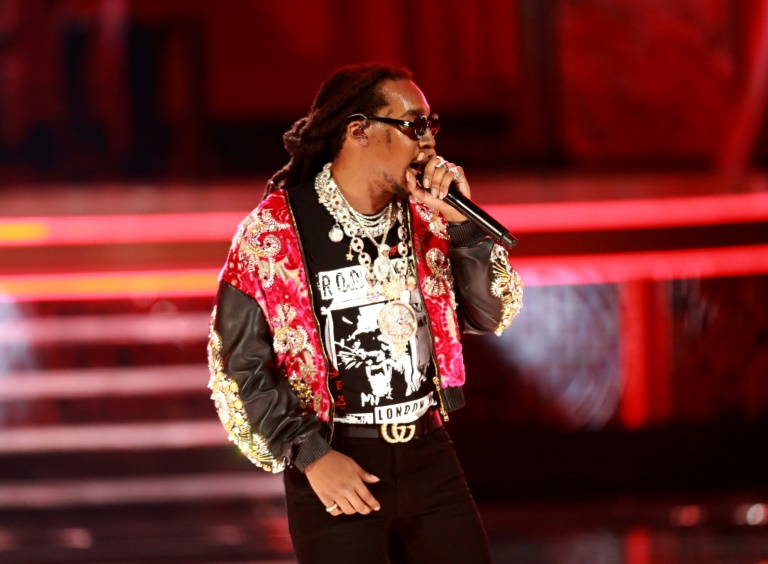
Suspect charged with murder in shooting of rapper Takeoff

Houston police said Friday they arrested and charged with murder a man suspected in the killing of rapper Takeoff, a member of the influential hip hop group Migos, who was fatally shot last month.

Speaking at a press conference, Houston Police Chief Troy Finner said Patrick Xavier Clark, 33, was arrested on Thursday evening in connection with the death of Takeoff, who was one of three people shot November 1 at a bowling alley in Houston.

One day previously Cameron Joshua, 22, was charged with unlawful carrying of a weapon.

Houston Police Sgt. Michael Burrow said that the shooting at a private party followed an argument over a “lucrative dice game,” but that Takeoff was uninvolved and “an innocent bystander.”

He also said the investigation remained ongoing.

“Gun violence everywhere, not just in the city of Houston, has to stop,” said the city’s mayor, Sylvester Turner, on Friday, calling the shooting a case of a “young man taking the life of another young man for no reason.”

“Pulling a firearm can have deadly consequences that you cannot undo.”

Born in Lawrenceville, Georgia on June 18, 1994, Takeoff was best known for his membership in Migos along with Quavo, his uncle, and Offset, his cousin who is married to fellow rapper Cardi B.

The Atlanta-based Migos soared to prominence off their viral 2013 song “Versace,” which Drake remixed.

The trio later recorded “Walk It Talk It” with the Canadian superstar rapper.

It was 2016’s hit “Bad and Boujee” that first saw them hit number one, a song emblematic of their signature flow, a unique cadence of staccato lyrical bursts in triplet rhythm.

The smash has been streamed 1.5 billion times in the United States alone.

In the weeks following the shooting Quavo penned an emotional tribute to Takeoff, praising his relative’s “REAL passion for music.”

“He created his triplet flow and the rest was HISTORY,” Quavo wrote. “He never worried about titles, credit, or what man got the most shine, that wasn’t him. He didn’t care about none of that as long as we brought it back home to the family!”

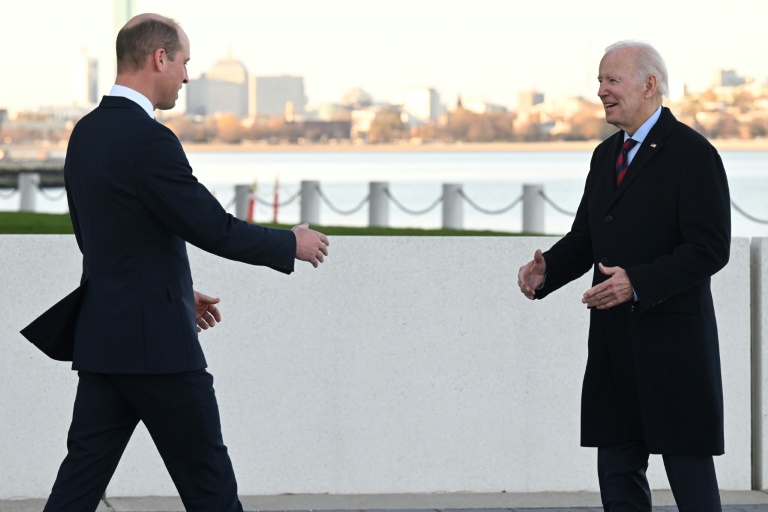
Biden, Prince William meet in chilly Boston

US President Joe Biden met briefly Friday with Britain’s Prince William in Boston where the two quickly hit on the most British of conversation topics — the bad weather.

As the heir to Britain’s throne strode up outside the John F. Kennedy Library and Museum without an overcoat, Biden remarked that it was “freezing.”

Prince William chuckled and later could be heard informing the president that “when we got in Wednesday, it was pouring with rain.”

The less than hour-long meeting took place while Prince William was in Boston with his wife Kate for their Earthshot Prize Awards ceremony, which promotes solutions to environmental challenges. Biden, coincidentally, was in the city to attend a Democratic Party fundraiser.

Strolling a short distance together along the edge of Boston harbor outside the library, Biden jokingly asked if they “were going to jump in” and Prince William suggested a “quick swim.”

They then entered the JFK library complex to finish off the encounter in presumably more comfort.

White House Press Secretary Karine Jean-Pierre said Biden, who was up late Thursday hosting a dinner for French President Emmanuel Macron at the White House, “looks forward to spending time with Prince William.”

Biden knows the JFK Library well, having gone there in September to launch his “cancer moonshot” strategy to bring the disease under control in the United States.

“We expect that they will discuss their shared climate goals, prioritization of mental health issues and decreasing the burden of the disease,” Jean-Pierre told reporters.

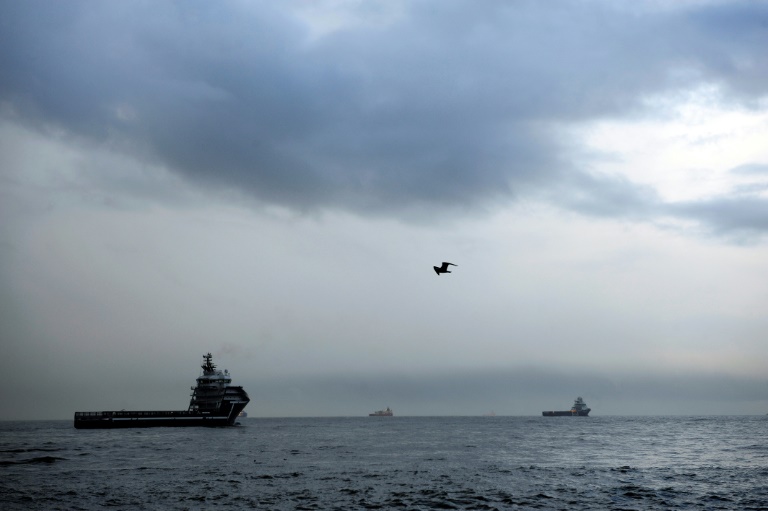
TotalEnergies cuts North Sea investment over UK windfall tax

French company TotalEnergies will cut North Sea oil and gas investment by 25 percent next year after the UK government extended a windfall tax on energy firms.

Jean-Luc Guiziou, head of the company’s UK production operations, has said that “following another change to the fiscal environment for energy investors in the UK, we are now evaluating the impact of this change on our current and planned projects”.

“For 2023 alone, our investments will be cut by 25 percent,” he added in a statement reported by specialist publication Energy Voice on Thursday. 

TotalEnergies confirmed the statement to AFP Friday.

Total will cut its North Sea investment by £100 million ($123 million) in 2023, impacting work on new wells, after finance minister Jeremy Hunt ramped up a windfall tax on oil and gas giants, whose profits have surged on fallout from the Ukraine war.

Prime Minister Rishi Sunak’s spokesman on Friday said “it’s right and fair that those with the broadest shoulders, and who are able to, contribute the most so we can continue to support the vulnerable”.

The tax extension in last month’s budget was aimed at helping fund support for British consumers hit by rocketing energy bills. 

The government wants the energy sector to partly foot the bill as it tries to shore up the nation’s public finances, hit by a combination of UK political turmoil, pandemic support and Brexit fallout.

The windfall tax “is in line with other European countries” such as Italy, Sunak’s spokesman added.

Guiziou this week said that a “competitive and stable fiscal and regulatory regime is vital to investment in critical energy and infrastructure projects that will support the UK’s security of supply and net zero ambitions”.

Energy giants, including also BP and Shell, will face an exceptional tax on profits of 35 percent, up from 25 percent and lasting an additional three years to 2028, Hunt announced.

Guiziou added “that the government should remain open to reviewing the energy profits levy if prices reduce before 2028”.

Before its extension, the windfall tax was introduced earlier in the year when Sunak had been finance minister.

EU agrees to impose price cap on Russian crude

The European Union will join the G7 powers in imposing a $60-per-barrel price cap on Russian oil, the Polish ambassador to the bloc said Friday, three days ahead of an EU embargo on imports by sea.

Poland had delayed approving the adoption of the plan while it pushed for a lower price ceiling and tough new sanctions to punish Russia for its war against Ukraine and starve its military of funds.

“We can formally agree to the decision,” Poland’s EU ambassador Andrzej Sados said, explaining that Warsaw’s fellow EU members had agreed to push forward with a new ninth round of sanctions against Russia.

“We’re working on the next package of sanctions, which will be painful and expensive for Russia,” Sados told reporters.   

The EU presidency, currently held by the Czech Republic, confirmed member state ambassadors had reached an agreement on the price cap and that the decision would enter into force when published in the EU official journal this weekend.

– Painful and expensive –

The oil price cap will run alongside the EU’s ban on imports of Russian oil, which comes into effect on Monday. 

Member states hope it will be the most damaging hit yet against the industry fuelling President Vladimir Putin’s Russian war machine.

European Commission chief Ursula von der Leyen said on Twitter that the price cap would help to “stabilise global energy prices, benefitting emerging economies around the world”.

Sados told reporters that Warsaw was reassured the EU had taken on board suggestions from Poland and the Baltic states for a tough new ninth round of sanctions.  

A discussion paper circulated last month called for Gazprombank, which facilitates payments for Russian energy exports, to be kicked off the SWIFT international payments system.

It also proposed bans on the export of a wide range of consumer technology that could be pressed into use by the Russians and a ban on the importation of Russian diamonds.

Monday’s oil embargo will prevent shipments of Russian crude by tanker vessel to the EU, which accounts for two thirds of imports, the rest arriving by pipeline. 

Energy experts like Phuc-Vinh Nguyen of the Jacques Delors Institute think tank estimate that Russia has earned 67 billion euros ($71 billion) selling oil to EU clients since its February invasion of Ukraine.

This alone is greater than Russia’s 60-billion-euro defence budget before the war and dwarfs the financial and military aid spent by EU states to support Kyiv’s pro-Western government.

The price cap is designed to make it harder to bypass the sanctions by selling beyond the EU.

China and India, for example, will still be able to import Russian oil, but under the proposed plan European insurers would be banned from covering tankers that carry oil trading at prices above the $60 ceiling. 

Under the European plan, which will be coordinated with the United States, the G7 and other Western allies, if the market price of Russian oil falls below $60 then the cap will be cut until it is five percent lower than the market.

– ‘We are in the unknown’ –

The price of Urals Crude, the main variety sold by Russia, is volatile but it was trading at around $65 per barrel as EU ambassadors met to discuss the level of the cap.

But Poland, a strong supporter of its neighbour Ukraine in the battle against the Kremlin’s forces, had earlier been holding out for a lower sum.

It reportedly wanted closer to just $30 a barrel, but Sados said that the market price was expected to rise and that $60 was now a reasonable starting point.   

Moscow has warned that it will not export oil to countries respecting a price cap.

Last week, Putin warned that any attempt by the West to cap the price of Russian oil would have “grave consequences” for world markets.

With Germany and Poland having decided to stop deliveries via a pipeline by the end of the year, Russian exports to the union will be cut by more than 90 percent, the Europeans say. 

For Phuc-Vinh Nguyen, the proposed instrument raises many questions. 

“An oil price ceiling has never been seen. We are in the unknown,” he said, stressing that the reaction of OPEC producing countries, or big buyers India or China, will be crucial. 

According to the analyst, a cap — even at a high tariff — would send “a strong political signal” to Putin, because, once in place, this mechanism could be tightened.

Oil ministers from the OPEC+ oil producers’ group will meet in Vienna on Sunday.

EU agrees to impose price cap on Russian crude

The European Union will join the G7 powers in imposing a $60-per-barrel price cap on Russian oil, the Polish ambassador to the bloc said Friday, three days ahead of an EU embargo on imports by sea.

Poland had delayed approving the adoption of the plan while it pushed for a lower price ceiling and tough new sanctions to punish Russia for its war against Ukraine and starve its military of funds.

“We can formally agree to the decision,” Poland’s EU ambassador Andrzej Sados said, explaining that Warsaw’s fellow EU members had agreed to push forward with a new ninth round of sanctions against Russia.

“We’re working on the next package of sanctions, which will be painful and expensive for Russia,” Sados told reporters.   

The EU presidency, currently held by the Czech Republic, confirmed member state ambassadors had reached an agreement on the price cap and that the decision would enter into force when published in the EU official journal this weekend.

– Painful and expensive –

The oil price cap will run alongside the EU’s ban on imports of Russian oil, which comes into effect on Monday. 

Member states hope it will be the most damaging hit yet against the industry fuelling President Vladimir Putin’s Russian war machine.

European Commission chief Ursula von der Leyen said on Twitter that the price cap would help to “stabilise global energy prices, benefitting emerging economies around the world”.

Sados told reporters that Warsaw was reassured the EU had taken on board suggestions from Poland and the Baltic states for a tough new ninth round of sanctions.  

A discussion paper circulated last month called for Gazprombank, which facilitates payments for Russian energy exports, to be kicked off the SWIFT international payments system.

It also proposed bans on the export of a wide range of consumer technology that could be pressed into use by the Russians and a ban on the importation of Russian diamonds.

Monday’s oil embargo will prevent shipments of Russian crude by tanker vessel to the EU, which accounts for two thirds of imports, the rest arriving by pipeline. 

Energy experts like Phuc-Vinh Nguyen of the Jacques Delors Institute think tank estimate that Russia has earned 67 billion euros ($71 billion) selling oil to EU clients since its February invasion of Ukraine.

This alone is greater than Russia’s 60-billion-euro defence budget before the war and dwarfs the financial and military aid spent by EU states to support Kyiv’s pro-Western government.

The price cap is designed to make it harder to bypass the sanctions by selling beyond the EU.

China and India, for example, will still be able to import Russian oil, but under the proposed plan European insurers would be banned from covering tankers that carry oil trading at prices above the $60 ceiling. 

Under the European plan, which will be coordinated with the United States, the G7 and other Western allies, if the market price of Russian oil falls below $60 then the cap will be cut until it is five percent lower than the market.

– ‘We are in the unknown’ –

The price of Urals Crude, the main variety sold by Russia, is volatile but it was trading at around $65 per barrel as EU ambassadors met to discuss the level of the cap.

But Poland, a strong supporter of its neighbour Ukraine in the battle against the Kremlin’s forces, had earlier been holding out for a lower sum.

It reportedly wanted closer to just $30 a barrel, but Sados said that the market price was expected to rise and that $60 was now a reasonable starting point.   

Moscow has warned that it will not export oil to countries respecting a price cap.

Last week, Putin warned that any attempt by the West to cap the price of Russian oil would have “grave consequences” for world markets.

With Germany and Poland having decided to stop deliveries via a pipeline by the end of the year, Russian exports to the union will be cut by more than 90 percent, the Europeans say. 

For Phuc-Vinh Nguyen, the proposed instrument raises many questions. 

“An oil price ceiling has never been seen. We are in the unknown,” he said, stressing that the reaction of OPEC producing countries, or big buyers India or China, will be crucial. 

According to the analyst, a cap — even at a high tariff — would send “a strong political signal” to Putin, because, once in place, this mechanism could be tightened.

Oil ministers from the OPEC+ oil producers’ group will meet in Vienna on Sunday.
Close Bitnami banner
Bitnami