AFP

In US, inflation sparks tough Thanksgiving meal sacrifices

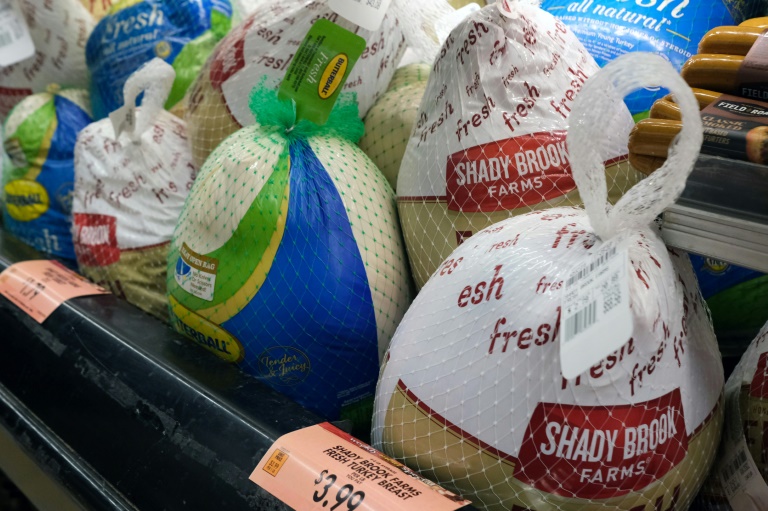
Sandra White normally has turkey for Thanksgiving dinner. But on Thursday, due to soaring inflation, she’s going to have fried chicken instead.

“It’s too expensive, too expensive,” the 70-year-old White, a resident of East Harlem, says of the traditional holiday bird. 

She asked her guests to bring other parts of the meal.

It’s the same story for fellow shopper Yeisha Swan, but she got lucky: one of her loved ones bought the family fowl, and she was able to cut costs on the side dishes, which for many are just as important as the main course.

“This is way less than what I would buy. I couldn’t get my ham…. I’m using canned collard greens. It’s different,” Swan, 42, tells AFP outside a New York supermarket.

Inflation is red-hot in the United States, reaching the highest levels in decades this year. And while some prices have eased in recent months, consumers say they are straining to handle their grocery bills — a tough blow at the holidays.

Compounding that problem is a bird flu outbreak that forced the culling of about 50 million poultry, including eight million turkeys, according to calculations based on US Department of Agriculture data.

Turkey costs 21 percent more in the United States than it did last year, according to the American Farm Bureau.

– ‘Had to really cut back’ –

The turkey is not the only component of a classic Thanksgiving meal that is more pricey. A Farm Bureau survey showed that cubed stuffing mix was 69 percent more expensive as compared with last year.

The only must-have with a price drop? Cranberries.

An average meal for 10 this year — including turkey, stuffing, peas, sweet potatoes, cranberries, carrots, rolls and pumpkin pie — will cost $64.05, or 20 percent more than in 2021, the Farm Bureau said.

“I just had to really cut back…. We used to have a party and we couldn’t do that for Thanksgiving,” says chef Jose Rodriguez. Instead of an open house for all of his loved ones, he will eat with his wife and their two dogs.

Although turkey prices have jumped, demand has not completely collapsed.

At Wendel’s Poultry Farm near Buffalo, New York — which emerged unscathed from the bird flu crisis — all 1,100 Thanksgiving turkeys were sold out. Customers can already place an order for a Christmas bird.

In order to make up for increasing costs of raw materials, Wendel’s hiked its prices by 22 percent, explains manager Cami Wendel.

Retail giant Walmart went in the opposite direction, offering its Thanksgiving basket, including a turkey, for the same price as last year. Its low prices have allowed it to make inroads in the grocery market since inflation took off.
Medical community frets over fate of Twitter

For days, doctors, scientists and public health experts have been telling their Twitter followers where to find them on other platforms if Elon Musk’s newly-acquired company tanks.

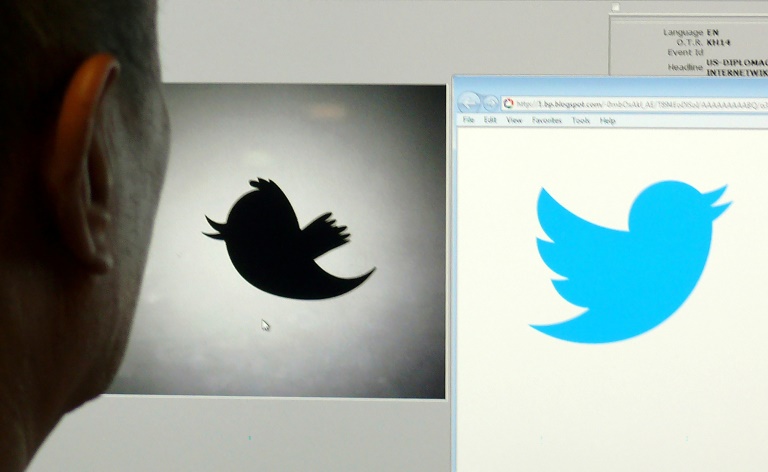
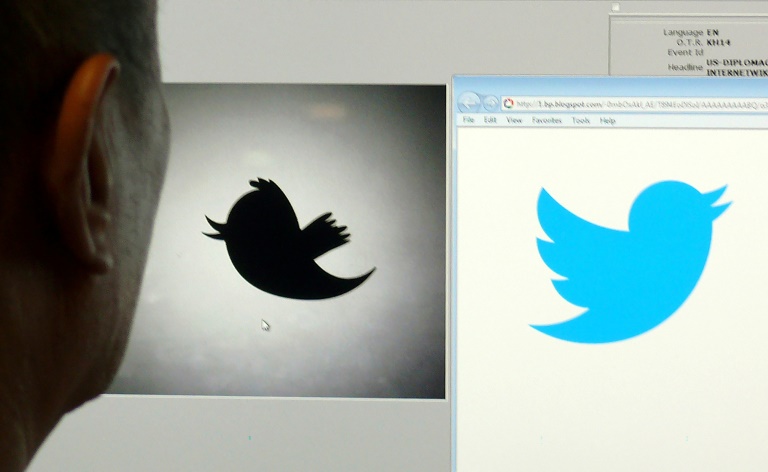
The social media giant symbolized by the blue bird has laid off half of its 7,500 employees, while several hundred others have resigned, creating doubts over its future.

Even if it survives, the unpredictability of the new boss has raised fears his policies could profoundly alter the character of the so-called digital town square.

That would be a deep loss for medical experts, who have used Twitter since the start of the Covid pandemic as a tool to quickly gather information, share their research, communicate public health messages and forge new collaborations.

The pandemic was a “tipping point for the use of social media as a primary resource for researchers,” Jason Kindrachuk, a virologist at the University of Manitoba in Canada, told AFP.

As the coronavirus began its global march in January 2020, researchers embarked on studies to understand how the virus spreads, its health effects, and how best to protect oneself. 

They shared findings immediately on Twitter to assist the wider medical community and an anxious public, often in the form of “preprints” — early versions of scientific papers before they are submitted to a journal.

“In the middle of a pandemic, the ability to rapidly share information is critical for knowledge translation and dissemination, and Twitter is able to do this in a way that is typically not feasible for textbooks or journals,” said a commentary published in the Canadian Journal of Emergency Medicine.

The process of peer review effectively took place in real time on Twitter, with scientists publicly sharing their interpretations and critiques of each new study.

Of course, there was also a downside: unworthy work received outsized attention, and non-specialists held forth on subjects far from their areas of expertise.

– International collaborations –

On the other hand, it was thanks to Twitter that experts from around the world were able to find one another easily and team up.

“There are people that I collaborate with now that have been based on interactions that were born out of Twitter,” said Kindrachuk, who has around 22,000 followers. 

“To think that that could change in the very near future, that to me does kind of bring some feelings of concern and regret.”

For example, it was the vital work of researchers from South Africa and Botswana that alerted the world to the dangerous Omicron variant in late 2021.

The loss of Twitter would be compounded by the fact it has long been frequented by experts of another profession: journalism.

“Because Twitter is a platform that is followed by a lot of journalists, it helps, there’s a feedback loop. It gets amplified,” explained Celine Gounder, an infectious disease specialist and epidemiologist with 88,000 followers.

She added she had moved a private Twitter discussion with a dozen colleagues to Signal, and started once more posting her thoughts to LinkedIn as well as the Post News platform.

Many experts have now put their handles on rival service Mastodon on their Twitter bios, or directed their followers to their newsletters on Substack.

If Twitter doesn’t work out, “we will all adapt, we will find other social media platforms,” said Kindrachuk. 

“But it will take time and unfortunately, infectious diseases don’t wait for us to find new mechanisms to communicate.”

Medical community frets over fate of Twitter

For days, doctors, scientists and public health experts have been telling their Twitter followers where to find them on other platforms if Elon Musk’s newly-acquired company tanks.

The social media giant symbolized by the blue bird has laid off half of its 7,500 employees, while several hundred others have resigned, creating doubts over its future.

Even if it survives, the unpredictability of the new boss has raised fears his policies could profoundly alter the character of the so-called digital town square.

That would be a deep loss for medical experts, who have used Twitter since the start of the Covid pandemic as a tool to quickly gather information, share their research, communicate public health messages and forge new collaborations.

The pandemic was a “tipping point for the use of social media as a primary resource for researchers,” Jason Kindrachuk, a virologist at the University of Manitoba in Canada, told AFP.

As the coronavirus began its global march in January 2020, researchers embarked on studies to understand how the virus spreads, its health effects, and how best to protect oneself. 

They shared findings immediately on Twitter to assist the wider medical community and an anxious public, often in the form of “preprints” — early versions of scientific papers before they are submitted to a journal.

“In the middle of a pandemic, the ability to rapidly share information is critical for knowledge translation and dissemination, and Twitter is able to do this in a way that is typically not feasible for textbooks or journals,” said a commentary published in the Canadian Journal of Emergency Medicine.

The process of peer review effectively took place in real time on Twitter, with scientists publicly sharing their interpretations and critiques of each new study.

Of course, there was also a downside: unworthy work received outsized attention, and non-specialists held forth on subjects far from their areas of expertise.

– International collaborations –

On the other hand, it was thanks to Twitter that experts from around the world were able to find one another easily and team up.

“There are people that I collaborate with now that have been based on interactions that were born out of Twitter,” said Kindrachuk, who has around 22,000 followers. 

“To think that that could change in the very near future, that to me does kind of bring some feelings of concern and regret.”

For example, it was the vital work of researchers from South Africa and Botswana that alerted the world to the dangerous Omicron variant in late 2021.

The loss of Twitter would be compounded by the fact it has long been frequented by experts of another profession: journalism.

“Because Twitter is a platform that is followed by a lot of journalists, it helps, there’s a feedback loop. It gets amplified,” explained Celine Gounder, an infectious disease specialist and epidemiologist with 88,000 followers.

She added she had moved a private Twitter discussion with a dozen colleagues to Signal, and started once more posting her thoughts to LinkedIn as well as the Post News platform.

Many experts have now put their handles on rival service Mastodon on their Twitter bios, or directed their followers to their newsletters on Substack.

If Twitter doesn’t work out, “we will all adapt, we will find other social media platforms,” said Kindrachuk. 

“But it will take time and unfortunately, infectious diseases don’t wait for us to find new mechanisms to communicate.”

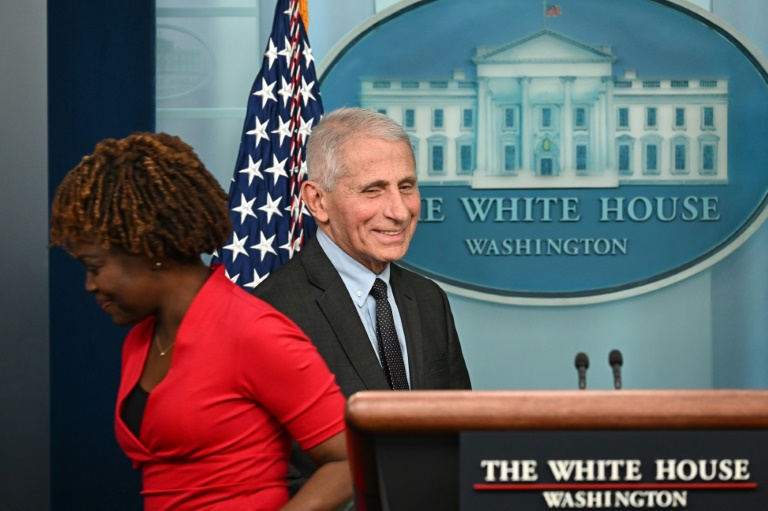
In final briefing, Fauci urges Americans to get vaccinated

True to form, America’s outgoing top infectious disease official, Anthony Fauci, used what may be his final White House appearance Tuesday to convey a simple message.

“Please for your own safety and for that of your family, get your updated Covid-19 shot as soon as you’re eligible,” said the 81-year-old, hammering home a public health mantra in the face of slow booster uptake.

Vaccines targeting Omicron’s sublineages BA.4 and BA.5 have been widely available since summer, but so far only 11 percent of the eligible over-five population in the United States have received them.

Boosting the case, the Centers for Disease Control and Prevention released a study that showed the new shots reduced the risk of infection by around 30 percent among people who had the last of their doses two or three months earlier.

President Joe Biden’s Covid coordinator Ashish Jha also announced a “six-week sprint” to increase shots in arms by the end of the year and blunt the impact of an expected winter wave.

Influenza and RSV, which are rebounding after two years of containment during lockdowns, are already adding to the burden on the health care system and could get worse.

But Fauci offered a hopeful assessment about prospects as cold weather settles in. 

Between the vaccinated and those with prior infections, he said he hoped “there’s enough community protection that we’re not going to see a repeat of what we saw last year at this time,” even as newer variants emerge.

Fauci will step down next month from his roles in government as Biden’s chief medical advisor, as well as director of the National Institute for Allergies and Infectious Diseases, which he has headed since 1984.

The physician-scientist first rose to prominence during the HIV-AIDS crisis, and more recently led the US response to the Zika virus and Ebola.

Reflecting on his time helming America’s fight against Covid, Fauci admitted the government could have done a better job at conveying uncertainty early on in the pandemic when advice changed fast.

But he said the most difficult thing he had to deal with was the polarization that had fractured America along political lines.

“When I see people…not getting vaccinated for reasons that have nothing to do with public health, that have to do because of divisiveness, and ideological differences, as a physician, it pains me,” he said.

“Whether you’re a far right Republican or a far left Democrat, doesn’t make any difference to me. I look upon it the same way as I did in the emergency room in the middle of New York City.”

On the proliferation of bad health advice online, he said the “way you counter misinformation and disinformation, is to do whatever you can as often as you can to provide correct information.” 

Indeed, Fauci often found himself having to contradict then-president Donald Trump’s unscientific Covid advice — such as ingesting bleach to fight the virus — in clashes that helped turn him into a hated figure on the far right.

Republican lawmakers are expected to grill Fauci when they take control of the House of Representatives in January, but the scientist said he remained undaunted.

“We can defend and explain and stand by everything that we’ve said so I have nothing to hide.”

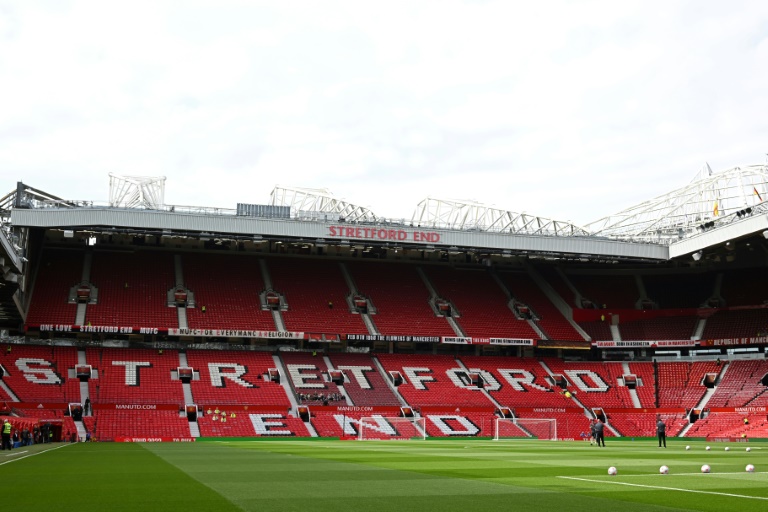
Manchester United owners consider sale as Ronaldo exits

Manchester United’s owners said Tuesday they were ready to sell the club, potentially bringing down the curtain on an acrimonious 17 years under the Glazer family.

On a tumultuous day for the English giants, it was earlier revealed that star player Cristiano Ronaldo has left the club with “immediate effect.”

Weeks of turbulence appeared to have come to an end when United announced Ronaldo’s contract had been terminated by mutual agreement to bring to an end his second spell at Old Trafford.

That dramatic announcement was eclipsed just hours later by the news the US-based Glazer family could also be on their way out.

“The board will consider all strategic alternatives, including new investment into the club, a sale, or other transactions involving the company,” United said in a statement.

The Glazers have been unpopular with supporters ever since a £790 million ($934 million) leveraged takeover in 2005 burdened the club with huge debts.

Frustration towards the Americans has only grown during a nine-year decline in results on the pitch since Alex Ferguson’s retirement as manager in 2013.

The Red Devils have not won the Premier League title since Ferguson’s final campaign in 2012/2013 and have failed to win any trophy since 2017.

United currently sit fifth in the Premier League, 11 points behind leaders Arsenal.

“We will evaluate all options to ensure that we best serve our fans and that Manchester United maximizes the significant growth opportunities available to the club today and in the future,” added Avram and Joel Glazer, the club’s executive co-chairmen and directors.

The statement also recognised the need for investment in stadium redevelopment.

Old Trafford remains the largest club stadium in England with a capacity of 74,000 but has not had a significant upgrade since 2006.

– Ronaldo departs –

Erik ten Hag is the fifth permanent manager at Old Trafford in the past nine years and his early months in charge have been dominated by debate over Ronaldo’s place in the team.

The five-time Ballon d’Or winner had been used sparingly by the former Ajax boss in the Premier League.

Ronaldo reacted with an explosive interview on TalkTV last week in which he said he felt “betrayed” by the club and had no respect for Ten Hag.

The Portugal captain, who is currently competing in his fifth World Cup, also took aim at the Glazers, claiming they “don’t care about the club”.

“Cristiano Ronaldo is to leave Manchester United by mutual agreement, with immediate effect,” United said in an earlier statement.

“The club thanks him for his immense contribution across two spells at Old Trafford, scoring 145 goals in 346 appearances, and wishes him and his family well for the future.”

News of the Glazers inviting investment comes just weeks after Liverpool’s American owners, the Fenway Sports Group, indicated they were willing to sell.

Both United and Liverpool were involved in the failed European Super League (ESL) project that sought to create a US-style closed league format for Europe’s elite clubs without the need to qualify or promotion and relegation.

Amid a furious backlash to the ESL, a match between United and Liverpool was abandoned in May 2021 after supporters stormed the pitch at a time when fans were shut out of stadiums due to coronavirus restrictions.

Protests against the Glazers have continued to be common on matchdays at Old Trafford despite huge spending on player transfer fees and wages, including on Ronaldo’s homecoming.

In May, Premier League rivals Chelsea were sold for £2.5 billion ($3 billion), a record for a football club, to another American consortium led by Todd Boehly, with a further investment of £1.75 billion promised on the playing squad and infrastructure.

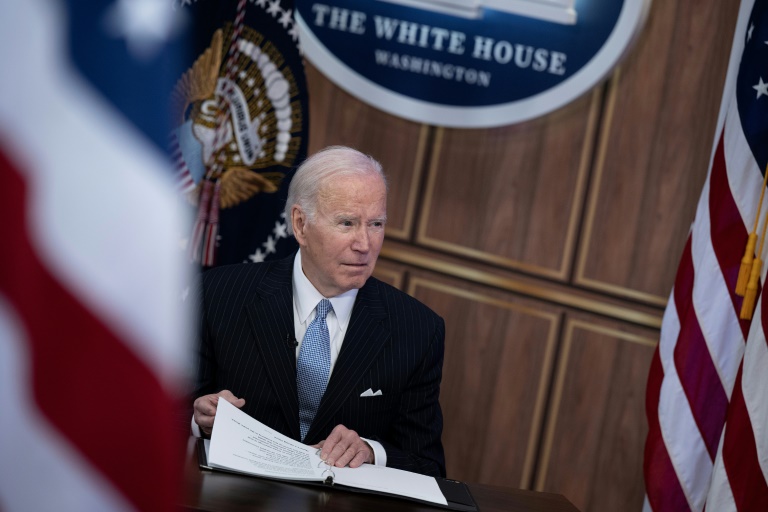
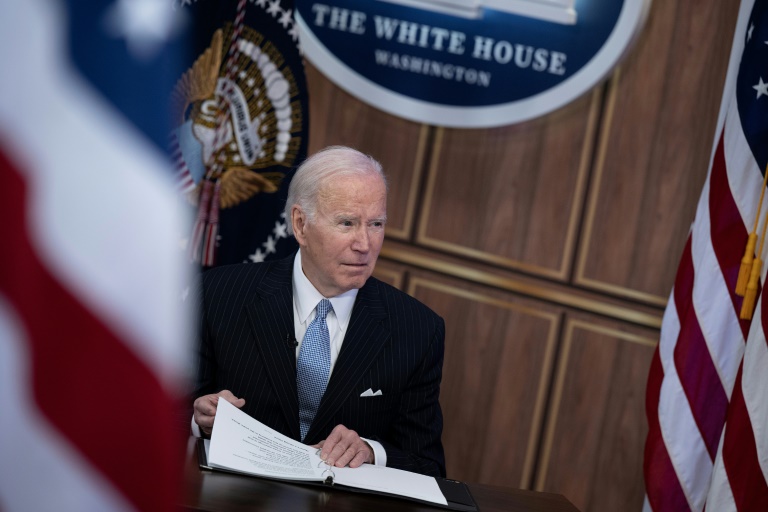
Looming freight train strike could derail Biden political momentum

Joe Biden faces the prospect of a crippling strike by railroad unions that could stall transport of fuel, corn and drinking water, dramatically complicate holiday season train travel, and dent the US president’s political standing.

If an agreement is not reached by December 9 at the latest, the world’s largest economy could see nearly 7,000 freight trains grind to a halt, at a cost of more than $2 billion a day, according to the American Association of Railroads.

Biden himself has got “involved directly” in the negotiations aimed at averting a work stoppage, White House spokeswoman Karine Jean-Pierre said Tuesday.

“I don’t want to get into details at this time, but he has been involved,” she said.

In a country where some 28 percent of all goods are transported by rail, according to 2019 statistics, “a shutdown is unacceptable because of the harm… imposed on jobs, families, farms, businesses, and communities” nationwide, Jean-Pierre added.

A large-scale strike would affect multiple sectors, even the supply of drinking water, given than many of the chemicals used in treatment plants are transported by train.

A freight freeze would also impact passenger service, because some passenger trains run on tracks owned by freight companies.

The stoppage threat is the result of a complex negotiation involving members of 12 unions and their employers, with Biden weighing in to flex his political muscle.

– Too soon? –

The risk of a major labor dispute actually has existed for months, with the White House narrowly averting a strike in September.

In a self-congratulatory move, the president welcomed labor leaders to the Oval Office on September 15 to celebrate an agreement in principle, after hours of intense negotiations that had stalled in particular on the issue of sick leave.

Biden at the time went as far as to hail “a big win for America” during a speech in the Rose Garden.

The presidential celebration now appears premature. That agreement still required the ratification from members of the 12 unions in question, but four of the labor groups do not support it.

There are still two weeks to reach a deal. In the end, if only one of the unions goes on strike, the others will follow suit.

The impasse is a difficult one for Biden. He is a huge supporter of rail transportation who as a US senator traveled by train daily between Washington and his family living in the state of Delaware, and throughout his career has rarely missed an opportunity to express support for labor unions.

But with US inflation sky high, and holidays fast approaching, he can hardly afford such transport woes.

As the 79-year-old Democrat mulls a re-election bid in 2024, a rail strike could jeopardize the political momentum he has earned since the November 8 midterm elections, when his party averted major losses to Republicans.

One possibility is the intervention of Congress, which has the power under the 1926 Railway Labor Act to keep the railroads operating. 

Looming freight train strike could derail Biden political momentum

Joe Biden faces the prospect of a crippling strike by railroad unions that could stall transport of fuel, corn and drinking water, dramatically complicate holiday season train travel, and dent the US president’s political standing.

If an agreement is not reached by December 9 at the latest, the world’s largest economy could see nearly 7,000 freight trains grind to a halt, at a cost of more than $2 billion a day, according to the American Association of Railroads.

Biden himself has got “involved directly” in the negotiations aimed at averting a work stoppage, White House spokeswoman Karine Jean-Pierre said Tuesday.

“I don’t want to get into details at this time, but he has been involved,” she said.

In a country where some 28 percent of all goods are transported by rail, according to 2019 statistics, “a shutdown is unacceptable because of the harm… imposed on jobs, families, farms, businesses, and communities” nationwide, Jean-Pierre added.

A large-scale strike would affect multiple sectors, even the supply of drinking water, given than many of the chemicals used in treatment plants are transported by train.

A freight freeze would also impact passenger service, because some passenger trains run on tracks owned by freight companies.

The stoppage threat is the result of a complex negotiation involving members of 12 unions and their employers, with Biden weighing in to flex his political muscle.

– Too soon? –

The risk of a major labor dispute actually has existed for months, with the White House narrowly averting a strike in September.

In a self-congratulatory move, the president welcomed labor leaders to the Oval Office on September 15 to celebrate an agreement in principle, after hours of intense negotiations that had stalled in particular on the issue of sick leave.

Biden at the time went as far as to hail “a big win for America” during a speech in the Rose Garden.

The presidential celebration now appears premature. That agreement still required the ratification from members of the 12 unions in question, but four of the labor groups do not support it.

There are still two weeks to reach a deal. In the end, if only one of the unions goes on strike, the others will follow suit.

The impasse is a difficult one for Biden. He is a huge supporter of rail transportation who as a US senator traveled by train daily between Washington and his family living in the state of Delaware, and throughout his career has rarely missed an opportunity to express support for labor unions.

But with US inflation sky high, and holidays fast approaching, he can hardly afford such transport woes.

As the 79-year-old Democrat mulls a re-election bid in 2024, a rail strike could jeopardize the political momentum he has earned since the November 8 midterm elections, when his party averted major losses to Republicans.

One possibility is the intervention of Congress, which has the power under the 1926 Railway Labor Act to keep the railroads operating. 

European, US stocks up despite China Covid fears

Global stocks mostly rose Tuesday, shrugging off worries about inflation and the potential reinstatement of severe China Covid-19 restrictions ahead of the kickoff of the holiday shopping season.

London, Paris and Frankfurt closed in the green while Wall Street secured solid gains following a rally in beaten-down tech shares such as Facebook parent Meta and Google parent Alphabet that have lagged the broader market for much of 2022.

Briefing.com analyst Patrick O’Hare said Tuesday’s rally reflected “the vicissitudes of a holiday market” two days before the Thanksgiving break when there were few major economic indicators.

Analysts also cited good results from Best Buy and some other retailers which offered hope that a resilient American consumer will keep spending during the critical shopping season that begins on “Black Friday.”

But analysts continued to monitor the state of play in China, which over the weekend reported its first Covid-19 fatalities in months.

“Some investors are convinced that China’s reopening is a formality and will be catalysed by the WHO downgrading Covid to an endemic. We know China’s reopening will be laced with fits and starts,” said Stephen Innes of SPI Asset Management.

Traders are fearful that Chinese authorities will revert to highly restrictive Covid containment measures that have already dealt a chilling blow to its economy this year. 

“Renewed crackdowns in the world’s second largest economy raise the prospect of a global recession,” City Index analyst Fiona Cincotta told AFP.

World oil prices also clawed back ground, having tumbled on Monday to lows unseen since January, with the rebound attributed in part to the Saudi Arabian denial of a report of a possible OPEC production boost.

The dollar slid against main rivals ahead of minutes from the Federal Reserve’s latest policy meeting that saw it carry out another big hike to US interest rates.

Hopes that the central bank will begin to take its foot off the pedal were boosted earlier this month by figures showing US inflation slowed more than expected, suggesting a series of hikes were beginning to bite.

The OECD forecast Tuesday that world economic growth will slow sharply from 3.1 percent this year to 2.2 percent next year on high inflation.

And it warned of “serious headwinds” including rising interest rates, surging energy prices and Russia’s war on Ukraine.

Among individual companies, Manchester United soared 14.7 percent following a Sky News report that the team’s US-based owners, the Glazer family, could sell the venture.

The report came as the team announced that Portuguese star Cristiano Ronaldo was leaving the club immediately following a broadcast interview in which he sharply criticized the Glazer family.

Late Tuesday, Manchester United released a statement saying its board is “commencing a process to explore strategic alternatives for the club,” including a possible sale.

– Key figures around 2200 GMT –

New York – Dow: UP 1.2 percent at 34,098.10 (close)

New York – S&P 500: UP 1.4 percent at 4,003.58 (close)

New York – Nasdaq: UP 1.4 percent at 11,174.84 (close)

London – FTSE 100: UP 1.0 percent at 7,452.84 (close)

Paris – CAC 40: UP 0.4 percent at 6,657.53 (close)

Frankfurt – DAX: UP 0.3 percent at 14,422.35 (close)

EURO STOXX 50: UP 0.5 percent at 3,929.90 (close)

Tokyo – Nikkei 225: UP 0.6 percent at 28,115.74 (close)

Hong Kong – Hang Seng Index: DOWN 1.3 percent at 17,424.41 (close)

Shanghai – Composite: UP 0.1 percent at 3,088.94 (close)

Euro/dollar: UP at $1.0305 from $1.0242 on Monday

Dollar/yen: DOWN at 141.20 yen from 142.14 yen

Pound/dollar: UP at $1.1886 from $1.1823

Euro/pound: UP at 86.66 pence from 86.63 pence

Brent North Sea crude: UP 1.0 percent at $88.36 per barrel

West Texas Intermediate: UP 1.1 percent at $80.95 per barrel

European, US stocks up despite China Covid fears

Global stocks mostly rose Tuesday, shrugging off worries about inflation and the potential reinstatement of severe China Covid-19 restrictions ahead of the kickoff of the holiday shopping season.

London, Paris and Frankfurt closed in the green while Wall Street secured solid gains following a rally in beaten-down tech shares such as Facebook parent Meta and Google parent Alphabet that have lagged the broader market for much of 2022.

Briefing.com analyst Patrick O’Hare said Tuesday’s rally reflected “the vicissitudes of a holiday market” two days before the Thanksgiving break when there were few major economic indicators.

Analysts also cited good results from Best Buy and some other retailers which offered hope that a resilient American consumer will keep spending during the critical shopping season that begins on “Black Friday.”

But analysts continued to monitor the state of play in China, which over the weekend reported its first Covid-19 fatalities in months.

“Some investors are convinced that China’s reopening is a formality and will be catalysed by the WHO downgrading Covid to an endemic. We know China’s reopening will be laced with fits and starts,” said Stephen Innes of SPI Asset Management.

Traders are fearful that Chinese authorities will revert to highly restrictive Covid containment measures that have already dealt a chilling blow to its economy this year. 

“Renewed crackdowns in the world’s second largest economy raise the prospect of a global recession,” City Index analyst Fiona Cincotta told AFP.

World oil prices also clawed back ground, having tumbled on Monday to lows unseen since January, with the rebound attributed in part to the Saudi Arabian denial of a report of a possible OPEC production boost.

The dollar slid against main rivals ahead of minutes from the Federal Reserve’s latest policy meeting that saw it carry out another big hike to US interest rates.

Hopes that the central bank will begin to take its foot off the pedal were boosted earlier this month by figures showing US inflation slowed more than expected, suggesting a series of hikes were beginning to bite.

The OECD forecast Tuesday that world economic growth will slow sharply from 3.1 percent this year to 2.2 percent next year on high inflation.

And it warned of “serious headwinds” including rising interest rates, surging energy prices and Russia’s war on Ukraine.

Among individual companies, Manchester United soared 14.7 percent following a Sky News report that the team’s US-based owners, the Glazer family, could sell the venture.

The report came as the team announced that Portuguese star Cristiano Ronaldo was leaving the club immediately following a broadcast interview in which he sharply criticized the Glazer family.

Late Tuesday, Manchester United released a statement saying its board is “commencing a process to explore strategic alternatives for the club,” including a possible sale.

– Key figures around 2200 GMT –

New York – Dow: UP 1.2 percent at 34,098.10 (close)

New York – S&P 500: UP 1.4 percent at 4,003.58 (close)

New York – Nasdaq: UP 1.4 percent at 11,174.84 (close)

London – FTSE 100: UP 1.0 percent at 7,452.84 (close)

Paris – CAC 40: UP 0.4 percent at 6,657.53 (close)

Frankfurt – DAX: UP 0.3 percent at 14,422.35 (close)

EURO STOXX 50: UP 0.5 percent at 3,929.90 (close)

Tokyo – Nikkei 225: UP 0.6 percent at 28,115.74 (close)

Hong Kong – Hang Seng Index: DOWN 1.3 percent at 17,424.41 (close)

Shanghai – Composite: UP 0.1 percent at 3,088.94 (close)

Euro/dollar: UP at $1.0305 from $1.0242 on Monday

Dollar/yen: DOWN at 141.20 yen from 142.14 yen

Pound/dollar: UP at $1.1886 from $1.1823

Euro/pound: UP at 86.66 pence from 86.63 pence

Brent North Sea crude: UP 1.0 percent at $88.36 per barrel

West Texas Intermediate: UP 1.1 percent at $80.95 per barrel

European, US stocks up despite China Covid fears

Global stocks mostly rose Tuesday, shrugging off worries about inflation and the potential reinstatement of severe China Covid-19 restrictions ahead of the kickoff of the holiday shopping season.

London, Paris and Frankfurt closed in the green while Wall Street secured solid gains following a rally in beaten-down tech shares such as Facebook parent Meta and Google parent Alphabet that have lagged the broader market for much of 2022.

Briefing.com analyst Patrick O’Hare said Tuesday’s rally reflected “the vicissitudes of a holiday market” two days before the Thanksgiving break when there were few major economic indicators.

Analysts also cited good results from Best Buy and some other retailers which offered hope that a resilient American consumer will keep spending during the critical shopping season that begins on “Black Friday.”

But analysts continued to monitor the state of play in China, which over the weekend reported its first Covid-19 fatalities in months.

“Some investors are convinced that China’s reopening is a formality and will be catalysed by the WHO downgrading Covid to an endemic. We know China’s reopening will be laced with fits and starts,” said Stephen Innes of SPI Asset Management.

Traders are fearful that Chinese authorities will revert to highly restrictive Covid containment measures that have already dealt a chilling blow to its economy this year. 

“Renewed crackdowns in the world’s second largest economy raise the prospect of a global recession,” City Index analyst Fiona Cincotta told AFP.

World oil prices also clawed back ground, having tumbled on Monday to lows unseen since January, with the rebound attributed in part to the Saudi Arabian denial of a report of a possible OPEC production boost.

The dollar slid against main rivals ahead of minutes from the Federal Reserve’s latest policy meeting that saw it carry out another big hike to US interest rates.

Hopes that the central bank will begin to take its foot off the pedal were boosted earlier this month by figures showing US inflation slowed more than expected, suggesting a series of hikes were beginning to bite.

The OECD forecast Tuesday that world economic growth will slow sharply from 3.1 percent this year to 2.2 percent next year on high inflation.

And it warned of “serious headwinds” including rising interest rates, surging energy prices and Russia’s war on Ukraine.

Among individual companies, Manchester United soared 14.7 percent following a Sky News report that the team’s US-based owners, the Glazer family, could sell the venture.

The report came as the team announced that Portuguese star Cristiano Ronaldo was leaving the club immediately following a broadcast interview in which he sharply criticized the Glazer family.

Late Tuesday, Manchester United released a statement saying its board is “commencing a process to explore strategic alternatives for the club,” including a possible sale.

– Key figures around 2200 GMT –

New York – Dow: UP 1.2 percent at 34,098.10 (close)

New York – S&P 500: UP 1.4 percent at 4,003.58 (close)

New York – Nasdaq: UP 1.4 percent at 11,174.84 (close)

London – FTSE 100: UP 1.0 percent at 7,452.84 (close)

Paris – CAC 40: UP 0.4 percent at 6,657.53 (close)

Frankfurt – DAX: UP 0.3 percent at 14,422.35 (close)

EURO STOXX 50: UP 0.5 percent at 3,929.90 (close)

Tokyo – Nikkei 225: UP 0.6 percent at 28,115.74 (close)

Hong Kong – Hang Seng Index: DOWN 1.3 percent at 17,424.41 (close)

Shanghai – Composite: UP 0.1 percent at 3,088.94 (close)

Euro/dollar: UP at $1.0305 from $1.0242 on Monday

Dollar/yen: DOWN at 141.20 yen from 142.14 yen

Pound/dollar: UP at $1.1886 from $1.1823

Euro/pound: UP at 86.66 pence from 86.63 pence

Brent North Sea crude: UP 1.0 percent at $88.36 per barrel

West Texas Intermediate: UP 1.1 percent at $80.95 per barrel

Close Bitnami banner
Bitnami