AFP

Blizzard to pull popular games from China after license spat

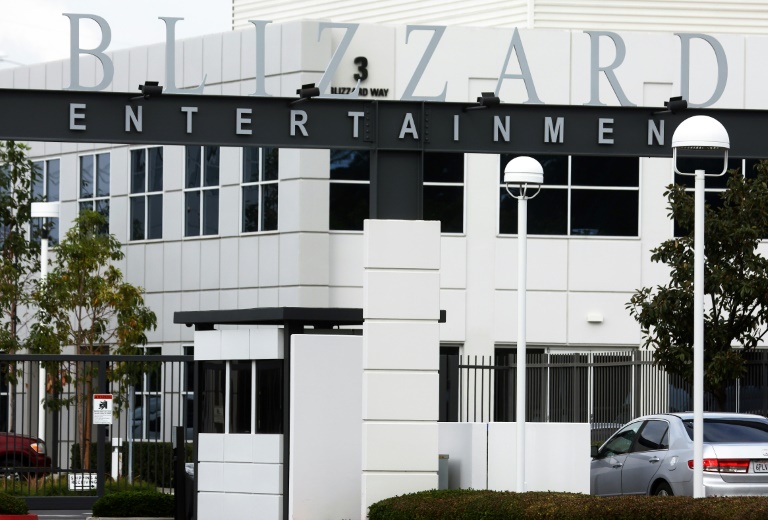
US gaming giant Blizzard Entertainment will suspend most of its services in China from January, the company said Thursday, after it failed to reach a licensing deal with local firm NetEase.

Producer of some of the best-known titles in video gaming, including “World of Warcraft” and “Overwatch”, Blizzard has operated since 2008 in China — the world’s biggest gaming market.

But the firm said it had failed to reach an agreement with Chinese publisher NetEase over an extension to their 14-year partnership.

“We will suspend new sales in the coming days and Chinese players will be receiving details of how this will work soon,” Blizzard Entertainment, a subsidiary of California-based Activision Blizzard, said in a statement.

Microsoft in January offered to buy Activision Blizzard for $69 billion, but the deal has yet to be finalised as anti-trust authorities examine it.

Negotiations with NetEase fell apart, the company said, after the two sides failed to strike a deal that is “consistent with Blizzard’s operating principles and commitments to players and employees”. It did not share further details.

Foreign companies require a license with Chinese publishers in order to sell their games. 

Activision Blizzard, for example, distributes its “Call of Duty” franchise through Tencent, the worlds’ biggest gaming company by revenue.

The break-up comes as Chinese gaming giants are expanding abroad, buying promising studios or expanding their ownership in major publishers in Europe.

– ‘Love and support’ –

Analysts said that the row with NetEase did not mean that Blizzard was leaving China and that the company was expected to find new ways to stay in the market, including through a possible tie-up with Tencent.

“It’s worth noting that this isn’t the first time that Blizzard has done something like this in China,” said Daniel Ahmad, a senior analyst at Niko Partners.

Before working with NetEase, Blizzard had a similar deal with a company called The9, before ending the partnership.

Ahmad said the news was reverberating across the gaming world in China and was a trending topic on Weibo, the Chinese version of Twitter.

Reactions poured in from gamers who were born in the 80s or 90s that grew up playing Blizzard video games as well as younger ones who had discovered the company on mobile, said Ahmad. 

Blizzard thanked local players for their “love and support”, saying it “sincerely looked forward to bringing Blizzard games back to you in the future”.

Upcoming releases for “World of Warcraft: Dragonflight”, “Hearthstone: March of the Lich King”, and season two of “Overwatch 2” will go ahead later this year, the company added.

NetEase’s Hong Kong-listed shares fell more than 9 percent on Thursday.

The Chinese gaming giant said the expiration of the licenses would have “no material impact on NetEase’s financial results”, in a stock exchange filing Thursday.
Blizzard to pull popular games from China after license spat

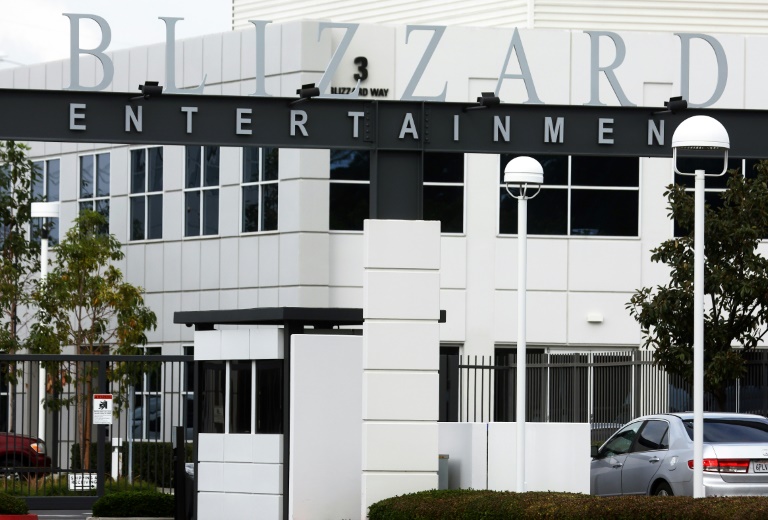
US gaming giant Blizzard Entertainment will suspend most of its services in China from January, the company said Thursday, after it failed to reach a licensing deal with local firm NetEase.

Producer of some of the best-known titles in video gaming, including “World of Warcraft” and “Overwatch”, Blizzard has operated since 2008 in China — the world’s biggest gaming market.

But the firm said it had failed to reach an agreement with Chinese publisher NetEase over an extension to their 14-year partnership.

“We will suspend new sales in the coming days and Chinese players will be receiving details of how this will work soon,” Blizzard Entertainment, a subsidiary of California-based Activision Blizzard, said in a statement.

Microsoft in January offered to buy Activision Blizzard for $69 billion, but the deal has yet to be finalised as anti-trust authorities examine it.

Negotiations with NetEase fell apart, the company said, after the two sides failed to strike a deal that is “consistent with Blizzard’s operating principles and commitments to players and employees”. It did not share further details.

Foreign companies require a license with Chinese publishers in order to sell their games. 

Activision Blizzard, for example, distributes its “Call of Duty” franchise through Tencent, the worlds’ biggest gaming company by revenue.

The break-up comes as Chinese gaming giants are expanding abroad, buying promising studios or expanding their ownership in major publishers in Europe.

– ‘Love and support’ –

Analysts said that the row with NetEase did not mean that Blizzard was leaving China and that the company was expected to find new ways to stay in the market, including through a possible tie-up with Tencent.

“It’s worth noting that this isn’t the first time that Blizzard has done something like this in China,” said Daniel Ahmad, a senior analyst at Niko Partners.

Before working with NetEase, Blizzard had a similar deal with a company called The9, before ending the partnership.

Ahmad said the news was reverberating across the gaming world in China and was a trending topic on Weibo, the Chinese version of Twitter.

Reactions poured in from gamers who were born in the 80s or 90s that grew up playing Blizzard video games as well as younger ones who had discovered the company on mobile, said Ahmad. 

Blizzard thanked local players for their “love and support”, saying it “sincerely looked forward to bringing Blizzard games back to you in the future”.

Upcoming releases for “World of Warcraft: Dragonflight”, “Hearthstone: March of the Lich King”, and season two of “Overwatch 2” will go ahead later this year, the company added.

NetEase’s Hong Kong-listed shares fell more than 9 percent on Thursday.

The Chinese gaming giant said the expiration of the licenses would have “no material impact on NetEase’s financial results”, in a stock exchange filing Thursday.
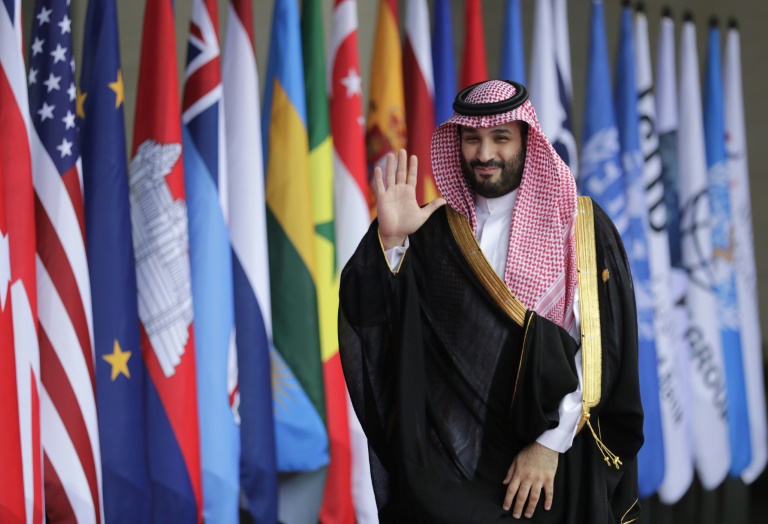
S. Korea, Saudi Arabia agree to boost energy and defence ties

The leaders of South Korea and Saudi Arabia agreed Thursday to boost ties in key sectors such as energy and defence, with the oil-rich kingdom signing a slew of deals including a $6.7 billion petrochemical agreement.

President Yoon Suk-yeol met with Saudi Arabia’s Crown Prince Mohammed bin Salman in the South Korean capital Thursday, announcing a plan to transform bilateral ties into a “strategic partnership”.

Bin Salman, the kingdom’s 37-year-old de facto ruler, often referred to as MBS, arrived in Seoul late Wednesday after attending the Group of 20 summit in Bali, Indonesia. 

Yoon and bin Salman agreed to elevate ties into a “future oriented strategic partnership,” Yoon’s office said in a statement.

The South Korean president wants to see local companies join key Saudi projects such as the futuristic mega-city known as NEOM, and boost cooperation in the defence and energy sectors.

Bin Salman “especially expressed his wish for a significant increase in cooperation in energy, defence and construction industries,” Yoon’s office said.

During the visit, the two governments and companies from both countries — including some of Seoul’s top conglomerates — signed about 20 deals in areas from agriculture to railways.

The Saudi investment ministry said the agreements were worth roughly $30 billion and covered sectors including energy, manufacturing, financial services and pharmaceuticals.

Among the agreements was Saudi investment for South Korean refiner S-OIL’s Shaheen project, which would build petrochemical production facilities in South Korea worth $6.7 billion, Yoon’s office said.

Bin Salman has tried to jumpstart efforts to diversify the economy of Saudi Arabia, the world’s biggest crude exporter, away from oil and to grow the private sector, and Saudi officials look to South Korea as a possible model. 

“Driven by the private sector, Korea’s successful economy and the global positioning of so many Korean companies, which are household names, are testament to Korea’s strategy’s success,” Saudi investment minister Khalid al-Falih said.

“The Korean model has been a benchmark for Saudi Arabia’s Vision 2030 and National Investment Strategy, which aim to increase the private sector’s contribution to the economy to 65 percent of GDP by the end of this decade.”

– Asia tour –

Bin Salman is on a multi-stop Asian tour in a bid to shore up the Gulf nation’s ties with its biggest energy market.

He left South Korea on Thursday for Bangkok, where he is scheduled to attend the Asia-Pacific Economic Cooperation (APEC) forum.

The trip comes as Riyadh feuds with Washington over the OPEC+ oil cartel’s October decision to cut production by two million barrels per day.

Bin Salman, who was officially made prime minister in September, has shaken up the ultraconservative oil titan with economic, social and religious reforms since his meteoric rise to power.

He gained global notoriety in connection with the 2018 killing of dissident Saudi journalist Jamal Khashoggi in the kingdom’s Istanbul consulate.

Last year, US President Joe Biden declassified an intelligence report that found bin Salman had approved the operation against Khashoggi, an assertion Saudi authorities deny.

S. Korea, Saudi Arabia agree to boost energy and defence ties

The leaders of South Korea and Saudi Arabia agreed Thursday to boost ties in key sectors such as energy and defence, with the oil-rich kingdom signing a slew of deals including a $6.7 billion petrochemical agreement.

President Yoon Suk-yeol met with Saudi Arabia’s Crown Prince Mohammed bin Salman in the South Korean capital Thursday, announcing a plan to transform bilateral ties into a “strategic partnership”.

Bin Salman, the kingdom’s 37-year-old de facto ruler, often referred to as MBS, arrived in Seoul late Wednesday after attending the Group of 20 summit in Bali, Indonesia. 

Yoon and bin Salman agreed to elevate ties into a “future oriented strategic partnership,” Yoon’s office said in a statement.

The South Korean president wants to see local companies join key Saudi projects such as the futuristic mega-city known as NEOM, and boost cooperation in the defence and energy sectors.

Bin Salman “especially expressed his wish for a significant increase in cooperation in energy, defence and construction industries,” Yoon’s office said.

During the visit, the two governments and companies from both countries — including some of Seoul’s top conglomerates — signed about 20 deals in areas from agriculture to railways.

The Saudi investment ministry said the agreements were worth roughly $30 billion and covered sectors including energy, manufacturing, financial services and pharmaceuticals.

Among the agreements was Saudi investment for South Korean refiner S-OIL’s Shaheen project, which would build petrochemical production facilities in South Korea worth $6.7 billion, Yoon’s office said.

Bin Salman has tried to jumpstart efforts to diversify the economy of Saudi Arabia, the world’s biggest crude exporter, away from oil and to grow the private sector, and Saudi officials look to South Korea as a possible model. 

“Driven by the private sector, Korea’s successful economy and the global positioning of so many Korean companies, which are household names, are testament to Korea’s strategy’s success,” Saudi investment minister Khalid al-Falih said.

“The Korean model has been a benchmark for Saudi Arabia’s Vision 2030 and National Investment Strategy, which aim to increase the private sector’s contribution to the economy to 65 percent of GDP by the end of this decade.”

– Asia tour –

Bin Salman is on a multi-stop Asian tour in a bid to shore up the Gulf nation’s ties with its biggest energy market.

He left South Korea on Thursday for Bangkok, where he is scheduled to attend the Asia-Pacific Economic Cooperation (APEC) forum.

The trip comes as Riyadh feuds with Washington over the OPEC+ oil cartel’s October decision to cut production by two million barrels per day.

Bin Salman, who was officially made prime minister in September, has shaken up the ultraconservative oil titan with economic, social and religious reforms since his meteoric rise to power.

He gained global notoriety in connection with the 2018 killing of dissident Saudi journalist Jamal Khashoggi in the kingdom’s Istanbul consulate.

Last year, US President Joe Biden declassified an intelligence report that found bin Salman had approved the operation against Khashoggi, an assertion Saudi authorities deny.

FBI probing cases of bomb-laden drones in US

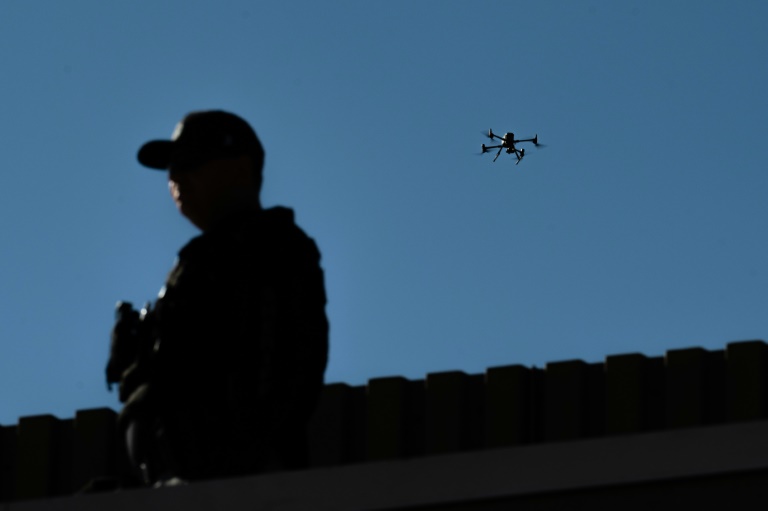
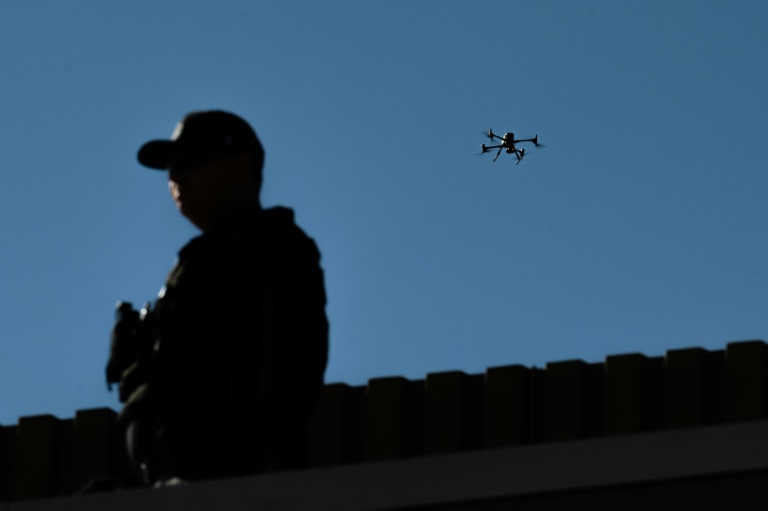
FBI Director Christopher Wray said Thursday the agency is investigating several cases in which people sought to fly drones equipped with home-made bombs within the United States.

“We are investigating, even as we speak, several instances within the US of attempts to weaponize drones with homemade IEDs,” Wray told a Senate hearing, referring to improvised explosive devices.

Wray said the threat of widely available drones has risen quickly with rapid technological advances “in terms of their visibility, the speed with which they can move, the distance with which they can move, and also the loads that they can carry.”

“These are extraordinarily sophisticated tools that can carry drugs that can launch weaponry, and we must be able to counter it,” he said. 

Wray, speaking in a hearing on domestic threats by the Senate Homeland Security Committee, did not provide any detail on the armed drone cases.

But the rapid increase in the use of armed unmanned aerial vehicles in the Ukraine war, including cheap hobbyist drones jury-rigged with grenades and mortar shells, has demonstrated how easy they are to make and deploy.

“That is the future that is here now,” Wray said, urging legislation to expand the powers of the FBI and other authorities to counter the security threat of private drones.

FBI probing cases of bomb-laden drones in US

FBI Director Christopher Wray said Thursday the agency is investigating several cases in which people sought to fly drones equipped with home-made bombs within the United States.

“We are investigating, even as we speak, several instances within the US of attempts to weaponize drones with homemade IEDs,” Wray told a Senate hearing, referring to improvised explosive devices.

Wray said the threat of widely available drones has risen quickly with rapid technological advances “in terms of their visibility, the speed with which they can move, the distance with which they can move, and also the loads that they can carry.”

“These are extraordinarily sophisticated tools that can carry drugs that can launch weaponry, and we must be able to counter it,” he said. 

Wray, speaking in a hearing on domestic threats by the Senate Homeland Security Committee, did not provide any detail on the armed drone cases.

But the rapid increase in the use of armed unmanned aerial vehicles in the Ukraine war, including cheap hobbyist drones jury-rigged with grenades and mortar shells, has demonstrated how easy they are to make and deploy.

“That is the future that is here now,” Wray said, urging legislation to expand the powers of the FBI and other authorities to counter the security threat of private drones.

Pelosi to step down as top Democrat after Republicans take House

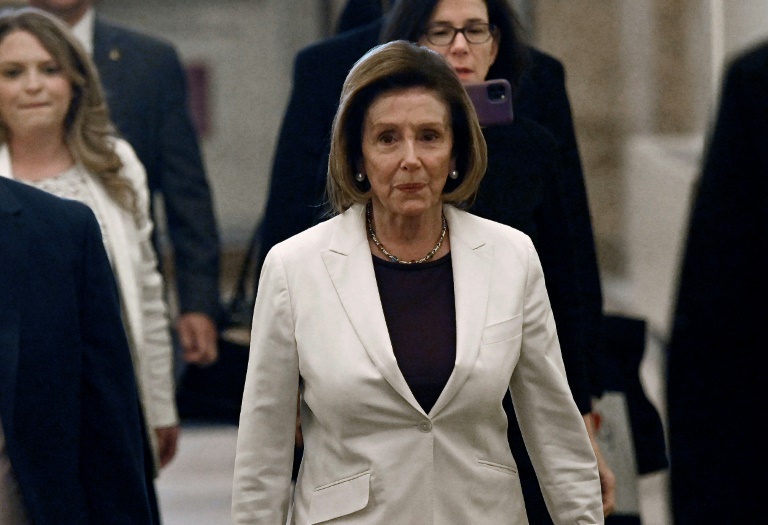
Democrat Nancy Pelosi, the trailblazing first female speaker of the US House of Representatives, said Thursday that she will step down as party leader when Republicans take control of the chamber in January. 

“I will not seek reelection to Democratic leadership in the next Congress,” the 82-year-old Pelosi said in an emotional speech on the House floor. “The hour has come for a new generation to lead the Democratic caucus.”

Republicans secured a slim majority in the House in last week’s midterm elections while Democrats retained control of the Senate.

Pelosi’s departure as party leader will mark the end of an era in Washington.

Elected to Congress in 1987, she first became speaker in 2007. Known for keeping a tight grip on party ranks, she presided over both impeachments of Donald Trump during her second stint in the role.

Currently second in the line of succession to President Joe Biden, Pelosi said last week that her decision on the future would be influenced by the brutal attack on her elderly husband in the runup to the November 8 midterms.

Paul Pelosi, who is also 82, was left hospitalized with serious injuries after an intruder — possibly looking for the speaker — broke into their San Francisco home and attacked him with a hammer.

Pelosi said she would continue to represent her San Francisco district in the next Congress and praised Democrats’ better-than-expected performance in the midterm contest.

“Last week, the American people spoke and their voices were raised in defense of liberty, of the rule of law and of democracy itself,” she said. “The people stood in the breach and repelled the assault on democracy.”

In a statement earlier in the week, she said “House Democrats will continue to play a leading role in supporting President Biden’s agenda — with strong leverage over a scant Republican majority.”

In congratulating top House Republican Kevin McCarthy, Biden said he was “ready to work with House Republicans to deliver results for working families.”

McCarthy, who has his eye on the speaker’s gavel, said for his part that “Americans are ready for a new direction, and House Republicans are ready to deliver.”

And House Republicans immediately signaled they would wield their new power to make Biden’s life more difficult — convening a press conference to announce plans to investigate the “national security” implications of the president’s family business connections.

– Speaker vote looms –

With inflation surging and Biden’s popularity ratings cratering, Republicans had hoped to see a “red wave” wash over America, giving them control of both houses and hence an effective block over most of Biden’s legislative plans.

But instead, Democratic voters — galvanized by the Supreme Court’s overturning of abortion rights and wary of Trump-endorsed candidates who openly rejected the result of the 2020 presidential election — turned out in force.

And Republicans lost ground with candidates rejected by moderate voters as too extreme.

Biden’s party secured an unassailable majority in the upper chamber with 50 seats plus Vice President Kamala Harris’ tie-breaking vote, and a Senate runoff in Georgia could yet see the Democrats improve their majority in the upper house.

The Senate oversees the confirmation of federal judges and cabinet members, and having the 100-seat body in his corner will be a major boon for Biden.

McCarthy won the Republican Party’s leadership vote by secret ballot on Tuesday, putting him in prime position to be the next speaker.

But potential far-right defections could yet complicate the 57-year-old’s path when the House’s 435 newly elected members — Democrats and Republicans — choose their new speaker in January.

Boris Johnson on post-PM earnings spree in US

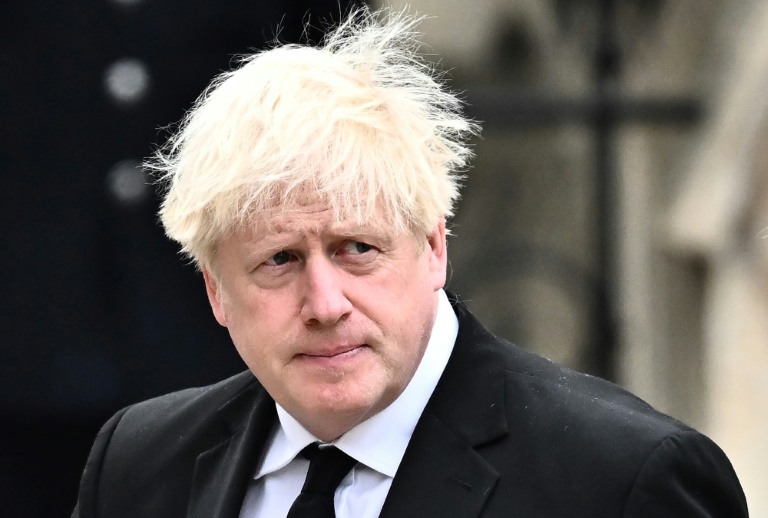
Leaving 10 Downing Street was a political hammer blow for Boris Johnson but is doing no harm to his depleted bank balance.

The former prime minister was paid more than $325,000 for just one speech at a US insurance industry event, according to an updated list of British MPs’ register of interests released Thursday.

When he became Britain’s leader in 2019, the former journalist was forced to give up a lucrative round of newspaper articles and after-dinner speeches, and got into more than one financial scrape as prime minister.

Forced out in September, Johnson used his new-found freedom to address the Council of Insurance Agents and Brokers in Colorado Springs on October 14.

The speaking fee organised by the Harry Walker Agency in New York came to £276,130 ($325,150), while Johnson and two members of staff also received transport and accommodation expenses.

Just before Colorado, over October 11-12, Johnson was paid £11,559.84 by Rupert Murdoch to fly to a “business meeting” in Montana, where the media mogul owns a cattle ranch.

The US trip interrupted a post-premiership Caribbean holiday for Johnson.

The register showed that on the way out, he, his wife Carrie and their two small children were given luxury lounge space as guests of Gatwick Airport on October 7.

The London airport did the same for them on their return on October 22, when Johnson rushed back from the Dominican Republic to take part in an unexpected new race for the Conservative leadership after the implosion of Liz Truss’s premiership.

He gave up the bid the next day, and accepted family accommodation until November 11 from Lord Anthony Bamford, a pro-Brexit businessman who also bankrolled Boris and Carrie Johnson’s wedding reception at his country manor house in July.

The ousted prime minister is doing some things for free.

As of October 3, Johnson declared that he is serving in the unpaid role of president of “Conservative Friends of Ukraine”, building on his outspoken support as premier against Russia’s invasion.

There was nothing listed on the new register for Rishi Sunak, who succeeded Truss last month.

Truss declared a donation of £33,265.48 “to cover winding up costs for my leadership campaign” in July and August. She is now freer to earn outside politics.

UK austerity budget stings markets

A British austerity budget hit the pound and gilts on Thursday, with stocks suffering worldwide on the glum economic outlook and the prospect of painfully high interest rates to curb inflation.

Britain unveiled a painful budget with £55 billion ($65 billion) of tax hikes and spending cuts despite confirming its economy was already in recession.

Finance minister Jeremy Hunt said the measures were needed to bring financial stability after recent turmoil in the markets, insisting they would alleviate rather than aggravate the downturn.

But the measures didn’t reassure British markets, with the pound falling and government borrowing costs rising. The drop in the pound helped the multinationals on the blue-chip FTSE 100 index, but the wider FTSE 250 index dominated by British firms fell 1.8 percent. 

CMC Markets analyst Michael Hewson said upheaval in markets in September over the profligate fiscal policies of the previous government had largely subsided, meaning a budget that makes Britain a worse place to do business was no longer necessary.

“Today’s budget should have walked the line between pushing inflation lower, without completely crushing demand in the economy with too many tax rises, and spending cuts,” Hewson said in a note to investors. 

“Initial analysis of today’s package suggests that we’ve got a lot of the former, and not too much of the latter, which is bad news if you’re looking to get businesses to invest,” he added.

The pound was down more than one percent against the dollar and also fell against the euro. 

Traders fear the budget will worsen Britain’s cost-of-living crisis after inflation spiked to a 1981 peak of 11.1 percent, and the government confirmed that the British economy was already in a recession that could last two years.

Wall Street stocks moved lower as investors worried the US Federal Reserve will continue to aggressively raise interest rates to lower rampant inflation, even if it means pushing the economy in recession.

Investors have been reassured by some data suggesting inflationary pressures are diminishing, as well as the overall economy is holding up well, but statements by some Fed policymakers spooked traders. 

“Concerns that the Fed will overtighten and force the U.S. economy into a hard landing were partly behind yesterday’s selling and widening inversion of the yield curve,” said Patrick O’Hare at Briefing.com

“Those concerns remain in place today and have been heightened by remarks made this morning by some voting” members of the Fed’s monetary policymaking committee, he added.

The Fed’s main interest rate is currently at 3.75 to 4.0 percent, but one Fed member said it may need to go as high as 7.0 percent. Another said a contraction in the economy may be needed.

Oil prices fell back on worries about Chinese demand.

“China remains a downside risk for oil in the near term, despite its recent relaxation of certain Covid curbs,” said Craig Erlam at OANDA online trading platform.

“A surge in cases in major cities, mass testing, and restrictions will hit economic activity despite recent measures which will weigh on demand in the world’s second-largest economy,” he added.

– Key figures around 1530 GMT –

New York – Dow: DOWN 0.7 percent at 33,335.18 points

EURO STOXX 50: DOWN 0.1 percent at 3,878.42

London – FTSE 100: DOWN less than 0.1 percent at 7,346.54 (close) 

Paris – CAC 40: DOWN 0.5 percent at 6,576.12 (close)

Frankfurt – DAX: UP 0.2 percent at 14,266.38 (close)

Tokyo – Nikkei 225: DOWN 0.4 percent at 27,930.57 (close)

Hong Kong – Hang Seng Index: DOWN 1.2 percent at 18,045.66 (close)

Shanghai – Composite: DOWN 0.2 percent at 3,115.43 (close)

Pound/dollar: DOWN at $1.1777 from $1.1914 on Wednesday

Euro/dollar: DOWN at $1.0325 from $1.0395

Dollar/yen: UP at 140.62 yen from 139.54 yen

Euro/pound: UP at 87.68 from 87.21 pence

Brent North Sea crude: DOWN 2.7 percent at $90.38 per barrel

West Texas Intermediate: DOWN 4.0 percent at $82.20 per barrel

burs-rl/bp

UK austerity budget stings markets

A British austerity budget hit the pound and gilts on Thursday, with stocks suffering worldwide on the glum economic outlook and the prospect of painfully high interest rates to curb inflation.

Britain unveiled a painful budget with £55 billion ($65 billion) of tax hikes and spending cuts despite confirming its economy was already in recession.

Finance minister Jeremy Hunt said the measures were needed to bring financial stability after recent turmoil in the markets, insisting they would alleviate rather than aggravate the downturn.

But the measures didn’t reassure British markets, with the pound falling and government borrowing costs rising. The drop in the pound helped the multinationals on the blue-chip FTSE 100 index, but the wider FTSE 250 index dominated by British firms fell 1.8 percent. 

CMC Markets analyst Michael Hewson said upheaval in markets in September over the profligate fiscal policies of the previous government had largely subsided, meaning a budget that makes Britain a worse place to do business was no longer necessary.

“Today’s budget should have walked the line between pushing inflation lower, without completely crushing demand in the economy with too many tax rises, and spending cuts,” Hewson said in a note to investors. 

“Initial analysis of today’s package suggests that we’ve got a lot of the former, and not too much of the latter, which is bad news if you’re looking to get businesses to invest,” he added.

The pound was down more than one percent against the dollar and also fell against the euro. 

Traders fear the budget will worsen Britain’s cost-of-living crisis after inflation spiked to a 1981 peak of 11.1 percent, and the government confirmed that the British economy was already in a recession that could last two years.

Wall Street stocks moved lower as investors worried the US Federal Reserve will continue to aggressively raise interest rates to lower rampant inflation, even if it means pushing the economy in recession.

Investors have been reassured by some data suggesting inflationary pressures are diminishing, as well as the overall economy is holding up well, but statements by some Fed policymakers spooked traders. 

“Concerns that the Fed will overtighten and force the U.S. economy into a hard landing were partly behind yesterday’s selling and widening inversion of the yield curve,” said Patrick O’Hare at Briefing.com

“Those concerns remain in place today and have been heightened by remarks made this morning by some voting” members of the Fed’s monetary policymaking committee, he added.

The Fed’s main interest rate is currently at 3.75 to 4.0 percent, but one Fed member said it may need to go as high as 7.0 percent. Another said a contraction in the economy may be needed.

Oil prices fell back on worries about Chinese demand.

“China remains a downside risk for oil in the near term, despite its recent relaxation of certain Covid curbs,” said Craig Erlam at OANDA online trading platform.

“A surge in cases in major cities, mass testing, and restrictions will hit economic activity despite recent measures which will weigh on demand in the world’s second-largest economy,” he added.

– Key figures around 1530 GMT –

New York – Dow: DOWN 0.7 percent at 33,335.18 points

EURO STOXX 50: DOWN 0.1 percent at 3,878.42

London – FTSE 100: DOWN less than 0.1 percent at 7,346.54 (close) 

Paris – CAC 40: DOWN 0.5 percent at 6,576.12 (close)

Frankfurt – DAX: UP 0.2 percent at 14,266.38 (close)

Tokyo – Nikkei 225: DOWN 0.4 percent at 27,930.57 (close)

Hong Kong – Hang Seng Index: DOWN 1.2 percent at 18,045.66 (close)

Shanghai – Composite: DOWN 0.2 percent at 3,115.43 (close)

Pound/dollar: DOWN at $1.1777 from $1.1914 on Wednesday

Euro/dollar: DOWN at $1.0325 from $1.0395

Dollar/yen: UP at 140.62 yen from 139.54 yen

Euro/pound: UP at 87.68 from 87.21 pence

Brent North Sea crude: DOWN 2.7 percent at $90.38 per barrel

West Texas Intermediate: DOWN 4.0 percent at $82.20 per barrel

burs-rl/bp

Close Bitnami banner
Bitnami