AFP

US sports stars named in lawsuit over FTX's deceptive practices

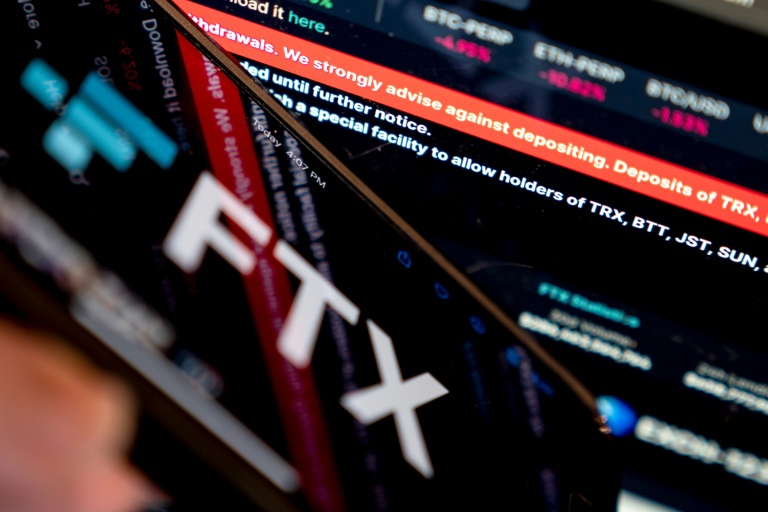
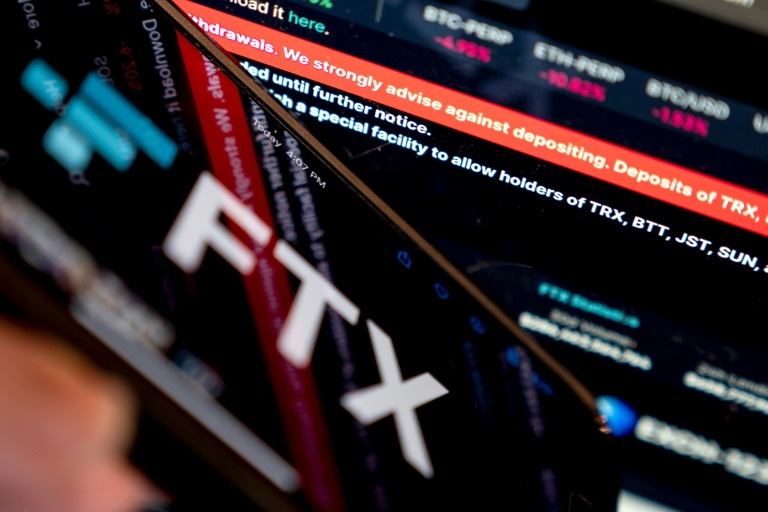
High-profile US sports stars and personalities have been named in a lawsuit over deceptive practices targeting investors who became victims of the stunning collapse of cryptocurrency exchange FTX.

The celebrities helped promote the exchange, which declared bankruptcy in the United States last week in a meltdown that has reverberated across the digital currency landscape and drawn scrutiny from authorities in multiple countries.

American football star Tom Brady and his supermodel ex-wife Gisele Bundchen, basketball great Shaquille O’Neal, tennis Grand Slam champion Naomi Osaka, actor/comedian Larry David, and Shark Tank investor Kevin O’Leary were among those named alongside FTX founder Sam Bankman-Fried in the suit filed in Miami federal court on Tuesday.

Plaintiff Edwin Garrison filed the suit in a Miami court on behalf of other investors, seeking to recover damages from losses suffered in the FTX implosion, accusing the company of “misrepresentations and omissions.”

“FTX’s fraudulent scheme was designed to take advantage of unsophisticated investors from across the country,” the lawsuit alleges.

“Some of the biggest names in sports and entertainment have either invested in FTX or been brand ambassadors for the company” and hyped the exchange on social media, the document said.

David appeared in a television ad during this year’s American football Super Bowl championship game, a coveted and costly promotional spot.

FTX “needed celebrities … to continue funneling investors into the FTX Ponzi scheme, and to promote and substantially assist in the sale” of the accounts “which are unregistered securities,” the court documents said.

The turmoil at FTX, recently valued at $32 billion, came after Binance, the world’s biggest cryptocurrency platform, backed out of a deal to buy the troubled company amid reports about mismanagement of client funds and potential investigations by regulators.

The House Financial Services Committee on Wednesday announced it would hold a hearing next month to investigate the company’s collapse.

“The fall of FTX has posed tremendous harm to over one million users, many of whom were everyday people who invested their hard-earned savings into the FTX cryptocurrency exchange, only to watch it all disappear within a matter of seconds,” committee Chair Maxine Waters said in a statement.

“Unfortunately, this event is just one out of many examples of cryptocurrency platforms that have collapsed just this past year.”

The lawsuit alleges the company used money from new investors to “pay interest to the old ones and to attempt to maintain the appearance of liquidity.”

The collapse followed rising doubt over the financial stability of FTX. Attention had focused on the relationship between FTX and Alameda Research, a trading house also owned by Bankman-Fried, and reports he shifted funds out of the exchange, even as he tried to fill a $7 billion gap.

It was a spectacular reversal of fortune for the founder and one-time cryptocurrency wunderkind Bankman-Fried.

The disgraced executive apologized on Twitter and resigned, but after the company filed for bankruptcy it said it was the victim of “unauthorized transactions.”
US sports stars named in lawsuit over FTX's deceptive practices

High-profile US sports stars and personalities have been named in a lawsuit over deceptive practices targeting investors who became victims of the stunning collapse of cryptocurrency exchange FTX.

The celebrities helped promote the exchange, which declared bankruptcy in the United States last week in a meltdown that has reverberated across the digital currency landscape and drawn scrutiny from authorities in multiple countries.

American football star Tom Brady and his supermodel ex-wife Gisele Bundchen, basketball great Shaquille O’Neal, tennis Grand Slam champion Naomi Osaka, actor/comedian Larry David, and Shark Tank investor Kevin O’Leary were among those named alongside FTX founder Sam Bankman-Fried in the suit filed in Miami federal court on Tuesday.

Plaintiff Edwin Garrison filed the suit in a Miami court on behalf of other investors, seeking to recover damages from losses suffered in the FTX implosion, accusing the company of “misrepresentations and omissions.”

“FTX’s fraudulent scheme was designed to take advantage of unsophisticated investors from across the country,” the lawsuit alleges.

“Some of the biggest names in sports and entertainment have either invested in FTX or been brand ambassadors for the company” and hyped the exchange on social media, the document said.

David appeared in a television ad during this year’s American football Super Bowl championship game, a coveted and costly promotional spot.

FTX “needed celebrities … to continue funneling investors into the FTX Ponzi scheme, and to promote and substantially assist in the sale” of the accounts “which are unregistered securities,” the court documents said.

The turmoil at FTX, recently valued at $32 billion, came after Binance, the world’s biggest cryptocurrency platform, backed out of a deal to buy the troubled company amid reports about mismanagement of client funds and potential investigations by regulators.

The House Financial Services Committee on Wednesday announced it would hold a hearing next month to investigate the company’s collapse.

“The fall of FTX has posed tremendous harm to over one million users, many of whom were everyday people who invested their hard-earned savings into the FTX cryptocurrency exchange, only to watch it all disappear within a matter of seconds,” committee Chair Maxine Waters said in a statement.

“Unfortunately, this event is just one out of many examples of cryptocurrency platforms that have collapsed just this past year.”

The lawsuit alleges the company used money from new investors to “pay interest to the old ones and to attempt to maintain the appearance of liquidity.”

The collapse followed rising doubt over the financial stability of FTX. Attention had focused on the relationship between FTX and Alameda Research, a trading house also owned by Bankman-Fried, and reports he shifted funds out of the exchange, even as he tried to fill a $7 billion gap.

It was a spectacular reversal of fortune for the founder and one-time cryptocurrency wunderkind Bankman-Fried.

The disgraced executive apologized on Twitter and resigned, but after the company filed for bankruptcy it said it was the victim of “unauthorized transactions.”

UK central bank blames Brexit for trade slump

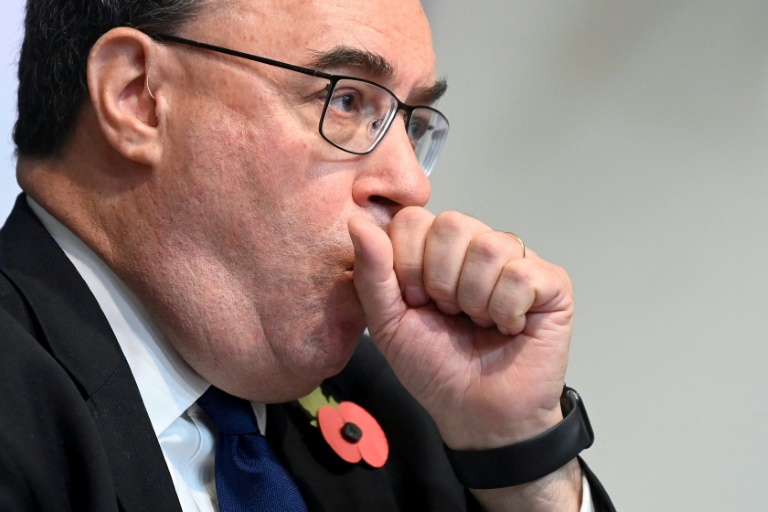
Brexit is hurting the UK economy, Bank of England officials said Wednesday, even as government leaders downplay the impact of the seismic EU withdrawal.

Prime Minister Rishi Sunak’s government says the war in Ukraine and the Covid pandemic are the primary reasons why Britain is staring at a painful recession, as it readies budget cuts this week.

But the UK’s exit from the European Union is having a disproportionate effect on trade, argued Bank of England monetary policy committee member Swati Dhingra.

“It’s undeniable now that we’re seeing a much bigger slowdown in trade in the UK compared to the rest of the world,” she told the Treasury committee of the House of Commons.

“The simple way of thinking about what Brexit has done to the economy is that in the period after the (2016) referendum, there was the biggest depreciation that any of the world’s four major economies have seen overnight,” she said.

That contributed to increasing prices and reduced wages, even before inflation soared this year, the economist said.

Bank of England governor Andrew Bailey said the central bank was sticking by its initial prognosis issued after the June 2016 referendum, when it warned that Brexit would shrink the UK economy.

“This (estimate) was done pretty soon after the referendum, it essentially assumes that there is a long-run downshift in the level of productivity, a little over three percent,” he told the same committee of MPs.

“As a public official I’m neutral on Brexit per se, but I’m not neutral in saying that these are what we think are the most likely economic effects of it.” 

– Slump –

Beyond trade flows, one apparent illustration of Brexit’s impact emerged this week with new Bloomberg figures showing that the Paris stock market has now outstripped the combined value of London’s — $2.823 trillion to $2.821 trillion. 

In 2016, London-listed stocks were collectively worth $1.5 trillion more than those listed in Paris. 

Some of the shift since could be explained by the pound’s bigger slump against the dollar on currency markets than the euro’s.

Former Bank of England policymaker Michael Saunders said without Brexit, the government would have had enough financial firepower to avoid the emergency budget coming on Thursday.

“The UK economy as a whole has been permanently damaged by Brexit,” he told Bloomberg TV on Monday.

“It has reduced the economy’s potential output significantly, eroded business investment.”

Finance minister Jeremy Hunt, who voted in 2016 to stay in the EU, said on Sunday: “I don’t deny there are costs to a decision like Brexit, but there are also opportunities, and you have to see it in the round.”

European equities slip on Ukraine fears

European stock markets slid Wednesday, with investors spooked over a deadly missile blast in Poland near the border with Ukraine.

London slid 0.3 percent, also on news that UK inflation spiked to a 41-year peak in October on rocketing energy bills and food prices.

Frankfurt fell 1.0 percent and Paris stocks sank 0.5 percent after Asia closed mostly in the red. 

The dollar rose against the yen, but slid against the euro and pound.

“Reports of missile strikes in Poland on Tuesday naturally caused a shudder in the markets,” said Craig Erlam, senior market analyst at OANDA trading platform.

“The prospect of a sudden and unexpected escalation in the war in Ukraine, particularly involving a NATO state, doesn’t bear thinking about but we were almost forced to and under the circumstance, the reaction was fairly modest,” he added.

Two people were killed on Tuesday when at least one missile hit a village in NATO member Poland near the Ukrainian border, during a mass Russian bombardment aimed at civilian infrastructure inside Western-backed Ukraine.

Market jitters were calmed somewhat by officials, including US President Joe Biden and NATO Secretary General Jens Stoltenberg, discounting the likelihood of a deliberate Russian attack and pointing to the possibility that it was a Ukrainian air defence missile that missed a Russian barrage.

“The welcome assumption is that the incident should not induce any NATO-led military response,” said market analyst Patrick O’Hare at Briefing.com.

Back in Britain, official data showed that UK inflation surged in October to 11.1 percent, the highest level since 1981 in a worsening cost-of-living crisis.

The grim news came on the eve of a gloomy UK government budget that is likely to ramp up taxes and slash spending.

“The UK is reeling from yet another super-hot inflation reading as soaring food and energy prices take their toll on household budgets,” said Hargreaves Lansdown analyst Susannah Streeter.

This year, the Ukraine war has massively contributed to worldwide inflation soaring to the highest level in decades. Prices are up also on pandemic-fuelled supply constraints.

Rocketing inflation has forced central banks to raise interest rates by big amounts, risking a global recession.

There has been some relief from data showing US consumer prices rose much less than expected in October, suggesting months of monetary tightening by the Federal Reserve was kicking in.

This was followed by data Tuesday showing a below-forecast reading on wholesale prices.

On Wednesday, data showed US retail sales jumped more than expected in October, pointing to resilience in spending in the face of price pressures.

The uptick came after sales flatlined the month before, as American consumers grappled with surging costs that have made everything from groceries to clothing more expensive.

“The key takeaway from the report is that retail sales, which are not adjusted for inflation, were still fairly solid in October, underscoring that consumer spending continues to hold up fairly well, supported by continued low levels of unemployment,” said Briefing.com’s O’Hare.

But retailer Target warned on Wednesday that consumers are cutting back on discretionary items.

“In the latter weeks of the quarter, sales and profit trends softened meaningfully, with guests’ shopping behavior increasingly impacted by inflation, rising interest rates and economic uncertainty,” Target CEO Brian Cornell said.

Target shares tumbled 15 percent as the company missed profit expectations in its third quarter and sales only nudged higher.

Wall Street was mostly lower in late morning trading, with the S&P 500 down 0.5 percent and the Nasdaq Composite off 1.2 percent.

The Dow was flipping in and out of loss.

– Key figures around 1530 GMT –

New York – Dow: UP less than 0.1 percent at 33,604.43 points

EURO STOXX 50: DOWN 0.8 percent at 3,882.78

London – FTSE 100: DOWN 0.3 percent at 7,351.19 (close) 

Frankfurt – DAX: DOWN 1.0 percent at 14,234.03 (close)

Paris – CAC 40: DOWN 0.5 percent at 6,607.22 (close)

Tokyo – Nikkei 225: UP 0.1 percent at 28,028.30 (close)

Hong Kong – Hang Seng Index: DOWN 0.5 percent at 18,256.48 (close)

Shanghai – Composite: DOWN 0.5 percent at 3,119.98 (close)

Euro/dollar: UP at $1.0408 from $1.0349 on Tuesday

Pound/dollar: UP at $1.1884 from $1.1865 

Dollar/yen: UP at 139.43 yen from 139.28 yen

Euro/pound: UP at 87.56 pence from 87.22 pence

Brent North Sea crude: DOWN 1.8 percent at $92.14 per barrel

West Texas Intermediate: DOWN 2.5 percent at $84.75 per barrel

burs-rl/pvh

European equities slip on Ukraine fears

European stock markets slid Wednesday, with investors spooked over a deadly missile blast in Poland near the border with Ukraine.

London slid 0.3 percent, also on news that UK inflation spiked to a 41-year peak in October on rocketing energy bills and food prices.

Frankfurt fell 1.0 percent and Paris stocks sank 0.5 percent after Asia closed mostly in the red. 

The dollar rose against the yen, but slid against the euro and pound.

“Reports of missile strikes in Poland on Tuesday naturally caused a shudder in the markets,” said Craig Erlam, senior market analyst at OANDA trading platform.

“The prospect of a sudden and unexpected escalation in the war in Ukraine, particularly involving a NATO state, doesn’t bear thinking about but we were almost forced to and under the circumstance, the reaction was fairly modest,” he added.

Two people were killed on Tuesday when at least one missile hit a village in NATO member Poland near the Ukrainian border, during a mass Russian bombardment aimed at civilian infrastructure inside Western-backed Ukraine.

Market jitters were calmed somewhat by officials, including US President Joe Biden and NATO Secretary General Jens Stoltenberg, discounting the likelihood of a deliberate Russian attack and pointing to the possibility that it was a Ukrainian air defence missile that missed a Russian barrage.

“The welcome assumption is that the incident should not induce any NATO-led military response,” said market analyst Patrick O’Hare at Briefing.com.

Back in Britain, official data showed that UK inflation surged in October to 11.1 percent, the highest level since 1981 in a worsening cost-of-living crisis.

The grim news came on the eve of a gloomy UK government budget that is likely to ramp up taxes and slash spending.

“The UK is reeling from yet another super-hot inflation reading as soaring food and energy prices take their toll on household budgets,” said Hargreaves Lansdown analyst Susannah Streeter.

This year, the Ukraine war has massively contributed to worldwide inflation soaring to the highest level in decades. Prices are up also on pandemic-fuelled supply constraints.

Rocketing inflation has forced central banks to raise interest rates by big amounts, risking a global recession.

There has been some relief from data showing US consumer prices rose much less than expected in October, suggesting months of monetary tightening by the Federal Reserve was kicking in.

This was followed by data Tuesday showing a below-forecast reading on wholesale prices.

On Wednesday, data showed US retail sales jumped more than expected in October, pointing to resilience in spending in the face of price pressures.

The uptick came after sales flatlined the month before, as American consumers grappled with surging costs that have made everything from groceries to clothing more expensive.

“The key takeaway from the report is that retail sales, which are not adjusted for inflation, were still fairly solid in October, underscoring that consumer spending continues to hold up fairly well, supported by continued low levels of unemployment,” said Briefing.com’s O’Hare.

But retailer Target warned on Wednesday that consumers are cutting back on discretionary items.

“In the latter weeks of the quarter, sales and profit trends softened meaningfully, with guests’ shopping behavior increasingly impacted by inflation, rising interest rates and economic uncertainty,” Target CEO Brian Cornell said.

Target shares tumbled 15 percent as the company missed profit expectations in its third quarter and sales only nudged higher.

Wall Street was mostly lower in late morning trading, with the S&P 500 down 0.5 percent and the Nasdaq Composite off 1.2 percent.

The Dow was flipping in and out of loss.

– Key figures around 1530 GMT –

New York – Dow: UP less than 0.1 percent at 33,604.43 points

EURO STOXX 50: DOWN 0.8 percent at 3,882.78

London – FTSE 100: DOWN 0.3 percent at 7,351.19 (close) 

Frankfurt – DAX: DOWN 1.0 percent at 14,234.03 (close)

Paris – CAC 40: DOWN 0.5 percent at 6,607.22 (close)

Tokyo – Nikkei 225: UP 0.1 percent at 28,028.30 (close)

Hong Kong – Hang Seng Index: DOWN 0.5 percent at 18,256.48 (close)

Shanghai – Composite: DOWN 0.5 percent at 3,119.98 (close)

Euro/dollar: UP at $1.0408 from $1.0349 on Tuesday

Pound/dollar: UP at $1.1884 from $1.1865 

Dollar/yen: UP at 139.43 yen from 139.28 yen

Euro/pound: UP at 87.56 pence from 87.22 pence

Brent North Sea crude: DOWN 1.8 percent at $92.14 per barrel

West Texas Intermediate: DOWN 2.5 percent at $84.75 per barrel

burs-rl/pvh

Poland says blast likely caused by Ukraine missile in accident

Western leaders played down fears Wednesday that a deadly missile blast in eastern Poland could herald a dangerous escalation in the war Russia launched against Ukraine, blaming stray anti-aircraft fire.

Poland and NATO said the explosion was likely caused by a Ukrainian air defence missile lanched to intercept a Russian barrage, but that Moscow was ultimately to blame for starting the conflict.

Two people were killed on Tuesday when at least one missile hit a village in NATO member Poland near the Ukrainian border, during a mass Russian bombardment aimed at civilian infrastructure inside Western-backed Ukraine.

Both the Western leaders at the G20 summit in Bali and NATO ambassadors in Brussels called emergency meetings, amid fears the blasts were a Russian strike that might force the allies to respond.

But Polish President Andrzej Duda played down international fears of a further escalation, saying there was “no indication that this was an intentional attack on Poland”.

Duda said it was very likely that the Soviet-era missile was launched by Ukraine in what he called an “unfortunate accident” and said the blame lay with Russia because of its attacks on Ukraine.

– Russia ‘bears responsibility’ –

NATO chief Jens Stoltenberg underlined this stance and EU diplomats meeting in Brussels praised Warsaw, one of Ukraine’s closest friends and Russia’s fiercest foes, for its measured response.

After crisis talks in Brussels, Stoltenberg said an ongoing investigation was expected to find “that the incident was likely caused by a Ukrainian air defence missile fired to defend Ukrainian territory against Russian cruise missile attacks.

“But let me be clear, this is not Ukraine’s fault,” he continued. “Russia bears ultimate responsibility as it continues its illegal war against Ukraine.”

Stoltenberg said NATO had ramped up its defences along its eastern flank in response to the war in Ukraine and denied that the alliance’s air defences had failed.

“We are prepared to handle situations like this in a firm, calm, resolute way, but also in a way that prevent further escalation,” he said.

The NATO chief said Poland had not invoked Article 4 of the Western alliance’s treaty, which would have obliged members to discuss whether “the territorial integrity, political independence or security of any of the Parties is threatened.” 

NATO’s most powerful member, the United States, has hundreds of troops in Poland and leads the West in supplying weapons to support Ukrainian President Volodymyr Zelensky’s government in Kyiv.

US Defense Secretary Lloyd Austin said American personnel would work to support the Polish investigation, and stressed: “Russia bears ultimate responsibility as it continues its illegal war against Ukraine.” 

The Russian defence ministry said: “Photographs of the wreckage… were unequivocally identified by Russian military experts as fragments of a guided anti-aircraft missile of a Ukrainian S-300 air defence system.” 

It insisted that its own strikes, a barrage of scores of missiles, “were carried out on targets only on the territory of Ukraine and at a distance of no closer than 35 kilometres (about 20 miles) from the Ukrainian-Polish border.”

With world leaders meeting in Bali at the G20 summit, Ukrainian officials initially insisted that Russia must have fired the missile that hit Poland, but later asked to take part in the investigation.

“Ukraine requests immediate access to the site of the explosion,” the secretary of Ukraine’s national security and defence council, Oleksiy Danilov, said on social media.

He said Kyiv was ready to hand over evidence of its claim that Russia was responsible, but that he was “expecting information from our partners” on reports that it was an Ukrainian missile.

The explosion rocked the village of Przewodow in eastern Poland at 1440 GMT on Tuesday.

“I’m scared. I didn’t sleep all night,” Anna Magus, a 60-year-old teacher at the local elementary school, told AFP near the scene. “I hope it was a stray missile because otherwise we’re helpless.”

–  Electricity outages –

Russia invaded Ukraine on February 24 and still holds swathes of territory despite a series of recent battlefield defeats.

The conflict has caused deep unease in neighbouring Poland, which shares a 530-kilometre (329-mile) border with Ukraine and where memories of Soviet domination are still very raw.

The explosion came after a wave of Russian missiles hit cities across Ukraine on Tuesday, including Lviv, near the Polish border.

Zelensky said the strikes cut power to some 10 million people, though it was later restored to eight million of them, and also triggered automatic shutdowns at two nuclear power plants.

burs/dc/del/jmm

European equities slip on Ukraine fears

European stock markets slid Wednesday, with investors spooked over a deadly missile blast in Poland near the border with Ukraine.

London dipped 0.1 percent, also on news that UK inflation spiked to a 41-year peak in October on rocketing energy bills and food prices.

Frankfurt fell 0.8 percent and Paris stocks sank 0.4 percent after Asia closed mostly in the red. 

The dollar rose against the pound, but fell against the euro and yen, while oil retreated.

“Reports of missile strikes in Poland on Tuesday naturally caused a shudder in the markets,” said Craig Erlam, senior market analyst at OANDA trading platform.

“The prospect of a sudden and unexpected escalation in the war in Ukraine, particularly involving a NATO state, doesn’t bear thinking about but we were almost forced to and under the circumstance, the reaction was fairly modest,” he added.

Two people were killed on Tuesday when at least one missile hit a village in NATO member Poland near the Ukrainian border, during a mass Russian bombardment aimed at civilian infrastructure inside Western-backed Ukraine.

Market jitters were calmed somewhat by officials, including US President Joe Biden and NATO Secretary General Jens Stoltenberg, discounting the likelihood of a deliberate Russian attack and pointed to the possibility it was a Ukrainian air defence missile.

“The welcome assumption is that the incident should not induce any NATO-led military response,” said market analyst Patrick O’Hare at Briefing.com.

Back in Britain, official data showed that UK inflation surged in October to 11.1 percent, the highest level since 1981 in a worsening cost-of-living crisis.

The grim news came on the eve of a gloomy UK government budget that is likely to ramp up taxes and slash spending.

“The UK is reeling from yet another super-hot inflation reading as soaring food and energy prices take their toll on household budgets,” said Hargreaves Lansdown analyst Susannah Streeter.

This year, the Ukraine war has massively contributed to worldwide inflation soaring to the highest level in decades. Prices are up also on pandemic-fuelled supply constraints.

Rocketing inflation has forced central banks to raise interest rates by big amounts, risking a global recession.

There has been some relief from data showing US consumer prices rose much less than expected in October, suggesting months of monetary tightening by the Federal Reserve was kicking in.

This was followed by data Tuesday showing a below-forecast reading on wholesale prices.

On Wednesday, data showed US retail sales jumped more than expected in October, pointing to resilience in spending in the face of price pressures.

The uptick came after sales flatlined the month before, as American consumers grappled with surging costs that have made everything from groceries to clothing more expensive.

“The key takeaway from the report is that retail sales, which are not adjusted for inflation, were still fairly solid in October, underscoring that consumer spending continues to hold up fairly well, supported by continued low levels of unemployment,” said Briefing.com’s O’Hare.

But retailer Target warned on Wednesday that consumers are cutting back on discretionary items.

“In the latter weeks of the quarter, sales and profit trends softened meaningfully, with guests’ shopping behavior increasingly impacted by inflation, rising interest rates and economic uncertainty,” Target CEO Brian Cornell said.

Target shares tumbled 14 percent as the company missed profit expectations in its third quarter and sales only nudged higher.

Wall Street opened lower, with the Dow dipping 0.1 percent, while the S&P 500 shed 0.4 percent and the Nasdaq Composite fell 0.9 percent.

– Key figures around 1330 GMT –

London – FTSE 100: DOWN 0.1 percent at 7,360.73 points

Frankfurt – DAX: DOWN 0.8 percent at 14,265.60

Paris – CAC 40: DOWN 0.4 percent at 6,612.71

EURO STOXX 50: DOWN 0.6 percent at 3,891.91

New York – Dow: DOWN 0.1 percent at 33,546.58

Tokyo – Nikkei 225: UP 0.1 percent at 28,028.30 (close)

Hong Kong – Hang Seng Index: DOWN 0.5 percent at 18,256.48 (close)

Shanghai – Composite: DOWN 0.5 percent at 3,119.98 (close)

Euro/dollar: UP at $1.0401 from $1.0349 on Tuesday

Pound/dollar: UP at $1.1878 from $1.1865 

Dollar/yen: DOWN at 139.26 yen from 139.28 yen

Euro/pound: UP at 87.56 pence from 87.22 pence

Brent North Sea crude: DOWN 1.4 percent at $92.55 per barrel

West Texas Intermediate: DOWN 1.9 percent at $85.30 per barrel

burs-rl/yad

European equities slip on Ukraine fears

European stock markets slid Wednesday, with investors spooked over a deadly missile blast in Poland near the border with Ukraine.

London dipped 0.1 percent, also on news that UK inflation spiked to a 41-year peak in October on rocketing energy bills and food prices.

Frankfurt fell 0.8 percent and Paris stocks sank 0.4 percent after Asia closed mostly in the red. 

The dollar rose against the pound, but fell against the euro and yen, while oil retreated.

“Reports of missile strikes in Poland on Tuesday naturally caused a shudder in the markets,” said Craig Erlam, senior market analyst at OANDA trading platform.

“The prospect of a sudden and unexpected escalation in the war in Ukraine, particularly involving a NATO state, doesn’t bear thinking about but we were almost forced to and under the circumstance, the reaction was fairly modest,” he added.

Two people were killed on Tuesday when at least one missile hit a village in NATO member Poland near the Ukrainian border, during a mass Russian bombardment aimed at civilian infrastructure inside Western-backed Ukraine.

Market jitters were calmed somewhat by officials, including US President Joe Biden and NATO Secretary General Jens Stoltenberg, discounting the likelihood of a deliberate Russian attack and pointed to the possibility it was a Ukrainian air defence missile.

“The welcome assumption is that the incident should not induce any NATO-led military response,” said market analyst Patrick O’Hare at Briefing.com.

Back in Britain, official data showed that UK inflation surged in October to 11.1 percent, the highest level since 1981 in a worsening cost-of-living crisis.

The grim news came on the eve of a gloomy UK government budget that is likely to ramp up taxes and slash spending.

“The UK is reeling from yet another super-hot inflation reading as soaring food and energy prices take their toll on household budgets,” said Hargreaves Lansdown analyst Susannah Streeter.

This year, the Ukraine war has massively contributed to worldwide inflation soaring to the highest level in decades. Prices are up also on pandemic-fuelled supply constraints.

Rocketing inflation has forced central banks to raise interest rates by big amounts, risking a global recession.

There has been some relief from data showing US consumer prices rose much less than expected in October, suggesting months of monetary tightening by the Federal Reserve was kicking in.

This was followed by data Tuesday showing a below-forecast reading on wholesale prices.

On Wednesday, data showed US retail sales jumped more than expected in October, pointing to resilience in spending in the face of price pressures.

The uptick came after sales flatlined the month before, as American consumers grappled with surging costs that have made everything from groceries to clothing more expensive.

“The key takeaway from the report is that retail sales, which are not adjusted for inflation, were still fairly solid in October, underscoring that consumer spending continues to hold up fairly well, supported by continued low levels of unemployment,” said Briefing.com’s O’Hare.

But retailer Target warned on Wednesday that consumers are cutting back on discretionary items.

“In the latter weeks of the quarter, sales and profit trends softened meaningfully, with guests’ shopping behavior increasingly impacted by inflation, rising interest rates and economic uncertainty,” Target CEO Brian Cornell said.

Target shares tumbled 14 percent as the company missed profit expectations in its third quarter and sales only nudged higher.

Wall Street opened lower, with the Dow dipping 0.1 percent, while the S&P 500 shed 0.4 percent and the Nasdaq Composite fell 0.9 percent.

– Key figures around 1330 GMT –

London – FTSE 100: DOWN 0.1 percent at 7,360.73 points

Frankfurt – DAX: DOWN 0.8 percent at 14,265.60

Paris – CAC 40: DOWN 0.4 percent at 6,612.71

EURO STOXX 50: DOWN 0.6 percent at 3,891.91

New York – Dow: DOWN 0.1 percent at 33,546.58

Tokyo – Nikkei 225: UP 0.1 percent at 28,028.30 (close)

Hong Kong – Hang Seng Index: DOWN 0.5 percent at 18,256.48 (close)

Shanghai – Composite: DOWN 0.5 percent at 3,119.98 (close)

Euro/dollar: UP at $1.0401 from $1.0349 on Tuesday

Pound/dollar: UP at $1.1878 from $1.1865 

Dollar/yen: DOWN at 139.26 yen from 139.28 yen

Euro/pound: UP at 87.56 pence from 87.22 pence

Brent North Sea crude: DOWN 1.4 percent at $92.55 per barrel

West Texas Intermediate: DOWN 1.9 percent at $85.30 per barrel

burs-rl/yad

Musk testifies at trial over his $50 bn Tesla compensation

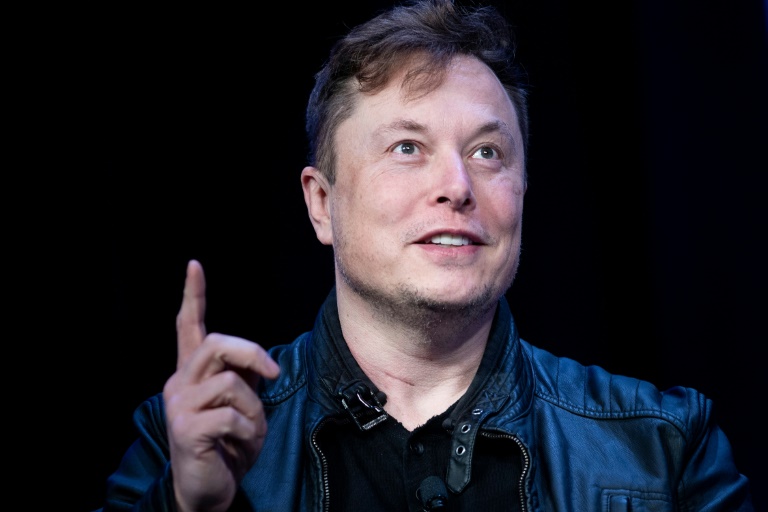
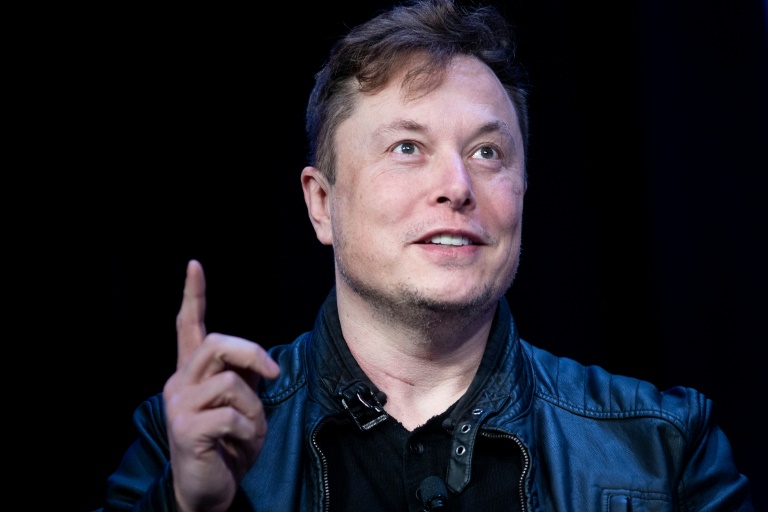
Tesla tycoon Elon Musk took the stand on Wednesday as part of a trial over his $50 billion pay package as CEO of the electric car giant.

The arrival was discreet, with the world’s richest person arriving in a black Tesla, which parked at the back of the courthouse in a tent set up for the occasion. 

A few minutes later, wearing a black suit and tie, he quietly passed through security to enter the courtroom.

Musk began testifying in the same Delaware court where he faced a lawsuit by Twitter to ensure he went through with his buyout of the social platform.

The $44 billion purchase of Twitter has put the South African billionaire under intense scrutiny after he conducted massive layoffs, scared advertisers, and opened the platform to fake accounts.

The unrelated Tesla case is based on a complaint by shareholder Richard Tornetta, who accused Musk and the company’s board of directors of failing in their duties when they authorized the pay plan.

Tornetta alleges that Musk dictated his terms to directors who were not sufficiently independent from their star CEO to object to a package worth around $51 billion at recent share prices.

The Tesla shareholder accuses Musk of “unjustified enrichment” and asked for the annulment of a pay program that helped make the entrepreneur the richest man in the world.

According to a legal filing, Musk earned the equivalent of $52.4 billion in Tesla stock options over four and a half years after virtually all of the company’s targets were met. 

When the plan was adopted it was valued at $56 billion.

The non-jury trial began Monday with testimony from Ira Ehrenpreis, head of the compensation committee on Tesla’s board of directors, who said the targets set were “extraordinarily ambitious and difficult”.

Ehrenpreis argued that the board wanted to spur Musk to focus on Tesla at a time when the company was still struggling to gain traction.

– ‘Highly unusual’ –

The trial will run through Friday and is being presided over by Judge Kathaleen McCormick, the same judge who was to preside over the Twitter case.

There is no deadline for her decision which could take months.

It’s “highly unusual” for this kind of case to be brought to trial, Jill Fisch, a law professor at the University of Pennsylvania, told AFP.

“There aren’t all that many successful challenges to executive compensation (as) the courts have typically treated this as a business decision,” she added.

But the court found in this case that Musk’s ownership of about 22 percent of Tesla and his role as CEO “could have an undue impact” on the board and other shareholders, she noted.

Musk canceled an in-person appearance on Sunday at an event on the sidelines of the G20 in Bali to be in court.

Asked why he had not traveled to the tropical Indonesian island, the new Twitter boss joked that his “workload has recently increased quite a lot” after his takeover of the social media giant.

Musk testifies at trial over his $50 bn Tesla compensation

Tesla tycoon Elon Musk took the stand on Wednesday as part of a trial over his $50 billion pay package as CEO of the electric car giant.

The arrival was discreet, with the world’s richest person arriving in a black Tesla, which parked at the back of the courthouse in a tent set up for the occasion. 

A few minutes later, wearing a black suit and tie, he quietly passed through security to enter the courtroom.

Musk began testifying in the same Delaware court where he faced a lawsuit by Twitter to ensure he went through with his buyout of the social platform.

The $44 billion purchase of Twitter has put the South African billionaire under intense scrutiny after he conducted massive layoffs, scared advertisers, and opened the platform to fake accounts.

The unrelated Tesla case is based on a complaint by shareholder Richard Tornetta, who accused Musk and the company’s board of directors of failing in their duties when they authorized the pay plan.

Tornetta alleges that Musk dictated his terms to directors who were not sufficiently independent from their star CEO to object to a package worth around $51 billion at recent share prices.

The Tesla shareholder accuses Musk of “unjustified enrichment” and asked for the annulment of a pay program that helped make the entrepreneur the richest man in the world.

According to a legal filing, Musk earned the equivalent of $52.4 billion in Tesla stock options over four and a half years after virtually all of the company’s targets were met. 

When the plan was adopted it was valued at $56 billion.

The non-jury trial began Monday with testimony from Ira Ehrenpreis, head of the compensation committee on Tesla’s board of directors, who said the targets set were “extraordinarily ambitious and difficult”.

Ehrenpreis argued that the board wanted to spur Musk to focus on Tesla at a time when the company was still struggling to gain traction.

– ‘Highly unusual’ –

The trial will run through Friday and is being presided over by Judge Kathaleen McCormick, the same judge who was to preside over the Twitter case.

There is no deadline for her decision which could take months.

It’s “highly unusual” for this kind of case to be brought to trial, Jill Fisch, a law professor at the University of Pennsylvania, told AFP.

“There aren’t all that many successful challenges to executive compensation (as) the courts have typically treated this as a business decision,” she added.

But the court found in this case that Musk’s ownership of about 22 percent of Tesla and his role as CEO “could have an undue impact” on the board and other shareholders, she noted.

Musk canceled an in-person appearance on Sunday at an event on the sidelines of the G20 in Bali to be in court.

Asked why he had not traveled to the tropical Indonesian island, the new Twitter boss joked that his “workload has recently increased quite a lot” after his takeover of the social media giant.

Close Bitnami banner
Bitnami