AFP

Musk sees aliens, tunnels in a candlelit G20 vision of the future

Sitting in the dark, wearing a traditional Indonesian batik shirt and surrounded by candles, Elon Musk offered a vision for the future that includes aliens, deep tunnels and rocket tourism.

The seemingly disembodied billionaire Twitter owner appeared by video link on Monday to address business leaders in Bali on the sidelines of the G20 summit, only his face and hands visible on an otherwise black screen.

“We had a power outage three minutes before this call. That’s why I’m entirely in the dark,” he told Indonesian tycoon-cum-moderator Anindya Bakrie.

Musk was asked why he had not travelled to the tropical Indonesian island and the new Twitter boss joked that his “workload has recently increased quite a lot” after his takeover of the social media giant.

He had little else to say about his controversial acquisition, which has included firing thousands of employees and introducing a fee for verification. He supported more video on Twitter and efforts to monetise content for creators.

Twitter aside, the conversation turned instead to tunnels dug deep underground to battle congestion, rocket travel across the world in less than an hour and discovering extra-terrestrial life in space.

“Maybe we will find alien civilisations or discover civilisations that existed millions of years ago,” he said.

“I think that would be incredibly interesting, to go out there and explore the galaxy.”

The chief of electric carmaker Tesla then waxed lyrical about the benefits of tunnels over flying cars to battle gridlocked traffic, saying cars “will fall on your head” and would be bad for privacy.

“Electric vehicles and tunnels are absolutely an answer to the worst possible congestion of any city, because you can go as many layers deep as you like until the congestion is addressed,” he said.

Aside from his “bullish” view on Indonesia’s future as a developing nation, the conversation largely stayed on his quirky and bold outlook for the future of Earth.

Jakarta has invited Musk to use Indonesia as a launch site for his SpaceX rocket, pointing out the benefits of a location next to the equator.

But Musk said he wants to see rocket platforms across the world that would allow people to travel “to the complete other side of the world” at 20 times the speed of sound.

“I think this would really open up the world if you could travel anywhere in the world in less than an hour,” he said.

But for all his bold dreams about the future, the electric energy, space discovery and social media entrepreneur could not hide his amusement by the fact that even he is answerable to the planet’s energy whims.

“I just look at this video and it’s so bizarre. I’m sitting here in the dark surrounded by candles,” he said.

“This is the funniest thing.”
Cathay won't return to pre-pandemic capacity until 'end of 2024'

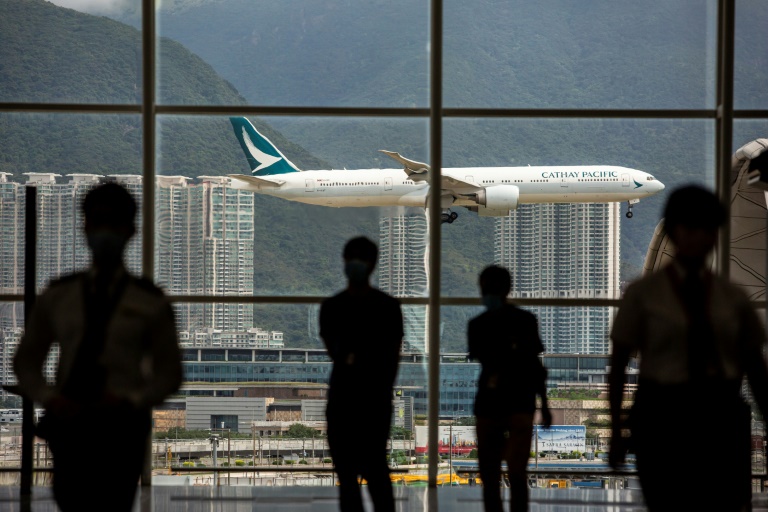
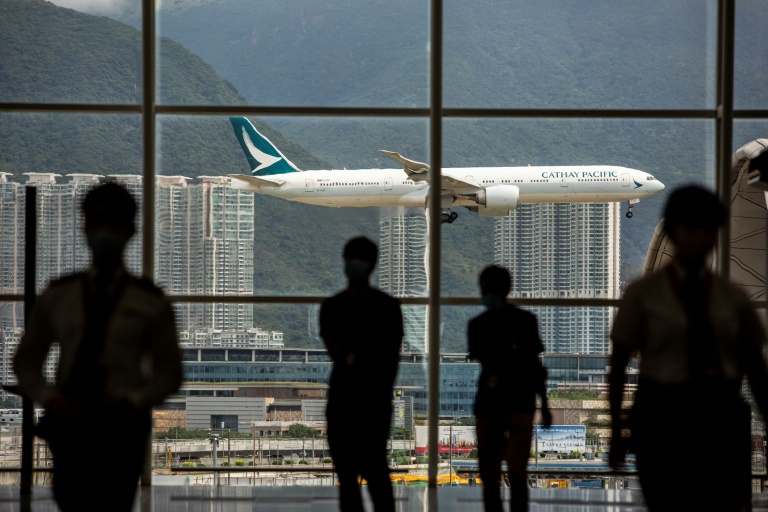
Cathay Pacific said Monday it does not expect to return to pre-pandemic levels of travel until the end of 2024, highlighting how long the Hong Kong airline’s return to normality could take.

Hong Kong imposed some of the world’s strictest travel curbs during the coronavirus pandemic and only abandoned compulsory quarantine for all international arrivals in September.

The restrictions closed off what was one of Asia’s once most connected cities and has hammered travel-reliant businesses including its flagship carrier.

In a statement released Monday, CEO Augustus Tang said the airline was “on track to achieve its target of operating up to one third of its pre-pandemic passenger flight capacity levels by the end of 2022”.

If achieved Tang said that would represent a doubling of capacity since August, the month before more than two years of compulsory quarantine rules were lifted.

But the journey back to full capacity remains a long one.

Cathay said it hoped to be operating at around 70 percent “by the end of 2023 with an aim to return to pre-pandemic levels by the end of 2024”.

Tang will be replaced by fellow veteran Cathay executive Ronald Lam on January 1.

While the number of flights to Hong Kong has increased after the government ended compulsory quarantine the airport is still far behind rivals.

Hong Kong’s airport handled 755,000 passengers in October, around 13 percent of what it used to process before the pandemic hit.

In contrast, rival hub Singapore handled 3.42 million passengers in September, 63 percent of pre-pandemic levels.

Singapore Airlines, which is already projecting to be at 76 percent capacity by the end of this year, carried 1.46 million people in September compared with Cathay Pacific’s 265,845 passengers.

While travellers to Hong Kong no longer need to quarantine they are banned from entering bars and restaurants for the first three days and must undergo multiple rounds of testing.

Wearing masks remains compulsory, even outdoors, and various social distancing measures remain.

The border with the Chinese mainland remains all but closed for now as Beijing sticks to its strict zero-Covid strategy. 

Travel industry groups have warned Hong Kong will not see a meaningful return of visitors until the three-day monitoring period and most other restrictions are lifted.

Hong Kong officials have repeatedly said they will only reopen the city gradually and have rejected calls to remove remaining curbs. 

Cathay won't return to pre-pandemic capacity until 'end of 2024'

Cathay Pacific said Monday it does not expect to return to pre-pandemic levels of travel until the end of 2024, highlighting how long the Hong Kong airline’s return to normality could take.

Hong Kong imposed some of the world’s strictest travel curbs during the coronavirus pandemic and only abandoned compulsory quarantine for all international arrivals in September.

The restrictions closed off what was one of Asia’s once most connected cities and has hammered travel-reliant businesses including its flagship carrier.

In a statement released Monday, CEO Augustus Tang said the airline was “on track to achieve its target of operating up to one third of its pre-pandemic passenger flight capacity levels by the end of 2022”.

If achieved Tang said that would represent a doubling of capacity since August, the month before more than two years of compulsory quarantine rules were lifted.

But the journey back to full capacity remains a long one.

Cathay said it hoped to be operating at around 70 percent “by the end of 2023 with an aim to return to pre-pandemic levels by the end of 2024”.

Tang will be replaced by fellow veteran Cathay executive Ronald Lam on January 1.

While the number of flights to Hong Kong has increased after the government ended compulsory quarantine the airport is still far behind rivals.

Hong Kong’s airport handled 755,000 passengers in October, around 13 percent of what it used to process before the pandemic hit.

In contrast, rival hub Singapore handled 3.42 million passengers in September, 63 percent of pre-pandemic levels.

Singapore Airlines, which is already projecting to be at 76 percent capacity by the end of this year, carried 1.46 million people in September compared with Cathay Pacific’s 265,845 passengers.

While travellers to Hong Kong no longer need to quarantine they are banned from entering bars and restaurants for the first three days and must undergo multiple rounds of testing.

Wearing masks remains compulsory, even outdoors, and various social distancing measures remain.

The border with the Chinese mainland remains all but closed for now as Beijing sticks to its strict zero-Covid strategy. 

Travel industry groups have warned Hong Kong will not see a meaningful return of visitors until the three-day monitoring period and most other restrictions are lifted.

Hong Kong officials have repeatedly said they will only reopen the city gradually and have rejected calls to remove remaining curbs. 

Biden to set 'guardrails' in talks with Xi

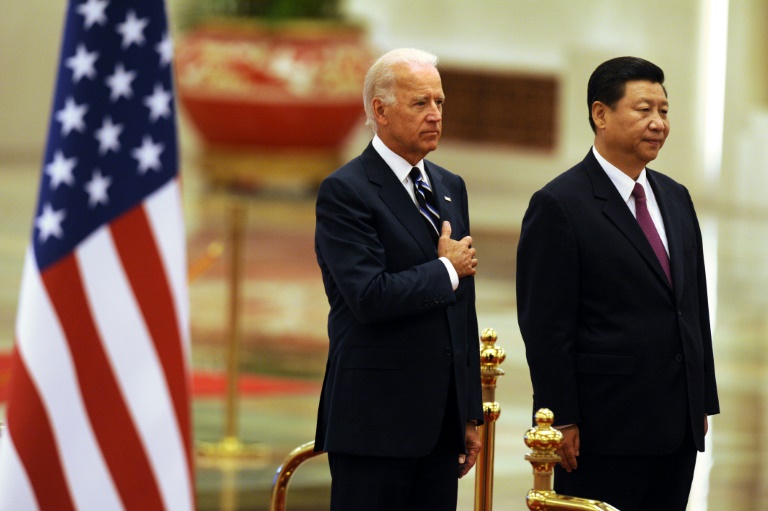
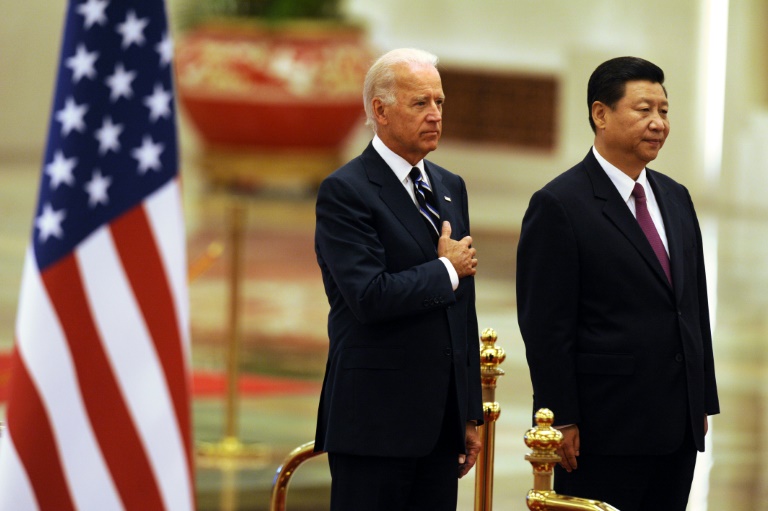
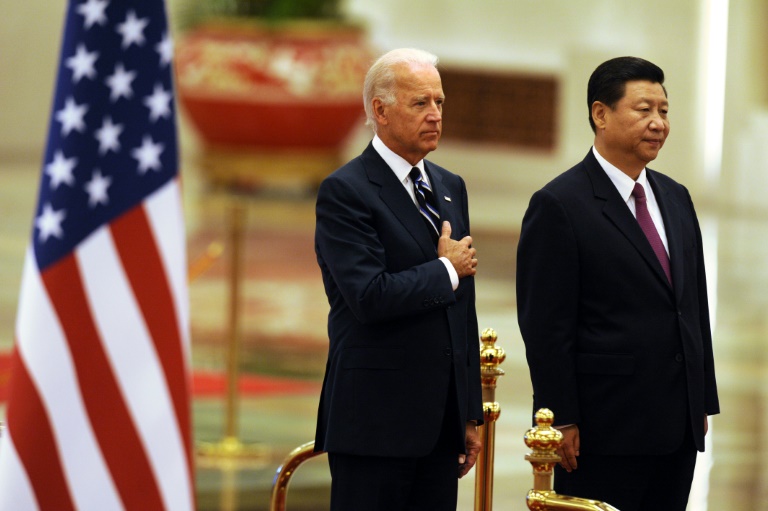
US President Joe Biden meets China’s Xi Jinping in Bali on Monday hoping to set “guardrails” for relations between the countries, as the world’s 20 largest economies hold their first major post-pandemic summit.

The superpower sitdown will be Biden’s first in-person summit with Xi since taking office. The pair last met in 2017, when Biden was vice president.

The leaders meet with rivalry between the world’s top two economies intensifying sharply and with Beijing becoming more powerful and more assertive about replacing the US-led order that has prevailed since World War II.

The talks on the margins of the G20 have the air of the icy Cold War conclaves between American and Soviet leaders at Potsdam, Vienna or Yalta that decided the fate of millions.

Biden has spoken about the meeting establishing each country’s “red lines”.

The overarching goal will be setting “guardrails” and “clear rules of the road”, a senior White House official told reporters hours before the meeting.

“We do all of that to ensure that competition does not veer into conflict.”

Biden is expected to push China to rein in ally North Korea after a record-breaking spate of missile tests raised fears Pyongyang will soon carry out its seventh nuclear test.

Xi, whose last in-person US summit was with Donald Trump in 2019, may be in no mood to help. He arrives buoyed by securing a landmark third term in office, cementing him as the most powerful Chinese leader for generations.

Biden too arrives bolstered by his Democratic Party’s better-than-expected showing in midterm elections in which they retained control of the US Senate, although he remains vulnerable in domestic politics.

– Putin staying away –

The G20 summit opens in Bali on Tuesday and comes with food and fuel prices spiking worldwide, Ukraine mired in conflict and the renewed threat of nuclear war casting a menacing pall.

There will be one conspicuous absence around the table — Russian President Vladimir Putin.

His botched nine-month-old invasion of Ukraine has made the trip to Bali logistically difficult and politically fraught.

With members of his inner circle quarrelling publicly and his once ironclad domestic authority tarnished, Putin instead elected to send veteran foreign minister Sergei Lavrov.

Officially, neither the war in Ukraine, nor Putin’s dark threats to use nuclear weapons are on the summit agenda.

But while the ex-KGB man will not be at the summit table, his war will certainly be on the menu.

Soaring energy and food prices have hit richer and poorer G20 members alike –- and both are directly fuelled by the conflict.

On Monday, US Treasury Secretary Janet Yellen said an end to the conflict was “a moral imperative and the single best thing we can do for the global economy”.

And ahead of his departure to Bali, British Prime Minister Rishi Sunak said he would “call out Putin’s regime”.

There is likely to be pressure on Russia to extend a deal allowing Ukrainian grain and fertiliser shipments through the Black Sea when the current agreement expires on November 19.

– ‘Never been this complex’ –

At a minimum, Biden and his allies would also like to see the G20 make it clear to Putin that nuclear war is unacceptable.

At a recent meeting with German Chancellor Olaf Scholz, Xi said that a nuclear war cannot be won and should never be fought.

But a clear statement on the issue from the grouping is likely to be blocked by a mixture of Russian opposition and Chinese unwillingness to break ranks with its ally in Moscow or give Washington a win.

The G20 — a disparate and unwieldy grouping born in 1999 after the Asian financial crisis — has always been most comfortable discussing finance and economics rather than security.

Moscow would like it to stay that way.

“We categorically reject the politicisation of the G20,” the Russian foreign ministry said Sunday, offering a taste of what leaders might hear from the famously unbending Lavrov.

G20 ministerial meetings leading to the summit have failed to agree a final joint communique and Indonesian officials said Monday it remained a “work in progress” and a “main goal” for the summit.

“Honestly, I think the global situation has never been this complex,” Indonesian government minister Luhut Binsar Pandjaitan said Sunday. 

“If eventually (the G20) leaders do not produce a communique, that’s that, it’s ok.”

China unveils sweeping measures to rescue property sector

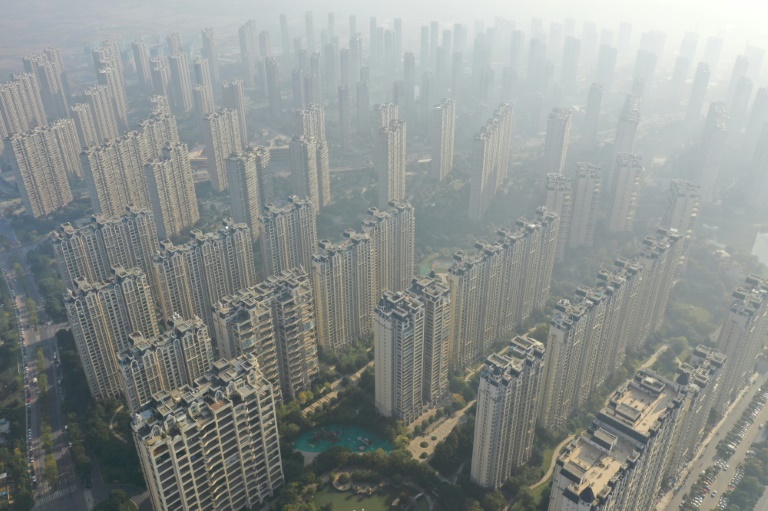
Chinese authorities have unveiled sweeping measures to rescue struggling property sector, as regulators seek to offset years of harsh pandemic curbs and a real estate crackdown that have stalled the world’s number-two economy.

The banking regulator and central bank on Friday issued a 16-point set of internal directives to promote the “stable and healthy development” of the industry, which were verified by Chinese media on Monday. 

The measures include credit support for debt-laden housing developers, financial support to ensure completion and handover of projects to homeowners, and assistance for deferred-payment loans for homebuyers.

That came on the same day the National Health Commission issued 20 rules for “optimising” Beijing’s zero-Covid policy, where certain restrictions were relaxed to limit the policy’s social and economic impact.

“We view this as the most crucial pivot since Beijing significantly tightened financing of the property sector,” wrote Ting Lu, chief China economist at Nomura, in a note.

“We believe these measures demonstrate that Beijing is willing to reverse most of its financial tightening measures.”

Hong Kong stocks surged more than three percent Monday, extending Friday’s more than seven percent rally, after the measures were unveiled.

Beijing imposed widespread lending curbs on property developers in 2020, which exacerbated their liquidity issues and caused several of the largest to default on bond payments. 

The knock-on effects on the massive real estate sector were severe, with cash-strapped developer Evergrande — China’s largest — and others failing to compete projects, sparking mortgage boycotts and protests from homebuyers. 

The measures emphasised “guaranteeing the handover of buildings”, and ordered development banks to provide “special loans” for the purpose, according to a copy circulating online.  

The document ordered financial institutions to treat state-owned and private real estate enterprises equally, as well as “actively cooperating with distressed real estate enterprises in risk management”.

The measures also included “extending the transition period arrangements… of real estate loans” for distressed developers, and support for “high-quality real estate enterprises to issue bond financing”. 

“The plan includes financial stability measures that aim to prevent massive defaults and hence provide a ‘soft landing’,” ANZ analysts wrote in a note.

But analysts cautioned that these changes — alongside the limited loosening of zero-Covid measures — would not cause an immediate recovery for the ailing sector.

New home prices have been dropping for more than a year, while demand is struggling to pick up owing to ongoing strict pandemic controls that have dampened consumer confidence. 

China unveils sweeping measures to rescue property sector

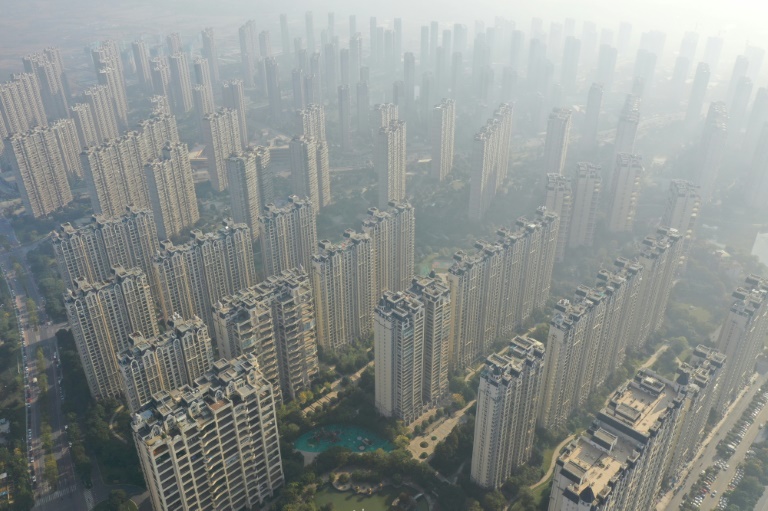
Chinese authorities have unveiled sweeping measures to rescue struggling property sector, as regulators seek to offset years of harsh pandemic curbs and a real estate crackdown that have stalled the world’s number-two economy.

The banking regulator and central bank on Friday issued a 16-point set of internal directives to promote the “stable and healthy development” of the industry, which were verified by Chinese media on Monday. 

The measures include credit support for debt-laden housing developers, financial support to ensure completion and handover of projects to homeowners, and assistance for deferred-payment loans for homebuyers.

That came on the same day the National Health Commission issued 20 rules for “optimising” Beijing’s zero-Covid policy, where certain restrictions were relaxed to limit the policy’s social and economic impact.

“We view this as the most crucial pivot since Beijing significantly tightened financing of the property sector,” wrote Ting Lu, chief China economist at Nomura, in a note.

“We believe these measures demonstrate that Beijing is willing to reverse most of its financial tightening measures.”

Hong Kong stocks surged more than three percent Monday, extending Friday’s more than seven percent rally, after the measures were unveiled.

Beijing imposed widespread lending curbs on property developers in 2020, which exacerbated their liquidity issues and caused several of the largest to default on bond payments. 

The knock-on effects on the massive real estate sector were severe, with cash-strapped developer Evergrande — China’s largest — and others failing to compete projects, sparking mortgage boycotts and protests from homebuyers. 

The measures emphasised “guaranteeing the handover of buildings”, and ordered development banks to provide “special loans” for the purpose, according to a copy circulating online.  

The document ordered financial institutions to treat state-owned and private real estate enterprises equally, as well as “actively cooperating with distressed real estate enterprises in risk management”.

The measures also included “extending the transition period arrangements… of real estate loans” for distressed developers, and support for “high-quality real estate enterprises to issue bond financing”. 

“The plan includes financial stability measures that aim to prevent massive defaults and hence provide a ‘soft landing’,” ANZ analysts wrote in a note.

But analysts cautioned that these changes — alongside the limited loosening of zero-Covid measures — would not cause an immediate recovery for the ailing sector.

New home prices have been dropping for more than a year, while demand is struggling to pick up owing to ongoing strict pandemic controls that have dampened consumer confidence. 

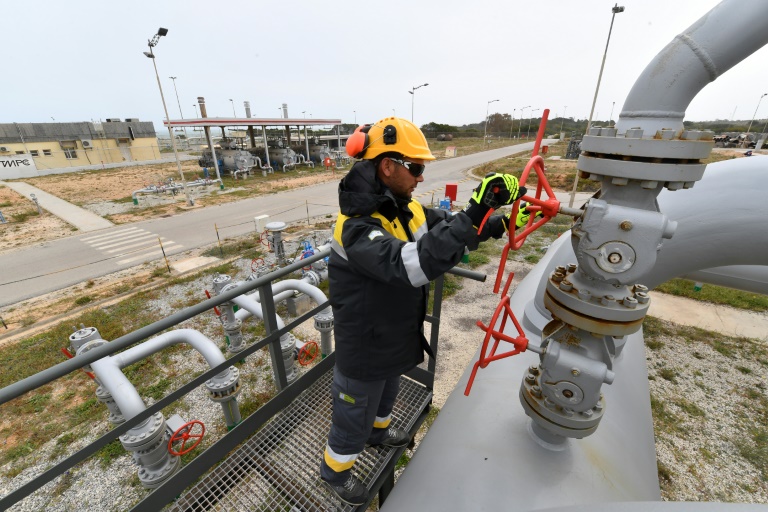
Western thirst for African gas raises alarm at COP27

Wealthy Western nations facing an energy crunch are eyeing natural gas in Africa at the expense of supporting green transition in poorer countries, climate activists at COP27 charge.

European countries have been scrambling for alternative sources of gas after the continent’s former top supplier, Russia, slashed exports in apparent retaliation for Western sanctions over Moscow’s invasion of Ukraine in February.

Gas-rich Norway has since overtaken Russia as a leading supplier, but Europe sees great potential in African fossil fuel reserves, including promising oil and gas discoveries in Senegal and Democratic Republic of Congo.

Europe wants “to turn Africa into its gas station,” Mohamed Adow, director of the Power Shift Africa think tank, said at the UN climate summit in Egypt.

“We don’t have to follow the footsteps of the rich world that actually caused climate change in the first place.”

Exporting natural gas may bring short-term profits but exacerbate the climate crisis and leave African nations worse off in the long run, activists, researchers and advocacy groups said.

Research group Climate Action Tracker called the global dash for gas a “serious threat” to the Paris Agreement goals — of keeping global warming well below two degrees Celsius, and preferably at 1.5 degrees compared to pre-industrial levels.

– ‘Stranded assets’ –

Some African leaders argued the potential benefits for people on the world’s poorest continent outweighed the harm from the production and export of fossil fuels.

“We are in favour of a just and fair green transition, instead of decisions that harm our development process,” Senegalese President Macky Sall told some 100 world leaders last week at COP27.

Germany — the European country most dependent on Russian supplies before the war — has been keen to tap Senegal’s gas deposits.

Omar Farouk Ibrahim, secretary general of the African Petroleum Producers’ Organization, argued the slight increase in the continent’s marginal contribution to greenhouse gas emissions “would make a fundamental difference in whether people live or die”.

“We have 600 million people in Africa who don’t have access to electricity at all. We have over 900 million people in Africa who do not have access to modern form of energy for cooking or domestic heating,” he said.

“No progress can be made in any society without energy.”

But advocacy groups were not convinced Africa’s poor would reap any benefits.

“History shows us that… extraction in African countries has not resulted in development,” said Thuli Makama, African programme director at Oil Change International.

Makama, a lawyer from Eswatini, said the Ukraine war would only trigger “short-term” demand from Western nations, leaving African countries with “stranded assets” — infrastructure that becomes obsolete as the world turns to renewables.

Governments and companies would have invested in infrastructure only to be “left with stranded assets, clean-up expenses and all the devastation that comes with the industry for local people”, Makama warned.

– ‘Incredible’ potential –

A report released Monday by the Carbon Tracker Initiative think tank said Western investment in fossil fuels will eventually evaporate, encouraging African countries instead to seize on the potential offered by solar power.

“The way to help us actually address our energy poverty challenge is for us to tap the incredible renewable energy potential that exists on the continent of Africa,” Adow said.

African nations could refuse any further extraction of fossil fuels and make the continent a “green leader”, he added.

But investment in renewable energy across the continent last year fell to its lowest level in 11 years, the research group BloombergNEF said on Wednesday.

Out of the $434 billion invested worldwide in renewables in 2021, a meagre 0.6 percent went to projects in Africa, the report said.

The Carbon Tracker Initiative report said the solar industry across Africa provided 14 gigawatts of power in 2021.

It noted however that with production costs falling, solar power in Africa “has the potential to grow… to over 400 gigawatts by 2050” — half of the continent’s energy needs.

Most Asian markets extend global rally on China hopes

Asian markets mostly rose Monday, extending a global surge, as a loosening of China’s Covid rules and plans to help its property sector followed a drop in US inflation that eased rate hike fears.

Equities rocketed last week and the dollar sank after data showed US price rises eased in October, providing the Federal Reserve with room to take its foot off the pedal in tightening monetary policy.

The news led some commentators to suggest a feared recession in the world’s top economy could be shallower than first feared, or might be averted entirely.

The optimistic mood was given an extra injection late Friday by news that Beijing would relax some of its strict Covid-19 restrictions, a day after officials vowed to stick to their zero-tolerance strategy that has hammered growth.

Authorities have also reportedly unveiled a 16-point plan to support the beleaguered property sector, a major component of the country’s sprawling economy

The industry has come under immense pressure since China imposed a number of restrictions in 2020 aimed at reeling in debt, with major developers teetering on the brink of collapse.

The news indicates the leadership is beginning to focus on supporting the economy, a crucial driver of global growth.

“It’s a meaningful easing,” said Larry Hu of Macquarie Group.

“It seems that the room for policy change has widened on various fronts after the Party Congress (last month), including for the two major headwinds to the Chinese economy: Covid Zero and property.”

Nomura’s Lu Ting said the support for the developers was “the most crucial pivot since Beijing significantly tightened financing of the property sector”.

“We believe these measures demonstrate that Beijing is willing to reverse most of its financial tightening measures,” he added.

“Those cash-strapped developers (especially private ones), construction companies, mortgage borrowers and other related stakeholders can now breathe a sigh of relief.”

He warned, however, that the sector continued to struggle and the “measures may have little direct impact on stimulating home purchases”.

In early trade, Hong Kong led gains again — having soared more than seven percent Friday — with property firms the best performers.

Shanghai, Sydney, Singapore, Seoul, Taipei and Manila were all well up, though Tokyo was hit by profit-taking. There were also small losses in Bangkok, Jakarta and Wellington.

While the mood has lightened after the US inflation read, there is still a sense of trepidation among traders who fear the Federal Reserve will continue to lift borrowing costs while analysts warn last week’s rally may have been overdone.

“It was always clear that it would be easy to bring inflation down from 9-10 percent to 4-5 percent,” said SPI Asset Management’s Stephen Innes.

“Pushing it back to two percent could be much more complicated and require higher rates for longer. Hence, the central bank fight is far from over. But for now and until an indication of inflation proves stickier than expected, risk-on could roll on a bit further.”

Still, the yen, pound and euro held most of their gains against the dollar, which came in reaction to the consumer price index reading.

Traders are keenly awaiting a meeting later in the day between US President Joe Biden and Chinese counterpart Xi Jinping, with hopes for an easing of tensions between the superpowers.

The two are due to meet at the G20 summit in Bali, with Biden saying he wanted to repair lines of communication and help establish “guardrails” to keep the competing superpowers from veering into conflict.

– Key figures around 0230 GMT –

Tokyo – Nikkei 225: DOWN 0.8 percent at 28,047.58 (break)

Hong Kong – Hang Seng Index: UP 2.4 percent at 17,733.96

Shanghai – Composite: UP 0.4 percent at 3,099.19

Pound/dollar: DOWN at $1.1782 from $1.1839 on Friday

Euro/dollar: DOWN at $1.0323 from $1.0361

Dollar/yen: UP at 139.17 yen from 138.70 yen

Euro/pound: UP at 87.60 pence from 87.49 pence

West Texas Intermediate: UP 0.4 percent at $89.30 per barrel

Brent North Sea crude: UP 0.4 percent at $96.41 per barrel

New York – Dow: UP 0.1 percent at 33,747.86 (close)

London – FTSE 100: DOWN 0.8 percent at 7,318.04 (close)

Most Asian markets extend global rally on China hopes

Asian markets mostly rose Monday, extending a global surge, as a loosening of China’s Covid rules and plans to help its property sector followed a drop in US inflation that eased rate hike fears.

Equities rocketed last week and the dollar sank after data showed US price rises eased in October, providing the Federal Reserve with room to take its foot off the pedal in tightening monetary policy.

The news led some commentators to suggest a feared recession in the world’s top economy could be shallower than first feared, or might be averted entirely.

The optimistic mood was given an extra injection late Friday by news that Beijing would relax some of its strict Covid-19 restrictions, a day after officials vowed to stick to their zero-tolerance strategy that has hammered growth.

Authorities have also reportedly unveiled a 16-point plan to support the beleaguered property sector, a major component of the country’s sprawling economy

The industry has come under immense pressure since China imposed a number of restrictions in 2020 aimed at reeling in debt, with major developers teetering on the brink of collapse.

The news indicates the leadership is beginning to focus on supporting the economy, a crucial driver of global growth.

“It’s a meaningful easing,” said Larry Hu of Macquarie Group.

“It seems that the room for policy change has widened on various fronts after the Party Congress (last month), including for the two major headwinds to the Chinese economy: Covid Zero and property.”

Nomura’s Lu Ting said the support for the developers was “the most crucial pivot since Beijing significantly tightened financing of the property sector”.

“We believe these measures demonstrate that Beijing is willing to reverse most of its financial tightening measures,” he added.

“Those cash-strapped developers (especially private ones), construction companies, mortgage borrowers and other related stakeholders can now breathe a sigh of relief.”

He warned, however, that the sector continued to struggle and the “measures may have little direct impact on stimulating home purchases”.

In early trade, Hong Kong led gains again — having soared more than seven percent Friday — with property firms the best performers.

Shanghai, Sydney, Singapore, Seoul, Taipei and Manila were all well up, though Tokyo was hit by profit-taking. There were also small losses in Bangkok, Jakarta and Wellington.

While the mood has lightened after the US inflation read, there is still a sense of trepidation among traders who fear the Federal Reserve will continue to lift borrowing costs while analysts warn last week’s rally may have been overdone.

“It was always clear that it would be easy to bring inflation down from 9-10 percent to 4-5 percent,” said SPI Asset Management’s Stephen Innes.

“Pushing it back to two percent could be much more complicated and require higher rates for longer. Hence, the central bank fight is far from over. But for now and until an indication of inflation proves stickier than expected, risk-on could roll on a bit further.”

Still, the yen, pound and euro held most of their gains against the dollar, which came in reaction to the consumer price index reading.

Traders are keenly awaiting a meeting later in the day between US President Joe Biden and Chinese counterpart Xi Jinping, with hopes for an easing of tensions between the superpowers.

The two are due to meet at the G20 summit in Bali, with Biden saying he wanted to repair lines of communication and help establish “guardrails” to keep the competing superpowers from veering into conflict.

– Key figures around 0230 GMT –

Tokyo – Nikkei 225: DOWN 0.8 percent at 28,047.58 (break)

Hong Kong – Hang Seng Index: UP 2.4 percent at 17,733.96

Shanghai – Composite: UP 0.4 percent at 3,099.19

Pound/dollar: DOWN at $1.1782 from $1.1839 on Friday

Euro/dollar: DOWN at $1.0323 from $1.0361

Dollar/yen: UP at 139.17 yen from 138.70 yen

Euro/pound: UP at 87.60 pence from 87.49 pence

West Texas Intermediate: UP 0.4 percent at $89.30 per barrel

Brent North Sea crude: UP 0.4 percent at $96.41 per barrel

New York – Dow: UP 0.1 percent at 33,747.86 (close)

London – FTSE 100: DOWN 0.8 percent at 7,318.04 (close)

Most Asian markets extend global rally on China hopes

Asian markets mostly rose Monday, extending a global surge, as a loosening of China’s Covid rules and plans to help its property sector followed a drop in US inflation that eased rate hike fears.

Equities rocketed last week and the dollar sank after data showed US price rises eased in October, providing the Federal Reserve with room to take its foot off the pedal in tightening monetary policy.

The news led some commentators to suggest a feared recession in the world’s top economy could be shallower than first feared, or might be averted entirely.

The optimistic mood was given an extra injection late Friday by news that Beijing would relax some of its strict Covid-19 restrictions, a day after officials vowed to stick to their zero-tolerance strategy that has hammered growth.

Authorities have also reportedly unveiled a 16-point plan to support the beleaguered property sector, a major component of the country’s sprawling economy

The industry has come under immense pressure since China imposed a number of restrictions in 2020 aimed at reeling in debt, with major developers teetering on the brink of collapse.

The news indicates the leadership is beginning to focus on supporting the economy, a crucial driver of global growth.

“It’s a meaningful easing,” said Larry Hu of Macquarie Group.

“It seems that the room for policy change has widened on various fronts after the Party Congress (last month), including for the two major headwinds to the Chinese economy: Covid Zero and property.”

Nomura’s Lu Ting said the support for the developers was “the most crucial pivot since Beijing significantly tightened financing of the property sector”.

“We believe these measures demonstrate that Beijing is willing to reverse most of its financial tightening measures,” he added.

“Those cash-strapped developers (especially private ones), construction companies, mortgage borrowers and other related stakeholders can now breathe a sigh of relief.”

He warned, however, that the sector continued to struggle and the “measures may have little direct impact on stimulating home purchases”.

In early trade, Hong Kong led gains again — having soared more than seven percent Friday — with property firms the best performers.

Shanghai, Sydney, Singapore, Seoul, Taipei and Manila were all well up, though Tokyo was hit by profit-taking. There were also small losses in Bangkok, Jakarta and Wellington.

While the mood has lightened after the US inflation read, there is still a sense of trepidation among traders who fear the Federal Reserve will continue to lift borrowing costs while analysts warn last week’s rally may have been overdone.

“It was always clear that it would be easy to bring inflation down from 9-10 percent to 4-5 percent,” said SPI Asset Management’s Stephen Innes.

“Pushing it back to two percent could be much more complicated and require higher rates for longer. Hence, the central bank fight is far from over. But for now and until an indication of inflation proves stickier than expected, risk-on could roll on a bit further.”

Still, the yen, pound and euro held most of their gains against the dollar, which came in reaction to the consumer price index reading.

Traders are keenly awaiting a meeting later in the day between US President Joe Biden and Chinese counterpart Xi Jinping, with hopes for an easing of tensions between the superpowers.

The two are due to meet at the G20 summit in Bali, with Biden saying he wanted to repair lines of communication and help establish “guardrails” to keep the competing superpowers from veering into conflict.

– Key figures around 0230 GMT –

Tokyo – Nikkei 225: DOWN 0.8 percent at 28,047.58 (break)

Hong Kong – Hang Seng Index: UP 2.4 percent at 17,733.96

Shanghai – Composite: UP 0.4 percent at 3,099.19

Pound/dollar: DOWN at $1.1782 from $1.1839 on Friday

Euro/dollar: DOWN at $1.0323 from $1.0361

Dollar/yen: UP at 139.17 yen from 138.70 yen

Euro/pound: UP at 87.60 pence from 87.49 pence

West Texas Intermediate: UP 0.4 percent at $89.30 per barrel

Brent North Sea crude: UP 0.4 percent at $96.41 per barrel

New York – Dow: UP 0.1 percent at 33,747.86 (close)

London – FTSE 100: DOWN 0.8 percent at 7,318.04 (close)

Close Bitnami banner
Bitnami