AFP

Dark clouds over China's economy as zero-Covid, global slowdown bite

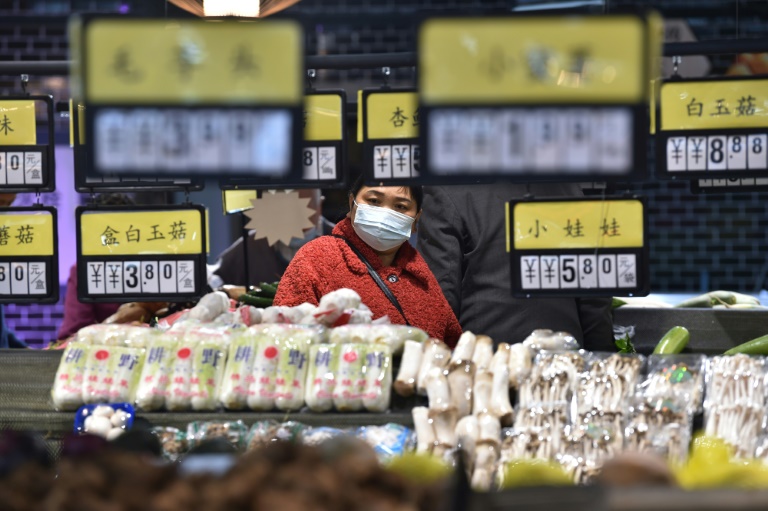
A slew of lacklustre indicators for October show strict and enduring Covid curbs as well as a global slowdown are dragging on China’s economy, analysts told AFP, with prospects looking increasingly grim for 2023.

The world’s second-largest economy reported its first decline in exports since the early days of the pandemic last month, while factory activity and gate prices also fell.

The ultra-wealthy have seen their fortunes shrink, too, with the Hurun China Rich List this week recording its sharpest drop in the number of individuals worth at least five billion yuan ($690 million) since the 1990s.

Multiple analysts pointed to slumps abroad as a key factor behind the falling exports, long a major driver of growth for the Chinese economy.

“Monetary conditions are tightening quickly in other countries, while inflation continues to stay elevated amidst high energy costs,” Erin Xin, Greater China economist at HSBC, said in a note, pointing to a sharp decline in global demand for exports of discretionary items like clothing and electronics.

“With global demand slowing, the domestic economy will need to pick up the slack.”

And those falling exports will have a knock-on effect on manufacturing as well as the job market, Iris Pang, chief economist for Greater China at ING, explained.

Weakening demand risks “lower inflation and even deflation,” she said.

– Zero-Covid blues –

Deepening the pain is Beijing’s insistence on maintaining its strict policy of snap lockdowns and travel curbs whenever Covid cases arise — leaving businesses reeling from sudden disruptions and consumers reluctant to spend.

Economic powerhouses including Shanghai, Shenzhen and Beijing have been hit by either protracted lockdowns or restrictions limiting retail, construction and logistics this year as outbreaks of the more infectious Omicron variant spread across the country.

An area accounting for more than 12 percent of China’s gross domestic product is now under some form of Covid restriction, according to calculations by Nomura China economists on Monday.

China’s National Health Commission vowed Saturday to “unswervingly” stick to zero-Covid, dashing a major stock market rally on the back of unsubstantiated rumours that Beijing would imminently loosen its strict virus policy. 

And the man who oversaw a gruelling two-month lockdown of Shanghai, Li Qiang, was last month elevated by President Xi Jinping to the Communist leadership’s number two position.

“Given policymakers have invested so much political capital in the great zero-Covid campaign, it’s quite unlikely for them to abruptly declare the end of zero-Covid any time soon,” Macquarie economists Larry Hu and Yuxiao Zhang said.

“China’s economy has two major headwinds this year: zero-Covid and property.”

Property and construction account for around a quarter of China’s GDP, but crippling debts have forced multiple developers to default on loans this year, while buyers furious over unfinished homes have turned to mortgage strikes.

– Headwinds –

Chinese leaders have set out an annual economic growth target of about 5.5 percent, but many observers think the country will struggle to hit the target, despite announcing a better-than-expected 3.9 percent expansion in the third quarter.

Some are hopeful the situation could improve — despite the headwinds. 

Economists at HSBC said in a note that they “remain constructive on China” and predict more than five percent growth next year.

This will come, they argued, from a combination of the low base this year as well as “China further fine-tuning and gradually relaxing some Covid-19 restrictions in 2023, the housing market stabilising, and continued policy support”.

But others expect grim trends to continue, with Macquarie analysts telling AFP that “due to the softening global economy” they expect China exports to decline by five percent in 2023.

“For China at this moment, the deflation risk is much higher than the inflation risk,” they wrote, predicting “more easing ahead”, including cuts to the ratio of cash banks are required to hold as reserves.
Dark clouds over China's economy as zero-Covid, global slowdown bite

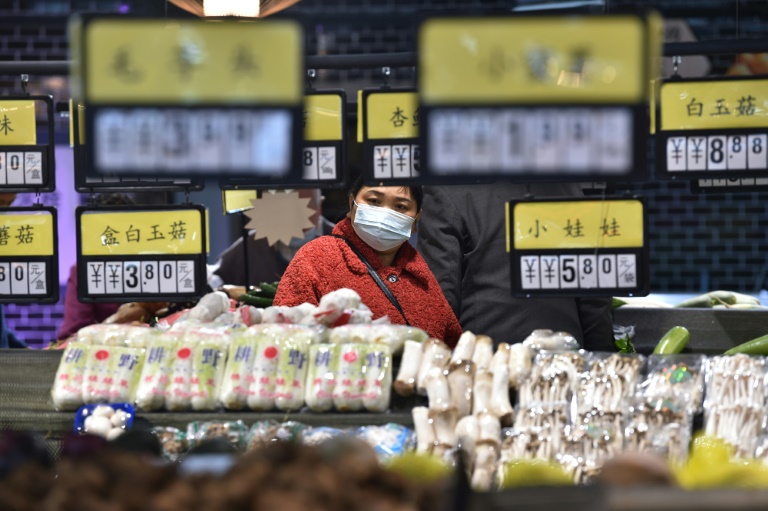
A slew of lacklustre indicators for October show strict and enduring Covid curbs as well as a global slowdown are dragging on China’s economy, analysts told AFP, with prospects looking increasingly grim for 2023.

The world’s second-largest economy reported its first decline in exports since the early days of the pandemic last month, while factory activity and gate prices also fell.

The ultra-wealthy have seen their fortunes shrink, too, with the Hurun China Rich List this week recording its sharpest drop in the number of individuals worth at least five billion yuan ($690 million) since the 1990s.

Multiple analysts pointed to slumps abroad as a key factor behind the falling exports, long a major driver of growth for the Chinese economy.

“Monetary conditions are tightening quickly in other countries, while inflation continues to stay elevated amidst high energy costs,” Erin Xin, Greater China economist at HSBC, said in a note, pointing to a sharp decline in global demand for exports of discretionary items like clothing and electronics.

“With global demand slowing, the domestic economy will need to pick up the slack.”

And those falling exports will have a knock-on effect on manufacturing as well as the job market, Iris Pang, chief economist for Greater China at ING, explained.

Weakening demand risks “lower inflation and even deflation,” she said.

– Zero-Covid blues –

Deepening the pain is Beijing’s insistence on maintaining its strict policy of snap lockdowns and travel curbs whenever Covid cases arise — leaving businesses reeling from sudden disruptions and consumers reluctant to spend.

Economic powerhouses including Shanghai, Shenzhen and Beijing have been hit by either protracted lockdowns or restrictions limiting retail, construction and logistics this year as outbreaks of the more infectious Omicron variant spread across the country.

An area accounting for more than 12 percent of China’s gross domestic product is now under some form of Covid restriction, according to calculations by Nomura China economists on Monday.

China’s National Health Commission vowed Saturday to “unswervingly” stick to zero-Covid, dashing a major stock market rally on the back of unsubstantiated rumours that Beijing would imminently loosen its strict virus policy. 

And the man who oversaw a gruelling two-month lockdown of Shanghai, Li Qiang, was last month elevated by President Xi Jinping to the Communist leadership’s number two position.

“Given policymakers have invested so much political capital in the great zero-Covid campaign, it’s quite unlikely for them to abruptly declare the end of zero-Covid any time soon,” Macquarie economists Larry Hu and Yuxiao Zhang said.

“China’s economy has two major headwinds this year: zero-Covid and property.”

Property and construction account for around a quarter of China’s GDP, but crippling debts have forced multiple developers to default on loans this year, while buyers furious over unfinished homes have turned to mortgage strikes.

– Headwinds –

Chinese leaders have set out an annual economic growth target of about 5.5 percent, but many observers think the country will struggle to hit the target, despite announcing a better-than-expected 3.9 percent expansion in the third quarter.

Some are hopeful the situation could improve — despite the headwinds. 

Economists at HSBC said in a note that they “remain constructive on China” and predict more than five percent growth next year.

This will come, they argued, from a combination of the low base this year as well as “China further fine-tuning and gradually relaxing some Covid-19 restrictions in 2023, the housing market stabilising, and continued policy support”.

But others expect grim trends to continue, with Macquarie analysts telling AFP that “due to the softening global economy” they expect China exports to decline by five percent in 2023.

“For China at this moment, the deflation risk is much higher than the inflation risk,” they wrote, predicting “more easing ahead”, including cuts to the ratio of cash banks are required to hold as reserves.
China's security agency in Hong Kong buys $65 mn luxury villa

China’s national security agency in Hong Kong spent HK$508 million ($65 million) on a luxury villa in an exclusive neighbourhood perched on a hill above the city, registry data has revealed.

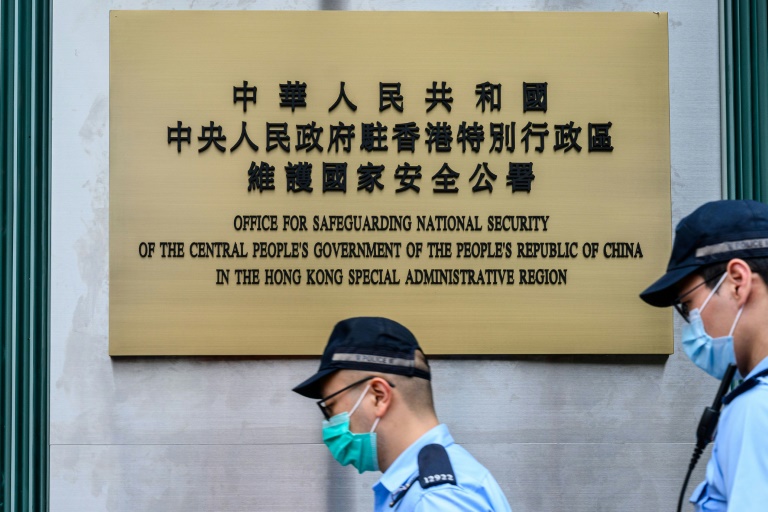
The purchase last month offers a rare glimpse into an organisation which was set up in the Chinese finance hub more than two years ago but remains opaque and free from public scrutiny.

The Office for Safeguarding National Security of the Central People’s Government in the Hong Kong Special Administrative Region was listed as the buyer of the largest villa at the Mont Rouge residential project in the Beacon Hill district, according to a Land Registry document.

The 666-square metre (7,171-square foot) mansion has five bedrooms, three car parking spaces, a garden, its own lift and is described by its developer as “a residential jewel that secures panoramic views, low density and luxuriant living”.

The sale set a record for the most expensive house sold in the Kowloon district on a per-square foot basis, according to local media.

Beijing’s national security office in Hong Kong was established in July 2020 following huge and sometimes violent democracy protests, alongside the imposition of a sweeping security law which has since ensnared more than 200 people, including many of the city’s best known democracy activists.

The security law empowered China’s mainland security apparatus to operate openly in Hong Kong for the first time where their agents can conduct their own investigations and are not bound by the city’s laws.

The office requisitioned two hotels on Hong Kong’s main island to be its temporary headquarters, while an 11,500-square metre government plot has been earmarked for a permanent base.

A Hong Kong government spokesperson said the national security office is funded directly by the central government.

Hong Kong has been rated the world’s least affordable place to buy property for multiple years by the Demographia International Housing Affordability, outstripping famously pricey cities like Sydney and Vancouver.

According to Demographia, it would take 23.2 years for a local resident to buy a home even without spending any of their income.

The city’s sky-high property prices have taken a hit in the last six months, weighed down by Covid curbs, political turmoil, population outflow and dampened mainland China demand.

But rising interest rates have made mortgages for the average resident become more expensive, impacting affordability even as the property market slides. 

Republican 'red wave' hopes fizzle in US midterm vote

Republican hopes for a sweeping rebuke of President Joe Biden in congressional elections failed to materialize with both parties picking up seats following a campaign fought against a backdrop of stubbornly high inflation and fears for US democracy.

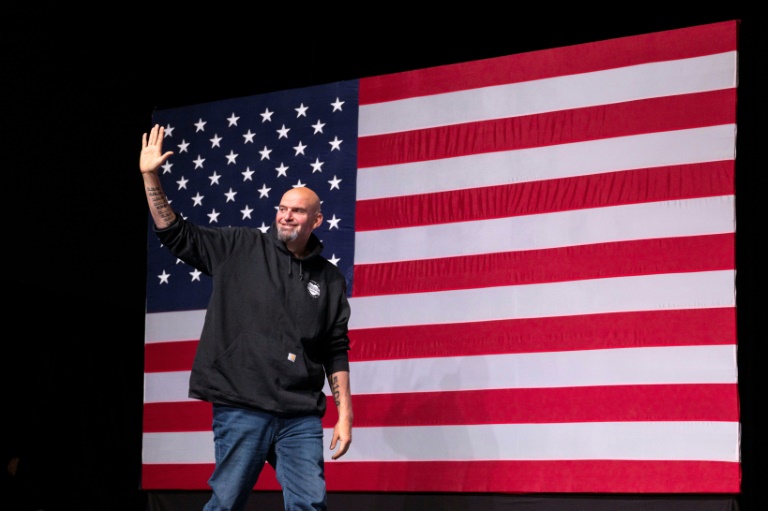
Republicans needed one seat to wrest control of the evenly-divided Senate but by early Wednesday the only one to change party hands went to the Democrats, with John Fetterman, a burly champion of progressive economic policies, triumphing in Pennsylvania.

In the House of Representatives, early results suggested Republicans were on track to wrest control from Democrats — but only by a handful of seats, a far cry from their predictions.

Top Republican Kevin McCarthy — who hopes to be the lower chamber’s next speaker — struck an upbeat note as he addressed supporters in the early hours, telling them: “It is clear that we are going to take the House back.”

But Senator Lindsey Graham, a top Trump ally, bluntly conceded to NBC that the election is “definitely not a Republican wave, that’s for darn sure.”

With Biden’s favorability ratings hovering in the low 40s and Republicans pounding him over inflation and crime, many pundits had predicted a drubbing that would have raised new questions on whether America’s oldest-ever president, who turns 80 this month, should run again.

The president’s party has traditionally lost seats in midterm elections — and all eyes have been on a handful of Senate races including in Georgia, Nevada, Arizona and Wisconsin. 

In Pennsylvania — one of the election’s highest-profile races — Fetterman limited campaign appearances as he recovered from a stroke that impeded his speech but he still edged out Mehmet Oz, a celebrity doctor endorsed by Donald Trump.

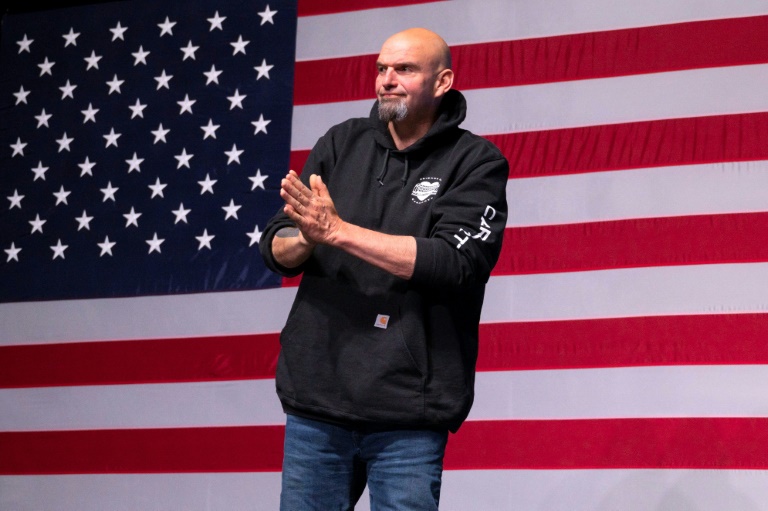
“This campaign has always been about fighting for everyone who’s ever been got knocked down that ever got back up,” the two-meter (six-foot-eight) Fetterman, clad in his trademark hoodie, told a rally in Pittsburgh.

– Florida swings right –

On a night of close contests, one of the most decisive wins was for rising Republican star Ron DeSantis, who won by a crushing margin in Florida, cementing his status as a top potential White House candidate in 2024.

DeSantis, who has made a name in Florida by railing against Covid mitigation measures and transgender rights, was projected to have won by up to 20 points against a folksy former governor, four years after squeaking by in his longtime swing state.

“We will never, ever surrender to the woke mob,” DeSantis told a victory rally, using a derisive term for social justice campaigners.

“Florida is where woke goes to die,” he said.

But if the 44-year-old views his victory as a mandate for the White House in 2024, he will likely face a stiff challenge from another Florida resident — former president Trump, who has teased an “exciting” announcement on November 15.

Among other races, Maura Healey will make history as the first openly lesbian governor in the United States and in New York, where recent polls gave Democrats a scare, Governor Kathy Hochul fended off a Republican challenge.

– Trump again alleges fraud –

Trump, who is facing criminal probes over taking top secret documents from the White House and trying to overturn the 2020 election, returned to his playbook of airing unsubstantiated claims of fraud.

In Arizona, Trump and his chosen candidate for governor, Kari Lake, alleged irregularities after problems with voting machines.

Officials in the most populous county of Maricopa said about 20 percent of the 223 polling stations experienced difficulties related to printers but that no one was denied the right to vote.

Biden has warned that Republicans pose a dire threat to democracy with more than half their candidates repeating Trump’s debunked claims of cheating in the 2020 election.

In the runup to the vote, an intruder espousing far-right beliefs broke into the San Francisco home of House Speaker Nancy Pelosi and bludgeoned her husband with a hammer. 

In his closing pitch, Biden vowed that Democrats would defend pensions, health care and the freedom to have an abortion, after a Supreme Court transformed by Trump rescinded the right to choose.

Voting in Phoenix, Kenneth Bellows, a 32-year-old law student, said runaway inflation is “hurting Americans who are just trying to get by.”

“We don’t need any of the crazy woke rhetoric that’s going on right now. What we really need is focusing on everyday kitchen-table politics, to make sure taxes are low,” he said.

But at a restaurant serving up soul food in Pittsburgh, Lasaine Latimore, 77, said Democrats were best placed to help people.

“I just want my medical insurance and more money for dental and glasses,” she said.

A Republican victory could scuttle Biden’s legislative agenda, with Congress scuttling his ambitions on climate change and scrutinizing the billions of US dollars to help Ukraine fight Russia.

Hackers leak Australian health records on dark web

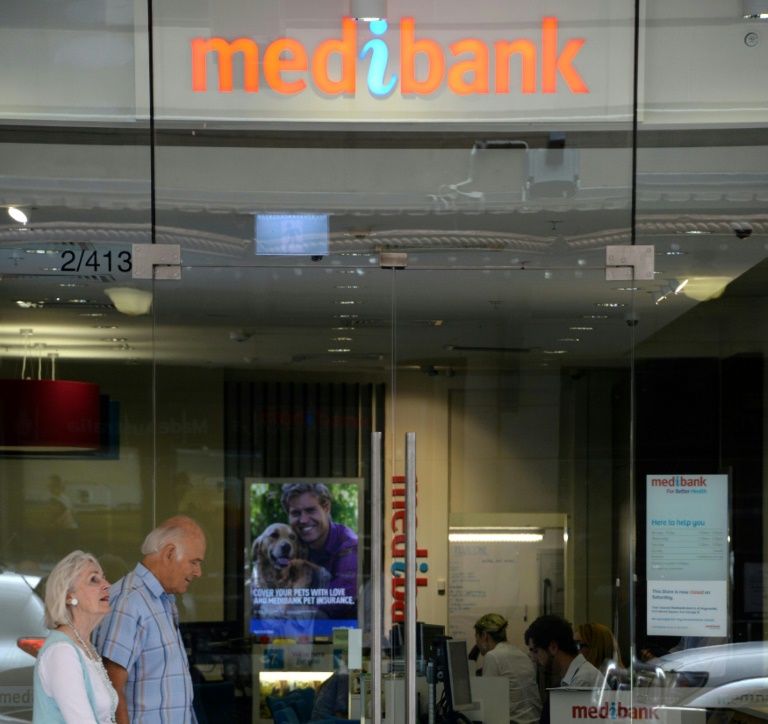
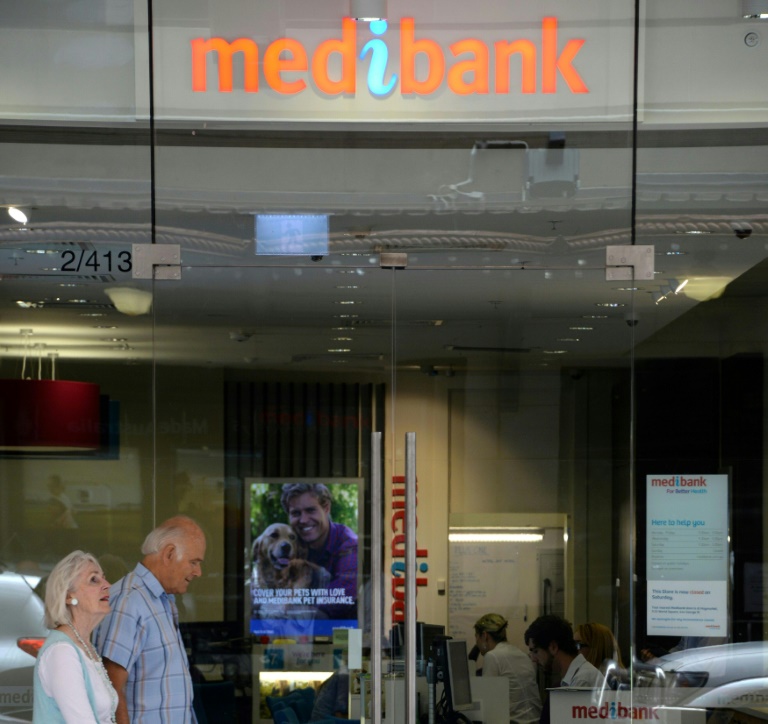
Hackers have followed through on a threat to leak sensitive medical records stolen from a major Australian health company that counts the country’s prime minister among nearly 10 million customers.

Medibank told investors that a “sample” selection of customer data was posted on a “dark web forum” on Wednesday after it refused to pay a ransom demand.

The data included names, birth dates, passport numbers and information on medical claims for hundreds of customers who were separated into “naughty” and “nice” lists. 

Some on the “naughty” list had numeric codes that appeared to link them to drug addiction, alcohol abuse and HIV infection. 

For example, one record carried an entry that read: “p_diag: F122”. 

F122 corresponds with “cannabis dependence” under the International Classification of Diseases, published by the World Health Organization. 

Medibank is Australia’s largest private health insurer and the hack is likely to include some of the country’s most influential and wealthy individuals.

Prime Minister Anthony Albanese said he himself was a Medibank customer and that the attack was a “wake-up call” for corporate Australia.

– Potential Russian link –

The perpetrator of the hack has not yet been publicly identified. 

But the Australian Federal Police’s Justine Gough said it was the work of a “criminal or criminal groups” that could be operating outside the country.

Sanjay Jha, chief scientist at the University of New South Wales’s Institute for Cyber Security, said it was difficult to attribute any attack to a single group.

However, he told AFP it carried some of the hallmarks associated with a Russian hacker group called REvil — which has previously targeted everything from Brazilian meat company JBS to Lady Gaga.

“The pattern matches the behaviour in parts. So that is why there is a serious indication it could be them selling the data,” Jha said.

A defunct REvil website has been redirecting traffic to the dark web forum where the Medibank data was leaked.

REvil — an amalgam of ransomware and evil — was the subject of a US$10 million reward from US authorities before being reportedly dismantled by Russia this year. 

JBS Foods, one of the largest beef producers in the world, paid REvil a ransom of US$11 million in 2021.

Jha said the hackers could now look to sell the sensitive data to blackmailers and other scammers.

– ‘Scumbags’ and ‘crooks’ –

The hackers also uploaded what they said were a series of messages sent to Medibank in the days before the leak. 

“We will do everything in our power to inflict as much damage as possible for you, both financial and reputational,” one message from the hackers read. 

Hundreds of millions of US dollars have been wiped off Medibank’s market value, with the company’s share price down more than 20 percent since October, when news of the leak first emerged.

Troy Hunt, a cyber security expert working for Microsoft, wrote on Twitter that the breach was “about as bad as we feared it would get”. 

The Medibank hack followed an attack on telecom company Optus in September that exposed the personal information of some nine million Australians.

Jha said the enormous Medibank and Optus data breaches could make it easier to carry out cyber attacks on different systems in the future. 

“A lot of credentials have been stolen in recent months,” he said. “That makes the job of attackers easier — they can go and try other systems with millions of credentials.” 

Australia’s assistant treasurer Stephen Jones said the perpetrators were “scumbags” and “crooks”.

“We shouldn’t be giving in to these fraudsters,” he told local media.

As Medibank tried to contain the leak, it was also staring down the barrel of a potentially costly class action lawsuit.

Hackers leak Australian health records on dark web

Hackers have followed through on a threat to leak sensitive medical records stolen from a major Australian health company that counts the country’s prime minister among nearly 10 million customers.

Medibank told investors that a “sample” selection of customer data was posted on a “dark web forum” on Wednesday after it refused to pay a ransom demand.

The data included names, birth dates, passport numbers and information on medical claims for hundreds of customers who were separated into “naughty” and “nice” lists. 

Some on the “naughty” list had numeric codes that appeared to link them to drug addiction, alcohol abuse and HIV infection. 

For example, one record carried an entry that read: “p_diag: F122”. 

F122 corresponds with “cannabis dependence” under the International Classification of Diseases, published by the World Health Organization. 

Medibank is Australia’s largest private health insurer and the hack is likely to include some of the country’s most influential and wealthy individuals.

Prime Minister Anthony Albanese said he himself was a Medibank customer and that the attack was a “wake-up call” for corporate Australia.

– Potential Russian link –

The perpetrator of the hack has not yet been publicly identified. 

But the Australian Federal Police’s Justine Gough said it was the work of a “criminal or criminal groups” that could be operating outside the country.

Sanjay Jha, chief scientist at the University of New South Wales’s Institute for Cyber Security, said it was difficult to attribute any attack to a single group.

However, he told AFP it carried some of the hallmarks associated with a Russian hacker group called REvil — which has previously targeted everything from Brazilian meat company JBS to Lady Gaga.

“The pattern matches the behaviour in parts. So that is why there is a serious indication it could be them selling the data,” Jha said.

A defunct REvil website has been redirecting traffic to the dark web forum where the Medibank data was leaked.

REvil — an amalgam of ransomware and evil — was the subject of a US$10 million reward from US authorities before being reportedly dismantled by Russia this year. 

JBS Foods, one of the largest beef producers in the world, paid REvil a ransom of US$11 million in 2021.

Jha said the hackers could now look to sell the sensitive data to blackmailers and other scammers.

– ‘Scumbags’ and ‘crooks’ –

The hackers also uploaded what they said were a series of messages sent to Medibank in the days before the leak. 

“We will do everything in our power to inflict as much damage as possible for you, both financial and reputational,” one message from the hackers read. 

Hundreds of millions of US dollars have been wiped off Medibank’s market value, with the company’s share price down more than 20 percent since October, when news of the leak first emerged.

Troy Hunt, a cyber security expert working for Microsoft, wrote on Twitter that the breach was “about as bad as we feared it would get”. 

The Medibank hack followed an attack on telecom company Optus in September that exposed the personal information of some nine million Australians.

Jha said the enormous Medibank and Optus data breaches could make it easier to carry out cyber attacks on different systems in the future. 

“A lot of credentials have been stolen in recent months,” he said. “That makes the job of attackers easier — they can go and try other systems with millions of credentials.” 

Australia’s assistant treasurer Stephen Jones said the perpetrators were “scumbags” and “crooks”.

“We shouldn’t be giving in to these fraudsters,” he told local media.

As Medibank tried to contain the leak, it was also staring down the barrel of a potentially costly class action lawsuit.

Democrats pick up US Senate seat with Fetterman's Penn. win

President Joe Biden’s Democrats picked up a key US Senate seat in swing state Pennsylvania, boosting their chances of retaining their razor-thin majority in the upper chamber of Congress.

Media projections early Wednesday showed John Fetterman, the state’s lieutenant governor, defeated celebrity doctor Mehmet Oz, a Republican who had the endorsement of former president Donald Trump.

It has been one of the most heated and closely contested races of the US midterm elections.

Fetterman, who is recovering from a stroke he suffered during the campaign, will take over the post vacated by retiring Republican Senator Pat Toomey — making good on Democrats’ hope to flip the seat and better their chances to retain Senate control.

“We held the line… We did what we needed to do,” the 53-year-old Fetterman, dressed in his trademark hoodie, told a cheering crowd in Pittsburgh.

“This race is for the future of every community all across Pennsylvania,” he said. “For every small town or person that ever felt left behind, for every job that’s ever been lost, for every factory that was ever closed.”

US networks called the race in Fetterman’s favor in the early hours of Wednesday. With 91 percent of votes in and counted, Fetterman was ahead 49.9 percent to 47.7 percent, a difference of about 106,000 votes out of five million cast.

The win marked a dramatic end to a rollercoaster Senate race seen as perhaps the most important in the nation. 

Both parties spent millions of dollars in a bid to win the critical seat, and the campaign was laced with animosity as the Oz team questioned Fetterman’s fitness for office and the Democrats savaged Oz over his career missteps and lack of political experience or Pennsylvania roots.

The victory secures at least 48 Senate seats for Democrats, with 47 confirmed for Republicans. Five races remained too close to call.

US livid as basketball star Griner said moved to Russia penal colony

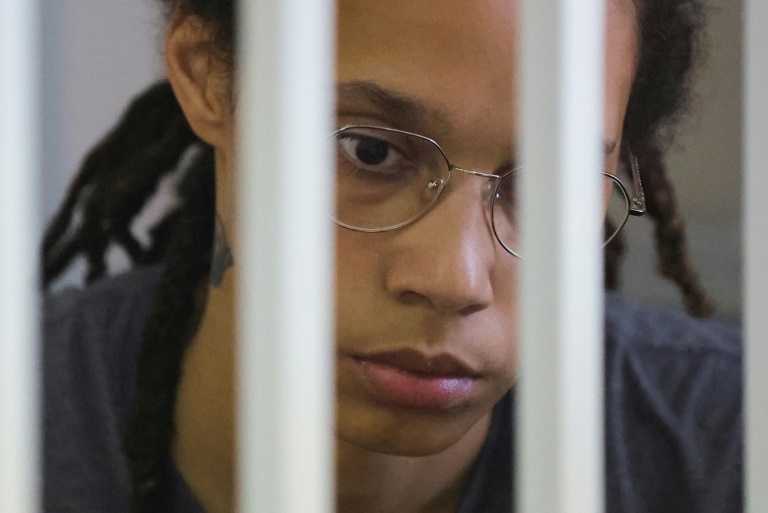
Russia is moving detained US basketball star Brittney Griner to a penal colony, her lawyers said Wednesday, drawing a sharp rebuke from the White House.

Griner, convicted for possession of a small quantity of cannabis oil, was transferred out of a detention center on November 4, her legal team said.

She “is now on her way to a penal colony,” lawyers Maria Blagovolina and Alexander Boykov said in a statement.

They said that Russia generally sends notifications of transforming prisoners by mail, taking up to two weeks.

“We do not have any information on her exact current location or her final destination,” they said.

Griner’s case has drawn outrage in the United States, with Secretary of State Antony Blinken reaching out to Russia to propose a deal to free her despite soaring tensions over Moscow’s invasion of Ukraine.

White House Press Secretary Karine Jean-Pierre reiterated that the United States had put forward a “substantial offer” to Russia to resolve her case.

“Every minute that Brittney Griner must endure wrongful detention in Russia is a minute too long,” Jean-Pierre said in a statement.

“As the administration continues to work tirelessly to secure her release, the president has directed the administration to prevail on her Russian captors to improve her treatment and the conditions she may be forced to endure in a penal colony.”

Griner, a two-time Olympic basketball gold medalist and Women’s NBA champion, had been in Russia to play for the professional Yekaterinburg team during her off-season from the Phoenix Mercury Women’s National Basketball Association side.

She said the cannabis in vape cartridges was to treat pain from her sporting injuries, but Russia does not allow medical marijuana use.

Reports have suggested that Griner and another American jailed in Russia, Paul Whelan — a retired US Marine arrested in December 2018 and accused of spying — could be traded for Viktor Bout, a famed Russian arms trafficker serving 25 years in prison on a 2012 conviction.

Moldova facing dark winter as energy crisis bites

A silence hangs over Ion Ignat’s normally noisy factory in Chetrosu, Moldova, with his 50 workers fretting about their future.

“Normally, all the machines are running. Now all is dead silent,” said the owner of the plant that makes bricks and concrete products about a half an hour’s drive from the capital Chisinau. 

The 60-year-old decided to halt production early last month for the first time since 1992 when spiralling energy prices made it too expensive to fire the kilns and run the machinery.

Ignat hopes to restart production soon if oil and gas prices fall.

In the meantime like many others in this impoverished nation nestled between Romania and Ukraine, he is preparing for a hard winter.

Faced with being starved of the Russian gas it has depended on for decades, the coming months will be crucial for this country of 2.6 million people with a Soviet past and European ambitions.

European Commission president Ursula von der Leyen will visit later this week to discuss how the bloc can help Moldova, which became an EU candidate in the wake of the Russian invasion of Ukraine.

– Running out of power –

Its pro-European and Harvard-educated president, Maia Sandu, has warned her country risks running out of gas and electricity this winter, with gas prices rising 600 percent in the last year.

“It’s a daily challenge to supply the country with energy. A family is paying 70 to 75 percent of its incomes on (gas and electricity) bills,” President Sandu said in a recent address to parliament in neighbouring Romania.

Moldova — where inflation was 33.9 percent year-on-year in September — is almost entirely dependent on Russian gas.

But Russian energy giant Gazprom is reducing deliveries by half in November, according to Chisinau.

As for electricity, Ukraine used to supply 30 percent of its needs. But Russian strikes on energy infrastructure there led to Kyiv to stop all exports to Moldova.

The remaining 70 percent of the country’s power normally comes from a thermal power station in Transnistria, a small breakaway region where Russian troops are stationed, which also cut deliveries to Chisinau.

EU member Romania said last month it would start selling electricity to its neighbour at a reduced price because of the difficulties created by the war in Ukraine.

The Moldovan government has also urged towns to turn off street lights and households to limit consumption, with businesses asked to change their hours to work at off-peak times. 

One of those who has heeded the call is Sergei Litra, the owner of Moldova’s first craft brewery. His employees now work in two shifts outside peak hours, one running from 11 pm to five in the morning. 

“Everything depends on when the war in Ukraine will end. This war made everybody understand that we need energy independence,” the 36-year-old told AFP, adding that he was considering buying solar panels.

– ‘Blackmail’ – 

Sandu — a former World Bank economist elected in 2020 — said Moldova’s dependence on Russian gas is a “vulnerability (that) generates political blackmail”.

In a polarised nation often seen as split between Russia and the West, Sandu is worried that the current economic turmoil could lead to social unrest.

On October 26, the US Treasury imposed sanctions on a former Moldovan official and several other figures to counter Russia’s “persistent malign influence campaigns and systemic corruption in Moldova.”

Back at the brick factory, Ignat said the “next six months will be decisive” for his country.

“We have one foot in Russia and one in the EU. But if we’re going to be brave and dignified we’ll have both feet in Europe and we’ll get rid of the blackmail of the past 30 years,” he told AFP.

To the government’s anger, street lights have been turned back on in the capital after the mayor decided the blackout was a safety hazard that didn’t save enough energy.

“I felt deep sadness seeing Chisinau plunged into darkness,” said pharmacist Liliana Damaschin, 54, who had returned to Moldova from her job in Italy for a holiday. “I am very worried about my country.” 

Republican 'red wave' hopes fizzle in US midterm vote

President Joe Biden’s agenda hung in the balance early Wednesday as a predicted Republican wave failed to materialize in congressional elections fought against a backdrop of stubbornly high inflation and fears for US democracy.

Tuesday’s election saw a clearer verdict in races for states’ governors with rising Republican star Ron DeSantis winning by a crushing margin in Florida, cementing his status as a top potential White House candidate in 2024.

Democrats suffered disappointment in Ohio as writer J.D. Vance, a Trump-endorsed chronicler of working-class white life, won a Senate seat that was already in Republican hands.

But in House races, one Ohio Republican conceded defeat to a Democrat and two Democratic congresswomen in Virginia seen as at risk survived challenges, although a third seat in the eastern state flipped.

The election is “definitely not a Republican wave, that’s for darn sure,” Senator Lindsey Graham, a top Trump ally, told NBC News.

Senator Ted Cruz, who had previously forecast a “red tsunami,” still predicted Republicans would win both chambers but said, “It hasn’t been as big of a wave as I’d hoped it would be.”

The president’s party has traditionally lost seats in midterm elections, with Republicans roaring back after the first two years of both Barack Obama and Bill Clinton.

With Biden’s favorability ratings hovering in the low 40s and Republicans pounding him over inflation and crime, many pundits predicted major losses — which would raise new questions on whether America’s oldest-ever president, who turns 80 this month, should run again.

All eyes are on a handful of Senate races including in Georgia, Pennsylvania, Nevada, Arizona and Wisconsin, with a single seat enough to swing control of the Senate — now evenly divided and controlled by Democrats only through the tie-breaking vote of Vice President Kamala Harris.

– Florida swings right –

On a night of close contests, one of the most decisive wins was for DeSantis, who has made a name in Florida by railing against Covid mitigation measures and transgender rights. 

He was projected to have won by up to 20 points against a folksy former governor, four years after squeaking by in his longtime swing state.

“We will never, ever surrender to the woke mob,” DeSantis told a victory rally, using a derisive term for social justice campaigners.

“Florida is where woke goes to die,” he said.

But if the 44-year-old views his victory as a mandate for the White House in 2024, he will likely face a stiff challenge from another Florida resident — Donald Trump.

The former president went to the polls teasing an announcement next week of a potential new White House run, telling reporters that November 15 “will be a very exciting day for a lot of people.”

“I think if he runs, he could hurt himself very badly,” Trump separately told Fox News, of DeSantis.

Among other gubernatorial races, two solidly Democratic states, Massachusetts and Maryland, elected Democrats to succeed popular moderate Republican incumbents.

In Massachusetts, Maura Healey will make history as the first openly lesbian governor in the United States.

And in New York, where recent polls gave Democrats a scare, Governor Kathy Hochul fended off a Republican challenge.

– Trump again alleges fraud –

Trump, who is facing criminal probes over taking top secret documents from the White House and trying to overturn the 2020 election, has returned to his playbook of airing unsubstantiated claims of fraud.

In Arizona, expected to be one of the closest states, Trump and his chosen candidate for governor, Kari Lake, alleged irregularities after problems with voting machines.

“When we win, and I think we will within hours — we will turn this around, no more incompetency,” Lake — whose Democratic rival took an early lead — told supporters gathered at a luxury ranch in the Phoenix suburbs.

Officials in surrounding Maricopa County said about 20 percent of the 223 polling stations experienced difficulties related to printers but that no one was denied the right to vote.

Biden has warned that Republicans pose a dire threat to democracy with more than half their candidates repeating Trump’s debunked claims of cheating in the 2020 election.

In the runup to the vote, an intruder espousing far-right beliefs broke into the San Francisco home of House Speaker Nancy Pelosi and bludgeoned her husband with a hammer. 

In his closing pitch, Biden vowed that Democrats would defend pensions, health care and the freedom to have an abortion, after a Supreme Court transformed by Trump rescinded the right to choose.

Voting in Phoenix, Kenneth Bellows, a 32-year-old law student, said runaway inflation is “hurting Americans who are just trying to get by.”

“We don’t need any of the crazy woke rhetoric that’s going on right now. What we really need is focusing on everyday kitchen-table politics, to make sure taxes are low,” he said.

But at a restaurant serving up soul food in Pittsburgh, Lasaine Latimore, 77, said Democrats were best placed to help people.

“I just want my medical insurance and more money for dental and glasses,” she said.

If both the House and Senate flip, Biden’s legislative agenda would be paralyzed as Republicans launch aggressive investigations and oppose his spending plans.

That would raise questions over everything from climate policies, which the president will be laying out at the COP27 conference in Egypt this week, to Ukraine, where some Republicans are reluctant to maintain the current rate of US military support.

Close Bitnami banner
Bitnami