
AFP

Asian markets mostly up after solid US jobs data

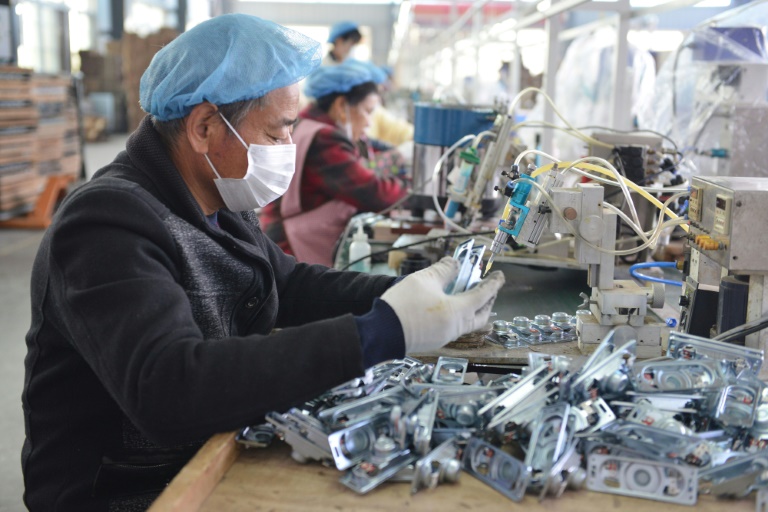
Most Asian markets rose on Monday following strong US jobs data, with fresh rallies seen in Hong Kong even after China said it would stick to its strict zero-Covid policy.

Global stock markets and oil prices were buoyant last week on hopes that Beijing would roll back some of its economically painful policies aimed at stamping out the disease within its borders.

But on Saturday, the Chinese government said it would “unswervingly” stick to its current plan, which involves harsh lockdowns and strict quarantine and testing regimens for even the smallest clusters of cases.

Wall Street equities had enjoyed a boost on Friday from the latest US jobs data, which showed that hiring remained resilient and wages continued to rise, though at a slower pace.

The data, which comes days ahead of critical US midterm elections, raised hopes of a soft landing for the world’s biggest economy despite aggressive Fed rate hikes aimed at taming inflation.

All three main US indexes ended around 1.3 percent higher on Friday, and Tokyo shares extended those gains, trading up 1.3 percent in the early afternoon.

Hong Kong shares dipped slightly at the open, then rocketed 3.4 percent by the break — adding to a jump of more than five percent in the previous session.

Bourses in Shanghai and Shenzhen also edged up 0.5 percent and 0.6 percent respectively, having started the day flat.

“Last week, the financial market was stirring on rumours of China reopening,” Raymond Yeung and Zhaopeng Xing of ANZ Research said in a note on Monday.

But as the rumours about a reopening were unsubstantiated, “it is more likely the market is over-interpreting new information and downplaying old developments”, they wrote.

“Obviously, China feels the urgency to normalise the economy… But the political leadership will not adopt ‘living with Covid’,” the pair added.

“In our view, the availability of locally developed new vaccines will be a game changer”.

China is the last major economy wedded to a strategy of extinguishing Covid-19 outbreaks as they emerge, despite the widespread disruption to businesses and international supply chains.

In morning trade on Monday, Seoul rose 0.9 percent, Taipei was up 1.5 percent and Sydney was up 0.5 percent. Singapore added 0.3 percent, and Jakarta was flat.

Dashed hopes of a Chinese reopening also drove down oil prices, which had rallied on Friday on the optimism that Beijing could soon change course, pushing up demand for crude.

– Key figures around 0400 GMT –

Tokyo – Nikkei 225: UP 1.3 percent at 27,543.52

Hong Kong – Hang Seng Index: UP 3.4 percent at 16,714.57 (break)

Shanghai – Composite: UP 0.5 percent at 3,084.87 

London – FTSE 100: UP 2.0 percent at 7,334.84 (close)

Pound/dollar: DOWN at $1.1309 from $1.1376 Friday

Euro/dollar: DOWN at $0.9937 from $0.9964

Dollar/yen: UP at 147.21 yen from 146.62 yen

Euro/pound: UP at 87.71 pence from 87.56 pence

West Texas Intermediate: DOWN 1.3 percent at $91.41 per barrel

Brent North Sea crude: DOWN 1.0 percent at $97.55 per barrel

New York – Dow: UP 1.3 percent at 32,403.22 (close)
Asian markets mostly up after solid US jobs data

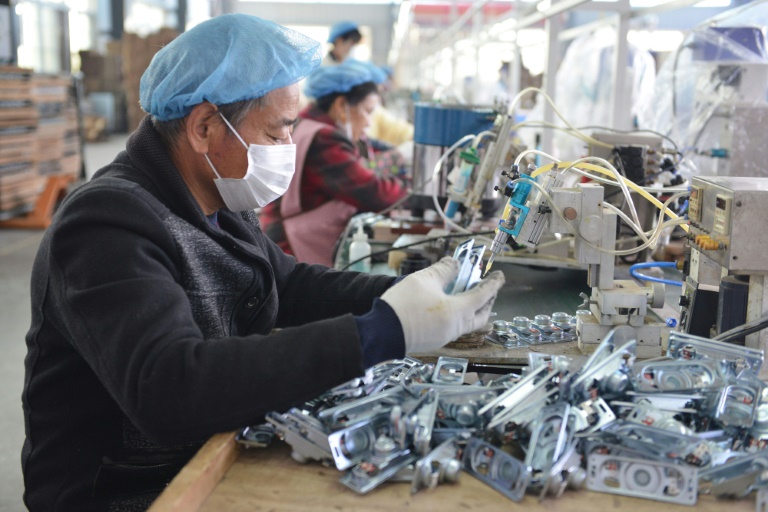
Most Asian markets rose on Monday following strong US jobs data, with fresh rallies seen in Hong Kong even after China said it would stick to its strict zero-Covid policy.

Global stock markets and oil prices were buoyant last week on hopes that Beijing would roll back some of its economically painful policies aimed at stamping out the disease within its borders.

But on Saturday, the Chinese government said it would “unswervingly” stick to its current plan, which involves harsh lockdowns and strict quarantine and testing regimens for even the smallest clusters of cases.

Wall Street equities had enjoyed a boost on Friday from the latest US jobs data, which showed that hiring remained resilient and wages continued to rise, though at a slower pace.

The data, which comes days ahead of critical US midterm elections, raised hopes of a soft landing for the world’s biggest economy despite aggressive Fed rate hikes aimed at taming inflation.

All three main US indexes ended around 1.3 percent higher on Friday, and Tokyo shares extended those gains, trading up 1.3 percent in the early afternoon.

Hong Kong shares dipped slightly at the open, then rocketed 3.4 percent by the break — adding to a jump of more than five percent in the previous session.

Bourses in Shanghai and Shenzhen also edged up 0.5 percent and 0.6 percent respectively, having started the day flat.

“Last week, the financial market was stirring on rumours of China reopening,” Raymond Yeung and Zhaopeng Xing of ANZ Research said in a note on Monday.

But as the rumours about a reopening were unsubstantiated, “it is more likely the market is over-interpreting new information and downplaying old developments”, they wrote.

“Obviously, China feels the urgency to normalise the economy… But the political leadership will not adopt ‘living with Covid’,” the pair added.

“In our view, the availability of locally developed new vaccines will be a game changer”.

China is the last major economy wedded to a strategy of extinguishing Covid-19 outbreaks as they emerge, despite the widespread disruption to businesses and international supply chains.

In morning trade on Monday, Seoul rose 0.9 percent, Taipei was up 1.5 percent and Sydney was up 0.5 percent. Singapore added 0.3 percent, and Jakarta was flat.

Dashed hopes of a Chinese reopening also drove down oil prices, which had rallied on Friday on the optimism that Beijing could soon change course, pushing up demand for crude.

– Key figures around 0400 GMT –

Tokyo – Nikkei 225: UP 1.3 percent at 27,543.52

Hong Kong – Hang Seng Index: UP 3.4 percent at 16,714.57 (break)

Shanghai – Composite: UP 0.5 percent at 3,084.87 

London – FTSE 100: UP 2.0 percent at 7,334.84 (close)

Pound/dollar: DOWN at $1.1309 from $1.1376 Friday

Euro/dollar: DOWN at $0.9937 from $0.9964

Dollar/yen: UP at 147.21 yen from 146.62 yen

Euro/pound: UP at 87.71 pence from 87.56 pence

West Texas Intermediate: DOWN 1.3 percent at $91.41 per barrel

Brent North Sea crude: DOWN 1.0 percent at $97.55 per barrel

New York – Dow: UP 1.3 percent at 32,403.22 (close)
Asian markets mostly up after solid US jobs data

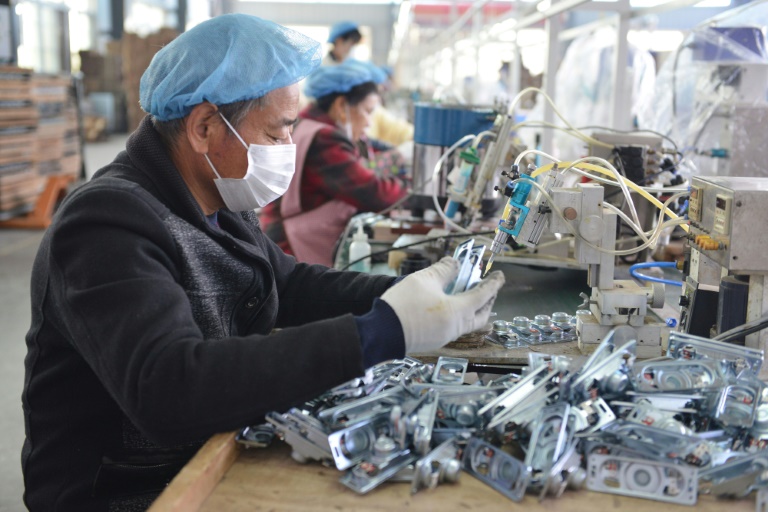
Most Asian markets rose on Monday following strong US jobs data, with fresh rallies seen in Hong Kong even after China said it would stick to its strict zero-Covid policy.

Global stock markets and oil prices were buoyant last week on hopes that Beijing would roll back some of its economically painful policies aimed at stamping out the disease within its borders.

But on Saturday, the Chinese government said it would “unswervingly” stick to its current plan, which involves harsh lockdowns and strict quarantine and testing regimens for even the smallest clusters of cases.

Wall Street equities had enjoyed a boost on Friday from the latest US jobs data, which showed that hiring remained resilient and wages continued to rise, though at a slower pace.

The data, which comes days ahead of critical US midterm elections, raised hopes of a soft landing for the world’s biggest economy despite aggressive Fed rate hikes aimed at taming inflation.

All three main US indexes ended around 1.3 percent higher on Friday, and Tokyo shares extended those gains, trading up 1.3 percent in the early afternoon.

Hong Kong shares dipped slightly at the open, then rocketed 3.4 percent by the break — adding to a jump of more than five percent in the previous session.

Bourses in Shanghai and Shenzhen also edged up 0.5 percent and 0.6 percent respectively, having started the day flat.

“Last week, the financial market was stirring on rumours of China reopening,” Raymond Yeung and Zhaopeng Xing of ANZ Research said in a note on Monday.

But as the rumours about a reopening were unsubstantiated, “it is more likely the market is over-interpreting new information and downplaying old developments”, they wrote.

“Obviously, China feels the urgency to normalise the economy… But the political leadership will not adopt ‘living with Covid’,” the pair added.

“In our view, the availability of locally developed new vaccines will be a game changer”.

China is the last major economy wedded to a strategy of extinguishing Covid-19 outbreaks as they emerge, despite the widespread disruption to businesses and international supply chains.

In morning trade on Monday, Seoul rose 0.9 percent, Taipei was up 1.5 percent and Sydney was up 0.5 percent. Singapore added 0.3 percent, and Jakarta was flat.

Dashed hopes of a Chinese reopening also drove down oil prices, which had rallied on Friday on the optimism that Beijing could soon change course, pushing up demand for crude.

– Key figures around 0400 GMT –

Tokyo – Nikkei 225: UP 1.3 percent at 27,543.52

Hong Kong – Hang Seng Index: UP 3.4 percent at 16,714.57 (break)

Shanghai – Composite: UP 0.5 percent at 3,084.87 

London – FTSE 100: UP 2.0 percent at 7,334.84 (close)

Pound/dollar: DOWN at $1.1309 from $1.1376 Friday

Euro/dollar: DOWN at $0.9937 from $0.9964

Dollar/yen: UP at 147.21 yen from 146.62 yen

Euro/pound: UP at 87.71 pence from 87.56 pence

West Texas Intermediate: DOWN 1.3 percent at $91.41 per barrel

Brent North Sea crude: DOWN 1.0 percent at $97.55 per barrel

New York – Dow: UP 1.3 percent at 32,403.22 (close)
N. Korea vows 'overwhelming' response to US-South Korea war games

The North Korean military said its response to US-South Korean war drills would be “resolute and overwhelming”, state media reported Monday.

The warning came after a spate of North Korean weapons tests last week — including an intercontinental ballistic missile — as the United States and South Korea conducted their biggest-ever air force exercise.

The United States and South Korea have warned that such missile launches could culminate in a nuclear test by North Korea.

The North Korean military, formally known as the Korean People’s Army (KPA), said it was responding to Vigilant Storm — the US-South Korean exercise — describing it as “an open provocation”, according to the official Korean Central News Agency (KCNA).

Vigilant Storm was “aimed at intentionally escalating the tension in the region and a dangerous war drill of very high aggressive nature directly targeting” North Korea, the KPA said.

North Korea will respond to all “anti-DPRK war drills” with “sustained, resolute and overwhelming” measures, it said.

The United States has dismissed criticism of the exercise as North Korean propaganda, saying it posed no threat to other nations.

The KPA said it conducted operations, including the launch of tactical ballistic missiles that simulated attacks on air force bases, and practised shooting down enemy aircraft.

One ballistic missile was launched to test “a special functional warhead paralyzing the operation command system of the enemy”, the KPA said, without providing any further details about that weapon.

The North Korean air force also conducted a “large-scale all-out combat sortie operation”, involving 500 planes, according to KCNA.

That mobilisation prompted South Korea to scramble fighter jets on Friday.

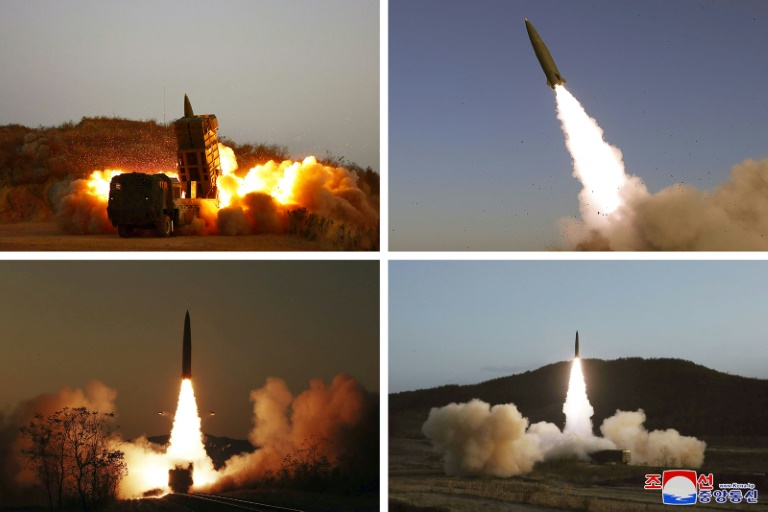
Images of North Korean military operations released on Monday by KCNA showed missiles being fired from various undisclosed locations, including some from mobile launchers.

– Weak air force –

Experts say Pyongyang is particularly sensitive about drills such as Vigilant Storm because its air force is one of the weakest links in its military, lacking high-tech jets and properly trained pilots.

The details of North Korea’s operations last week indicate the importance it places on destroying air bases in the South, said Cheong Seong-chang, a researcher at the Sejong Institute in Seoul.

“North Korea considers it important to strike and neutralise air bases first because their air power is weak,” Cheong told AFP.

Compared with North Korea’s ageing fleet, Vigilant Storm saw some of the most advanced US and South Korean warplanes in action, including F-35 stealth fighters.

The exercise was meant to run from Monday to Friday last week, but Washington and Seoul extended it by a day in response to the flurry of North Korean missile launches.

Two US Air Force B-1Bs — long-range heavy bombers — joined the drills in a show of force.

US-South Korea joint drills have long sparked strong reactions from North Korea, which sees them as rehearsals for an invasion.

Pyongyang has especially condemned past deployments of US strategic weapons such as long-range bombers and aircraft carrier strike groups.

Parts of the KPA statement, including the claim that it could counter the “theory of superiority” of US and South Korean air forces, were domestic propaganda, said Park Won-gon, a professor at the Ewha University in Seoul.

“It is saying that North Korea responded sufficiently against the largest joint drills between Seoul and Washington and that they prevailed.”

South Korea began its annual Taegeuk computer-simulated military exercise on Monday, which aims to improve its ability to respond to various North Korean threats.

Asian markets mostly up after solid US jobs data

Most Asian markets started the week with gains Monday following strong US jobs data, although stocks in Shanghai were flat after China said it would stick to its strict zero-Covid policy.

Global stock markets and oil prices rallied last week on hopes that Beijing would roll back some of its economically painful policies aimed at stamping out the disease within its borders.

But on Saturday, the Chinese government said it would “unswervingly” stick to its current plan, which involves harsh lockdowns and strict quarantine and testing regimens for even the smallest clusters of cases.

Wall Street equities had enjoyed a boost on Friday from the latest US jobs data, which showed that hiring remained resilient and wages continued to rise, though at a slower pace.

The data, which comes days ahead of critical US midterm elections, raised hopes of a soft landing for the world’s biggest economy despite aggressive Fed rate hikes aimed at taming inflation.

All three main US indexes ended around 1.3 percent higher on Friday, and Tokyo shares extended those gains on Monday to end the morning session 1.2 percent up.

Hong Kong shares dipped slightly at the open but quickly recovered to add 1.4 percent — adding to a jump of more than five percent in the previous session.

Bourses in Shanghai and Shenzhen were barely changed in morning trade, however.

“Last week, the financial market was stirring on rumours of China reopening,” Raymond Yeung and Zhaopeng Xing of ANZ Research said in a note on Monday.

But as the rumours about a reopening were unsubstantiated, “it is more likely the market is over-interpreting new information and downplaying old developments”, they wrote.

“Obviously, China feels the urgency to normalise the economy… But the political leadership will not adopt ‘living with Covid’,” the pair added.

“In our view, the availability of locally developed new vaccines will be a game changer”.

China is the last major economy wedded to a strategy of extinguishing Covid-19 outbreaks as they emerge.

It is still imposing snap lockdowns, mass testing and lengthy quarantines — despite the widespread disruption to businesses and international supply chains.

Seoul rose 0.8 percent, Taipei was up 1.1 percent and Sydney was up 0.5 percent in early trade on Monday. Singapore was flat and Jakarta dipped 0.3 percent.

Dashed hopes of a Chinese reopening also drove down oil prices, which had rallied on Friday on the optimism that Beijing could soon change course, pushing up demand for crude.

– Key figures around 0230 GMT –

Tokyo – Nikkei 225: UP 1.2 percent at 27,528.66 (break)

Hong Kong – Hang Seng Index: UP 1.4 percent at 16,393.36

Shanghai – Composite: DOWN 0.1 percent at 3,068.62

London – FTSE 100: UP 2.0 percent at 7,334.84 (close)

Pound/dollar: DOWN at $1.1325 from $1.1376 Friday

Euro/dollar: DOWN at $0.9933 from $0.9964

Dollar/yen: UP at 147.21 yen from 146.62 yen

Euro/pound: UP at 87.80 pence from 87.56 pence

West Texas Intermediate: DOWN 1.4 percent at $91.28 per barrel

Brent North Sea crude: DOWN 1.2 percent at $97.43 per barrel

New York – Dow: UP 1.3 percent at 32,403.22 (close)
Asian markets mostly up after solid US jobs data

Most Asian markets started the week with gains Monday following strong US jobs data, although stocks in Shanghai were flat after China said it would stick to its strict zero-Covid policy.

Global stock markets and oil prices rallied last week on hopes that Beijing would roll back some of its economically painful policies aimed at stamping out the disease within its borders.

But on Saturday, the Chinese government said it would “unswervingly” stick to its current plan, which involves harsh lockdowns and strict quarantine and testing regimens for even the smallest clusters of cases.

Wall Street equities had enjoyed a boost on Friday from the latest US jobs data, which showed that hiring remained resilient and wages continued to rise, though at a slower pace.

The data, which comes days ahead of critical US midterm elections, raised hopes of a soft landing for the world’s biggest economy despite aggressive Fed rate hikes aimed at taming inflation.

All three main US indexes ended around 1.3 percent higher on Friday, and Tokyo shares extended those gains on Monday to end the morning session 1.2 percent up.

Hong Kong shares dipped slightly at the open but quickly recovered to add 1.4 percent — adding to a jump of more than five percent in the previous session.

Bourses in Shanghai and Shenzhen were barely changed in morning trade, however.

“Last week, the financial market was stirring on rumours of China reopening,” Raymond Yeung and Zhaopeng Xing of ANZ Research said in a note on Monday.

But as the rumours about a reopening were unsubstantiated, “it is more likely the market is over-interpreting new information and downplaying old developments”, they wrote.

“Obviously, China feels the urgency to normalise the economy… But the political leadership will not adopt ‘living with Covid’,” the pair added.

“In our view, the availability of locally developed new vaccines will be a game changer”.

China is the last major economy wedded to a strategy of extinguishing Covid-19 outbreaks as they emerge.

It is still imposing snap lockdowns, mass testing and lengthy quarantines — despite the widespread disruption to businesses and international supply chains.

Seoul rose 0.8 percent, Taipei was up 1.1 percent and Sydney was up 0.5 percent in early trade on Monday. Singapore was flat and Jakarta dipped 0.3 percent.

Dashed hopes of a Chinese reopening also drove down oil prices, which had rallied on Friday on the optimism that Beijing could soon change course, pushing up demand for crude.

– Key figures around 0230 GMT –

Tokyo – Nikkei 225: UP 1.2 percent at 27,528.66 (break)

Hong Kong – Hang Seng Index: UP 1.4 percent at 16,393.36

Shanghai – Composite: DOWN 0.1 percent at 3,068.62

London – FTSE 100: UP 2.0 percent at 7,334.84 (close)

Pound/dollar: DOWN at $1.1325 from $1.1376 Friday

Euro/dollar: DOWN at $0.9933 from $0.9964

Dollar/yen: UP at 147.21 yen from 146.62 yen

Euro/pound: UP at 87.80 pence from 87.56 pence

West Texas Intermediate: DOWN 1.4 percent at $91.28 per barrel

Brent North Sea crude: DOWN 1.2 percent at $97.43 per barrel

New York – Dow: UP 1.3 percent at 32,403.22 (close)
Asian markets mostly up after solid US jobs data

Most Asian markets started the week with gains Monday following strong US jobs data, although stocks in Shanghai were flat after China said it would stick to its strict zero-Covid policy.

Global stock markets and oil prices rallied last week on hopes that Beijing would roll back some of its economically painful policies aimed at stamping out the disease within its borders.

But on Saturday, the Chinese government said it would “unswervingly” stick to its current plan, which involves harsh lockdowns and strict quarantine and testing regimens for even the smallest clusters of cases.

Wall Street equities had enjoyed a boost on Friday from the latest US jobs data, which showed that hiring remained resilient and wages continued to rise, though at a slower pace.

The data, which comes days ahead of critical US midterm elections, raised hopes of a soft landing for the world’s biggest economy despite aggressive Fed rate hikes aimed at taming inflation.

All three main US indexes ended around 1.3 percent higher on Friday, and Tokyo shares extended those gains on Monday to end the morning session 1.2 percent up.

Hong Kong shares dipped slightly at the open but quickly recovered to add 1.4 percent — adding to a jump of more than five percent in the previous session.

Bourses in Shanghai and Shenzhen were barely changed in morning trade, however.

“Last week, the financial market was stirring on rumours of China reopening,” Raymond Yeung and Zhaopeng Xing of ANZ Research said in a note on Monday.

But as the rumours about a reopening were unsubstantiated, “it is more likely the market is over-interpreting new information and downplaying old developments”, they wrote.

“Obviously, China feels the urgency to normalise the economy… But the political leadership will not adopt ‘living with Covid’,” the pair added.

“In our view, the availability of locally developed new vaccines will be a game changer”.

China is the last major economy wedded to a strategy of extinguishing Covid-19 outbreaks as they emerge.

It is still imposing snap lockdowns, mass testing and lengthy quarantines — despite the widespread disruption to businesses and international supply chains.

Seoul rose 0.8 percent, Taipei was up 1.1 percent and Sydney was up 0.5 percent in early trade on Monday. Singapore was flat and Jakarta dipped 0.3 percent.

Dashed hopes of a Chinese reopening also drove down oil prices, which had rallied on Friday on the optimism that Beijing could soon change course, pushing up demand for crude.

– Key figures around 0230 GMT –

Tokyo – Nikkei 225: UP 1.2 percent at 27,528.66 (break)

Hong Kong – Hang Seng Index: UP 1.4 percent at 16,393.36

Shanghai – Composite: DOWN 0.1 percent at 3,068.62

London – FTSE 100: UP 2.0 percent at 7,334.84 (close)

Pound/dollar: DOWN at $1.1325 from $1.1376 Friday

Euro/dollar: DOWN at $0.9933 from $0.9964

Dollar/yen: UP at 147.21 yen from 146.62 yen

Euro/pound: UP at 87.80 pence from 87.56 pence

West Texas Intermediate: DOWN 1.4 percent at $91.28 per barrel

Brent North Sea crude: DOWN 1.2 percent at $97.43 per barrel

New York – Dow: UP 1.3 percent at 32,403.22 (close)
Apple says iPhone production hit by China Covid lockdown

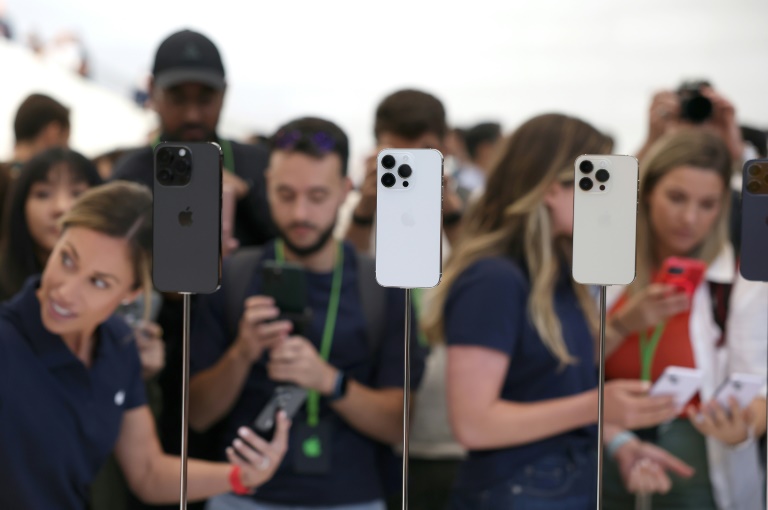
Apple said Covid restrictions have “temporarily impacted” production at the world’s largest iPhone factory in central China, warning that customers will now face longer wait times ahead of the holiday season.

Foxconn, Apple’s principal subcontractor, locked down its massive factory in Zhengzhou last month after a spike in infections — in line with China’s zero-Covid policy. 

In a separate statement Monday, the Taiwanese firm said its fourth quarter earnings this year would take a hit from the coronavirus lockdowns.

Panicking workers last week had fled the site on foot in the wake of allegations of poor conditions at the facility, which employs hundreds of thousands of workers.

“Covid-19 restrictions have temporarily impacted the primary iPhone 14 Pro and iPhone 14 Pro Max assembly facility located in Zhengzhou, China,” California-based Apple said in a statement late Sunday.

“The facility is currently operating at significantly reduced capacity.”

Despite strong demand for Apple’s products ahead of the holiday season, “we now expect lower iPhone 14 Pro and iPhone 14 Pro Max shipments than we previously anticipated”, it said. 

“Customers will experience longer wait times to receive their new products.” 

Foxconn is China’s biggest private sector employer, with over a million people working across the country in about 30 factories and research institutes.

But Zhengzhou is the Taiwanese company’s crown jewel, churning out iPhones in quantities not seen anywhere else.

“In a normal situation, almost all the iPhone production is happening in Zhengzhou,” Ivan Lam, an analyst with specialist firm Counterpoint, told AFP.

The company was initially “cautiously optimistic” about its fourth quarter earnings, it said. 

“But due to the pandemic affecting some of our operations in Zhengzhou, the company will ‘revise down’ the outlook for the fourth quarter,” Foxconn said in a statement. 

“Foxconn is now working with the government in (a) concerted effort to stamp out the pandemic and resume production to its full capacity as quickly as possible,” the company said. 

It did not give any statistical projection for how badly they expected earnings to be hit. 

– ‘We are drowning’ –

Local authorities locked down the area surrounding the factory on Wednesday, but not before reports emerged of a lack of adequate medical care at the plant.

Multiple workers have recounted scenes of chaos and increasing disorganisation at Foxconn’s complex of workshops and dormitories, which form a city-within-a-city near Zhengzhou’s airport.

“People with fevers are not guaranteed to receive medicine,” another Foxconn worker, a 30-year-old man who also asked to remain anonymous, told AFP.

“We are drowning,” he said.

China is the last major economy wedded to a strategy of extinguishing Covid outbreaks as they emerge, imposing snap lockdowns, mass testing and lengthy quarantines despite the widespread disruption to businesses and international supply chains.

And authorities poured cold water on speculation that the policy could be relaxed Saturday, with National Health Commission (NHC) spokesperson Mi Feng saying that Beijing would “stick unswervingly to… the overall policy of dynamic zero-Covid”.

“At present, China is still facing the dual threat of imported infections and the spread of domestic outbreaks,” Mi said at a press briefing.

“The disease control situation is as grim and complex as ever,” he said. “We must continue to put people and lives first.”

Apple says iPhone production hit by China Covid lockdown

Apple said Covid restrictions have “temporarily impacted” production at the world’s largest iPhone factory in central China, warning that customers will now face longer wait times ahead of the holiday season.

Foxconn, Apple’s principal subcontractor, locked down its massive factory in Zhengzhou last month after a spike in infections — in line with China’s zero-Covid policy. 

In a separate statement Monday, the Taiwanese firm said its fourth quarter earnings this year would take a hit from the coronavirus lockdowns.

Panicking workers last week had fled the site on foot in the wake of allegations of poor conditions at the facility, which employs hundreds of thousands of workers.

“Covid-19 restrictions have temporarily impacted the primary iPhone 14 Pro and iPhone 14 Pro Max assembly facility located in Zhengzhou, China,” California-based Apple said in a statement late Sunday.

“The facility is currently operating at significantly reduced capacity.”

Despite strong demand for Apple’s products ahead of the holiday season, “we now expect lower iPhone 14 Pro and iPhone 14 Pro Max shipments than we previously anticipated”, it said. 

“Customers will experience longer wait times to receive their new products.” 

Foxconn is China’s biggest private sector employer, with over a million people working across the country in about 30 factories and research institutes.

But Zhengzhou is the Taiwanese company’s crown jewel, churning out iPhones in quantities not seen anywhere else.

“In a normal situation, almost all the iPhone production is happening in Zhengzhou,” Ivan Lam, an analyst with specialist firm Counterpoint, told AFP.

The company was initially “cautiously optimistic” about its fourth quarter earnings, it said. 

“But due to the pandemic affecting some of our operations in Zhengzhou, the company will ‘revise down’ the outlook for the fourth quarter,” Foxconn said in a statement. 

“Foxconn is now working with the government in (a) concerted effort to stamp out the pandemic and resume production to its full capacity as quickly as possible,” the company said. 

It did not give any statistical projection for how badly they expected earnings to be hit. 

– ‘We are drowning’ –

Local authorities locked down the area surrounding the factory on Wednesday, but not before reports emerged of a lack of adequate medical care at the plant.

Multiple workers have recounted scenes of chaos and increasing disorganisation at Foxconn’s complex of workshops and dormitories, which form a city-within-a-city near Zhengzhou’s airport.

“People with fevers are not guaranteed to receive medicine,” another Foxconn worker, a 30-year-old man who also asked to remain anonymous, told AFP.

“We are drowning,” he said.

China is the last major economy wedded to a strategy of extinguishing Covid outbreaks as they emerge, imposing snap lockdowns, mass testing and lengthy quarantines despite the widespread disruption to businesses and international supply chains.

And authorities poured cold water on speculation that the policy could be relaxed Saturday, with National Health Commission (NHC) spokesperson Mi Feng saying that Beijing would “stick unswervingly to… the overall policy of dynamic zero-Covid”.

“At present, China is still facing the dual threat of imported infections and the spread of domestic outbreaks,” Mi said at a press briefing.

“The disease control situation is as grim and complex as ever,” he said. “We must continue to put people and lives first.”

Apple says iPhone production hit by China Covid lockdown

Apple said Covid restrictions have “temporarily impacted” production at the world’s largest iPhone factory in central China, warning that customers will now face longer wait times ahead of the holiday season.

Foxconn, Apple’s principal subcontractor, locked down its massive factory in Zhengzhou last month after a spike in infections — in line with China’s zero-Covid policy. 

In a separate statement Monday, the Taiwanese firm said its fourth quarter earnings this year would take a hit from the coronavirus lockdowns.

Panicking workers last week had fled the site on foot in the wake of allegations of poor conditions at the facility, which employs hundreds of thousands of workers.

“Covid-19 restrictions have temporarily impacted the primary iPhone 14 Pro and iPhone 14 Pro Max assembly facility located in Zhengzhou, China,” California-based Apple said in a statement late Sunday.

“The facility is currently operating at significantly reduced capacity.”

Despite strong demand for Apple’s products ahead of the holiday season, “we now expect lower iPhone 14 Pro and iPhone 14 Pro Max shipments than we previously anticipated”, it said. 

“Customers will experience longer wait times to receive their new products.” 

Foxconn is China’s biggest private sector employer, with over a million people working across the country in about 30 factories and research institutes.

But Zhengzhou is the Taiwanese company’s crown jewel, churning out iPhones in quantities not seen anywhere else.

“In a normal situation, almost all the iPhone production is happening in Zhengzhou,” Ivan Lam, an analyst with specialist firm Counterpoint, told AFP.

The company was initially “cautiously optimistic” about its fourth quarter earnings, it said. 

“But due to the pandemic affecting some of our operations in Zhengzhou, the company will ‘revise down’ the outlook for the fourth quarter,” Foxconn said in a statement. 

“Foxconn is now working with the government in (a) concerted effort to stamp out the pandemic and resume production to its full capacity as quickly as possible,” the company said. 

It did not give any statistical projection for how badly they expected earnings to be hit. 

– ‘We are drowning’ –

Local authorities locked down the area surrounding the factory on Wednesday, but not before reports emerged of a lack of adequate medical care at the plant.

Multiple workers have recounted scenes of chaos and increasing disorganisation at Foxconn’s complex of workshops and dormitories, which form a city-within-a-city near Zhengzhou’s airport.

“People with fevers are not guaranteed to receive medicine,” another Foxconn worker, a 30-year-old man who also asked to remain anonymous, told AFP.

“We are drowning,” he said.

China is the last major economy wedded to a strategy of extinguishing Covid outbreaks as they emerge, imposing snap lockdowns, mass testing and lengthy quarantines despite the widespread disruption to businesses and international supply chains.

And authorities poured cold water on speculation that the policy could be relaxed Saturday, with National Health Commission (NHC) spokesperson Mi Feng saying that Beijing would “stick unswervingly to… the overall policy of dynamic zero-Covid”.

“At present, China is still facing the dual threat of imported infections and the spread of domestic outbreaks,” Mi said at a press briefing.

“The disease control situation is as grim and complex as ever,” he said. “We must continue to put people and lives first.”

Close Bitnami banner
Bitnami

